Whistleblower Dr Chris Day’s appeal: Has Judge Andrew Burns KC ruling made it impossible for him to get open justice?

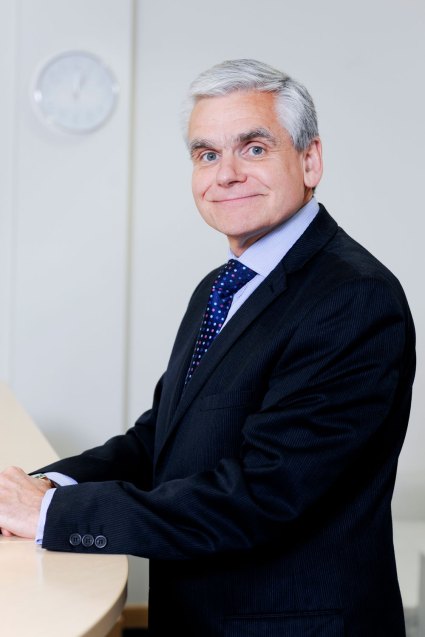
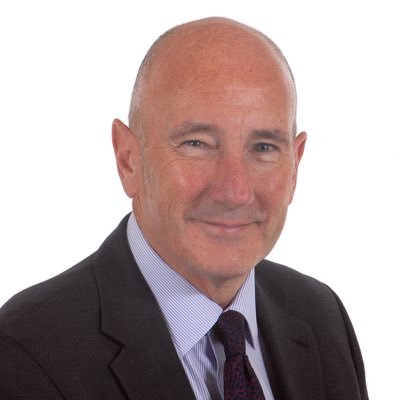
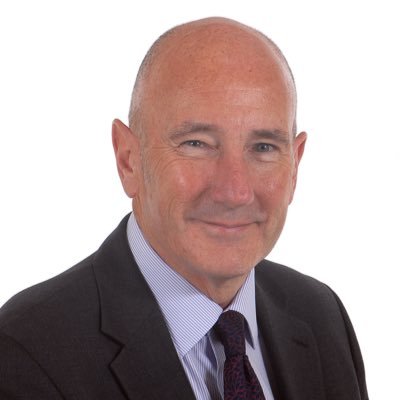
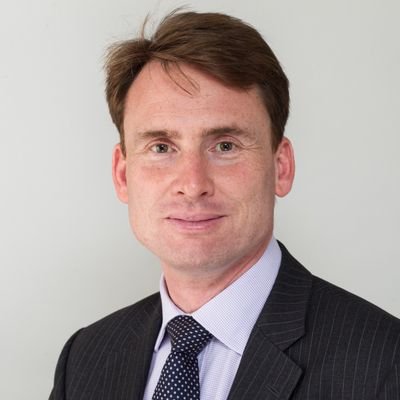
Andrew Burns KC

UPDATE: In a further twist in this long saga, High Court judge Dame Jennifer Eady, President of the Employment Appeal Tribunal initially took a decision not to read Dr Day’s letter complaining about the injustices in the procedure of his tribunal case against Lewisham and Greenwich NHS Health Trust . Now it has been decided that another judge will rule whether she should read the letter. Such a move has been opposed by the trust, who are represented by Old Square Chambers.

Superficially the ruling by Deputy High Court judge Andrew Burns looked like a victory for the long campaigning whistleblower Dr Chris Day to get a fair hearing at his forthcoming Employment Appeal Tribunal. He was granted an appeal on six of the ten grounds presented to the hearing and he was publicly commended by the judge for restoring the employment rights of 54,000 doctors which had been taken away in a sleight of hand by the now merged Health Education England.

But a closer look at the judgement gives a rather different picture. Instead of allowing a full appeal of employment judge Ann Martin’s flawed hearing he introduced caveats and blocked the re-examining of crucial issues. These include examining whether MPs and the press have been misled by the NHS and their lawyers, whether deliberate concealment has occurred and such startling behaviour as a Lewisham and Greenwich health trust communications director destroying mid hearing 90,000 emails that could have helped Dr Day’s defence and subsequently declining to appear as a witness.. It also allowed the health trust’s lawyers to to traduce Dr Day’s public reputation and misrepresent his motives without fear of being dragged before the libel courts or even being properly cross examined about this at the tribunal.

Three Wise Monkeys – a rather good print by Swedish musician and artist Andreas Magnusson see https://printler.com/en/poster/167372/

In short Andrew Burns judgement is a ruling equivalent to the infamous “three wise monkeys” carving at a Japanese shrine. He ” sees no evil, he hears no evil and speaks no evil” at that flawed tribunal. And he has been given by Dr Day a chance to review his findings to take account of these omissions.

Dr Day’s points requesting a review are here.

To put it simply he is blind to Ann Martin’s mishandling of that tribunal, he is deaf to Dr Day’s arguments to put this right, and he is silent about the outrageous behaviour of the trust’s employees and their lawyers, particularly Ben Cooper, KC on traducing Dr Day’s reputation and it being broadcast to MPs, the public and other trusts.

As Dr Day puts in an email accompanying his crowd justice website ” which goes into all the legal details “The Judge has allowed me to have an appeal but taken all my weapons and has blocked key issues being explored.”

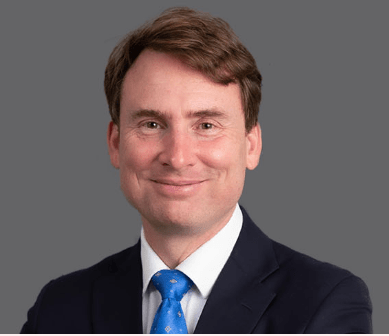
Ben Cooper KC

The language used against Dr Day by Old Square chambers lawyer Ben Cooper would be defamatory outside a court room. He is described as ” having an obsessive belief in his victimhood”, accused of an “elaborate rewriting of history by him to fit in with his narrative” and condemned his evidence as ” dishonest and underhand.”

When pressed on this by Dr Day’s barrister Andrew Allen KC at the June 2022 Mr Cooper conceded he had no example of what he meant from Dr Day’s witness statement and Mr Allen was then prevented from cross examining Mr Cooper on Dr Day’s supplementary statement rebutting Mr Cooper’s insults and allegations.

My Statement on Ben Cooper KC – DrChrisDay

To make matters worse Ben Cooper’s attack on Dr Day’s character has been picked up by a lawyer defending lawyers Hill Dickinson against Dr Day in another case. Dijen Basu, KC from Sergeants Inn Chambers, in a skeleton argument in a case still to be heard said of Dr Day ” The diagnosis of whistleblowitis is a pithy way of describing a man who had developed an obsessive belief in his own victimhood to the point of being prepared to dishonest and underhand in pursuit of what he saw as the virtue of his cause as Mr Cooper described him.”

The irony of this attack is the case revolves around Hill Dickinson depriving 54,000 junior doctors of their whistleblowing rights whilst not revealing key commissioning contracts  in disclosure the firm were paid to draft. Now who was really being dishonest and underhand!

As Dr Day purchased the transcript of Ann Martin’s tribunal he has been able to point out that cross examination of Ben Cooper’s claims was halted by the judge but she went on to allude to Ben Cooper’s argument against Dr Day in her public judgement. Dr Day argued that this a breach of court procedure but the judge did not agree.

Judge Andrew Burns did agree he had made a mistake in describing Dr Day’s withdrawal in a previous hearing in this long dispute as being caused by duress rather than misrepresentation.. This was when his lawyer Chris Milson, without his instructions, tried to negotiate a settlement which included a confidentiality clause. Dr Day was able to get Judge Burns to accept that his case was not one of duress but one of serious allegations of misrepresentation from a number of lawyers whose accounts of the infamous settlement of the Day Case in 2018 do not add up.

Dr Day has now written to Judge Dame Jennifer Eady, President of the Employment Appeal Tribunals, asking her to intervene.

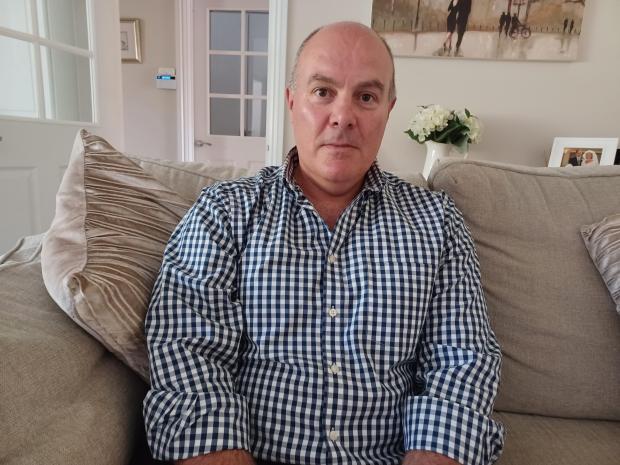
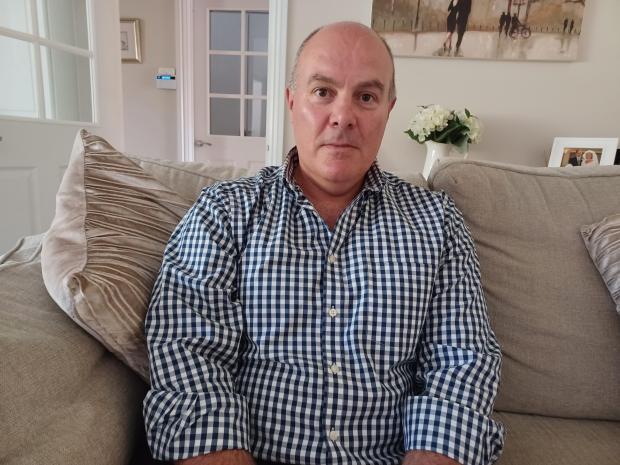
Dr Chris Day

Letter to Dame Eady President of the Employment Appeal Tribunal – DrChrisDay

He writes: “It may come as no surprise that I and large numbers of doctors feel deeply let down by the way the EAT has handled my case over the last 10 years. I believe its decisions have not been logical and have ignored evidence, pleadings and important appeal points. I believe the most likely explanation for
this is the EAT’s failure to manage properly the conflicts of interests and human factors that have come into play when Judges have dealt with certain issues in my case affecting their legal colleagues.”

He goes on: “The destruction, concealment and ignoring of large amounts of evidence at the June 2022 ET hearing of my case and the obstruction of 2 of our proposed cross examinations was widely reported and shocked people. Many were expecting these obvious issues to be dealt with decisively by the appeal tribunal. Instead, I have had to get into an argument with the EAT about whether such extraordinary conduct is enough for me to advance procedural unfairness as a ground of appeal”

He adds: “I am seriously considering whether I can proceed with an appeal in this court whilst the EAT refuses to answer” these points.

A check on social media of Judge Burns X account by 54,000 doctors, a group who campaign for the whistleblowing rights of junior doctors reveals how closely 3 of the lawyers involved on both sides of the Day settlement are connected socially.

Judge Andrew Burns, a former lawyer at Devereux follows and is followed by Chris Milsom – Dr Day’s lawyer in a previous 2018 case that settled ; he follows Old Square Chambers, which has a leading role in pursuing whistleblowers; Martin Hamilton, managing partner, Capsticks who Dr Day alleges misled MPs and the Board of Lewisham and Greenwich about his case and settlement. Other followers include Nadia Motraghi, KC, another Old Square Chambers that was against Dr Day, who also pursued Dr Usha Prasad, a whistleblower cardiologist at Georges and Epsom St Helier NHS trust.
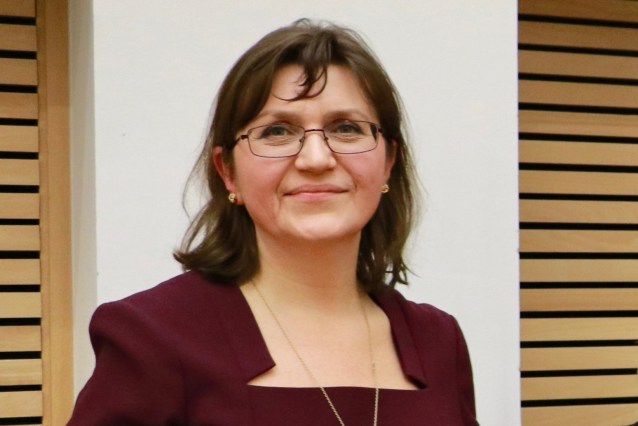
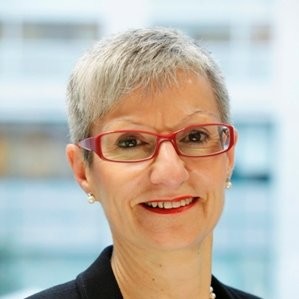
Dame Jennifer Eady

Finally it turns out that judge Dame Jennifer Eady – whom Dr Day is relying on to adjudicate about this – is a former lawyer at Old Square Chambers from 1990 to 2013. During her time at Old Square Chambers, for 13 years from 2000, Ben Cooper KC, and from 2004 Nadia Motraghi were colleagues. It would be amazing if they don’t know each other very well as they practised in the same field.

So how will Dr Day get a fair hearing when three of the lawyers he is accusing of misleading on the settlement are so closely linked to the judge and the final arbiter is their former colleague now in an all powerful position to control the entire employment appeal tribunal system.

My final point from covering a number of whistleblower tribunals is that I am disgusted at the way very senior professional lawyers seem to enjoy denigrating, insulting, and belittling the careers of eminent doctors whose main concerns are to protect the public from bad medical practices which endanger lives.

One-Time
Monthly
Yearly

Make a one-time donation

Make a monthly donation

Make a yearly donation

Choose an amount

£5.00
£10.00
£20.00
£5.00
£15.00
£100.00
£5.00
£15.00
£100.00

Or enter a custom amount

£

Your contribution is appreciated.

Your contribution is appreciated.

Your contribution is appreciated.

DonateDonate monthlyDonate yearly


Please donate to Westminster Confidential

£10.00
Whistleblower Dr Chris Day wins right to appeal in his ten year patient safety battle against Lewisham and Greenwich NHS Trust

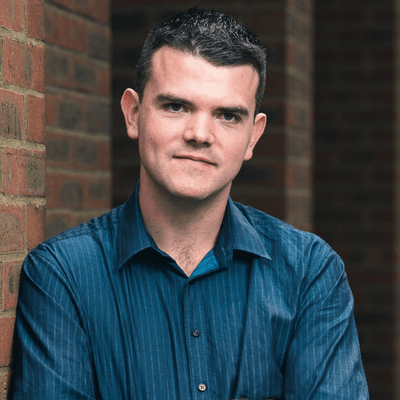
Dr Chris Day

Whistleblower Dr Chris Day won the right to appeal today when a a Deputy High Court Judge Andrew Burns of the Employment Appeal Tribunal granted permission to appeal the November 2022 decision of the London South Employment Tribunal on six out of ten grounds at a hearing in London.

My blog on this judgement is here: Tribunal of the Absurd: My Verdict on the Dr Chris Day whistleblower case | Westminster Confidential (davidhencke.com)

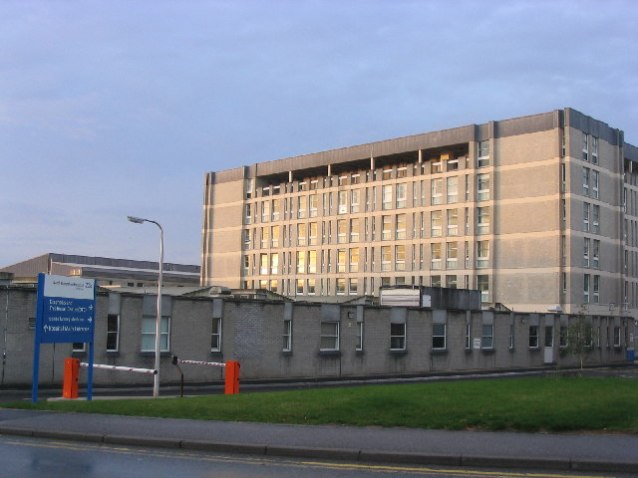
The saga which has now being going on for almost ten years began when Dr Day  raised patient safety issues in intensive care unit at Woolwich Hospital in London. The Judge said today this was of the “utmost seriousness” and were linked to two avoidable deaths but their status as reasonable beliefs were contested by the NHS for 4 years using public money.

Deputy High Court judge Andrew Burns

In a series of twists and turns at various tribunals investigating his claims Dr Day has been vilified by the trust not only in court but in a press release sent out by the trust and correspondence with four neighbouring trust chief executives and the head of NHS England, Dr Amanda Pritchard and local MPs.

This specific hearing followed a judgement in favour of the trust by employment judge Anne Martin at a hearing which revealed that David Cocke, a director of communications at the trust, who was due to be a witness but never turned up, destroyed 90,000 emails overnight during the hearing. A huge amount of evidence and correspondence that should have been released to Dr Day was suddenly discovered. The new evidence showed that the trust’s chief executive, Ben Travis, had misled the tribunal when he said that a board meeting which discussed Dr Day’s case did not exist and that he had not informed any other chief executive about the case other than the documents that were eventually disclosed to the court..

The hearing went on for an extra week because of all these disclosures and the British Medical Association, who are representing Dr Day, asked for their costs to be repaid yesterday because of the additional expense at the hearing. The judge agreed that a separate appeal to recover the  BMA costs should also be granted permission to be heard.

Instead of a decision to allow an appeal this hearing was held today to decide whether there was an ” arguable case ” for an appeal.

Dr Chris Day won the right to appeal that some of the findings of the judgement were perverse, that the judgement failed to draw any inferences from the destruction of 90,000 emails and the failure to provide documents that would have helped Dr Day’s case. This in particular followed the disclosure in documents that under oath the chief executive, Ben Travis gave an untrue account about a board meeting and had hidden he had contacted other trust chief executives about Dr Day.

The judge seemed exercised that the trust despite the Care Quality Commission expressing concern about a press release which attacked Dr Day decided to do nothing about it and the judgement appeared to ignore this.

Andrew Allen KC

The judge also allowed the right of appeal for Dr Day about the way he had been treated as an employee and how events had unfolded at the trust.

What was not allowed was the right of Andrew Allen, the BMA’s funded lawyer, to cross examine the trust’s lawyer, Ben Cooper, about remarks he had made about Dr Day during the hearing. some of which he was forced to concede were not accurate. Mr Cooper was rescued By Judge Anne Martin from having to respond to Dr Day’s supplementary statement on this point and was further rescued by the EAT today. Coincidently today Mr Cooper was representing the retail giant Asda in a case next door to today’s hearing.

My Statement on Ben Cooper KC – DrChrisDay

 The Judge also blocked a ground of appeal relating to factual findings being made on whether MPs and the Press has been misled on Dr Day’s protected disclosures. Also blocked was Dr Day’s and his legal team’s clear request for a formal finding on whether deliberate concealment had occurred as part of Dr Day’s protected disclosures. It was made clear to the Judge these points were what the case was about.

Ben Cooper QC

Despite this the decision of a senior judge does call into question the judgement made by Anne Martin who it is now arguable made some poor calls -particularly avoiding the issue of the destruction of emails and withholding documents that should have been disclosed to Dr Day’s lawyers.

The judge also paid Dr Day a compliment saying by raising the dangers for patient safety caused by staff shortages in 2014 he was ” way ahead of his time.” This might suggest that judiciary is becoming increasingly aware about the state of the NHS and its effect on patient safety. Perhaps judges are seeing too many scandals reported in NHS trusts.

One-Time
Monthly
Yearly

Make a one-time donation

Make a monthly donation

Make a yearly donation

Choose an amount

£5.00
£10.00
£20.00
£5.00
£15.00
£100.00
£5.00
£15.00
£100.00

Or enter a custom amount

£

Your contribution is appreciated.

Your contribution is appreciated.

Your contribution is appreciated.

DonateDonate monthlyDonate yearly

Please donate to Westminster Confidential

£10.00
How the toxic management of a health trust and law firm Capsticks got rid of a senior nurse whistleblower

Thurdy Campbell

A former senior nurse at Queen Elizabeth Hospital, Woolwich has come forward with a fresh tale of the toxic management at the Lewisham and Greenwich NHS Trust and their treatment of whistleblowers in the wake of the tribunal verdict involving staff nurse Francisca Holmes. Francisca lost her case against the trust management over her treatment but the judge ruled she had genuine whistleblowing concerns when she was told of a patient found dead in Ward 22.

This is the same health trust still involved in a ten year battle with Dr Chris Day,  a junior doctor, who in 2014 brought a still on going case on two ” avoidable deaths” in their intensive care unit. It is the same trust where a senior communications director deliberately destroyed 90,000 emails that could have been used in Dr Day’s defence during a tribunal hearing and escaped censure from the presiding judge.

Thurdy Campbell, a black senior nurse of Jamaican nationality, had worked for 22 years at the hospital as a senior sister in their accident and emergency department and manager of combined wards 22 and 23. She was dismissed on 17 May 2022.

Her grievance letter claims: “I was subjected to the following: work place mobbing, severe episodes of
harassment and discriminative treatments, miscarriage of justice , coercive control, defamation of character, endangered working environment , abuse of power of position for personal gain and recrimination after making a series of protected acts and qualifying disclosures to NMC [Nursing and Midwifery Council]25 May 2021.

Senior party members from the Lewisham and Greenwich NHS Trust Kelly Lewis-Towler, director of operations for acute and emergency medicine; Meera Nair ,director of people and board member, Victoria Tyler ,head of employee relations; HR Team and Investigation Managers colluded in wrongdoing by protecting the perpetrators and subjected me to series of detriments.”

Some of the managers she accuses appear in the same case as Francisca Holmes such as line manager Rodney Katandika and Ann Marie Coiley, the director of nursing.

Rodney Katandika

Matters came to a head when she was manager of the new combined Ward 22 and 23 – the ward where Francisca Holmes was told that an elderly patient was found dead. She raised the issue of patient safety but had no serious response. Six months after this incident Thurdy sent a further email saying “Clinical concerns relating to issues affecting patient’s safety, staffing, staff well-being and the working environment of Ward 22” escalating this to senior line management. Straight after this the trust launched a disciplinary hearing against her leading eventually to her dismissal the following May.

Kelly LewisTowler director of operations for acute and emergency medicine

She was certainly a thorn in the side of senior management. An internal email from Kelly Lewis-Towler to other senior managers, sent on 28 July 2021 accuses her of intimidation and claims senior staff were ill with workplace stress, declining to return from holidays, and claiming she cannot adequately support them and is facing ” a mass exit of staff”. All because she raised patient safety issues. She turns this on its head by saying patient safety is at risk because of the behaviour of Thurdy.

It is no wonder that during Francisca Holmes’ tribunal the trust did not produce her as a witness, even though she was well placed to comment on the situation since she was ward manager where the patient death happened because it would have revealed her warning of patient safety and provided evidence to the judge of bullying of Francisca by other senior staff.

Capsticks role in the trust

Thurdy’s grievance letter also exposes another worrying feature. Not only does Capsticks have a role as the trust’s lawyer to refute Thurdy’s claims at the employment tribunal but they have a major investigating role inside the trust for handling claims and disputes. So the firm has advance notice of any trouble coming managment’s way from staff and can intervene to help refute it and be in poll position should the person takes the trust to a tribunal. The firm are basically judge and jury in whistleblowing cases at Greenwich and Lewisham NHS trust.

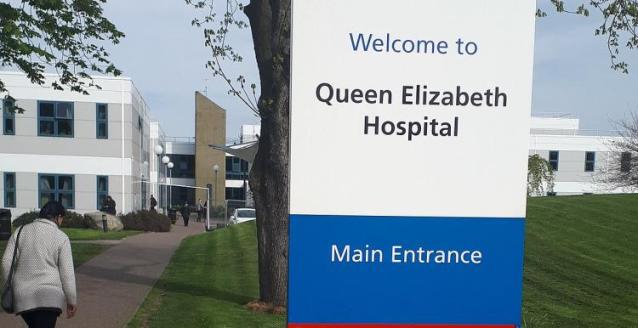
Queen Elizabeth Hospital, Woolwich

Worse than that the grievance letter reveals that Capsticks attempted to force Thurdy to sign a non disclosure agreement – not as part of a normal procedure to get a settlement – but while the firm were involved in the internal investigation. Fortunately she resisted or otherwise you would be banned from reading about this case.

Thurdy lost the first round of employment tribunal cases and is awaiting the result of an appeal.

Her dismissal also nearly led to her being evicted from her home. She now has got a new job at less pay than in the NHS but in a much better enviornment.

My final point is that given the current state of the NHS it can ill afford to lose experienced nurses and doctors by maligning them in whistleblowing cases – like Thurdy and Francisca – and Martyn Pitman, the popular and competent obstetrician in Hampshire and Dr David Drew at Morecambe Bay. That’s why the treatment of whistleblowers needs urgent reform.

One-Time
Monthly
Yearly

Make a one-time donation

Make a monthly donation

Make a yearly donation

Choose an amount

£5.00
£10.00
£20.00
£5.00
£15.00
£100.00
£5.00
£15.00
£100.00

Or enter a custom amount

£

Your contribution is appreciated.

Your contribution is appreciated.

Your contribution is appreciated.

DonateDonate monthlyDonate yearly

Please donate to westminster Confidential

£10.00


I

How the St Georges, St Helier and Epsom Hospital Group fixed the dismissal of whistleblower cardiologist Dr Usha Prasad

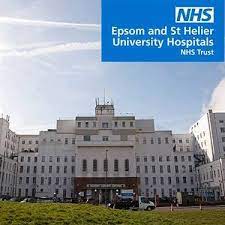
St Helier Hospital

After my blog on the double standards of the Epsom and St Helier University Hospital Trust over its treatment of whistleblowers which included references to Dr Usha Prasad, I received an email from the communications team of the hospital group.

According to the team I had got everything wrong. The whistleblowing case had absolutely nothing to do with her dismissal. They said: ” It is not correct to say Ms Usha Prasad was dismissed for raising patient safety concerns. A disciplinary panel concluded that she should be dismissed for competency grounds, concerns around her practice/conduct and because relationships with key colleagues had broken down. This decision was upheld on appeal.”

Technically they are correct. But if you delve deeper it shows that this disciplinary panel was a completely flawed process – ignoring vital information and chaired by a person whose integrity had already been called into question and falls into a management playbook used by other trusts to get rid of troublesome doctors who raise unwelcome concerns about patient safety.

Even the conclusion of this disciplinary panel used a fake term. The chair concluded that she was ” unfit for purpose”. There is no such term in English employment law – a system can be ” unfit for purpose” but an individual cannot. And this has been raised at the highest level in NHS England by colleagues of her when they met Professor Stephen Powis, the national medical director, who could not explain such a term applying to an individual doctor.

Then there is the issue of competency. The big flaw in this is that after she raised her protected disclosure on patient safety the trust sent 43 complaints about her practice to the General Medical Council .These were organised by Dr James Marsh, then medical director of the Epsom and St Helier University Trust now Deputy Group Chief Executive Officer of the St George’s Group.

Dr James Marsh

Dr Marsh chose close colleague Dr Peter Andrews, a fellow renal physician who worked on the same ward, to investigate the claims, and Dr Ian Beeton, a cardiologist in private practice at nearby St Peter’s Hospital as an “independent” expert. Dr Beeton works with Dr Marsh’s wife, a radiologist at the same hospital. They asked Dr Richard Bogle, the head of the cardiology at the Epsom and St Helier Trust, to file the complaints who also works closely with private cardiologist Dr David Fluck at St Peter’s Hospital.

When it came to the disciplinary hearing the trust brought in Dr David Fluck to sit on the tribunal to judge Dr Usha Prasad. He also worked on joint projects with Dr Marsh.

I leave you to judge whether this was a genuinely independent investigation without any conflict of interest. But when the complaint went to the General Medical Council and was seen by a genuine independent cardiologist in Teesside and formerly at the world famous Papworth Hospital every complaint was thrown out. In fact I am told the GMC looked at the eight most serious complaints and decided there was nothing to see. And not only was it thrown out by the GMC , it decided to validate Dr Prasad as competent to work in any hospital in the UK for the next five years.

This GMC ruling was brushed aside by the disciplinary hearing and ignored by the judge when it came to an employment tribunal hearing later. The only clue came at the tribunal hearing when Dr James Marsh claimed that the trust had higher standards than the GMC. Frankly this was insulting to both the GMC and the eminent cardiologist who thought differently.

The second charge against her is that she couldn’t work with colleagues. Certainly relations with Dr James Marsh did deteriorate over her decision to say an elderly patient who died because the trust did not act on a serious heart condition was an ” avoidable death” and should have been notified to the coroner and the Care Quality Commission. Dr Marsh wanted this conclusion struck out and she refused to do it.

But if this is correct this would apply elsewhere and it doesn’t. Her work at Pinderfields Hospital in Yorkshire and at St George’s is praised by the hospitals and there have been no complaints about her relations with colleagues.

Dr David Ward

Dr David Ward, a close colleague of hers at St George’s, said this: ” I am pleased to say that I worked alongside Dr Usha Prasad when she was a visiting Consultant Cardiologist at St George’s Hospital (now part of the united Trust with Georges-Epsom- St-Helier or GESH). I found her to be collegiate, knowledgeable in general cardiology, skilled in her specialised areas (echo, heart failure etc). She was well-liked by all staff with whom she worked (catheter lab, echo). I (or anyone in the cardiology department at St George’s) never had any concerns about Dr Prasad’s clinical skills or competence and I find it most surprising that St Helier have retrospectively (for that it what it amounts to) found reason to question her abilities, coincidentally or not, after she had raised concerns about patient safety. I suspect this, also known as whistleblowing, is the underlying motive for the profoundly vengeful and unjustified response by the Trust.”

Claire McLaughlan

Finally there is the question of the disciplinary hearing itself. It was chaired by Claire McLaughlan – a profile of her is here – who ran into trouble with a judge at a hearing with cardiologist Dr Mattu, who won his case, for omitting evidence and over an interview for Lewisham and Greenwich NHS Health Trust with whistleblower Dr Chris Day, whose case is still continuing. He found the record of the interview with him had been altered, missing key points. As he had a secret recording of it, she had no alternative but to apologise and change back the record.

One final point. Dr Usha Prasad told me the former CEO of the Epsom and St Helier Trust, Daniel Elkeles ( now chief executive of the London Ambulance Trust) was prepared to “stop” the disciplinary hearing if I was prepared to drop “all you have against the trust; an ET case of whistleblowing detriment and harassment, discrimination”. One wonders how many back door deals take place over patient safety.

One-Time
Monthly
Yearly

Make a one-time donation

Make a monthly donation

Make a yearly donation

Choose an amount

£5.00
£10.00
£20.00
£5.00
£15.00
£100.00
£5.00
£15.00
£100.00

Or enter a custom amount

£

Your contribution is appreciated.

Your contribution is appreciated.

Your contribution is appreciated.

DonateDonate monthlyDonate yearly

Please donate to Westminster Confidential

£10.00

Powerless Parliamentary Ombudsman lashes out at “command and control” NHS

Rob Behrens Parliamentary and Health Ombudsman

Last week was Whistleblower Awareness Week and Whistleblowers UK and the All Party Parliamentary Group on Whistleblowing organised a two day event in Parliament on issues affecting whistleblowing.

I attended the two hour session aptly entitled Whistleblowing in Health care – a Lesson in Futility? It drew a wide selection of people from the UK and the Isle of Man including doctors, lawyers, judges, nurses and speak up guardians

These included Dr Chris Day , who has been fighting Lewisham and Greenwich Health Trust for ten years after reporting two avoidable deaths in the intensive care unit at Woolwich Hospital and Martyn Pitman, a consultant obstetrician and gynaecologist, who recently lost a case against Hampshire Hospitals Trust, reporting patient safety issues after a mother died giving birth in one of their hospitals. Both cases can be found in a series of articles on my blog.

But one of the most striking contributions came from Rob Behrens, the Parliamentary Ombudsman – an Establishment figure – and the Health Service Commissioner more familiar to my readers over the debacle in getting compensation for 3.5 million 50swomen who faced a six year delay in getting their pension.

In a short powerful speech he rightly lambasted the culture inside the NHS which is leading to the failure, ,persecution and character assassination of whistleblowing doctors and nurses who report patient safety issues.

Describing the system in the NHS as “command and control”, he described the contrast between the management of trusts boasting to him how open their institutions were only to find the opposite when he talked to people lower down the food chain dealing with the complaints.

He pleaded for a more ” collegiate NHS” where managers and staff worked together rather than against each other. he wanted ” fundamental change” in the leadership of the NHS.

But his speech also revealed how impotent his role is in handling healthcare issues. He pointed out that the Ombudsman was handicapped by outdated legislation, couldn’t deal with staff issues unlike other Ombudsmen, was unable to take any initiatives himself, and couldn’t force the NHS to make changes even he wanted them to do so. None of this does his reputation with the public any good. I have only covered one of his cases. You can read about it here. Health warning it is a very grim story and the Ombudsman could only partially investigate it.

Northern Ireland Ombudsman has greater powers

How he must envy Margaret Kelly, the Northern Ireland Ombudsman, set up under more modern legislation, who has and uses her powers to initiate investigations. A report here on my blog shows how she took on private company Capita and its failure to treat disabled people properly applying for Personal Independence Payments.

At the moment plans to get a new law to protect whistleblowers ( they are also covered by outdated legislation which trusts can use lawyers to get round its provisions) is stalled. So is any legislation to give the Parliamentary Ombudsman fresh powers or rationalise the plethora of other ombudsmen in this country. I suggested one step that could be taken in election year would be for whistleblowers to press the major parties to include a pledge to legislate in their manifestos. There is an “oven ready” bill already by Whistleblowers UK to reform the system which could be the basis for fresh change. It is time we ended talking and took some action.

Please donate to Westminster Confidential so I can continue my reporting.

One-Time
Monthly
Yearly

Make a one-time donation

Make a monthly donation

Make a yearly donation

Choose an amount

£5.00
£10.00
£20.00
£5.00
£15.00
£100.00
£5.00
£15.00
£100.00

Or enter a custom amount

£

Your contribution is appreciated.

Your contribution is appreciated.

Your contribution is appreciated.

DonateDonate monthlyDonate yearly

Please donate to Westminster Confidential

£10.00

Martyn Pitman judgement: a bad ruling that could endanger mothers in childbirth

Dr Martyn Pitman Pic credit: Hampshire Chronicle Adele Bouchard

Jonathan Gray, the employment judge hearing the case brought by whistleblower obstetrician Martyn Pitman against Hampshire Hospitals NHS Foundation Trust used last Friday to issue his judgement dismissing all the doctor’s detriment claims against the trust. The judgement, despite widespread and national interest, has still at the time of writing, not been published by the HM Tribunals and Court Service.

Judge Jonathan Gray Pic credit: BDB Pitman

The judge, who previously worked for the law firm BDB Pitman in Southampton, managed both to accept virtually all his whistleblowing claims but throw out any claims that he had been persecuted by the trust for exposing them.

In short he believed every word given by Alex Whitfield, the former oil refinery executive turned trust chief executive; Lara Alloway, the former chief medical officer and Steve Erskine, the former businessman now chair of the trust and other leading figures who gave evidence for them. He didn’t believe a word of the case brought by Martyn Pitman of his bad treatment despite being ably defended by Jack Mitchell, funded by the BMA from Old Square Chambers.

What the judge did was turn Martyn Pitman against himself. His ruling at the end was :“Having considered each of the alleged detriments, there is in our view an overarching reason for what has happened to the Claimant that is not on the grounds of any of the alleged or proven protected qualifying disclosures. In short, it is the Claimant’s communication style and not the message he was trying to convey.”

To seal the deal the judge turned one of Martyn Pitman’s witnesses against him. He used the evidence of Dr Michael Heard, a fellow consultant, who backed up Dr Pitman’s whistleblowing claims to turn against Dr Pitman.

Dr Heard had made similar claims to Dr Pitman to the management at the trust and no action was taken against him. The judge used this to say it proved the trust management was keen to take whistleblowing seriously but not keen if it was presented in a forthright manner which affected the ” health and well being ” of the managers.

Alex Whitfield, chief executive, Hampshire Hospitals Trust

What was also strange in this hearing was that the person who made the most dramatic claims against Dr Pitman, Janice McKenzie, the divisional chief nurse and midwife, saying she had to leave the unminuted meeting dealing with patient safety with him, in tears to cry in the toilet, never gave evidence. But like ” Banqou’s Ghost” in Macbeth her claims hung over the hearing. I would have liked to see her testify given there is no written evidence of what happened there.

There was also a dispute – again unminuted – over the claim that towards the end of this long saga Dr Pitman was verbally told by Alex Whitfield, that he couldn’t continue working at the hospital because he was a risk to patient safety. She denied this and the judge believed her and not Dr Pitman.

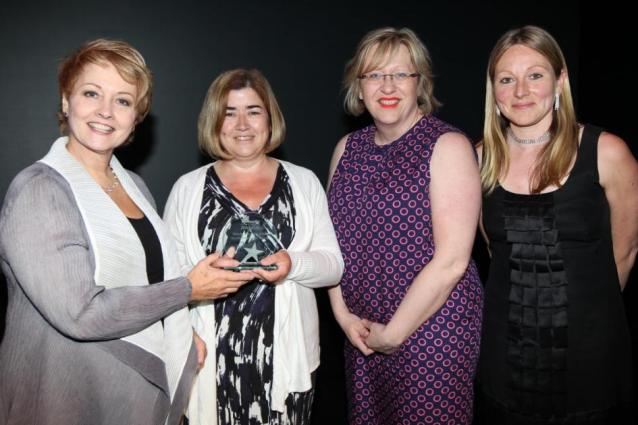
Basingstoke Hospital Midwife team receiving an award in 2015 in better times. Pic credit: Basingstoke Gazette

Now there is a much wider issue in this judgement which goes well beyond this being a local hospital dispute. It arose because of a merger of two trusts which brought a clash of cultures between midwives who worked at the North Hampshire Hospital and those who worked at the Royal Hampshire Hospital in Winchester. Midwife managers from Basingstoke tried to impose their system on midwives in Winchester. This led to unrest and unhappiness in Winchester and Dr Pitman intervened because he was worried about patient safety and took it up with the midwifery managers who seemed unable to cope with criticism.

The management of this became a national issue when the Care Quality Commission inspected the maternity services at the trust and downgraded the trust (see here). Again I am surprised this was not mentioned in the tribunal.

But why I really think this ruling is bad is another event which coincidently emerged while this case was on. The Care Quality Commission published its annual report on maternity services and it makes grim reading. The number of inadequate trusts has doubled from 9 to 18, the number of trusts that require improvement has increased from 46 to 67 and only six are in the outstanding quality category. The CQC is obviously worried about this since they have only inspected 73 per cent of trusts and are planning to inspect the rest as a matter of urgency. The issues raised include poor management, lack of staffing, bad communication with patients, patient safety being inadequate and also racial inequalities.

Now judge Gray won’t know about this and probably say it was irrelevant to his hearing but his ruling will be a solace to managers worried about whistleblowers raising inconvenient claims of patient safety in maternity wards. By putting down such an eminent obstetrician ( even the judge and the health trust couldn’t find fault with his clinical judgement) he is potentially putting at risk the safety of millions of mothers giving birth in England. Who is going to raise their voice in the NHS about patient safety in the maternity ward if they see a doctor put down and not believed in a tribunal like that? Yes he may be forthright and strong minded but we need people to have high standards to improve the health service for everyone. Judge Gray has a lot to answer.

Please donate to Westminster Confidential to allow me to do detailed investigations.

One-Time
Monthly
Yearly

Make a one-time donation

Make a monthly donation

Make a yearly donation

Choose an amount

£5.00
£10.00
£20.00
£5.00
£15.00
£100.00
£5.00
£15.00
£100.00

Or enter a custom amount

£

Your contribution is appreciated.

Your contribution is appreciated.

Your contribution is appreciated.

DonateDonate monthlyDonate yearly

Please donate to Westminster Confidential

£10.00
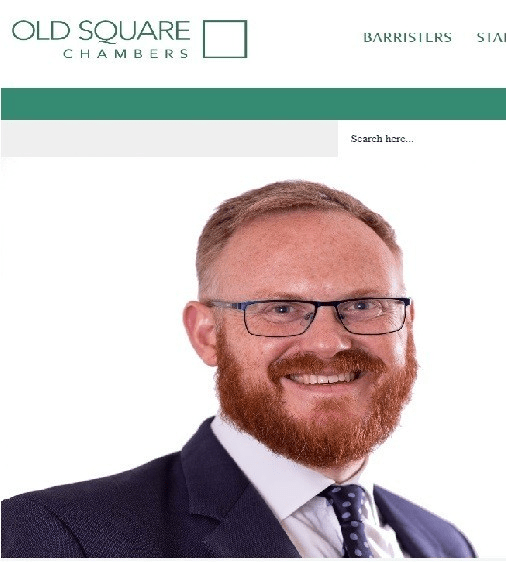
Dr Usha Prasad whistleblower case: Judge cancels hearing from trust again at eleventh hour

Consultant cardiologist convinces judge she is too ill to attend and case cannot be listed until next spring

Dr Usha Prasad

Dr Usha Prasad, the whistleblower consultant cardiologist, yesterday won her argument that she was too ill, because of mental stress, to defend herself at another employment tribunal brought by Epsom and St Helier University NHS Trust without even having to attend the hearing.

The trust which originally wanted her to pay £180,000 costs- reduced in August to £24,000 – sought this week to strike out all her claims, including her whistleblowing case that an elderly man who died at the hospital was ” an avoidable death” which was never reported to the coroner.

The hearing was also set to go ahead tomorrow with remote links already sent out to people observing the case this afternoon when acting regional employment judge Katharine Andrews suddenly cancelled the hearing. This is the second time in two months hearings brought by the trust have been cancelled by a judge.

The costs hearing in August was cancelled when the tribunal met because according to judge Mrs E J R McLaren one of the panel members to hear the case could not attend. Dr Prasad had sent a letter from her GP saying she was under severe stress but another regional judge had rejected this.

This time Dr Prasad sent a fresh letter from her GP saying she was still under severe stress as a result of this long running case involving the trust.

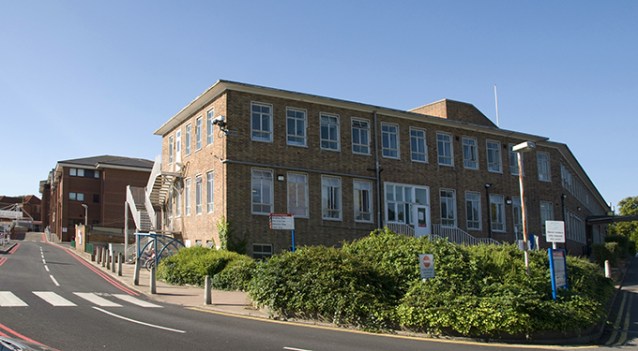
Epsom Hospital

In her letter the judge says: “This hearing was first listed for 6 April 2023. The claimant’s application to postpone that hearing was refused although it did not in any event proceed as there was insufficient judicial resource available. Accordingly it was relisted to be heard on 6 June 2023. That hearing was then postponed at the claimant’s request as she was unavailable due to a professional commitment and also at the request of the respondent who considered that a one day hearing was required. The matter was then listed for one day to be heard tomorrow, 18 October 2023.

On 29 September 2023 the claimant applied to postpone tomorrow’s hearing due to her ill-health. That application was refused as the medical evidence enclosed within her application was insufficient.
The claimant has today repeated her application and enclosed a medical note (apparently from her GP) that does confirm that she is unfit to attend and that a delay of 3 to 4 months would enable her health to improve sufficiently.
The respondent has objected to the request referring to previous postponement requests by the claimants and costs they have incurred that will be wasted.
In all the circumstances the claimant’s application to postpone is granted and the hearing will be re-listed not before 1 March 2024. Any further applications by the claimant for a postponement are extremely unlikely to be granted. It is open to the respondent to make an application for wasted costs in due course if they believe that to be appropriate’ .”

Epsom and St Helier University Health trust have been fighting Dr Prasad for years and strongly objected to the hearing being postponed.

The regional judge who took the decision last heard one of her original tribunal cases in December 2020 when a tribunal was asked to rule again about the action of a fellow Indian doctor Dr Aran Kumar Perikala who wrote anonymous letters to the trust’s chief executive, the CQC, the GMC and Jeremy Hunt then health secretary, saying she was a danger to patient safety. He was unmasked but the trust did not take any action against him. Dr Prasad claimed he was sexist. The judge rejected this but ruled that he had behaved “unprofessionally ” by his actions. You can read my account of this bizarre hearing here. The whistleblowing allegations emerged at another hearing later.

Please donate to Westminster Confidential to allow me to continue my reporting.

One-Time
Monthly
Yearly

Make a one-time donation

Make a monthly donation

Make a yearly donation

Choose an amount

£5.00
£10.00
£20.00
£5.00
£15.00
£100.00
£5.00
£15.00
£100.00

Or enter a custom amount

£

Your contribution is appreciated.

Your contribution is appreciated.

Your contribution is appreciated.

DonateDonate monthlyDonate yearly

Please donate to Westminster Confidential

£10.00

Martyn Pitman tribunal: Patient safety was a big issue as NHS watchdog downgrades Hampshire Trust’s maternity services

Dr Martyn Pitman

A highly critical report from NHS watchdog, the Care Quality Commission has confirmed fears from whistleblowers, including obstetrician Dr Martyn Pitman, that mothers were at risk using Hampshire Hospital NHS Foundation Trust’s maternity services in Winchester and Basingstoke.

The report was not raised during the two week employment tribunal hearing as I gather it came out too late to be included in the evidence. But it followed a visit by the CQC to the trust last year resulting in a report which highlighted a slew of concerns about the service.

The report has been taken up by Helen Hammond, a lawyer based in Basingstoke and Reading, who specialises in clinical negligence in maternity care, working for the international law firm, Pennington, Manches, Cooper. In a blog on its site she catalogues the damning findings of the report from staff shortages to injuries facing women giving birth. You can read her full blog here.

North Hampshire Hospital, Basingstoke Pic credit: Wikipedia

The health trust has spent hundreds of thousands of pounds of taxpayer’s money on expensive lawyers from Old Square Chambers to deny that Dr Pitman was a whistleblower concerned about patient care denigrating him at one stage -until subsequently withdrawn- as “a freelance agitator”. They produced evidence claiming he made a midwifery manager, who never gave any oral evidence to the tribunal herself, that he made her cry. Top officials of the trust including the former chief medical officer, Lara Alloway, chief executive, Alex Whitfield, and trust chairman, Steve Erskine, gave evidence against him.

Now the CQC report says that in 2022 there was a lack of midwifery staff to provide safe delivery of births; two day delays of inducing births, staff missing training because they had to fill in for staff shortages and senior midwifery staff not creating a culture that supported individuals. In Basingstoke there were cases of staff not spotting mothers deteriorating in the wards, and of a much higher level of serious maternity tears – caused by forceps delivery -than the national average. Staff at Basingstoke said they were asked to perform tasks they did not feel competent to do.

The service also delivered a much higher proportion of babies in poor health than the national average.

Helen Hammond, senior associate, Penningtons Manches Cooper

Helen Hammond says in her blog: “One frustrating aspect of the CQC report, which reflects our experience of representing local families whose babies have either died or developed brain injuries due to the management of their birth, is the failure to learn from previous incidents to prevent them reoccurring. Many families we have worked with have expressed a desire for the harm they or their child have suffered to lead to safer care for those who follow them. Acting on the findings of the report to make this the case would create a lasting legacy.”

The health trust said yesterday :

Our first priority is always our patients and it is vital we provide expectant parents with confidence in our care.

Following the 2022 CQC report, our maternity division is now fully staffed, and a number of policies and procedures are in place to remedy areas highlighted so that we address – among others – equipment concerns, communication issues, and training.

With that in mind, you have asked for a series of figures which we are concerned will be presented without appropriate clinical context, something that may cause undue alarm.

We ask that any expectant parents who may have concerns about the areas you have highlighted raise them directly with their midwives or obstetricians so that they can be given proper, medical advice and guidance. “

It is interesting that the trust would not provide me with current facts and figures on issues of maternity tears, babies born in poor health, or induction waiting times. I am sure that the CQC who normally revisit a trust to see if its services have improved, will look into this again and it will become public. It does rather fit in with the defensive attitude and lack of transparency from top officials at the trust during the tribunal.

Please donate to Westminster Confidential

One-Time
Monthly
Yearly

Make a one-time donation

Make a monthly donation

Make a yearly donation

Choose an amount

£5.00
£10.00
£20.00
£5.00
£15.00
£100.00
£5.00
£15.00
£100.00

Or enter a custom amount

£

Your contribution is appreciated.

Your contribution is appreciated.

Your contribution is appreciated.

DonateDonate monthlyDonate yearly

Please donate to Westminster Confidential

£10.00
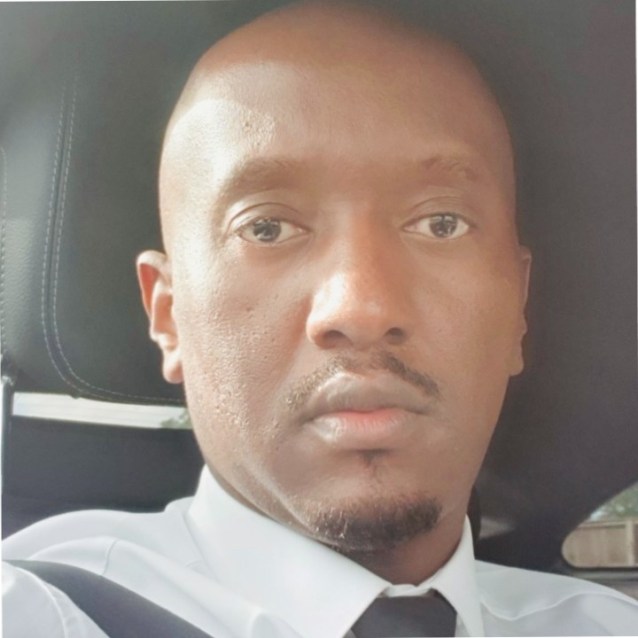
Hampshire NHS Trust appointed an ex Capsticks lawyer who specialised in ” difficult doctors” as an independent investigator on Dr Pitman’s grievances

Gary Hay former Capsticks lawyer and current member of the Portsmouth Hospitals NHS Trust board

An independent investigator appointed by the Hampshire Hospitals NHS Foundation Trust to review the treatment of whistleblower Dr Martyn Pitman, turned out be a former lawyer from Capsticks who specialised in exposing ” difficult doctors ” for NHS trusts, it was revealed at the employment tribunal hearing today.

The disclosure came during the questioning by Jack Mitchell, the junior barrister from Old Square Chambers, of the chairman of the trust, Steve Erskine, about how he and chief executive Alex Whitfield handled a request by Dr Pitman for an independent inquiry into the way the trust handled his grievances.

Dr Pitman, a well regarded consultant obstetrician and gynaecologist, was dismissed by the trust on the grounds that he couldn’t work with colleagues which could put patient safety at risk. This was the last day of evidence.

Capsticks are well known as the “go to ” lawyers for NHS trusts and have a big contract with the NHS which has just been renewed. They have a track record of denigrating and undermining whistleblowers in the NHS. The firm played a prominent role in the recent case against Dr Usha Prasad, the dismissed whistleblower cardiologist who revealed an ” avoidable death” of an elderly heart patient which the Epsom and St Helier University NHS trust never reported to the coroner.

Steve Erskine

Mr Erskine confirmed evidence by Alex Whitfield yesterday that his original decision to have an independent inquiry requested by Dr Pitman into his grievances was later change to include a much broader inquiry in which his grievances were subsumed. He insisted he did this on his own reflection.

Questioning by Mr Mitchell revealed that the trust knew it was not compliant with new guidance issued by Baroness Harding, on how NHS staff should be treated by trusts in the aftermath of the suicide of nurse Amin Abdullah who burnt himself to death outside Kensington Palace after being unfairly treated and dismissed by his trust. Baroness Harding was then chair of NHS Improvement before her more infamous role in charge of test and trace during the Covid pandemic.

The guidance that later became mandatory was not implemented by the trust until much later when it convened a sub committee, which meets in private, to draw up the changes. Mr Erskine argued that confidentiality was needed because of some of the information in the report. Initially he said the new rules had not been published by the board, but later when this was queried by the trust’s lawyer Mark Sutton and the judge because it breached a NHS directive, it was suggested there was some public reference which had not been given to the tribunal.

After the terms of the inquiry were changed, Dr Pitman wanted it dropped but was overruled by the chairman and chief executive. He then suggested that Verita, an independent investigation consultancy which found failings by Imperial College Healthcare NHS Trust in the way Amin Abdullah was treated, should be appointed to do the inquiry. Steve Erskine rejected this saying it would be ” a conflict of interest” if Dr Pitman suggested who should conduct the inquiry.

Instead the trust approached the law firm Bevan Brittan, who are representing the trust at the tribunal, to advise them.

The trust then settled on Gary Haye a lawyer and partner who had sat on the board of Capsticks and who Mr Mitchell said he had publicly said his specialism was ” dealing with difficult doctors” to be the independent investigator. He was also a member of Portsmouth Hospitals NHS Trust, the same board where Steve Erskine was a member. When challenged why he had not declared this, Mr Erskine said he did not need to, as they were members at different times.

Mr Mitchell disclosed that findings of Mr Hay’s report were part of Dr Pittman’s claim for detriment, as he found the report was “full of inaccuracies” and was “partial “. Mr Hay has no medical qualifications only degrees in law, English and business.

Please donate to Westminster Confidential to allow me to follow whistleblower cases.

One-Time
Monthly
Yearly

Make a one-time donation

Make a monthly donation

Make a yearly donation

Choose an amount

£5.00
£10.00
£20.00
£5.00
£15.00
£100.00
£5.00
£15.00
£100.00

Or enter a custom amount

£

Your contribution is appreciated.

Your contribution is appreciated.

Your contribution is appreciated.

DonateDonate monthlyDonate yearly

pPease donate to Westminster Confidential

£10.00
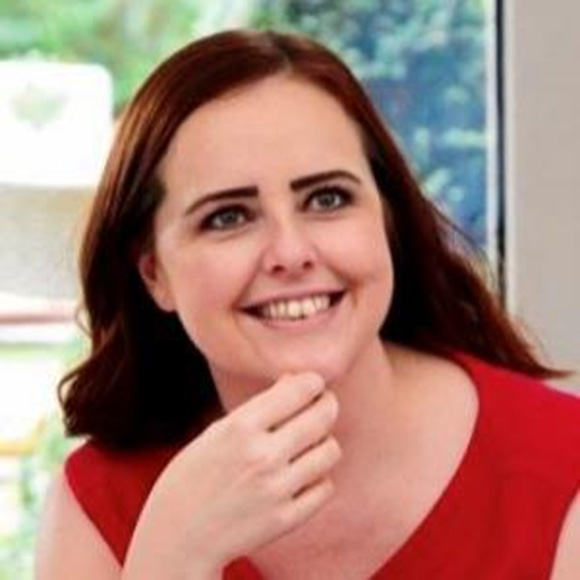
How Hampshire NHS Trust’s chief executive thwarted an independent inquiry into Obstetrician Martyn Pitman’s grievances

Alex Whitfield, chief executive of Hampshire Hospitals NHS Foundation Trust

Alex Whitfield denies ever saying ” Martyn Pitman was a ” direct threat to patient safety”

Whistle blower consultant obstetrician Martyn Pitman made numerous attempts to get Hampshire Hospitals NHS Foundation Trust to independently investigate the allegations against him but was met with silence until he complained to the board , the tribunal was told yesterday.

The disclosures came out during the cross -examination of Alex Whitfield, the chief executive of the trust, by Jack Mitchell, the junior barrister from Old Square Chambers. Dr Pitman was dismissed by the trust for allegedly not being able to work with colleagues after he raised concerns about patient safety in the maternity wards at Royal Hampshire Hospital. The trust is arguing he is not a whistleblower in this case.

Alex Whitfield, a former oil refinery operating manager has been employed in managerial roles in the NHS since 2007. She was cross questioned in detail about how the terms of an independent inquiry were changed from one solely concentrating on his treatment by the trust after he had raised patient safety issues to much broader issues covering staff treatment.

Dr Pitman won the inquiry after complaining directly to a board member because no one else in management would take it up. It was passed to the chair of the board, Steve Erskine, a highly experienced Whitehall player and business development director who was keen for it to go ahead.

Steve Erskine, chair of Hampshire Hospitals NHS Trust on X as @ErskineSteve

At the same time the trust was grappling with new guidance later turned into a directive from Baroness Harding, on how NHS staff should be treated by trusts in the aftermath of the suicide of nurse Amin Abdullah who burnt himself to death outside Kensington Palace after being unfairly treated and dismissed by his trust. Baroness Harding was then chair of NHS Improvement before her more infamous role in charge of test and trace during the Covid pandemic.

At the time the trust was not fully compliant with the directive but the chief executive insisted at the tribunal that the trust was compliant with part of directive that covered Dr Pitman’s case. She also vehemently denied Mr Mitchell’s claim that she hid the non compliance ” to save her own skin” from questions by the chair.

The tribunal was told however that she was behind the change in terms of the inquiry to make it much broader than Mr Pitman’s case. If it had remained solely with him, it would have put her close colleague, Dr Lara Alloway, at the centre of the investigation, who, as reported yesterday as Dr Pitman’s case worker, faced questions of conflict of interest and not minuting meetings.

Dr Martyn Pitman Pic credit: Adele Bouchard, Hampshire Chronicle

The chief executive told the chairman that Dr Pitman would be able to appeal against any findings against him so would not lose out with a wider inquiry. But questioning from Jack Mitchell revealed this was not true. He would have been able to appeal if he had been found guilty of misconduct or lack of capability but because he went down the mediation route instead he had no right of appeal.

Mr Mitchell repeatedly argued that the trust had ” mapped out” a strategy to get rid of him at meetings – and also cited how the people director of the trust thought the best solution was to pay him off with a settlement. But Alex Whitfield insisted that they all wanted him to stay because he was such a good clinician and only wanted him to moderate his behaviour.

At the end of her cross examination she very strongly denied she had ever said that he had been sacked because he was a present danger to patients and the public. She insisted that she had never said that in discussions with Dr Lara Alloway.

Her denial sits oddly with Dr Lara Alloway’s evidence yesterday about the need for an extraordinary advisory meeting to discuss his future and complaints against him because they were worried about the risk to patient safety because of the toxic atmosphere with his relationship with some other staff.

And also the reason why Dr Pitman took ” special leave ” after he had a letter raising clinical issues does not fit with that. The hearing continues tomorrow.

Please donate to Westminster Confidential.

One-Time
Monthly
Yearly

Make a one-time donation

Make a monthly donation

Make a yearly donation

Choose an amount

£5.00
£10.00
£20.00
£5.00
£15.00
£100.00
£5.00
£15.00
£100.00

Or enter a custom amount

£

Your contribution is appreciated.

Your contribution is appreciated.

Your contribution is appreciated.

DonateDonate monthlyDonate yearly

Please donate to Westminster Confidential

£10.00