A visit to Namibia’s extensive desert reveals an extraordinary unique environment probably not repeated anywhere else on earth.
Huge sand dunes near the coast compete with an enormous desert plain dotted with prehistoric plants and an unparalleled moonscape next to mountains full of uranium.
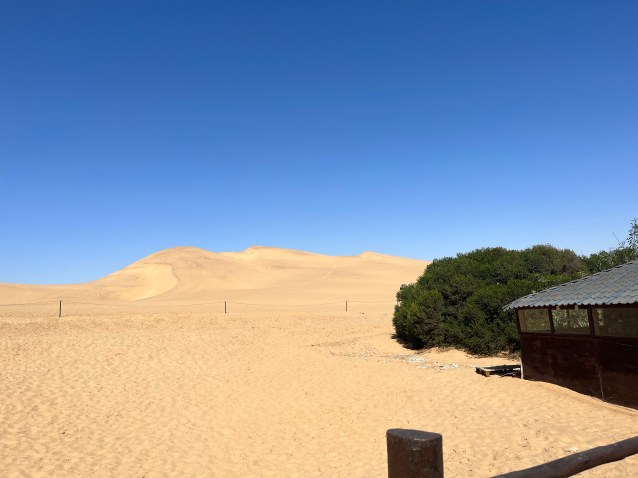
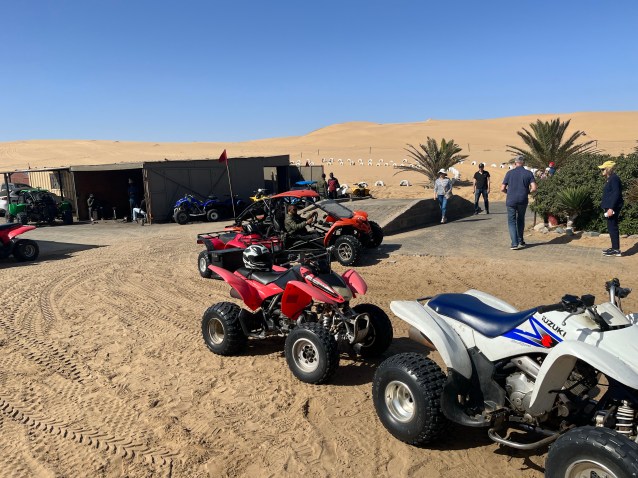
First the sand dunes. Just outside the port of Walvis Bay lie large sand dunes favoured by quad bike fraternity. We visited this first and saw how popular they were.
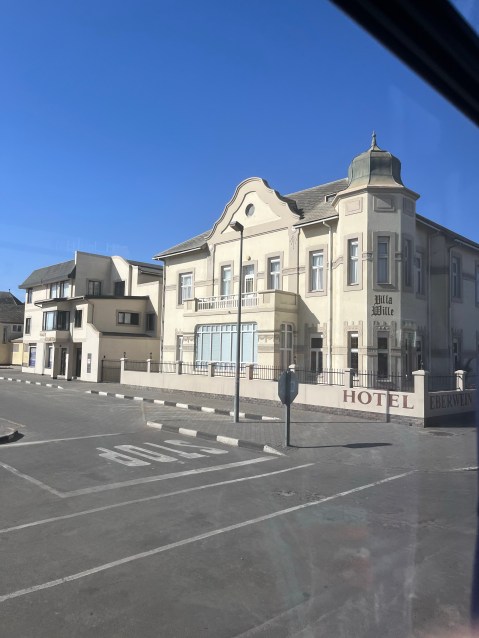
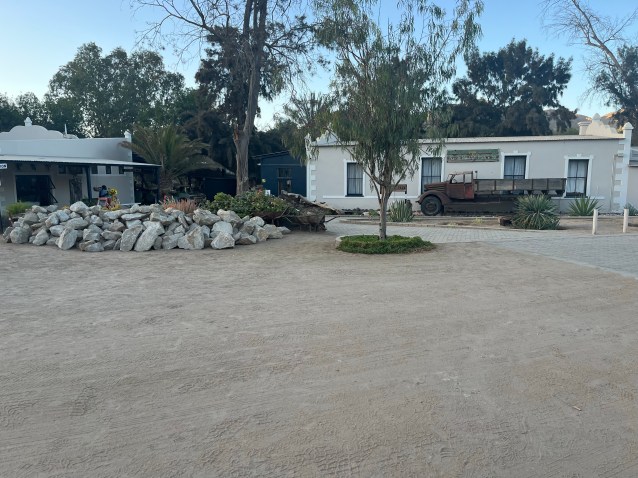
Next we passed the resort of Swakopmund A German colonist resort which still contains many of its original buildings.From here there is a huge desert plain where you find prehistoric plants.
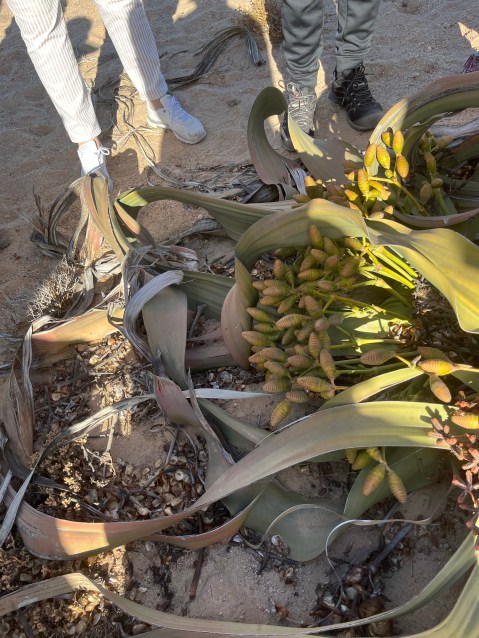
The star of the plants is the Welwitschia mirabilis a prehistoric plant that can live for 3000 years and grows just two large leaves that often split into pieces in the arid desert. Extremely slow growing there are male and female plants which attract desert living insects and beetles .They live only inland in the Namib desert and in the wilder parts of southern Angola.
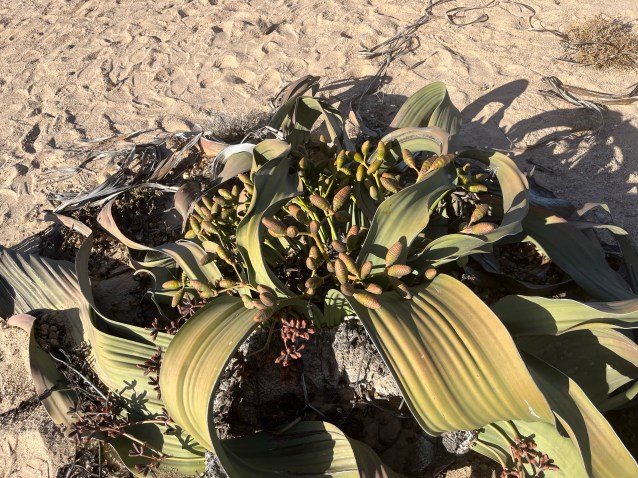
Life can exist in the desert because a fog moves from the coast during the night creating enough moisture for animals like the springbok and jackals to find moisture from plants including the dollar plant a succulent that stored water in its leaves.There are also sidewinder snakes and scorpions but fortunately are all asleep in their burrows during the day.
The most dramatic area is the rocky moonscape where nothing appears to live but in fact hides an oasis in a dried river bed that has existed since 1849.
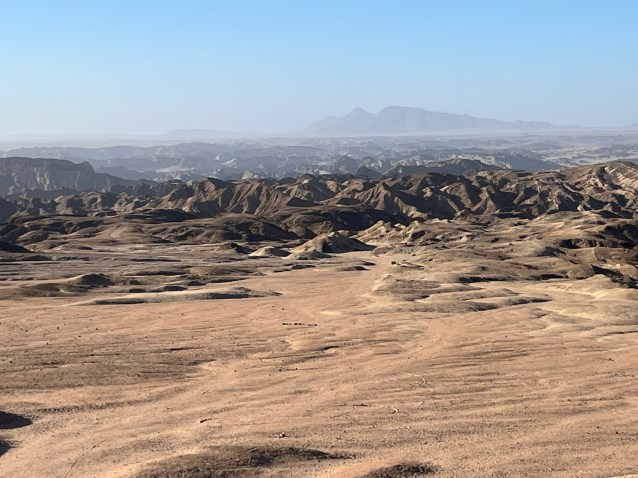
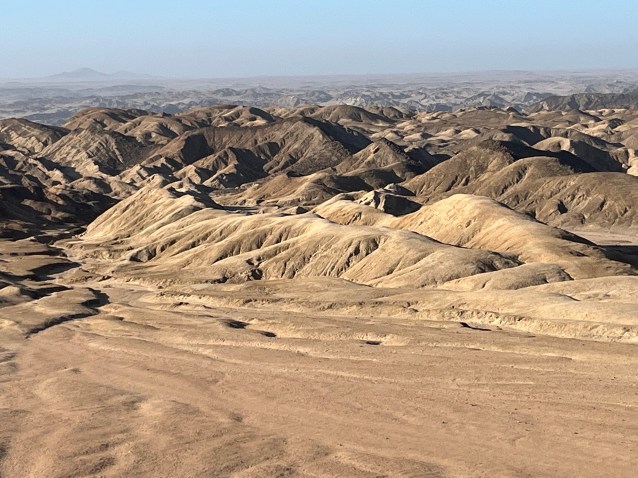
In the distance are mountains where Namibia’s huge reserves of uranium can be mined.Now all the main mines are owned by the Chinese according to our guide.The uranium is exported to China for its civil nuclear programme. Curiously another big Namibian export is marble to Italy so perhaps not all Italian marble is home mined.
 Westminster Confidential