Revealed: The great public ignorance about your state pension

State pension banner when the new pension came into force in 2016

One of the key complaints made by the 3.6 million 50s born women is that they didn’t know about the six year delay in the rise of the pension age for women from 60 to 66 until it was too late. This along with direct discrimination against women caused by the absence of a level playing field with men for that generation of women to pay national insurance contributions is behind this long battle with the government.

Now a report published today and sent to me reveals that these 3.6 million women are by no means alone. It implies that the majority of people in the UK today have little knowledge or understanding of how the state pension system works. A research report from the Policy Institute of Kings College, London commissioned for Phoenix Insights, a think tank for a large savings company, reveals that many people have misconceptions about the system. When these are pointed out they are unhappy about the current level of the pension and are concerned about how vulnerable people can live.

The research is not based on mass questionnaires but by taking 100 people in London and Birmingham and giving them detailed information at workshops after receiving a talk from former Liberal Democrat pensions minister Steve Webb. This enabled them to put forward policy changes they would like the government to enact.

Steve Webb gave a presentation to the group

The biggest misconception comes from how people think they have built up their pension. Some, believe it or not, think they just get an automatic full pension, when they reach retirement age provided by the state. One said: ““I thought when you retire everyone is entitled to the pensions. I don’t know why…I thought this is what happens.”
 But the majority believe by paying national insurance contributions all their working lives they have built up their own personal pension pot which they are entitled to get when they retire. This is a complete lie. Their money is instead used to pay people already retired to get a pension.

People are not stupid about state pensions – just misled

People are not stupid in believing this because the way the scheme works makes it look like that. Your level of pension depends on your national insurance contributions and you don’t get anything until you have made ten years contributions and only a full pension after 35 years. Anybody who contributed to a private pension scheme. would think that because that is the way they work..

Rather worryingly nearly half the people thought they had a a basic knowledge of how the pension system works and were embarrassed when they realised they didn’t.

When all this had been explained to them, the report reveals people thought the present system did not deliver an adequate pension for everybody.

As the report says: “The study identified five main knowledge gaps covering most of the core elements of how the state pension system works: the number of years of National Insurance contributions needed to qualify for the full state pension, eligibility criteria, the value of payments, what the “triple lock” is, and how the state pension differs from workplace savings.”
 The people’s conclusion was that the state pension was inadequate for anybody to live on without being able to top it up with a workplace pension, a private pension or property assets. Some retirees among the 100 people said unsurprisingly that the cost of living crisis had made a big impact.

People also thought that vulnerable people needed more help -particularly those with health issues who could not work – and either the level of benefit should be higher or they should be able to draw a pension earlier than the official retirement age.

People had bought into the government’s argument that the retirement age should rise because people are living longer – even though at the moment longevity has stalled and started to fall in poorer areas.

Phoenix Insights said: ” When we talk about longevity, we are looking at a long term view of life expectancy in the context of comparing to previous generations. Long-term life expectancy improvements mean that the pensioner population is projected to increase by over 5 million, rising from over 12 million today to over 17 million by 2070 (DWP, 2023).”

I thought this report is rather damning of the failure of successive government to explain how the state pension works or so many people would not be so ignorant. And it might suit governments that this remains so – or it would create a groundswell for much higher pensions.

But it is also a damning indictment of the minority of people who try and blame the 50swomen for not realising about the pension changes that have left so many people in poverty. They may well be the very people -unless they are pension experts – who are ignorant themselves and get a shock when pension day dawns.

One-Time
Monthly
Yearly

Make a one-time donation

Make a monthly donation

Make a yearly donation

Choose an amount

£5.00
£10.00
£20.00
£3.00
£9.00
£60.00
£3.00
£9.00
£60.00

Or enter a custom amount

£

Your contribution is appreciated.

Your contribution is appreciated.

Your contribution is appreciated.

DonateDonate monthlyDonate yearly

please donate to Westminster Confidential

£10.00

Promises, Promises! Suella Braverman’s half baked response to the Independent Inquiry into Child Sex Abuse report

Suella Braverman Pic credit: BBC

While the Parliamentary Lobby were excited about Suella Braverman’s latest escapade trying to fix a private driving awareness course for herself to avoid penalty points on her licence, yesterday she took the opportunity to issue a very important statement on how the Government will tackle child sex abuse.

Whether the timing was aimed as the latest diversionary tactic to avoid further embarrassment , the result was a half thought out and half baked response to a very detailed and important piece of work on a scandal which shames our nation.

Alexis Jay, who headed the inquiry, spent seven years investigating what was seen as as ” a national epidemic ” of child sexual abuse which affected virtually every single religious order, schools, the internet, and grooming gangs across the country. Her report exposed heinous cases of child sexual abuse from teachers to bishops and appalling attempts to cover up what had happened. While by no means perfect, it also did provide some outlet for the survivors to speak out about what had happened to them.

Government hyperbole

Yesterday with I am afraid the typical hyperbole the government uses at almost every occasion now Suella Braverman claimed that the reforms proposed were “on a level not seen before” and would “mark a step change in our approach to child sexual abuse”.

She told MPs: “This Government have risen to the inquiry’s challenge. We are accepting the need to act on 19 of the inquiry’s 20 final recommendations. She promised MPs “fundamental cultural change, societal change, professional change and institutional change.”

But when you examine closely what the government proposes to do it is nothing of the sort. Many of accepted recommendations are surrounded by caveats for further reviews and debates and none are going to be implemented immediately.

Alexis Jay, chair of the independent child sex abuse inquiry

And I am not the only person saying this. The chair of the inquiry, Alexis Jay, told the Independent today:

“We are deeply disappointed that the government has not accepted the full package of recommendations made in the final report,” she added.

“In some instances, the government has stated that a number of them will be subject to consultations, despite the extensive research and evidence-taking which the Inquiry carried out over seven years.

“”The package announced by the government will not provide the protection from sexual abuse that our children deserve.”

Similar doubts were expressed by the NSPCC, the children’s charity.

If you study the detailed response from the government – you can find it here – you will see it is riddled with caveats and rejects more than one finding as the minister claimed.

The headline change – setting up a compensation scheme for the survivors – is a promise but subject to much more consultation before it is to be implemented. A more competent government would have laid the bare bones of the scheme, how much money will be provided and then asked people, including survivors, to comment yesterday.

Similarly with mandatory reporting of child sex abuse by professionals – which was thoroughly debated by the inquiry before recommending it – it won’t happen immediately. Instead it is put out for more consultation. Do we need any more?

Other accepted recommendations are a con. The recommendation for a children’s minister at Cabinet level is glossed over by saying we already have one – the education secretary. Yet provision for children is more than just education. And Rishi Sunak could do with someone present at the Cabinet to fight children’s issues.

And the creation of new child protection authority does not look likely to happen any time soon.

And there is one extraordinary proposal. Braverman rejects – the inquiry’s recommendation to outlaw inflicting pain on residents of young offenders institutions and secure units – claiming that there are ways of safely inflicting pain on young people. Is she some sort of a sadist who enjoys bringing pain and misery to the young or just plain stupid? Pain is pain full stop. If anyone knows how this might be done I would like to hear from them.

The government is also relying on its on line safety bill to outlaw child pornography but it seems the paedophiles are already one step ahead of her. Sajid Javid, ex minister and Tory MP for Bromsgrove intervened in her announcement to say they are already using artificial intelligence to produce child sexual images. How is this to be traced?

Frankly this was a disappointing statement dressed up as the government taking action. Ministers and civil servants have had seven months to respond and could have laid the groundwork for real change rather an promising more consultations. But given Suela Braverman’s track record why should we be surprised.

Please donate to Westminster Confidential

£10.00

Subscribe to get access

Read more of this content when you subscribe today.

One-Time
Monthly
Yearly

Make a one-time donation

Make a monthly donation

Make a yearly donation

Choose an amount

£5.00
£10.00
£20.00
£3.00
£9.00
£60.00
£3.00
£9.00
£60.00

Or enter a custom amount

£

Your contribution is appreciated.

Your contribution is appreciated.

Your contribution is appreciated.

DonateDonate monthlyDonate yearly

50s women pensions: Will rival attempts to speed up compensation for the 3.6 million work?

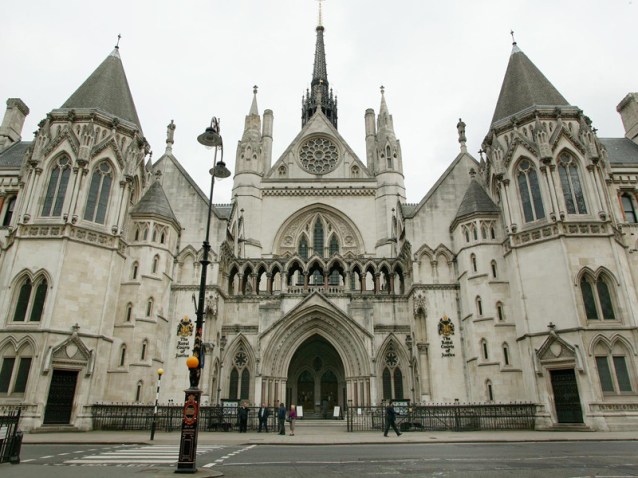
Royal Courts of Justice

While I have been away there have been significant developments in the long battle to get justice for the 50swomen who lost tens of thousands of pounds through maladministration, discrimination and lack of communication over the six year rise in their pension age.

Like everything in this long tortured tale the developments have not been straight forward.

Basically two separate initiatives have been launched. WASPI after first going along the route of seeking justice for 50swomen through Rob Behrens the Parliamentary Ombudsman, suddenly turned on him threatening him with a judicial review and launching a crowdfunder to fight him which raised nearly £150,000.

Alternative Disputes Resolution

Backto60, as the only organisation that campaigns for full restitution for the women, launched a plan to call for an Alternative Disputes Resolution, to negotiate a settlement with Mel Stride, the secretary of state for works and pensions, to end this long running dispute which has angered so many women who feel cheated by the DWP. This is backed by 54 MPs, petitions that have attracted 87,000 signatures and a Parliamentary motion.

Both the initiatives I suspect followed the leaking of the Ombudsman’s first and second stage reports on the issue on this blog. Without them becoming public the 3.6 million women affected would not have known the full and frankly paltry proposals by the Ombudsman to solve this dispute. And I have not forgotten senior people from Waspi pressing me to remove the posts so the reports would remain part of a private discussion between them, the Ombudsman and selected MPs rather than allowing the 3.6 million victims the opportunity to read them. And the second one is still not published.

The reason that I suspect WASPI turned is that it was becoming clear that the compensation would be meagre and limited – the DWP could decide ( as they have following other Ombudsman’s reports) that only the six complainants would automatically get compensation of £1000 and some 600 will have to fight for it .It looked a far cry from the promise by Waspi’s chief spokesman, Angela Madden at last year’s Labour conference of between £10,000 and £20,000 for everybody. That is still a lot less for many people owed up to £50,000.

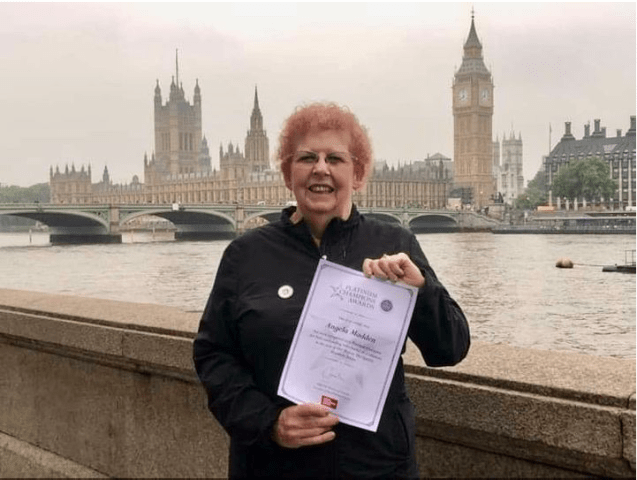
Angela Madden WASPI

Now developments have moved fast on this proposal. It is clear that WASPI, the Ombudsman and teams of lawyers from Bindman’s and Blackstone Chambers have come to a compromise which ended up in the high court last week. Reading the order from Judge Kirsty Brimelow it is clear that parts of the Ombudsman’s second stage report are quashed. These deal with the latter part of the report which rejected any financial compensation for women whose well being and life choices were affected by the delay and did not acknowledge the impact of the DWP pausing sending out letters to women.

The section was admitted by the Ombudsman to have been legally flawed by not taking everything into account.

Crowdfunder page

Since then WASPI have issued on their Crowdfunder page a series of ten conditions which ,it says, the Ombudsman should fulfill.

“WASPI will not be passively waiting for its outcome. At each stage we will be pressing the Ombudsman not only to complete his investigation in a way that is as rapid as possible but also thorough and fair. We will also be raising concerns about this with MPs, particularly those who sit on the Public Administration and Constitutional Affairs Committee (PACAC) which oversees the Ombudsman’s work. And we will turn to our lawyers for their expert input when responding to the Ombudsman’s draft reports and if we have concerns his investigation may be derailed again.”

The Ombudsman has been more cautious. He has agreed that he will show Waspi and the complainants his proposed changes and accept comments before finally presenting his report to Parliament.

A spokesperson committed them to looking at the report again adding” We don’t currently have a timeline, but we want to resolve the investigation as swiftly as possible, so any mechanism for remedy can be implemented for those affected.”

Now while this is happening Back to 60 pursued a different tack. The key issue for them has been the People’s Tribunal which looked into the plight of the 50swomen under the UN Convention on the Elimination of Discrimination against Women (CEDAW) Tribunal held last year and the judgement given by Judge Jocelynne Scutt which ruled that the women had suffered both maladministration and discrimination.

Jocelynne Scutt

Some critics have tried to say the tribunal and the report are irrelevant because they have no standing. Given that the deputy chair of CEDAW in Geneva gave evidence to it and the judge was one of Australia’s first discrimination commissioners, such criticism seems rather ridiculous. to put it mildly.

The judge took a strong view that Parliament had a moral duty to this. “Government and Parliament have a responsibility to face up to and acknowledge the grave wrong done. There is no room for obfuscation or quibbling. Historic discrimination requires relief. There is a moral imperative to right this wrong. The law is on the side of 1950s women.”

Sir George Howarth

Sir George Howarth, Labour MP for Knowsley, who chairs the Alternative Disputes Resolution project has already written to Mel Stride, asking to come to a meeting. The organisers have also invited Waspi who have not replied.

What is missing is what the DWP will do. It has registered as an interested party to the proceedings over the ombudsman’s report but did not send lawyers to the hearing last week.

Any question to ministers on these developments is met with the answer that it is ” neutral” and would not comment because of the legal proceedings.

This is not surprising , the DWP can’t commit to implementing the Ombudsman’s findings if it doesn’t know what they are. The proper procedure will be after the final report is published.

Will these initiatives work?

The stumbling block for Waspi is that the Ombudsman cannot compel the DWP to accept his findings – even if he does everything Waspi wants. This is one reason why legislation needs updating to strengthen his power which the government is reluctant to do.

The disputes procedure cannot get off the ground without the DWP agreeing to come either.

We could be left with a stalemate with the DWP playing one side against the other and sadly it will still mean women will not get the compensation they badly need. Difficult and confusing times lie ahead.

Please donate to Westminster Confidential

£10.00
One-Time
Monthly
Yearly

Make a one-time donation

Make a monthly donation

Make a yearly donation

Choose an amount

£5.00
£10.00
£20.00
£3.00
£9.00
£60.00
£3.00
£9.00
£60.00

Or enter a custom amount

£

Your contribution is appreciated. Please donate to continue my work

Your contribution is appreciated.

Your contribution is appreciated.

DonateDonate monthlyDonate yearly

National Audit Office investigation: The hidden scandal of rip off landlords cheating the vulnerable and the state

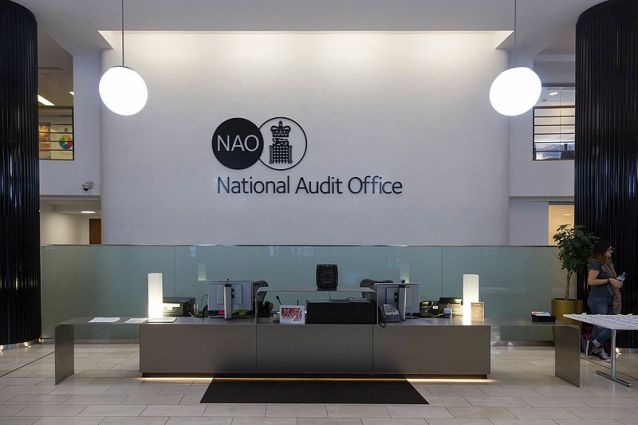
National Audit Office foyer Pic Credit: David Pearson

An investigation by Parliament’s financial watchdog, the National Audit Office, this week has cast light on a hidden scandal of how private and social landlords are making huge profits from providing costly sub standard housing to the elderly, disabled, homeless, recovering drug addicts and domestic abuse survivors.

Officially called Supported Housing this covers providers of homes from short term hostels to specialised homes for the disabled who need a high level of care and sheltered housing for the elderly.

Extraordinarily the provision is not regulated and often not directly supervised by local authorities and the government does not know how many supported homes there are in Britain- the latest figure of 651,000 is eight years out of date. Spending on provision was £3.5 billion in 2016.

The NAO decided to investigate provision in 10 councils and uncovered some startling facts. The councils are

  • Birmingham City Council
  • Lambeth Council
  • Bristol City Council
  • Blackpool Council
  • Hull City Council
  • West Devon Borough Council
  • Bradford Council
  • Nottingham City Council
  • Sunderland City Council
  • Charnwood Borough Council (in Leicestershire)

In Hull for example some conditions were so bad that 323 out of 345 homes inspected needed immediate attention to protect their residents on health and safety grounds. And 62 per cent of homes in the city failed to meet the decent homes standard.

They also discovered the landlords were using the housing benefit system by putting in large claims for rent – which mostly went unchallenged by councils because the landlords would take them to court if they queried the sum.

Levelling Up department does know how many supported homes exist in the UK

The Department for Work and Pensions which often pursues individuals over benefit fraud actually has no record of how many claims there are for supported housing. But when Birmingham Council launched a team to investigate they recovered £3.5 million from fraudulent claims in just one city.

The report says : “Authorities like Birmingham, have seen increasing numbers of landlords who circumvent the regulations enabling them to profit by providing costly sub-standard housing with little or no support, supervision or care.”

“West Devon reported to MPs on the Commons Committee for Levelling up, Housing & Communities ( who also investigated this) that a number of new schemes have entered the market over recent years, claiming to provide exempt accommodation. These schemes involve an investment fund owning the property and a small housing association, registered with the Regulator of Social Housing, acting as the landlord. The local authority considers that these types of schemes are mainly designed to maximise the amount of Housing Benefit that can be claimed.”

Recovering drug addicted were housed with drug dealers

The report added: ” the Committee reported hearing “of people with a history of substance misuse being housed with drug dealers, and of survivors of domestic abuse being housed with perpetrators of such abuse.”

.So what is being done about this? The NAO report that the government has finally commissioned research to find out what exactly is going on..

The report says: “The research intends to focus on the size and composition of the sector, costs, current and
future supply and demand, the interaction between commissioners and housing providers, and how to improve monitoring.”

It is also aware that the supervision of the sector is split between three ministries – levelling up, work and pensions and health and social care so it has set up a supervisory board. And it has pump primed some £5.4 million to five local authorities, Birmingham, Blackburn with Darwen, Bristol, Hull and Blackpool to test monitoring of supported housing.

Blackburn and Darwen told the NAO that without this money they would never have inspected the homes in their area because they hadn’t the resources. And it has asked 26 authorities to bid for extra cash over the next three years.

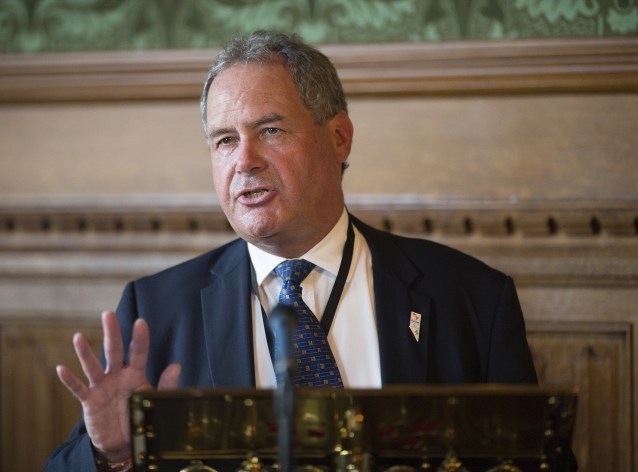
Bob Blackman MP

The biggest change may come from a private members bill by Bob Blackman, the Tory MP for Harrow East, now being scrutinised in the Lords, which lays out a proper framework for the sector. This still has shortcomings as it does not deal with housing benefit fraud which must be quite high in this sector.

All this is better late than never . But it says something that the government until now has not bothered about protecting vulnerable and elderly people from the landlord sharks who prey on them. It paints a pretty poor picture of modern administration in the UK which must lag behind other Western countries in looking after its vulnerable people.

As Meg Hillier MP, Chair of the Committee of Public Accounts says
“Vulnerable people deserve to live in housing that meets their needs.
But gaps in regulation mean a concerning number live in sub-standard accommodation, at great expense to the taxpayer.
Government must now capitalise on the work of its Supported Housing Programme Board and provide local authorities with the support they need, starting with meaningful data on the scale of the problem.

Please donate to Westminster Confidential to allow me to continue my investigations and reporting on serious social problems and backing whistleblowers

Please donate to Westminster Confidential

£10.00
One-Time
Monthly
Yearly

Make a one-time donation

Make a monthly donation

Make a yearly donation

Choose an amount

£3.00
£10.00
£20.00
£3.00
£9.00
£60.00
£3.00
£9.00
£60.00

Or enter a custom amount

£

Your contribution is appreciated.

Your contribution is appreciated.

Your contribution is appreciated.

DonateDonate monthlyDonate yearly