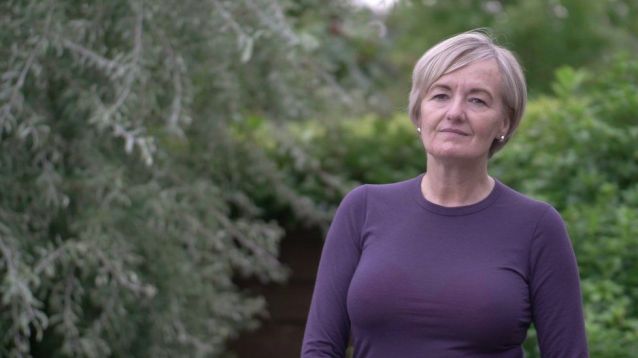
Taxpayers left with a £1 million bill as whistleblower Alison McDermott wins case not to pay nearly all “unsafe” costs
Sellafield and the Nuclear Decommissioning Authority were all but humiliated in a court judgement in their second attempt to get costs against whistleblower human resources consultant Alison McDermott for exposing bullying and alleged sexual harassment at the plant.
The Nuclear Decommissioning Authority (NDA) and Sellafield failed entirely to get any costs for its main contention that Ms McDermott had acted ” unreasonably” throughout the case. The only award for costs was £5000 shared between Sellafield and Heather Roberts, Sellafield’s human resources director, where the tribunal believed Ms McDermott had been unreasonable in alleging crucial metadata was ” tampered with” by a DLA Piper lawyer, Emma Mills, acting for both of them.
I watched the hearing and it was very clear that Alison McDermott, appearing as a litigant in person with no legal representation, was cool, collected and precise in putting forward her case why she should not pay costs while the opposing highly paid legal team were making absurd over the top claims against her and defaming her character. No wonder these expensive lawyers lost the case and the plot.
The long running case has cost the taxpayer around £1m to bring through the tribunal system and this last costs hearing alone landed Sellafield and the NDA with a £100,000 bill for the taxpayer just to recover £5000. Her findings in her report, commissioned by Sellafield itself, have made national news in the UK and Norway, because it raises nuclear safety issues.
Judge Robertson was critical of the two barristers acting for Sellafield and the NDA and the way they handled the case.

He found Rachel Levene, who acted for the NDA, had failed to produce any substantive arguments that Ms McDermott should meet £20,000 of the costs. The £3000 a day barrister tried to argue that Ms McDermott was misconceived in bringing the case, had lied in her evidence and ” deliberately exaggerated her evidence” throughout the proceedings. This was rejected by the judge. She put forward six allegations against her which were all rejected for not being specific enough.
He said “Ms Levene couches her allegations in the most general terms. As to allegations (1) and (4), she makes no specific case about the unreasonableness of the claimant’s complaints to the solicitors’ regulatory body or her Freedom of Information or Data Subject Access Requests or why such matters, which did not arise in the course of the proceedings, should lead to a costs sanction against the
claimant in the proceedings.As to allegations (2), (3) and (6), Ms Levene makes no case that any specific
applications for disclosure against the second respondent were unreasonable. She makes no case as to why the application to strike out the second respondent’s response based on failures in disclosure was unreasonable. She does not explain in what specific ways she contends that the claimant’s amendments to her claims were unreasonable.
The judge also accepted that Ms McDermott was right to turn down an offer of £160,000 to drop the case from the NDA- which Ms Levene tried to make as an example of “unreasonableness”.

Judge Robertson was also critical of Sellafield’s barrister, Mr Deshpal Paneseer, KC, from Old Square Chambers, who also attacked Ms McDermott for being ” fundamentally dishonest” only using more extravagant and denigrating language. Despite the EAT judge previously saying Ms McDermott was not dishonest he persisted un this. He also contended that her case had “no prospect of success” from the start and that she should not have made serious allegations against very important people.
The judge ruled:” The Tribunal was not persuaded by Mr Panesar’s assertion that the claimant’s allegations were particularly serious because of the standing of the individuals about whom they were made. All allegations of whistleblowing or victimisation are serious and there was nothing unusual about the individuals in this case.( my emphasis) Mr Panesar KC made too much of this. Second, Mr Panesar KC submitted that the claimant had been untruthful in multiple fundamental regards…..But the Tribunal has not found that the claimant pursued claims had no reasonable prospect of success and the first and third respondent’s second application for costs fails.”
One key ruling from this tribunal is that Judge Lancaster, who heard the original case , said she was not a whistleblower. This hearing reaffirmed that one of her complaints about sexual harassment was a protective disclosure – confirming she was a whistleblower. Judge Philip Lancaster’s attitude towards women is also under fire as he is facing complaints from women who have appeared before him at previous employment tribunal hearings.
This was the second time Sellafield and the NDA had tried to get costs from her – even after a High Court EAT judge had already ruled that the costs imposed at a previous hearing were “unsafe” so the nuclear bodies should have known they had little chance of success. As it is the money they have recovered is not even enough to pay for a day of Mr Paneseer’s charges which run at £5500 a day.
There is an extraordinary twist over the metadata Sellafield and Heather Roberts were awarded costs of £5000 against Ms McDermott for alleging their lawyer had ” tampered with it”. The metadata produced at the last minute in the tribunal case after Emma Mills, a DLA Piper oawyer said she had overlooked because of an oversight.
The metadata included criticism of Ms McDermott had been produced on the home computers of Sellafield staff – putting at risk the security of the nuclear plant. A complaint to the Information Commissioner’s Office led to the criminal prosecution of Sellafield and it was found guilty this week.
Hubris of the directors
Frankly this whole proceeding against Ms McDermott by Sellafield and the NDA shows the hubris of the directors of both organisations. The lawyers must have been encouraged to over-egg their case against her, leading the judge to throw it out. Any sensible organisation already warned by another judge that the costs were ” unsafe” would have had cause to think again. Instead they ploughed ahead because they knew the taxpayer would foot the bill. I also think this was a deliberate ploy to cause more distress to Ms McDermott because they hated her findings about the way the nuclear waste plant was run. It may also be aimed at frightening anybody wanting to raise issues like sexual harassment, bullying and nuclear safety. This is not a good place for any business, let alone one dealing with such dangerous materials as nuclear waste.
Make a one-time donation
Make a monthly donation
Make a yearly donation
Choose an amount
Or enter a custom amount
Your contribution is appreciated.
Your contribution is appreciated.
Your contribution is appreciated.
DonateDonate monthlyDonate yearlyPlease donate to Westminster Confidential
£10.00
 Westminster Confidential
I am so pleased Ms McDermott won her case. The eye watering fees payed to crooked lawyers and their hired guns should be regulated. This case is an exception- they usually get the £s and get away with it. In my case, so much time and over £200,000 + VAT of tax payers money was spent on this cover up: https://patientcomplaintdhcftdotcom.wordpress.com/
LikeLike
Thank you for the update. At last, some good news regarding these (growing number) of cases. Clearly, we need some legislation to punish and hold accountable the dishonest managers and lawyers who pursue these cases to unreasonable lengths, no matter the cost both financially and in human terms (for the defendant – there is little evidence of humanity for their opponents). It is so good to hear there is a member of the judiciary who can apply common sense to the misdealings of these organisations.
LikeLike
Pingback: Warning disturbing content: Exclusive – This picture of his slashed wrist was sent by a stressed whistleblower to Sellafield bosses who then ignored his plight for 10 weeks | Westminster Confidential
Pingback: Employment tribunal judges in the spotlight