Lewisham and Greenwich NHS Trust chair leaves: Her successor calls for a review of the handling of the Chris Day case

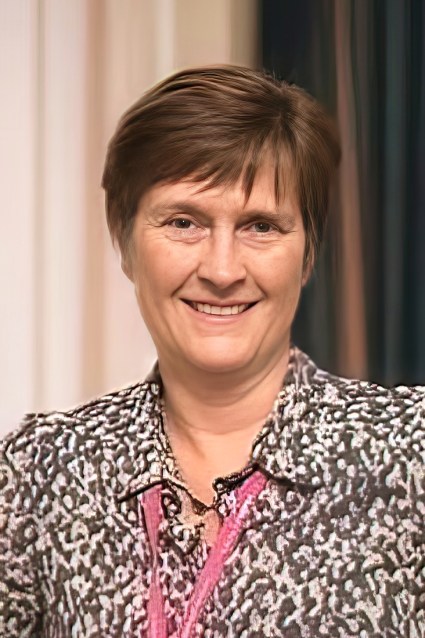
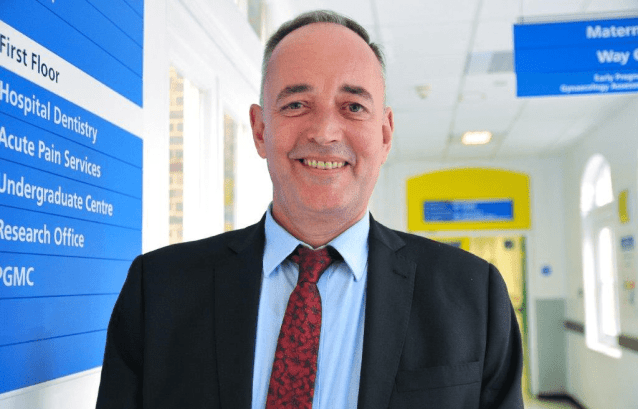
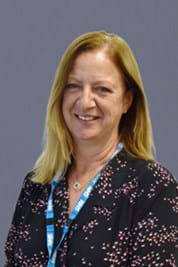
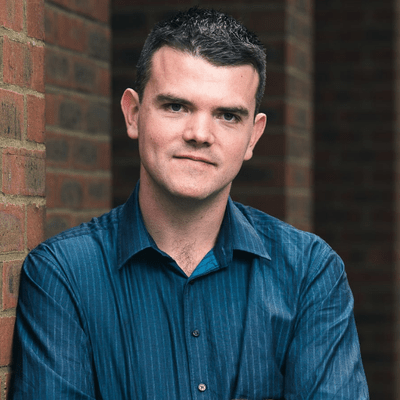
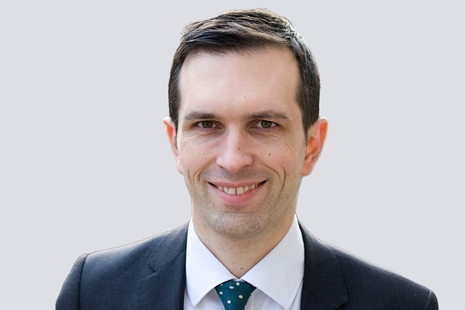
Val Davison, former chair of the Lewisham and Greenwich NHS Trust

The twists and turns in the Dr Chris Day patient safety whistleblowing case against Lewisham and Greenwich NHS Trust are continuing even before the judge Anne Martin delivers her verdict later this year.

At a public trust board meeting yesterday local campaigners led by a local GP turned up to protest and demand action about the revelations revealed at the 16 day tribunal which included the destruction of 90,000 emails at the trust affecting his case and the revelation that the trust had lied to a judge about the record of notes of a Sunday telephone board meeting four years ago which approved the controversial settlement of Dr Day’s whistleblowing case.

Dr Day has had an eight years battle with the trust after he made protected disclosures on patient safety and inadequate staffing at the intensive care unit at Queen Elizabeth Hospital in Woolwich which is run by the trust.

And even now new documents are coming to light as a result of the hearing showing the secret support given to Lewisham and Greenwich NHS Trust by senior officials at NHS England.

The public board meeting was chaired by Mike Bell, who is also chair of the Croydon NHS Trust, who evidently had been appointed on July 6 – midway through the Chris Day tribunal hearing – according to a press release from Croydon NHS Trust which disclosed he had taken over on July 25 – the day before the board met. He is remaining the chair of Croydon NHS Trust for the moment.

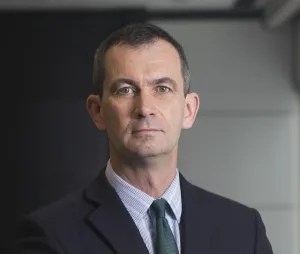
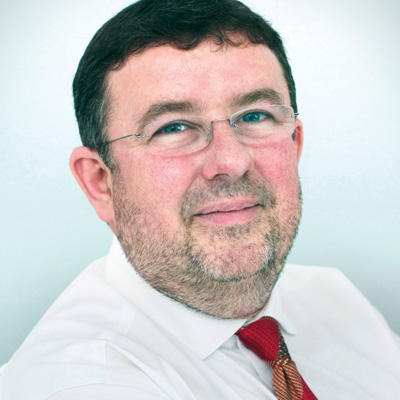
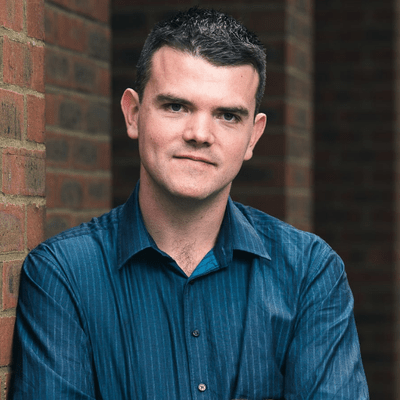
Mike Bell, new chair of Lewisham and Greenwich NHS Trust while remaining chair of Croydon NHS Trust Pic credit: Business in the Community

Dr Bob Gill, a local GP, addressed the board, seeking an explanation of all the revelations that had come out at the tribunal hearing. Members of the board did not react to the catalogue of failures to provide information to the tribunal or the mass destruction of emails by David Cocke, the communications director, who failed to give evidence at the hearing.

Here is Dr Bob Gill at the Lewisham and Greenwich NHS Trust putting the case for action following the scandalous disclosures at the Dr Chris Day tribunal hearing

Mr Bell said he had written to NHS England requesting a review of the Dr Chris Day case which he promised would be published. This could be embarrassing for NHS England – since Claire McLaughlan who conducted the review into Dr Day’s protected disclosures and covered up the patient safety issue that led to two deaths at the hospital – is Chair for NHS England’s Performers List Decision making panels( they decide the internal inquiries for trusts.

See my profile of her here

The GP had the backing of local groups, Reclaim the NHS (Previously Keep Our NHS Public – Greenwich)
Queen Elizabeth Hospital Patient Forum, and Your NHS Needs You.

In a letter to the trust which quotes extensively from blogs on this site and from an article in Computer Weekly by journalist Tommy Greene the groups ask the following questions of the board:

  1. What steps will LGT take to investigate the serious issues outlined above [ which came out during the hearings]?
  2. Have either Ben Travis[ the chief executive] or David Cocke been suspended pending a full investigation into their actions in relation to the Day case?
  3. As requested by Sir Norman Lamb, will LGT[the trust]now undertake an independent public
    inquiry into its conduct of this case and the dangerous conditions – including avoidable deaths – in its ICU department during the period when Dr Day raised patient safety concerns?
  4. Has LGT informed the police about the potential criminal action taken by Mr Cocke?
  5. Has LGT informed the Information Commissioner’s Office about the destruction of Janet Lynch’s [former workforce and education director who was the lead figure in pursuing Dr day’s case] email account and the actions taken by Mr Cocke?
  6. What steps will LGT take to recover the evidence that has been destroyed? Any efforts must have public confidence and be independent.
  7. How can LGT rebuild public trust that it will not be party to such serious misconduct in the future?
  8. How will LGT avoid further expensive and destructive litigation against whistleblowers who raise serious patient safety concerns, and rebuild trust of medical staff silenced by the actions taken against Dr Day?

I put some questions to the trust along similar lines and asked for an explanation of the changeover of the chair.

A spokesperson for the Trust said: “As legal proceedings are still ongoing, we are unable to provide a comment at this time.”

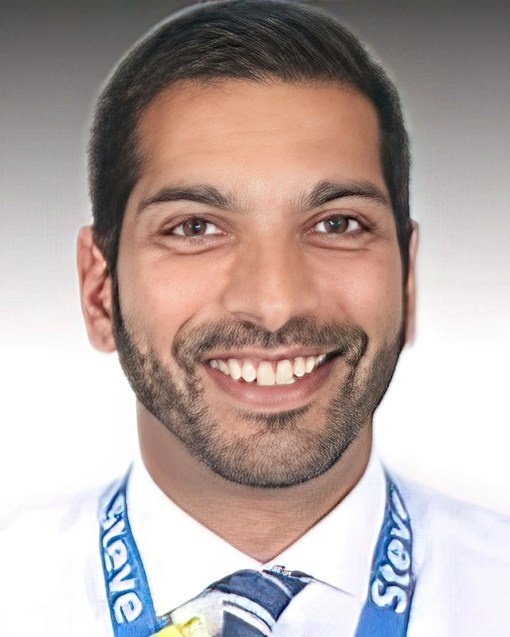
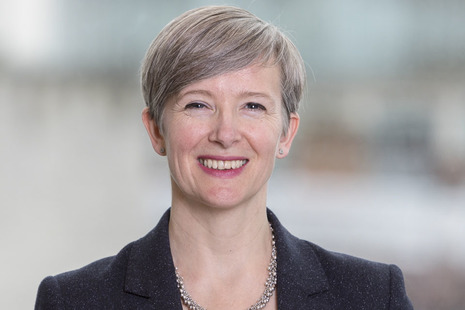
Steve Reed, former Executive Regional Managing Director (London) NHS England, recently in charge of the Covid and Flu vaccination programme

Meanwhile the latest tranche of documents have shown that another senior official – at NHS England, Steve Russell, then Executive Regional Managing Director (London), was directly involved in backing the trust to put a press statement on Dr Day in 2018 which former health minister Sir Norman Lamb described to the tribunal as ” inaccurate, damaging and defamatory” .

In one email he said he was ” happy to support you on this” adding “If you can give us an hour or two to socialise nationally that will be very helpful.”

Steve Russell went on to become chief executive of Harrogate Hospital Foundation Trust and then was seconded to NHS England to run the Covid and flu vaccine programme.

Please donate to Westminster Confidential to allow me to continue my forensic reporting.

One-Time
Monthly
Yearly

Make a one-time donation

Make a monthly donation

Make a yearly donation

Choose an amount

£5.00
£10.00
£20.00
£3.00
£9.00
£60.00
£3.00
£9.00
£60.00

Or enter a custom amount

£

Your contribution is appreciated.

Your contribution is appreciated.

Your contribution is appreciated.

DonateDonate monthlyDonate yearly

Please donate to Westminster Confidential

£10.00

Can the DWP’s newest feminist recruit give the ” shambolic” ministry a more people friendly face?

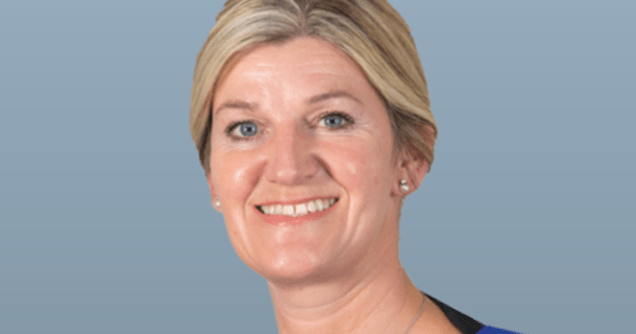
Elizabeth Fairburn,(right) now the Department for Work and Pensions new customer experience director

Last week I watched the polite questioning by MPs of the top officials from the Department of Work and Pensions about their latest published accounts – which I have already lambasted in a blog here.

At this hearing of the Commons Public Accounts Committee – see this link – once again Peter Schofield, the permanent secretary – had to apologise to the nation’s pensioners for the ministry’s failure to rectify the underpayment of pensions to hundreds of thousands of pensioners, some who may still have to wait until 2024 to get their money. He promised 1000 more staff -having started with just 100 people – to sort out this scandal.

Once again – it is the 34th year in a row – the top officials had failed to balance the books – because of benefit fraud and error reaching record levels. Again it was promised that this will be sorted – we shall see whether this is really true next year.

Peter Schofield, DWP permanent secretary

But the most interesting aspect of the hearing was a new face on the block. She is Elizabeth Fairburn, who is the customer experience director at the DWP. She has been recruited from Direct Line Insurance as the head of claims response – where she deals with insurance claims from customers. She is quite obviously not a career civil servant unlike Peter Schofield, her boss whose cv shows, apart from a secondment to 3i, is a mandarin to his fingertips.

What is even more interesting she is a firm campaigner for women. She recently gave an interview to mark International Women’s Day this year with Gatenby Sanderson, a head hunting agency recruiting executives for the public sector ( recent appointments included the chief executive officer of the National Cancer Research Institute and the people’s director for the London Fire Brigade).

I have reproduced it at the top of this blog. As well as talking about her career, she is committed to equal pay for women, proper career paths for women who return to work after looking after children and most importantly women having real self belief in themselves and not being put down by men. She also is a coach for women to believe in themselves.

Can Elizabeth Fairburn do anything for claimants and pensioners?

But can she do anything for the millions of claimants and pensioners who have to endure using the DWP? She admits in the interview that she knew little about the working of the organisation.

At the hearing she made some interesting comments. She told MPs:

:”We are mapping out the plans and trying to piece things together. It is a big Department, and I am trying to get my head around a lot of things. I can see some real opportunities in how we could use different approaches to map out the journey from a customer’s point of view, which would help us as the civil service understand what that looks like and therefore where we can make improvements. Peter [‘Schofield] has already referenced the work that we are doing on digital and automation, which is a real opportunity, but we cannot automate processes that are clunky or difficult. We have got to review those, simplify them and then make them available on a digital solution to encourage customers to “engage with us.

On communicating with pensioners, particularly those owed money she told MPs:

“I have a team within customer experience who are continually looking at the communications that we send to customers to make sure that they are simple. Obviously, we are reliant on listening and learning techniques, such as what we see through complaints, to identify where to look. When we see those things, we can simplify the processes, and potentially the communications to customers, to help them with that and keep them updated.”

On stopping people’s benefits she said she had a team of 36 people checking the vulnerability of people before they did this:

“They are there proactively to support the wider DWP in identifying and signposting support for our customers with the most complex needs. In the example you were just talking about, my team work closely with Bozena’s [Bozena Hillyer in charge of counter fraud and compliance] team and, when there is a difficult decision to make about stopping someone’s benefit because of potential fraud, my team are there to support the frontline to say, “Have you considered X, Y or Z to ensure that we are doing the right things for our customers and making the right decisions?”

Egregious frightening letter from the DWP to a pensioner

Can she make a difference? As this blog has shown some of the communications have been egregious. Like the one I featured last August to pensioner Rosie Brocklehurst when the department was conducting a pension review which said: ““If you fail to be available for this review and do not contact me, your entitlement to State Pension may be in doubt and your payments may be stopped.”

This was , of course, totally untrue – the department can’t stop anybody’s pension.

So at the moment the jury will be out on how successful Elizabeth Fairburn will be in changing the culture. But I will be watching to see if this determined woman from Leeds can make a difference or not. Her Linked In self description describes her as “A passionate, energetic and inspiring people leader, renowned for the ability to champion change and transformation especially in underperforming teams or functions with a need for significant cultural revolution. “

Watch this space to see if this is true for the DWP.

Please donate to Westminster Confidential to allow me to continue my forensic journalism

One-Time
Monthly
Yearly

Make a one-time donation

Make a monthly donation

Make a yearly donation

Choose an amount

£5.00
£10.00
£20.00
£3.00
£9.00
£60.00
£3.00
£9.00
£60.00

Or enter a custom amount

£

Your contribution is appreciated.

Your contribution is appreciated.

Your contribution is appreciated.

DonateDonate monthlyDonate yearly

Please donate to Westminster Confidential

£10.00


My evidence to the CEDAW in LAW Tribunal this month on the egregious plight of 50s women and their lost pensions

Giving evidence to CEDAW in LAW tribunal

Earlier this month I gave evidence to a tribunal set up by CEDAW in LAW presided over by Australian judge Jocelynne Scutt on the situation affecting 3.8 million women who have had to wait an extra six years to get their pension.

My evidence tries to explain how this situation came about going back to 1988 when the government decided to end Treasury contributions (except when the fund was in the red) to the National Insurance Fund starving it of money to pay out pensions. Given pensions are paid out of current contributions the fund would have built up a very healthy surplus – enough for both higher pensions for everybody later and avoided the current raising of the pension age. Given the UK has one of the lowest state pensions in Europe this would have been a very good improvement.

My evidence also showed how successive governments failed to properly tell the women affected how they would lose their pensions for five and later six years under the 1995, 2008 and 2011 Pensions Acts.

And it reveals how men were treated differently after Margaret Thatcher in 1983 decided to pay the national insurance contributions for men from 60 to 65 to keep them from claiming unemployment benefits. This lasted until 2018 and was available for 9.8 million men. Women born in the 1950s were promised this from 2010 but it was never implemented.

Failure to remedy

Also I strongly criticise the failure to remedy this in both the courts and through the Parliamentary Ombudsman. The Supreme Court would not hear the case and Robert Behrens, the Parliamentary Ombudsman, has given half hearted support to maladministration claims for part of the period. On top of that the All Party Parliamentary Group on state pension inequality has been ineffective, relying on the Ombudsman to present the women’s case rather than directly intervening as MPs to pressurise the government.

The tribunal also heard from a number of women who described the devastating effect this wait had on their lives and from Elgun Safarov, the vice chairperson of the United Nations Convention of the Elimination of All Discrimination Against Women Committee.

Please donate to Westminster Confidential to continue my work and investigations.

One-Time
Monthly
Yearly

Make a one-time donation

Make a monthly donation

Make a yearly donation

Choose an amount

£5.00
£10.00
£20.00
£3.00
£9.00
£60.00
£3.00
£9.00
£60.00

Or enter a custom amount

£

Your contribution is appreciated.

Your contribution is appreciated.

Your contribution is appreciated.

DonateDonate monthlyDonate yearly

please donate to Westminster Confidential

£10.00
Revealed: Trust sent secret “partisan” briefings on Dr Day’s whistleblower case to NHS top brass and four trusts -including to Dr Amanda Pritchard, now head of NHS England

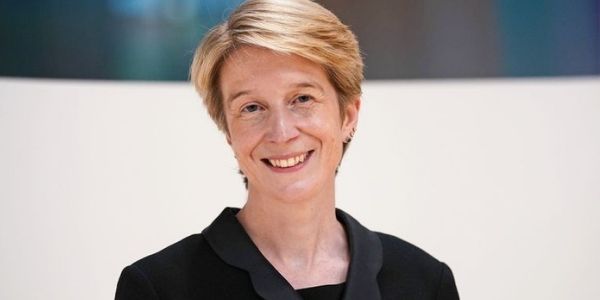
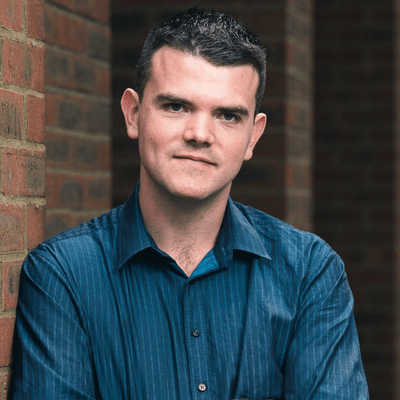
Amanda Pritchard: then CEO of Guys and St Thomas’s Trust now chief executive of NHS England

Andrew Allen QC attacks the trust for its unprecedented ” brazen attitude” throughout the hearing

New hitherto undisclosed documents by Lewisham and Greenwich NHS Trust in the Dr Day employment tribunal, sent the night before it was hearing closing submissions from lawyers, reveal the trust secretly briefed the chief executives of NHS national bodies and four trusts on an inaccurate view of Dr Chris Day’s whistleblowing case.

The so called “briefings” were the same as a press release written by David Cocke, the trust’s communications director who has destroyed a large number of “potentially relevant” emails held by the trust and declined to give evidence.

The documents disclosed by the Trust on Thursday night revealed these “so called briefings” had been sent to the heads of NHS England and NHS Improvement.

Ben Travis, the chief executive of Lewisham and Greenwich NHS Trust also wrote in a memo that he was talking to Chris Hopson, then chief executive of NHS Providers, to brief him about Dr Chris Day’s case..

Chris Hopson, then chief executive of NHS providers now Chief Strategy Officer, NHS England. He was a key figure on our TV screens handling the pandemic.

The trust had already failed to disclose (and was criticised in 2021 by an employment judge) that it sent them to 18 other stakeholders, including MPs and council leaders, which is at the centre of the dispute between Dr Day and the trust.

They are a key part of his claim that he suffered detriment for his protected disclosures nine years ago on patient safety and inadequate staffing at Queen Elizabeth Hospital, Woolwich’s intensive care unit.

Sir Norman Lamb, the former Liberal Democrat health minister, described the content of these documents released in 2018 as ” inaccurate, damaging and defamatory” .

Dan Tatton Brown QC, said, in his summing up for the trust, described them as ” partisan” needed by the trust to counter what he called a misleading press article in the Sunday Telegraph about the case at the time. He also said part of the release praised Dr Day for his whistleblowing, although Andrew Allen, QC, pointed out that the entire document does not have to be critical of Dr Day for a detriment to succeed.

Mr Allen told the tribunal that the letters had gone in 2018 to 4 CEOs of neighbouring Trusts: Amanda Pritchard, CEO, Guy’s and St Thomas’, Peter Herring, Interim CEO, Kings, Matthew Trainer, CEO, Oxleas, Dr Matthew Patrick, CEO, South London and Maudsley ; and to Steve Russell at NHS Improvement and Jane Cummings at NHS England.

The latest disclosure contradicts evidence given to the tribunal by Ben Travis last week, who said nobody else had received any statements.

Andrew Allen QC

Mr Allen’s submission said: “C [Dr Day] believes that R’s[the trust’s] conduct of this litigation – in particular the failure to preserve evidence; the inadequacy of the initial discovery exercise; the destruction of Janet Lynch’s[ former director of workplace and education] emails; the destruction of emails by David Cocke ; and the other various ways in which evidence has been placed beyond reach a has placed the fairness of the hearing in jeopardy. C believes that R’s response should have been struck out. R’s behaviour since the outset of this litigation, as highlighted through the revelations during this hearing has been contemptuous towards C and towards the tribunal. R’s attitude towards tribunal rules and tribunal orders appears to have been to use them to seek advantage.

Mr Allen tore into the trust for the derogatory way it treated Dr Day. He said it had repeated accused him of lack of integrity. claimed he wanted to become a millionaire through his patient safety disclosures, described him of having unreasonable beliefs including conspiracy theories and being of a ” suspicious disposition”.

Mr Allen reminded the Tribunal of Dr Smith’s evidence on Dr Day’s protected disclosure, quoting Dr Smith (the Consultant anaesthetist the Trust tried to exclude from the Tribunal)  who stated,” For the avoidance of doubt, in my view, based on my own practical experience, the ratio of 1:18 in the Respondent’s ICU was, prima facie, unsafe and (if more than a one-off incident) was something that was required to be rectified.”

With the addition of the transcript that has been running throughout hearing, Dr Smith’s verbal warning to the Tribunal on Dr Day’s warning about patient safety in 2013 which Dr Smith clearly endorsed with the words, “There was a clear and present danger to patient safety: absolutely no question about that.”

Instead Mr Allen said the trust had failed by not doing a proper search of documents or even the right people’s documents, not disclosing relevant documents and deleting documents involving key people.

As a result people gave untrue statements to the tribunal.

Mr Allen told the tribunal that trust had “presented two institutional witnesses (Ben Travis and David Cocke ) whose witness statement evidence is so undermined by the fact of and the content of R’s late disclosure (not to mention Ben Travis’s own oral evidence) that they can no longer be regarded as reliable witnesses of truth. These witnesses were the people in charge of carrying out a discovery exercise involving searching their own in boxes for relevant material – which they clearly failed to do adequately given that plainly relevant material had been squeezed out of R over last two weeks – produced in a piecemeal fashion only because of questions upon questions from C pointing out the inadequacy of the exercise being conducted.”

Mr Cocke could have destroyed 90,000 emails

He then gave a run down of a coruscating cross examination he would have given David Cocke if he had turned up – pointing out Cocke in his second witness statement destroyed 90.000 emails altogether, questioning in detail that statement he had sent out to the stakeholders and challenging him that he had made misleading statements to the press by downplaying Dr Day’s patient safety disclosures  and misrepresenting investigation findings..

He then went on to the witnesses who were never called by the trust including the four doctors who handled Dr Day’s protected disclosures and the two directors that were the current and former legal client in the Trust that instructed the lawyers in the case. These individuals were present in the public gallery

Janet Lynch- entirte archive of her emails destroyed by Mr Cocke

“As well as Drs Harding, Brooke, Patel and Luce, the other ghosts at the banquet are Janet Lynch and Kate Anderson. Ms Lynch is happily alive and well and working as Interim Director of People and Organisational Development at Hertfordshire Partnership University NHS Foundation Trust.

Kate Anderson -watched the tribunal but was never called to give evidence

Ms Anderson (a key witness in relation to detriment 4.2 concerning the lack of adequate response) is not only happily alive and well and working at R, but she watched some of the hearing. No reason has been offered by R for failing to call these people as witnesses.

“The tribunal is asked to infer that this is because presenting people to give evidence whose knowledge of the issues could not be disputed would have detracted from R’s aim which was to present DC and BT as the innocent people responsible for the public statements made by R and who were largely ignorant of any inadequacies in the content.
“That strategy has imploded under the weight of the content of the late disclosure that we have seen and the revelations about the inadequacy of the disclosure exercise that we have begun to learn about.”

Mr Allen asked the tribunal to discount David Cocke’s evidence entirely. because of his non appearance and his action in destroying documents. Mr Tatton Brown maintained earlier he had done the latter in a panic and because he thought he had failed his colleagues.

Dan Tatton Brown QC

Mr Tatton Brown earlier told the tribunal that ” the trust has not instructed me to put the boot into Dr Day” but went on to accuse him of being a difficult witness who didn’t answer questions, having conspiracy theories criticising distinguished judges and the medical establishment and accused him of using his crowdfunding money to go on a holiday. All these allegations were refuted by Mr Allen.

Mr Allen exposed the smear about the holiday with the fact that the Doctors Association had presented Dr Day and his wife with a surprise gift of funding for a holiday and that as a surprise gift it clearly had nothing to do with Dr Day’s Crowdjustice campaign that has been used only on legal fees.

Mr Allen defended Dr Day’s criticism of numerous appeal judges that had engaged in fact finding. Mr Allen also described that Simler LJ had granted him leave to appeal on all three grounds to challenge the controversial settlement in the case and then rescinded the permission on the basis that it had been a clerical error, a frankly bizarre set of circumstances even for a lawyer, it was this context that Dr Day  was asked: “Is this part of the great medical legal coverup that you believe in?”. Dr Day maintained it was more than a clerical error and at the very least was a professional mistake.

The tribunal reserved judgement and will announce its decision later.

Please donate to Westminster Confidential to allow me to continue my forensic reporting

One-Time
Monthly
Yearly

Make a one-time donation

Make a monthly donation

Make a yearly donation

Choose an amount

£5.00
£10.00
£20.00
£3.00
£9.00
£60.00
£3.00
£9.00
£60.00

Or enter a custom amount

£

Your contribution is appreciated.

Your contribution is appreciated.

Your contribution is appreciated.

DonateDonate monthlyDonate yearly

please donate to Westminster Confidential

£10.00

David Cocke – the trust official who destroyed ” potentially relevant” emails – instructs top lawyer and pulls out of cross examination in Chris Day tribunal

Dr Chris Day

Judge Anne Martin says she doesn’t accept Communications Director quit tribunal hearing for medical reasons as the trust provided no medical evidence

Revealed: note of the Board Meeting that approved settlement of Dr Day’s case hidden for 4 years and its existence denied to a judge

The Chris Day tribunal took yet another unexpected dramatic turn today when David Cocke, the director of communications, for the Lewisham and Greenwich NHS Trust pulled out of today’s hearing – he was due to be cross examined this morning.

Instead of defending his two witness statements in support of the Trust, Mr Cocke has instructed Kingsley Napley, ” well-established as one of the world’s leading criminal law firms, largely because of its role in several high-profile cases”.

The implication is that he intends to defend himself from allegations that he deliberately destroyed evidence that were placed in an unsigned statement on his behalf and relied on by the NHS and its law firm Capsticks – maybe Mr Cocke will now be taking on his employer, the Lewisham and Greenwich NHS Trust.

IMr Cocke was due to be cross examined by Andrew Allen, QC for three hours over the preparation of what another witness Sir Norman Lamb, the former health minister described as ” inaccurate, damaging and defamatory” public statements to the press, MPs and other stakeholders attacking Dr Chris Day in 2018. The former minister said the trust owed Dr Day an apology for what they had done.

Dr Day has been fighting the trust for nearly nine years after he made protected disclosures about patient safety and inadequate staffing at the intensive care unit at Queen Elizabeth Hospital in Woolwich. Two people died there including one who had a chest drain inserted by mistake into his liver.

Events at the hearing already took a dramatic turn earlier this week when Mr Cocke volunteered a cache of emails that should have been disclosed to Dr Day four years ago. This was followed by the disclosure of a 2018 board report which discussed how to handle Dr Day’s case among emails held by Ben Travis, the trust’s chief executive, which the trust denied to a judge had ever existed in 2018.

David Cocke then went into the trust’s headquarters at 5.30 am and destroyed 100 emails and an archive which contained ” potentially relevant ” information which should have been disclosed to the tribunal. He claimed the emails had been permanently destroyed.

Last week he cancelled his planned appearance before the tribunal claiming, without providing a medical certificate, that he was ill.

He then abruptly reversed his decision and informed the court at the time the tribunal were deliberating on whether to strike out the trust’s entire response because of Cocke’s ” egregious behaviour ” which could amount to perverting the course of justice.

The tribunal decided to continue and Mr Cocke said he would appear today.

Then last night the tribunal was told he was going to pull out for the second time having instructed Kingsley Napley to fight his corner.

Before that he sent a doctor’s note saying though he was unfit to go to work he was fit enough to be cross examined at the tribunal.

The tribunal was presented with a confusing picture about his health and mental state. Originally the trust had said on July 5 he could stay off work for two weeks because he was ill but he appears to have kept changing his mind about appearing before the tribunal.

Andrew Allen QC

Mr Allen alluded that he was seeking further medical help and may have an appointment with a psychiatrist.

Judge Anne Martin’s statement

In a statement after proceedings had been stopped again Judge Anne Martin said I just wanted to make it clear, that without further medical evidence, the Tribunal can not accept the reason for him [Mr Cocke] not being called to give evidence is medical. It is a decision made by the Respondent.” Or in other words a deliberate step from the Trust to avoid Mr Cocke being cross examined. There is a full statement on Chris Day’s whistleblowing site here and in his crowdjustice newsletter.

IAs a result of Mr Cocke ‘s behaviour Mr Allen concluded that he could not trust whether a revised witness statement from Mr Cocke to the tribunal could be considered to be accurate. His first statement had already been decided not to be an accurate account of the events.

Dr Day, who now is suffering from Covid, did swear two further statements following his reading of Mr Cocke’s statement but Dan Tatton Brown QC told the tribunal he did not plan to cross examine him about them.

Dr Day’s statement, which is unchallenged by Mr Tatton Brown, reveals details of a telephone discussion in October 2018 which the board originally claimed had no record.

He said “It appears that this note recording the Board meeting was included in emails to the former legal client of the Respondent, Janet Lynch; the person who I believe to be the current legal client Kate Anderson (who also wrote the note); the Chief Executive Ben Travis; and perhaps most significantly, David Cocke. It is of concern whether this was one of the documents and emails David Cocke decided to deliberately delete on the morning of 1 July 2022 before the hearing re-commenced.
He goes on ” Someone with the initials LA “confirmed all four Trust Medical witnesses felt strongly that we should agree the proposed settlement. It would be difficult to control media presentation of evidence that may emerge in the second half of the Tribunal” and “JB confirmed agreement to settle, noted potential exposure to the Trust if we didn’t.”.

“This shows to me that a key motivating factor of the Trust Medical witnesses, Janet Lynch, and the Board in their actions in this claim are fears about how the live evidence of the October 2018 hearing of the protected disclosures and the Trust’s response would be viewed by the public, doctors and
journalists in the public gallery.”
“Contrary to what Ben Travis has stated in his witness statement in this case about his preference for the case to run its course, the record does not show that he expressed any doubts to the Board, and it records that: “BT confirmed a view that we should settle”.

Ben Travis wanted to settle but his tribunal statement said the opposite

The Board member AJ stated the Board should attempt to control communications “beyond Chris Day himself”. They are clearly referring to those present in the public gallery observing the evidence and those reading the case papers and how they may disseminate such information. This also confirms my
pleaded case as to the evidence of the Trust’s response to my protected disclosures being the main driving force the Respondents actions.

The tribunal will reconvene on Thursday afternoon to hear final submissions from Mr Allen and Mr Tatton Brown without calling any more witnesses.

Please donate to Westminster Confidential so I can continue my forensic reporting.

One-Time
Monthly
Yearly

Make a one-time donation

Make a monthly donation

Make a yearly donation

Choose an amount

£5.00
£10.00
£20.00
£3.00
£9.00
£60.00
£3.00
£9.00
£60.00

Or enter a custom amount

£

Your contribution is appreciated.

Your contribution is appreciated.

Your contribution is appreciated.

DonateDonate monthlyDonate yearly

Please donate to Westminster Confidential

£10.00
DWP in 2021: Record fraud, record management bonuses and record pension underpayments

Department for Work and Pensions

The latest annual report for the Department for Work and Pensions was published last week and reveals yet another litany of failures in this ministry. After a drubbing last year from Parliament’s watchdog, the National Audit Office, its accounts were qualified again making it the 34th year in succession it has failed to balance the books accurately.

This finding may also be a Whitehall record – there can hardly be another ministry in Whitehall that has so spectacularly failed to produce accounts with a clean audit sheet.

The big benefit fraud failure is again the government’s flagship Universal Credit. In 2020 it the rate of overpayments increased from 4.4% in 2019-20 to 7.5% in 2020-21. Nearly all of the increase in fraud and error was on Universal Credit. DWP estimates it overpaid £5.5 billion of Universal Credit (14.5%) and underpaid £540 million (1.4%).

In 2021  it overpaid £8.5 billion of benefits – the highest level recorded. Fraudulent Universal Credit claims account for £5.2 billion of the £8.5 billion overpaid. DWP estimates that it overpaid 14.7% of all Universal Credit payments in 2021-22, compared to 9.4% in 2019-20 (the year preceding the pandemic). DWP paused fraud and error prevention measures due to COVID-19 disruption, some of which have not yet been reinstated.

As at 31 March 2022, DWP is owed £7.6 billion of benefit overpayments, Tax Credits, and advances by around five million claimants, an increase of over £1 billion from 2020-21. DWP expects this pattern to continue until it has fully embedded new prevention measures. It recovered £2.0 billion of this debt in 2021-22, with 90% of debt recovered through benefit deductions. DWP can only recover overpayments it identifies – most overpayments are not identified and will not be recovered.

Disabled people are also suffering mainly from underpayment of attendance allowance. The NAO report says: “The estimated rate of overpayment in Attendance Allowance is 2.2% (£120 million), and the underpayment rate is 4.3%(£230 million).

” These estimates suggest that Attendance Allowance has the lowest rate of overpayment (excluding State Pension), but the highest rate of underpayment of the benefits sampled this year. Almost all the underpayment of Attendance Allowance is classified as claimant error. In previous years the Department has used Disability Living Allowance (DLA) as a proxy rate for Attendance Allowance.”

Turning to pension payment once again women are being singled out to receive the worst treatment after being underpaid for years.

Widowed pensioners left to wait 18 months to 2 years

The report says DWP now estimates that it has underpaid £1.46 billion to 237,000 state pensioners. This is an increase of £429 million and an increase of 105,000 pensioners on its best estimate at the end of 2020-21. DWP has carried out additional reviews of its records to understand the pensioners that may be affected, but the full extent of the underpayments will not be known until every case has been reviewed. DWP aims to complete its review of State Pension underpayments by the end of 2023 for two of the three affected groups2 but this deadline will not be met for the largest group, widowed pensioners, which may take until late 2024 to complete. DWP will need to significantly increase the rate at which it reviews cases.

This means if you have been widowed civil servants will not even look at what you are owed for another 18 months  and you will be lucky to get the money by the end of 2024.

However while pensioners and the disabled wait for their legally entitled payments it has been a bonanza year for the top management of the DWP. This year a record 7 of the 11 ( it was 5 the previous year) top management walked away with extra bonuses for their work. This may be due to how the department had to handle extra Universal Credit payments during the pandemic but it is startling given the abysmal report by the NAO on its control of fraud and failure to pay people the right pensions.

You will have to remember some civil servants can retire at 60 depending on what civil service pensions scheme they belong to – 6 years before the public get their state pension – with both high pensions and a generous one off payment.

This is the roll call of the beneficiaries.

From top left: John-Paul Marks, Jonathan Mills, Neil Couling, Peter Schofield, Kate Farrington, Debbie Alder and Nick Joicey. Pic credits: gov.uk

Peter Schofield, permanent secretary and accounting officer, is already on £185-£190,000 a year. He gets a bonus of up to £20,000 plus £33,000 into his pension. He has accrued enough money to retire on £75-£80,000 a year plus a one off payment of up to £170.000 and his pension pot is worth £1.394 million.

Debbie Alder, director general, People, Capability and Place,£145-£150,000 a year. She gets a bonus of up £15,000 plus £57,000 into her pension. She has accrued enough money to retire on £35-£40,000 a year. She has a pension pot of £543,000.

Neil Couling, director of change and resilience (responsible for Universal Credit).£165-£170,000 a year. He gets a bonus of up to £15,000 and £16,000 into his pension. He has accrued enough money to retire on £75-£80,000 a year plus a one off payment of up to £190,000 and a pension pot worth £1.654 million.

John-Paul Marks, who left on 31 December last year, received £105-£110,000 for nine months ,a bonus worth up to £15,000 and £31,000 towards his pension. He left with enough money to retire on £40-£45,000 a year and a pension pot worth £532,000. He is now permanent secretary to the Scottish government.

Katie Farrington, director general, disability, health and pensions ,£120-£125,000. She gets a bonus of up to £10,000 and £87,000 paid into her pension pot. She has accrued enough money to retire on £30-£35,000 a year plus a lump sum of £50-£55,000 and pension pot worth £531,000.

Jonathan Mills, director general, Labour Market Policy and Implementation,£135-£140,000 . He gets a bonus of up to £5000 and £35,000 paid into his pension. He has accrued enough money to retire on £45-£50,000 a year plus a lump sum of £80-85,000. His pension pot is worth £690,000.

Nick Joicey, director general, Finance, £150-£155,000 . He gets a bonus of up to £5000 and £36,000 paid into his pension pot. He is also the husband of Rachel Reeves, the shadow Chancellor.

He has accrued enough money to retire on £55-£60,000 a year plus a lump sum of £90-£95,000 and a pension pot worth £967,000.

I don’t think I have to say anything more and leave the reader to make his or her judgement on the state of the DWP

Please donate to Westminster Confidential so I can continue my forensic reporting.

One-Time
Monthly
Yearly

Make a one-time donation

Make a monthly donation

Make a yearly donation

Choose an amount

£5.00
£10.00
£20.00
£3.00
£9.00
£60.00
£3.00
£9.00
£60.00

Or enter a custom amount

£

Your contribution is appreciated.

Your contribution is appreciated.

Your contribution is appreciated.

DonateDonate monthlyDonate yearly

please donate to Westminster Confidential

£10.00
One hundred “potentially relevant” e-mails and archive deleted by Lewisham and Greenwich NHS Trust in Dr Chris Day tribunal case

But judge refuses to strike out trust’s response saying Dr Day will get a fair hearing

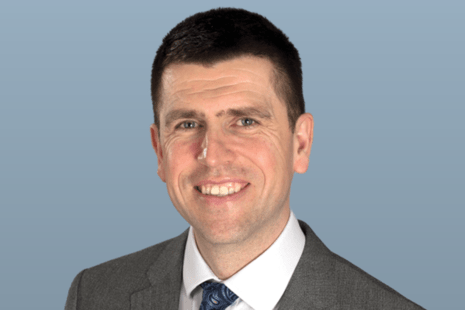
Dr Chris Day

The Chris Day whistleblower tribunal took a new extraordinary turn yesterday when it was revealed how the trust never properly conducted searches to supply his legal team with all the information he was entitled to receive for the present hearing. . It was also revealed the NHS deleted the NHS email account of the Trust Director who was the formal instructing client in the Day case.

Even more extraordinarily David Cocke, the trust’s communications director, this week permanently destroyed 100 emails which could be ” potentially relevant ” and a whole archive – after the trust had been served with an order by the judge to deliver any missing internal communications involved in the case and a statement explaining their disclosure exercise. Mr Cocke apparently confessed in a signed statement that has been referred to in the Tribunal but not published in the live Dr Day Case page.

Dr Chris Day Whistleblowing Case Page – DrChrisDayDramatic late disclosures of trust emails on Chris Day case forces tribunal to pause the hearing | Westminster Confidential (davidhencke.com)

And at 11.0pm last night the trust suddenly released notes of a telephone board meeting which we know was when the Board approved the controversial settlement of Dr Day’s case previous whistleblowing case in 2018. The Trust and their lawyers had previously denied that any records of the meeting existed to Dr Day, his lawyers and a Judge. Dr Day had pressed for a Tribunal Order for release of the record of this document over a 5 month period but Dr Day and the Tribunal was told no such record existed. Now four years later one has suddenly been released last night via the Trust’s solicitors Capsticks.

The information about the release of the board meeting has also sparked off a potential dispute between the trust and the press. Tommy Greene, a freelance journalist writing for the Sunday Telegraph had put in a detailed freedom of information request about the meeting. He was told by the trust ” that a formal meeting of the Trust Board was not held on Sunday 14th October 2018. Board members did have a confidential teleconference that day.” He is looking at raising this reply with the Information Commissioner.

Andrew Allen QC

These disclosures emerged as Andrew Allen QC, Dr Day’s lawyer, applied to strike out the trust’s response to Dr Day’s case which has gone on for over eight years after he complained about patient safety and inadequate staffing at the intensive care unit and Queen Elizabeth Hospital in Woolwich.

He said: “The manner in which the proceedings have been conducted by or on behalf of R [ Lewisham and Greenwich NHS Trust] has been “scandalous, unreasonable or vexatious “and R has not complied with Employment Tribunal rules or with an order of the tribunal and It is no longer possible to have a fair hearing”.

He then cited the witness statement of Andrew Rowland, a solicitor from Capsticks, the trust’s law firm which revealed that two years ago there had been no proper search for documents – known as the discovery process- which Dr Day was entitled to see as part of his case. Mr Allen said:

i. The precise identity of those whose emails were searched has not been revealed but it clearly did not involve all of the relevant people;
ii. No document preservation or retention instruction appears to have been either given or alternatively adhered to – documents that should not have been deleted have been said to have been permanently deleted;
iii. The nature of the exercise does not seem to have been reasonable – were people (perhaps via their PAs) merely asked to search their own emails?
iv. An extraordinary amount of potentially relevant documentation has been said to be permanently deleted. There is no evidence from any IT expert to confirm this and C [ Dr Chris Day]finds it difficult to accept that e.g. emails from Doctors and other NHS staff could be rendered permanently unavailable in the manner suggested;
v. The explanation given for the permanent deletion of Janet Lynch’s emails { the former trust director of workforce and education] is difficult to accept, given that she was the primary instructing client therefore of clear relevance to the matters that C had raised … Ms Lynch’s departure from Lewisham and Greenwich NHS Trust took place after both of those events;”
Then a second email from Capsticks revealed that on Monday morning – said to be about 5.30 am – Mr Cooke went to the trust and started deleting e-mails on his computer which should have been handed over to Dr Day’s lawyers. This was just before he would be giving evidence at the tribunal for the trust.

Mr Cocke’s action was egregious

Mr Allen described his action as egregious and added in his statement: “Mr Cocke’s actions as described in his witness statement …may amount to a civil or criminal contempt or perverting the course of justice. That is a matter in itself for other authorities. However, if he is to be cross examined, he will need to be cautioned as to his right to remain silent and as to any consequences if he does not remain silent.”

Mr Allen summed up :”The events of this week and the statements supplied on 5 July 2022 have demonstrated that a proper discovery exercise did not take place in 2020 and now it is effectively asserted by R that it cannot take place given the amount of material that is said to have been permanently deleted.”

He argued: “The manner in which clearly relevant material has been disclosed: late, after the drafting of witness statements, after C has given evidence, after two of R’s three witnesses have given evidence)
with the destruction of evidence; and the realisation that a proper discover exercise was not carried out in the first instance, means that it is no longer possible to have a fair hearing of C’s case. It is now well
over 3 years since the matters complained of.”

Dan Tatton Brown QC

Dan Tatton Brown, while condemning Mr Cocke for destroying the emails, defended him for bringing the issue to the tribunal, admitting he had done this in “a panic because he felt he had let down his colleagues” and insisted he was not involved in the deliberate concealment of documents.

He said it was ” absurd ” and “insulting the tribunal” to demand the trust’s response should be struck out because all the issues involved could be raised in the final submissions by both sides to the judge.

At the time David Cocke said he was ill and would not be able to attend as a witness for the trust. But he informed the judges while they were deliberating that he was now better and could give evidence.

The judge ruled in favour of Mr Tatton Brown and accepted Mr Cocke’s decision to inform Dr Day’s lawyers about the missing documents as not deliberately concealing anything. Judge Anne Martin said they had taken that view before Mr Cocke informed them he could give evidence. The hearing continues next Tuesday.

Please donate to Westminster Confidential to allow me to continue my reporting

One-Time
Monthly
Yearly

Make a one-time donation

Make a monthly donation

Make a yearly donation

Choose an amount

£5.00
£10.00
£20.00
£3.00
£9.00
£60.00
£3.00
£9.00
£60.00

Or enter a custom amount

£

Your contribution is appreciated.

Your contribution is appreciated.

Your contribution is appreciated.

DonateDonate monthlyDonate yearly

Please donate to Westminster Confidential

£10.00
Response from Lewisham and Greenwich NHS Trust could be chucked out of the Dr Chris Day whistleblower tribunal for ” scandalous and vexatious” behaviour “

Dr Chris Day

In yet another extraordinary dramatic development in the Chris Day whistleblower tribunal judge Anne Martin granted his lawyer Andrew Allen, QC to present a case to chuck out the defence against whistleblowing made by Lewisham and Greenwich NHS Trust.

Chris Day said on his latest Crowdjustice update: “if successful [it]will prevent Lewisham and Greenwich providing any resistance or defence of my whistleblowing claim that they misled the press, MPs and the public about my whistleblowing case and how it settled.”

The tribunal held a preliminary hearing in private today with Mr Allen, Dr Chris and Melissa Day and Dan Tatton Brown, QC, for the trust, to decide whether a case for hearing the strike out of the trust’s case should go ahead.

A strike out – according to employment tribunal rules – is only possible on the grounds

a)   that it is scandalous or vexatious or has no reasonable prospect of success;

(b)     that the manner in which the proceedings have been conducted by or on behalf of the claimant or respondent (as the case may be) has been scandalous, unreasonable or vexatious;

(c)     for non-compliance with any of the Rules or with an order of the tribunal;

(d)     that it has not been actively pursued;

(e)     that the tribunal considers that it is no longer possible to have a fair hearing in respect of the claim or response (or the part to be struck out).

The judge , in a very short public session lasting little more than five minutes, announced Mr Allen would be presenting his case for a strike out at tomorrow’s hearing. She also said that the tribunal judges would reach a decision by 3.0pm tomorrow on whether to grant it.

She then said both sides could give their summing up next Tuesday and the judges would give their judgement later. A lot will depend on whether the strike out is successful.

No information has been given about what is behind this extraordinary dramatic turn around of events towards the end of the 15 day hearing.

But the trigger appears to be developments over last weekend when Capsticks, the trust’s solicitors, suddenly released a cache of emails showing that David Cocke, the trust’s communications director, had been copied in or communicated directly with senior doctors who Dr Day complained in 2013 and 2014 about patient safety caused by inadequate staffing at the intensive care unit at Queen Elizabeth Hospital, Woolwich. This was when Mr Cocke was preparing public statements in 2018 against Dr Day which Sir Norman Lamb, the health minister, described as “inaccurate, severely defamatory and deeply distressing to Dr Chris Day”.

The trust had always said there were no communications between the doctors who had responsibility for the intensive care unit at the hospital.

Judge orders Trust to search for more emails

The judge ordered the trust to conduct further searches for emails involving the doctors and the then director of workplace and education, Janet Lynch. It emerged today that the trust was still searching for some emails. Whatever was returned or what the exercise revealed appears to have triggered this request to strike out the trust’s response to Chris

Today should have been devoted to evidence given by David Cocke and further evidence from Dr Chris Day who was due to produce a fresh statement.

On the surface this looks bleak for the trust who have spent nearly £1m on lawyers and external clinical management consultants M J Roddis Associates fighting Dr Day for nearly nine years.

Please donate to Westminster Confidential to allow me to continue my reporting

One-Time
Monthly
Yearly

Make a one-time donation

Make a monthly donation

Make a yearly donation

Choose an amount

£5.00
£10.00
£20.00
£3.00
£9.00
£60.00
£3.00
£9.00
£60.00

Or enter a custom amount

£

Your contribution is appreciated.

Your contribution is appreciated.

Your contribution is appreciated.

DonateDonate monthlyDonate yearly

Please donate to Westminster Confidential

£10.00

Dramatic late disclosures of trust emails on Chris Day case forces tribunal to pause the hearing

QC’s clash on whether trust’s explanation was “tendentious nonsense” or “cock up rather than cover up”

Andrew Allen QC Chris Day’s lawyer

Employment judge Anne Martin has ordered Lewisham and Greenwich NHS Trust to conduct a search of further emails and personal communications between staff and doctors after an extraordinary revelation that it had held back relevant emails on Dr Day’s whistleblowing case which could affect the outcome of his tribunal hearing. The disclosure order is here.

The disclosures came out of the blue over the weekend when at 9.30pm on Friday Capsticks, the trust’s solicitors, sent a cache of emails to Dr Day’s lawyers revealing hitherto undisclosed emails between Dr Dan Harding, an intensive care consultant and Assistant Medical Director for Professional Standards  at the trust and Janet Lynch, then director of workforce and education. They were sent and copied to David Cocke, director of communications who was drafting statements in 2018 for Ben Travis, the chief executive, to send out to the trust’s stakeholders and the press which were highly critical of Dr Day.

Dr Harding was one of the first persons Dr Day complained to about patient safety and staffing issues at the Queen Elizabeth Hospital in 2013 – which are at the centre of his whistleblowing case.

The full list of undisclosed material are emails :

a. From Janet Lynch to Doctors Aitken, Patel, Harding, Luce and Brooke, cc’d to David Cocke dated 22 October 2018 at 20:29 attaching a draft of what would become the 24/10/18 statement;
b. From Duncan Brooke to Janet Lynch and Doctors Aitken, Patel, Harding and Luce, cc’d to David Cocke dated 22 October 2018 at 20:28;
c. From Dan Harding to Dr Brooke, Janet Lynch and Doctors Aitken, Patel, and Luce, cc’d to David Cocke dated 23 October 2018 at 8:48
d. From David Cocke to Drs Harding and Brooke, Janet Lynch, Drs Aitken, Patel and Luce dated 23 October 2018 at 12:38.

This morning Capsticks sent another another 13 undisclosed emails mainly involving David Cocke, who should have given evidence today.

Janet Lynch, former director of workplace and education at the Lewisham and Greenwich NHS Trust

Pic credit: Hertfordshire Partnership University Trust where she how works

In his application to the tribunal for any further emails to be produced, Andrew Allen, QC says:

” Janet Lynch refers to her attachment having had input from Capsticks, David and Ben and having “already been through a number of iterations” and “Liz has seen an earlier version”. No previous iterations have been disclosed. No communications between Janet Lynch, ‘David’, ‘Ben’ or ‘Liz’ have been disclosed. The process by which the statement of 24/10/18 was put together is highly relevant to the question of causation, which will be the central issue for the tribunal in this case;

“These emails are not merely relevant to a specific issue that has arisen during the course of evidence. It is relevant to a core part of C’s case that has not only been evident since the claim was presented to the tribunal but has also been highlighted on a number of subsequent occasions. It therefore casts in doubt the integrity of the whole of the discovery and disclosure exercise by R [Lewisham and Greenwich NHS Trust].

The trust claimed it had decided to release the new emails because Dr Day had changed his case during the hearing.

Trust claimed it didn’t disclose emails because Mr Cocke innocently deleted them

It said: “Mr Cocke made those enquiries as a result of the way in which the Claimant’s case had changed over the course of the hearing, and in particular the Claimant’s questioning of Ben Travis, which made it clear that the Claimant had the concerns about the involvement of clinicians in the preparation of the press statements.”

The trust also said Mr Cocke had trouble with his emails.
” He has historically had difficulties with his emails and has had to delete emails to free up storage space (before the current claim was lodged). He has rechecked his email folders to search for these new documents and has not found them. He infers that they were innocently deleted as part of his attempts to free up storage space. He was not previously aware that any potential emails might have been “lost”. “

Mr Allen described blaming Dr Day as ” tendentious nonsense”.

“The Claimant’s case has not changed. It has always been his case that the statements were detrimental on grounds of his protected disclosures. That no discovery exercise had been carried out on the communications of the recipients of the protected disclosures (Drs Roberts, Harding, Brooke, Luce and Patel) is a clear failure in the disclosure exercise.”

He pointed out that Dr Day had pressed whether any of senior doctors had any input in the statements made by Ben Travis about him and there had been no suggestion then they did -until these emails emerged.

He also pointed out that there was no search at all of Janet Lynch’s emails or of Kate Anderson, director of corporate affairs, who was asked to produce a review of Dr Day’s protective disclosures, but never produced a written report or any paper trail.

He said the non disclosure of the documents had multiple consequences. Among them were: “It puts in serious doubt whether this tribunal at this hearing can come to a fair decision – that is a point that must wait for full disclosure as must any question of whether R’s response should be struck out for abuse of process;”

“It makes clear that the evidence given by Mr Travis to the tribunal was inaccurate (to put it mildly) as is the evidence in the signed witness statement of Mr Cocke. That will be the subject of submissions in due
course if this matter proceeds”

Dan Tatton Brown, lawyer for the Lewisham and Greenwich NHS Trust

Dan Tatton-Brown, QC, for the trust, said that the non disclosure of the emails were a ” cock up not a cover up”. He said David Cocke’s action is not releasing them because they had been deleted by him was ” entirely innocent.”

” If they had been deliberate he would have deleted a very damaging one where he said Sir Norman’s Lamb’s call for a public inquiry was ” appalling”, he told the tribunal.

He also insisted that the disclosure of the emails would help the respondent’s case and not help Dr Day.

He had to make his initial submission without taking instructions from the trust.

The tribunal is determined to finish this week and will take the final witness on Thursday and submissions on Friday.

Please donate to Westminster Confidential to allow me to continue my reporting and investigations.

One-Time
Monthly
Yearly

Make a one-time donation

Make a monthly donation

Make a yearly donation

Choose an amount

£5.00
£10.00
£20.00
£3.00
£9.00
£60.00
£3.00
£9.00
£60.00

Or enter a custom amount

£

Your contribution is appreciated.

Your contribution is appreciated.

Your contribution is appreciated.

DonateDonate monthlyDonate yearly

please donate to Westminster Confidential

£10.00

NHS Trust chief admits press statement that defamed whistleblower Dr Chris Day was ” clumsily worded”

Ben Travis: Chief Executive Officer Lewisham and Greenwich NHS Trust: Pic Credit News Shopper

Ben Travis, the CEO of Lewisham and Greenwich NHS Trust, admitted today that public statements deemed by former health minister, Sir Norman Lamb to be” inaccurate, severely defamatory and deeply distressing to Dr Chris Day” had been clumsily worded by the trust. The statements were sent to 18 prominent people including MPs, the leader of Lewisham Council and the director of social services.

The admission by Ben Travis was one of a series made during a two day cross examination by Andrew Allen QC, Chris Day’s lawyer, at the end of the second week of an employment tribunal hearing brought by Mr Day against the trust.

Dr Day suffered detriments after bringing protective disclosures about patient safety and inadequate staffing at the intensive care centre at the Queen Elizabeth Hospital, Woolwich where he worked. Two people died there- one after a tube was wrongly inserted into a person’s liver. The disclosures were denied by the trust and Health Education England for six years.

Mr Travis also admitted that the trust’s portrayal of the complaints as a staff shortage that happened just on one night – backed up by an investigation by external clinical management consultants M J Roddis Associates – was incorrect.

But the main disclosures came during cross questioning of Mr Travis on how the trust handled complaints made by Sir Norman Lamb, the former health minister and Liberal Democrat MP, who took up Dr Day’s case.

Chief executive never read the Roddis report in full

It emerged that when Mr Travis first met Sir Norman with Dr Day and his wife he had not even read the Roddis Associates report – whose findings are one of the main bones of contention between Dr Day and the trust.

As his evidence says: ” At the outset of the meeting, I gave the Trust’s perspective on the case. Dr Day then set out his challenges as to why he considered the statements to be factually incorrect, in particular in respect of the Trust’s first statement and some of the summary findings of the MJ Roddis reports.”

“…Whilst I knew of the headline summary of both reports, I had not read these in full and I did not know every detail of them. However, I was aware that the report had concluded that, overall, the Trust had acted appropriately but there were opportunities for learning and improvement”.

When he was questioned by Chris Day on this he admits:” This made it difficult for me to respond at the meeting to Dr Day on specific questions related to the reports, despite a number of questions from him.”

Kate Anderson never produced a written report but absolved the trust

His solution was to set up an internal review of what had happened to report back to Sir Norman. He appointed Kate Anderson, Director of Corporate Affairs, “who had no prior significant involvement in the case, to conduct the review. Her background is as a qualified accountant in the KPMG Public Sector Audit team, working with NHS organisations in both an audit and advisory capacity. She has strong corporate
governance and audit skills and I had absolute faith that she would carry out a thorough review.”

She had no medical knowledge however and had joined the trust in 2019.

Kate Anderson, director of corporate affairs at Lewisham and Greenwich NHS Trust Pic Credit: Linked In

Further questioning by Mr Allen of Ben Travis revealed a lot of missing information about her report which absolved the trust of doing anything wrong. Mr Travis drafted a letter of appointment but never sent it to her. There were no terms of reference for the internal review, there is no record of who she contacted to conduct the review,. no emails about its progress, In fact her written report does not exist.

Ben Travis said in his witness statement “Kate Anderson concluded that the Trust’s actions and statements had been appropriate. She updated me in person on her findings rather than preparing a written report. However, she reflected her findings in a detailed draft letter” for Mr Travis to send to Norman Lamb, but then Mr Travis decided not to send it to him.

His reasoning was rather curious. “I did not send this letter because Dr Day had begun to reference our
discussions with Norman Lamb in support of his application to set aside the settlement agreement.”

Sir Norman Lamb

He did eventually meet with Sir Norman but nobody took any notes. He said he conveyed the findings of the review but Sir Norman wanted a full inquiry and the press statement taken down. Mr Travis decided not to have one and to keep the statement on the website.

He said that Sir Norman did not pursue this further but missed the fact that Sir Norman then initiated a debate on Dr Chris Day’s plight in the House of Commons

Kate Anderson is not being called by the trust as a witness to explain how she compiled the report though she attended the hearing today as an observer.

But Mr Travis now admits the statement the trust put out was ” clumsily worded”.

Please donate to Westminster Confidential to allow me to continue my reporting

One-Time
Monthly
Yearly

Make a one-time donation

Make a monthly donation

Make a yearly donation

Choose an amount

£3,500.00
£10.00
£20.00
£3.00
£9.00
£60.00
£3.00
£9.00
£60.00

Or enter a custom amount

£

Your contribution is appreciated.

Your contribution is appreciated.

Your contribution is appreciated.

DonateDonate monthlyDonate yearly

Please donate to Westminster Confidential

£10.00