Chris Day whistleblowing tribunal: His wife says family faced £500,000 costs if judge took a dim view of him using covert audio

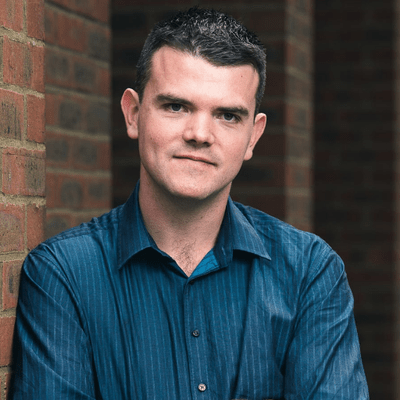
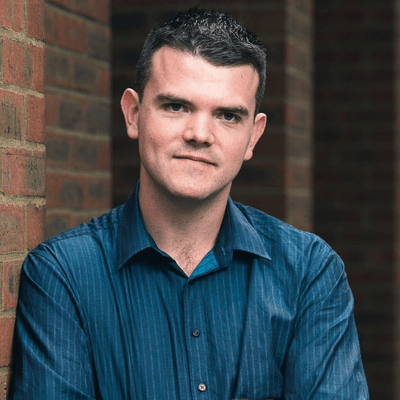
Dr Chris Day

Melissa Day , a registered nurse, gave evidence on behalf of her husband yesterday describing the dramatic moment when they were told by his lawyers that he could face £500,000 costs unless he settled the case with Lewisham and Greenwich NHS Trust and Health Education England in 2018.

” I understood if Chris were to lose the case, the respondents would as the conference note states claim for “the costs between now and the end of the hearing (£120,000 or more)” This was a significant amount of money which would have caused severe financial stress for our family.

She went on: “A further cost threat was linked to potential credibility findings relating to Chris’s use of covert audio. ln these circumstances, the potential total cost liability could be closer to £500,000 which was more than the value of our house and clearly would have put it at risk.

“At no point were any of the cost threats linked to the truthfulness of Chris’ evidence and I certainly had no concerns about this. I did have concerns about a potential reaction from the judge on the use of covert audio. This is despite what the audio showed about the way the patient safety issues were investigated and the validation it gave Chris’ claims that the Respondents’ made false accounts of his dialogue.”

“In the conference, when Mr Milsom [Chris Day’s lawyer at the time]was asked by Chris what the potential liability would be associated with the cost threats Mr Milsom listed wasted costs in relation to covert recordings with Chris’ potential cost threat liabilities as the conference note confirm”.

” At the time I did not properly understand how wasted costs differed from what I now know are ordinary costs. I had no previous experience of employment tribunals or the different types of cost threats. As they were listed together and reference was made to covert audio, I assumed that Chris would be liable for the costs Mr Milsom had listed.”

No choice but to settle

The couple went home and decided they had no choice but to settle the case even if Chris Day thought he had a chance of winning.

“Chris consulted me and wanted to discuss our options over dinner, I replied that there was no discussion to be had and I was not prepared to risk our family’s security. Chris decided very quickly in the conference that based on the costs threats and my opinion that he was not prepared to accept the risk to our family home and security that proceeding with the case would involve. Chris withdrew the case as a direct result of the costs threats.

“My stated reluctance for him to continue came also as a direct result of the cost threats. There was no doubt in my mind that proceeding with the case was not an option after hearing about the cost consequences despite the serious safety issues at the centre of the case, the unacceptable NHS response to them and the toll that getting this case heard had taken on Chris and our family over the preceding four years.”

She also described the day long negotiations that followed about an agreed statement to be made by the trust and Health Education England that was to follow settlement of the case.

Both HEE and the trust insisted that it had to say that they and their external investigators, Roddis Associates had acted in good faith – despite Roddis ignoring the two deaths at the Intensive Care Unit and that it was adequately staffed – contradicting Dr Day’s case. Both the trust and HEE diverted the issue on to the employment status of their advisers.

Trust insisted it must say it acted in good faith

She said: “Mr Milsom spent a large proportion of the morning walking up and down Croydon precinct outside Costa on the phone to counsel about the agreed statement. It is clear all these discussions about the agreed statement would not have happened without the cost threats as Chris would not have agreed to the wording that everyone acted in good faith or any similar wording.”

“This statement was particularly damaging to Chris because it gave the impression Chris’ protected disclosures were not about the intensive care unit, focusing only on one situation where there was a problem with medical ward cover on one night and claimed they had decided not to pursue Chris for costs.”

Melissa Day was cross-examined by Dan Tatton Brown, for the trust, over the statement and whether Dr Day’s real reason for settling was because he was going to lose. She completely denied this.

Please donate to Westminster Confidential to allow me to continue my reporting.

One-Time
Monthly
Yearly

Make a one-time donation

Make a monthly donation

Make a yearly donation

Choose an amount

£5.00
£10.00
£20.00
£3.00
£9.00
£60.00
£3.00
£9.00
£60.00

Or enter a custom amount

£

Your contribution is appreciated.

Your contribution is appreciated.

Your contribution is appreciated.

DonateDonate monthlyDonate yearly

Please donate to Westminster Confidential

£10.00
Chris Day: Lewisham and Greenwich NHS Trust and Health Education England “destroyed my medical career”, tribunal told

Dr Chris Day

Dr Chris Day, the whistleblower junior doctor, has told the tribunal that the eight year battle with the trust and Health Education England, had “destroyed my medical career” and had been at a ” huge cost to me and my family.”

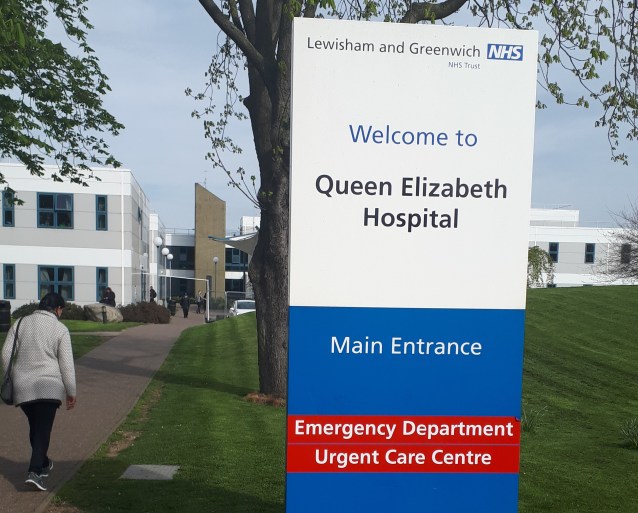
In a long and detailed witness statement to the tribunal he laid out the effect of the trust’s actions ever since he had made his protected disclosures in 2013 and 2014 about staff shortages and serious threats to patient safety at the intensive care unit at Queen Elizabeth Hospital, Woolwich.

He said: “The respondents’ actions over the last 8 years have destroyed my medical career.
“Throughout this litigation, I have worked ad hoc shifts as a locum junior doctor in Emergency Medicine. This often, if not always, involves a 10 hour shift starting early afternoon and ending at midnight. It is these times in which locum cover is needed.
“Had I progressed on my career path with the Second Respondent, I would have been a hospital consultant by 2019. My current arrangement offers me no career path, job security or employment rights. For example, when working during the pandemic in A&E, I caught Covid-19 and, as I fully accept, I had no right to sick pay from either my locum agency or the NHS for the time that I could not work.”

This case is about preventing disclosures being understood by the public

“This present case is therefore not about justice for me and my family for the loss of my career. It is about attempts to undermine my reputation by preventing the disclosures I had raised being understood by the public, press and MPs.
“The actions of the Respondents in their reactions to the issues that I had raised had meant the destruction of my career; and then for them to further undermine my professional and personal reputation to such an extent, could make it likely that many will not listen to a word I say about anything ever again.”

He concluded: “This Tribunal will be fully aware of what happens time after time to claimants that bring
whistleblowing cases against senior and established interests. To some extent this Tribunal may also be aware of the speak up culture in the NHS. The toxic speak up culture in the NHS has been documented in scandal after scandal with the latest being the maternity scandal at Shrewsbury and Telford. This Tribunal will therefore be more than able to understand the pressure that me and my family have been under over the last 8 years. I hope it is clear from what I have set out, that I have raised serious issues that deserve proper consideration.”

Queen Elizabeth Hospital, Woolwich By Paul W – Own work, CC BY-SA 4.0, https://commons.wikimedia.org/w/index.php?curid=79830700

His evidence covered the history of his case from 2013 covering serial misrepresentation of his disclosures at the intensive care unit at Woolwich Hospital, a bitter dispute over cost threats against him and his solicitors by the trust and Health Education England, which led him to settle the case to protect his home and family and the aftermath including a hostile press release issued by the trust and letters sent to 18 MPs and local stakeholders putting their case. He has had two days of robust cross examination by Dan Tatton Brown, the barrister acting for the trust, which has gone into every detail of his case and demanded straight ” yes or no ” answers to complicated points. These included the legal procedures surrounding the move to impose and then withdraw cost threats against him and his solicitors which was later denied had ever happened by the trust.

His witness statement points out that it took six years from 2013 for the trust and Health Education England, who are no longer a party to the case, to recognise that his disclosures as a whistleblowing issue.

Trust misrepresented findings on patient safety

He also found misrepresentations by the trust over a visit by the people from HEE and by commissioning an external investigation by Roddis Associates, which ignored two deaths at the ICU, claimed staffing was adequate and wrongly said a consultant became immediately available when he wanted one. These issues have been dealt with in earlier evidence from two anaesthetists.

He says: “The Respondent has chosen to represent the serious content of my protected disclosures as a one-off situation outside of the ICU about junior doctor cover of medical wards. Such an occurrence, although not trivial, is all too common in the NHS.
“It is clearly not the main thrust of my protected disclosures. The fact the Respondent has wholly misrepresented to the press and MPs my disclosures as not being about the Intensive Care Unit/critical care, but being limited to junior doctor cover on the medical wards paints a picture that my protected disclosures were making a fuss about nothing.”

“It seems to me that this is a clear attempt to smear me; to make me out to have been a vexatious Claimant with a hopeless case that I chose to freely withdraw; and to diminish my standing in the eyes of those who supported me, including the MPs and journalists that were engaged with the issues that I had raised.”

Please donate to Westminster Confidential to allow me to continue my reporting.

One-Time
Monthly
Yearly

Make a one-time donation

Make a monthly donation

Make a yearly donation

Choose an amount

£5.00
£10.00
£20.00
£3.00
£9.00
£60.00
£3.00
£9.00
£60.00

Or enter a custom amount

£

Your contribution is appreciated.

Your contribution is appreciated.

Your contribution is appreciated.

DonateDonate monthlyDonate yearly

Please donate to Westminster Confidential

£10.00
Consultant anaesthetist links two patient deaths to unsafe staffing at Woolwich Hospital Intensive Care Unit – Chris Day tribunal hearing

Dr Sebastian Hormaeche Pic credit: Linked In

” Troubling” trust commissioned report ignoring patient deaths

A second consultant anaesthetist was highly critical of safety standards at Woolwich Hospital Intensive Care Unit (ICU) in 2013 and 2014 linking the lack of night time trained doctors working there to the deaths of two patients.

Dr Sebastian Hormaeche, an elected member of the British Medical Association Council, provided evidence to the tribunal on expected staffing levels and qualifications of doctors working at the ICU.

His evidence followed a devastating critique last week by Dr Megan Smith on the staffing levels at the ICU run by the Lewisham and Greenwich NHS Trust.

She had told the hearing : “You would not find an anaesthetist or ICU doctor in the country who would accept those ratios. There was a clear and present danger to patient safety – no question about that.”

Dr Hormaeche said that the trust did not follow national standards for doc to patient ratios there but went on to criticise the lack of supervised training for doctors handling emergencies and the way the trust’ called external investigators who presented a false picture of what was happening there. He said:

“The Core Standards state that exceeding this staffing ratio is deleterious to patient care. The ICU cares for the sickest patients in the hospital requiring the most intense level of care and attention and when staffing levels are stretched patients may be exposed to higher degree of risk of harm. This is also impacted by the number and experience of trainees- doctors below the consultant grade, as well as the turnover of patients and the case-mix.”

“Airway skills- the skills required to secure and maintain the airway (intubation) in critically ill patients- are the core element of the anaesthetist’s training and are their fundamental skillset. The sickest ICU patients (Level 3 patients) are those requiring ventilatory support in the form of a breathing tube being inserted into the airway (trachea, or windpipe) in order to help maintain their life support. Situations requiring airway intervention in the ICU typically require the presence of a practitioner with advanced airway skills.

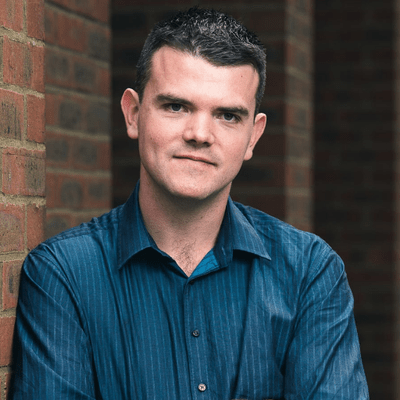
Dr Chris Day

“This is important because an emergency involving an airway issue can be immediately life-threatening, therefore it is a requirement that there be immediate access to a practitioner with advanced airway skills, and in practice this is usually provided by the resident anaesthetists. It should be noted that novice anaesthetists who have not yet completed their lnitial Assessment of Competency do not yet possess advanced airway skills”.

.”I have seen evidence that on 15 October 2014, Health Education England carried out a quality visit at the Trust which recorded concerns from other junior doctors about staff patient ratios and the lack of ready availability of airway support. ln my view, the findings of this quality visit by the HEE and the ICU Core Standards are clearly relevant to Dr Day’s protected disclosures.”

He contrasted this with an external report by M J Roddis Associates, a clinical management consultancy, commissioned by the trust, which said: “The core standards say that the ICU resident / patient ration should not exceed 1:8. These ratios are therefore not absolute.”

Dr Hormaeche said: “…this doesn’t meet safety standards in terms of staffing levels either for doctor to patient numbers or for Dr Day’s level of training at that time. ln my experience this level of cover requires a senior trainee (a Registrar) with advanced airway skills and a higher level of ICU training to be resident in addition to an SHO, who is still undergoing their Core Training, as a minimum.”

M J Roddis Associates said: “Dr Day has immediate access of the resident anaesthetic registrar for airway management “while Dr Day. said the opposite and also warned of serious threat to very sick patients and added of ” I have observed a number of hypoxic cardiac arrests from tubes getting displaced. The unit’s self-extubation rate was high when I was there.”

This is an alarming paragraph – Dr Hormaeche

Dr Hormaeche said: ” This is an alarming paragraph for me to come across lt suggests an unsafe ICU
environment in terms of patient safety, by way of staffing levels and access to advanced airway skills. The term intubation refers to the insertion of a breathing tube, which is a crucial element of life support for the sickest ICU patients. The term extubation refers to the removal of a breathing tube from a patient’s airway.”

” …Self-extubation, however, refers to an unplanned and serious event where a breathing tube has unexpectedly become dislodged or displaced from the airway. This can become a life threatening event.”

He added: “The term hypoxic refers to a low level of oxygen circulating in the blood. This will be expected to occur if a breathing tube becomes accidentally displaced. Severe hypoxia can lead to cardiac arrest and death. To prevent this outcome, immediate access to advanced ainruay skills is essential.”

He then quotes from Dr Day’s evidence about two deaths that followed and linked to staff shortages

“On 7 November and 5 December 2013, two patient deaths occurred at night under the care of lntensive Care. These deaths involved two different non-anaesthetic trained doctors and were declared as Serious Untoward lncidents (‘SUl) and subject to Coroner inquests .The SUI’s involved just the kind of circumstances that I had been concerned to avoid when I raised concerns about patients safety in
August and September 2013.”

Neither deaths were investigated or mentioned by M J Roddis Associates in their report.

Deaths findings fully support Dr Day’s warning

Dr Hormaeche said: “”lt seems to me that the findings of both these Sls fully support Dr Day’s warning in his August 2013 protected disclosures about the training and experience of the grade of doctors used by the Trust to cover the night shift in the lntensive Care Unit under distant supervision.”

The December 5 case involved insertion of a chest drain which was incorrectly sited and pierced the liver. The patient died from haemorrhage according to the coroner.

Dr Hormaeche said: “I cannot understand why Roddis Associates were to exclude these two highly relevant SIs from their investigation.”

Please donate to Westminster Confidential to allow me to continue my reporting.

One-Time
Monthly
Yearly

Make a one-time donation

Make a monthly donation

Make a yearly donation

Choose an amount

£5.00
£10.00
£20.00
£3.00
£9.00
£60.00
£3.00
£9.00
£60.00

Or enter a custom amount

£

Your contribution is appreciated.

Your contribution is appreciated.

Your contribution is appreciated.

DonateDonate monthlyDonate yearly

please donate to Westminster Confidential

£10.00

Consultant’s devastating critique of Woolwich Hospital’s intensive care staffing in Chris Day whistleblower tribunal hearing

Trust lose battle to ban consultant anaesthetists giving factual evidence

Dr Megan Smith, consultant anaesthetist and barrister. Pic credit: https://msmedicolegal.com/

A devastating exposure of the health and patient safety dangers at Woolwich Hospital’s intensive care unit in 2013 and 2014 was made by a highly experienced anaesthetist and lawyer on the second day of the tribunal case brought by Dr Chris Day against the Lewisham and Greenwich NHS Trust.

At the opening of the hearing the NHS trust had tried to ban Dr Smith and another consultant from giving evidence to the judge on the grounds that the information was irrelevant, needlessly extending the hearing and a waste of taxpayer’s money. The trust itself has already spent nearly £1m on lawyers in fighting Dr Day’s whistleblowing claims of understaffing and risk to seriously ill patients at the hospital.

She told the hearing : “You would not find an anaesthetist or ICU doctor in the country who would accept those ratios. There was a clear and present danger to patient safety – no question about that.”

In her evidence she listed Dr Day’s concerns:

They were:

2.1.1. Doctor patient ratios were inappropriately high and a risk to patients at Woolwich ICU;
2.1.2. ICU trainees who were rostered to cover the ICU (as well as critically ill patients on the wards and in the Emergency Department (“ED’)) had insufficient clinical experience, training, and competence to fulfil a role of such responsibility which put patients at risk and compromised patient safety;
2.1.3. Senior medical supervision of these ICU trainees was inadequate and a risk to patients at Woolwich ICU which put patients at risk and compromised patient safety.

2.1.4. The Respondents’ managers failed to investigate these safety related matters adequately;
2.1.5. The Respondents’ managers provided false information about the claimants protected disclosures;
2.1.6. The Respondent’s managers provided false information to those investigating these safety related matters.

She went on to list the attempts Dr Day to alert people to the problems. They were:

Dr Roberts in a phone call and email on 29 August 2013

Dr Brooke in a meeting on 29 August 2013 and by email dated 2 September 2013;
Dr Harding, Assistant Medical Director for Professional Standards in an email forwarded on 3 September 2013;
Joanne Jarcett, the off-site duty manager, in a phone call and email on 10 January 2014 and a further email on 14 January 2014;
In addition, the Claimant informed Joanne Janett via email on 14 January 2014 that hospital managers were providing false information and were failing to investigate and deal with patient safety issues in the Respondent’s ICU;
Statements made by the Claimant on 3 June to the ARCP panel (which included a senior doctor from the Trust, Dr Harrison) about patient safety at Woolwich lCU, the hospital arrangements for 10 January 2014,
the events of that night and subsequently and attempts by Trust management to discredit him and present the issue as his competence rather than patient safety.”

Dr Chris Day

She then outlined national standards for intensive care units which were in force in 2013 and compared them to the provision at Woolwich Hospital. She said this meant “In general, [the Consultant/Patient ratio should not exceed a range between 1:8 – l:15 and the ICU resident Patient ratio should not exceed 1:8”

She said: “What he [Dr Day] was saying was that at all times when he was working as the resident night time ICU doctor he was expected to cover 18 ICU beds, assess new critically unwell patients on the wards in the hospital and in the ED, and review a list of ICU outlier patients on the wards who had been flagged as potentially requiring admission to ICU and therefore warranted close monitoring and regular review.”

Woolwich Hospital ICU was “prima facie unsafe”

She concluded: “The Respondent’s ICU was, prima facie, unsafe and (if more than a one-off incident) was something that was required to be rectified by the recruitment of more (and in some cases more experienced) junior doctors.”

She then examined the training and knowledge of junior doctors new to working in ICU’s and again found Woolwich Hospital wanting.

“When ICU trainees first begin their training, they are unlikely to possess many (or any) of the core lifesaving skills and competencies that a qualified higher level ICU trainee or consultant possesses. This means that it is completely inappropriate for these trainees to be left alone to manage the ICU out of hours until the department is satisfied that they possess the required levels of skill and competence.

On Dr Day she said: “Doctors with the level of experience that the Claimant had at the time in question
would not have (and would not be expected to have) anything other than basic airway and lifesaving skills. These can save a life as a temporising measure, but definitive airway access (tracheal intubation) and cardiovascular resuscitation have to be secured quickly or the patient will come to harm. These skills (which are routinely provided by the ICU team) are far more advanced and can only be gained by those new to ICU by being taught and fully supervised in performing them until they have achieved a prescribed level of competence (in 2013/2014 the criteria {or such competencies were set out by the Royal College of Anaesthetists” and other colleges.

She severely criticised the lack of supervision at the hospital and the turned to the hospital’s failure to investigate Dr Day’s concerns about patient safety.

Allegations would have been of grave concern

She said: ” The allegations raised by the Claimant would be of grave concern to any medical professional and any serious incident/governance/ risk manager. The primary concern would be for the safety of the patients in the ICU, particularly given subsequent (apparently avoidable) patient deaths. However, the institution ought also to have been extremely concerned about reputational damage and its standing
with those commissioning its services with whom it would have had legally enforceable contractual agreements. I would expect an immediate and thorough investigation to have been initiated.”

She concluded that the press statements by Lewisham and Greenwich NHS Trust at the time did not show Dr Day’s allegations had been properly investigated.

“it seems to me that the Respondent’s press statements and statements on its own website at best underplay the seriousness of what was occurring in the ICU and at worst were misleading in relation to the same.”

She said :The report that was commissioned in 2014 by the Respondent appears to accept and condone the running of the ICU in breach of expressly stated national standards that were put in place in order to ensure that ICU patients received excellent and, arguably more importantly, safe care. The conclusions of the 2014 report are, in my view, completely at odds with these evidence-based principles and are entirely inconsistent with the principles of the delivery of safe and excellent patient care.”

A second anaesthetist consultant will give evidence on Monday.

Please donate to Westminster Confidential to allow me to continue my reporting.

One-Time
Monthly
Yearly

Make a one-time donation

Make a monthly donation

Make a yearly donation

Choose an amount

£5.00
£10.00
£20.00
£3.00
£9.00
£60.00
£3.00
£9.00
£60.00

Or enter a custom amount

£

Your contribution is appreciated.

Your contribution is appreciated.

Your contribution is appreciated.

DonateDonate monthlyDonate yearly

please donate to Westminster Confidential

£10.00
Sir Norman Lamb blows the whistle on “deceitful” NHS attempts to discredit Dr Chris Day in tribunal hearing evidence

Sir Norman Lamb

Sir Norman Lamb, the former health minister, gave evidence on the first full day of the tribunal hearing between whistleblower junior doctor Chris Day and Lewisham and Greenwich NHS Trust. The tribunal is the latest hearing in a nine year battle between Dr Day and the trust over safety standards and staff shortages at the intensive care unit and accident and emergency unit at Woolwich Hospital in 2013-14.

Sir Norman, now chair of the neighbouring South London and Maudsley NHS Foundation Trust, had been summoned by Dr Day’s legal team to appear. His evidence which largely was not challenged by the trust revealed the various correspondence he had with both the trust and Dr Andrew Frankel, a former postgraduate dean at the now merged Health Education England.

Health Education England succeeded at an earlier tribunal hearing this year in removing themselves from the case after Dr Frankel admitted he had acted deceitfully without HEE’s knowledge in trying to change Sir Norman’s mind over Dr Day’s case. I wrote two blogs about this earlier this year. They are here and here.

Dr Chris Day

Sir Norman told the hearing he had probably had around 9 or 10 meetings with Dr Day since 2017. This included one with Jeremy Hunt, the health secretary, others with Dr Frankel and Ben Travis, then chief executive of the trust.

At the meeting with Jeremy Hunt on 23 May 2018 “Dr Day set out details of his case and in particular the reality of the night time staffing at the relevant hospital’s lntensive Care Unit, the fact that it departed
significantly from national standards of safe levels of staffing, and that there were two deaths associated with the working conditions. The investigations at the time described clearly unacceptable staffing as acceptable.”

At the next one on 1 November 2018 came after Dr Day had settled the case after being threatened by the trust for costs and his legal team was also threatened for wasted costs. 

Sir Norman said: “I remember being very surprised that Chris had settled the claim before the end of the tribunal hearing given the fact that he had spent years working to get the chance to put his case to the tribunal. Chris told me that he had been faced by an impossible dilemma. He told me that he feared losing his family home if costs were ordered against him. He said he had consulted his wife on the decision, and they had agreed that as parents, he could not carry on. Chris told me that Mel, his wife, had urged him to settle “

“ln preparation for this hearing, I have seen an email dated 30 November 2018 from
Dr Day’s then Barrister, Mr Chris Milsom, to Dr Day. Mr Milsom confirms what he was told by the NHS’s barristers about the consequences of Dr Day continuing the case. Mr Milsom further states that ‘this was a “sophisticated discussion” that was in “no way invited by [Mr Milsom].” 1 can also see reference to wasted cost consequences directed against Dr Day’s former legal team by the NHS Counsel.”

This bit of evidence led to lengthy cross questioning by the trust’s barrister, Dan Tatton Brown, who tried to get Sir Norman to agree that Dr Day had settled because he felt he might lose the case and face costs which were not meant as a threat. Sir Norman disagreed.

Dr Andrew Frankel

Sir Norman’s later evidence shed even more light on the behaviour of Dr Frankel who arranged a meeting with him in 2019.. Evidently he claimed that an inquiry he set up into Dr Day’s allegations had said there was no suggestion any point (sic) that the panel had been briefed negatively about Dr Day.”

The report claimed wrongly “Dr Day had variously been described as ‘tenaciously going on and
on’ about it,’ gripped by angst’ and ‘shaking as he recalled events’ and ‘locked in.

One of the report panel members, Dr Madhurie Chakravarti-Chattopadhyay states in her statement to the Employment Tribunal for the 2018 hearing that:’ l did not feel that the report portrayed the situation as accurately from my perspective as I would have wanted.’
She states that she was: – ‘very surprised to find that various phrases in inverted comma ‘seemingly quoting me, when I could not recall saying fhose phrases”

.ln another statement to the Employment Tribunal, Dr Hans Sauer, who was Dr Day’s clinical supervisor at the time of the ARCP Panel meeting on 3d June 2014, stated of Dr Day; ‘He is a competent and confident trainee with a skill set which exceeds the expectations of someone of his level of training. He is aware of his limitation and not afraid to ask for help and advice.’

He states that ‘l find these allegations extremely surprising as during the whole period of my engagement with the Claimant I never noticed any basis for such allegations”.

Dr Frankel then accepted that Dr Day had raised serious and legitimate concerns about the respondent in his protected disclosures. Yet I have subsequently been informed that Dr Frankel had not stated any of this in his witness statement for the Employment Tribunal hearing in 2018″ and said his workload was acceptable.

Finally he met Mr Travis after the trust had put out a statement criticising Dr Day.

defamatory statements

Sir Norman wrote to Mr Travis saying;

” It is my belief that aspects of the Trust’s public statements (as referred to in Chris Day’s letter) are severely defamatory and should be withdrawn forthwith and that there should be a full apology. I should stress again that the inaccuracies in the public statements by the Trust are not only defamatory but are deeply distressing. They are damaging to Chris Day’s reputation.”

Mr Travis said he couldn’t comment after Dr Day won a case to bring a further hearing. The tribunal continues.

Please donate to Westminster Confidential to continue my work.

One-Time
Monthly
Yearly

Make a one-time donation

Make a monthly donation

Make a yearly donation

Choose an amount

£5.00
£10.00
£20.00
£3.00
£9.00
£60.00
£3.00
£9.00
£60.00

Or enter a custom amount

£

Your contribution is appreciated.

Your contribution is appreciated.

Your contribution is appreciated.

DonateDonate monthlyDonate yearly

please donate to Westminster Confidential

£10.00
Delegates from UK’s biggest public service union back a Bill of Rights to end once and for all discrimination against women

The short snippet above from Unison delegate Lianne Dallimore is the moment the 1.3 million member Unison trade union came out in favour of backing implementing the UN Convention on the Elimination of All Discrimination Against Women into UK law.

This is a very important move as the union will be the first big organisation to endorse a policy that will require women to get equal pay, equal rights to pensions, rights to child care fast and finally put an end to the painfully slow progress there has been to grant women equal rights to men.

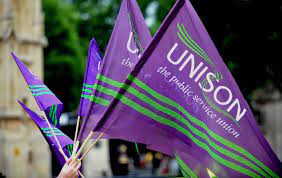
Unison banners; pic credit: unison.org

Unison is one of the largest trade unions in the UK It has a woman general secretary, Christina McAnea and women outnumber men as members by a huge majority. There are over one million women members to 300,000 men. Most of its members are among the lowest paid in the country whether they are teaching assistants,, dinner ladies, low paid NHS staff or local authority workers.

Unison is also an influential union in the Labour movement and in the Labour Party. So its delegates decision to endorse such a policy will now mean the national executive committee will have to decide whether to back it. If it does the Shadow Cabinet will have to sit up and take notice – and it will put pressure on Labour to include a promise to do so in their next party manifesto. Angela Rayner, the deputy party leader, has previously backed implementing Cedaw.

The full motion read;

Conference we call on the National Executive Council to:

1) Work with National Labour Link and the national women’s committee to develop a comprehensive campaign for the implementation of CEDAW into domestic legislation;

2) Work with Learning and Organising Services (LAOS) on developing a training and awareness package on CEDAW for activists and members;

3) Report back to National Delegates Conference 2023 on progress made.

North Cumbria Northumberland, Tyne and Wear Health

It also comes at an opportune moment as Boris Johnson’s government is under fire from the United Nations for taking far too long to implement a convention that Margaret Thatcher signed up to in 1986.

The Labour Party went part of the way introducing the Equality Act, which became law in 2010 – but it is still a half hearted piece of legislation – more bark than bite. Nicola Sturgeon, the Scottish first minister, has gone further by including in her last manifesto a promise of legislation implementing it in full.

But she is up against Boris Johnson – who shows not the slightest interest in this issue – and has blocked at the Supreme Court any chance of Scotland introducing a parallel law implementing the UN convention on the rights of the child, which the UK has also ratified but not properly implemented.

The decision by Unison at its delegate conference, which endorses a report prepared by Dr Jocelynne Scutt, President of the Cedaw Tribunal, that calls for sweeping reforms to radically change the position of women in society – from immediate equal pay to ending the long running sore that has bedevilled 3.8 million women born in the 1950s who had to wait six years to get their pensions and were never properly informed by the change.

Ground breaking issue

Last year the CEDAW People’s Tribunal was held. his was a ground breaking tribunal backed by Garden Court Chambers where academics, activists and women’s rights experts produced a wide range of evidence-based policies to end women’s discrimination.

The union’s backing is an important development for CEDAWinLAW which I am a patron, to get this issue on the agenda.

Last year some detractors, sadly a number of them professional women, tried to rubbish the CEDAW People’s Tribunal as though the whole hearing was a waste of time and space. They would rather keep women in their place than fight for change.

Another tribunal hearing on the way

Next month CEDAWinLAW will hold another tribunal to specifically look again at the issue of 50s women and their loss of a pension and how it happened.

In the meantime the action by Unison delegates will only spur women who want change now – not dragged out for decades – to continue the fight.

Please donate to my blog to allow me to continue my forensic coverage.

One-Time
Monthly
Yearly

Make a one-time donation

Make a monthly donation

Make a yearly donation

Choose an amount

£5.00
£10.00
£20.00
£3.00
£9.00
£60.00
£3.00
£9.00
£60.00

Or enter a custom amount

£

Your contribution is appreciated.

Your contribution is appreciated.

Your contribution is appreciated.

DonateDonate monthlyDonate yearly

please donate to Westminster Confidential

£10.00
Jeremy Hunt and Sir Norman Lamb back whistleblower doctor’s epic patient safety struggle at a tribunal from Monday

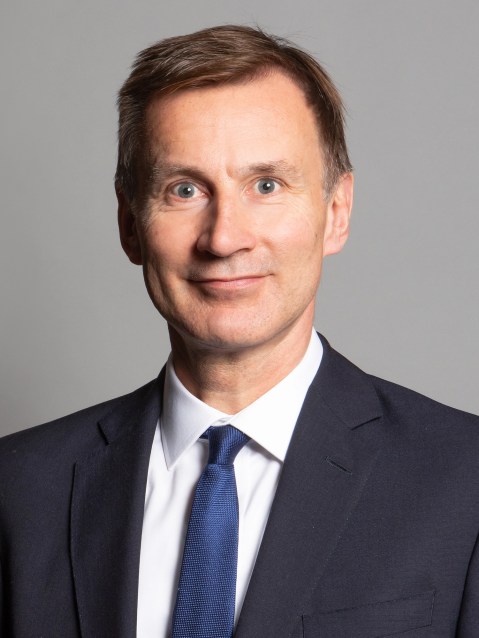
Official portrait of Jeremy Hunt. Pic credit: Parliament.uk

Trust wants to ban two expert anaesthetists from giving evidence for Dr Mark Day

An epic nine year struggle between junior doctor Chris Day and Lewisham and Greenwich NHS trust over patient safety at an intensive care unit and accident and emergency department comes to a head at 15 day employment tribunal on Monday.

The story began in August 2013 when Chris Day, a junior doctor initially complained about inadequate staffing. It got worse in January 2014 when he was working overnight in the intensive care unit at Queen Elizabeth hospital in Woolwich when two locum doctors failed to show up. He had to cover other wards and A&E and reported his concerns to managers. He saw this as putting patients in such a sensitive area at serious risk.

extraordinary convoluted story

What followed is an extraordinary convoluted story of denial of the problem by the trust, misleading statements, poor investigations, threats of a huge legal bill which led him at one stage to settle the case only for it to be re-opened at a hearing before another High Court judge. There is a detailed blog by Dr Moosa Qureshi on CygnusReports.org which goes into forensic detail of the twists and turns of his case so I won’t repeat all the detail. I recommend you read his account. The costs of the protracted legal action to the NHS trust now amount to little short of £1million

A recent blog on my site looked at one aspect of the case, illustrating what appear to be underhand methods by a former dean at Health Education England to persuade Sir Norman Lamb, then a Liberal Democrat MP, not to pursue Dr Day’s case. Health Education England disowned his action at an employment tribunal and succeeded at being taken off as a party to Monday’s proceedings.

The issue will not go away next week as unusually Jeremy Hunt, the former health secretary, will give a statement to the tribunal, as a witness for Chris Day.

Sir Norman Lamb

Sir Norman Lamb, also a former health minister, will appear as a witness for Dr Day at the hearing so people are likely to hear a lot more about what actually happened.

Two highly distinguished consultant anaesthetists were also scheduled to give evidence on behalf of Dr Day. They are Dr Sebastian Hormaeche and Dr Megan Smith .

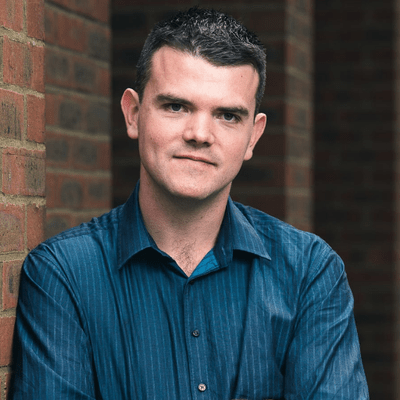
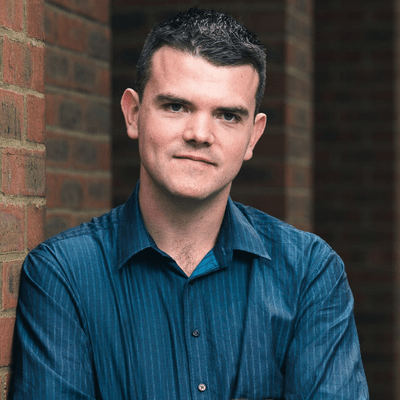
Dr Chris Day

The trust will try during the proceedings to ban them giving evidence.

The case is likely to look at the role of lawyers and also the role of M J Roddis, a clinical management consultancy in this case. They were employed by the trust to investigate this case and Dr Day claims they misrepresented his evidence, played down the problems, and omitted some damaging information about patient care.

The tribunal hearing will not be available on line as the court has decided in advance it will be an ” in person” hearing – even though three of the first five days will be held during a national rail strike.

Nor is it likely to be officially recorded. But Chris Day, who is represented by lawyers paid by the British Medical Association, has engaged a Ministry of Justice approved note taking service so there will be a full transcript of the proceedings.

I put some points to the trust and asked them for any comments they might wish to make but officials did not respond.

UPDATE: Since this post was published the employment tribunal has done a U-turn and decided to hold the hearing online which means it will be more accessible to the press and public It will not be held at Croydon, south London as there was not a judge available to preside over the 15 day hearing.

Please donate to my blog for more detailed and forensic coverage.

One-Time
Monthly
Yearly

Make a one-time donation

Make a monthly donation

Make a yearly donation

Choose an amount

£5.00
£10.00
£20.00
£3.00
£9.00
£60.00
£3.00
£9.00
£60.00

Or enter a custom amount

£

Your contribution is appreciated.

Your contribution is appreciated.

Your contribution is appreciated.

DonateDonate monthlyDonate yearly

please donate to westminster Confidential

£10.00

Manifesto: How Labour Party activists fought for Socialism in Liverpool and the bitter sweet results that followed

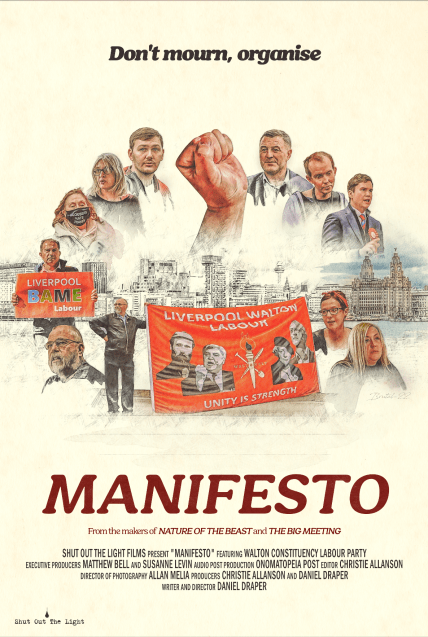
Poster for the new film

Manifesto is a new film out this week that explores in depth local Labour Party activists and their fight to get a Labour government elected in the December 2019 general election.

It is an unusual film as it covers a constituency – Liverpool, Walton – ignored by the national media -concentrating on the passion of grass roots activists in one of the poorest parts in Britain. It is also Labour’s safest seat.

The film conveys the idealism of the campaigners and how the last Labour manifesto under Jeremy Corbyn would have meant real change for the people of Walton – many relying on free school meals and food banks – by providing better schools, a better NHS, more worker’s rights and better wages. But it was not to be. Instead Labour lost the general election in the fog of the Brexit row where unknown bureaucrats in Brussels were scapegoated as holding the working class back and depriving them of their ” freedoms”.

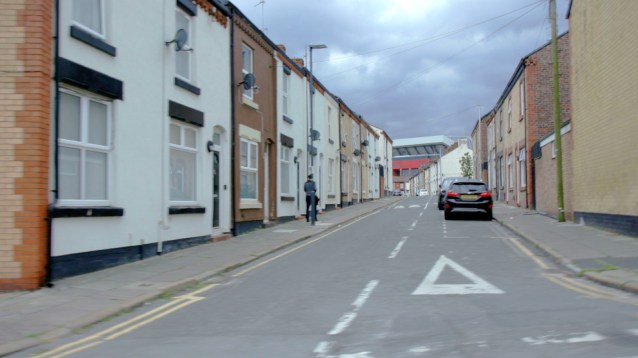
A street in Walton. Still from the film

The prism the director Daniel Draper ( who was born and grew up in Walton) uses is to tell the tale through the eyes and voices of local activists -a group that are normally completely ignored.

He intersperses their views with quotes from Robert Tressell’s work The Ragged -Trousered Philanthropists – regarded by George Orwell as a ” book everyone should read”. This tells a semi autobiographical story of a house painter’s struggle to get work in Edwardian England. He died from TB in Liverpool Royal Infirmary and was buried in a pauper’s grave in the city. The link between today’s activists and his legacy is vividly portrayed in one scene in the film.

He also intersperses the dialogue with stills of part of the constituency showing the poverty and both neat and neglected streets.

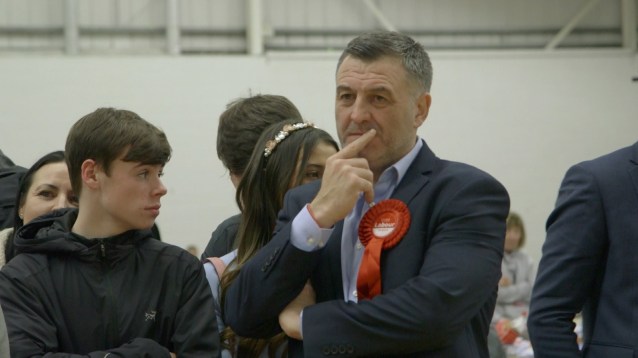
A thoughtful Ian Byrne during the 2019 election count. Still from the film

The result is a bitter sweet documentary. The campaigning in Liverpool was a great success – with both Parliamentary candidates who are on the left of the party, Dan Carden ( Liverpool Walton) and Ian Byrne (Liverpool West Derby) returned with thumping majorities.

But in the rest of the country Labour lost badly -including two seats Walton activists were sent to help the party in Blackpool and Crewe.

Since then internal struggles in the Labour Party -including in Liverpool – have divided Labour activists and I am pretty certain Liverpool Walton is not a priority for the new leader Sir Keir Starmer – precisely because it is such a safe seat where Labour voters are taken for granted.

But in my view this would be a mistake. Labour has always been a broad church and the hopes, aspirations and frankly, eternal optimism to create a better society from the people portrayed in this film should not be ignored or squandered by party bosses in London.. The present mess and chaos we are in under this Tory government is too bitter a pill to swallow not only for the voters of Liverpool Walton but for everyone else. As Dan Carden, the MP for Walton said on the film before the result: “We can’t afford another five years of Tory government.”

Dan Carden during the campaign Still from the film

Initial screenings:

16 June: Picturehouse At FACT, Liverpool (Q&A: MP Ian Byrne, activist Alan Gibbons, director Daniel Draper, hosted by Ross Quinn)

16 June: Glasgow Film Theatre (Q&A: MSP Paul Sweeney & former MSP Neil Findlay, hosted by Ruth Gilbert)

17 June: Tyneside Cinema, Newcastle (Q&A: MP Ian Lavery, Laura Pidcock from People’s Assembly, activist Ben Sellers, director Daniel Draper)

30 June: Hyde Park Picture House, Leeds (Q&A: MP Richard Burgon & director Daniel Draper)

DATE TBC: Savoy Cinema, Nottingham (Q&A: MP Nadia Whittome & director Daniel Draper)

3 August: Duke’s At Komedia, Brighton (Q&A: MP Lloyd Russell Moyle & director Daniel Draper)

Further details of other venues including two in London will be on this link https://www.shutoutthelight.co.uk/manifesto

Please Donate to Westminster Confidential to help me continue my forensic investigations and different coverage.

One-Time
Monthly
Yearly

Make a one-time donation

Make a monthly donation

Make a yearly donation

Choose an amount

£5.00
£10.00
£20.00
£3.00
£9.00
£60.00
£3.00
£9.00
£60.00

Or enter a custom amount

£

Your contribution is appreciated.

Your contribution is appreciated.

Your contribution is appreciated.

DonateDonate monthlyDonate yearly

Please donate to Westminster Confidential

£10.00

Lord Reed: The Supreme Court President backing the government against the people

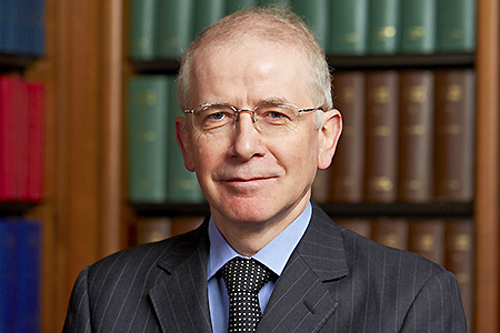
Lord Reed of Allermuir, President of the Supreme Court. Pic credit: judiciary.com

An influential all party report by peers and MPs published last week (see my report in Byline Times) found nine recent judgements by the Supreme Court were favouring the government over the individual.

The change appears to have taken place after Lord Robert Reed became President in 2020 replacing Baroness Brenda Hale of Richmond. It also follows a change in the composition of the court which is now almost exclusively male with just one token female judge out of 10.

The judgements of Lord Reed are hostile to women’s and children’s rights

I have since investigated further and found other cases where Lord Reed’s judgement have struck down opponents to Boris Johnson’s government particularly if they involve campaigning groups and they affect the welfare of women and children.

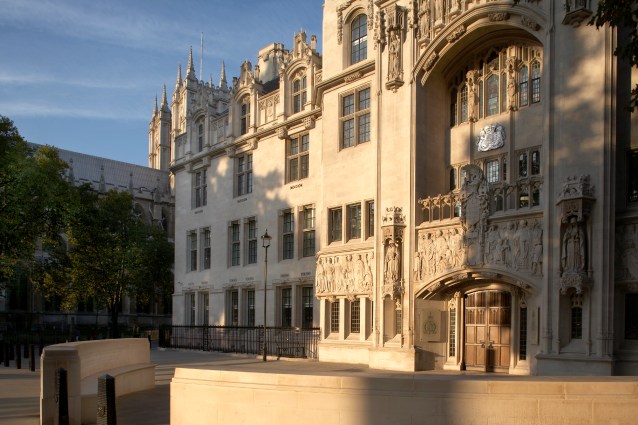
External view of the Supreme Court Pic Credit: Supreme Court

In one judgement he stated: “challenges to legislation on the ground of discrimination have become
increasingly common in the United Kingdom. They are usually brought by campaigning organisations which lobbied unsuccessfully against the measure when it was being considered in Parliament, and then act as solicitors for persons affected by the legislation, or otherwise support legal challenges brought in their names, as a means of continuing their campaign.”

This as the report points out ” reflect the executive talking point that litigation is used by “activist lawyers” to “conduct politics by other means”. Such a comment could easily have been made by Priti Patel, the home secretary.

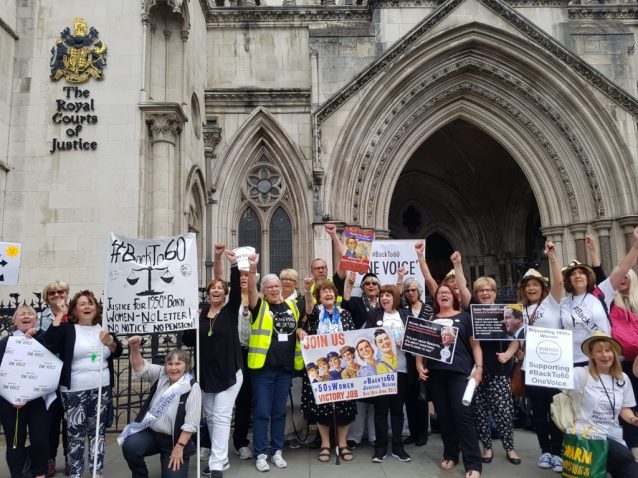
BackTo60 outside the High Court in better times

Now this view may well explain a decision not mentioned in the report concerning the fate of a judicial review brought by the BackTo60 organisation on March 30 2021. This is the case readers of this blog will be familiar (Delve and another v. Secretary of State for Work and Pensions)- involving a long standing campaign to gain full restitution for 3.8 women born in the 1950s who faced up to six years delay in getting their pensions. Since this ruling the Parliamentary Ombudsman has found partial maladministration in the arrangements for implementing this policy.

Lord Reed and two other male judges decided to refuse to hear the case at the Supreme Court saying the delay in bringing the proceedings was unarguable.

Now this is strange given that the Hon Ms Justice Lang – had granted the case for a judicial review on all grounds -and lawyers had been allowed to argue their case at the High Court and the Court of Appeal even though they lost. The only people who were really angry about the decision were government ministers at the DWP.

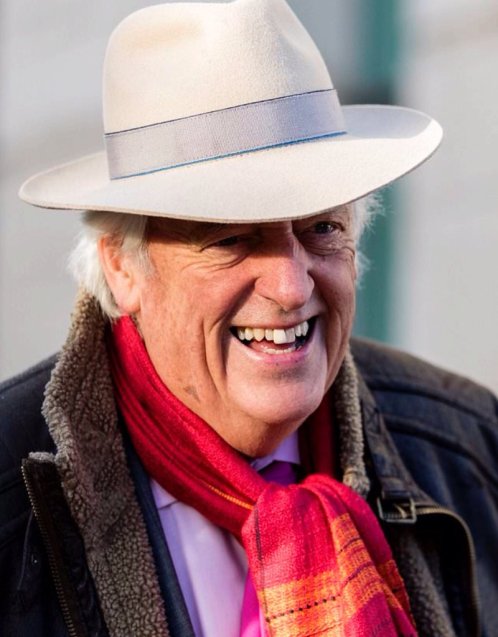
Michael Mansfield, QC ” activist lawyer”

Michael Mansfield QC who argued the case for Backto60 said the Supreme Court’s was a “paper thin refusal”.

In my opinion the real reason may well have been that Lord Reed loathed campaigning groups like BackTo60 and hated well known ” activist lawyers” like Michael Mansfield. Also his decision would not affect a single man -only elderly women would suffer.

The second case which is in the report concerned another case brought by women and children about the government’s two child limit on tax credits and benefits for children. Again it involved the DWP. The claimants had used the UK’s ratification of the UN Convention on the Rights of the Child to argue discrimination. Lord Reed ruled in July 2021 that this was ” out of order” and the UN convention could not be used in arguments because the UK Parliament had not passed specific legislation to implement the convention. This was precisely the opposite of what he argued in 2015.

Lord Reed backed government savings over helping children

But worse than that his judgement gave away his hostility to the plight of women and children.

 “The Court concludes that the two child limit has an objective and reasonable justification, notwithstanding its greater impact on women. The measure pursues a legitimate aim: to protect the economic wellbeing of the country by achieving savings in public expenditure and thus contributing to reducing the fiscal deficit. It was inevitable that, if that aim was to be achieved, there would be a disproportionate impact on women, since women are disproportionately represented among parents responsible for bringing up children  Parliament decided that the disproportionate impact of the two child limit on women was outweighed by the importance of achieving its aims. There is no basis on which the Court could properly take a different view.”

The third case, not mentioned in the report, involves the Scottish government’s attempt to introduce legislation to implement in full the UN Convention on the Rights of the Child. This alarmed Boris Johnson who did not want the Scottish Government implementing a convention that the UK had ratified which he felt should be done, if at all, by the Westminster Parliament.

I wrote about this here. The Supreme Court sided in October 2021 with the UK government blocking the Scottish Government doing this which also meant that other planned legislation implementing UN conventions on discrimination against women (CEDAW), ethnic minorities and the disabled would be stalled.

Lord Reed’s decision tore up part of the SNP manifesto

This decision led by Lord Reed again limited rights for women and children but also tore up the Scottish National Party manifesto pledge to introduce legislation. Ironically given all the fuss over judges being accused by the Daily Mail of being ” enemies of the people”, it makes Lord Reed, a Scottish judge who would know all about Scottish politics, an enemy of the Scottish voter who had elected the SNP government and expected them to fulfill their promises.

My conclusion is both Boris Johnson and Dominic Raab, the Lord Chancellor, literally know they have a friend at court, the highest court in the land. They know they can introduce what restrictive legislation they want, and provided it is passed by Parliament, the most powerful judge in the land’s loathing of campaigning groups, will help them get their way. And women who only have a marginal role in the Supreme Court, better not expect any help either from a man who appears to have a bit of a misogynistic streak when it comes to backing their corner.

Please donate to Westminster Confidential so I can continue my investigations and forensic analysis.

One-Time
Monthly
Yearly

Make a one-time donation

Make a monthly donation

Make a yearly donation

Choose an amount

£5.00
£10.00
£20.00
£3.00
£9.00
£60.00
£3.00
£9.00
£60.00

Or enter a custom amount

£

Your contribution is appreciated.

Your contribution is appreciated.

Your contribution is appreciated.

DonateDonate monthlyDonate yearly

please donate to Westminster Confidential

£10.00
MPs challenge Opperman to rewrite guidance for people who lost thousands of pounds in additional pensions

MPs on the Commons Work and Pensions Committee has written to Guy Opperman, the pensions minister, asking him to rewrite the fact sheet on the Gov.uk website so people can properly claim compensation for losing additional pensions worth up to thousands of pounds after the new state pension was introduced in 2016.

Guy Opperman, pensions minister. Pic Credit: Twitter

The action from the committee comes after members of the public complained to MPs that it was virtually impossible to find the advice given in the fact sheet or claim. Not a single person has succeeded in a claim against the Department for Work and Pensions yet possibly 11 million people are entitled to it.

The people affected are a large but distinct group. They were  people who were contracted out of SERPS by their employer but were told they would receive an index linked guaranteed minimum pension. This arrangement was scrapped when the new state pension was introduced in 2016 for anyone in the private sector – but remains for public sector workers.

The money they have lost is anything from a few pounds a week to tens of thousands of pounds over the lifetime of their pension. This decision was never debated in Parliament or included in the Pensions White Paper. Just as with the 50swomen and divorcees, women are the most affected.

Robert Behrens, the Parliamentary Ombudsman, decided that there was maladministration by the DWP and two complainants got £1250 between them. He recommended that the government publish guidance on how to claim. But ministers ignored his advice and he never bothered to hold the ministry to account for its failure.

Peter Schofield, permanent secretary at the DWP

In March Peter Schofield, DWP permanent secretary on £190,000 a year, wrote to MPs on the committee, saying he had no intention of changing it. You can read the blog on this here.

Now Stephen Timms, the Labour chair of the committee, has written a strongly worded letter to Guy Opperman, asking for it to be rewritten. The full text is here.

Stephen Timms MP chair of the committee

The letter reveals anger among members of the public.

The letter said:” One person pointed out that the factsheet has been placed on Gov.UK in the section on ‘public service pensions’, when it is not in fact relevant to members of such schemes as they have full inflation protection.

“Another told us that they only became aware of it after looking through the correspondence between the Committee and DWP on the Committee’s website. They said “how anyone affected was expected to know it was there I will never know. There was no press release or other publicity to encourage the large numbers of people affected to look at the gov.uk site factsheet.
” Yet another person pointed out that some pension schemes were unaware of the factsheet.

One referred on its website to GMP indexation being partly delivered through ‘increases each year added to your State Pension’, without distinguishing between people who reach State Pension age before and after 6 April 2016.”

Only 19 people used the on-page search function

The analytic review of the factsheet sent to the Committee on 2 March 2022 said, the factsheet had had 6,922 ‘unique page views’, which seems low number given that the Department estimated that 50,000 people would be worse off in 2017-18 alone.13 Only 19 people had used the on-page search function, which is ‘very low’.

The MPs say: “The Committee would be grateful for an explanation of the circumstances in which an individual in the target group for the factsheet may be eligible for compensation and what steps should they take to get it. This should be included in a revised version of the factsheet.”

The letter concludes; ” The Committee is concerned that, now six years on from the NAO report, it is still the case that some people with GMPs negatively affected by the new State Pension reforms “have not been able to find the information they need.” In light of this, will the Department revisit its decision not to review the factsheet and commit to improving its content so that it better meets the needs of those affected and promoting it better? This Committee would be grateful for sight of a suitably revised version of this factsheet before it is published.
“I would be grateful for a response by 8 June.”

The DWP’s official position is “We encourage anyone who is concerned to read the online factsheet and contact us if they think they have been affected.

“The publication of the factsheet is the final step in the Department meeting the Ombudsman’s recommendations on this issue.”

But MPs are not satisfied and nor should anyone else. So Mr Opperman’s response will be closely watched. To repeat again if this is the way the ministry treats this group of people how are the 3.8 million 50s women who are hanging on for a compensation package from Robert Behrens are going to be vastly disappointed. Note it is SIX years since he recommended compensation for this group and not a single person has got a penny. At this rate the 50s women could be well into their 70s before they get any money or in their graves by then.

Please donate to Westminster Confidential to allow me to continue my forensic coverage.

One-Time
Monthly
Yearly

Make a one-time donation

Make a monthly donation

Make a yearly donation

Choose an amount

£5.00
£10.00
£20.00
£3.00
£9.00
£60.00
£3.00
£9.00
£60.00

Or enter a custom amount

£

Your contribution is appreciated.

Your contribution is appreciated.

Your contribution is appreciated.

DonateDonate monthlyDonate yearly

Please donate to Westminster Confidential

£10.00