The double standards on whistleblowing by Epsom and St Helier University NHS Trust

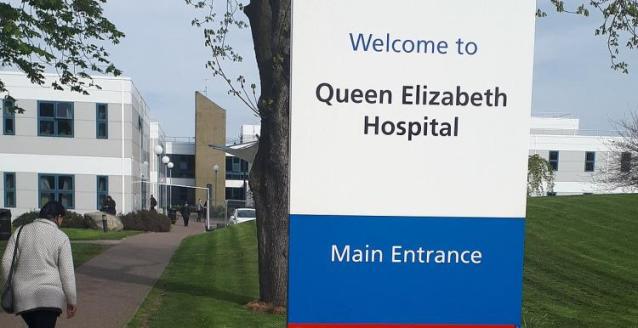
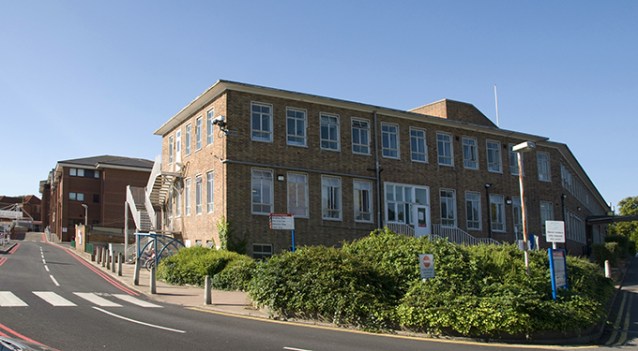
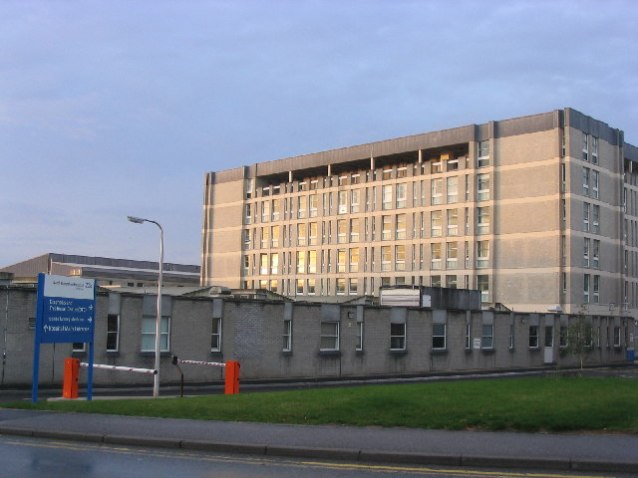
Epsom Hospital

UPDATED: Since the publication of this blog the communications team of the St George’s, Epsom and St Helier Hospital Group have responded. It says:

It is not correct to say Ms Usha Prasad was dismissed for raising patient safety concerns. A disciplinary panel concluded that she should be dismissed for competency grounds, concerns around her practice/conduct and because relationships with key colleagues had broken down. This decision was upheld on appeal.

I shall be publishing a blog shortly on how this decision came about and how it was plainly unjust and directly aimed at ruining her career as a doctor.

An extraordinary missive has come to light from the leaders of the Epsom and St Helier University Trust ( now part of the St George’s, Epsom and St Helier Hospital Group) on whistleblowing.

The letter was sent to all staff to encourage them – that they will be safe if they disclose any unsafe practice or patient concern at the two hospitals. Indeed it says they shouldn’t hesitate to do so.

Ostensibly this followed the scandalous murders of babies at the Countess of Chester hospital which led to nurse Lucy Letby being sent to prison. The management of that hospital behaved appallingly threatening any doctor who raised the issue to cover it up and there will now be an independent inquiry.

What the letter doesn’t tell you about is the real behaviour of the top managers of that trust - its authors, chair Gillian Norton and chief executive , Jacqueline Totterdell – if anyone dares to report if something is wrong.
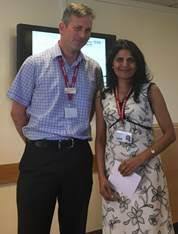
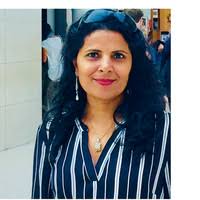
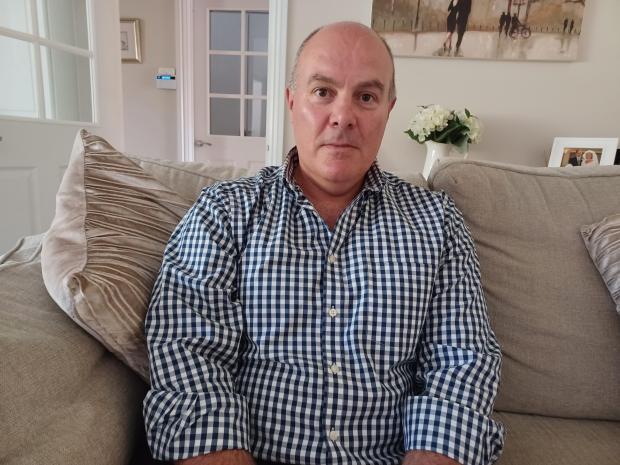
Dr Usha Prasad and the previous chief executive, Daniel Elkenes in better times

For this letter came out just six days after the trust were planning to land their biggest whistleblower, former consultant cardiologist, Usha Prasad, with a £180,000 costs bill for daring to raise the case of an ” avoidable death” of a heart patient at the trust and claims of racial and sexist discrimination. See hearing here.

Usha Prasad, who was dismissed by the trust, has had years of fighting the top management through employment tribunal hearings. The trust has spent a small fortune of taxpayer’s money employing battalions of lawyers to prove her wrong. The two top officials have been deaf and blind to any appeal on her behalf for reinstatement, including a letter from the chair of the British Medical Association.
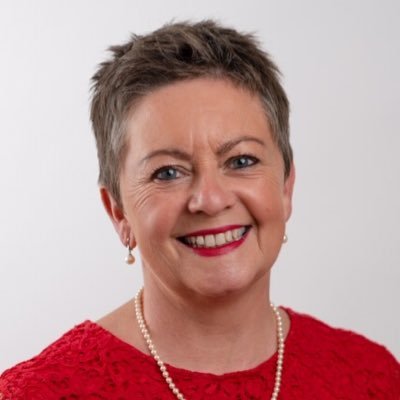
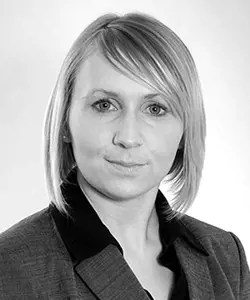
Jaqueline Totterdell – chief executive

Worse than that the lawyers led by Jessica Blackburn from Capsticks and Nadia Motraghi KC, from Old Street Chambers, have continually derided her attempts to defend herself. Jessica Blackburn described her whistleblowing claim as ” unmeritorious” in correspondence and Nadia Motraghi, described her case having ” no prospect of success” during the latest cost hearing which led the judge to order her to pay £20,000 in her absence. She also painted a picture of her making a fortune as locum -based on no recent evidence- and appeared to be an expert on London house prices to justify her paying the bill.

Jessica Blackburn rushed to send her the bill only for another judge to stay the payment as Usha Prasad, a brave fighter, is to appeal the original judgement against her later this year. The trust are still charging interest at a daily rate while she appeals.

So if I were an employees of the trust I would be beware of the silken and siren tones of the letter below and think very carefully before reporting anything to the top management. Think instead of the fate of Usha Prasad.

This is a serious shame because the sentiments in the letter are fine but the reality is rather different. I am afraid I think this is more a public relations exercise than really the top management being committed to real change. I fear reputational damage always outweighs concerns about patient safety.

Read the text of the letter below:

Dear colleagues

The news of Lucy Letby’s crimes has shocked us all. These acts were a profound betrayal of patient trust, and we hold in our thoughts all those who have been affected.

We welcome the independent inquiry that will take place to identify every lesson that can be learned and to do all possible to prevent anything like it happening again.

While dreadful events like this are thankfully extremely rare, this is a stark reminder of the vital importance of us all feeling safe and confident to speak up, raise concerns, or whistleblow if we are worried about something.

We are all crucial in making sure our services run safely for our patients. It’s so important that every one of you – whatever your role – feels safe and confident to raise concerns if you have any worries. We want you to know that we will always take these seriously and you will not get into trouble for speaking up. If you feel you’re being treated differently for doing so, let us know and we will act as necessary. If you have something to say, please don’t hesitate.

Our responsibility doesn’t end with speaking up; it extends to listening to concerns and addressing them. Really listening and responding in the right way to the concerns of patients, families and colleagues should be an integral part of how we work and support each other. We know that sometimes when you raise concerns things don’t happen quickly enough, and we are introducing new measures to improve this.

In the meantime, how we respond to incidents will be strengthened across the NHS with the launch of the new Patient Safety Incident Response Framework (PSIRF) from September. It will increase opportunities to learn and improve, and for closer working with those involved.

We have a Raising concerns at work policy with more detail on the process. In summary, if you ever have concerns there are several ways you can report these, including through your manager or lead director, our Freedom to Speak Up Guardians, or, if you feel it cannot be resolved internally, organisations external to the Trust.

And of course, you can speak directly to us, or any member of our executive team or Board – we are here to listen and act as necessary on what you say.

We are sure that many of you will have found these recent events upsetting, and if you would like to talk to someone please do reach out to your line manager or to our staff support service – email esth.staffcounselling@nhs.net  or call (number deleted)

Thank you for everything you do every day to keep our patients and families cared for and safe.

With best wishes,

Gillian Norton, Chairman

Jacqueline Totterdell, Group Chief Executive

One-Time
Monthly
Yearly

Make a one-time donation

Make a monthly donation

Make a yearly donation

Choose an amount

£5.00
£10.00
£20.00
£5.00
£15.00
£100.00
£5.00
£15.00
£100.00

Or enter a custom amount

£

Your contribution is appreciated.

Your contribution is appreciated.

Your contribution is appreciated.

DonateDonate monthlyDonate yearly

Please donate to Westminster Confidential

£10.00
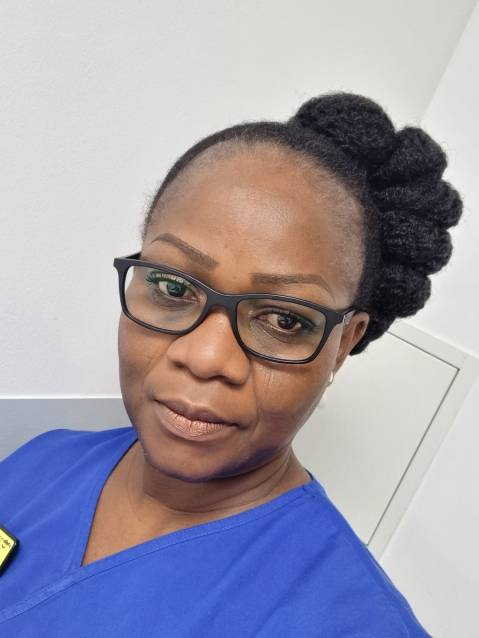
Francisca Holmes verdict: Judge says she is a whistleblower but did not suffer detriment from the trust

Francisca Holmes

Nurse Francisca Holmes lost her case against Lewisham and Greenwich NHS Trust yesterday when Judge Eoin Fowell ruled that she did not suffer detriment or discrimination after she blew the whistle following finding a dead patient in a ward at Queen Elizabeth Hospital, Woolwich.

He did say that she had legally made a protective disclosure on patient safety and health and safety following the death of patient MS, a frail elderly lady, admitted with breathing difficulties during the Covid pandemic in May 2020.

But he did not agree that the events that followed where she said she suffered detriment and was ” set up to fail ” including being put on inconvenient shifts, left in charge of the ward without a matron, passed over for courses, had a pay cut just after a pay rise, and being accused by Mr Katandika [her ward matron] of leaving without handing over her patients to the next staff shift putting patient safety at risk contrary to the nurses’ code of conduct.

The judge accepted the trust’s case that because of the Covid pandemic not all procedures , particularly over shift working, could not be followed because of staff shortages caused by many of the nurses catching Covid.

He also decided that there was no evidence of age or race discrimination and thought that Ms Holmes had misinterpreted what had been said to her.

His verbal judgement ( it will not be published unless either of the parties requests the papers) went into considerable detail of each event, drawn from the papers submitted by the trust.

One of the key points he emphasised was the long delay before Ms Holmes made the protective disclosure – not until early in the following year- which he accepted that neither Mr Katandika or any other managers were aware that they were facing a whistleblower complaint. Ms Holmes, in her own statement to the tribunal, said she wasn’t quite sure how to do this and thought it was being investigated. In fact investigations stopped and the death was put down as a “patient incident”.

Jean Firaza

The other key point for him was that the trust’s competency book, compiled by Jean Firaza, a Filipino manager and one of the people she criticised as being hostile to her said she was a good nurse and could work independently. She had few meetings than normal with Mr Katandika or Jean Firaza, to discuss her progress because she was doing well, the judge concluded. Again he blamed the Covid situation.

He also said she could have applied for promotion but had chosen not to, which is why the post went to another nurse and her complaint about losing a place on a training course was on a course as a cardiac nurse, which was designed to help another nurse and she had not applied to do that course..

Grievance allegations took a long time to investigate

He agreed that the investigation into her grievances had taken time to complete which meant she did not know what was going on. Lucie Kabatesi, was both writing and investigating her grievances while she was matron in the hospital’s busy accident and emergency department. But he said that an assertion given by her solicitor, Winston Smith, that ” she had been “chasing, chasing and chasing” to get the verdict were not born out by the evidence as there no emails showing she had done this.

He also cited Thurdy Campbell, a former manager of her ward 22, as being sympathetic to her including reducing the number of patients she had been asked to look after when she seemed to have been given too many.

But Thurdy Campbell, despite being a key manager in her life, was never called to give evidence by the trust. If she had the judge would have had to at least consider a different aspect on this case. She has told me that she had raised patient safety issues about the reconfiguration of Ward 22 as a Covid ward just two days before the patient’s death, suggesting there may have been problems there.

She also has told me that when she decided to take up Ms Holmes’s case she had a warning from senior management not to do it. She has added now that she had witnessed Ms Holmes being bullied in the ward as well.

It seems to me that the trust, obviously advised by their lawyers, Capsticks, and Old Square Chambers, is selective about who it calls in whistleblowing cases. Even though Thurdy Campbell was no longer working for the trust she could have been contacted about this. Other witnesses called by the trust now have different jobs but still gave evidence.

One-Time
Monthly
Yearly

Make a one-time donation

Make a monthly donation

Make a yearly donation

Choose an amount

£5.00
£10.00
£20.00
£5.00
£15.00
£100.00
£5.00
£15.00
£100.00

Or enter a custom amount

£

Your contribution is appreciated.

Your contribution is appreciated.

Your contribution is appreciated.

DonateDonate monthlyDonate yearly

please donate to Westminster Confidential

£10.00

How a nurse whistleblower fell foul of NHS managers after the shock of finding a dead patient in a hospital ward

Francisca Holmes

Former Ward 22 manager not called as a witness says trust is lying over events that led to patient’s death

Francisca Holmes, a 61 year old staff nurse, had worked happily at the Queen Elizabeth Hospital, Woolwich since 2019. She is a black person of African ethnicity.

But during the Covid pandemic she was shocked to go into Ward 23 on 17 May 2020 after a frail elderly patient, who had not been admitted with Covid, but with a lower respiratory condition, was found to have died and nobody had noticed.

As I reported earlier, after the document was released by the judge hearing her tribunal case, the investigation into her death has been sparse. Just one page recording a ” patient incident” for a woman who died alone in a ward full of Covid patients after vomiting, with her mask resting on a pillow and a nebuliser with no oxygen.

Ms Holmes had a five day tribunal hearing this week under judge Eoin Fowell claiming detriment over whistleblowing, constructive dismissal, and age and race discrimination. All this was challenged by the Lewisham and Greenwich NHS Trust who employed a junior barrister, Camille Ibbotson, from the law firm, Old Square Chambers at great expense to press their case.

Her discovery of the body of the patient was reported to staff nurse Mr. Rey Malabuyoc. According to her witness statement she blames a Filipino nurse ,Ms Chenee Coronado, who was looking after her, for negligence that lead to her death. She has never been asked for a statement about what happened by the trust.

The death of the patient is described more fully in her witness statement:”

“According to Biftu Ali {the day nurse on duty) , the patient had been sitting out in the chair eating yoghurt when she aspirated and peri-arrested.  A crash call was put out and patient was seen by the team.  She added that patient was in bed, settled and being nebulised.

“After handover, my colleague  went into the bay but came straight back out to call me.  The known COPD patient was found lifeless with a nasopharyngeal tube in her right nostril.  She had a face mask on and nebulised on air via an air driven machine.  There was no sight of a nasal cannula, meaning she was not getting the required oxygen.  It is note worthy that a 40% (red) venture mask laid on top of her pillow while the flow metre was on at 60%. The patient had a nasopharyngeal tube in her right nostril.”

Rodney Katandika Pic credit: Linked In

The trust’s argument is the hospital was in the middle of the Covid pandemic and nurses could not devote the time needed to look after every patient because of staff shortages. Mr Rodney Katandika, the matron, on the ward, who first investigated the situation, said in evidence to the tribunal initially there was “nothing untoward in her death”. He also resolutely denied any age and race discrimination on his part.

After the event her witness statement says the trust ” appointed Lucie Kabatesi, Matron on and sent her a list of my complaints in a letter purporting to set out my grievances. The letter specifically omitted any reference to the patient death incident and my whistleblowing complaint which I had raised. I was not advised of any other procedure to raise my concerns and it appeared that the respondent was covering up the circumstances of the patient death and my allegations.”

She says she repeated her allegations when she met Ms Kabatesi on 27 April 2021. Ms Kabatsi told the tribunal this was the first time she had raised this with her and it was added to her investigation.

Francisca Holmes claims that since reporting the death she has been subject to detriments and ” set up to fail ” including being put on inconvenient shifts, left in charge of the ward without a matron, passed over for courses, had a pay cut just after a pay rise, and being accused by Mr Katandika of leaving without handing over her patients to the next staff shift putting patient safety at risk contrary to the nurses’ code of conduct.

She seems to have had a bad relationship with Jean Firaza, a Filipino manager, describing in her statement an incident where during a handover. In her statement she says: “She was very angry, arms akimbo and leaning back and forwards. There was a discussion about the treatment we were giving to a patient.”

Jean Firaza was not called as a witness by the trust, though she attended the hearing every day.

The investigation by Ms Kabatesi was scheduled to be completed in four weeks but took six months. She was described as an expert investigator but like Mr Katandika, and Ms Ann Marie Coiley, director of nursing, had no experience of investigating whistleblowing cases. I find this strange they were chosen since the same hospital must have postgrad experience of investigating whistleblowing since it is still fighting Dr Chris Day for over ten years over his whistleblowing claims over the avoidable deaths in the intensive care unit.

Ms Holmes was never informed of the progress of the investigation and eventually frustrated resigned.

Ms Ann Marie Coiley blamed Covid problems for the failure to sort out Ms Holmes’s request for flexible working and said she had bought a ” shopping list of complaints” against the trust.

Camille Ibbotson

In her closing submission Camille Ibbotson for the trust said all her claims of unfair treatment and age and race discrimination were ” wholly unfounded.” She said all the trust witnesses who were called had provided credible evidence while she had been ” evasive” when questioned by her. She downplayed the death of the patient describing it as ” a patient incident” which seemed to me to be a rather callous dismissal when you heard the facts about the death.

Winston Brown, Ms Holmes’ solicitor, in summing up her case placed great emphasis on the fact that she been the victim of constructive dismissal by being kept in the dark about the investigation into her grievances and the trust hiding behind Covid to avoid detailed questioning about how she was treated.

He pointed out despite Covid the trust did not suspend its policy of treating staff with dignity and compassion because of the Covid crisis. As a result he thought it was in breach of the code and therefore she should be compensated. He also raised why the tribunal had not heard from Thurdy Campbell, one of the managers involved

Thurdy Campbell: former manager of Ward 22

After the publication of my blog over the trust’s failed attempt to ban me from seeing Ms Holmes’ witness statement and the ” investigation” into the patient’s death I was contacted on Linked In by Thurdy Campbell myself. She blames the death of the patient on an unplanned reconfiguration of wards 22 and wards 23 just two days before the patient died

She told me: ” I was the manager of Ward 22 at the Lewisham  and Greenwich NHS Trust who reported patient safety concerns  (via clinical incident) and sent email to senior managers  regarding  the unplanned reconfiguration process of 15 May 2020 that led to that incident (I was blindsided of the  patient’s death until Francisca Holmes raised the incident with me sometime in 2021).

” I supported FH as the ward manager during her complaint  but was dismissed from office during the investigation procedures conducted at the Trust . I was subjected to unlawful disciplinary sanctioning after reporting. “

She goes on: “I have sent Fran the info on this incident this morning . They are lying. I was slapped with a conduct letter by the DDNG (Divisional Director of Nursing Governance) for raising concerns about this incident. It has nothing to do with staff shortage. There should be a shift log book detailing activities of that day. Mr Brown should request a copy of that booklet..”

This seems to throw new light on events that were never told to the tribunal. The judgement will be given Monday afternoon.

One-Time
Monthly
Yearly

Make a one-time donation

Make a monthly donation

Make a yearly donation

Choose an amount

£5.00
£10.00
£20.00
£5.00
£15.00
£100.00
£5.00
£15.00
£100.00

Or enter a custom amount

£

Your contribution is appreciated.

Your contribution is appreciated.

Your contribution is appreciated.

DonateDonate monthlyDonate yearly

please donate to Westminster Confidential

£10.00

Death in Ward 23: Whistleblower nurse raises patient safety issues in the same hospital where Dr Chris Day is fighting avoidable deaths

Queen Elizabeth Hospital, Woolwich pic credit: Lewisham and Greenwich NHS trust

Lewisham and Greenwich NHS Health Trust is facing a second whistle blowing case at an employment tribunal over patient safety six years after Dr Chris Day, a junior doctor, in 2014 brought a still on going case on two ” avoidable deaths” in their intensive care unit.

Francisca Holmes, a 61 year old nurse who has since resigned from Queen Elizabeth Hospital, Woolwich has claimed detriment after reporting an elderly frail patient was found to have died in her ward without the staff realising this had happened. She is also claiming age and racial discrimination.

She is being represented by her local solicitor Winston Brown, from Brown and Company. The trust is being represented by solicitors Capsticks and Camille Ibbotson, a junior counsel from Old Square Chambers.

Before the hearing even started Francisca contacted me saying she have been told that a journalist could not report the case because “all NHS cases” are confidential. When I pointed out this was nonsense her solicitor told her I could be given a link to attend the remote hearing.

Camille Ibbotson, junior barrister at Old Square Chambers

Then during the hearing I requested via the chat box to see a copy of her witness statement and the report into the investigation of the death. This was vigorously opposed by Camille Ibbotson, on behalf of the trust. She claimed that under the remote practice rules I had to make a formal application for the documents explaining why I wanted them and insisting that the report contained sensitive information and the witness statement contained allegations about people I should not see.

But the salaried employment judge Eion Fowell decided that my chatbox application was equivalent to a formal request, pointing out that in a physical tribunal hearing a journalist could raise the matter directly with a judge. I had also explained that I wanted the document so I could understand the case.

After an over night discussion the judge ruled in my favour on the grounds of ” open justice” rejecting the trust’s arguments. He said the trust was ” a large professional organisation” that could have applied before the hearing to keep some of the documents in the tribunal legal bundle private but had failed to do so.

Then it was revealed that the ” investigation” into the patient death is just a one page ” incident report”. The judge allowed the report to be flashed on the screen so I could take notes. It shows that an elderly frail lady was admitted with ” lower respiratory problems” and needed, at times, a nebuliser and oxygen to stay alive.

Evidently she was found to have died because this happened during the Covid pandemic on 17 May 2020 and the trust say ward was short staffed and unable to give her the continual care they would normally do. She was found dead after vomiting with her mask on her pillow and there was no oxygen in the nebuliser.

There seemed to be no suggestion that she had Covid herself but she was in a ward with Covid patients.

I will be reporting in full when the evidence given in the tribunal hearing is finished. But I thought this tussle over getting the documents should be reported as the judge’s ruling against the trust is important. Particularly as these arguments by the trust could be repeated elsewhere by Old Square Chambers.

One-Time
Monthly
Yearly

Make a one-time donation

Make a monthly donation

Make a yearly donation

Choose an amount

£5.00
£10.00
£20.00
£5.00
£15.00
£100.00
£5.00
£15.00
£100.00

Or enter a custom amount

£

Your contribution is appreciated.

Your contribution is appreciated.

Your contribution is appreciated.

DonateDonate monthlyDonate yearly

Please donate to Westminster Confidential

£10.00
Powerless Parliamentary Ombudsman lashes out at “command and control” NHS

Rob Behrens Parliamentary and Health Ombudsman

Last week was Whistleblower Awareness Week and Whistleblowers UK and the All Party Parliamentary Group on Whistleblowing organised a two day event in Parliament on issues affecting whistleblowing.

I attended the two hour session aptly entitled Whistleblowing in Health care – a Lesson in Futility? It drew a wide selection of people from the UK and the Isle of Man including doctors, lawyers, judges, nurses and speak up guardians

These included Dr Chris Day , who has been fighting Lewisham and Greenwich Health Trust for ten years after reporting two avoidable deaths in the intensive care unit at Woolwich Hospital and Martyn Pitman, a consultant obstetrician and gynaecologist, who recently lost a case against Hampshire Hospitals Trust, reporting patient safety issues after a mother died giving birth in one of their hospitals. Both cases can be found in a series of articles on my blog.

But one of the most striking contributions came from Rob Behrens, the Parliamentary Ombudsman – an Establishment figure – and the Health Service Commissioner more familiar to my readers over the debacle in getting compensation for 3.5 million 50swomen who faced a six year delay in getting their pension.

In a short powerful speech he rightly lambasted the culture inside the NHS which is leading to the failure, ,persecution and character assassination of whistleblowing doctors and nurses who report patient safety issues.

Describing the system in the NHS as “command and control”, he described the contrast between the management of trusts boasting to him how open their institutions were only to find the opposite when he talked to people lower down the food chain dealing with the complaints.

He pleaded for a more ” collegiate NHS” where managers and staff worked together rather than against each other. he wanted ” fundamental change” in the leadership of the NHS.

But his speech also revealed how impotent his role is in handling healthcare issues. He pointed out that the Ombudsman was handicapped by outdated legislation, couldn’t deal with staff issues unlike other Ombudsmen, was unable to take any initiatives himself, and couldn’t force the NHS to make changes even he wanted them to do so. None of this does his reputation with the public any good. I have only covered one of his cases. You can read about it here. Health warning it is a very grim story and the Ombudsman could only partially investigate it.

Northern Ireland Ombudsman has greater powers

How he must envy Margaret Kelly, the Northern Ireland Ombudsman, set up under more modern legislation, who has and uses her powers to initiate investigations. A report here on my blog shows how she took on private company Capita and its failure to treat disabled people properly applying for Personal Independence Payments.

At the moment plans to get a new law to protect whistleblowers ( they are also covered by outdated legislation which trusts can use lawyers to get round its provisions) is stalled. So is any legislation to give the Parliamentary Ombudsman fresh powers or rationalise the plethora of other ombudsmen in this country. I suggested one step that could be taken in election year would be for whistleblowers to press the major parties to include a pledge to legislate in their manifestos. There is an “oven ready” bill already by Whistleblowers UK to reform the system which could be the basis for fresh change. It is time we ended talking and took some action.

Please donate to Westminster Confidential so I can continue my reporting.

One-Time
Monthly
Yearly

Make a one-time donation

Make a monthly donation

Make a yearly donation

Choose an amount

£5.00
£10.00
£20.00
£5.00
£15.00
£100.00
£5.00
£15.00
£100.00

Or enter a custom amount

£

Your contribution is appreciated.

Your contribution is appreciated.

Your contribution is appreciated.

DonateDonate monthlyDonate yearly

Please donate to Westminster Confidential

£10.00
Whistleblower Usha Prasad ordered to pay £20,000 costs in hearing held in her absence

Nadia Motraghi KC – from Old Square Chambers, barrister for the Epsom and St Helier NHS Trust

Judge rules her case had ” no prospect of success” and she was ” unreasonable ” to pursue the claim

UPDATE: The figure was amended when Usha received the judgement from exclusive of VAT to including VAT – that reducing the total figure to be paid to £20,000 instead of £24,000.

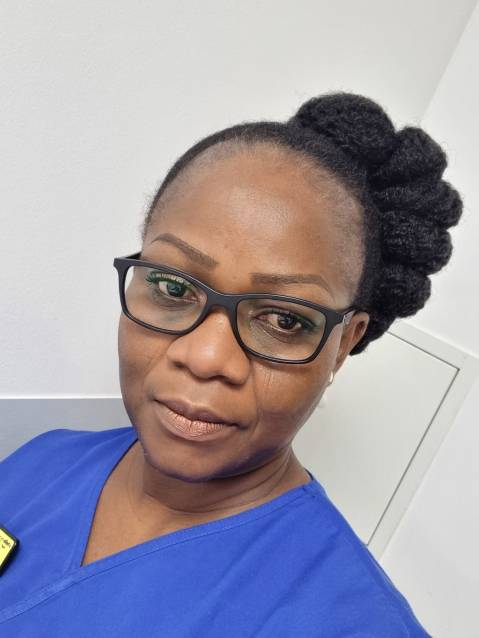
Employment Judge Ms EJ Mclaren today ordered Dr Usha Prasad to pay Epsom and St Helier University NHS Trust £20,000 in a hearing she did not attend due to ill health which had not been accepted by the tribunal.

The decision is a pyrrhic victory for the trust, Capsticks solicitors, and a barrister, Nadia Motraghi, from Old Square Chambers, who had originally sought to claim £150,000 but had their claim reduced to £20,000 – the maximum that can be charged in a summary hearing. Much of the money will be swallowed up in fees charged to the trust by lawyers, Nadia Motraghi, and Capsticks solicitor Jessica Blackburn, who have already made nearly £100,000 between them from pursuing Dr Prasad on behalf of the trust. See my blog on the paper submitted by Capsticks to the tribunal here.

Dr Usha Prasad

The handling of this case in my view is yet another example of why employment tribunals are totally unsuited to investigating whistleblowing cases.

For a start two judges have taken totally different views of whether Dr Prasad was fit to plead. Judge E J Baker basically decided that a doctor’s note was not good enough to prove she was ill. But only last month acting regional judge Katharine Andrews decided on a fresh doctor’s note to cancel another hearing involving the trust on the grounds that Dr Prasad needed a long rest and should not face any hearing until next April. It makes judicial decisions by non medically qualified judges seem like a lottery. This of course was not mentioned by Nadia Motraghi in the hearing as it would have undermined her client’s case.

Second the inequality of arms in these hearings. Dr Prasad has already spent a small fortune on lawyers in some of the hearings. So I know she decided she would not be represented by a brief at this hearing because if she lost it would cost her nearly double the cash -nearer £40,000. For the trust unlimited taxpayer’s funds can be spent on lawyers and it is not their money. Not bad for a trust that is already in financial difficulties – just cancel a few operations instead. I also note other lawyers offer a capped fixed fee if a private company is bringing a complex case against an employee – otherwise they would not get the business.

So it is rather hollow for the trust to claim as the judge solemnly pronounced – this is a big cost to a public authority caused by a case ” which had no prospect of success”. It is a big cost because the trust deliberately chose to use some of the most expensive lawyers in town – Old Square Chambers – and fell for paying for 21 lawyers from Capsticks.

Now Nadia Motraghi, whose submission was accepted in full by the judge, painted Dr Prasad as being a ” Jeckyll and Hyde ” character – not mature enough to realise her case was going nowhere and making repeated claims of unequal pay, racism and sexism she could not substantiate but turned into a totally different person when it came to paying the costs. She told the tribunal that she was very intelligent and capable of earning at least £116,000 a year as a good cardiologist and with a house that had gone up £300,000 in value which could be sold. She also used the fact that she was very popular in the Yorkshire hospital she had worked while being clinically restricted at Epsom. Any objective person might ask how come her talents weren’t equally recognised in Epsom.

Now the final issue is the whistleblowing claim. I had wondered why Jessica Blackburn, in a letter to her, had insisted it lacked any merit. Nadia Motraghi gave the game away. She had she had not produced any evidence to justify a risk to patient safety – no emails had been produced to prove this.

Then I remembered the judgement of Tony Hyams -Parish, which was used to justify the costs by judge E J Baker after he dismissed all her claims. There WAS pretty convincing evidence of a serious breach of procedure in an ” avoidable death ” of a heart patient and it was admitted by Dr Richard Bogle, head of the cardiology department. The death in the hospital was never reported to the coroner. You can read about this on my blog here. You can then read about the Hyams-Parish judgement. You can see it here.

What you will notice is that the evidence in the hearing is never covered in the judgement. Now judge Hyams-Parish, to borrow Nadia Motraghi’s words, is an intelligent man. He would know there are no record of the hearing and the judge’s notes are secret. So by not mentioning this in his judgement it is erased from the public record as if it never existed. Only the fortuitous chance that a journalist was there – and that is now very rare – is there a record. So that blog is the only record that it happened.

So it is not surprising that the trust can confidently claim there is no whistleblowing. The judge has been very helpful to the trust by expunging it from the record. As I wrote at the time this decision was a stain on British justice.

You may wonder why Dr Prasad, a whistleblower, did not turn up and the tribunal was unable to contact her. You can read the statement from Dr Ward here:

Dr David Ward, a retired cardiologist and supporter of Dr Prasad. put up a statement during the hearing in the tribunal chat box on he knew Dr Prasad was not attending :” I believe it is my duty as a consultant physician and longstanding colleague and witness to her state of mind throughout these prolonged proceedings to draw attention to the Tribunal that she is not fit to plead. She is in a state of extreme distress such that she is not able to attend. This hearing will cause further detriments to her health. I believe her GP has written a letter to this effect. “

Today he issued a further statement: “

Dr David Ward

“I wish to point out that the stress that has been experienced by Dr Usha Prasad throughout these proceedings was evident at the hearing in November 2021 before Mr Hyams-Parish. I know that Dr Prasad and the journalist, Mr David Hencke, have asked for the audio-visual recordings which I am sure would confirm this.  

2Her inability to recall events, emails, or to refer to documentation within the extensive bundle, whilst giving oral evidence is because of extreme distress. She was not merely tired, but suffered from mental fatigue, which leads to loss of concentration when “put on the spot” under cross-examination in public at a hearing.  

“I consider it is my professional obligation to point this out and would suggest that the audio-visual record of the proceedings of November 2021 are made available to provide objective evidence of the points I have made. It goes without saying that any costs awarded against Dr Prasad would be very damaging to her current state of mind and health. “

One-Time
Monthly
Yearly

Make a one-time donation

Make a monthly donation

Make a yearly donation

Choose an amount

£5.00
£10.00
£20.00
£5.00
£15.00
£100.00
£5.00
£15.00
£100.00

Or enter a custom amount

£

Your contribution is appreciated.

Your contribution is appreciated.

Your contribution is appreciated.

DonateDonate monthlyDonate yearly

please donate to Westminster Confidential

£10.00

Martyn Pitman judgement: a bad ruling that could endanger mothers in childbirth

Dr Martyn Pitman Pic credit: Hampshire Chronicle Adele Bouchard

Jonathan Gray, the employment judge hearing the case brought by whistleblower obstetrician Martyn Pitman against Hampshire Hospitals NHS Foundation Trust used last Friday to issue his judgement dismissing all the doctor’s detriment claims against the trust. The judgement, despite widespread and national interest, has still at the time of writing, not been published by the HM Tribunals and Court Service.

Judge Jonathan Gray Pic credit: BDB Pitman

The judge, who previously worked for the law firm BDB Pitman in Southampton, managed both to accept virtually all his whistleblowing claims but throw out any claims that he had been persecuted by the trust for exposing them.

In short he believed every word given by Alex Whitfield, the former oil refinery executive turned trust chief executive; Lara Alloway, the former chief medical officer and Steve Erskine, the former businessman now chair of the trust and other leading figures who gave evidence for them. He didn’t believe a word of the case brought by Martyn Pitman of his bad treatment despite being ably defended by Jack Mitchell, funded by the BMA from Old Square Chambers.

What the judge did was turn Martyn Pitman against himself. His ruling at the end was :“Having considered each of the alleged detriments, there is in our view an overarching reason for what has happened to the Claimant that is not on the grounds of any of the alleged or proven protected qualifying disclosures. In short, it is the Claimant’s communication style and not the message he was trying to convey.”

To seal the deal the judge turned one of Martyn Pitman’s witnesses against him. He used the evidence of Dr Michael Heard, a fellow consultant, who backed up Dr Pitman’s whistleblowing claims to turn against Dr Pitman.

Dr Heard had made similar claims to Dr Pitman to the management at the trust and no action was taken against him. The judge used this to say it proved the trust management was keen to take whistleblowing seriously but not keen if it was presented in a forthright manner which affected the ” health and well being ” of the managers.

Alex Whitfield, chief executive, Hampshire Hospitals Trust

What was also strange in this hearing was that the person who made the most dramatic claims against Dr Pitman, Janice McKenzie, the divisional chief nurse and midwife, saying she had to leave the unminuted meeting dealing with patient safety with him, in tears to cry in the toilet, never gave evidence. But like ” Banqou’s Ghost” in Macbeth her claims hung over the hearing. I would have liked to see her testify given there is no written evidence of what happened there.

There was also a dispute – again unminuted – over the claim that towards the end of this long saga Dr Pitman was verbally told by Alex Whitfield, that he couldn’t continue working at the hospital because he was a risk to patient safety. She denied this and the judge believed her and not Dr Pitman.

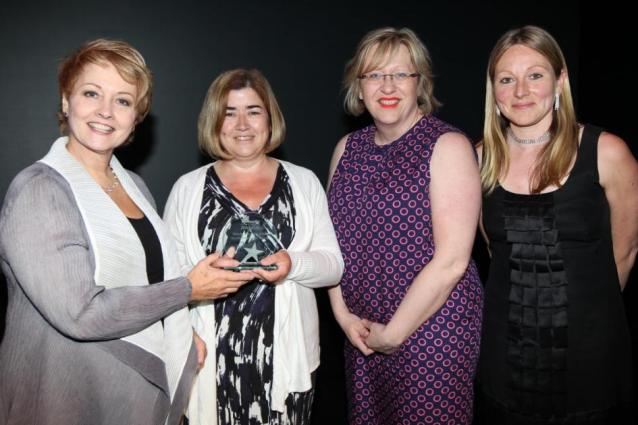
Basingstoke Hospital Midwife team receiving an award in 2015 in better times. Pic credit: Basingstoke Gazette

Now there is a much wider issue in this judgement which goes well beyond this being a local hospital dispute. It arose because of a merger of two trusts which brought a clash of cultures between midwives who worked at the North Hampshire Hospital and those who worked at the Royal Hampshire Hospital in Winchester. Midwife managers from Basingstoke tried to impose their system on midwives in Winchester. This led to unrest and unhappiness in Winchester and Dr Pitman intervened because he was worried about patient safety and took it up with the midwifery managers who seemed unable to cope with criticism.

The management of this became a national issue when the Care Quality Commission inspected the maternity services at the trust and downgraded the trust (see here). Again I am surprised this was not mentioned in the tribunal.

But why I really think this ruling is bad is another event which coincidently emerged while this case was on. The Care Quality Commission published its annual report on maternity services and it makes grim reading. The number of inadequate trusts has doubled from 9 to 18, the number of trusts that require improvement has increased from 46 to 67 and only six are in the outstanding quality category. The CQC is obviously worried about this since they have only inspected 73 per cent of trusts and are planning to inspect the rest as a matter of urgency. The issues raised include poor management, lack of staffing, bad communication with patients, patient safety being inadequate and also racial inequalities.

Now judge Gray won’t know about this and probably say it was irrelevant to his hearing but his ruling will be a solace to managers worried about whistleblowers raising inconvenient claims of patient safety in maternity wards. By putting down such an eminent obstetrician ( even the judge and the health trust couldn’t find fault with his clinical judgement) he is potentially putting at risk the safety of millions of mothers giving birth in England. Who is going to raise their voice in the NHS about patient safety in the maternity ward if they see a doctor put down and not believed in a tribunal like that? Yes he may be forthright and strong minded but we need people to have high standards to improve the health service for everyone. Judge Gray has a lot to answer.

Please donate to Westminster Confidential to allow me to do detailed investigations.

One-Time
Monthly
Yearly

Make a one-time donation

Make a monthly donation

Make a yearly donation

Choose an amount

£5.00
£10.00
£20.00
£5.00
£15.00
£100.00
£5.00
£15.00
£100.00

Or enter a custom amount

£

Your contribution is appreciated.

Your contribution is appreciated.

Your contribution is appreciated.

DonateDonate monthlyDonate yearly

Please donate to Westminster Confidential

£10.00

Alison McDermott – Sellafield whistle blower speaks out on employment tribunal failings at ECEC Conference

This is the first blog with me by my new assistant Joseph Eden, a City University journalism graduate, on a speech given by Alison McDermott, on her horrendous experience as a whistleblower trying to expose bullying and malpractice at Britain’s largest nuclear site and the appalling treatment she received at the hands of British Justice

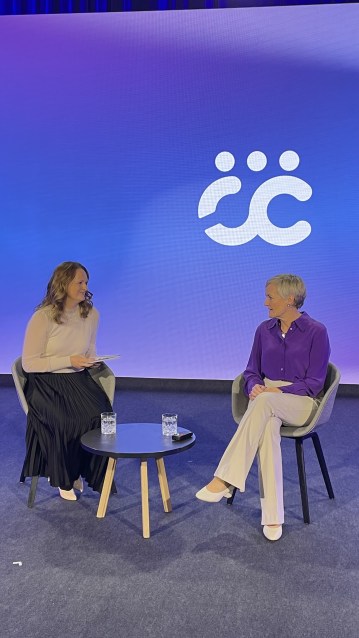
Alison McDermott being interviewed by Katy Diggory

by Joseph Eden

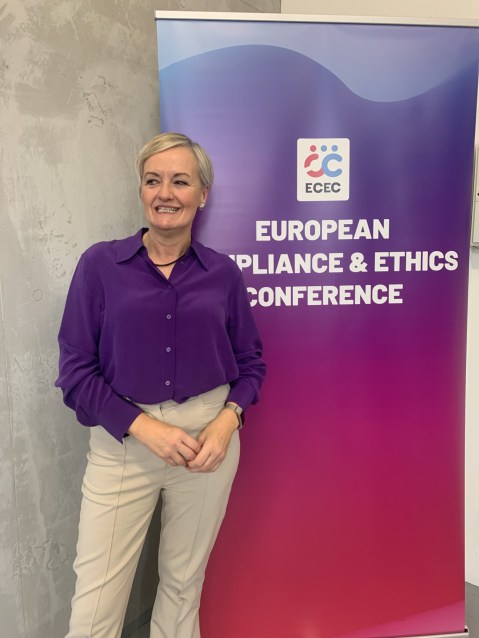
Employment disputes are supposed to be settled in a free and fair way; the reality is much different. In an interview at the 2023 Annual European Compliance and Ethics Conference in Munich, the largest conference dedicated to this subject globally, whistle blower Alison McDermott spoke of her case, and of a system that is awash with discrimination, inequality and abuse – at the expense of those who need it most.

A recap for readers of this blog, Alison told the conference the ordeal Sellafield and its governing body, the NDA, have put her through. After speaking out about serious employee abuses and abject failures within the nuclear facility’s HR department in 2018, HR director Heather Roberts and Lesley Bowen, who was responsible for the company’s EDI strategy, dismissed Alison overnight, citing financial reasons. Later, when Alison pursued litigation, Sellafield changed its tune, instead saying they acted on concerns over her performance, only mentioning financial reasons “to be kind”.

“It just doesn’t stack up”, she told interviewer and communications consultant Katy Diggory. “There is nothing kind about telling someone that we’re sacking you for one reason, and then three months later introducing a new reason when you no longer have a right to reply because you’ve already left”.

In addition, Alison produced a document highlighting Sellafield’s offer of an 18-month contract renewal just one month before her dismissal, which detailed the nuclear site’s perception of her previous work there as excellent and trusted by the executive.

What followed Alison’s dismissal is another damning indictment of the employment tribunal system. From her initial claim to the verdict, Alison recounts the bullying and harassment she was subjected to, labelled a “self-absorbed, self-serving woman” by Sellafield’s barrister, who insinuated she was pursuing her employer purely for financial gain – despite full knowledge of Alison having refused a £160,000 settlement offer.

Her interview at the conference further highlights the egregious power imbalance within the tribunal system. From the contrasting legal budgets of self-funded claimants versus their employers (in this case, an employer whose £670,000 of legal fees were picked up by the taxpayer), to the absence of any court transcript, and the lack of safeguards to protect employees from having reputation-damaging judgements publicly made against them simply for speaking out.

“Imagine being in a boxing ring with your hands tied behind your back and having to absorb punch after punch” was the metaphor Alison used, her experience made even more shocking with Judge Philip Lancaster allowing her former employers to pursue her for the maximum allowed costs.

Sellafield

Research by Greenwich University supports the imbalance Alison described, finding that more than half of all whistleblowing claimants represent themselves at their hearings, usually as a result of financial constraints. At the same time, employers are securing more expert legal representation than ever before.

The conclusions point to a modern landscape at odds with the informal grounds upon which the employment tribunal system was founded. The requirement of an advanced understanding of legal dogma has accompanied the encroachment of major legal firms into the realm of employment law – with employers spending hundreds of thousands of pounds to defend themselves from the claims levied against them.

This calls into question how an individual claimant could ever be able to compete against their bosses. The outcomes of employment tribunal cases indicate that, in practice, they rarely can. Referencing the government’s own tribunal statistics, Alison told the conference that between 2007 and 2021 only 3% of whistle blowers were successful at tribunal, noting that for women, the challenges faced are even more difficult.

“I think it’s incredibly hard for anyone to blow the whistle because of the huge barriers and inequality”, she said. “But research shows that women’s motives are more likely to be mistrusted”.

Need for substantial reform of the Employment Tribunal system

This phenomenon, Alison says, was manifest in her own judgement, with Judge Lancaster determining she was “pursuing some ulterior motive related to her desire to position herself as the champion of inequality within the nuclear industry”.  This despite Judge Lancaster having reviewed evidence of Sellafield describing her as already a nationally respected expert in her field of work.

The experience of employment the tribunal system Alison shared with the ECEC stands as a clear example of why it needs substantial reform. Even now, following a successful appeal of her judgement, she is still being pursued by Sellafield for costs.

Alison at the conference

“Their duty is to create an environment where people are free to speak out, but hounding people for costs will obviously have the opposite effect” she said, adding that her tribunal experience has left others at Sellafield, the largest nuclear site in Europe, even more scared to raise concerns than they already were.

Closing her interview, Alison recommended several changes employers could implement, many of which are echoed by those who have gone through the same system. Assuming basic training and policies are in place, she prescribed a confidential way for employees to report concerns, a whistleblowing champion within organisations that values people who speak up, and finally that litigation should only be used as a last resort:

First, “investigate, investigate, investigate” she implored, ideally using external investigators. “I think that would send a very clear message to employees that the company really wants us to speak out.”

For those who want to hear directly from Alison the gruesome experiences of being a whistleblower there is a full video on YouTube of her speech. It is well worth watching.

Dr Usha Prasad whistleblower case: Judge cancels hearing from trust again at eleventh hour

Consultant cardiologist convinces judge she is too ill to attend and case cannot be listed until next spring

Dr Usha Prasad

Dr Usha Prasad, the whistleblower consultant cardiologist, yesterday won her argument that she was too ill, because of mental stress, to defend herself at another employment tribunal brought by Epsom and St Helier University NHS Trust without even having to attend the hearing.

The trust which originally wanted her to pay £180,000 costs- reduced in August to £24,000 – sought this week to strike out all her claims, including her whistleblowing case that an elderly man who died at the hospital was ” an avoidable death” which was never reported to the coroner.

The hearing was also set to go ahead tomorrow with remote links already sent out to people observing the case this afternoon when acting regional employment judge Katharine Andrews suddenly cancelled the hearing. This is the second time in two months hearings brought by the trust have been cancelled by a judge.

The costs hearing in August was cancelled when the tribunal met because according to judge Mrs E J R McLaren one of the panel members to hear the case could not attend. Dr Prasad had sent a letter from her GP saying she was under severe stress but another regional judge had rejected this.

This time Dr Prasad sent a fresh letter from her GP saying she was still under severe stress as a result of this long running case involving the trust.

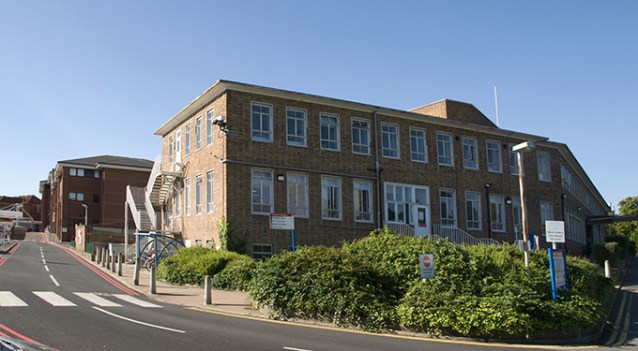
Epsom Hospital

In her letter the judge says: “This hearing was first listed for 6 April 2023. The claimant’s application to postpone that hearing was refused although it did not in any event proceed as there was insufficient judicial resource available. Accordingly it was relisted to be heard on 6 June 2023. That hearing was then postponed at the claimant’s request as she was unavailable due to a professional commitment and also at the request of the respondent who considered that a one day hearing was required. The matter was then listed for one day to be heard tomorrow, 18 October 2023.

On 29 September 2023 the claimant applied to postpone tomorrow’s hearing due to her ill-health. That application was refused as the medical evidence enclosed within her application was insufficient.
The claimant has today repeated her application and enclosed a medical note (apparently from her GP) that does confirm that she is unfit to attend and that a delay of 3 to 4 months would enable her health to improve sufficiently.
The respondent has objected to the request referring to previous postponement requests by the claimants and costs they have incurred that will be wasted.
In all the circumstances the claimant’s application to postpone is granted and the hearing will be re-listed not before 1 March 2024. Any further applications by the claimant for a postponement are extremely unlikely to be granted. It is open to the respondent to make an application for wasted costs in due course if they believe that to be appropriate’ .”

Epsom and St Helier University Health trust have been fighting Dr Prasad for years and strongly objected to the hearing being postponed.

The regional judge who took the decision last heard one of her original tribunal cases in December 2020 when a tribunal was asked to rule again about the action of a fellow Indian doctor Dr Aran Kumar Perikala who wrote anonymous letters to the trust’s chief executive, the CQC, the GMC and Jeremy Hunt then health secretary, saying she was a danger to patient safety. He was unmasked but the trust did not take any action against him. Dr Prasad claimed he was sexist. The judge rejected this but ruled that he had behaved “unprofessionally ” by his actions. You can read my account of this bizarre hearing here. The whistleblowing allegations emerged at another hearing later.

Please donate to Westminster Confidential to allow me to continue my reporting.

One-Time
Monthly
Yearly

Make a one-time donation

Make a monthly donation

Make a yearly donation

Choose an amount

£5.00
£10.00
£20.00
£5.00
£15.00
£100.00
£5.00
£15.00
£100.00

Or enter a custom amount

£

Your contribution is appreciated.

Your contribution is appreciated.

Your contribution is appreciated.

DonateDonate monthlyDonate yearly

Please donate to Westminster Confidential

£10.00
Martyn Pitman tribunal: Patient safety was a big issue as NHS watchdog downgrades Hampshire Trust’s maternity services

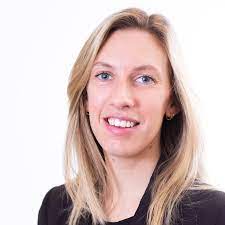
Dr Martyn Pitman

A highly critical report from NHS watchdog, the Care Quality Commission has confirmed fears from whistleblowers, including obstetrician Dr Martyn Pitman, that mothers were at risk using Hampshire Hospital NHS Foundation Trust’s maternity services in Winchester and Basingstoke.

The report was not raised during the two week employment tribunal hearing as I gather it came out too late to be included in the evidence. But it followed a visit by the CQC to the trust last year resulting in a report which highlighted a slew of concerns about the service.

The report has been taken up by Helen Hammond, a lawyer based in Basingstoke and Reading, who specialises in clinical negligence in maternity care, working for the international law firm, Pennington, Manches, Cooper. In a blog on its site she catalogues the damning findings of the report from staff shortages to injuries facing women giving birth. You can read her full blog here.

North Hampshire Hospital, Basingstoke Pic credit: Wikipedia

The health trust has spent hundreds of thousands of pounds of taxpayer’s money on expensive lawyers from Old Square Chambers to deny that Dr Pitman was a whistleblower concerned about patient care denigrating him at one stage -until subsequently withdrawn- as “a freelance agitator”. They produced evidence claiming he made a midwifery manager, who never gave any oral evidence to the tribunal herself, that he made her cry. Top officials of the trust including the former chief medical officer, Lara Alloway, chief executive, Alex Whitfield, and trust chairman, Steve Erskine, gave evidence against him.

Now the CQC report says that in 2022 there was a lack of midwifery staff to provide safe delivery of births; two day delays of inducing births, staff missing training because they had to fill in for staff shortages and senior midwifery staff not creating a culture that supported individuals. In Basingstoke there were cases of staff not spotting mothers deteriorating in the wards, and of a much higher level of serious maternity tears – caused by forceps delivery -than the national average. Staff at Basingstoke said they were asked to perform tasks they did not feel competent to do.

The service also delivered a much higher proportion of babies in poor health than the national average.

Helen Hammond, senior associate, Penningtons Manches Cooper

Helen Hammond says in her blog: “One frustrating aspect of the CQC report, which reflects our experience of representing local families whose babies have either died or developed brain injuries due to the management of their birth, is the failure to learn from previous incidents to prevent them reoccurring. Many families we have worked with have expressed a desire for the harm they or their child have suffered to lead to safer care for those who follow them. Acting on the findings of the report to make this the case would create a lasting legacy.”

The health trust said yesterday :

Our first priority is always our patients and it is vital we provide expectant parents with confidence in our care.

Following the 2022 CQC report, our maternity division is now fully staffed, and a number of policies and procedures are in place to remedy areas highlighted so that we address – among others – equipment concerns, communication issues, and training.

With that in mind, you have asked for a series of figures which we are concerned will be presented without appropriate clinical context, something that may cause undue alarm.

We ask that any expectant parents who may have concerns about the areas you have highlighted raise them directly with their midwives or obstetricians so that they can be given proper, medical advice and guidance. “

It is interesting that the trust would not provide me with current facts and figures on issues of maternity tears, babies born in poor health, or induction waiting times. I am sure that the CQC who normally revisit a trust to see if its services have improved, will look into this again and it will become public. It does rather fit in with the defensive attitude and lack of transparency from top officials at the trust during the tribunal.

Please donate to Westminster Confidential

One-Time
Monthly
Yearly

Make a one-time donation

Make a monthly donation

Make a yearly donation

Choose an amount

£5.00
£10.00
£20.00
£5.00
£15.00
£100.00
£5.00
£15.00
£100.00

Or enter a custom amount

£

Your contribution is appreciated.

Your contribution is appreciated.

Your contribution is appreciated.

DonateDonate monthlyDonate yearly

Please donate to Westminster Confidential

£10.00