Massive win for nuclear whistleblower Alison McDermott against Sellafield for re-arguing the tribunal decision by employment judge Lancaster

The Sellafield site

First hurdle over clearing the way for a two day hearing in January to decide on whether the 13 grounds mean the ruling is overturned

An employment appeal judge has ruled that the decision by Judge Philip Lancaster dismissing whistleblower Alison McDermott’s case against Sellafield and the Nuclear Decommissioning Authority can be challenged now on no fewer than 13 grounds.

This extraordinary ruling on Friday in London by Employment Judge Tucker took less than 10 minutes to grant after she read the submission by Andrew Allen, KC, Alison’s counsel , means practically everything Judge Lancaster decided is open to challenge at an Employment Appeal Tribunal hearing in January. She decided she did not need to hear oral submission from Andrew Allen.
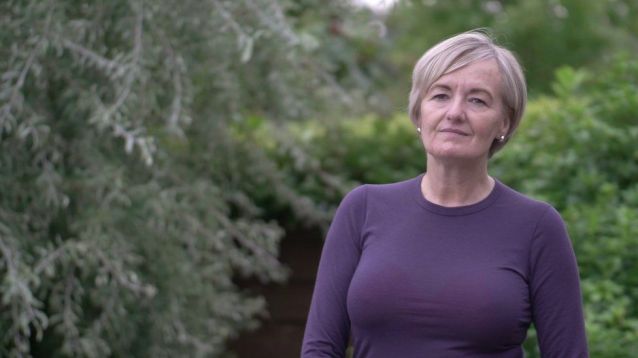
Alison McDermott; Pic credit BBC

In an earlier particularly harsh decision Judge Lancaster had decided that she wasn’t even a whistleblower, for producing, at Sellafield’s request, a damning report revealing serious issues in the HR function including allegations of bullying and harassment. Prior to this Alison had raised repeated concerns about racism, homophobic and foul language and a workforce too frightened to complain to senior management there.

Despite admitting that some of the concerns Alison raised were: ‘very offensive and concerning ” the judge ruled: “The Claimant has not, on the facts, established any alleged disclosure which is properly capable of amounting to a protected qualifying disclosure or the doing of a protected act, or that there is any causal link between what she actually said or wrote.”

It is worth providing a brief recap of what Sellafield and the NDA have done to Alison.  She spoke out repeatedly about serious abuses of employees, including abject failures within the HR department, when the HR Director, Heather Roberts dismissed her overnight, allegedly for financial reasons. But when Alison started litigation, Sellafield changed its tune and Ms Roberts said she had had concerns about her performance and had only mentioned financial reasons to be kind. 

Sellafield then dragged out litigation for three years before making a last-minute offer of £160,000. When they realised the carrot hadn’t worked, they decided to go on the attack and subjected her to a brutalising cross-examination in which her character and competence were repeatedly vilified until she finally broke down on the witness stand.   But even then, they weren’t finished with her.  As soon as Judge Lancaster ruled in their favour, they lost no time pursuing her for costs   And all of this will have a hugely chilling effect on their 11,000 nuclear workforce.  

Judge Lancaster claims he concentrates on anti-discrimination cases

Judge Lancaster, who says he specialises in anti-discrimination cases, went on to support Sellafield’s allegation of “underperformance” describing the report as ” questionable and insubstantial ” and without ” meaningful analysis”. Judge Lancaster completely ignored that management consultants PwC ruled that the HR function was not fit for purpose some three months later.

By then Heather Roberts, then the HR director at Sellafield, had already sacked her on the spot and immediately buried the damning report and admitted to lying about the reasons.  Despite knowing that Alison had become so ill and had no income, the judge made a costs order against her and allowed Sellafield and the NDA to put in a claim for £40,000 costs against her.

Now Judge Lancaster’s own judgement will be in the firing line in January when an appeal tribunal examines 13 arguable grounds of appeal. In a skeleton argument, citing a previous judgement, Andrew Allen, KC, finds a plethora of errors in law which led to Judge Lancaster’s bizarre judgement that she was not a whistleblower. One paragraph that encompasses this – citing no fewer that eight grounds that the case could be challenged gives a flavour of this.

“It is an error of law for a tribunal to fail to give adequate reasons for its decisions so as to enable the losing party to understand why she has lost. The EAT has already decided that it is arguable that this tribunal have erred in law: in applying s27 EqA – in failing to recognise protected acts; in applying s109(2) EqA in identifying the correct relationship in dealing with agency; in failing to engage with the Claimant’s submissions in particular on adverse inferences, protected acts and agency; in failing to take a step back and look at the totality of the evidence; in failing to be Meek compliant; in failing to ensure compliance with the overriding objective to ensure that the parties are on an equal footing; in failing to ensure that the hearing was heard in public in failing to recognise that the Claimant has advanced argument on the facts and the law in relation to the agency point; and in failing to comply with the overriding objective in dealing with the case fairly and justly.”
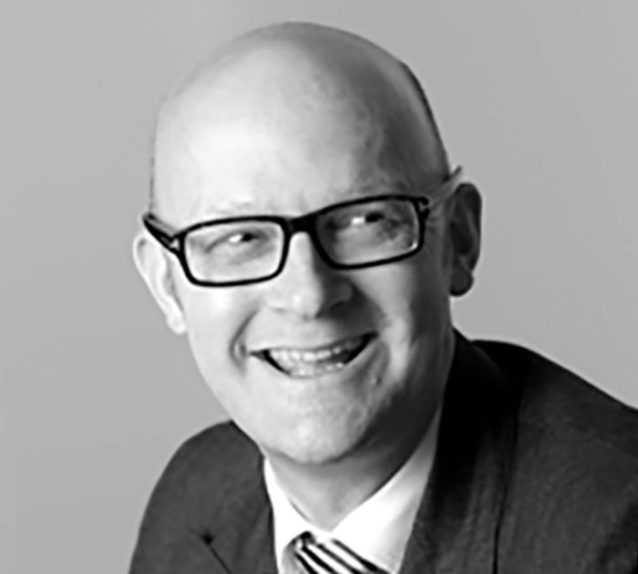
Andrew Allen KC

Andrew Allen, KC also argued that the tribunal had failed to follow the principles of the law in pursuing costs again Alison which says should only be made in exceptional circumstances especially in the case of whistleblowing cases.

This case and Sellafield’s response is attracting wider attention. It is not just the UK press. On Friday, representatives of a prominent Norwegian environmental campaign group, Neptune Networks flew in from Oslo to attend the hearing.  

Norwegian national press to follow the case

Neptune Networks has been raising serious concerns about Sellafield for the last two decades and confirmed that they will be attending the main hearing on 17 and 18 January 2020 and they will be accompanied by members of the national Norwegian press.

Finally a little note about Judge Lancaster. He is also the chair of directors of a Christian charity, Spacious Spaces, based in Leeds, which offers treatment programmes for alcoholics and drug takers. Here he is known simply as ” Phil”. This is the note about him on their site.

“Phil Lancaster practised as a barrister, specialising in criminal cases. He is now an Employment Judge dealing primarily with the anti-discrimination laws. He is a member of St George’s Church, where he has been a church warden and served on the parochial church council. He is married with fairly recently grown-up children and a large collection of Bob Dylan cds.”

I find it a little perplexing given his Christian background and commitment to treating drug addicts and alcoholics that he is not concerned about what Alison McDermott exposed about the pressures on staff inside Sellafield who are working in the most hazardous nuclear site in Europe.  I also find it deeply disturbing that he made snide and pejorative comments about Alison both during the ET hearing and in the merits and cost judgment. 

An example of this is the nasty insinuations he made about Alison when he accused her in the costs judgment of bringing a claim ‘to advance her career across the nuclear sector’ even though she had turned down a £160,000 to bring her claim to court.   He also seems oblivious of the huge strain and damage whistleblowers face to their careers when they blow the whistle.   If his judgement is found to be so badly wrong by the Employment Appeal Tribunal, there must be some serious questions about justice in the employment tribunal system.

Please donate to Westminster Confidential to allow me to continue my forensic reporting.

One-Time
Monthly
Yearly

Make a one-time donation

Make a monthly donation

Make a yearly donation

Choose an amount

£5.00
£10.00
£20.00
£3.00
£9.00
£60.00
£3.00
£9.00
£60.00

Or enter a custom amount

£

Your contribution is appreciated.

Your contribution is appreciated.

Your contribution is appreciated.

DonateDonate monthlyDonate yearly

Please donate to Westminster Confidential

£10.00
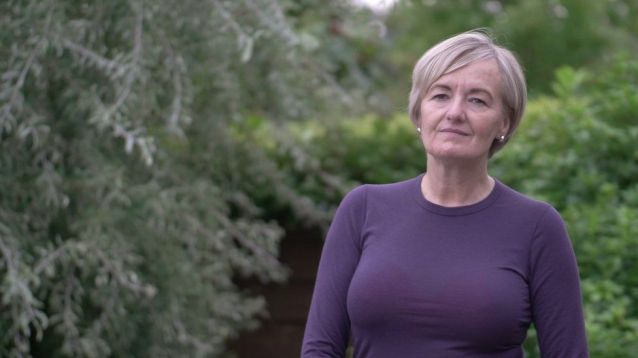
How Sellafield and the Nuclear Decommissioning Authority misuse taxpayer’s money to hound a whistleblower

Alison Mc Dermott, whistleblower

One of the biggest tactics to frighten whistleblowers by big companies and health trusts is to threaten whistleblowers exposing malpractice, corruption and discrimination and say they have to pay hundreds of thousands of pounds in costs unless they settle or drop their claims for detriment at employment tribunals.

The tactic regularly used by firms and health trusts in employment tribunal cases is based on a lie. The maximum an employment tribunal can order costs is £20,000 per respondent. Only if it goes to the High Court can a firm or health trust demand such eye-watering sums.

However Sellafield, the NDA and the Business, Energy and Industrial Strategy ministry have decided that it is worth pursuing whistleblower Alison McDermott, a consultant formerly employed by Sellafield for the maximum £40,000 shared between the NDA and Sellafield. They know she has no income and they have even tried to close down her crowdfunding site to raise money to defend herself against their costs claim.

Her whistleblower site is here and you can donate to bring the sum up to £10,000 within the next 14 days otherwise she loses the lot.

Damning report revealed relentless bullying at Sellafield

Alison was called in by Sellafield’s human resources department to investigate their working practices and produced a damning report revealing employees were subjected to appalling racist, sexist and homophobic abuse and relentless bullying. Only 11 per cent felt they could raise issues with the company without reprisals and four percent thought they got honest answers. Faced with such a damning account Sellafield sacked her rather than change its ways.

This led to an employment tribunal case which not only found in favour of Sellafield and the NDA but saw her publicly denigrated by Sellafield’s barrister, Deshpal Panesar KC, who accused her of ‘acting out of revenge’  of being ‘intent on ruining careers’ of being ‘self-absorbed’ and ‘a woman clearly in pursuit of a windfall.’ 

The NDA tried to buy her off with a £160,000 pay out in return for her silence on what she had found at Sellafield. She refused to accept – arguing among other points that such a culture permeating a nuclear facility was dangerous given serious issues of health and safety. She tried to raise this with BEIS but they refused to meet with her having signed off the £160,000 settlement.

Now a judge has ruled that she is entitled to appeal on six different grounds – and she has secured Andrew Allen, KC, a lawyer who represented Dr Chris Day, in his recent whistleblowing tribunal case against Lewisham and Greenwich NHS Trust, to represent her.

But she has also to face a costs hearing. So how is this being pursued by the NDA and Sellafield.

Sellafield

I put in two freedom of information requests to Sellafield and the NDA on how much they had spent and the revelations were very interesting. Sellafield has already spent £5640.16 on external advice plus using its own staff to pursue Alison. The NDA spent £7524.58 on external legal advice and an unknown sum on staff time to pursue her. So before we even get to court over £13,000 has been spent using taxpayers money. Furthermore the NDA according to an internal memo spent money on lawyers trying to close down her whistleblowing appeal with no success. The total cost spent by both organisations fighting Alison has exceeded £500,000 of taxpayers money.

The replies also revealed that the boards of both organisations including the Chief executive officer of the NDA , David Peattie ,were ” apprised” of the decision meaning that it reached board level. BEIS was also informed and approved the costs case but declined to comment about it because of current legal proceedings. What on earth are the boards of these organisations spending their time on this when they have much serious work to do on issues like nuclear safety and disposing of old nuclear power stations.

Now when this gets to a tribunal there will be a two day hearing and according to internal NDA documents it was paying over £5500 a day for top notch barristers. It is reasonable to assume so was Sellafield. This means the hearing will cost another £22,000 as they will be represented separately.

So altogether we are taking about £35,000 as a minimum ( excluding staff time) to recover a maximum of £40,000. That is – if they win. And even if they win most judges rarely award the full sum if it is a litigant in person. It is more likely to be £5000. If they lose this is taxpayers’ money being thrown down the drain.

If this was a commercial company I very much doubt it would past muster as a ” business case”. It is only because the boards of these organisations have unlimited access to taxpayers money that they can pursue this.

And to my mind this is only being pursued to hound a whistleblower who has produced some very damning information about life in Sellafield. This has called Sellafield’s reputation into question and they don’t like it, hence this vindictive approach.

Please donate to Westminster Confidential to allow me to continue my investigations

One-Time
Monthly
Yearly

Make a one-time donation

Make a monthly donation

Make a yearly donation

Choose an amount

£3,500.00
£10.00
£20.00
£3.00
£9.00
£60.00
£3.00
£9.00
£60.00

Or enter a custom amount

£

Your contribution is appreciated.

Your contribution is appreciated.

Your contribution is appreciated.

DonateDonate monthlyDonate yearly

please donate to westminster Confidential

£10.00

Will the final report from the Child Sex Abuse Inquiry be a real game changer for children or just gather dust?

Alexis Jay, chair of the inquiry

It was unfortunate that the long awaited final report from the Independent Inquiry into Child Sexual Abuse coincided with the resignation of Liz Truss, the shortest serving PM in British history. The Westminster psychodrama has drained political discussion of any policy initiatives from the government while the main protagonists in the Tory Party fight each other to the death for the top job.

If Theresa May , who commissioned the inquiry, was still PM I suspect that action would have been taken promptly. As it is there will be no response from the government for six months and I doubt whether we will see any new laws for years. Particularly if Boris Johnson becomes PM again as he made it vividly clear that investigating child sex abuse was a waste of money. You only have to look at how long it is taking to reform the antiquated Mental Health Act to see a parallel.

Having reported on it and even helped to initiate the inquiry as a journalist, I have followed it with a lot of interest , both when I was on Exaro News and on this blog. I have mixed feelings about the £186m inquiry .

On the plus side the scale of the inquiry – some 15 investigations in every institutional area of the UK from the Roman Catholic Church and Church of England to local authority care and the reach of the global internet – should put to bed any misconceptions that child sex abuse is not a major epidemic in this country. And it proves that in many instances that those in charge of those institutions are more than willing to turn a blind eye and pretend it doesn’t exist either for reputational reasons or because they actively connived in the sexual exploitation of children.

Also it did provide a much needed voice for thousands of survivors who might never get real justice but at least now felt people had listened to their appalling life changing experiences.

Carl Beech, a false flag victim of child sexual abuse, who made up allegations damaged real survivirs

On the other hand I felt -because it was closely tied to the legal profession- they felt they had to be ultra cautious and only take on proven cases by perpetrators – whether Bishop Ball or dead people like Sir Cyril Smith – because the fury from families of the living, I am thinking of Greville Janner, wanted no discussion of anything to suggest that he might have been involved.

The inquiry also took place during the conviction of paedophile Carl Beech whose detailed revelations turned out to be made up and the Metropolitan Police spent millions investigating them. I suspect that made them more cautious and the media ultra cautious in reporting fresh allegations.

The downside of this is that has protected more paedophiles from media scrutiny and made authorities less likely to believe victims. One only has to see the total silence in the media of the allegations revealed in Simon Danczuk and Dan Smith’s book, Scandal at Dolphin Square, of a well researched story of David Ingle, a victim of abuse by a Lincolnshire farmer there.

Now the proof will be in the legacy of this inquiry. It has proposed the mandatory reporting of sexual abuse – making it a criminal offence not to do so. But there is an argument whether this goes far enough.

Richard Scorer, the head of abuse law at Slater and Gordon, which represented more than 120 victims at the inquiry, said there should also be a criminal penalty for failure to report abuse that is reasonably suspected, otherwise organisations will continue to turn a blind eye.

He is reported in a good analysis by Rajeev Syal in the Guardian as saying:” Children rarely disclose abuse, perpetrators almost never do,” he said. “Mandatory reporting can only work if the requirement to report suspicions has consequences, such as a criminal sanction. The inquiry’s proposal falls short of what survivors seek.”

More must be done to support whistleblowers of sexual abuse

More can also be done to support whistleblowers in this situation.

Jayne Senior, Director of Safeguarding at WhistleblowersUK, said;
“After a week of political turmoil, it would be easy to overlook the damning reports exposing the failure by every possible authority to protect Children and the most vulnerable in our society and the Whistleblowers who have selflessly spoken up only to become targets and subsequently victims themselves.”

The report also proposes a national compensation scheme for survivors of sexual abuse and “the creation of a Child Protection Authority (CPA) in England and in Wales. The CPAs will have powers to inspect any institution associated with children. They will not replace current inspectorates in relation to the statutory authorities, but may require inspection of those authorities by existing inspectorates. The CPAs over time will become centres of expertise, and may extend their child protection functions to other forms of harm experienced by children.”

There are also 17 other recommendations. They vary from tougher controls of the internet to extending the debarring and disclosure scheme for staff to those working overseas with children to the end of pain compliance techniques for children held in custody.

The problem is that again unfortunately these measures come at a new time of austerity and fresh spending cuts so I can’t see a government committed to lifting the burdens of regulations wanting to implement them soon.

The problem is immense and the report estimates that child sexual abuse costs the country £10 billion and of the 13 million children in the UK “Babies, toddlers and children are potentially at risk, with current
estimates indicating that 1 in 6 girls and 1 in 20 boys experience child sexual abuse before the age of 16.”

But it is going to take a lot of action and public pressure to make the government act and also create a gamechanger situation for the millions of children suffering sexual abuse which is a global problem.

Please donate to Westminster Confidential to allow me to continue my investigative reporting.

One-Time
Monthly
Yearly

Make a one-time donation

Make a monthly donation

Make a yearly donation

Choose an amount

£5.00
£10.00
£20.00
£3.00
£9.00
£60.00
£3.00
£9.00
£60.00

Or enter a custom amount

£

Your contribution is appreciated.

Your contribution is appreciated.

Your contribution is appreciated.

DonateDonate monthlyDonate yearly

please donate to Westminster Confidential

£10.00

Whistleblower doctors fury over Roddis Associates suitability to run medical ethics courses for the Medical Defence Union

Doctors involved in high profile whistleblower cases have put in complaints to the Medical Defence Union over a day long virtual course in medical ethics run by a clinical management company that makes tens of thousands of pounds from NHS trusts challenging doctors who raise patient safety issues.

Tomorrow the MDU host a course run by Dr Mike Roddis of MJ Roddis Associates and Claire McLaughlan, who is also occasionally employed by M J Roddis, on medical ethics. I have already published a profile of Claire McLaughlan here.

Details of the course are here and the MDU is charging £249 a head (£149 for members) and it is already sold out.

The dispute over both Dr Mike Roddis and Claire McLaughlan involvement in the medical ethics issue comes from doctors who have been at the receiving end of reports written by both of them which are used by NHS health trusts to discredit whistleblowers at employment tribunal hearings. The work they do for trusts – in two recent cases – involve helping the trust to either downplay or dismiss the deaths of people in NHS hospitals.

This has led to highly critical letters going into the MDU from junior doctors and consultants including the Justice for Doctors organisation.

Dr Chris Day

One of the complainants is Dr Chris Day – currently awaiting the result of a tribunal covered by this blog into patient safety concerns at Woolwich Hospital, where two patients died in its intensive care unit because the Lewisham and Greenwich NHS Trust ignored national staffing guidelines for intensive care units.

Dr Mike Roddis and Claire McLaughlan produced a report for the trust entirely ignoring this.

Dr Day says that he is shocked that the MDU is employing two investigators implicated in the cover up of his whistleblowing complaint to lecture on medical ethics. Their report was heavily criticised by Dr Megan Smith, a consultant anaesthetist and witness at Dr Day’s employment tribunal hearing in June.

Her statement is here and there is a report on my blog here. She told the tribunal:

“You would not find an anaesthetist or ICU doctor in the country who would accept those ratios. There was a clear and present danger to patient safety – no question about that.”

Dr Usha Prasad

Dr Usha Prasad, a former consultant cardiologist at Epsom and St Helier University NHS Trust, has written in similar terms to the MDU.

She wrote; “Claire Mclaughlan was the Chair of the internal appeal panel, hired by Epsom & St Helier Hosptial and her involvement including one sided conclusion was greatly damaging to my career…

“I am shocked to find that the MDU are using the very same investigator implicated in the cover up of whistleblowing cases. The MDU is using them to present a seminar on medical ethics of all topics which is very worrying. “

Her case, among other matters, involved the ” avoidable death” “of a cardiology patient at the hospital which was not reported to the coroner.

David Ward and Jane Somerville, two distinguished retired consultants have written to the MDU about both cases.

“We are retired physicians supporting NHS whistleblowers. We are aware of the MDU’s invitation to Roddis Associates and Claire McLaughlan to participate in a meeting on the subject of Medical Ethics. We are alarmed and dismayed to say the least.”

” Ms Claire McLaughlan was hired by St Helier Hospital Trust to undertake investigations and chair a Maintaining High Professional Standards (MHPS) hearing for Dr Usha Prasad. The outcome, published in June 2020, recommended her dismissal from the NHS Hospital where she had been working as a consultant cardiologist for over a decade (and with numerous plaudits from patients and administrators). 

“Some spurious and non-legal reasons were included in Ms McLaughlan’s written judgement recommending dismissal (these are the subject of an 3 inquiries which we have referred to the to the Ministry of Justice, the Tribunals President Barry Clarke and to the National Medical Director, Sir Stephen Powis). Given what we know about the conduct of these companies who claim to “help” doctors, we are extremely concerned about their ability to present meaningful, honest and understandable concepts in Medical Ethics.”

Justice for Doctors complains to MDU

The organisation Justice for Doctors has also complained to the MDU. A letter from doctors Salam-al- Sam and Azhar Ansari said:

“We learned to our disbelief that the MDU has invited Claire McLaughlan to talk about the subject of medical ethics at a shortly coming meeting.

“We write to express our serious concerns supported by more than 100 members of a group of doctors and other professionals known as Justice for Doctors. Many members were victims of those who made a fortune from NHS money by destroying the livelihood and reputation of intelligent, hardworking, and committed doctors simply because they did not remain silent when witnessing bad practices, bullying, fraud, and similar despicable acts on the NHS premises. Roddis Associates and Claire McLaughlan were hired for a fee originating from taxpayers which is supposed to be used for patient care to complete the acts of abusers of power in our NHS.  We and members of Justice for Doctors urge you to reconsider your plan and ask you not to encourage such individuals to spoil the reputation of your good offices.”

The MDU did not wish to comment on the letters.

Please donate to Westminster Confidential to allow me to continue my forensic reporting.

One-Time
Monthly
Yearly

Make a one-time donation

Make a monthly donation

Make a yearly donation

Choose an amount

£5.00
£10.00
£20.00
£3.00
£9.00
£60.00
£3.00
£9.00
£60.00

Or enter a custom amount

£

Your contribution is appreciated.

Your contribution is appreciated.

Your contribution is appreciated.

DonateDonate monthlyDonate yearly

Please donate to Westminster Confidential

£10.00

A whistleblower consultant’s victory that exposes scandals at the Care Quality Commission and a hospital trust

Whistleblower Dr Shyam Kumar; Pic Credit: BBC

The victory by whistleblower Dr Shyam Kumar, an orthopaedic surgeon, against his unfair dismissal as an part time inspector for the Care Quality Commission is just the tip of an iceberg scandal at both the CQC and the University Hospitals of Morecambe Bay NHS Foundation Trust.

His victory – I am glad to say reported by the BBC, the Guardian and the medical press- was only possible by his persistence in the face of obstruction by the body that is supposed to hold up standards of medical care to protect patients and the collusion of a trust to protect its own reputation.

He told the BBC: “”The whole energy of a few individuals in the CQC was spent on gunning me down, rather than focusing on improvement to patient safety and exerting the regulatory duties,”

“I was perceived as a troublemaker within the CQC, or as a thorn in their side. That’s what I believe. And they just ignored it. And finally, people got involved.” 

The ruling at Manchester Employment Tribunal by Employment judge Mark Butler said he had received detriment for speaking out and awarded him £23,000 for injury to this feelings. Dr Kumar had not sought any other compensation.

The judge said:” There is evidence throughout this case….that the decision to disengage the claimant in this case (and the placing him on hold) has had a serious impact on the claimant’s reputation causing him injury to feelings. There were suggestions of misconduct by the claimant … where no evidence of this existed, and vague assertions of a breach of undefined values of the respondent … used in an attempt to justify the decisions made in this case, after the event” Instead the judge described Mr Kumar as a man with an untarnished reputation and expertise.

Dr X left a hip replacement patient never able to use her limbs

The detail of the concerns Dr Kumar found are deeply disturbing for patients. One involved Dr X whose two hip replacements on an elderly lady which overlooked the dislocation of her pelvis and she had to come back to accident and emergency unable to walk and his colleagues thought she would never be able to use her limbs again. When he raised this with the CQC and said a back review of Dr X’s cases should take place he was told the trust did not want to do this for reputational reasons.

When the Royal College of Surgeons did their own review much later into Dr X they found 26 out of 46 operations were matters of concern.

The judgement said:

a. some surgeries undertaken by Dr X were not completed to an acceptable
standard
b. some of the surgery and quality of care provided by Dr X was unacceptable.
c. some clinical decision making to undertake surgery by Dr X was
inappropriate.
d. in some cases there was either no or a lack of evidence of a “Duty of
Candour”

Dr Kumar was thanked by the associate medical director of the trust , Mr Damian Riley in 2021 for his work.

But at the time of the CQC inspection Dr Kumar faced a barrage of criticism from CQC officials, was effectively suspended from his job, and subject to racist attacks including being accused of being ” a traitor to his community ” for raising issues about Dr X’s competence by another trust doctor, Dr Sinha.

At a CQC focus meeting Dr Kumar was even falsely accused of deliberately creating NHS waiting lists so people would have to go privately – making extra money for doctors.

The CQC’s response was to side more with the trust than the whistleblower. This led Dr Kumar to write to the Chief Inspector of Hospitals, Professor Sir Mike Richards. complaining that “patient safety is being
significantly compromised by the behaviour of some CQC staff.” He also complained he had been bullied and obstructed by CQC officials, his professional independence had been undermined and his whistleblowing concerns ignored.

The court upheld his protective disclosures. The judge also took a strong line in allowing the press access to all the documents in the case and also restricted an attempt by the CQC lawyers to restrict reporting of the Royal College of Surgeons report on the grounds that families had to be told first. The judge granted a very short restricted reporting period and was never challenged again.

The CQC in a statement said: “We accept the tribunal findings and have learnt from this case. We have already improved many of our processes and will continue to review these based on the findings to ensure we make any further necessary changes.”

Much wider issues than just this case

But there seems to me a much wider issue here about the behaviour of this particular trust and the role of regulation. This is not the first time this trust has been found wanting. There is the case of Peter Duffy, a consultant surgeon, working for the Morecambe Bay Foundation Trust. Faced with failures at the trust in the emergencies department he expressed concern for two patients who subsequently died from kidney sepsis.

One would have expected the Trust to have remedied the situation. Instead they turned on him rather than admit any failings. As he told Matthew Syed on Dispatches: ” I was on the receiving end of allegations of bullying, abuse and racism. And so what I hoped would be an attempt to raise standards became an investigation of myself”.

He was eventually proved right after an investigation disclosed multiple problems but not until after a five year toxic battle and now practices in the Isle of Man.

Inquiry chair Dr Bill Kirkup Pic credit: gov.uk

There is also the 2015 inquiry report by Dr Bill Kirkup into Furness Hospital, run by the trust over the deaths of babies and appalling maternity care.

As he says in his introduction: “The result was avoidable harm to mothers and babies, including tragic and unnecessary deaths. What followed was a pattern of failure to recognise the nature and severity of the problem, with, in some cases, denial that any problem existed, and a series of missed opportunities to intervene that involved almost every level of the NHS.”

There is a disturbing pattern that repeats itself. Whistleblowers, whether doctors or families, raise serious life and death issues, are ignored, denied justice, bullied and attacked, using the power of the state to buy expensive lawyers to try and crush them -only for them to be proved right in the end. With the Dr Chris Day case due to report this month following an extraordinary employment tribunal hearing where evidence was destroyed, it remains to see whether this pattern can start to be broken .

Please donate to Westminster Confidential to allow me to continue my forensic reporting.

One-Time
Monthly
Yearly

Make a one-time donation

Make a monthly donation

Make a yearly donation

Choose an amount

£5.00
£10.00
£20.00
£3.00
£9.00
£60.00
£3.00
£9.00
£60.00

Or enter a custom amount

£

Your contribution is appreciated.

Your contribution is appreciated.

Your contribution is appreciated.

DonateDonate monthlyDonate yearly

Please donate to Westminster Confidential

£10.00

Lewisham and Greenwich NHS Trust chair leaves: Her successor calls for a review of the handling of the Chris Day case

Val Davison, former chair of the Lewisham and Greenwich NHS Trust

The twists and turns in the Dr Chris Day patient safety whistleblowing case against Lewisham and Greenwich NHS Trust are continuing even before the judge Anne Martin delivers her verdict later this year.

At a public trust board meeting yesterday local campaigners led by a local GP turned up to protest and demand action about the revelations revealed at the 16 day tribunal which included the destruction of 90,000 emails at the trust affecting his case and the revelation that the trust had lied to a judge about the record of notes of a Sunday telephone board meeting four years ago which approved the controversial settlement of Dr Day’s whistleblowing case.

Dr Day has had an eight years battle with the trust after he made protected disclosures on patient safety and inadequate staffing at the intensive care unit at Queen Elizabeth Hospital in Woolwich which is run by the trust.

And even now new documents are coming to light as a result of the hearing showing the secret support given to Lewisham and Greenwich NHS Trust by senior officials at NHS England.

The public board meeting was chaired by Mike Bell, who is also chair of the Croydon NHS Trust, who evidently had been appointed on July 6 – midway through the Chris Day tribunal hearing – according to a press release from Croydon NHS Trust which disclosed he had taken over on July 25 – the day before the board met. He is remaining the chair of Croydon NHS Trust for the moment.

Mike Bell, new chair of Lewisham and Greenwich NHS Trust while remaining chair of Croydon NHS Trust Pic credit: Business in the Community

Dr Bob Gill, a local GP, addressed the board, seeking an explanation of all the revelations that had come out at the tribunal hearing. Members of the board did not react to the catalogue of failures to provide information to the tribunal or the mass destruction of emails by David Cocke, the communications director, who failed to give evidence at the hearing.

Here is Dr Bob Gill at the Lewisham and Greenwich NHS Trust putting the case for action following the scandalous disclosures at the Dr Chris Day tribunal hearing

Mr Bell said he had written to NHS England requesting a review of the Dr Chris Day case which he promised would be published. This could be embarrassing for NHS England – since Claire McLaughlan who conducted the review into Dr Day’s protected disclosures and covered up the patient safety issue that led to two deaths at the hospital – is Chair for NHS England’s Performers List Decision making panels( they decide the internal inquiries for trusts.

See my profile of her here

The GP had the backing of local groups, Reclaim the NHS (Previously Keep Our NHS Public – Greenwich)
Queen Elizabeth Hospital Patient Forum, and Your NHS Needs You.

In a letter to the trust which quotes extensively from blogs on this site and from an article in Computer Weekly by journalist Tommy Greene the groups ask the following questions of the board:

  1. What steps will LGT take to investigate the serious issues outlined above [ which came out during the hearings]?
  2. Have either Ben Travis[ the chief executive] or David Cocke been suspended pending a full investigation into their actions in relation to the Day case?
  3. As requested by Sir Norman Lamb, will LGT[the trust]now undertake an independent public
    inquiry into its conduct of this case and the dangerous conditions – including avoidable deaths – in its ICU department during the period when Dr Day raised patient safety concerns?
  4. Has LGT informed the police about the potential criminal action taken by Mr Cocke?
  5. Has LGT informed the Information Commissioner’s Office about the destruction of Janet Lynch’s [former workforce and education director who was the lead figure in pursuing Dr day’s case] email account and the actions taken by Mr Cocke?
  6. What steps will LGT take to recover the evidence that has been destroyed? Any efforts must have public confidence and be independent.
  7. How can LGT rebuild public trust that it will not be party to such serious misconduct in the future?
  8. How will LGT avoid further expensive and destructive litigation against whistleblowers who raise serious patient safety concerns, and rebuild trust of medical staff silenced by the actions taken against Dr Day?

I put some questions to the trust along similar lines and asked for an explanation of the changeover of the chair.

A spokesperson for the Trust said: “As legal proceedings are still ongoing, we are unable to provide a comment at this time.”

Steve Reed, former Executive Regional Managing Director (London) NHS England, recently in charge of the Covid and Flu vaccination programme

Meanwhile the latest tranche of documents have shown that another senior official – at NHS England, Steve Russell, then Executive Regional Managing Director (London), was directly involved in backing the trust to put a press statement on Dr Day in 2018 which former health minister Sir Norman Lamb described to the tribunal as ” inaccurate, damaging and defamatory” .

In one email he said he was ” happy to support you on this” adding “If you can give us an hour or two to socialise nationally that will be very helpful.”

Steve Russell went on to become chief executive of Harrogate Hospital Foundation Trust and then was seconded to NHS England to run the Covid and flu vaccine programme.

Please donate to Westminster Confidential to allow me to continue my forensic reporting.

One-Time
Monthly
Yearly

Make a one-time donation

Make a monthly donation

Make a yearly donation

Choose an amount

£5.00
£10.00
£20.00
£3.00
£9.00
£60.00
£3.00
£9.00
£60.00

Or enter a custom amount

£

Your contribution is appreciated.

Your contribution is appreciated.

Your contribution is appreciated.

DonateDonate monthlyDonate yearly

Please donate to Westminster Confidential

£10.00
Revealed: Trust sent secret “partisan” briefings on Dr Day’s whistleblower case to NHS top brass and four trusts -including to Dr Amanda Pritchard, now head of NHS England

Amanda Pritchard: then CEO of Guys and St Thomas’s Trust now chief executive of NHS England

Andrew Allen QC attacks the trust for its unprecedented ” brazen attitude” throughout the hearing

New hitherto undisclosed documents by Lewisham and Greenwich NHS Trust in the Dr Day employment tribunal, sent the night before it was hearing closing submissions from lawyers, reveal the trust secretly briefed the chief executives of NHS national bodies and four trusts on an inaccurate view of Dr Chris Day’s whistleblowing case.

The so called “briefings” were the same as a press release written by David Cocke, the trust’s communications director who has destroyed a large number of “potentially relevant” emails held by the trust and declined to give evidence.

The documents disclosed by the Trust on Thursday night revealed these “so called briefings” had been sent to the heads of NHS England and NHS Improvement.

Ben Travis, the chief executive of Lewisham and Greenwich NHS Trust also wrote in a memo that he was talking to Chris Hopson, then chief executive of NHS Providers, to brief him about Dr Chris Day’s case..

Chris Hopson, then chief executive of NHS providers now Chief Strategy Officer, NHS England. He was a key figure on our TV screens handling the pandemic.

The trust had already failed to disclose (and was criticised in 2021 by an employment judge) that it sent them to 18 other stakeholders, including MPs and council leaders, which is at the centre of the dispute between Dr Day and the trust.

They are a key part of his claim that he suffered detriment for his protected disclosures nine years ago on patient safety and inadequate staffing at Queen Elizabeth Hospital, Woolwich’s intensive care unit.

Sir Norman Lamb, the former Liberal Democrat health minister, described the content of these documents released in 2018 as ” inaccurate, damaging and defamatory” .

Dan Tatton Brown QC, said, in his summing up for the trust, described them as ” partisan” needed by the trust to counter what he called a misleading press article in the Sunday Telegraph about the case at the time. He also said part of the release praised Dr Day for his whistleblowing, although Andrew Allen, QC, pointed out that the entire document does not have to be critical of Dr Day for a detriment to succeed.

Mr Allen told the tribunal that the letters had gone in 2018 to 4 CEOs of neighbouring Trusts: Amanda Pritchard, CEO, Guy’s and St Thomas’, Peter Herring, Interim CEO, Kings, Matthew Trainer, CEO, Oxleas, Dr Matthew Patrick, CEO, South London and Maudsley ; and to Steve Russell at NHS Improvement and Jane Cummings at NHS England.

The latest disclosure contradicts evidence given to the tribunal by Ben Travis last week, who said nobody else had received any statements.

Andrew Allen QC

Mr Allen’s submission said: “C [Dr Day] believes that R’s[the trust’s] conduct of this litigation – in particular the failure to preserve evidence; the inadequacy of the initial discovery exercise; the destruction of Janet Lynch’s[ former director of workplace and education] emails; the destruction of emails by David Cocke ; and the other various ways in which evidence has been placed beyond reach a has placed the fairness of the hearing in jeopardy. C believes that R’s response should have been struck out. R’s behaviour since the outset of this litigation, as highlighted through the revelations during this hearing has been contemptuous towards C and towards the tribunal. R’s attitude towards tribunal rules and tribunal orders appears to have been to use them to seek advantage.

Mr Allen tore into the trust for the derogatory way it treated Dr Day. He said it had repeated accused him of lack of integrity. claimed he wanted to become a millionaire through his patient safety disclosures, described him of having unreasonable beliefs including conspiracy theories and being of a ” suspicious disposition”.

Mr Allen reminded the Tribunal of Dr Smith’s evidence on Dr Day’s protected disclosure, quoting Dr Smith (the Consultant anaesthetist the Trust tried to exclude from the Tribunal)  who stated,” For the avoidance of doubt, in my view, based on my own practical experience, the ratio of 1:18 in the Respondent’s ICU was, prima facie, unsafe and (if more than a one-off incident) was something that was required to be rectified.”

With the addition of the transcript that has been running throughout hearing, Dr Smith’s verbal warning to the Tribunal on Dr Day’s warning about patient safety in 2013 which Dr Smith clearly endorsed with the words, “There was a clear and present danger to patient safety: absolutely no question about that.”

Instead Mr Allen said the trust had failed by not doing a proper search of documents or even the right people’s documents, not disclosing relevant documents and deleting documents involving key people.

As a result people gave untrue statements to the tribunal.

Mr Allen told the tribunal that trust had “presented two institutional witnesses (Ben Travis and David Cocke ) whose witness statement evidence is so undermined by the fact of and the content of R’s late disclosure (not to mention Ben Travis’s own oral evidence) that they can no longer be regarded as reliable witnesses of truth. These witnesses were the people in charge of carrying out a discovery exercise involving searching their own in boxes for relevant material – which they clearly failed to do adequately given that plainly relevant material had been squeezed out of R over last two weeks – produced in a piecemeal fashion only because of questions upon questions from C pointing out the inadequacy of the exercise being conducted.”

Mr Cocke could have destroyed 90,000 emails

He then gave a run down of a coruscating cross examination he would have given David Cocke if he had turned up – pointing out Cocke in his second witness statement destroyed 90.000 emails altogether, questioning in detail that statement he had sent out to the stakeholders and challenging him that he had made misleading statements to the press by downplaying Dr Day’s patient safety disclosures  and misrepresenting investigation findings..

He then went on to the witnesses who were never called by the trust including the four doctors who handled Dr Day’s protected disclosures and the two directors that were the current and former legal client in the Trust that instructed the lawyers in the case. These individuals were present in the public gallery

Janet Lynch- entirte archive of her emails destroyed by Mr Cocke

“As well as Drs Harding, Brooke, Patel and Luce, the other ghosts at the banquet are Janet Lynch and Kate Anderson. Ms Lynch is happily alive and well and working as Interim Director of People and Organisational Development at Hertfordshire Partnership University NHS Foundation Trust.

Kate Anderson -watched the tribunal but was never called to give evidence

Ms Anderson (a key witness in relation to detriment 4.2 concerning the lack of adequate response) is not only happily alive and well and working at R, but she watched some of the hearing. No reason has been offered by R for failing to call these people as witnesses.

“The tribunal is asked to infer that this is because presenting people to give evidence whose knowledge of the issues could not be disputed would have detracted from R’s aim which was to present DC and BT as the innocent people responsible for the public statements made by R and who were largely ignorant of any inadequacies in the content.
“That strategy has imploded under the weight of the content of the late disclosure that we have seen and the revelations about the inadequacy of the disclosure exercise that we have begun to learn about.”

Mr Allen asked the tribunal to discount David Cocke’s evidence entirely. because of his non appearance and his action in destroying documents. Mr Tatton Brown maintained earlier he had done the latter in a panic and because he thought he had failed his colleagues.

Dan Tatton Brown QC

Mr Tatton Brown earlier told the tribunal that ” the trust has not instructed me to put the boot into Dr Day” but went on to accuse him of being a difficult witness who didn’t answer questions, having conspiracy theories criticising distinguished judges and the medical establishment and accused him of using his crowdfunding money to go on a holiday. All these allegations were refuted by Mr Allen.

Mr Allen exposed the smear about the holiday with the fact that the Doctors Association had presented Dr Day and his wife with a surprise gift of funding for a holiday and that as a surprise gift it clearly had nothing to do with Dr Day’s Crowdjustice campaign that has been used only on legal fees.

Mr Allen defended Dr Day’s criticism of numerous appeal judges that had engaged in fact finding. Mr Allen also described that Simler LJ had granted him leave to appeal on all three grounds to challenge the controversial settlement in the case and then rescinded the permission on the basis that it had been a clerical error, a frankly bizarre set of circumstances even for a lawyer, it was this context that Dr Day  was asked: “Is this part of the great medical legal coverup that you believe in?”. Dr Day maintained it was more than a clerical error and at the very least was a professional mistake.

The tribunal reserved judgement and will announce its decision later.

Please donate to Westminster Confidential to allow me to continue my forensic reporting

One-Time
Monthly
Yearly

Make a one-time donation

Make a monthly donation

Make a yearly donation

Choose an amount

£5.00
£10.00
£20.00
£3.00
£9.00
£60.00
£3.00
£9.00
£60.00

Or enter a custom amount

£

Your contribution is appreciated.

Your contribution is appreciated.

Your contribution is appreciated.

DonateDonate monthlyDonate yearly

please donate to Westminster Confidential

£10.00
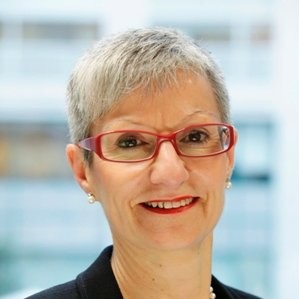
David Cocke – the trust official who destroyed ” potentially relevant” emails – instructs top lawyer and pulls out of cross examination in Chris Day tribunal

Dr Chris Day

Judge Anne Martin says she doesn’t accept Communications Director quit tribunal hearing for medical reasons as the trust provided no medical evidence

Revealed: note of the Board Meeting that approved settlement of Dr Day’s case hidden for 4 years and its existence denied to a judge

The Chris Day tribunal took yet another unexpected dramatic turn today when David Cocke, the director of communications, for the Lewisham and Greenwich NHS Trust pulled out of today’s hearing – he was due to be cross examined this morning.

Instead of defending his two witness statements in support of the Trust, Mr Cocke has instructed Kingsley Napley, ” well-established as one of the world’s leading criminal law firms, largely because of its role in several high-profile cases”.

The implication is that he intends to defend himself from allegations that he deliberately destroyed evidence that were placed in an unsigned statement on his behalf and relied on by the NHS and its law firm Capsticks – maybe Mr Cocke will now be taking on his employer, the Lewisham and Greenwich NHS Trust.

IMr Cocke was due to be cross examined by Andrew Allen, QC for three hours over the preparation of what another witness Sir Norman Lamb, the former health minister described as ” inaccurate, damaging and defamatory” public statements to the press, MPs and other stakeholders attacking Dr Chris Day in 2018. The former minister said the trust owed Dr Day an apology for what they had done.

Dr Day has been fighting the trust for nearly nine years after he made protected disclosures about patient safety and inadequate staffing at the intensive care unit at Queen Elizabeth Hospital in Woolwich. Two people died there including one who had a chest drain inserted by mistake into his liver.

Events at the hearing already took a dramatic turn earlier this week when Mr Cocke volunteered a cache of emails that should have been disclosed to Dr Day four years ago. This was followed by the disclosure of a 2018 board report which discussed how to handle Dr Day’s case among emails held by Ben Travis, the trust’s chief executive, which the trust denied to a judge had ever existed in 2018.

David Cocke then went into the trust’s headquarters at 5.30 am and destroyed 100 emails and an archive which contained ” potentially relevant ” information which should have been disclosed to the tribunal. He claimed the emails had been permanently destroyed.

Last week he cancelled his planned appearance before the tribunal claiming, without providing a medical certificate, that he was ill.

He then abruptly reversed his decision and informed the court at the time the tribunal were deliberating on whether to strike out the trust’s entire response because of Cocke’s ” egregious behaviour ” which could amount to perverting the course of justice.

The tribunal decided to continue and Mr Cocke said he would appear today.

Then last night the tribunal was told he was going to pull out for the second time having instructed Kingsley Napley to fight his corner.

Before that he sent a doctor’s note saying though he was unfit to go to work he was fit enough to be cross examined at the tribunal.

The tribunal was presented with a confusing picture about his health and mental state. Originally the trust had said on July 5 he could stay off work for two weeks because he was ill but he appears to have kept changing his mind about appearing before the tribunal.

Andrew Allen QC

Mr Allen alluded that he was seeking further medical help and may have an appointment with a psychiatrist.

Judge Anne Martin’s statement

In a statement after proceedings had been stopped again Judge Anne Martin said I just wanted to make it clear, that without further medical evidence, the Tribunal can not accept the reason for him [Mr Cocke] not being called to give evidence is medical. It is a decision made by the Respondent.” Or in other words a deliberate step from the Trust to avoid Mr Cocke being cross examined. There is a full statement on Chris Day’s whistleblowing site here and in his crowdjustice newsletter.

IAs a result of Mr Cocke ‘s behaviour Mr Allen concluded that he could not trust whether a revised witness statement from Mr Cocke to the tribunal could be considered to be accurate. His first statement had already been decided not to be an accurate account of the events.

Dr Day, who now is suffering from Covid, did swear two further statements following his reading of Mr Cocke’s statement but Dan Tatton Brown QC told the tribunal he did not plan to cross examine him about them.

Dr Day’s statement, which is unchallenged by Mr Tatton Brown, reveals details of a telephone discussion in October 2018 which the board originally claimed had no record.

He said “It appears that this note recording the Board meeting was included in emails to the former legal client of the Respondent, Janet Lynch; the person who I believe to be the current legal client Kate Anderson (who also wrote the note); the Chief Executive Ben Travis; and perhaps most significantly, David Cocke. It is of concern whether this was one of the documents and emails David Cocke decided to deliberately delete on the morning of 1 July 2022 before the hearing re-commenced.
He goes on ” Someone with the initials LA “confirmed all four Trust Medical witnesses felt strongly that we should agree the proposed settlement. It would be difficult to control media presentation of evidence that may emerge in the second half of the Tribunal” and “JB confirmed agreement to settle, noted potential exposure to the Trust if we didn’t.”.

“This shows to me that a key motivating factor of the Trust Medical witnesses, Janet Lynch, and the Board in their actions in this claim are fears about how the live evidence of the October 2018 hearing of the protected disclosures and the Trust’s response would be viewed by the public, doctors and
journalists in the public gallery.”
“Contrary to what Ben Travis has stated in his witness statement in this case about his preference for the case to run its course, the record does not show that he expressed any doubts to the Board, and it records that: “BT confirmed a view that we should settle”.

Ben Travis wanted to settle but his tribunal statement said the opposite

The Board member AJ stated the Board should attempt to control communications “beyond Chris Day himself”. They are clearly referring to those present in the public gallery observing the evidence and those reading the case papers and how they may disseminate such information. This also confirms my
pleaded case as to the evidence of the Trust’s response to my protected disclosures being the main driving force the Respondents actions.

The tribunal will reconvene on Thursday afternoon to hear final submissions from Mr Allen and Mr Tatton Brown without calling any more witnesses.

Please donate to Westminster Confidential so I can continue my forensic reporting.

One-Time
Monthly
Yearly

Make a one-time donation

Make a monthly donation

Make a yearly donation

Choose an amount

£5.00
£10.00
£20.00
£3.00
£9.00
£60.00
£3.00
£9.00
£60.00

Or enter a custom amount

£

Your contribution is appreciated.

Your contribution is appreciated.

Your contribution is appreciated.

DonateDonate monthlyDonate yearly

Please donate to Westminster Confidential

£10.00

One hundred “potentially relevant” e-mails and archive deleted by Lewisham and Greenwich NHS Trust in Dr Chris Day tribunal case

But judge refuses to strike out trust’s response saying Dr Day will get a fair hearing

Dr Chris Day

The Chris Day whistleblower tribunal took a new extraordinary turn yesterday when it was revealed how the trust never properly conducted searches to supply his legal team with all the information he was entitled to receive for the present hearing. . It was also revealed the NHS deleted the NHS email account of the Trust Director who was the formal instructing client in the Day case.

Even more extraordinarily David Cocke, the trust’s communications director, this week permanently destroyed 100 emails which could be ” potentially relevant ” and a whole archive – after the trust had been served with an order by the judge to deliver any missing internal communications involved in the case and a statement explaining their disclosure exercise. Mr Cocke apparently confessed in a signed statement that has been referred to in the Tribunal but not published in the live Dr Day Case page.

Dr Chris Day Whistleblowing Case Page – DrChrisDayDramatic late disclosures of trust emails on Chris Day case forces tribunal to pause the hearing | Westminster Confidential (davidhencke.com)

And at 11.0pm last night the trust suddenly released notes of a telephone board meeting which we know was when the Board approved the controversial settlement of Dr Day’s case previous whistleblowing case in 2018. The Trust and their lawyers had previously denied that any records of the meeting existed to Dr Day, his lawyers and a Judge. Dr Day had pressed for a Tribunal Order for release of the record of this document over a 5 month period but Dr Day and the Tribunal was told no such record existed. Now four years later one has suddenly been released last night via the Trust’s solicitors Capsticks.

The information about the release of the board meeting has also sparked off a potential dispute between the trust and the press. Tommy Greene, a freelance journalist writing for the Sunday Telegraph had put in a detailed freedom of information request about the meeting. He was told by the trust ” that a formal meeting of the Trust Board was not held on Sunday 14th October 2018. Board members did have a confidential teleconference that day.” He is looking at raising this reply with the Information Commissioner.

Andrew Allen QC

These disclosures emerged as Andrew Allen QC, Dr Day’s lawyer, applied to strike out the trust’s response to Dr Day’s case which has gone on for over eight years after he complained about patient safety and inadequate staffing at the intensive care unit and Queen Elizabeth Hospital in Woolwich.

He said: “The manner in which the proceedings have been conducted by or on behalf of R [ Lewisham and Greenwich NHS Trust] has been “scandalous, unreasonable or vexatious “and R has not complied with Employment Tribunal rules or with an order of the tribunal and It is no longer possible to have a fair hearing”.

He then cited the witness statement of Andrew Rowland, a solicitor from Capsticks, the trust’s law firm which revealed that two years ago there had been no proper search for documents – known as the discovery process- which Dr Day was entitled to see as part of his case. Mr Allen said:

i. The precise identity of those whose emails were searched has not been revealed but it clearly did not involve all of the relevant people;
ii. No document preservation or retention instruction appears to have been either given or alternatively adhered to – documents that should not have been deleted have been said to have been permanently deleted;
iii. The nature of the exercise does not seem to have been reasonable – were people (perhaps via their PAs) merely asked to search their own emails?
iv. An extraordinary amount of potentially relevant documentation has been said to be permanently deleted. There is no evidence from any IT expert to confirm this and C [ Dr Chris Day]finds it difficult to accept that e.g. emails from Doctors and other NHS staff could be rendered permanently unavailable in the manner suggested;
v. The explanation given for the permanent deletion of Janet Lynch’s emails { the former trust director of workforce and education] is difficult to accept, given that she was the primary instructing client therefore of clear relevance to the matters that C had raised … Ms Lynch’s departure from Lewisham and Greenwich NHS Trust took place after both of those events;”
Then a second email from Capsticks revealed that on Monday morning – said to be about 5.30 am – Mr Cooke went to the trust and started deleting e-mails on his computer which should have been handed over to Dr Day’s lawyers. This was just before he would be giving evidence at the tribunal for the trust.

Mr Cocke’s action was egregious

Mr Allen described his action as egregious and added in his statement: “Mr Cocke’s actions as described in his witness statement …may amount to a civil or criminal contempt or perverting the course of justice. That is a matter in itself for other authorities. However, if he is to be cross examined, he will need to be cautioned as to his right to remain silent and as to any consequences if he does not remain silent.”

Mr Allen summed up :”The events of this week and the statements supplied on 5 July 2022 have demonstrated that a proper discovery exercise did not take place in 2020 and now it is effectively asserted by R that it cannot take place given the amount of material that is said to have been permanently deleted.”

He argued: “The manner in which clearly relevant material has been disclosed: late, after the drafting of witness statements, after C has given evidence, after two of R’s three witnesses have given evidence)
with the destruction of evidence; and the realisation that a proper discover exercise was not carried out in the first instance, means that it is no longer possible to have a fair hearing of C’s case. It is now well
over 3 years since the matters complained of.”

Dan Tatton Brown QC

Dan Tatton Brown, while condemning Mr Cocke for destroying the emails, defended him for bringing the issue to the tribunal, admitting he had done this in “a panic because he felt he had let down his colleagues” and insisted he was not involved in the deliberate concealment of documents.

He said it was ” absurd ” and “insulting the tribunal” to demand the trust’s response should be struck out because all the issues involved could be raised in the final submissions by both sides to the judge.

At the time David Cocke said he was ill and would not be able to attend as a witness for the trust. But he informed the judges while they were deliberating that he was now better and could give evidence.

The judge ruled in favour of Mr Tatton Brown and accepted Mr Cocke’s decision to inform Dr Day’s lawyers about the missing documents as not deliberately concealing anything. Judge Anne Martin said they had taken that view before Mr Cocke informed them he could give evidence. The hearing continues next Tuesday.

Please donate to Westminster Confidential to allow me to continue my reporting

One-Time
Monthly
Yearly

Make a one-time donation

Make a monthly donation

Make a yearly donation

Choose an amount

£5.00
£10.00
£20.00
£3.00
£9.00
£60.00
£3.00
£9.00
£60.00

Or enter a custom amount

£

Your contribution is appreciated.

Your contribution is appreciated.

Your contribution is appreciated.

DonateDonate monthlyDonate yearly

Please donate to Westminster Confidential

£10.00
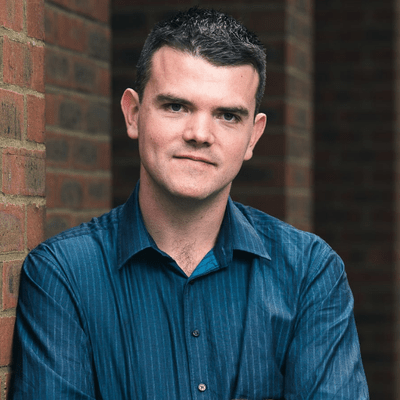
Response from Lewisham and Greenwich NHS Trust could be chucked out of the Dr Chris Day whistleblower tribunal for ” scandalous and vexatious” behaviour “

Dr Chris Day

In yet another extraordinary dramatic development in the Chris Day whistleblower tribunal judge Anne Martin granted his lawyer Andrew Allen, QC to present a case to chuck out the defence against whistleblowing made by Lewisham and Greenwich NHS Trust.

Chris Day said on his latest Crowdjustice update: “if successful [it]will prevent Lewisham and Greenwich providing any resistance or defence of my whistleblowing claim that they misled the press, MPs and the public about my whistleblowing case and how it settled.”

The tribunal held a preliminary hearing in private today with Mr Allen, Dr Chris and Melissa Day and Dan Tatton Brown, QC, for the trust, to decide whether a case for hearing the strike out of the trust’s case should go ahead.

A strike out – according to employment tribunal rules – is only possible on the grounds

a)   that it is scandalous or vexatious or has no reasonable prospect of success;

(b)     that the manner in which the proceedings have been conducted by or on behalf of the claimant or respondent (as the case may be) has been scandalous, unreasonable or vexatious;

(c)     for non-compliance with any of the Rules or with an order of the tribunal;

(d)     that it has not been actively pursued;

(e)     that the tribunal considers that it is no longer possible to have a fair hearing in respect of the claim or response (or the part to be struck out).

The judge , in a very short public session lasting little more than five minutes, announced Mr Allen would be presenting his case for a strike out at tomorrow’s hearing. She also said that the tribunal judges would reach a decision by 3.0pm tomorrow on whether to grant it.

She then said both sides could give their summing up next Tuesday and the judges would give their judgement later. A lot will depend on whether the strike out is successful.

No information has been given about what is behind this extraordinary dramatic turn around of events towards the end of the 15 day hearing.

But the trigger appears to be developments over last weekend when Capsticks, the trust’s solicitors, suddenly released a cache of emails showing that David Cocke, the trust’s communications director, had been copied in or communicated directly with senior doctors who Dr Day complained in 2013 and 2014 about patient safety caused by inadequate staffing at the intensive care unit at Queen Elizabeth Hospital, Woolwich. This was when Mr Cocke was preparing public statements in 2018 against Dr Day which Sir Norman Lamb, the health minister, described as “inaccurate, severely defamatory and deeply distressing to Dr Chris Day”.

The trust had always said there were no communications between the doctors who had responsibility for the intensive care unit at the hospital.

Judge orders Trust to search for more emails

The judge ordered the trust to conduct further searches for emails involving the doctors and the then director of workplace and education, Janet Lynch. It emerged today that the trust was still searching for some emails. Whatever was returned or what the exercise revealed appears to have triggered this request to strike out the trust’s response to Chris

Today should have been devoted to evidence given by David Cocke and further evidence from Dr Chris Day who was due to produce a fresh statement.

On the surface this looks bleak for the trust who have spent nearly £1m on lawyers and external clinical management consultants M J Roddis Associates fighting Dr Day for nearly nine years.

Please donate to Westminster Confidential to allow me to continue my reporting

One-Time
Monthly
Yearly

Make a one-time donation

Make a monthly donation

Make a yearly donation

Choose an amount

£5.00
£10.00
£20.00
£3.00
£9.00
£60.00
£3.00
£9.00
£60.00

Or enter a custom amount

£

Your contribution is appreciated.

Your contribution is appreciated.

Your contribution is appreciated.

DonateDonate monthlyDonate yearly

Please donate to Westminster Confidential

£10.00