Britain is becoming disconnected – 1 million people quit broadband because of the cost of living crisis

pic credit: Andrew Neel

A report published today from House of Lords savages the government’s failure to tackle digital exclusion when ministers have promised the country will become a world leader in digital technology.

Figures in the Communications Committee report are absolutely astounding.

It says: “1.7 million households have no mobile or broadband internet at home. Up to a million people have cut back or cancelled internet packages in the past year as cost of living challenges bite. Around 2.4 million people are unable to complete a single basic task to get online, such as opening an internet browser. Over 5 million employed adults cannot complete essential digital work tasks. Basic digital skills are set to become the UK’s largest skills gap by 2030″.”

The most disturbing figures came from Citizens Advice which has picked up that people are cancelling or reducing internet packages. This means we are going backwards. The report cites Which? for showing that on top of higher fuel, food, council tax, rail fares. broadband and mobile phone providers are upping their prices year on year by between 14 and 17 per cent.

Paltry 5 per cent of eligible people get a social tariff

There are social tariffs for the poorest on Universal Credit but they don’t seem to be marketed well by the broadband providers. They are taken up by a paltry 5.1 per cent of the people who are entitled to claim them – representing 220,000 of around 4.3 million eligible households. Monthly costs are lower -around £10-£15 rather than £30 or more but not low enough for the poorest who could only pay between £4 and £7 a month. The peers suggest VAT could be abolished on them to help and BT Openreach which has a near monopoly on connecting people could reduce its charges as well.

The breakdown of where the digital excluded are follow a familiar pattern. The largest number are in ” Red Wall” areas – the North East of England and also in Wales and Scotland. Internet connectivity doesn’t help either – there is a double whammy effect in the North East – Darlington and Middlesbrough are cited as having poor internet. The lowest number are in London and the South East. Age and disability is a factor as well. There is a significant drop in those not connected to the internet or having a smartphone for people aged 55 and above. But there are also a small minority of young people and those in their 30s and 40s who are also not fully connected.

Why does all of this matter? According to the report the failure of the government to update its digital inclusion policy since 2014 and its lethargic response to the problem will hit plans both by the Tories and Labour to grow the economy.

Government’s priority ” not credible”

The peers’ findings are savage.

“The Government’s contention that digital exclusion is a priority is not credible. Its flagship digital inclusion strategy is almost a decade old. Formal cross government evaluations seem to have stopped. Working groups have been disbanded. Interventions to help with internet access are too timid. The
Government cannot be expected to solve everything but it can achieve much by showing interest in driving change against clearly defined objectives. We have no confidence that this is happening. Senior political leadership to drive joined up concerted action is sorely needed.”

Liam Halligan, a Daily Telegraph columnist and journalist for GB News, giving evidence put it more vividly:

He said solutions were ““Just not sexy. Ministers like talking about unicorns and AI. They like being photographed with the tech bros in T-shirts and sand shoes, rather than dealing with what is a necessity of life now.

Baroness Stowell of Beeston: Official Portrait House of Lords

“ Baroness Stowell, Chair of the Communications and Digital Committee said:

“We have found a distinct lack of leadership in Government to tackle this issue. It is shocking that a digital inclusion strategy has not been produced since 2014 and the Government sees no need for a new one. It is vital we get a grip of this now.

“The cost of living crisis has made access to the internet unaffordable for many. We need urgent action to ensure people aren’t priced offline.”

A spokesman for the Department for Science, Innovation and Technology said:

“We are committed to ensuring that no one is left behind in the digital age. Steps we are taking include putting essential digital skills on an equal footing in the adult education system alongside English and maths.

“To boost access, we have worked closely with Ofcom and the industry to bring a range of social broadband and mobile tariffs, available across 99% of the UK and starting from as low as £10 per month, and our £5 billion Project Gigabit has already resulted in 76% of the UK being covered by gigabit broadband, up from just 6% at the start of 2019.”

Unless something is done quickly the future is bleak. A sizeable minority of people will soon be excluded from society altogether. Already 90 per cent of jobs are only advertised on line, bank branches are closing down and pressing people to open on line accounts. Ticket offices for trains are closing. Some 75 public services are planning to go digital and already some councils will only deal with people on line for applying for blue badges – even though many disabled people have no internet.

And future government policies are going to be based on machine learning information – which will effectively exclude those not on the internet. Cynically that is one good way to deal with the poor and the old – make them disappear so you don’t have to provide anything for them.

But in the end digital exclusion will hit the British economy very badly and we will all suffer. And those boastful and complacent ministers will see their world leading plans turn to ashes.
Please donate to Westminster Confidential to allow me to continue my forensic reporting.

One-Time
Monthly
Yearly

Make a one-time donation

Make a monthly donation

Make a yearly donation

Choose an amount

£5.00
£10.00
£20.00
£3.00
£9.00
£60.00
£3.00
£9.00
£60.00

Or enter a custom amount

£

Your contribution is appreciated.

Your contribution is appreciated.

Your contribution is appreciated.

DonateDonate monthlyDonate yearly

Please donate to Westminster Confidential

£10.00

Will a DWP £1 billion digital “transformation plan” for health assessments of disabled benefit claimants be a new disaster?

The National Audit Office last week gave its verdict on plans by the Department for Work and Pensions to digitalise and transform all the health assessments of disabled people claiming benefit and Personal Independence Payments (PIP) by 2029 and raised serious concerns whether it would work..

This is not a minor matter for the disabled. Some 3.9 million working age people claim these benefits and those claiming both PIP and the Employment and Support Allowance have to pass two health assessments. By 2025-6 the number of claimants is estimated to rise to 5.8 million. Every year private contractors assess nearly two million people. There also has been a rise in people claiming ESA as a result of the pension age for women going up from 60 to 66 and for men from 65 to 66.

As usual this report appears to have had little coverage in the national media -despite the millions of people that will be affected.

High risk of delay, cost overruns without achieving benefits

Gareth Davies, the head of the NAO, said:

“While the Programme is ambitious and has the potential to make savings and improve the experience of those being assessed, the scale and complexity of the transformation leaves it at high risk of delay, cost overruns, and of not achieving the intended benefits.”

He called for the department to revise its business plan for the £1 billion scheme and for more transparency so that perhaps even MPs can understand its implications.

At present disabled people have to provide multiple documents and fill in long forms to claim and the system is unpopular. The new system will digitalise the process, cut out duplication but will still depend on private contractors assessing whether people are unfit enough to claim.

Therese Coffey, former DWP secretary of State

Appeals over claiming PIP are unnecessarily high with decisions by the private firms being overturned and there have been cases where people turned down for disabled benefits have died and the DWP under Therese Coffey covered up reports about this. See this report in the Disability News Service.

The transformation is going to take place alongside new five year contracts for three private companies, Capita. US company Maximus, and Australian firm Ingeus worth over £1.6 billion with an IT contract to Atos to provide the computer back up. Nearly all the companies (except Ingeus) have been linked to claimants deaths as an article in Disability News Service reveals.

Limited testing of system using state appointed medical advisers

At the same time there is going to be a limited state provided service in London and Birmingham where the DWP will employ medical assessors directly. The aim according to the NAO report is to ” test and learn ” the new system and pass on the information to the contractors.

The NAO is sceptical whether this twin approach will work in time for the national 2029 launch as the contracts awarded to these firms will not be flexible enough to make changes without no doubt further expensive negotiations.

One of the main aims of the scheme is to save public money through digitalisation and the DWP estimates a £2.6 billion saving up to 2035. One wonders though whether all the disabled people will be able to use computers to apply on line ( all PIP applications will be on line) eventually. Can they download apps etc and do they all possess smart phones?

Once again I am going to be sceptical about this – particularly after the NAO’s report on Making Tax Digital which it revealed has been subject to long delays and huge increases in costs. Given other areas I have covered in the DWP I have little confidence they can get things right.

Please donate to Westminster Confidential to allow me to continue my forensic reporting

One-Time
Monthly
Yearly

Make a one-time donation

Make a monthly donation

Make a yearly donation

Choose an amount

£5.00
£10.00
£20.00
£3.00
£9.00
£60.00
£3.00
£9.00
£60.00

Or enter a custom amount

£

Your contribution is appreciated.

Your contribution is appreciated.

Your contribution is appreciated.

DonateDonate monthlyDonate yearly

Please donate to Westminster Confidential

£10.00

Yet another pension scandal .. Tory government cheats 4000 scientists out of their pensions by giving misleading advice when their company was privatised

Their misleading advice has cost retired workers dear

The Commons Public Accounts Committee this week published a damning report on a long running pension scandal which has seen retired pensioners lose hundreds of thousands of pounds from their pension pots because of misleading official advice given to them 27 years ago.

The pensioners were all employees of the AEA Technology – the state owned commercial arm of the UK Atomic Energy Authority – which was privatised in 1996 by Sir John Major’s Tory government.

This sorry tale took place almost at the same time as the government had implemented the 1995 Pensions Act which raised the retirement pension for 1950s women from 60 to 65 and the DWP has been found guilty of partial maladministration by Rob Behrens, the Parliamentary Ombudsman.

The Tory government gave AEAT employees just one month to exit their contributory Whitehall pension scheme for a new one with the company taking over AEA. 90 per cent of the staff did.

Crucial to this rushed decision was an independent report by the Government Actuary’s Department which told all staff that the scheme was as good as remaining in the state scheme and might even be better.

What it failed to tell people was that if the company went bust or the pension scheme failed all the staff would lose their guaranteed protection of their pension savings that is provided by the government. It would be transferred to the Pension Protection Fund, lose all their inflation protection up to 1997, and they would live for the rest of their lives with only a 2.5 pc annual increase in their pension.

Government Actuary’s report was secretly changed by UKAEA lobbying

According to the written evidence from an ex employee David Roberts, a freedom of information request has revealed that this ” independent” report was tampered with by AEAT and the UKAEA behind the scenes. They got it rewritten because it was not persuasive enough to get people to quit the government scheme .

He wrote:” The sections which have caused the complaints were significantly changed as the result of a telephone conversation between UKAEA and GAD on 5/11/1996. “

GAD also failed to undertake a risk assessment about the switch.

In 2012 AEAT which had already cut funding to the pension scheme went into administration. The company was bought by Ricardo, an American firm, who immediately divested all its nuclear work .Its headquarters of a new firm are now in California.

One would have thought they sacked employees could get redress but for the last 11 years they have got nowhere.

They are barred from complaining to either the Parliamentary Ombudsman or the Pensions Ombudsman.

Current legislation bars the Parliamentary Ombudsman from looking into case involving private pensions – and the government has just told the Commons Public Administration Committee there is no priority to change the law.

The case could come under the Pensions Ombudsman but there is a 15 year cut off point from when the event happened which blocks him from awarding any compensation.

Nobody in government takes responsibility

As the PAC report says:

“Nobody in government has taken overall responsibility for the case. There has been no independent review because the relevant ombudsman services have said they cannot investigate the information given to members in 1996, clearly highlighting that there are gaps in the routes of appeal people have for complaints about their pensions.”

The response from government since 2012 has been appalling. The DWP not only did not help but confused the issue. The report says: “In July 2013, DWP produced a factsheet summarising the complaints government had received and a response to each on behalf of the government. In February 2014, it then sent scheme members a further letter explaining that it was not responsible for the case.”

But it didn’t tell them who was and it turned out to be the Cabinet Office.

Sir Steve Webb- declined to help as pensions minister

Ministers were no better. Sir Steve Webb, then the Liberal Democrat pensions minister, would not intervene to change any rules to help the pensioners -saying if AEA Technology rules were changed it would affect other government services that had been privatised citing the BT pension scheme. He was actually wrong in this case, it is protected should BT go bust.

Two MPs tried to use private members bills to rectify the situation by changing the Ombudsman’s powers – but they were blocked by the Conservative government.

The government has escaped responsibility by never setting up an independent review of what happened and the Government Actuary’s Department has tried to avoid censure by saying their report was not the main reason why people switched their pension. This is contradicted by the employees who gave written evidence to the PAC.

people abandoned by an uncaring state

The whole saga is simply part and parcel of a government that cares little for the welfare of the ordinary citizen and tries to evade responsibility for its errors. Meanwhile people – who contributed to their pension and even put extra contributions to increase it – are just abandoned by an uncaring state. One person lost 40 per cent of their pension and all are affected by the cost of living crisis since they are not protected by the huge rise in annual inflation by the Pension Protection Fund.

Please donate to Westminster Confidential to allow me to continue my forensic investigations

One-Time
Monthly
Yearly

Make a one-time donation

Make a monthly donation

Make a yearly donation

Choose an amount

£5.00
£10.00
£20.00
£3.00
£9.00
£60.00
£3.00
£9.00
£60.00

Or enter a custom amount

£

Your contribution is appreciated.

Your contribution is appreciated.

Your contribution is appreciated.

DonateDonate monthlyDonate yearly

Please donate to Westminster Confidential

£10.00

HMRC’s digital tax disaster – overspent, behind schedule and a huge hidden bill for taxpayers

Making Tax Digital |Government logo pic Credit: gov.uk

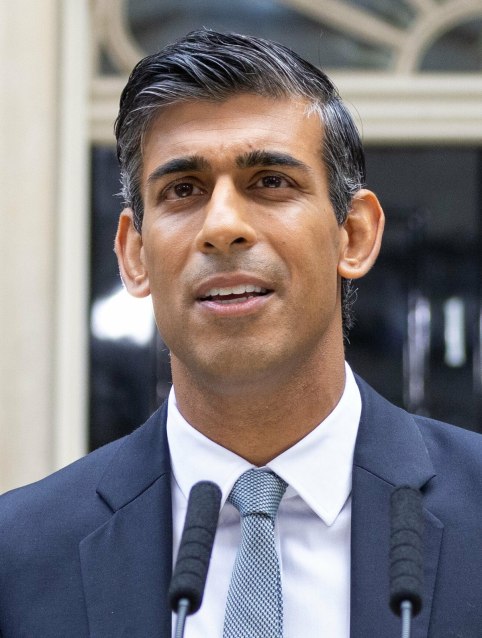
Rishi Sunak promised the UK will be a Science and Technology Superpower with world class digital technology attracting high skilled people from all over the world to come and work here.

Last October Chris Philp, then Minister for Tech and the Digital Economy,.at the Department for Digital, Culture, Media and Sport, also promised a bright future for the digital economy outlining the UK’s digital future with a host of government initiatives.

Rishi Sunak Pic Credit; Wikipedia

Back down to the real world the National Audit Office today published a report on one of the government’s initiatives – Making Tax Digital -and what a sorry story it is. For those familiar with Whitehall failures – it was the same story – the cost of the scheme had sky rocketed, its planned introduction had been delayed again and again – and worse, those businesses planning to go digital to pay their VAT, there was a huge additional cost, which somehow HMRC forgot to inform the Treasury.

The huge cost of switching the tax system to digital was supposed to cost £226 million when it was planned in 2016. This covered all VAT payments, businesses who pay via self assessment schemes and corporation tax. Instead it will now cost a staggering £1.3 billion – some five times the original estimate.

And it won’t be on time.

Scheme repeatedly delayed

The original programme was repeatedly delayed. Originally HMRC planned the entire changeover in 2020.

As the report says: “The timeframes for MTD[ Making Tax Digital] were agreed before HMRC had fully explored the range of options.” As a result large parts of the programme had to be rescheduled .And then came Brexit and the Covid pandemic which the hit the programme. Only VAT for larger firms was introduced before 2020 -in 2019 – and VAT for smaller companies waited until 2022 and the whole exercise cost £70m more than planned.

But it is the plan to switch over to digital tax for the self assessment businesses has been hit the most. The report said: In December 2022, the government pushed back the timetable for Self Assessment for the fourth time, delaying benefits and increasing costs further. On the advice of HMRC the government announced it would delay the start date for MTD for Self Assessment and take a phased approach to introducing it.
It won’t be implemented until 2026 or 2027 and even then not fully – as the original plan envisaged. It will apply to annual income above £50,000 in 2026 and above £30,000 in 2027. No date has been given for income below £30,000 which is still ” under review”.

HMRC left out cost to people of paying their VAT

On top of this HMRC in its business case forgot to tell the Treasury that it also landed business and taxpayers a bill for £1.45 billion. This is because for the digital system to work businesses and the self employed have to submit returns over three months and need to buy or lease expensive software to do it. So the government has put the cost on businesses avoiding the cost themselves. In my small way it hit me over VAT. Since my income was below the threshold I decided the simplest way was to deregister for VAT so the government now get nothing. Previously it was a simple form to fill in your quarterly VAT return supplied by HMRC.

HMRC said. “A project of this scale naturally comes with challenges, but MTD will deliver a strong return on investment for the taxpayer. We have always been wholly transparent about costs for business. We remain committed to ensuring that free software will be available for those with the simplest tax affairs.”

Gareth Davies ,Head of the NAO, said: ““The repeated delays and rephrasing of Making Tax Digital have undermined the programme’s credibility and increased its costs. They put at risk the support of taxpayers and delivery partners, including those who are essential to the programme succeeding.  

“Our audit identified the omission of significant costs from some business cases. It is obviously important that business cases for major programmes such as this contain all the relevant information to support decision-making.”

My view is a bit broader than that. I am getting very fed up with rhetoric from leading politicians telling the public that every project is world class when clearly it isn’t. This report from the NAO shows what is happening in the real world, not in the complacent fantasy world of the present Tory politicians who govern us.

Please donate to Westminster Confidential so I can continue by forensic analysis of government policies.

One-Time
Monthly
Yearly

Make a one-time donation

Make a monthly donation

Make a yearly donation

Choose an amount

£5.00
£10.00
£20.00
£3.00
£9.00
£60.00
£3.00
£9.00
£60.00

Or enter a custom amount

£

Your contribution is appreciated.

Your contribution is appreciated.

Your contribution is appreciated.

DonateDonate monthlyDonate yearly

please donate to Westminster Confidential

£10.00

Promises, Promises! Suella Braverman’s half baked response to the Independent Inquiry into Child Sex Abuse report

Suella Braverman Pic credit: BBC

While the Parliamentary Lobby were excited about Suella Braverman’s latest escapade trying to fix a private driving awareness course for herself to avoid penalty points on her licence, yesterday she took the opportunity to issue a very important statement on how the Government will tackle child sex abuse.

Whether the timing was aimed as the latest diversionary tactic to avoid further embarrassment , the result was a half thought out and half baked response to a very detailed and important piece of work on a scandal which shames our nation.

Alexis Jay, who headed the inquiry, spent seven years investigating what was seen as as ” a national epidemic ” of child sexual abuse which affected virtually every single religious order, schools, the internet, and grooming gangs across the country. Her report exposed heinous cases of child sexual abuse from teachers to bishops and appalling attempts to cover up what had happened. While by no means perfect, it also did provide some outlet for the survivors to speak out about what had happened to them.

Government hyperbole

Yesterday with I am afraid the typical hyperbole the government uses at almost every occasion now Suella Braverman claimed that the reforms proposed were “on a level not seen before” and would “mark a step change in our approach to child sexual abuse”.

She told MPs: “This Government have risen to the inquiry’s challenge. We are accepting the need to act on 19 of the inquiry’s 20 final recommendations. She promised MPs “fundamental cultural change, societal change, professional change and institutional change.”

But when you examine closely what the government proposes to do it is nothing of the sort. Many of accepted recommendations are surrounded by caveats for further reviews and debates and none are going to be implemented immediately.

Alexis Jay, chair of the independent child sex abuse inquiry

And I am not the only person saying this. The chair of the inquiry, Alexis Jay, told the Independent today:

“We are deeply disappointed that the government has not accepted the full package of recommendations made in the final report,” she added.

“In some instances, the government has stated that a number of them will be subject to consultations, despite the extensive research and evidence-taking which the Inquiry carried out over seven years.

“”The package announced by the government will not provide the protection from sexual abuse that our children deserve.”

Similar doubts were expressed by the NSPCC, the children’s charity.

If you study the detailed response from the government – you can find it here – you will see it is riddled with caveats and rejects more than one finding as the minister claimed.

The headline change – setting up a compensation scheme for the survivors – is a promise but subject to much more consultation before it is to be implemented. A more competent government would have laid the bare bones of the scheme, how much money will be provided and then asked people, including survivors, to comment yesterday.

Similarly with mandatory reporting of child sex abuse by professionals – which was thoroughly debated by the inquiry before recommending it – it won’t happen immediately. Instead it is put out for more consultation. Do we need any more?

Other accepted recommendations are a con. The recommendation for a children’s minister at Cabinet level is glossed over by saying we already have one – the education secretary. Yet provision for children is more than just education. And Rishi Sunak could do with someone present at the Cabinet to fight children’s issues.

And the creation of new child protection authority does not look likely to happen any time soon.

And there is one extraordinary proposal. Braverman rejects – the inquiry’s recommendation to outlaw inflicting pain on residents of young offenders institutions and secure units – claiming that there are ways of safely inflicting pain on young people. Is she some sort of a sadist who enjoys bringing pain and misery to the young or just plain stupid? Pain is pain full stop. If anyone knows how this might be done I would like to hear from them.

The government is also relying on its on line safety bill to outlaw child pornography but it seems the paedophiles are already one step ahead of her. Sajid Javid, ex minister and Tory MP for Bromsgrove intervened in her announcement to say they are already using artificial intelligence to produce child sexual images. How is this to be traced?

Frankly this was a disappointing statement dressed up as the government taking action. Ministers and civil servants have had seven months to respond and could have laid the groundwork for real change rather an promising more consultations. But given Suela Braverman’s track record why should we be surprised.

Please donate to Westminster Confidential

£10.00

Subscribe to get access

Read more of this content when you subscribe today.

One-Time
Monthly
Yearly

Make a one-time donation

Make a monthly donation

Make a yearly donation

Choose an amount

£5.00
£10.00
£20.00
£3.00
£9.00
£60.00
£3.00
£9.00
£60.00

Or enter a custom amount

£

Your contribution is appreciated.

Your contribution is appreciated.

Your contribution is appreciated.

DonateDonate monthlyDonate yearly

National Audit Office investigation: The hidden scandal of rip off landlords cheating the vulnerable and the state

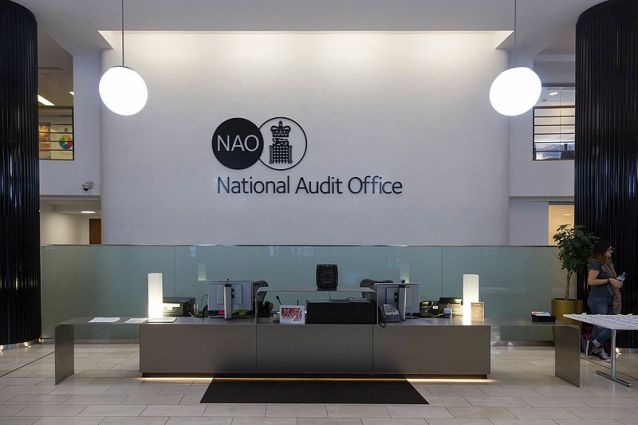
National Audit Office foyer Pic Credit: David Pearson

An investigation by Parliament’s financial watchdog, the National Audit Office, this week has cast light on a hidden scandal of how private and social landlords are making huge profits from providing costly sub standard housing to the elderly, disabled, homeless, recovering drug addicts and domestic abuse survivors.

Officially called Supported Housing this covers providers of homes from short term hostels to specialised homes for the disabled who need a high level of care and sheltered housing for the elderly.

Extraordinarily the provision is not regulated and often not directly supervised by local authorities and the government does not know how many supported homes there are in Britain- the latest figure of 651,000 is eight years out of date. Spending on provision was £3.5 billion in 2016.

The NAO decided to investigate provision in 10 councils and uncovered some startling facts. The councils are

  • Birmingham City Council
  • Lambeth Council
  • Bristol City Council
  • Blackpool Council
  • Hull City Council
  • West Devon Borough Council
  • Bradford Council
  • Nottingham City Council
  • Sunderland City Council
  • Charnwood Borough Council (in Leicestershire)

In Hull for example some conditions were so bad that 323 out of 345 homes inspected needed immediate attention to protect their residents on health and safety grounds. And 62 per cent of homes in the city failed to meet the decent homes standard.

They also discovered the landlords were using the housing benefit system by putting in large claims for rent – which mostly went unchallenged by councils because the landlords would take them to court if they queried the sum.

Levelling Up department does know how many supported homes exist in the UK

The Department for Work and Pensions which often pursues individuals over benefit fraud actually has no record of how many claims there are for supported housing. But when Birmingham Council launched a team to investigate they recovered £3.5 million from fraudulent claims in just one city.

The report says : “Authorities like Birmingham, have seen increasing numbers of landlords who circumvent the regulations enabling them to profit by providing costly sub-standard housing with little or no support, supervision or care.”

“West Devon reported to MPs on the Commons Committee for Levelling up, Housing & Communities ( who also investigated this) that a number of new schemes have entered the market over recent years, claiming to provide exempt accommodation. These schemes involve an investment fund owning the property and a small housing association, registered with the Regulator of Social Housing, acting as the landlord. The local authority considers that these types of schemes are mainly designed to maximise the amount of Housing Benefit that can be claimed.”

Recovering drug addicted were housed with drug dealers

The report added: ” the Committee reported hearing “of people with a history of substance misuse being housed with drug dealers, and of survivors of domestic abuse being housed with perpetrators of such abuse.”

.So what is being done about this? The NAO report that the government has finally commissioned research to find out what exactly is going on..

The report says: “The research intends to focus on the size and composition of the sector, costs, current and
future supply and demand, the interaction between commissioners and housing providers, and how to improve monitoring.”

It is also aware that the supervision of the sector is split between three ministries – levelling up, work and pensions and health and social care so it has set up a supervisory board. And it has pump primed some £5.4 million to five local authorities, Birmingham, Blackburn with Darwen, Bristol, Hull and Blackpool to test monitoring of supported housing.

Blackburn and Darwen told the NAO that without this money they would never have inspected the homes in their area because they hadn’t the resources. And it has asked 26 authorities to bid for extra cash over the next three years.

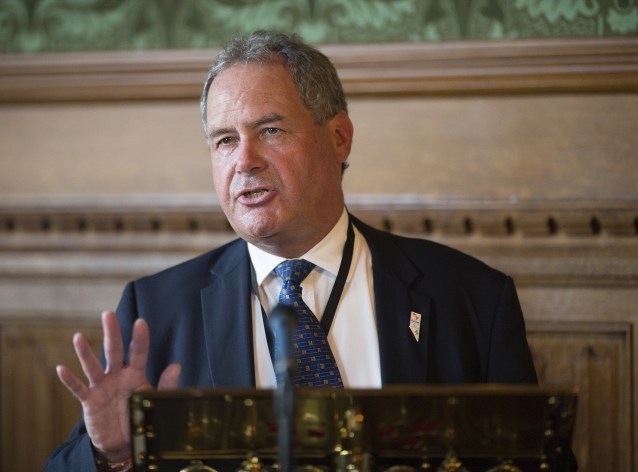
Bob Blackman MP

The biggest change may come from a private members bill by Bob Blackman, the Tory MP for Harrow East, now being scrutinised in the Lords, which lays out a proper framework for the sector. This still has shortcomings as it does not deal with housing benefit fraud which must be quite high in this sector.

All this is better late than never . But it says something that the government until now has not bothered about protecting vulnerable and elderly people from the landlord sharks who prey on them. It paints a pretty poor picture of modern administration in the UK which must lag behind other Western countries in looking after its vulnerable people.

As Meg Hillier MP, Chair of the Committee of Public Accounts says
“Vulnerable people deserve to live in housing that meets their needs.
But gaps in regulation mean a concerning number live in sub-standard accommodation, at great expense to the taxpayer.
Government must now capitalise on the work of its Supported Housing Programme Board and provide local authorities with the support they need, starting with meaningful data on the scale of the problem.

Please donate to Westminster Confidential to allow me to continue my investigations and reporting on serious social problems and backing whistleblowers

Please donate to Westminster Confidential

£10.00

One-Time
Monthly
Yearly

Make a one-time donation

Make a monthly donation

Make a yearly donation

Choose an amount

£3.00
£10.00
£20.00
£3.00
£9.00
£60.00
£3.00
£9.00
£60.00

Or enter a custom amount

£

Your contribution is appreciated.

Your contribution is appreciated.

Your contribution is appreciated.

DonateDonate monthlyDonate yearly

Cheated Again! MPs blast Department for Work and Pensions for not acting fast enough to reimburse £1.46 billion to pensioners

The DWP is attacked today by MPs on the powerful Commons Public Accounts Committee for not having a credible plan to reimburse hundred of thousands of pensioners who have been shortchanged billions of pounds in pension payments.

The scheme is the only programme where the DWP admits it has made gigantic mistakes by underpaying pensioners and is committed to return the money owed to them. It is obvious at the moment that ministers and civil servants have no intention of reimbursing people who have been denied a guaranteed minimum pension when they were contracted out by their employer.

Nor do they appear to be remotely interested in compensating the 1950s women who lost six years of their pensions despite it being clear that the Parliamentary Ombudsman, Robert Behrens, has found maladministration in not telling the women properly about it, let alone even considering whether women were unfairly discriminated by the decision. The fact that not a single minister has talked to anybody about 50swomen since 2016 speaks volumes.

What is clear from a report by the MPs ( which also tackles benefit fraud) is that they are distinctly unimpressed by the DWP’s handling of this despite assurances from Peter Schofield, the permanent secretary, at the department during a committee hearing earlier this year.

Peter Schofield Pic credit: gov.uk

The Department’s efforts to correct the systemic underpayment of State Pension are too slow to meaningfully put things right. The Department now estimates that 237,000 pensioners have been underpaid a total of £1.46 billion in their State Pension.
“Despite these underpayments going back as far as 1985, the Department’s overall exercise to correct this issue is delayed from the end of 2023 to the end of 2024. The Department cannot be certain that its plan to deliver the exercise on schedule is achievable, as it is dependent on assumptions around recruitment, retraining, and automation.

“We are not convinced that the Department has done enough to ensure its communications to potentially affected pensioners are sufficiently clear. We are concerned that this may leave many pensioners lacking reassurance that they will receive meaningful and timely redress.

We remain unconvinced about the DWP – MPs.

“The Department does not yet know the full extent of the underpayment relating to Home Responsibilities Protection, and it is dependent on HMRC to evaluate the impact of these underpayments on pensioners. The Department cannot be certain that it has identified all the underpayments implied by the results of its annual measurement exercise. Overall, we remain unconvinced that the Department’s control systems are adequate to detect further underpayments before they build up into major issues in future.”
Sounds familiar. Anyone trying to ring the department already knows what lousy communicators the ministry is- that is, if you can get through to them..

And it looks like there is worse to come. The report said:

“The NAO [National Audit Office] reported that the Department cannot rule out that there may be further groups of pensioners, as yet unidentified, that have been affected by a historic underpayment.
It concluded that this was in large part because the Department had not set out plans to revise its control processes for State Pension cases to ensure that underpayments are detected and recorded at the point of payment.”

Yet again through delays and failure to get a grip pensioners are being cheated of their rightful dues and many may die before they receive them. Is there no part of the DWP that can function correctly?

Please donate to Westminster Confidential so I can continue my forensic reporting.

One-Time
Monthly
Yearly

Make a one-time donation

Make a monthly donation

Make a yearly donation

Choose an amount

£5.00
£10.00
£20.00
£3.00
£9.00
£60.00
£3.00
£9.00
£60.00

Or enter a custom amount

£

Your contribution is appreciated.

Your contribution is appreciated.

Your contribution is appreciated.

DonateDonate monthlyDonate yearly

Please donate to Westminster Confidential

£10.00

How Sellafield and the Nuclear Decommissioning Authority misuse taxpayer’s money to hound a whistleblower

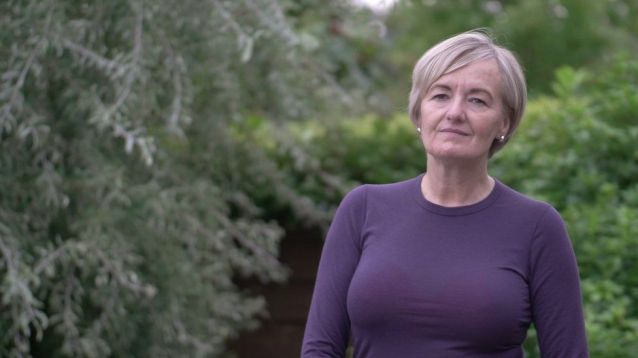
Alison Mc Dermott, whistleblower

One of the biggest tactics to frighten whistleblowers by big companies and health trusts is to threaten whistleblowers exposing malpractice, corruption and discrimination and say they have to pay hundreds of thousands of pounds in costs unless they settle or drop their claims for detriment at employment tribunals.

The tactic regularly used by firms and health trusts in employment tribunal cases is based on a lie. The maximum an employment tribunal can order costs is £20,000 per respondent. Only if it goes to the High Court can a firm or health trust demand such eye-watering sums.

However Sellafield, the NDA and the Business, Energy and Industrial Strategy ministry have decided that it is worth pursuing whistleblower Alison McDermott, a consultant formerly employed by Sellafield for the maximum £40,000 shared between the NDA and Sellafield. They know she has no income and they have even tried to close down her crowdfunding site to raise money to defend herself against their costs claim.

Her whistleblower site is here and you can donate to bring the sum up to £10,000 within the next 14 days otherwise she loses the lot.

Damning report revealed relentless bullying at Sellafield

Alison was called in by Sellafield’s human resources department to investigate their working practices and produced a damning report revealing employees were subjected to appalling racist, sexist and homophobic abuse and relentless bullying. Only 11 per cent felt they could raise issues with the company without reprisals and four percent thought they got honest answers. Faced with such a damning account Sellafield sacked her rather than change its ways.

This led to an employment tribunal case which not only found in favour of Sellafield and the NDA but saw her publicly denigrated by Sellafield’s barrister, Deshpal Panesar KC, who accused her of ‘acting out of revenge’  of being ‘intent on ruining careers’ of being ‘self-absorbed’ and ‘a woman clearly in pursuit of a windfall.’ 

The NDA tried to buy her off with a £160,000 pay out in return for her silence on what she had found at Sellafield. She refused to accept – arguing among other points that such a culture permeating a nuclear facility was dangerous given serious issues of health and safety. She tried to raise this with BEIS but they refused to meet with her having signed off the £160,000 settlement.

Now a judge has ruled that she is entitled to appeal on six different grounds – and she has secured Andrew Allen, KC, a lawyer who represented Dr Chris Day, in his recent whistleblowing tribunal case against Lewisham and Greenwich NHS Trust, to represent her.

But she has also to face a costs hearing. So how is this being pursued by the NDA and Sellafield.

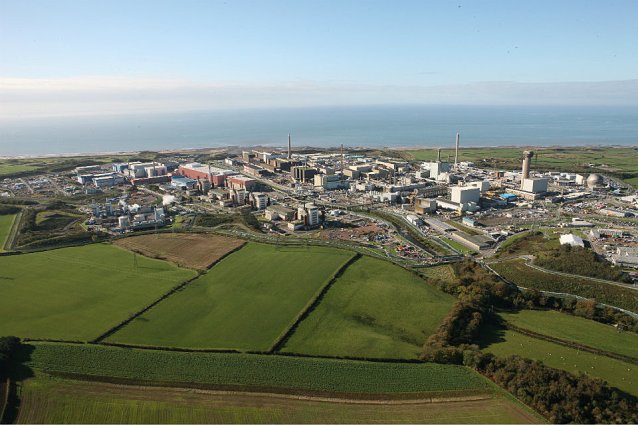
Sellafield

I put in two freedom of information requests to Sellafield and the NDA on how much they had spent and the revelations were very interesting. Sellafield has already spent £5640.16 on external advice plus using its own staff to pursue Alison. The NDA spent £7524.58 on external legal advice and an unknown sum on staff time to pursue her. So before we even get to court over £13,000 has been spent using taxpayers money. Furthermore the NDA according to an internal memo spent money on lawyers trying to close down her whistleblowing appeal with no success. The total cost spent by both organisations fighting Alison has exceeded £500,000 of taxpayers money.

The replies also revealed that the boards of both organisations including the Chief executive officer of the NDA , David Peattie ,were ” apprised” of the decision meaning that it reached board level. BEIS was also informed and approved the costs case but declined to comment about it because of current legal proceedings. What on earth are the boards of these organisations spending their time on this when they have much serious work to do on issues like nuclear safety and disposing of old nuclear power stations.

Now when this gets to a tribunal there will be a two day hearing and according to internal NDA documents it was paying over £5500 a day for top notch barristers. It is reasonable to assume so was Sellafield. This means the hearing will cost another £22,000 as they will be represented separately.

So altogether we are taking about £35,000 as a minimum ( excluding staff time) to recover a maximum of £40,000. That is – if they win. And even if they win most judges rarely award the full sum if it is a litigant in person. It is more likely to be £5000. If they lose this is taxpayers’ money being thrown down the drain.

If this was a commercial company I very much doubt it would past muster as a ” business case”. It is only because the boards of these organisations have unlimited access to taxpayers money that they can pursue this.

And to my mind this is only being pursued to hound a whistleblower who has produced some very damning information about life in Sellafield. This has called Sellafield’s reputation into question and they don’t like it, hence this vindictive approach.

Please donate to Westminster Confidential to allow me to continue my investigations

One-Time
Monthly
Yearly

Make a one-time donation

Make a monthly donation

Make a yearly donation

Choose an amount

£3,500.00
£10.00
£20.00
£3.00
£9.00
£60.00
£3.00
£9.00
£60.00

Or enter a custom amount

£

Your contribution is appreciated.

Your contribution is appreciated.

Your contribution is appreciated.

DonateDonate monthlyDonate yearly

please donate to westminster Confidential

£10.00

Scandal of the Ministry of Justice’s £200 million plan to imprison more women while providing a tenth of the cash to keep them out of jail

Foston Hall women’s prison. Pic credit: BBC

As the UK faces public spending cuts the Ministry of Justice is embarking on a £200 million plan to expand the women prison population by building 500 new places for women.

The scheme has been condemned by charities from the Prison Reform Trust, the Howard League for Penal Reform to Women in Prison and was subject to a highly critical report from MPs on the Commons Justice Committee.

This weekend a report from Women in Prison provided a cost funded case to turn this spending plan on its head by funding women’s centres instead to keep women out of jail and save the NHS, local authorities and the police a shed load of public money in picking up the pieces after prison life.

If you don’t believe this you should read last year’s Chief Inspector of Prisons report on Foston Hall, near Uttoxeter, Derbyshire, the worst women’s prison in the country. housing around 272 women prisoners.

1750 cases of self harm in one year at Foston Hall prison

An unannounced visit found that in one year there were 1750 cases of self harm by the women inmates and a staggering 1000 calls to the Samaritans each month. Two women had killed themselves there since 2019. Other statistics revealed that 20 per cent of the women were released into the community with nowhere to live – adding to the homelessness problem. The prison couldn’t even get people to work there – it had a supposed full staff complement of 110 but only 62 were deployable at any one time. As a result there was a high level of violence and lot of women were segregated.

The report said: “The prison had no strategy to reduce self-harm or improve the care for those in crisis. Recommendations made by the Prisons and Probation Ombudsman following their investigation into deaths in custody had still to be addressed and the relatively few women who accounted for most of the
incidents did not have meaningful care plans. The response to women in crisis was too reactive, uncaring and often punitive.”

Contrast this with a plan put forward by the new Women in Prison report. It follows one of the last acts of the Johnson government to allocate £24m – compared to £200m for new prison places – to develop women’s centres as an alternative to prison.

Women in Prison point out that just one centre “receiving £1m in a given year can support over 650 women and generate £2.75m in public sector savings, while providing a lifeline for vital services and significantly improving wellbeing for women and their children. The savings would go to local authorities (47%), the Ministry of Justice (17%), the NHS (15%), the Police (10%), the Department for Work and Pensions (9%) and HM Revenue and Customs (2%).”

Instead nearly half of Women’s Centres surveyed said they are concerned about their survival because the £24m is being parcelled out in short term funding spread across the country. Once the money runs out centres face closure.

Anawin Women’s Centre pic credit: Anawin

Joy Doal, Chief Executive of Anawim Women’s Centre in Birmingham said: “We are struggling. The needs of the women we work with are becoming more complex. We are witnessing the fallout from  Covid-19 – which is driving mental health problems – and an alarming number of women driven into poverty due to rising bills. On top of that our own costs are skyrocketing due to inflation and the rise in living costs. Now more than ever, we need sustainable, long-term funding to ensure we can continue meeting the ever growing needs of the women we work with.”

To me this seems just one more example of the lack of joined up thinking in Whitehall. The Women in Prison charity have done a great job not only in highlighting what is going wrong but in providing a fully costed solution that ought to be sent to the Treasury post haste. One example of a woman ending up in prison because they have mental health problems was covered on my blog earlier this year. See it here.

Please donate to Westminster Confidential to allow me to continue my forensic reporting.

One-Time
Monthly
Yearly

Make a one-time donation

Make a monthly donation

Make a yearly donation

Choose an amount

£5.00
£10.00
£20.00
£3.00
£9.00
£60.00
£3.00
£9.00
£60.00

Or enter a custom amount

£

Your contribution is appreciated.

Your contribution is appreciated.

Your contribution is appreciated.

DonateDonate monthlyDonate yearly

Please donate to Westminster Confidential

£10.00

Coffey sneaks through tough plan to push 114,000 Universal Credit claimants into jobs while Parliament is in recess

Therese Coffey :Pic credit: gov.uk

The Department of Work and Pensions is to tighten the rules significantly to force 114,000 existing Universal Credit claimants into work as job vacancies soar across Britain.

She is changing the rules so far more people will have to go on what is known as an intensive work search regime where they will be monitored continually by work coaches on how many jobs they have applied for and why they didn’t get them.

Therese Coffey has been planning to do this since January this year and consulted the Social Security Advisory Committee, chaired by the architect of Universal Credit, Stephen Brien, on January 26.

Ian Caplan, DWP’s Director of Employment, Youth and Skills

A letter to the committee from Ian Caplan, director of employment, youth and skills said:

“The Secretary of State wishes to bring in the change as soon as practically possible…for providing immediate support to low-earning households to increase incomes at a time of immense cost of living pressures…. By bringing these regulations into force as quickly as possible, including by laying the regulations in recess, the Department can start making the operational preparations”

SSAC kept decision secret for 8 months

The committee approved the idea on February 4th but agreed to keep the decision secret until last week when it published the minutes of a meeting between DWP officials and the committee.

To make the change the government is using a regulation to uprate what is known as the Administrative Earnings Threshold – a device which sets the level of benefit and earnings dividing those who only receive ” a light touch” regime – ie occasional checks whether they are seeking work – from their local job centre and those put on intensive work search programmes. Those who refuse or don’t co-operate properly with face benefit cuts as a sanction.

It will move the level from £355 to £494 a month for a single claimant and from £567 to £782 a month for a couple. At present some 250,000 people covered by the intensive work search programme are in work – this will increase the number by 50 percent. The government justify it by saying the new level brings it into line with recent rises in the national minimum wage for those in work.

What is more interesting – and perhaps why the minutes were withheld – is the question and answer session between the committee members and civil servants.

While the overall aim of the scheme is to get a higher income for the unemployed – by getting them work or more work for those in part time jobs – the DWP admit they have another agenda. Questioned about the current job vacancies level encouraging this move officials said: “the vacancies position the labour market is considered by some to be hot which could be driving inflation.”

In other words by getting more of the unemployed into work, employers would have a bigger pool of labour and would not have to offer higher wages or even compensate people for the rising cost of living.

Will the unemployed be recruited as strikebreakers?

There may now be an even more compelling reason as Therese Coffey wants this to be law from September 26, since the government plans to use agency workers to break the coming strike wave. What would suit ministers would be if the unemployed could be drafted in as agency workers leading to confrontation with striking workers on trains, buses, schools, the NHS, and the post office with shouts of ” scab” and bringing the police in to make mass arrests of strikers. A reminder of the miners’ strike.

There were other gems from the minutes – which in my view revealed the attitudes of the DWP and committee members

There was much questioning about the effect this could have on 16-24 year olds which suggested the programme could work for them. There was concern about the disabled – and an admission by the DWP that except in Yorkshire it had done hardly any research on how this could affect them.

DWP building

What was tellingly missing was the complete lack of interest from the DWP or committee members about the effects on people over the age of 50 and 60. The DWP didn’t even bother to give the committee a breakdown on them. But it is a fact that the rising of the pension age to 66 -particularly among women has seen a big increase in numbers on Universal Credit who can’t get jobs.

I really wonder whether this is prejudice. Women like Therese Coffey, who is 50, have had stellar careers and I wonder if they think women born in the 1950s and 1960s who are on the dole are failures or nonentities, don’t cause them a lot of trouble and don’t turn physically aggressive like some men. So they can be safely ignored. Certainly any thought about their plight or indeed any old person was spectacularly missing from discussion about this new drive.

Please donate to my blog to allow me to continue my forensic reporting.

One-Time
Monthly
Yearly

Make a one-time donation

Make a monthly donation

Make a yearly donation

Choose an amount

£5.00
£10.00
£20.00
£3.00
£9.00
£60.00
£3.00
£9.00
£60.00

Or enter a custom amount

£

Your contribution is appreciated.

Your contribution is appreciated.

Your contribution is appreciated.

DonateDonate monthlyDonate yearly

Please donate to Westminster Confidential

£10.00