The double standards on whistleblowing by Epsom and St Helier University NHS Trust

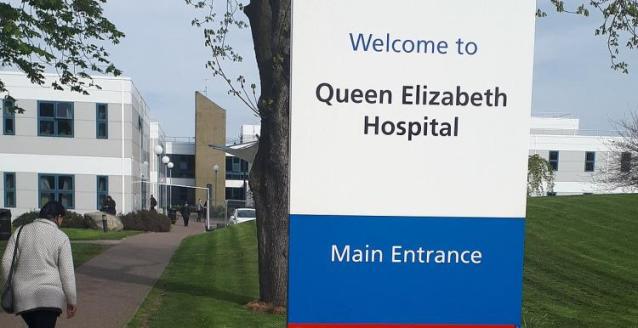
Epsom Hospital

UPDATED: Since the publication of this blog the communications team of the St George’s, Epsom and St Helier Hospital Group have responded. It says:

It is not correct to say Ms Usha Prasad was dismissed for raising patient safety concerns. A disciplinary panel concluded that she should be dismissed for competency grounds, concerns around her practice/conduct and because relationships with key colleagues had broken down. This decision was upheld on appeal.

I shall be publishing a blog shortly on how this decision came about and how it was plainly unjust and directly aimed at ruining her career as a doctor.

An extraordinary missive has come to light from the leaders of the Epsom and St Helier University Trust ( now part of the St George’s, Epsom and St Helier Hospital Group) on whistleblowing.

The letter was sent to all staff to encourage them – that they will be safe if they disclose any unsafe practice or patient concern at the two hospitals. Indeed it says they shouldn’t hesitate to do so.

Ostensibly this followed the scandalous murders of babies at the Countess of Chester hospital which led to nurse Lucy Letby being sent to prison. The management of that hospital behaved appallingly threatening any doctor who raised the issue to cover it up and there will now be an independent inquiry.

What the letter doesn’t tell you about is the real behaviour of the top managers of that trust - its authors, chair Gillian Norton and chief executive , Jacqueline Totterdell – if anyone dares to report if something is wrong.

Dr Usha Prasad and the previous chief executive, Daniel Elkenes in better times

For this letter came out just six days after the trust were planning to land their biggest whistleblower, former consultant cardiologist, Usha Prasad, with a £180,000 costs bill for daring to raise the case of an ” avoidable death” of a heart patient at the trust and claims of racial and sexist discrimination. See hearing here.

Usha Prasad, who was dismissed by the trust, has had years of fighting the top management through employment tribunal hearings. The trust has spent a small fortune of taxpayer’s money employing battalions of lawyers to prove her wrong. The two top officials have been deaf and blind to any appeal on her behalf for reinstatement, including a letter from the chair of the British Medical Association.

Jaqueline Totterdell – chief executive

Worse than that the lawyers led by Jessica Blackburn from Capsticks and Nadia Motraghi KC, from Old Street Chambers, have continually derided her attempts to defend herself. Jessica Blackburn described her whistleblowing claim as ” unmeritorious” in correspondence and Nadia Motraghi, described her case having ” no prospect of success” during the latest cost hearing which led the judge to order her to pay £20,000 in her absence. She also painted a picture of her making a fortune as locum -based on no recent evidence- and appeared to be an expert on London house prices to justify her paying the bill.

Jessica Blackburn rushed to send her the bill only for another judge to stay the payment as Usha Prasad, a brave fighter, is to appeal the original judgement against her later this year. The trust are still charging interest at a daily rate while she appeals.

So if I were an employees of the trust I would be beware of the silken and siren tones of the letter below and think very carefully before reporting anything to the top management. Think instead of the fate of Usha Prasad.

This is a serious shame because the sentiments in the letter are fine but the reality is rather different. I am afraid I think this is more a public relations exercise than really the top management being committed to real change. I fear reputational damage always outweighs concerns about patient safety.

Read the text of the letter below:

Dear colleagues

The news of Lucy Letby’s crimes has shocked us all. These acts were a profound betrayal of patient trust, and we hold in our thoughts all those who have been affected.

We welcome the independent inquiry that will take place to identify every lesson that can be learned and to do all possible to prevent anything like it happening again.

While dreadful events like this are thankfully extremely rare, this is a stark reminder of the vital importance of us all feeling safe and confident to speak up, raise concerns, or whistleblow if we are worried about something.

We are all crucial in making sure our services run safely for our patients. It’s so important that every one of you – whatever your role – feels safe and confident to raise concerns if you have any worries. We want you to know that we will always take these seriously and you will not get into trouble for speaking up. If you feel you’re being treated differently for doing so, let us know and we will act as necessary. If you have something to say, please don’t hesitate.

Our responsibility doesn’t end with speaking up; it extends to listening to concerns and addressing them. Really listening and responding in the right way to the concerns of patients, families and colleagues should be an integral part of how we work and support each other. We know that sometimes when you raise concerns things don’t happen quickly enough, and we are introducing new measures to improve this.

In the meantime, how we respond to incidents will be strengthened across the NHS with the launch of the new Patient Safety Incident Response Framework (PSIRF) from September. It will increase opportunities to learn and improve, and for closer working with those involved.

We have a Raising concerns at work policy with more detail on the process. In summary, if you ever have concerns there are several ways you can report these, including through your manager or lead director, our Freedom to Speak Up Guardians, or, if you feel it cannot be resolved internally, organisations external to the Trust.

And of course, you can speak directly to us, or any member of our executive team or Board – we are here to listen and act as necessary on what you say.

We are sure that many of you will have found these recent events upsetting, and if you would like to talk to someone please do reach out to your line manager or to our staff support service – email esth.staffcounselling@nhs.net  or call (number deleted)

Thank you for everything you do every day to keep our patients and families cared for and safe.

With best wishes,

Gillian Norton, Chairman

Jacqueline Totterdell, Group Chief Executive

One-Time
Monthly
Yearly

Make a one-time donation

Make a monthly donation

Make a yearly donation

Choose an amount

£5.00
£10.00
£20.00
£5.00
£15.00
£100.00
£5.00
£15.00
£100.00

Or enter a custom amount

£

Your contribution is appreciated.

Your contribution is appreciated.

Your contribution is appreciated.

DonateDonate monthlyDonate yearly

Please donate to Westminster Confidential

£10.00
Exclusive: Legal papers lodged at the High Court to start proceedings against Mel Stride over 50swomen pensions

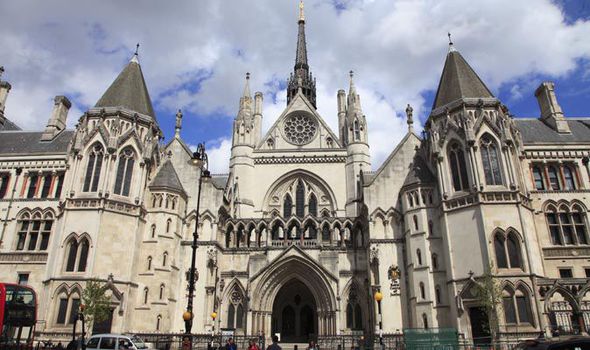
Royal Courts of Justice

UPDATE: Papers have now been served on Mel Stride, Secretary of State for work and pensions, and the DWP for acting unreasonably in refusing to agree to mediation over theissue of the six year delay to 1950s women’spensions. The ministry will now have 21 days to file a response and then the case will have to go to court.

The Government’s attitudein not recognising there is a problem chimes well with their handling of the Post Office postmaster’s scandal and in delaying compensation for people hit by the contaminated blood scandal. Their attitude to my mind suggests there is a Whitehall playbook to avoid paying people any compensation for as long as possible, probably drawn up by Government lawyers, in the hope that many people will be dead before the inevitable pay out is made.

Since the publication of this blog the DWP has confirmed it is now involved in litigation with CEDAWinLAW but does not wish to comment about it.

But interestingly Rob Behrens, the Parliamentary Ombudsman, has pulled back from his threat to pause his investigation ( see below). He now says he will review the position only if the courts give permission to CEDAWinLAW to bring a judicial review. This means the confidential consultation will continue until January 19 and the report is still scheduled to be published on March 23.

The legal battle against Mel Stride, the work and pension secretary, over his refusal to consider mediation in the long running dispute over50s women pensions has begun.

Papers were lodged at the High Court yesterday by lawyers representing the campaigning group .CEDAWinLAW on behalf of 3.5 million people who faced a six year delay to receiving their pension.

In a statement the organisation said:

“CEDAWinLAW earlier instructed Professor John Cooper KC, ‘One of the Top 10 influential lawyers in the UK’, 25bedfordrow.com and David Greene, Senior Partner, edwincoe.com to represent ALL 1950’s Women in a judicial review against the Secretary of State for Work & Pensions in relation to the DWP’s refusal to mediate following from the Judge’s Report which sets out in depth the way in which those affected have enforceable rights which have been breached.

We are delighted to announce today that our legal team has issued at the court an Application for a Judicial Review in the matter which, in turn, is now being served on the Respondent.

Included as part of the lodged Application & Bundles, an expert witness statement authored by The Hon Dr Jocelynne Scutt AO, the former Australian judge, who produced a report on the discrimination faced by 50s women.

Please kindly donate to meet our legal team costs and @crowdjustice platform fees. The link is :https://www.crowdjustice.com/case/group-class-action/

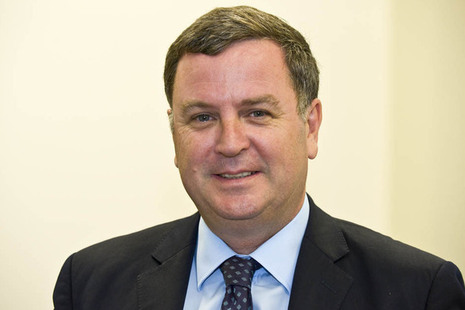
Mel Stride, Work and Pensions Secretary

The lodging of the papers will mean the Department for Work and Pensions will have to lodge a response to the new judicial review breaking their silence over the matter and their refusal to contemplate any mediation over the matter.

What the position of the Parliamentary Ombudsman, Robert Behrens, to this new development is not entirely clear. He is handling a separate case involving maladministration and is currently consulting in confidence over 500 people and the six complainants on his final report until January 19. His plan was to publish it on March 23 just a few days before his retirement. His main findings and the Department’s response to him were published on this blog here and here.

During a hearing with the Commons Public Administration and Constitutional Affairs Committee in November Mr Behrens in a reply to Ronnie Cowan, the Scottish National Party MP for Inverclyde, said:

“It is not in our hands, Mr Cowan, to be able to be definitive about what the end date is going to be. If there is further litigation, then that will delay the process even further. That is out of our
hands.”

It now is and his reaction and the DWP’s reaction to this new development is awaited.

One-Time
Monthly
Yearly

Make a one-time donation

Make a monthly donation

Make a yearly donation

Choose an amount

£5.00
£10.00
£20.00
£5.00
£15.00
£100.00
£5.00
£15.00
£100.00

Or enter a custom amount

£

Your contribution is appreciated.

Your contribution is appreciated.

Your contribution is appreciated.

DonateDonate monthlyDonate yearly

please donate to Westminster Confidential

£10.00

Exclusive: Mel Stride now facing legal battle over refusal to agree to mediation over 50s women compensation for lost pensions

Mel Stride work and pensions secretary

Lawyers for CEDAWinLAW, the group fighting for equality for all women, have now drawn up papers to take Mel Stride, the work and pensions secretary, to the high court over his failure to agree to any mediation to sort out the seven year running sore over settling the 50swomen pensions issue.

CEDAWinLAW in a statement today said: ” CEDAWinLaw is best pleased to announce that its legal team is about to file an application to the court to commence legal proceedings on our behalf representing all #50swomen against the secretary of state for work and pensions.”

“Without waiving privilege CEDAWinLAW is pleased to say that leading counsel advises that there are grounds to seek permission to launch a full Judicial Review based on an unreasonable refusal to mediate and they are to be pursued on behalf of ALL 1950’s Women.”

The decision follows work by lawyers Edwin Coe and human rights KC John Cooper to draw up a case after their crowdfunder raised enough cash to prepare a legal strategy. The crowdfunder is now raising funds to fight the case in the courts.

The legal challenge will be on behalf of all 3.5 million remaining 50s born women who faced a six year delay before they got their pension with many of them saying they never realised the change was coming.

Mel Stride himself at first tried to ignore any call for mediation by not replying to a request from mediation lawyers Garden Court Chambers which was prepared to act as a mediator. But the request itself triggered a legal process and in the end he replied refusing any mediation.

It has since become known that the DWP in a confidential submission to the Parliamentary Ombudsman, Rob Behrens, has said it has done nothing wrong re maladministration and said to pay any of the women compensation could amount to the ministry facing “a major fraud.” See my blog on this here.

The case for the women has been strongly articulated by former Australian judge Jocelynne Scutt in her judge’s report on the inequalities they faced.

She said: “The 50s women have the right not to be discriminated against on the ground of age and/or sex. Those rights are enforceable. However those rights have been breached by the failures and actions of the Department of Works and Pensions in the way they failed to notify, and in the way they went ahead to apply the legislation albeit they had failed to notify and therefore the 50s women had no notice of the need to reorganise their retirement plans or their paid work arrangements. “

She has recently recorded a fresh video:

Jocelynne Scutt

John Cooper, KC , who will arguing the court case, said:

“ This is an important challenge for so many #50sWomen in this country. The weight of the evidence indicates a grave injustice to them, and we will robustly represent their interests as we move forward with the assistance of a first class legal team.”.

CEDAWinLAW have notified party leaders, party deputies and committee chairs plus Sir George Howarth’s ADR group about the legal action with the mobilised #50sWomen’s voting bloc also in mind ahead of next year’s General Election.

Ian Byrne MP has agreed to apply for a Back Bench Debate on Mediation and Kim Johnson MP plans to table an Early Day Motion on Mediation.

The petition to Parliament has been updated. See here.

In another development the Parliamentary Ombudsman, Rob Behrens has extended the consultation on his proposals to handle the maladministration report by making no recommendation for compensation but leaving it to Parliament to decide. It will now finish on January 19 rather than by Christmas.

One-Time
Monthly
Yearly

Make a one-time donation

Make a monthly donation

Make a yearly donation

Choose an amount

£5.00
£10.00
£20.00
£5.00
£15.00
£100.00
£5.00
£15.00
£100.00

Or enter a custom amount

£

Your contribution is appreciated.

Your contribution is appreciated.

Your contribution is appreciated.

DonateDonate monthlyDonate yearly

Please donate to Westminster Confidential

£10.00

Francisca Holmes verdict: Judge says she is a whistleblower but did not suffer detriment from the trust

Francisca Holmes

Nurse Francisca Holmes lost her case against Lewisham and Greenwich NHS Trust yesterday when Judge Eoin Fowell ruled that she did not suffer detriment or discrimination after she blew the whistle following finding a dead patient in a ward at Queen Elizabeth Hospital, Woolwich.

He did say that she had legally made a protective disclosure on patient safety and health and safety following the death of patient MS, a frail elderly lady, admitted with breathing difficulties during the Covid pandemic in May 2020.

But he did not agree that the events that followed where she said she suffered detriment and was ” set up to fail ” including being put on inconvenient shifts, left in charge of the ward without a matron, passed over for courses, had a pay cut just after a pay rise, and being accused by Mr Katandika [her ward matron] of leaving without handing over her patients to the next staff shift putting patient safety at risk contrary to the nurses’ code of conduct.

The judge accepted the trust’s case that because of the Covid pandemic not all procedures , particularly over shift working, could not be followed because of staff shortages caused by many of the nurses catching Covid.

He also decided that there was no evidence of age or race discrimination and thought that Ms Holmes had misinterpreted what had been said to her.

His verbal judgement ( it will not be published unless either of the parties requests the papers) went into considerable detail of each event, drawn from the papers submitted by the trust.

One of the key points he emphasised was the long delay before Ms Holmes made the protective disclosure – not until early in the following year- which he accepted that neither Mr Katandika or any other managers were aware that they were facing a whistleblower complaint. Ms Holmes, in her own statement to the tribunal, said she wasn’t quite sure how to do this and thought it was being investigated. In fact investigations stopped and the death was put down as a “patient incident”.

Jean Firaza

The other key point for him was that the trust’s competency book, compiled by Jean Firaza, a Filipino manager and one of the people she criticised as being hostile to her said she was a good nurse and could work independently. She had few meetings than normal with Mr Katandika or Jean Firaza, to discuss her progress because she was doing well, the judge concluded. Again he blamed the Covid situation.

He also said she could have applied for promotion but had chosen not to, which is why the post went to another nurse and her complaint about losing a place on a training course was on a course as a cardiac nurse, which was designed to help another nurse and she had not applied to do that course..

Grievance allegations took a long time to investigate

He agreed that the investigation into her grievances had taken time to complete which meant she did not know what was going on. Lucie Kabatesi, was both writing and investigating her grievances while she was matron in the hospital’s busy accident and emergency department. But he said that an assertion given by her solicitor, Winston Smith, that ” she had been “chasing, chasing and chasing” to get the verdict were not born out by the evidence as there no emails showing she had done this.

He also cited Thurdy Campbell, a former manager of her ward 22, as being sympathetic to her including reducing the number of patients she had been asked to look after when she seemed to have been given too many.

But Thurdy Campbell, despite being a key manager in her life, was never called to give evidence by the trust. If she had the judge would have had to at least consider a different aspect on this case. She has told me that she had raised patient safety issues about the reconfiguration of Ward 22 as a Covid ward just two days before the patient’s death, suggesting there may have been problems there.

She also has told me that when she decided to take up Ms Holmes’s case she had a warning from senior management not to do it. She has added now that she had witnessed Ms Holmes being bullied in the ward as well.

It seems to me that the trust, obviously advised by their lawyers, Capsticks, and Old Square Chambers, is selective about who it calls in whistleblowing cases. Even though Thurdy Campbell was no longer working for the trust she could have been contacted about this. Other witnesses called by the trust now have different jobs but still gave evidence.

One-Time
Monthly
Yearly

Make a one-time donation

Make a monthly donation

Make a yearly donation

Choose an amount

£5.00
£10.00
£20.00
£5.00
£15.00
£100.00
£5.00
£15.00
£100.00

Or enter a custom amount

£

Your contribution is appreciated.

Your contribution is appreciated.

Your contribution is appreciated.

DonateDonate monthlyDonate yearly

please donate to Westminster Confidential

£10.00
How a nurse whistleblower fell foul of NHS managers after the shock of finding a dead patient in a hospital ward

Francisca Holmes

Former Ward 22 manager not called as a witness says trust is lying over events that led to patient’s death

Francisca Holmes, a 61 year old staff nurse, had worked happily at the Queen Elizabeth Hospital, Woolwich since 2019. She is a black person of African ethnicity.

But during the Covid pandemic she was shocked to go into Ward 23 on 17 May 2020 after a frail elderly patient, who had not been admitted with Covid, but with a lower respiratory condition, was found to have died and nobody had noticed.

As I reported earlier, after the document was released by the judge hearing her tribunal case, the investigation into her death has been sparse. Just one page recording a ” patient incident” for a woman who died alone in a ward full of Covid patients after vomiting, with her mask resting on a pillow and a nebuliser with no oxygen.

Ms Holmes had a five day tribunal hearing this week under judge Eoin Fowell claiming detriment over whistleblowing, constructive dismissal, and age and race discrimination. All this was challenged by the Lewisham and Greenwich NHS Trust who employed a junior barrister, Camille Ibbotson, from the law firm, Old Square Chambers at great expense to press their case.

Her discovery of the body of the patient was reported to staff nurse Mr. Rey Malabuyoc. According to her witness statement she blames a Filipino nurse ,Ms Chenee Coronado, who was looking after her, for negligence that lead to her death. She has never been asked for a statement about what happened by the trust.

The death of the patient is described more fully in her witness statement:”

“According to Biftu Ali {the day nurse on duty) , the patient had been sitting out in the chair eating yoghurt when she aspirated and peri-arrested.  A crash call was put out and patient was seen by the team.  She added that patient was in bed, settled and being nebulised.

“After handover, my colleague  went into the bay but came straight back out to call me.  The known COPD patient was found lifeless with a nasopharyngeal tube in her right nostril.  She had a face mask on and nebulised on air via an air driven machine.  There was no sight of a nasal cannula, meaning she was not getting the required oxygen.  It is note worthy that a 40% (red) venture mask laid on top of her pillow while the flow metre was on at 60%. The patient had a nasopharyngeal tube in her right nostril.”

Rodney Katandika Pic credit: Linked In

The trust’s argument is the hospital was in the middle of the Covid pandemic and nurses could not devote the time needed to look after every patient because of staff shortages. Mr Rodney Katandika, the matron, on the ward, who first investigated the situation, said in evidence to the tribunal initially there was “nothing untoward in her death”. He also resolutely denied any age and race discrimination on his part.

After the event her witness statement says the trust ” appointed Lucie Kabatesi, Matron on and sent her a list of my complaints in a letter purporting to set out my grievances. The letter specifically omitted any reference to the patient death incident and my whistleblowing complaint which I had raised. I was not advised of any other procedure to raise my concerns and it appeared that the respondent was covering up the circumstances of the patient death and my allegations.”

She says she repeated her allegations when she met Ms Kabatesi on 27 April 2021. Ms Kabatsi told the tribunal this was the first time she had raised this with her and it was added to her investigation.

Francisca Holmes claims that since reporting the death she has been subject to detriments and ” set up to fail ” including being put on inconvenient shifts, left in charge of the ward without a matron, passed over for courses, had a pay cut just after a pay rise, and being accused by Mr Katandika of leaving without handing over her patients to the next staff shift putting patient safety at risk contrary to the nurses’ code of conduct.

She seems to have had a bad relationship with Jean Firaza, a Filipino manager, describing in her statement an incident where during a handover. In her statement she says: “She was very angry, arms akimbo and leaning back and forwards. There was a discussion about the treatment we were giving to a patient.”

Jean Firaza was not called as a witness by the trust, though she attended the hearing every day.

The investigation by Ms Kabatesi was scheduled to be completed in four weeks but took six months. She was described as an expert investigator but like Mr Katandika, and Ms Ann Marie Coiley, director of nursing, had no experience of investigating whistleblowing cases. I find this strange they were chosen since the same hospital must have postgrad experience of investigating whistleblowing since it is still fighting Dr Chris Day for over ten years over his whistleblowing claims over the avoidable deaths in the intensive care unit.

Ms Holmes was never informed of the progress of the investigation and eventually frustrated resigned.

Ms Ann Marie Coiley blamed Covid problems for the failure to sort out Ms Holmes’s request for flexible working and said she had bought a ” shopping list of complaints” against the trust.

Camille Ibbotson

In her closing submission Camille Ibbotson for the trust said all her claims of unfair treatment and age and race discrimination were ” wholly unfounded.” She said all the trust witnesses who were called had provided credible evidence while she had been ” evasive” when questioned by her. She downplayed the death of the patient describing it as ” a patient incident” which seemed to me to be a rather callous dismissal when you heard the facts about the death.

Winston Brown, Ms Holmes’ solicitor, in summing up her case placed great emphasis on the fact that she been the victim of constructive dismissal by being kept in the dark about the investigation into her grievances and the trust hiding behind Covid to avoid detailed questioning about how she was treated.

He pointed out despite Covid the trust did not suspend its policy of treating staff with dignity and compassion because of the Covid crisis. As a result he thought it was in breach of the code and therefore she should be compensated. He also raised why the tribunal had not heard from Thurdy Campbell, one of the managers involved

Thurdy Campbell: former manager of Ward 22

After the publication of my blog over the trust’s failed attempt to ban me from seeing Ms Holmes’ witness statement and the ” investigation” into the patient’s death I was contacted on Linked In by Thurdy Campbell myself. She blames the death of the patient on an unplanned reconfiguration of wards 22 and wards 23 just two days before the patient died

She told me: ” I was the manager of Ward 22 at the Lewisham  and Greenwich NHS Trust who reported patient safety concerns  (via clinical incident) and sent email to senior managers  regarding  the unplanned reconfiguration process of 15 May 2020 that led to that incident (I was blindsided of the  patient’s death until Francisca Holmes raised the incident with me sometime in 2021).

” I supported FH as the ward manager during her complaint  but was dismissed from office during the investigation procedures conducted at the Trust . I was subjected to unlawful disciplinary sanctioning after reporting. “

She goes on: “I have sent Fran the info on this incident this morning . They are lying. I was slapped with a conduct letter by the DDNG (Divisional Director of Nursing Governance) for raising concerns about this incident. It has nothing to do with staff shortage. There should be a shift log book detailing activities of that day. Mr Brown should request a copy of that booklet..”

This seems to throw new light on events that were never told to the tribunal. The judgement will be given Monday afternoon.

One-Time
Monthly
Yearly

Make a one-time donation

Make a monthly donation

Make a yearly donation

Choose an amount

£5.00
£10.00
£20.00
£5.00
£15.00
£100.00
£5.00
£15.00
£100.00

Or enter a custom amount

£

Your contribution is appreciated.

Your contribution is appreciated.

Your contribution is appreciated.

DonateDonate monthlyDonate yearly

please donate to Westminster Confidential

£10.00
Death in Ward 23: Whistleblower nurse raises patient safety issues in the same hospital where Dr Chris Day is fighting avoidable deaths

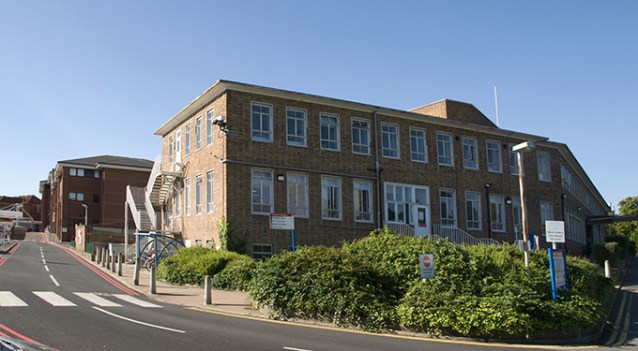
Queen Elizabeth Hospital, Woolwich pic credit: Lewisham and Greenwich NHS trust

Lewisham and Greenwich NHS Health Trust is facing a second whistle blowing case at an employment tribunal over patient safety six years after Dr Chris Day, a junior doctor, in 2014 brought a still on going case on two ” avoidable deaths” in their intensive care unit.

Francisca Holmes, a 61 year old nurse who has since resigned from Queen Elizabeth Hospital, Woolwich has claimed detriment after reporting an elderly frail patient was found to have died in her ward without the staff realising this had happened. She is also claiming age and racial discrimination.

She is being represented by her local solicitor Winston Brown, from Brown and Company. The trust is being represented by solicitors Capsticks and Camille Ibbotson, a junior counsel from Old Square Chambers.

Before the hearing even started Francisca contacted me saying she have been told that a journalist could not report the case because “all NHS cases” are confidential. When I pointed out this was nonsense her solicitor told her I could be given a link to attend the remote hearing.

Camille Ibbotson, junior barrister at Old Square Chambers

Then during the hearing I requested via the chat box to see a copy of her witness statement and the report into the investigation of the death. This was vigorously opposed by Camille Ibbotson, on behalf of the trust. She claimed that under the remote practice rules I had to make a formal application for the documents explaining why I wanted them and insisting that the report contained sensitive information and the witness statement contained allegations about people I should not see.

But the salaried employment judge Eion Fowell decided that my chatbox application was equivalent to a formal request, pointing out that in a physical tribunal hearing a journalist could raise the matter directly with a judge. I had also explained that I wanted the document so I could understand the case.

After an over night discussion the judge ruled in my favour on the grounds of ” open justice” rejecting the trust’s arguments. He said the trust was ” a large professional organisation” that could have applied before the hearing to keep some of the documents in the tribunal legal bundle private but had failed to do so.

Then it was revealed that the ” investigation” into the patient death is just a one page ” incident report”. The judge allowed the report to be flashed on the screen so I could take notes. It shows that an elderly frail lady was admitted with ” lower respiratory problems” and needed, at times, a nebuliser and oxygen to stay alive.

Evidently she was found to have died because this happened during the Covid pandemic on 17 May 2020 and the trust say ward was short staffed and unable to give her the continual care they would normally do. She was found dead after vomiting with her mask on her pillow and there was no oxygen in the nebuliser.

There seemed to be no suggestion that she had Covid herself but she was in a ward with Covid patients.

I will be reporting in full when the evidence given in the tribunal hearing is finished. But I thought this tussle over getting the documents should be reported as the judge’s ruling against the trust is important. Particularly as these arguments by the trust could be repeated elsewhere by Old Square Chambers.

One-Time
Monthly
Yearly

Make a one-time donation

Make a monthly donation

Make a yearly donation

Choose an amount

£5.00
£10.00
£20.00
£5.00
£15.00
£100.00
£5.00
£15.00
£100.00

Or enter a custom amount

£

Your contribution is appreciated.

Your contribution is appreciated.

Your contribution is appreciated.

DonateDonate monthlyDonate yearly

Please donate to Westminster Confidential

£10.00
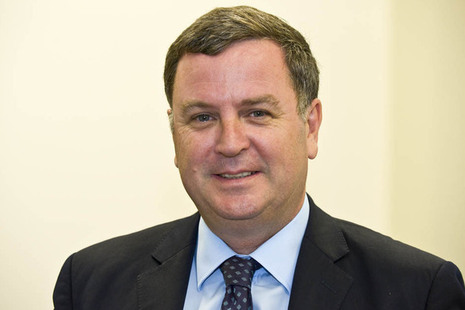
Powerless Parliamentary Ombudsman lashes out at “command and control” NHS

Rob Behrens Parliamentary and Health Ombudsman

Last week was Whistleblower Awareness Week and Whistleblowers UK and the All Party Parliamentary Group on Whistleblowing organised a two day event in Parliament on issues affecting whistleblowing.

I attended the two hour session aptly entitled Whistleblowing in Health care – a Lesson in Futility? It drew a wide selection of people from the UK and the Isle of Man including doctors, lawyers, judges, nurses and speak up guardians

These included Dr Chris Day , who has been fighting Lewisham and Greenwich Health Trust for ten years after reporting two avoidable deaths in the intensive care unit at Woolwich Hospital and Martyn Pitman, a consultant obstetrician and gynaecologist, who recently lost a case against Hampshire Hospitals Trust, reporting patient safety issues after a mother died giving birth in one of their hospitals. Both cases can be found in a series of articles on my blog.

But one of the most striking contributions came from Rob Behrens, the Parliamentary Ombudsman – an Establishment figure – and the Health Service Commissioner more familiar to my readers over the debacle in getting compensation for 3.5 million 50swomen who faced a six year delay in getting their pension.

In a short powerful speech he rightly lambasted the culture inside the NHS which is leading to the failure, ,persecution and character assassination of whistleblowing doctors and nurses who report patient safety issues.

Describing the system in the NHS as “command and control”, he described the contrast between the management of trusts boasting to him how open their institutions were only to find the opposite when he talked to people lower down the food chain dealing with the complaints.

He pleaded for a more ” collegiate NHS” where managers and staff worked together rather than against each other. he wanted ” fundamental change” in the leadership of the NHS.

But his speech also revealed how impotent his role is in handling healthcare issues. He pointed out that the Ombudsman was handicapped by outdated legislation, couldn’t deal with staff issues unlike other Ombudsmen, was unable to take any initiatives himself, and couldn’t force the NHS to make changes even he wanted them to do so. None of this does his reputation with the public any good. I have only covered one of his cases. You can read about it here. Health warning it is a very grim story and the Ombudsman could only partially investigate it.

Northern Ireland Ombudsman has greater powers

How he must envy Margaret Kelly, the Northern Ireland Ombudsman, set up under more modern legislation, who has and uses her powers to initiate investigations. A report here on my blog shows how she took on private company Capita and its failure to treat disabled people properly applying for Personal Independence Payments.

At the moment plans to get a new law to protect whistleblowers ( they are also covered by outdated legislation which trusts can use lawyers to get round its provisions) is stalled. So is any legislation to give the Parliamentary Ombudsman fresh powers or rationalise the plethora of other ombudsmen in this country. I suggested one step that could be taken in election year would be for whistleblowers to press the major parties to include a pledge to legislate in their manifestos. There is an “oven ready” bill already by Whistleblowers UK to reform the system which could be the basis for fresh change. It is time we ended talking and took some action.

Please donate to Westminster Confidential so I can continue my reporting.

One-Time
Monthly
Yearly

Make a one-time donation

Make a monthly donation

Make a yearly donation

Choose an amount

£5.00
£10.00
£20.00
£5.00
£15.00
£100.00
£5.00
£15.00
£100.00

Or enter a custom amount

£

Your contribution is appreciated.

Your contribution is appreciated.

Your contribution is appreciated.

DonateDonate monthlyDonate yearly

Please donate to Westminster Confidential

£10.00

Ukraine: An extraordinary project to revive the history of a once forgotten nation

Video of the full proceedings of the launch at the British Museum

What do you really know about Ukraine? Until Russia started its bloody war to invade the country probably little more than the exploits of the Cossacks and Britain’s role in the siege of Sebastopol during the Crimean War in 1854.

This week I was invited to the British Museum for a press conference to launch a remarkable international project to thoroughly research the history of this little known large country .

History is important to us all. That’s why students in the UK learn about the Romans, the Norman Conquest, Henry VIII, Cromwell, the British Empire, the first and second world wars, and the creation of the National Health Service to name but a few. These pivotal events shape our past and give us a sense of belonging and the interpretation of our past can be a catalyst for changes in the future.

This project – the Ukrainian History Global Initiative – was launched here because it will be based here. It is being financed by a wealthy Ukrainian oligarch, Victor Pinchuk, who owns Interpipe, which makes pipes and railway wheels, six TV stations and Grand Buildings, a London landmark in Trafalgar Square. He is one of the trustees – the others include Carl Bildt who is chair of the trustees and former prime minister of Swedenm and the historian Anne Applebaum, lawyer Philippe Sands, and Ukraine’s most celebrated poet, Serhiy Zhadan. Two generations of Ukrainian historians are contributing tto the project.

The project is enormous and will take three years to complete with no fewer than 90 academic researchers working on the history of Ukraine from across the world going back to its ancient past as well as more recent events leading up to the current war.

Ukraine is not on the periphery of Europe and Asia

What emerges is that Ukraine far from being on the periphery of Europe and Asia played a central role. It had strong links with ancient Greece Its wealthy assets as a bread basket for the world has meant it was invaded by the Nazis in the second world as Hitler wanted the land to feed his country. Russia seems to have its eyes on its land for similar reasons plus its mineral wealth. The Mongols dominated Ukraine for a period and there are strong connections between Poland, Lithuania and Ukraine. Jews, Muslims and Christians also play prominent roles in its development.

This rich background will provide historians with a feast to investigate.

Timothy Snyder, Professor of History at Yale University, who developed the academic concept of the project over the past three years, and is Chair of the International Academic Advisory Council and Member of the Board of Trustees of the Ukrainian History Global Initiative, said: “This Initiative will involve scholars from around the world in several disciplines, using traditional methods as well as new technology that helps us to handle the deep past. ‘Ukraine’ here is to be understood very broadly, as the lands and peoples, from the very beginning. There is much interesting to be said about the origins of our language, about the bronze age, about the Middle Ages, about modernity — from Amazons to Vikings, Ukraine is a territory where our standard view of history can be revised and made more vibrant.”

Please donate to Westminster Confidential to cover my work

One-Time
Monthly
Yearly

Make a one-time donation

Make a monthly donation

Make a yearly donation

Choose an amount

£5.00
£10.00
£20.00
£5.00
£15.00
£100.00
£5.00
£15.00
£100.00

Or enter a custom amount

£

Your contribution is appreciated.

Your contribution is appreciated.

Your contribution is appreciated.

DonateDonate monthlyDonate yearly

Please donate to Westminster Confidential

£10.00

Exclusive: DWP paper says paying any maladministration compensation to 3.5 million 50s women is ” a major fraud risk”

Entire DWP submission to Ombudsman on women’s right to pension compensation leaked to this blog

All 3.5 million 50s born women including the six “test case” complainants should get no compensation because there has been no maladministration and no evidence of financial loss, the DWP has told Rob Behrens, the Parliamentary Ombudsman. Even if there were maladministration the submission says his report does not show “there was injustice as a consequence of that maladministration.”

Their 118 paragraph submission rejects his entire draft report and his modest proposal of £1000 compensation for the six test cases, which the department says is, anyway, too high.

The coruscating response to the Ombudsman in a document marked ” official sensitive” is highly critical of his findings, the campaign to get compensation by WASPI, and makes the extraordinary suggestion that many of the claims by women could turn out to be fraudulent.

The attitude of the officials to the claim explains the real reason why Mel Stride, the Work and Pensions Secretary, is against mediation as he is obviously being advised that the ministry has no case to answer and why the Ombudsman, who must be embarrassed by the language in the submission, has turned to Parliament as a last resort.

The findings must be a major blow to Angela Madden, the organiser for WASPI, who only last year claimed at the Labour Party Conference that the women would get £10,000 to £20,000 compensation from the ministry.

Much of the submission is devoted to the Ombudsman’s proposal that all the women who have similar circumstances must get similar compensation and fund set up to deal with the wider question of compensation for financial loss. This means that the department would have to examine each case in detail which , according to the paper , would mean employing 5,500 extra staff, and take away people from other work like paying people’s pensions on their retirement and awarding pension credit.

The submission says: “DWP would not have information on all 1950s-born women and we would have to source their information – for example, through HMRC. We would also need bank details in order to make an automated payment and these would be obtained through outreach and/or some way for citizens to provide their details. Such a scenario would take significant setting-up and would have wide ranging impacts on DWP’s other critical business, with likely costs of the digital aspects.” It says this would take 18 months to set up.

It is the fraud claim over financial losses that is most extraordinary.

The submission says: “We are concerned that the Ombudsman’s proposed recommendations would generate a major fraud risk and be hugely and disproportionately burdensome to implement.”

“… we expect that the existence of a scheme would result in many claimants endeavouring to provide such evidence. The Department would then have to try out many extensive and expensive investigations to decide whether the evidence was sufficient to prove financial loss. We expect that claimants will be
encouraged to make claims for financial loss and that template letters will be circulated to support such claims. The cost of living crisis may also drive increased volumes of claims.

“This seems to be an entirely unnecessary expense for the taxpayer given that the Ombudsman has found no sufficient evidence on the 6 sample cases, we found no sufficient evidence on the 10,000 cases, and we cannot see how sufficient evidence could be available.”

The submission does not even accept that that there was anything wrong with the ministry’s communication to 50swomen. The Ombudsman makes another modest proposal that officials report to him and the chairs of the work and pensions and public administration select committtees, Stephen Timms and William Wragg on what they have done six months after his report is published.

“”You have recommended that within 6 months of your final report we explain to you and the chairs of the WPSC and PACAC what we have done since these events happened or what we plan to do.

….”we do not agree to report to you and the chairs of the 2 committees within 6 months of your final report being published. Also, your findings relate to historic events. We are not clear on the benefit of
considering these events with the advantage of hindsight.”

I am not surprised this confidential submission was labelled ” sensitive”. It shows up the arrogant way officials behave towards 3.5 million elderly women, their disdain for remarkably modest proposals from the Ombudsman, dislike of organisations like Waspi for organising ” template letters” and a level of complacency they have in their administration of this vexed and prolonged process of raising the pension age. Their official attitude is little better than Boris Johnson’s quip during the Covid pandemic “let the elderly die”.

I have not bothered to either inform or contact the Ombudsman’s Office or the DWP on this leaked report as the Ombudsman is bound by law from commenting during an investigation and the DWP never comment on leaked documents.

Please donate to Westminster Confidential so I can continue exposing what is really going on in government.

One-Time
Monthly
Yearly

Make a one-time donation

Make a monthly donation

Make a yearly donation

Choose an amount

£5.00
£10.00
£20.00
£5.00
£15.00
£100.00
£5.00
£15.00
£100.00

Or enter a custom amount

£

Your contribution is appreciated.

Your contribution is appreciated.

Your contribution is appreciated.

DonateDonate monthlyDonate yearly

Please donate to Westminster Confidential

£10.00

Exclusive: Parliamentary Ombudsman dodges recommending any maladministration compensation for 3.5 million 50s women

Rob Behrens, Parliamentary Ombudsman Pic Credit: PHSO website

Ombudsman capitulates to DWP intransigence NOT to pay a penny and leaves it to MPs to decide

In what must be the most extraordinary provisional decision by any Parliamentary Ombudsman Rob Behrens has decided NOT to make any recommendations for compensation for maladministration he found affecting 3.5 million 50s born women who had to wait an extra six years for their pensions.

Some details of his confidential letter sent out to Waspi, MPs, the test case complainants and 500 other pensioners have leaked out and show basically the Ombudsman has , in my words.” kopped out ” of his job to compensate people wronged by public bodies. This is after spending six years – with various breaks – investigating the issue.

The letter reveals that the Department for Work and Pensions has put enormous pressure on the Ombudsman not to award anything by telling him before he has completed his final report they have no intention of paying it.

These are the key paragraphs:

The official Ombudsman website says the aim is to publish this as a final report in March.

So what are the repercussions if this goes ahead? It obviously means it would go to Parliament which would have to have a debate and a vote on various levels of compensation. But the Parliamentary agenda is largely in the hands of the government and government whips. The government still has a large majority and Rishi Sunak, the PM, has shown little, if any, interest in this issue. All the government has to do is put down a motion saying the DWP doesn’t want to pay any of the women and whip Tory MPs to vote for it.

There might be a small rebellion by Tories but not enough to defeat it. It is by no means certain that Labour would support it, despite the former shadow chancellor, John McDonnell promising £58 billion to settle this issue. Labour seeing itself in power later next year would not necessarily be keen on paying a multi billion package to the women when faced with a tight spending constraints.

The other extraordinary result of such a provisional decision is that this is a bitter blow to Waspi, who went down the Parliamentary Ombudsman route. The have raised huge sums of money from these women – all it turns out for nothing. They are still running a crowd funder – supposedly for a judicial review into the Ombudsman’s decision. They capitulated at the court door- going for the Ombudsman to rewrite his findings. Well he has now, and recommends they get nothing. Should they continue to raise money now it could be seen as fleecing their supporters as they now have nowhere to go.

The only bright light in this terrible situation is that CEDAWinLAW has now raised all the £15,000 it needs for lawyers to go ahead to work out a strategy to bring a Group Class action against the DWP. Since it looks like the only thing that could make the DWP listen is a court decision, this is the only avenue left.

But there is something worse in the Ombudsman’s provisional decision. Should it go to a vote in Parliament and Parliament votes to give them nothing, that is the end of the matter. Parliament is supreme and even the courts have to bow to Parliament. In other words, the Ombudsman’s decision, however he likes to dress it up, condemns 3.5 million mainly poor pensioners to go to their graves without a penny in compensation. Some friend of the oppressed indeed.

One-Time
Monthly
Yearly

Make a one-time donation

Make a monthly donation

Make a yearly donation

Choose an amount

£5.00
£10.00
£20.00
£5.00
£15.00
£100.00
£5.00
£15.00
£100.00

Or enter a custom amount

£

Your contribution is appreciated.

Your contribution is appreciated.

Your contribution is appreciated.

DonateDonate monthlyDonate yearly

Please donate to Westminster Confidential

£10.00