Employment Tribunal open justice campaign : Sir Keith Lindblom’s office replies to lack of fairness and transparency in hearings

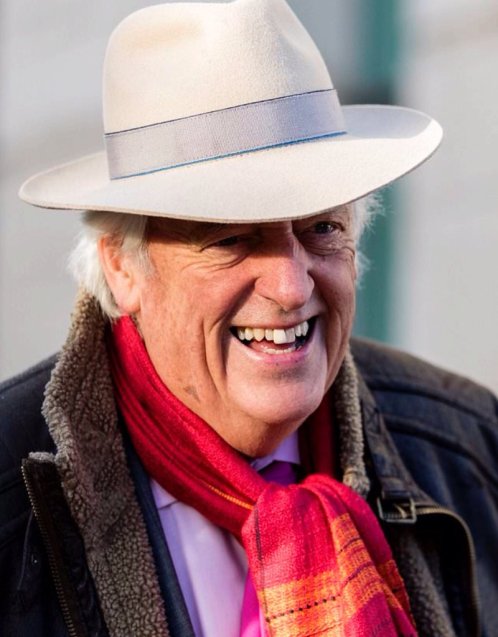
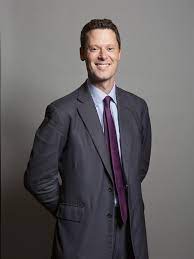
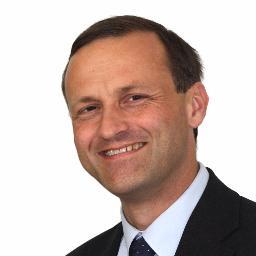
Sir Keith Lindblom, Senior President of Tribunals Pic credit : gov.uk

Last month over 320 people signed a letter to Sir Keith Lindblom, Senior President of Tribunals and the heads of the the employment tribunals in England, Wales and Scotland protesting that tribunals do not keep records or transcripts of their hearings.

The letter signed by senior NHS consultants, doctors, nurses, journalists, whistleblowers and wide range of members of the public sought reforms to the system because of the one sided nature of the hearings particularly in whistleblowing cases – where a litigant in person does not have the resources as a well funded employer.

Transcripts are not available unless the judge gives permission to the parties to take full notes and the only official document is the judge’s decision which can miss out facts given in the case.

Cases involve patient safety, bullying and discrimination

Many of the cases involve issues like hospital and patient safety, bullying, harassment, racial and sex discrimination where a claimant is sacked for suggesting anything has gone wrong rather than the issue being sorted.

Now the official reply from his office acknowledges a number of key facts that people have suspected but have not had confirmation.

First it admits no guidance exists on the use of transcripts and judges don’t have to use them. “There is no provision in the Rules or the Employment Tribunal Regulations that requires hearings to be recorded or transcripts to be produced.”

Second it admits that it is now possible to record hearings as many hearings are held on-line following both a courts modernisation programme and the Covid 19 pandemic.

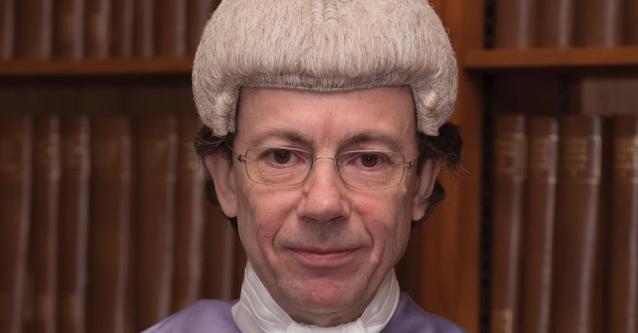
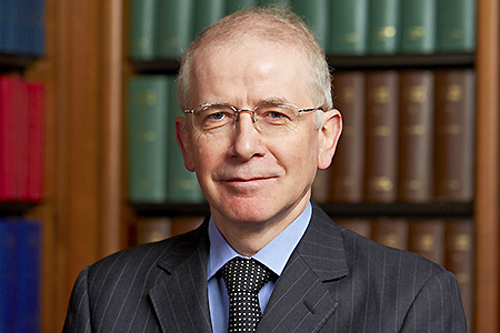
Judge Barry Clarke, president of the employment tribunal service for England and Wales

And the most positive point in the reply suggests the most senior people are considering changes to the the system.

“The Presidents of the Employment Tribunals are giving consideration to recordings and transcripts in the context of video hearings, where there is a facility to make a recording and which are now used to a greater extent as a result of the HMCTS reform programme and the experience of the pandemic. This is in contrast to most in-person hearings. In most venues where Employment Tribunal hearings take place, recording equipment is not installed, and so no recording can be made. In a few locations in England and Wales, the Employment Tribunal is co-located with a court jurisdiction where such equipment is installed, and where that is so, its use is encouraged.”

The rest of the letter is unsurprisingly a defence of the present system.

“The overriding objective of the Employment Tribunal Rules of Procedure is to deal with cases fairly and justly. That includes, so far as practicable: ensuring that the parties are on an equal footing; dealing with cases in ways which are proportionate to the complexity and importance of the issues; avoiding unnecessary formality and seeking flexibility in the proceedings; avoiding delay, so far as compatible with proper consideration of the issues; and saving expense. Most Employment Tribunal hearings are held in public. Any consideration of an order to prevent or restrict the public disclosure of any aspect of the proceedings must give full weight to the principle of open justice, and, like any judicial decision on a matter of case management, would be amenable to appeal.”

Litigant in person may bring a friend or relative to take notes

“It is also possible to take a note of the proceedings, and a litigant in person may bring a friend or relative with them to the, tribunal to act as a notetaker. Judges invariably allow this, and indeed encourage it.
Litigants in person are also regularly signposted to services such as Support Through Court which can assist with notetaking. “

It goes on: “”The Employment Tribunals provide detailed written reasons explaining the factual and
legal basis of their decisions. Any appeal is based on the judgment and supporting reasons, and the Employment Appeal Tribunal will not accept a transcript in place of written reasons. If at appeal the parties cannot agree what was said in evidence, the Employment Appeal Tribunal may ask the judge who heard the case to answer questions in writing about the evidence on a particular issue or issues. When that happens, both parties will be provided with the document the judge sends in response. In accordance with its Practice Direction, the Employment Appeal Tribunal may also, if it wishes, obtain the judge’s notes of evidence on any disputed matter, which will then feature in the appeal bundle.”

Whistleblowers are at a disadvantage

The problem with this defence is that it doesn’t seem to be reflected on the ground. Many whistleblowers say they feel at a disadvantage particularly if they wish to appeal a decision and they haven’t got a transcript to raise points that are not mentioned in the judgement. And most whistleblowing hearings are far from informal occasions – employers use forensic barristers whose questioning of whistleblowers would not be out of place at an Old Bailey trial.

It also raises some interesting questions. If recording facilities are available at on-line and hybrid hearings why are they not used? Or while obviously judges only use notes, do other court officials use them unofficially to check facts for judges? There has to be change in the employment tribunal system to bring it up to the 21st century and the HM Tribunal and Court Service need to explain how they intend to bring this about.

After publication of this blog a circuit judge publicly backed the recording of all hearings.

Kaly Kaul QC said: “As a Judge in a Crown Court where proceedings have been recorded ever since it replaced shorthand writers, it is unfortunate that every Court is not recorded. Teams and Cloud Video platform have recording facilities. In addition we have recording onto micro SD cards so that any material played in court is automatically recorded so that the Jury can retire with it. It is imperative that proceedings are recorded. It cannot be that difficult to put in place.”

Please donate to Westminster Confidential to allow me to continue my forensic investigations and campaigns for justice.

One-Time
Monthly
Yearly

Make a one-time donation

Make a monthly donation

Make a yearly donation

Choose an amount

£5.00
£10.00
£20.00
£3.00
£9.00
£60.00
£3.00
£9.00
£60.00

Or enter a custom amount

£

Your contribution is appreciated.

Your contribution is appreciated.

Your contribution is appreciated.

DonateDonate monthlyDonate yearly

please donate to westminster Confidential

£10.00

Revealed: A new generation of women face pension inequality

Pic credit: Siemens pension scheme

Just before the Parliamentary recess the House of Commons library produced a new report on pension inequality showing how a new generation of women will lose out again to men unless action is taken now.

The report- The Pension Gender Gap – makes stark reading for millions of women now in work. The focus in this report is on the hurdles facing women to get an equal pension with men.

The main hurdle is the private pension or second pension women receive to top up their state pension. It quotes a Women’s Budget Group pre-Budget Briefing which says that: ‘Private pension schemes, promoted and subsidised by UK governments, are the main reason for the gender gap in pensions, placing women at a disadvantage due to their domestic roles and lower pay’.

The pay gap – still at 7.9 per cent – between men and women is basically discriminating against women getting the same pension as men. When the Conservative government set up the auto-enrollment scheme for a workplace pension in 2012- funded by employers and employee contributions – they excluded anyone not earning enough to pay national insurance.

While it increased the chances of women getting a private pension ( from 40 per cent in 2012 to 86 per cent in 2020) their savings fall away after they reach 35 because they are bringing up children and often take part time work.

As the report says: “The design of automatic enrolment widens the gap between lower and higher earners in retirement and disadvantages those in second jobs.”

Women who take part time work or multiple part time jobs are simply excluded from getting a second private pension partly paid by their employer.

Some low paid women may never get a work pension

And those who never earn enough at work – there are an estimated 500,000 of them nearly all women – never get a second pension at all.

As the Association of British Insurers told MPs on the Commons Work and Pension Committee: “Women disproportionately work in lower paid jobs; 75% of those earning under the £10,000 AE earning trigger are women. They also make up the majority of multiple job holders, as much as 64%. This is significant as their total income could be over the AE earnings trigger, but as it is divided across multiple jobs they will not be automatically enrolled into a pension.’

Fortunately it looks like the Department for Work and Pensions is planning to do something about this though we may have to wait a couple of years before this happens.

A DWP spokesperson said :

“Automatic enrolment has helped millions more women save into a pension, with participation among eligible women in the private sector rising from 40% in 2012 to 86% in 2020 – equal to that of men. Our plans to remove the Lower Earnings Limit for contributions and to reduce the eligible age of being automatically enrolled to 18 in the mid-2020s will enable even more women to save more and start saving earlier.”

But this isn’t the only barrier. The report highlights three other issues, affordable child care, pension rights for divorcees and monitoring pension equality.

On child care the report highlights demands by the trade union, Prospect and the People’s Pension, one of the larger pension trusts, both call for help with child care including tax relief for the care of the under two year olds and a local authority grant for 3 and 4 year olds.

Make pension savings a compulsory part of a divorce settlement

The Pension and Lifetime Savings Association call for the law to be changed so pension rights have to be considered in divorce proceedings.

“The government should consider changing the law to ensure that pensions rights are considered on a mandatory basis as part of divorce. Currently pensions may only be considered if there is a financial settlement considered by the courts. The process of pension sharing on divorce could also be better streamlined to remove friction and delay for all parties.”

And finally the Government Equalities Office should impose a mandatory requirement on the DWP to publish gender pension gap statistics and then draw up proposals to speed up ending the gap. The GEO did not want to comment on this.

There is one ray of hope arising from the new state pension introduced in 2016. It has narrowed the gap between men’s and women’s state pensions. Women got 82pc of men’s pension in 2016. By 2020 it had narrowed to 92pc. But the DWP could not tell me when it would be 100 per cent.

Unless action is taking speedily a whole new generation of women are going to lose out to men. No one wants to suffer the fate of 50swomen who have been so badly treated again. They are already worse off because of the abolition of the second pension in 2016.

Chris Thompson, a retired pension expect, pointed out both men and women lost out over auto-enrollment. “Between 2012 and prior to 6 April 2016 when the new state pension started people were also paying into the state second pension if they were not contracted out.

” From the 6 April 2016 people ceased accruing state second pension so are now much worse off than under the old state pension system. A low earner about £46 pw worse off and a high earner about £67 pw. Another thing to remember is that losses do not take into account loss of inherited and derived rights, loss of GMP indexation if contracted out or increase in NI due to loss of NI rebate.”

Please consider donating to Westminster Confidential to allow me to continue my forensic investigations and monitor issues.

One-Time
Monthly
Yearly

Make a one-time donation

Make a monthly donation

Make a yearly donation

Choose an amount

£5.00
£10.00
£20.00
£3.00
£9.00
£60.00
£3.00
£9.00
£60.00

Or enter a custom amount

£

Your contribution is appreciated.

Your contribution is appreciated.

Your contribution is appreciated.

DonateDonate monthlyDonate yearly

Please donate to Westminster Confidential

£10.00

Rip off: DWP to take no further action to compensate millions who lost thousands of pounds of extra pensions

Peter Schofield,permanent secretary at the Department for Work and Pensions

Those following the highly complicated story of the estimated 11 million who have lost extra pension payments because they are no longer entitled to a guaranteed minimum pension uprating every year after the new state pension was introduced in 2016 have received a further blow.

Despite further pressure for an explanation from the House of Commons Works and Pensions Committee Peter Schofield, permanent secretary at the DWP, has ruled that no further action to inform people is necessary.

The people affected were a large but distinct group. They were  people who were contracted out of SERPS by their employer but were told they would receive an index linked guaranteed minimum pension. This arrangement was scrapped when the new state pension was introduced in 2016 for anyone in the private sector – but remains for public sector workers.

The money they have lost is anything from a few pounds a week to tens of thousands of pounds over the lifetime of their pension. This decision was never debated in Parliament or included in the Pensions White Paper. Just as with the 50swomen and divorcees, women are the most affected.

Two people complained to the Parliamentary Ombudsman and won £1250 compensation between them for maladministration. Given the numbers involved you would have thought many more would have got compensation. In fact no one else has.

This is not surprising given the DWP ignored the remedy the Ombudsman suggested and put out a factsheet on their site without even an accompanying press release to say it had done it. The factsheet can be found here.

The Commons Work and Pensions Committee took it up with Peter Schofield, the DWP’s permanent secretary, and pressed for an explanation. The MPs have now got it.

The reply from Peter Schofield is here. He explains the factsheet was deliberately tested on people who did not know anything about pensions to prevent bias and 6,922 had viewed it. He claims that 57 per cent of people who saw it said it was ” useful”. Presumably 43 per cent thought it wasn’t.

Just five people put in a claim and none got it

When it comes to inquiries triggered by the website you can count them on one hand. Just five people, none of them eligible.

The DWP explanation why they believe this does not matter is to say the least interesting. He claims that the transitional arrangements for the new pension mean that someone could gain an extra £38.42 a week -presumably referring to the triple lock.

But the triple lock refers to everybody’s pension – it is not just for those who were contracted out. Also it is not a triple lock at the moment – as 12 million pensioners have lost out by not including the higher rise in earnings. And I notice Rishi Sunak, the Chancellor, did NOT reaffirm it was coming back for next year’s pension rise at the recent spring statement. In fact he didn’t mention pensioners at all.

A DWP spokesperson said in response to my story:

“We encourage anyone who is concerned to read the online factsheet and contact us if they think they have been affected.

“The publication of the factsheet is the final step in the Department meeting the Ombudsman’s recommendations on this issue.”

All this to me has wider implications -particularly for the 50swomen still hoping for compensation via the Ombudsman route. The exercise on GMP pensioners resulted in victory for the two complainants who proved there had been maladministration. But not one other person got any money – a complete failure for the Ombudsman.

Bad news for the 50swomen wanting pension compensation

It would be like the six 50swomen complainants over maladministration getting compensation but the DWP devising a way of ensuring the rest of the 3.8 million get nothing.

There has been much talk from some MPs and campaigning groups claiming the women are entitled to £10,000 or payments of up to £20,000. At the moment that is just wishful thinking because it depends on the willingness of the DWP to pay out. The case illustrated by those entitled to compensation for losing their GMP indexation shows the DWP has no intention of doing so if it can get away with it.

Please donate to Westminster Confidential to allow me to continue my investigative reporting.

One-Time
Monthly
Yearly

Make a one-time donation

Make a monthly donation

Make a yearly donation

Choose an amount

£5.00
£10.00
£20.00
£3.00
£9.00
£60.00
£3.00
£9.00
£60.00

Or enter a custom amount

£

Your contribution is appreciated.

Your contribution is appreciated.

Your contribution is appreciated.

DonateDonate monthlyDonate yearly

Please donate to Westminster Confidential

£10.00

New campaign: Time to change a prejudicial and unfair employment tribunal system

Sir Keith Lindblom Senior President of the Tribunals Pic credit: gov.uk

This week sees the launch of a campaign by doctors, whistleblowers, journalists and members of the public to seek a big change in the way the employment tribunal system works.

It follows a series of judgements against whistleblowers – some have been carried on this blog- where the judgement itself ignores or twists facts and where the whistleblower – often but not always a litigant in person – has to defend himself or herself against big battalion lawyers brought in by employers.

Many of the cases involve issues like hospital and patient safety, bullying, harassment, racial and sex discrimination where a claimant is sacked for suggesting anything has gone wrong rather than the issue being sorted.

Worse some of most egregious offenders are in the public sector. They are the hospital and trust bosses, the management of Sellafield and the Nuclear Decommissioning Authority, and Greater Manchester Police to name a few current examples. They spend millions of pounds on expensive barristers and solicitors fees all funded with your money – the taxpayer – rather than using your money to correct the problem.

They then go and try and bankrupt whistleblowers or drive them into abandoning their case by putting in six figure cost claims against them. Or use taxpayer’s money to give them six figure pay offs in return for a non disclosure agreement.

Judge Barry Clarke, President of the Employment Tribunals of England and Wales

All this is presided over by the judges who have a whip hand – they don’t record the proceedings or keep transcripts. They keep notes but they are for their private use and you cannot get them -even through a subject access request.

The only public record is their judgement – and if it misses out some of the evidence – there is no record that the evidence was ever given to the tribunal. And you cannot make a recording of the hearing – that is a criminal offence. Employers with more resources can employ their own note-takers – very useful if it goes to appeal and their lawyers won’t share their transcripts with the claimant.

The only safeguard is mainstream media which might report the hearing – though even then some employers try to get some of their evidence held in camera. But with the parlous state of the media , especially local media, journalists are rarely there.

Judge Shona Simon; President of the Scottish Employment Service

That is why the campaign has begun with a letter to the three top employment judges in the UK – Sir Keith Lindblom; Judge Barry Clarke and Judge Shona Simon, seeking a fundamental change to facilitate open justice- that transcripts of the proceedings of employment tribunals should be kept. The letter argues that the principle of a fair trial – enshrined by the European Court of Human Rights – cannot take place if only one side can afford to keep a record. It gives the employer a permanent advantage.

The decision to write the letter was taken at a meeting of Justice for Patients and Doctors – but supported by other whistleblowers who are not in the NHS.

With the help of my journalist colleague Philip Whiteley, Sellafield whistleblower Alison McDermott, cardiologist whistleblower Usha Prasad and junior doctor whistleblower Dr Chris Day,, the letter was circulated on social media.

Within just seven days we had backing from well over 300 people – from a former economic adviser to No Ten Downing Street, Sir Adam Ridley, 80 medical consultants, numerous GPs, nurses, teachers, to a former deputy groundsman at the Chelsea Pensioners hospital, a lorry driver, an actor, writer and a poet. This seems to suggest there is a wide ranging feeling that there is something wrong in the justice system.

This is the roll call of honour:

  1. Sir Adam Ridley former Downing Street adviser and economics adviser to Nigel Lawson and Sir Geoffrey Howe
  2. Jane Somerville, Emeritus Professor of Cardiology, Imperial College
  3. David E Ward, former cardiology consultant, St George’s Hospital, London
  4. Michael Byram Professor Emeritus University of Durham
  5. Dr Philip Howard MA G Dip Law LLM MA MD FRCP Consultant Physician and Gastroenterologist
  6. Prof Brendan T Barrett Dip Optom Bsc Psychol PhD MCOptom FAOI FHEA
  7. Gautam Appa Emeritus Professor of OR Dept of Management, LSE
  8. Dr Chris Day, Emergency Medicine Doctor A&E Agency
  9. Dr Usha Prasad MBChB FRCP FESC Former Consultant Cardiologist and Lead Clinician for Heart Failure Epsom & St Helier University Hospital; Currently Locum Consultant Cardiologist at Mid Yorkshire Hospitals NHS Trust
  10. Dr Arun Baksi, Emeritus consultant physician
  11. Dr Michael Eden, consultant pathologist
  12. Susan Burell, consultant sonographer/ radiographer
  13. Dr Louella Vaughan, Consultant Physician in Acute Medicine
  14. Dr Kit Byatt, retired consultant geriatrician now working in human rights medicine
  15. Dr Ravi M Kare Consultant Norfolk and Norwich University Hospitals
  16. Dr Paul Garrud Hon. Associate Professor, School of Medicine and Health Sciences, University of Nottingham
  17. Dr Margaret Beedie Retired consultant psychiatrist
  18. Dr Susan Read MBE, FRCN. Retired Professor of Nursing Research at Sheffield University.
  19. Craig Jerwood MBBS, FRCA, FFICM Consultant in Intensive Care Medicine
  20. Dr Chantal Meystre MB ChB MA FRCP UKCP Palliative Medicine Consultant and Integrative Psychotherapist
  21. Thomas R. Lee, MB, BChir, FRCP, MRCPC retired Paediatrician
  22. Dr Jenefer Sargent Consultant Paediatrician
  23. Dr Catriona Connolly MBBS FRCA Consultant Anaesthetist
  24. Julia Bodle Consultant obstetrician
  25. Lesley Pavincich Consultant Psychotherapist
  26. Dr Rakesh Aga FRCP, Consultant Gastroenterologist, Nobles Hospital Isle of Man
  27. Shona M Hamilton Consultant Obstetrician (Retd) BSc, MB ChB, LLB, PGCert, MPhil FRCOG
  28. Dr Nancy Redfern Consultant Anaesthetist.
  29. Dr Katharine McDevitt, MBBS, MRCPCH, FRACP, Consultant Paediatrician Peterborough City Hospital
  30. John A Hamilton FRCS Edinburgh & Glasgow Consultant Orthopaedic Surgeon (Retd.)
  31. Dr D S Wijayatilake Consultant Intensive Care Medicine Queens Hospital Romford
  32. Milap Rughani Consultant Plastic Surgeon
  33. Dr Hugo Farne Respiratory Consultant, Imperial College London
  34. Eleni Gounari Paediatric consultant
  35. Therese Walsh Anaesthesia Fellow
  36. Mr Ismail Hassan Consultant Obs. & Gynae Birmingham Women & Children Hospital
  37. Dr Sarwat Shah Locum Consultant Dermatologist
  38. Mark J Curtis MBBS FRCS (Ed) FRCS (Eng) MFSEM (UK), Consultant Orthopaedic Surgeon
  39. Jacqueline Anne Henshall Head of Private Patients (recently retired) Guy’s and St Thomas’ NHS Foundation Trust
  40. Matthew Welberry Smith Consultant Renal Transplant Physician
  41. Dr M Senaratne Consultant Psychiatrist
  42. Nasser Kurdy Consultant Orthopaedic Surgeon
  43. Edwin Jesudason, Consultant in Rehabilitation Medicine Scotland
  44. Dr Arshad Siddique Consultant Psychiatrist
  45. Francis Sheehy Skeffington Retired Consultant Paediatrician
  46. Val Kyle, retired Consultant Rheumatologist
  47. Dr Neil Finer, Consultant Ophthalmologist
  48. Salam Alsam NHS Consultant
  49. Dr Kim E Isaacs FRACS Consultant Surgeon | Surgical Oncology General Surgery | St Vincent’s Hospital, Australia
  50. Mr John Davies Consultant surgeon Whipps Cross Hospital
  51. David Church, Locum GP, Wales, and currently also Consultant Support to North Wales Regional Hub of Test, Trace, Protect
  52. Keith Baxby Retired consultant surgeon. Dundee
  53. Dr Sean Whyte Consultant Psychiatrist & Deputy Medical Director
  54. Dr John Cøoper Consultant cardiologist
  55. Aprajit Bhalla Consultant Orthopaedic Surgeon
  56.  Dilshad Marikar Paediatric Consultant West Suffolk Hospital
  57. Dr Carolyn Ruth Broadbent, recently-retired Consultant Anaesthetist, Royal Derby Hospital
  58. Dr Philip Timms Consultant Psychiatrist, South London and Maudsley NHS Trust
  59. Dr Katherine Pendry Consultant Haematologist (retired)
  60. Dr Jenny Jenkins Retired Consultant Anaesthetist
  61. Mr Basavaraj Sreeshyla, consultant ENT surgeon
  62. Dr Jonathan Taylor, consultant in emergency medicine 
  63. Dr Subramanian Narayanan, consultant radiologist
  64. Dr Deb Lee, consultant paediatrician
  65. Dr Peter Sheppard.  Consultant radiologist
  66. Dr Sheena Pinion, former consultant obstetrician Kirkcaldy Scotland
  67.  Iain Muir Consultant Surgeon Dumfries & Galloway Royal Infirmary
  68. Dr John Baksi, consultant cardiologist
  69. Dr Bettina Harms, consultant paediatrician
  70. Professor Parag Singhal, consultant endocrinologist
  71.  Dr Christopher Moulton, Consultant in emergency medicine
  72. Dr Colin Hutchinson. Consultant Ophthalmologist
  73. Mr Amit Sinha, consultant Orthopaedic surgeon
  74. Dr Chriam George, consultant radiologist
  75. Dr Venugopal Poothirikovil, consultant paediatrician
  76. Miss Helen Fernandes, consultant neurosurgeon
  77. Mr Radhakrishna Shanbhag, Consultant in Trauma
  78. Dr Anil Jain, consultant radiologist
  79. Mr Omer Karim MB BS, MS, FRCSUrol, Locum Consultant Urological Surgeon, Royal Marsden and Charing Cross Hospitals
  80. Dr Azhar Ansari MBChB DM PhD FRCP
  81. Dr Tariq Choudhry.  Locum Consultant Psychiatrist Barnet Enfield and Haringey NHS Trust
  82. Dr Amit Mukherjee, Consultant Psychiatrist, London
  83. Roger Gartland actor
  84. Dr Ana Martinez Nahorro, Consultant cardiologist
  85. Kevin Donovan, secretary, Defend Our NHS
  86.  Brian Howard Thompson Retired BT Divisional Director
  87. Dr Malila Noone, Microbiologist
  88. DR Sunil Saxena, Anaesthetist
  89. Dr Naila Aslam, medical advisor.
  90. Dr Suma Basavaraj, general practitioner
  91. Dr Nishant Joshi, GP
  92. Mr Alexander Phillips, Research Director
  93. Dr David Mark Thornton, Senior partner, Richmond Medical Centre, Lincoln
  94. Dr James Wilson Haematology SpR
  95. Dr Katie Brooks, Principal Medical Writer
  96. Colin Padgett, Teacher, tutor and examiner
  97. Brian Morris Retired
  98. Dr Yasar Sabir Anatomy Fellow, University of Birmingham
  99. Ingrid Broad, Retired, previously MCSP, AACP
  100. Gordon Drummond Honorary Clinical Senior Lecturer Department of Anaesthesia, Critical Care and Pain Medicine Royal Infirmary, Edinburgh
  101. Dr Rebekah Cutler General Practitioner
  102. Jonathan Mackay MB ChB retired GP
  103. Keith Baker retired GP Trainer
  104. Moya Duffy retired GP
  105. Stephen Taylor IT Engineer retired
  106. Dr Heechan Kang Locum Senior Clinical Fellow/Specialist Registrar in Paediatric Cardiology
  107. John Bugler, retired
  108. Jan Marriott Registered General Nurse retired
  109. Judith Joy Member of the public
  110. Ian Talbot Process Operator
  111. Alan Ribot-Smith Retired Crypto Security Consultant
  112. Leonard Rouse, retired high school teacher
  113. Denise Cheetham  local authority employee
  114. David Mousley
  115. Dr C C Hulbert Retired
  116. Nigel Morris Civil Servant NI – Electricity Network Policy
  117. Rosalyn Anderson Retired senior pharmacist NHS
  118. Dr Michael Trowbridge GP
  119. Dr Fionnuala Kelly Orthopaedics Registrar Gold Coast University Hospital, Australia.
  120. Eamonn Rafferty
  121. Dr Cate Bulmer, GP trainee, NHS Education Scotland
  122. Patricia Lawlor, Lawyer and Vice-Chair of Whitestone Patient Participation Group
  123. Sinead Summers nurse at Shooting Star Children’s Hospices, Guildford
  124. Dr Ian Cocks GP retired
  125. David Buglass Translater
  126. Cllr Dr Hannah Charlotte Copley Clinical Research Training Fellow, University of Cambridge and Addenbrooke’s Hospital, Cambridge
  127. Charles Bockett-Pugh retired engineer
  128. Glanville Neale Retired
  129.  Tracy Nelms Registered General Nurse (Community/General Practice
  130.  Brian Smart, retired Chartered Surveyor
  131. Robert Knowles, Retired maintenance engineer
  132. Catherine Hills Retired
  133. Emma Tyson ST4 Anaesthetics St Georges Hospital
  134. Dr Ibironke Tayo ST4 O&G  RCOG EOE ePortfolio champion
  135. Denise Wentworth Retired Nurse Practitioner
  136. Brian Wedge Retired
  137. John Harwood Ex telecommunications fitter
  138. Gerard Murphy MB BCh FRCP(Edin) MRCGP MICGP DPD(UWCM),Retired General Practitioner, Lisburn, Co. Antrim.
  139. Dr Nigel Speight Paediatrician (and Guardian reader) DurhamNeil Purcell – Lighting Cameraman
  140. Ravinder Passi whistleblower
  141. Dr Nick Mann, GP in LondonDr Derek Jones Associate Senior Researcher Italian National Research Council (CNR)Bologna, Italy
  142. Dr John Calvert, retired NHS General Practitioner
  143. Dr Krishnaveni padala Gpst3
  144. Thomas Clother Lorry Driver
  145. Christine Joachim Retired Social Worker
  146. Una-Jane Winfield Researcher and campaigner
  147. Joanne Rossouw – Barclays Bank whistleblower
  148. Bob McClenning   Retired, Liberal Democrat activist
  149. Oliver Darlington retired lecturer in MIcrobial Genetics
  150. Dr Sara MacDermott, GP
  151.  Roger Bilham retired metallurgist
  152. Dr Mary O’Gorman
  153. Patricia Browne, Retired  Care Manager
  154. Dr Anya Gopfert Public Health Registrar
  155. Russell Dunkeld Retired Registered General Nurse
  156. Judith King Retired GP
  157. Naomi R. Bowen, Retired Parish Clerk.
  158. Roger Lallemant, retired construction worker
  159. Ms S Murgraff Member of the Public
  160. Dr Kerry Orchard Specialty Doctor in Palliative Care
  161. Patrick Kirkby Retired
  162. Ian Leonard Owner – Leonard Projects Consultancy (Telecommunications) 
  163. Penelope Burton Retired GP
  164. Sally Hart
  165. Jessica Harris GP Partner
  166. Marian Davies Retired civil servant
  167. Wendy Horler Retired NHS worker
  168. Jamal Siddiqi member of the public
  169. Dr Yok Fun Chang Retired GP
  170. Andrew Pearce Learning & Teaching Quality Manager
  171. Siobhan Coleman Retired.
  172. Revd Judith Palmer- GP before ordination
  173. Dr Jason Holdcroft-Long  Specialist registrar in old age psychiatry
  174. Abelardo Clariana-Piga -member of the public
  175. Michael Young – retired broadcast media journalist.
  176.  Alison McDermott, BSc Hons, FCIPD. HR Consultant
  177. Ashley Borkett IT Systems Engineer
  178. KJ Swainson Retired Registered Nurse
  179. Nina Basey-Fisher, Sales Consultant
  180.  Gillian Kirk member of the public
  181. Dr Nisha Bhudia  ST7 in anaesthesia.
  182. Dr Mary-Clare Parker, GP
  183. Dr Gurdave Gill General Practitioner
  184. Dr Charles McEvoy, GP partner, Ripon
  185. Dr Alison Barnes Locum GP St Richard’s Hospital Chichester
  186. Stuart Dixon Retired NHS worker Author of Toxic Lives
  187. Christine Aram Retired Midwife
  188. Mike Darbyshire Trustee of the Bowles Rocks Trust
  189. Chris Cowsley Retired Professional
  190. Sheila Hedges  Retired
  191. Irene Leonard
  192. Dr Winifred Stack 
  193. General Practitioner Newcastle upon Tyne.
  194. Michael J Tynen Retired College Lecturer
  195. Angus Bearn Company director
  196. Harry McAulay Retired Schoolmaster
  197. Dr Andrew Muirhead-Smith ST6 Intensive Care & Anaesthesia
  198. Shuna Watkinson Retired nurse
  199. Joanna Lane CEO of  the charity Christopher Lane Trust.
  200. Martin Heaps, Data Security Analyst.
  201. David Collett, retired
  202. Dr Alexander Stockdale NIHR Academic Clinical Lecturer in Infectious Diseases University of Liverpool
  203. Rev Dr Judith Gretton-Dann Church of England priest
  204. Dr Tiago Ivo General Practitioner
  205. Derek Medhurst retired coach and assessor on organisations
  206. Harry Smart, writer and poet
  207. Maureen A Vilar retired teacher at Portsmouth City Council.
  208. Jackie Morgan retired union official
  209. Mary Lester RGN, BA(Hons) Specialist Community Nursing, wound care nurse
  210. Garry Dring – Registered Nurse Senior Clinical Advisor, North East Ambulance Service
  211. Julia Mountain Retired
  212. Sunil Kapur Teaching Assistant
  213. Carol Lindsay Smith. www.Patients4NHS.org.uk
  214. Ms Mary Morrison retired Uni SL in Language in Education
  215. Karen Clark mother to two hospital doctors
  216. Sandra Ash retired art tutor
  217. Justin Dennis Deputy grounds and gardens manager Royal Hospital Chelsea
  218. Carolyn Hupton retired
  219. Dr Peter Sinclair Whitehead GP Harrogate District Hospital Foundation Trust
  220. Margaret E. Johnson member of the public
  221. Dr Jennifer Adams Mb ChB MRCGP retired
  222. Philip Tucker Retired
  223. Jennifer Hall Health Visitor
  224. Mrs Sue Fuller retired social worker
  225. Dr Tom McNaughton, specialist registrar
  226. Dr Philip Delbridge Doctor (Middle Grade) – Emergency Medicine
  227. Nicholas Ellam  Project Manager (retired)
  228. Linda Walker NHS employee
  229. Janet Thompson Retired State Registered Nurse
  230. Ruth Barker Retired GP
  231. Rosemary Clarke Retired Solicitor
  232. Jo Reynolds Member of the public
  233. Dr Naomi Beer GP East London
  234. Graham Pearson – Engineer retired
  235. Carin Parker – Solicitor retired
  236. Mary-Louise Stewart Member of the Public
  237. Dr Ankush Dhariwal Doctor in Infectious Diseases and Microbiology
  238. Dr David Sillince Retired GP
  239. Marc Woodman Junior Doctor
  240. Dr Andrew McArdle MRCPCH MSc MA Clinical Research Training Fellow, Imperial College London
  241. Naomi Adelson, GP
  242. Saad Chowdhury  GP VTS Registrar (junior doctor)
  243. Dr David Miles GP with a Special Interest in Addictions SE & NE Recovery Hubs
  244. Saleha Jamali Member of the Public
  245. Rebecca Winsor D.O. Registered Osteopath
  246. Jonathan Gurr Retired General Practitioner
  247. Matt Sheehy GP Derby
  248. Tracy Mason Court reporter
  249. Nigel Midgley – Operations Manager
  250. Ilkay Cetin  Tranlator
  251. Hilary Beavan Company director
  252. Rachel Nicolle, FwSS, self-employed Shiatsu practitioner
  253. Jill Stevens Retired Journalist
  254. Dr Mark N. Upton GP Tutor, Hull York Medical School
  255. John Thain Ex-Nurse and Retired Nurse Lecturer
  256. Dr Venetia Fawcett Retired GP
  257. Ashley Borkett IT system engineer
  258. Robert Wyatt Retired head teacher
  259. Dr Peter Tyerman Board member Autism Plus
  260. Dr Cara Hughes BM MSc FRCA Anaesthetic Trainee ST6 West of Scotland Deanery
  261. Karl Connor Head of Communications and Community Engagement,
  262. Dr Manuela Perry Specialty doctor in Psychiatry
  263. Pamela Cross GP
  264. Dr Marion Judd PhD
  265. Rob Wheatley CTO – Watson Wheatley Financial System
  266. Clio Bellenis Retired child and adolescent psychiatrist
  267. Andrew Fitchett Locum GP
  268. Dr Lucy Dobson MRCOG Clinical Research Fellow in Gynaecological Oncology
  269. Julie O’Neil Libraries Services Manager
  270. John Graveling – Retired.
  271. Gillian Tennent Retired teacher
  272.  Susan Brown Retired Librarian
  273. Dr William Loveday ST5 Psychiatric Registrar
  274. Dr Jennifer Burgess (she/her) General Adult Psychiatry ST4 BA(Oxon), MBBS, MRCPsych
  275. Anthony Scratchley Counsellor
  276. Mark Pearse , retired farmer
  277. Dr Anna Passmore, locum GP Bedfordshire
  278. Rev Jeffrey I Smith Methodist Minister (retired)
  279. Jennifer McIntyre-McClure Retired Occupational Therapist
  280. Alexander McClure Retired nurse
  281. Dr Helen Parkinson GP
  282. Karen Blakey:  Researcher/Whistleblower in the Academic domain
  283. Kevin Ferguson IT Service Manager
  284. Hugh Wilkins Clinical Scientist
  285. Andrew Burd,
  286. MB ChB, FRCS(Ed), MD, PhD Director: Second Opinion (Medico/Legal) HK International Limited
  287. Janet Marks member of the Public
  288. Debby Monkhouse CBT Therapist
  289. Richard Slaughter   Retired Librarian
  290. Mrs. Carolyn Munro retired Medical Education Manager
  291.  Dr Peter Mercer PhD not medical doctor retired university lecturer
  292. David Squires, Definitive Map Review Officer, Nottinghamshire County Council
  293. Ms Shirley Murgraff member of the public
  294. Kathleen White, Retired Nurse
  295. Judith Lea Retired
  296. Julia Herod retired Social Worker
  297.  Philip Whiteley, freelance journalist
  298. David Hencke, freelance journalist
  299. Amrit Wilson, Writer and Journalist
  300. Dr Esha Sarkar Junior Doctor Whistleblower
  301.  Jenny Vaughan vice chair Doctors’ Association UK
  302. Neesha Hall member of the public
  303. Niccola Swan, retired Barclays regional director and former magistrate
  304. Dr Frances E Atkins MB ChB MRCGP
  305. Dr Ian McDermott MB ChB Leeds Community Health NHS Trust
  306. Staffordshire GP
  307. Terje Vangen Schea Fundraising Director
  308. Jill Church Managing Director Angels Healthcare Ltd
  309. Jill Hodsman, Children’s Nurse Specialist
  310. Sheena Reid – Talent Dynamics Ltd ICF Master Certified Coach
  311. Frank Reid FCA chartered accountant
  312. Name Denise Chisholm Paediatric Specialist Nurse
  313. Roger A Coleman, Radiological Safety Technician, Sellafield Ltd
  314. Oliver New Secretary, Ealing Trades Union Council
  315.  Sylvia Chandler (retired GP)
  316. Ann Barrett  MSc, MCOptom, DipGlauc, DipTP (IP)
  317. Andrew Burd, MB ChB, FRCS(Ed), MD, PhD Director: Second Opinion (Medico/Legal) HK International Limited

Please donate to Westminster Confidential to allow me to continue my campaigning and forensic reporting

One-Time
Monthly
Yearly

Make a one-time donation

Make a monthly donation

Make a yearly donation

Choose an amount

£5.00
£10.00
£20.00
£3.00
£9.00
£60.00
£3.00
£9.00
£60.00

Or enter a custom amount

£

Your contribution is appreciated.

Your contribution is appreciated.

Your contribution is appreciated.

DonateDonate monthlyDonate yearly

Please donate to Westminster Confidential

£10.00

Another pension scandal: Incompetent financial advisers rip off steelworkers in the wake of the collapse of Tata Steel

Scunthorpe Steelworks Pic credit: Alan Murray-Rust

It is not just the DWP that can make a fine mess of pensions. A report just out from the National Audit Office reveals how thousands of steel workers have been swindled out of their their company pensions by incompetent and in some cases dodgy financial advisers.

Rocked by the sudden collapse of Tata in 2016 – brought out for a £1 by private equity group Greybull only to collapse again and be taken over by a Chinese firm, this uncertainty led to the government separating out British Steel’s pension scheme from the company to protect people who still had a final salary scheme.

But unfortunately some were offered to swap their pension for a far more risky package that no longer guaranteed a final salary pension.. The scheme now closed allowed steelworkers to retire on a final salary at 60 or 55 if they were made redundant. Who today would not welcome such a good deal.

But some 8000 steelworkers chose to use their right to transfer out of the pension scheme. Some 95 per cent of them were advised by independent financial advisers. Nearly half the steelworkers were given dud advice.

The workers were given only a short window to transfer by companies that had little experience in dealing with such a large number of people. The companies also made a shed load of commission for themselves in handling the deals.

The report concludes that the workers in places like Teesside and Scunthorpe were vulnerable to pension mis selling by financial advisers. Already spooked by whether they would keep a job, they thought it was a good idea to opt for a private pension. They have now lost an average of £82,600 – with some losing up to £489,000. The maximum claim they can make is £85,000 or £50,000 of the firm collapsed earlier. The total amount lost comes to £18m.

Industrial scale of the rip offs

The industrial scale of the rip offs can be shown by how many firms have been fined . The Financial Conduct Authority (FCA) has issued  £1.3 million of fines and has 30 more enforcement investigations ongoing. It has also changed its approach to regulating the pensions advice market in response. Many of the advisers at the time were one horse businesses -too small then to be regulated.

The investigation has also revealed how badly bodies supposed to protect ordinary people can cope with the problem – The FCA and the Pension Ombudsman- do not come out well – just as the DWP and Parliamentary Ombudsman don’t do a good job in rectifying complaints. The FCA has now sharpened up its act as a result of this – and not before time.

Just like the Parliamentary Ombudsman the process to get redress is complex and difficult to understand, Perhaps it is no wonder that only only 25% (1,878) of members who transferred out of the BSPS [ British Steel Pension Scheme] have sought redress through complaints. The FCA is yet to decide whether to implement a consumer redress scheme for BSPS members, in which all firms involved would have to review their advice and potentially offer compensation.

The report reveals that many don’t even realise they can get redress – so bad have the authorities been in not telling them. Many of them won’t be able to recover all the money because the firms have gone bust and will have to rely on a national compensation scheme.

Meg Hillier chair of the Public Accounts Committee

Meg Hillier, chair of the Commons public accounts committee, sums it up well:

British Steel pension members were badly let down by placing their trust in the very system designed to protect them.

“The handling of the BSPS case was a failure from top to bottom. Many of the pension advisory firms gave bad advice to customers and the FCA, whose job it is to regulate these firms, was asleep at the wheel.

“Efforts to improve the pension advice market and provide compensation will be too little too late for many BSPS members. “The bottom line is that many pension members have been left out of pocket and seen the rewards for their years of hard work melt away”

The Financial Conduct Authority issued this statement:

“In a letter sent today, the FCA has set out its expectation that firms in the scope of a potential redress scheme should retain assets and should not try to avoid their responsibilities.

The FCA has warned it will take such action as it deems necessary if a firm attempts to avoid redress liabilities. 

Former BSPS members should continue to check whether they received unsuitable advice and find out how to complain at fca.org.uk/bsps.

Firms should continue to progress any existing FCA required Past Business Reviews and engage in any ongoing enforcement investigations or supervisory work connected to the British Steel Pension Scheme.”

There seems to be another moral of this story, Be wary of silken tongue financial advisers and research very carefully what you want to do with your pension. Remember not all of them are competent and some are just plain dodgy.

Please donate to Westminster Confidential to continue my forensic investigations.

One-Time
Monthly
Yearly

Make a one-time donation

Make a monthly donation

Make a yearly donation

Choose an amount

£5.00
£10.00
£20.00
£3.00
£9.00
£60.00
£3.00
£9.00
£60.00

Or enter a custom amount

£

Your contribution is appreciated.

Your contribution is appreciated.

Your contribution is appreciated.

DonateDonate monthlyDonate yearly

Please donate to Westminster Confidential

£10.00

Guest blog: The appalling treatment of NHS whistleblowers parallels the Post Office sub-post masters scandal

Dr David.E.Ward,

 David E Ward, a distinguished retired cardiologist, formerly at St George’s Hospital, South London, responds to the judgement by Tony Hyams-Parish on the case of Dr Usha Prasad

The treatment of NHS whistleblowers is a national scandal of the same iniquitous order of magnitude as the miscarriages of justice meted out to the sub-postmasters. This latter saga began 20 years ago after the installation of faulty software called Horizon from Fujitsu. Incredibly it was not picked up for years because the victims were not believed or they were accused of lying. The evidence was not properly collated or scrutinised. Or was it, but no-one said anything. “No other post office has had this problem” they were told. Perhaps the current Judge led inquiry will find out. Many were incarcerated. Some sold their homes to pay thousands of pounds of fictitious till deficits. Sadly, some committed suicide.

The sequence of events for NHS whistleblowers is different but the outcomes are strikingly similar. The NHS whistleblowers’ stories are largely unknown to the wider public apart from the occasional one featured in a national newspaper.

The WB raises a concern, which by the way is their duty under law, (Duty of Candourhttps://www.legislation.gov.uk/ukdsi/2014/9780111117613)

but instead of welcoming the exposure of the defect of a system (e.g. number of beds in a limited space), faulty equipment (e.g. a diagnostic machine) or a process (e.g. errors in admission procedures – wrong patient or wrong procedure) any of which may lead to patient harm or even death), the Trust fails to act but instead embarks upon a path of vicious and disproportionate reprisals against the WB.

The consequence of this chain of events is often catastrophic for the individual. The whistleblowing doctor may be subjected to repeated internal hearings, quasi-disciplinary proceedings, Maintaining High Professional Standards hearings etc. The latter may be chaired by lay persons with a legal qualification but posing as a barrister. Most doctors subject themselves (they raise an appeal) to an Employment Tribunal in the hope that justice will prevail. Sadly it does not. These proceedings are not formally recorded for later open scrutiny. The judge’s notes (such as they may exist) are private and not made available. It is also a criminal offence to make an electronic recording. The litigant can take notes but how do they manage to do that whilst giving evidence or listening intently to the evolution of their own fate? A preposterous suggestion.

Expensive lawyers who support the health trust

There is another major factor in these processes. They could not proceed without the complicity of the teams of expensive solicitors and barristers who support the Respondent. All this is paid for by the taxpayer. The claimant will of course have their own legal support if they can afford it but which is obviously limited by costs. This gross “inequality of arms” is a major factor in the final “justice” handed out. I don’t think many of us would call that fair and just. Doctors are threatened with enormous costs which in most cases could only be met by selling the family home. Why? Oh yes, it’s to force them to withdraw their claims and believe it or not it usually works!

Judge Tony Hyams-Parish

At Employment Tribunals it appears that the sum total of evidence is not scrutinised. Some evidence appears to be selectively omitted at the discretion of the ET Judge. In the Dr Prasad case (see David Hencke’s last blog) the admission by the lead of cardiology (Dr Richard Bogle) that a death which should have been reported to the coroner was not reported but “covered-up” is not even mentioned in the final judgment! One could ask for the transcript to check that this observation is correct. (Oh, no I can’t because there is no transcript but I did attend the virtual ET hearing and can vouch that I heard it stated!) That worked out quite well then didn’t it? To an outside observer who has some vicarious experience of these Tribunals it is nothing short of gobsmackingly incredible in a western democracy (I don’t have the full panoply of words to describe it!).

Former post office workers celebrate outside the Royal Courts of Justice, London, after having their convictions overturned by the Court of Appeal. Thirty-nine former subpostmasters who were convicted of theft, fraud and false accounting because of the Post Office’s defective Horizon accounting system have had their names cleared by the Court of Appeal. Issue date: Friday April 23, 2021. PA Photo. Photo credit : Yui Mok/PA Wire

The Post Office workers (Horizon scandal) did not commit any crimes neither did the NHS Whistleblowers. They have not broken any laws. Yet how is it that they have failed to present a case of sufficient strength to convince an ET Judge? Their punishment for exposing potentially harmful processes, which could save lives, is to be condemned, lose their careers, their livelihoods, their homes and in some cases their families or even their own lives. Put simply they are crushed by massive inequality of arms – expensive lawyers funded by the taxpayer. Swathes of evidence is ignored.

Is there some sort of collusion between the judiciary and the respondent or their legal representatives? Some MHPS hearings are seemingly very dodgy (some doctors/victims have observed this and can demonstrate it with evidence) up to and including the invention of spurious legal terms such as “fitness for purpose” which is unknown in British Employment law (see David Hencke’s blog on the Maintaining High Professional Standards Appeal).

Then there is always the possibility of undeclared conflicts of interest in the appointment of an ET officials. Just saying…..

Please donate to Westminster Confidential to allow my forensic coverage on this blog to continue.

One-Time
Monthly
Yearly

Make a one-time donation

Make a monthly donation

Make a yearly donation

Choose an amount

£5.00
£10.00
£20.00
£3.00
£9.00
£60.00
£3.00
£9.00
£60.00

Or enter a custom amount

£

Your contribution is appreciated.

Your contribution is appreciated.

Your contribution is appreciated.

DonateDonate monthlyDonate yearly

Please donate to Westminster Confidential

£10.00

Judge covers up “avoidable death” of heart patient and General Medical Council revalidation of Dr Usha Prasad to dismiss her whistleblowing case

Employment Judge Tony Hyams-Parish Pic credit: dmhstallard.com

Publication of avoidable death scandal at Epsom and St Helier University Health Trust leads to another relative coming forward and queries about a former senior staff member in Jersey

An employment judge has thrown out Dr Usha Prasad’s whistleblowing case and all her allegations of victimisation, sex harassment, and sex and race discrimination.

She is also facing a costs claim of an astounding £150,000 plus VAT via the law firm Capsticks from the Epsom and St Helier University Health Trust.

A letter from Capsticks says: ” The Respondent has incurred very substantial costs indeed in defending the unmeritorious proceedings, of in excess of £150,000 plus VAT. The costs incurred correlate to the Claimant’s unreasonable conduct and the unmeritorious nature of her complaints.”

Judge Tony Hyams-Parish’s judgement is long on the detail of all the various top management’s moves against Dr Prasad which led to an unprecedented 28 month suspension from clinical duties and remarkably short on any evidence given by her and her witnesses. He exonerates the actions of the senior management and ignores claims by any of her witnesses. And given he goes into such detail it is rather surprising he doesn’t mention that Daniel Elkeles, the former chief executive of the trust, offered to abandon the internal disciplinary proceedings against her if she dropped the tribunal case against the trust.

Indeed the most twisted part of his judgement is what he leaves out. Take the issue of the GMC revalidation of Dr Prasad. This is his purple passage:

“The Tribunal was invited to consider was the outcome of the claimant’s hearing before the GMC. The GMC began an investigation into the claimant which concluded in March 2021 with no further action to be taken. The claimant continued to state throughout this hearing that she had been exonerated by the GMC, suggesting that their conclusion must cast doubt on the actions and motivations of the respondent. However, the Tribunal found it difficult to draw any such conclusions from the GMC outcome. The Tribunal was not shown the content of the GMC referral or the case examiner’s report. Whilst the GMC and the respondent were looking at the same cases, their remits were likely to be quite different. In any event, the Tribunal was not shown sufficient evidence to decide either way.”

Really? The GMC judgement was entirely based on a list of 43 complaints submitted by the trust and obviously the trust expected it to be endorsed by the GMC. Instead it was sent to very experienced cardiologist in Middlesbrough who had worked at Papworth Hospital and he could not find anything wrong. And not only was this finding approved by the GMC, they revalidated her – taking away the power of the trust to do this. Given many doctors feel they are not well treated by the GMC, this was a remarkable outcome. The GMC was telling the trust to get stuffed.

Dr Usha Prasad with the former chief executive of the trust, Daniel Elkeles

The second area is the glossing over of the main whistleblowing claim. It centred around the avoidable death of a 76 year old man, Mr P, from heart failure, partly caused by negligence, muddle and poor communication at the trust. Dr Usha Prasad, who had no part in the care of the patient, was asked to review the case as an independent person. Evidence was given that an attempt was made to get Dr Prasad to rewrite her findings which included that the death should have been reported to the coroner and the Care Quality Commission. At the hearing Dr Richard Bogle, former head of the cardiology department, admitted that this should have been done – basically saying Usha Prasad’s judgement was right.

But this has been airbrushed from the judgement. If I hadn’t been there to report the case, no one would be the wiser that this happened.

Judge Tony Hyams-Parish disrespectful to dead man’s family

Not only to do I find this a gross omission but in my view the judge is being disrespectful to the man’s family by removing the details of the whistleblowing case. It is though he is thinking so what, a 76 year old dies, who cares?

But Judge Hyams-Parish knows he is on solid ground to ignore all this. He has already told Usha Prasad there is no recording or transcript of the proceedings, and his judges’ notes will never be released. So his judgement is the only record. And it is criminal offence if anyone has a recording.

Judgement a stain on British justice

My view is that this judgement is a stain on British justice which is supposed to be the epitome of ” fair play” and full transparency.

Instead it appears to me to more akin to Russian and Chinese justice .Here there is a semblance of justice but the result is a foregone conclusion. What appears in this case is the forces of the Establishment have been marshalled to intimidate and destroy an individual for the benefit of state power.

One good result of the publicity is that a relative of another person who died at St Helier hospital has come forward to me to investigate their case. And what happened at St Helier seems to have been picked up in Jersey, where this blog has a small circulation, and queries are being raised about a former senior manager at St Helier.

Please donate to my blog to continue my forensic investigations

One-Time
Monthly
Yearly

Make a one-time donation

Make a monthly donation

Make a yearly donation

Choose an amount

£5.00
£10.00
£20.00
£3.00
£9.00
£60.00
£3.00
£9.00
£60.00

Or enter a custom amount

£

Your contribution is appreciated.

Your contribution is appreciated.

Your contribution is appreciated.

DonateDonate monthlyDonate yearly

Please donate to Westminster Confidential

£10.00

Delays, miscalculations and unanswered calls: How the DWP is cheating first time pensioners

Chaos inside the Department for Work and Pensions

As 1950s born women finally get their first pension at the age of 66 a new problem is emerging.

The chaos inside the DWP , which is coping both with new applications for pensions and having to pay back over 100,000 people who it cheated out of their pension in the past, has now spread to first time pensioners. As already revealed by this blog the DWP has secretly put through a ” drop and go” scheme and decided to prioritise simple cases – nearly always men – over complicated ones, such as widows entitled to past Serps payments to their husband’s pension and divorced women.

As a result the pension help line can’t cope, staff handling cases have not been properly briefed, and barely properly trained. People are starting to wait months beyond the due date when they get their pension. And when they get it the calculations can be wrong.

Pauline Hinder

To illustrate this scandal one of my blog readers, Pauline Hinder, a 1950s born woman, who has kept meticulous records of her pension entitlement, and is a supporter of BackTo60, kept a diary of her trials and tribulations with the Department for Work and Pensions in trying to get her correct pension.

The story does have a happy ending but only because a former Liberal Democrat pensions minister, Sir Steve Webb, intervened on her behalf. Until then she was at a dead end.

DWP’s pension estimate was less than half Pauline was entitled

If that hadn’t happened she would have lost tens of thousands of pounds over the lifetime of her pension. They offered her a pension of just under £69 a week. Her real pension entitlement was £141.84 a week -more than DOUBLE the money they offered her.

Unlike many people she had records which could prove what they should pay her. But getting through to the DWP proved impossible.

As her diary reveals : “

 “rang  08007310469 opt 2 then opt 4then opt 2 

Spoke to Lee 10.20 He said I had to ring  08007317898 ‘new claim’ option – even though I’ve already made my claim!

Rang 08007317898 New claim opt 2 Then Hold for advisor

“Spoke to a polite man Anthony He was working from home ..but saw they’d received my letter of 6 pages of evidence to prove my entitlement was double their official pension quote yet couldn’t say when they’d received it. He said he’d flag it up to check but it would take 4 weeks…..I asked when 4 weeks started – he said today!  

“I said no!  Unacceptable – I’d phoned and written early in January and it was a 6 week response time then..

“I insisted a manager call me back  I explained that the DWP had already underpaid a raft of earlier womens’ pensions and made amends/still making, without interest or compensation.  Have they learned nothing – or are they committing corporate fraud as they are now repeating the same mistakes with a new generation of applicants. 

” He was polite but batting me off with hogwash”

“He requested a callback within 24 hours for me. He was polite but batting me off with hogwash about no one to speak to, no supervisor blah blah. ..but he did put me on hold for a couple of minutes so I guess he was contacting someone from his home.  “

As she says: “The DWP telephone line was useless….working from home, no managers, no access to screens telling them where matters were at.  I sent all copies of my historical records supporting my correct position and their error in January and to date I have had no acknowledgement of that correspondence receipt but I know they’ve had it because I asked in one of the several pension helpline calls I made!  The last helpline call I made I insisted a manager called. 

” They called about an hour later but I think I was dog walking and missed the call. You can phone the number but it has a pre-recorded message saying they wanted to speak to me but they’ll call if they need to.  They didn’t call again….”

Former pensions minister Sir Steve Webb intervention meant it was sorted in 24 hours

In desperation she turned to Sir Steve Webb, the former pensions minister in the coalition government.

He intervened by calling the DWP on her behalf.

Sir Steve went to a Pensions Customer Care Manager called David at the DWP.  He was very helpful and genuinely empathetic. 

 Sir Steve was involved and job done in under 24 hours.  Written apology in 48 hours and revised pension award in 72 hours.  

An apology from the DWP showing the right pension

Sir Steve told me: “I’ve generally tried to help a small number of existing and new state pension recipients where they have got stuck on a complex issue or where there appears to be an unresolved underpayment.

“In Mrs Hinder’s case she had clearly understood the rules and spotted when a more recent state pension forecast (and award) was far below the correct amount.   I passed her details on to DWP who quickly accepted that an error had been made.

“I do remain concerned that despite all the focus on historic state pension errors, errors are still being made on new claims.   Whilst Mrs Hinder’s case relates to quite a narrow and specific issue (a special concession for women who paid the ‘reduced stamp’) a more common error I still come across is newly retired widows who are not getting the inherited SERPS they are due from a late husband on top of their own new state pension   It’s a trickle rather than a flood, but, as we know, only a small percentage of a very big number is a lot of individual cases.”

My take on this is that Pauline Hinder showed amazing initiative and finally got her pension. But Sir Steve Webb cannot be expected to intervene in every case as he wouldn’t have time to do his day job. What we need is proper system with enough trained staff to do the job. It is quite clear we haven’t got one and ministers are to blame, They should sort it.

One-Time
Monthly
Yearly

Make a one-time donation

Make a monthly donation

Make a yearly donation

Choose an amount

£5.00
£10.00
£20.00
£3.00
£9.00
£60.00
£3.00
£9.00
£60.00

Or enter a custom amount

£

Your contribution is appreciated.

Your contribution is appreciated.

Your contribution is appreciated.

DonateDonate monthlyDonate yearly

Please donate to Westminster Confidential

£10.00
A right wing aristocrat to fight ground breaking £180,000 tribunal ruling against him for “arrogant and misogynistic” treatment of two pregnant staff

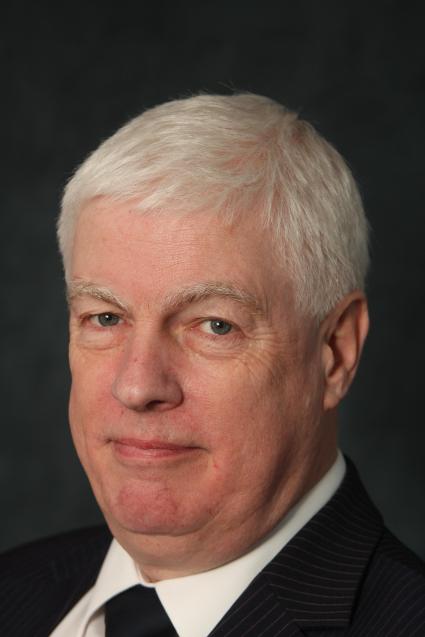
Sir Benjamin Slade

The Court of Appeal is expected to hear an extraordinary case soon involving a wealthy aristocrat who says he is descended from Charles II and his treatment of two of his employees who were sacked from his upmarket wedding business at his stately homes after they became pregnant.

Since the case the wedding business has been closed down after Devon and Somerset Fire and Rescue Service issued two prohibition notices on one of the venues, Maunsel House, because of “inadequate means of escape from first and second floors due to lack of escape signage, lack of emergency lighting and lack of fire separation.” He has been ordered to install fire escapes.

Surcharge of 25 per cent imposed on compensation package

Sir Benjamin Slade is now appealing a ruling from an Employment Appeal Tribunal which not only ordered him to pay compensation for unfair and constructive dismissal , injury to feelings of the two women and aggravated damages, but imposed a 25 per cent surcharge on the awards for breaching the employers’ code of practice by ACAS. The total compensation for both women came to just short of £180,000. The surcharge ruling is particularly significant as it lays down rules for similar surcharges in other cases.

Maunsel House Pic credit: BBC

The two women, Melissa Biggs and Roxanne Stewart worked on his wedding business where people could hire Maunsel House and Woodlands Castle near Bridgewater and Taunton in Somerset. Roxanne Stewart, was a deputy manager and Melissa Briggs, an admin assistant. Both became pregnant at about the same time.

What followed was that both of them found themselves dismissed without full statutory maternity and holiday pay and wages after first being transferred to a new company – without their knowledge- which only employed both of them and had no money to pay them. Their pregnancies were said to be ” highly inconvenient” for Sir Benjamin .

The tribunal used unusually strong language against Sir Benjamin including accusing him of refusing to hear Melissa Biggs grievances and subjecting Roxanne Stewart to a ” spurious and vindictive disciplinary process” on ” trumped up ” charges. Sir Benjamin was said to have made ” entirely fanciful” allegations against her. They were also critical of his agent, Andrew Hamilton.

” one of the most egregious acts of discrimination possible”- tribunal

The first employment tribunal hearing described the process involving Roxanne Stewart as “one of the most egregious acts of discrimination possible”. The timing of the suspension, in the advanced states of her pregnancy, was “designed… with her then vulnerability in mind, to have maximum effect on her” The suspension and dismissal were then pursued with the “motivation… of driving her out of employment”.

She gave birth prematurely and within the weeks following that birth ,her baby was in intensive care”.

When giving evidence to the ET, Sir Benjamin “made wide-ranging and lurid allegations about the claimants and their relatives, without any substantiation whatsoever, in respect of their character, financial position and other matters”. The ET found that these allegations were “entirely fanciful and prompted by a desire on his part… to ‘throw some dirt’ at the Claimants.

The appeal tribunal held in London and president over by a High court judge, Mr Justice Martin Griffiths, threw out a case from Sir Benjamin to say he should not pay the surcharge. He said he would appeal.

He told me: ” The sum I am being asked to pay is totally disproportionate given the staff were paid about £20,000 a year. I am not against people getting pregnant, indeed I have been helpful to other staff who became pregnant. I think the judge was left wing.”

The Sun ran a flattering article on him after he ” auditioned” for a ” breeder” to get him a son and heir

Sir Benjamin has a controversial back story. He is 75, a hereditary baronet, but has no heir. He recently advertised for a young wife as a” breeder” as he wanted two sons – an heir and spare – to succeed him.

He listed his requirements for the perfect ‘breeder’. She should be taller than 5ft 6in – ‘preferably 6ft 1ins or 6ft’ – aged between 30 and 40, and possess a gun licence. ‘Scorpios, drug users, lesbians, communists and Scots need not apply,’ he told the Daily Mail.

His quest for a wife led to a big sympathetic feature in The Sun by reporter Georgette Culley who ” auditioned” to be his wife and stayed overnight in Maunsel House. The feature is here.

He let out his other property Woodlands Castle only to find it then became the centre of a massive police investigation when a huge cannabis farm was found in the roof. Questioned by the police he denied any knowledge about it.

A Vietnamese man, Trung Nam Pham, 39, of no fixed address, was arrested after the drug bust. He appeared before Taunton Magistrates’ Court last June and was remanded in custody pending a crown court hearing.

Sir Benjamin with Daniel Hannan, then an MEP. at Woodlands Castle. From his old website

Sir Benjamin is on the right of the Conservative Party. During the Brexit campaign he hosted a lunch for Daniel Hannan, then a Tory MEP for 84 people in Woodlands Castle to promote Vote Leave.

Now he is waiting his appeal – has not paid the two women any of the compensation – though he says he has made up their wages and the statutory maternity pay. His wedding business – at £3000 a time -has collapsed – first hit by Covid 19 and then by the prohibition order from Devon and Somerset fire services.

Please donate to Westminster Confidential so I can continue my wide ranging reporting

One-Time
Monthly
Yearly

Make a one-time donation

Make a monthly donation

Make a yearly donation

Choose an amount

£5.00
£10.00
£20.00
£3.00
£9.00
£60.00
£3.00
£9.00
£60.00

Or enter a custom amount

£

Your contribution is appreciated.

Your contribution is appreciated.

Your contribution is appreciated.

DonateDonate monthlyDonate yearly

please donate to Westminster Confidential

£10.00
A “shocking and horrifying” report into child sex abuse at residential schools

Now Earl Spencer admits he was sexually abused as an 11 year old at a boarding school – two years after this report came out

Schools should be safe places for children. They also unfortunately make good targets for paedophiles.

The latest report from the Independent Inquiry into Child Sexual Abuse, published this week, focuses on residential schools- from specialist schools for aspiring musicians to boarding schools and residential schools for vulnerable children

As the report chillingly said: “According to Operation Hydrant,[a police investigation]approximately 40 percent of reports of non-recent child sexual abuse involving an institution, organisation or person of public prominence had connections with schools.”

Sexual abuse antithesis of what should happen at school

It went on: “The instances of the sexual abuse of children presented in this report will shock and horrify.
They represent the antithesis of everything that a school should be. For many victims and survivors, the impacts have been profound and lifelong. Some perpetrators have been brought to justice, but many have not. Some of those in positions of authority and responsibility have been held to account for their failures of leadership and governance in varying degrees, but many have not.”

Some of the examples where child sexual abuse has been proved are indeed horrifying.

Another example:

“Hillside First School was a maintained school for children aged four to eight in Weston-super-Mare. For 15 years from 1995 to 2010, teacher Nigel Leat had his “favourites”, young girls many of whom were vulnerable in some way. From September 2006, there was evidence that in each school year Leat selected a different girl to sexually abuse, doing so in various locations in the school. Police discovered 454 original videos in which Leat had filmed himself abusing his pupils. He was charged with 36 separate offences, including a count of attempted rape, eight counts of sexual assault by penetration and 23 other counts
of sexual assault, all against girls under 13, the youngest of whom was 6. He pleaded guilty.”

And a third.

Jonathan Thomson-Glover Jailed for sex offences

Clifton College is an independent boarding school in Bristol, offering a range of educational provision, from nursery to sixth form. In 2008, a former teacher, Stephen Johnston, was convicted of buggery and indecent assault of a pupil over a three-year period in the early 1990s. He had invited the boy to his flat to drink and watch pornographic videos. When other staff had complained of teenage boys going into the flat, the headteacher responded that “what happens in a private house which is not part of the School is nothing to do with me as Headmaster”. Between 1998 and 2014, what the respected housemaster Jonathan Thomson-Glover did in both his private house and in a boy’s day house at the school was to hide cameras – including in the showers, toilets and bathrooms – to film 2,500 hours of videos of boys undressing, showering, using the toilet and engaging in sexual acts. “

What emerges here – there are other examples – is that perpetrators are not involved in an isolated act – it is the industrial scale of abuse by individuals or groups of people.

ignorance and reluctance to report sexual abuse

The report said there is still either ignorance or reluctance to believe that children are sexually abused in residential schools and cases are not always reported to safeguarding officers either – even though there are dedicated officers to handle complaints. Inspections of schools are haphazard and standards in schools vary enormously.

Recommendations

Their chief recommendation to government said:

The Department for Education and the Welsh Government should:
• require all residential special schools to be inspected against the quality standards used to regulate children’s homes in England and care homes in Wales;
• reintroduce a duty on boarding schools and residential special schools to inform the relevant inspectorate of allegations of child sexual abuse and other serious incidents, with professional or regulatory consequences for breach of this duty; if the recommendation above is implemented, residential special schools will automatically be subject to this duty; and
• introduce a system of licensing and registration of educational guardians for international students which requires Disclosure and Barring Service and barred list checks to be undertaken.

Chair to the InquiryProfessor Alexis Jay said:

“Day and residential schools play a key role in keeping children safe from harm, but despite 20 years of enhanced focus on safeguarding they are not as safe for children as they should be. This must change. The seven recommendations in this report must be implemented to vitally improve the current systems of child protection in schools.”

This is the last investigation report from the inquiry. A final report on all its findings will be published later this year.

Please donate to Westminster Confidential to allow me to continue my forensic investigations

One-Time
Monthly
Yearly

Make a one-time donation

Make a monthly donation

Make a yearly donation

Choose an amount

£5.00
£10.00
£20.00
£3.00
£9.00
£60.00
£3.00
£9.00
£60.00

Or enter a custom amount

£

Your contribution is appreciated.

Your contribution is appreciated.

Your contribution is appreciated.

DonateDonate monthlyDonate yearly

please donate to Westminster Confidential

£10.00