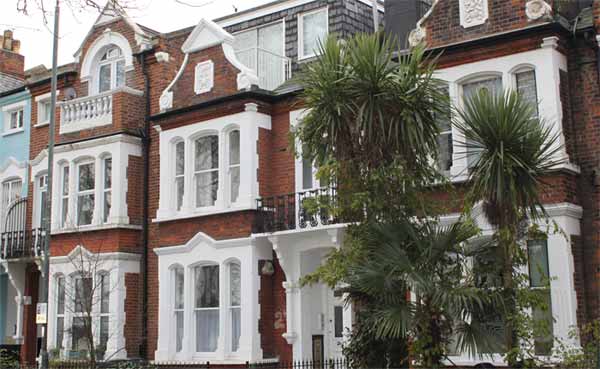
Suspects arrested already in former Elm Tree Guest House investigation Pic courtesy: Exaro
A furore has broken out rightly on daft and dangerous proposals by the Association of Chief Police Officers (Acpo) to refuse to release the names of people they arrest in the course of criminal investigations. As the Mail on line reported this weekend (http://bit.ly/12BhfaN ) the proposal has been condemned as secret justice and produced angry responses from Index on Censorship and the Society of Editors. The police seem to be using Leveson as cover to do this.
But it smacks of the worst kind of justice where people disappear after being taken off the streets in countries like Russia, Zimbabwe and tinpot dictatorships.
But there is a practical aspect of this policy that has been completely overlooked. It is because Acpo have taken the view that they are a news supplier which gives the media stories and forgotten that it is two way traffic. The investigative media also uncover crooks and give the police grounds for prosecutions.
All this will fall apart under this new directive from Acpo when both the police and the press are pursuing the same long term investigation and their paths cross. If the police don’t tell the press and the public who they have arrested they will be a very grave danger that when these people come to trial – the prosecution case will collapse because vital information to be revealed to the jury will already been published.
The reason is simple. At the moment if the police announce arrests have been made in a long term investigation – the media take a decision to no longer publish information about that individual which could prejudice their trial. But if the media don’t know or the police won’t tell them they have been arrested they can at the moment quite legitimately publish what they like within the libel laws.

Lord Justice Leveson: Used as excuse by ACPO Pic courtesy of Leveson inquiry website
The only way round this would be for the media to refer every story that involves criminal activity to the police to check whether they thought of arresting anyone. This would amount to a police state – with the police telling editors what they could or could not publish.
This is not theoretical. At the moment through Exaro News(http://www.exaronews.com) a team of journalists we are involved in a very long and complicated investigation – over 40 stories so far – into an historic paedophile ring which operated partly through the London borough of Richmond and at Elm Guest House in the 1980s.
The police have arrested two people John Stingemore, who ran Grafton Close children’s home in Richmond, and Father Tony McSweeney, a Roman Catholic priest ,so far and are continuing investigations into other people, including highly placed VIPs, peers and MPs.
Anyone reading this blog or following Exaro would have noticed there has been mighty little written about this two individuals since their arrest. It is not that we don’t know stuff about both of them. But we are not putting it on line because we KNOW from the police there have been arrested and we don’t want them to escape justice by wrecking a fair trial.
But imagine we didn’t know. the whole police case against them could collapse. No not too melodramatic.
What Acpo fail to appreciate is that investigative journalists work like detectives. They gather information through painstaking inquiries, trace contacts from witnesses to victims and often find out the same information as the police about suspects. Sometimes they are ahead, sometimes it is the police.
To decide not to announce the names of arrested suspects will in these cases be a spectacular own goal for the police. What we need is co-operation and dialogue not a wall of silence.
 Westminster Confidential