Tribunal of the Absurd Part Two: Dr Chris Day loses his whistleblowing appeal

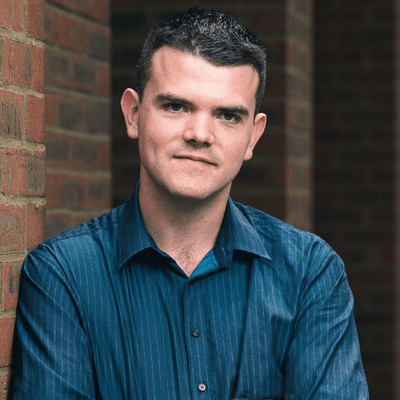
Dr Chris Day

For those with long memories some 32 months ago I wrote a disparaging blog about justice in employment tribunals after sitting through yet another hearing involving Dr Chris Day’s ten year whistleblowing battle against the Lewisham and Greenwich NHS Trust. So shocked I was over the way justice was meted out to Dr Day that I labelled it as the Tribunal of the Absurd – liking it to a Harold Pinter play that could be set in a court room.

This was the tribunal that revealed that lawyers and the Trust had held back evidence which should have been given to him and his lawyers years ago; that the chief executive of the trust, Ben Travis had lied under oath about a virtual board meeting and other matters to discuss his case, and that a senior communications officer of the trust, David Cocke, had gone into the trust’s offices at 5.0 am and destroyed 90,000 emails which could have been relevant to his case. The latter happened while the hearing was taking place and he then failed to appear as a witness.

Yet the judge Anne Martin ignored all this and exonerated the trust’s case against Dr Day. To remind readers the original claim was a serious patient safety issue – two people had died in the intensive care unit of Woolwich Hospital where he was working because of serious mistakes by other staff. Yet the trust for reputational reasons has always denied this really happened.

Now a long time later – the courts take ages to progress issues – a judge at an employment appeal tribunal has largely rubber stamped her decision and found against Dr Day and rejected an application to return legal costs to the British Medical Association to compensate for the extra days of hearing caused by the destruction and concealment of evidence. Worse than that during the hearing Dr Day’s reputation for telling the truth about a previous hearing was called into question. It was like the second house in the theatre of the absurd.

Mr Justice Sheldon who presided over the hearing found only two faults. He thought the tribunal should have ruled on whether the trust was wrong not to remove disparaging comments about Dr Day sent to MPs and the press after concerns were raised by the watchdog body, the Care Quality Commission was a detriment to Dr Day. And it criticised the tribunal for misinterpreting one area of employment law.

But the judgment adds: “The Employment Appeal Tribunal concluded that the errors were immaterial to the outcome, as the Employment Tribunal had correctly found that the protected disclosures did not materially influence the Respondent’s actions. The appeal against the Costs Judgment was also dismissed, with the Employment Tribunal’s reasoning found to be within its discretion and supported by the evidence.”

It refused to return the case to another employment tribunal for reconsideration.

What this means is that the trust’s actions in this case have been exonerated by a higher court. Mr Ben Travis is regarded as a credible witness despite not telling the truth under oath about the board meeting.

And Mr Cocke’s destruction of 90,000 emails while thought to be ” troubling” are largely exonerated setting what could be a dangerous precedent in other whistleblowing cases for people in NHS trusts and private companies to destroy evidence that should be passed under discovery to the claimant. They can now cite this judgment.

What was also amazing and bizarre was that the judge accepted from Daniel Talbot Brown KC , instructed by lawyers Capsticks, an argument used in another legal case which said that tribunals could take a benevolent view of the proceedings and if they did not comment on a finding it did not mean they had not considered it.

This seems to go against forensic testing of arguments put forward at a hearing – where both sides must probe for the truth. If they do this and a judge decides not to comment on the issue, surely this more like a dereliction of duty than anything else.

This judgment marks a bad day for whistleblowers and good day for bureaucrats who want to hide the truth. It shows that even if you have the support of medical experts to back your judgment and the support of two prominent former politicians, Jeremy Hunt, the former health secretary and Norman Lamb, a former health minister, this counts for nothing in the eyes of judges.

Perhaps the judges prefer the judicial theatre of the absurd to life in the real world.

One-Time
Monthly
Yearly

Make a one-time donation

Make a monthly donation

Make a yearly donation

Choose an amount

£5.00
£10.00
£20.00
£5.00
£15.00
£100.00
£5.00
£15.00
£100.00

Or enter a custom amount

£

Your contribution is appreciated.

Your contribution is appreciated.

Your contribution is appreciated.

DonateDonate monthlyDonate yearly

Please donate to Westminster Confidential

£10.00
BMA chair seeks whistleblower Dr Usha Prasad’s reinstatement and the dropping of cost hearings in the case

But the trust is rushing to reconvene the cost hearing before she can go to a tribunal to challenge the verdict against her

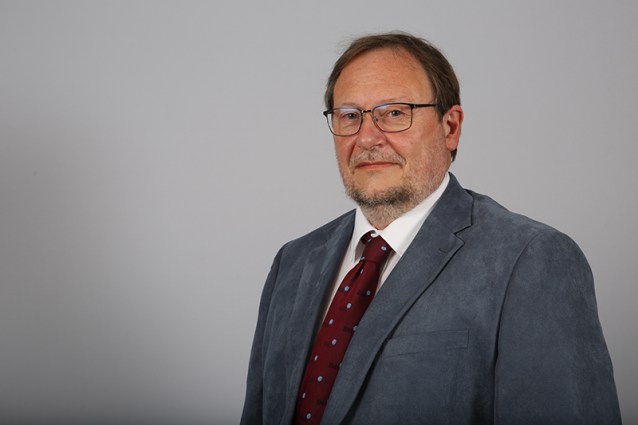
Dr Phil Banfield chair of the British Medical Association

The British Medical Association has belatedly intervened in the long running dispute between whistleblower cardiology consultant Dr Usha Prasad and the Epsom and St Helier University Trust (now combined with St George’s Hospital Trust).

Dr Phil Banfield, chair of the BMA, has written directly to the chief executive of the trust, Jacqueline Totterdell, asking her to drop the costs hearing and reinstate her.

Dr Prasad was facing a hearing last month where the trust was demanding that she pay £180,000 of its costs including the fees of 21 lawyers employed by Capsticks and a QC. It was called off at the last moment when one of the tribunal panel failed to turn up. The financial demand was suddenly reduced to £24,000 without any explanation from the trust at the same time. As reported previously 99.95 per cent of employment tribunals never ask the claimant to pay the employers’ costs. If it had gone ahead it would have been a record sum claimed by any health trust against one of its medical staff.

Dr Usha Prasad

The BMA’s top level intervention by its chairman comes after a long campaign by consultants supporting Dr Prasad to ask their union to act. The BMA previously decided not to give her legal support which meant much of the time she was a litigant in person fighting 21 lawyers. One hearing which I attended, she was represented by a barrister, but the judge Tony Hyams-Parish, who lives in the Epsom and Ewell area, threw out her whistleblowing claims and her race and sex discrimination claims as ” misconceived” or ” without merit”.

Jacqueline Totterdell, chief executive of the trust

The BMA in their letter to the trust highlights the race complaints.. Quoting from the trust’s own information it says: “The figures which Dr Prasad has shared with us are attached and point to a disproportionate impact on ethnic minority doctors during a period when Dr Prasad was employed by the Trust. It is notable that 10 of the 11 doctors subjected to conduct concerns were from an ethnic minority background when ethnic minority doctors made up approximately one in three of the workforce for the period 2018-2020. It is of further note that all of those excluded, referred to the GMC, or dismissed were from an ethnic minority background.”

The BMA has asked for an explanation. Certainly it seems to me that either the trust’s recruitment policy was so flawed about the BAME doctors it employed or the people responsible for this were racially biased. The judge who heard the same evidence ignored it.

judge tony hyams parish

The judge also expunged from the record whistleblowing claims by Dr Prasad about the ” avoidable death” of a heart patient whose death was never reported by the hospital to the coroner or the Care Quality Commission. At the hearing Dr Richard Bogle, the head of cardiology, admitted it was wrong and should have been reported. The judge ignored what he said allowing the trust to try and claim that whistleblowing has nothing to with her dismissal.

The letter from the BMA emphasises the distress caused to Dr Prasad. “It is with concern we note the impact that this is having on Dr Prasad who reports great distress at facing a cost application before her appeal is heard where she is seeking redress for whistleblowing detriments including discrimination and harassment which she vigorously contends she has suffered while in the employment of Epsom and St Hellier University Hospitals NHS Trust.”

It calls on the trust to withdraw from costs proceedings against Dr Prasad adding: “We are concerned that this threat from employers of legal costs may be used to discourage people from raising legitimate public interest concerns or seeking to redress workplace injustices in the future. As I am sure you are aware, it is important that doctors are able to raise concerns about behaviours and actions that may have an adverse effect on patient safety.”

The letter asks the trust to reconsider re-instating Dr Prasad adding ” alongside an apology and reversal of damages caused to her, thereby resolving this long running litigation and allowing Dr Prasad to fulfil her career in medicine.”

I asked the trust for its response. This is it:

“It is entirely inaccurate that the Trust is seeking legal fees in relation to issues stemming from Dr Prasad raising patient safety concerns. The Employment Tribunal heard a number of claims by Dr Prasad which they unanimously dismissed, and commented that some of them were ‘completely misconceived’. The Employment Tribunal will hold a further hearing to decide whether Dr Prasad should pay a contribution towards the Trust’s costs.

“We take patient safety concerns very seriously and encourage everyone who works at the Trust to raise issues at every opportunity so we can make improvements to patient care.”

The trust is as good as its word on rushing through the case. At the case management hearing that followed the adjournment of the hearing the KC for the trust got them to agree to rush through the next hearing despite a huge backlog of cases at that tribunal.

Dr Prasad has only until September 29 to tell them whether she can pay the £24,000 and provided full details and documents of her income and outgoings. She has until October 20 to provide a witness statement backing up the reasons why she cannot pay. She also has to provide a skeleton argument five days before the hearing. No date has yet been fixed but she has a date at the end of January for her employment appeal tribunal hearing where she can challenge the judge’s verdict.

Please donate to Westminster Confidential to allow me to continue investigative reporting like this.

One-Time
Monthly
Yearly

Make a one-time donation

Make a monthly donation

Make a yearly donation

Choose an amount

£5.00
£10.00
£20.00
£5.00
£15.00
£100.00
£5.00
£15.00
£100.00

Or enter a custom amount

£

Your contribution is appreciated.

Your contribution is appreciated.

Your contribution is appreciated.

DonateDonate monthlyDonate yearly

Please donate to Westminster Confidential

£10.00

BMA and ex health minister Norman Lamb back whistleblower doctor Chris Day in patient safety battle

Dr Chris Day now being backed and funded by the BMA Pic credit: Twitter

The tables are beginning to turn in a seven year battle which has cost £700,000 so far to the taxpayer between Chris Day, an anaesthetist in an intensive care unit ,employed by Lewisham and Greenwich Health Trust.

The case against the trust and Health Education England has been drawn out over seven years at employment tribunals and appeal tribunals. He was forced into a settlement in which he had to withdraw his allegations of patient safety being at risk at the ICU unit at Woolwich Hospital in return for the trust accepting he had genuine concerns as a whistleblower at Woolwich Hospital between 2013 and 2014. The trust , using expensive lawyers, threatened to land him with huge legal bills if he continued and started cross examining their witnesses. The allegations included poor staff ,patient ratios at the ICU and inadequate medical supervision. He also made the same allegations to Health England Education.

Trust forced him to settle by threatening him with huge legal bills

As he said: “After two and a half days of my six day cross examination I was contacted by my legal team and told that the NHS respondents had decided to inform me of their intention to seek costs for the entire four week hearing if I proceeded to cross examine any of the NHS’s14 witnesses and ended up losing the case,”

He had no option but to withdraw to protect his wife and family from bankruptcy should this threat be carried out.

“real prospect of success” says judge

But he has won the right to get the enforced settlement out aside and take his case to the Court of Appeal. In giving judgement the Rt Hon Lady Justice Ingrid Simler DBE stated in the Order of the Court of Appeal that “I consider this appeal has a real prospect of success. Permission is granted”. Simler LJ is a highly experienced Judge and she was previously the President of the Employment Appeal Tribunal.

Until now he was left with trying to raise money so he could afford to pay the lawyers to fight the trust. In the last week in what amounts to a major change of heart, the British Medical Association has decided to fund his battle. Internal sources say this may be the first time the BMA has decided to fund a doctor in a whistleblowing case.

A BMA spokesperson said:

“Chris’ case has brought into sharp public focus the challenges and adverse experiences which doctors can face when they make public interest disclosures to blow the whistle on safety concerns they identify, in the course of carrying out their job.

“Doctors have a responsibility to raise concerns they have about the safety of their patients and yet too often they are put in the position of having to blow the whistle on organisational failures when the organisation in question fails to act. The BMA’s own research shows a majority of doctors work in a culture of fear and are worried about recrimination if they speak out about patient safety concerns. The BMA has been calling for an open culture, where speaking out is encouraged and supported and where our NHS learns from concerns and errors, to improve safety for patients.

“The BMA carried out a comprehensive external review of its member support services and we are now making significant improvements in how we support whistleblowing cases and indeed all members who raise concerns within the NHS. This includes offering more specialised legal support given the complexity of such cases. We are grateful to Chris and other BMA members for their input to this review. Different processes would have been followed if Chris’s case was to arise today and we are pleased to be able to offer Chris the support he needs in the next stage of litigation in his case as well as in the wider interests of the profession and patient care”.

Chris Day said:

“I am pleased to announce that I will be accepting support from the BMA in the next stage of litigation in my case.

“I have always remained a member of the BMA and it is clear to me that the new leadership at the BMA is committed to supporting me and my family where it is able to do so. The Association has spent considerable time and effort understanding my situation and provided me with expert legal advice as I considered the best way forward.

“I know the BMA has undertaken a great deal of work to consider how it supports whistle-blower cases and it has sought to learn from the past. They have established new arrangements to ensure better support for potential whistle-blowers, including guaranteeing a meeting with a specialist solicitor and case manager that now takes place before any case is considered too weak to proceed or on cases that are initially considered strong enough to proceed where this view subsequently changes.

Sir Norman Lamb. Pic credit: Twitter

“I look forward to working with the BMA. The BMA has a critical role in ensuring that no doctor should ever be forced to choose between their career and the safety of their patients and I would encourage every doctor and medical student to join the BMA and take an active role in shaping their trade union. Doctors need a trade union now more than ever.”

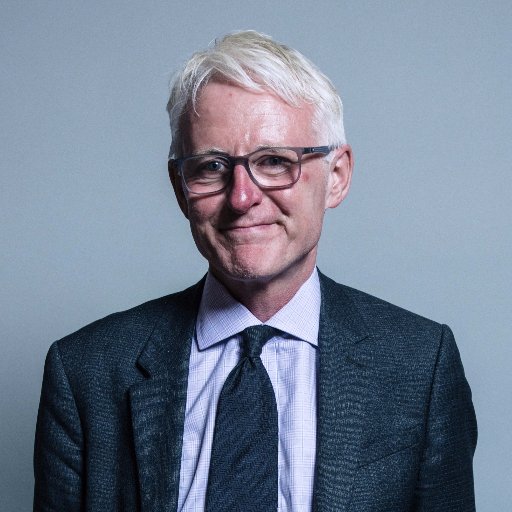
Chris Day has also got the support of Sir Norman Lamb, the former Liberal Democrat health minister, who backed him while he was in government. Sir Norman is now the chairman of the South London and Maudsley NHS Foundation Trust., the neighbouring trust to Lewisham and Greenwich. Despite some concern in the NHS establishment he is to continue to support Chris Day and will be a witness.

Given the dire findings in the Usha Prasad case with Epsom and St Helier University Health Trust, reported in this blog, this development is the best news a whistleblower doctor can get.

Exclusive: Bye,Bye NHS Direct – chief’s leaked e-mail

Colourful protest against the end of NHS Direct. Pic courtesy:Urban75 blog

The hugely popular NHS Direct service is facing near extinction next year. Health secretary  Andrew Lansley’s decision to replace the well-regarded national service with a piecemeal local service run by any English local provider could mean it will be running nothing by the end of next year.

So far despite providing some of the trials for new cheaper NHS 111 phone line in Luton,Nottingham and Lincolnshire, NHS Direct has failed to secure a single contract.

 This dire news is contained in a confidential e-mail from Nick Chapman, chief executive of the doomed organisation, which is on the Exaro News website ( http://www.exaronews.com).

 It shows with a third of the local areas already choosing their preferred provider for the service NHS Direct has secured the ” preferred provider ” status in just three areas, covering a mere four per cent of the population – Cornwall and the Isles of Scilly, Somerset and one other area. But even this guarantees nothing.

As Mr Chapman says: “No contracts have yet been signed and there is still a lot of work to be done to agree the final contracts before we start delivering the service.”

And where NHS Direct is putting through pilots, these will be up for grabs by anyone else, once the period is over.

So who is getting them? Despite publicity showing that three of the main for profit providers, Care UK, Capita and Serco have pulled out – this has left   Harmoni  grabbing the biggest share with  Hillingdon, Croydon, Wandsworth, Suffolk, parts of Kent and Sussex and Wiltshire and parts of North Somerset, all now to be run for profit. And the promise of a six month delay may merely serve to persuade more private firms to move in – rather than defend the existing state provided service.

The rest has gone to various trusts and  social enterprises ( some well run by GPs like in Devon, others not so well run) taking over. NHS Direct is being cautious -saying commercial confidentiality stops them revealing the full picture.

 Should we care? According to the BMA we should.

 As Dr Laurance Buckman, chairman of the BMA’s GP committee, said: “A potentially dangerous version of NHS 111 is set to burst forth upon an unsuspecting public from April. Patients may end up being sent to the wrong place, waiting longer, blocking A&E and using ambulances needlessly, when a little more consideration might make it all work properly.”

Of course ministers like Simon Burns say it is fine and good value for the taxpayer. But I wonder if the public will like it – particularly if it to be mainly staffed by people with just 90 days training – rather than nurses who might have a better knowledge of medical matters. One wonders whether like a recent call I made to Blackberry, the centre will be spending their time looking up articles on Google to provide the best advice . Very worrying if you are an anxious mother or have a sick child.

 If it ain’t broke, why tear it apart.