The Solicitors Regulation Authority isn’t ” fit for purpose” to protect the public and whistleblowers

Solicitors Regulation Authority logo

There appears to be growing evidence that the Solicitors Regulation Authority,(SRA), the body that regulates and upholds professional standards for lawyers, is inconsistent in its judgements, over sympathetic to lawyers, particularly from large firms, and is not regarded by the public and whistleblowers as protecting their interests.

I took up the treatment of two whistleblowers who separately complained to the SRA about lawyers acting for the Sellafield nuclear waste site and the Nuclear Decommissioning Authority (NDA) recently. . Both complaints were rejected by the SRA who said the lawyer had behaved correctly. Yet they raised serious questions about the use of Non Disclosure Agreements (NDAs) to crush people complaining to regulators and use Subject Access Requests and Freedom of Information requests to obtain information from public authorities.
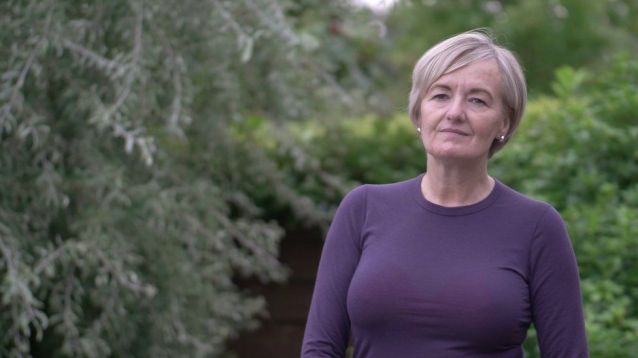
alison McDermott

One, Alison McDermott, who lost a consultancy contract after exposing bullying at the nuclear plant, even asked her former MP, Philip Davies, to complain about her complaint to the SRA being used against her by lawyers in a costs hearing. The chief executive of the SRA, Paul Philip, rejected this and cited the NDA’s view that she had acted “‘vexatiously, abusively, disruptively or otherwise unreasonably’ in the way that
her employment proceedings were conducted.” In fact both organisations lost most of their £40,000 claim against her.

She had previously complained about Deshpal Paneseer KC, a barrister from Old Square Chambers, representing the nuclear site, for the language he used against her saying she was a fundamental liar but got nowhere with this.

The costs claim included trying to get retrospectively the costs of a freedom of information request that Sellafield had granted. In fact there is no provision under the FOI Act for retrospective claims – the public authority has to decide within 20 working days of the application whether to grant it or not.

The second whistleblower – who I have not named – complained to the SRA about Emma Mills, a solicitor with DLA Piper, a proposed NDA ( this one known as a COT3) which demanded he withdraw all FOIs and Subject Access Requests and a complaint to a regulatory authority or face a £14,000 costs hearing despite withdrawing his case at an employment tribunal.

He wrote : “I am a Whistleblower acting in the public interest, and I regard the behaviour of Emma Mills and the Respondent as menaces and harassment, pushing me to accede unwillingly into signing a COT 3 contract which is not in my best interest, and under the threat of pursuing me for costs if I do not sign the COT3 contract.”

Again the SRA rejected this and again it is not lawful under the FOI Act as there is no provision in the Act for an organisation to ban a person using FOI. This was confirmed by the Information Commissioner’s Office.

Inconsistences in judgements

The inconsistency is shown by a recent decision by the SRA over a similar case reported on Linked In by Loopline Media. The full article is here. A law firm Orrick Herrington & Sutcliffe (UK) LLP had been employed by a German firm Payone, a Digital payments service firm, based in Frankfurt with employees in the UK. The report found the law firm had tried to impose a settlement with a whistleblower to withdraw a complaint to the Pensions Regulator that it was breaking UK law by failing to provide a proper pension for employees. The SRA found the law firm had could have negatively impacted the reputation of the legal profession. Orrick’s conduct was found to fall short of the SRA’s ethical standards, prompting regulatory interception by way of a letter of advice. 

However the firm have been treated with kid gloves. No disciplinary action is being taken and a full report is not being published. The Pensions Regulator is investigating the firm.

Damning conclusion on the Legal Lens blog

The state of the SRA is thoroughly criticised in a post, also on Linked in, by John Barwell, a data privacy expert. In a damning blog, he points out multiple failures by the SRA. questioning whether a body funded by solicitors can really police solicitors. His damning conclusion is :

“The Solicitors Regulation Authority was established to protect the public and ensure that the legal profession operates with integrity. However, its track record shows that it is a regulator in name only, failing to achieve these goals. The mishandling of cases involving prominent law firms is not just an isolated failure—it is symptomatic of a regulator that has lost its way. Without significant reform, the SRA risks becoming an even more useless entity, incapable of holding the legal profession accountable. It is time for the SRA to step up, enforce its regulations consistently, and restore public confidence in its ability to regulate the legal profession effectively. Until then, it will remain a toothless watchdog, incapable of fulfilling its vital role in the justice system.”

I would add more thing – there is a question mark over its choice of solicitors to do its work – especially if you are a whistleblower in the NHS. The law firm which holds the contract is Capsticks, which also holds a major contract with the NHS to represent trusts. It is fiercely proactive in pursuing whistleblowers trying to expose patient safety concerns in the NHS and earns a substantial income – funded by the taxpayer – to represent trusts in these cases. If Capsticks is seen as bringing the profession into disrepute – a complainant may report them to the SRA only to find that Capsticks handles their cases. I know of one barrister who did spot what he thought was bad behaviour but he told me it was not worth going to the SRA about Capsticks since the SRA was their client.

I asked the SRA for a comment on my two cases last week but they have not released it yet. I will put it up when it arrives.

One-Time
Monthly
Yearly

Make a one-time donation

Make a monthly donation

Make a yearly donation

Choose an amount

£5.00
£10.00
£20.00
£5.00
£15.00
£100.00
£5.00
£15.00
£100.00

Or enter a custom amount

£

Your contribution is appreciated.

Your contribution is appreciated.

Your contribution is appreciated.

DonateDonate monthlyDonate yearly

Please donate to Westminster Confidential

£10.00

Capsticks behind move to remove judge from tribunal hearing after he slammed NHS commissioning body for hiding documents from claimant

John Webster : NHS executive criticised by employment judge

UPDATE: Since publishing this article I have learned that no fewer than four Capsticks lawyers were involved in trying to remove the judge and that the firm was representing BOTH the Integrated Health Board and the NHS human resources firm. Both would have known that there were draft grievance documents that had not been disclosed to the tribunal.

The law firm Capsticks – which has a national contract with the NHS to handle employment tribunal cases – was behind an attempt to remove a judge from hearing a constructive dismissal case involving a senior official at a NHS clinical commissioning group in Norfolk.

The case – highlighted by BBC Norfolk yesterday- led the judge calling for disciplinary action to be taken against senior staff at the board for the way they treated and lied to the claimant.

Mr Clive Rennie, an assistant director, won his case for constructive dismissal against NHS Norfolk and Waveney Integrated Care Board – the successor body to the Norfolk and Waveney Clinical Commissioning Group who had previously employed him.

But not before the tribunal had spent days wrangling to get draft grievance documents which the group said did not exist while the author of the documents, NHS human resources manager Steve Stavrinou, sat at the back of the hearing, not saying a word.

He had been called in by the commissioning group to prepare the grievance papers from NHS Arden and Gem Support Unit which provided HR Services to the group. At first the existence of the draft papers were denied and then excuses such as the managing director being on holiday were used to deny the judge’s order to deliver them.

Judge Postle’s judgement, which was published yesterday, reveals that suddenly there was an application to make him recuse himself from the tribunal. The request came from Capsticks, who were the solicitors for both NHS Arden and Gem Support Unit. and for the Integrated Care Board

Until then, as the judge noted, the person from Capsticks had not been present at the tribunal to hear the proceedings but called for the judge to go.

Alistair Kernohan – Capsticks

Alistair Kernohan of Capsticks,, was in fact the partner, based in Leeds made his case by email.. Un fact Capsricks came to hearing mob handed. Both Miss Whiteley and Miss Aslam were present all the time. They were then joined by Nicola Butterworth, who sat the back of the tribunal. According to Capsticks website. ” Nicola undertakes a broad range of employment litigation work, including unfair dismissal, discrimination and whistleblowing claims. She advises pre-claim and at all stages during the litigation process. Nicola is undertaking a regular secondment at one of the firm’s clients, working closely with the HR team.” Looking at the judgement it looks like the judge did not know she was also there.

Mr Kernohan said: “Employment Judge Postle has demonstrated the premature formation of a concluded view in the Claimant’s favour without properly considering representations from the Respondent and before the Respondent has been able to put forward its evidence.

“Employment Judge Postle’s inappropriate conduct, tone and disparaging comments towards the Respondent and its representatives, has crossed the line between what is tolerable and what is impermissible, to the extent that his comments would give an appearance to the fair minded and informed observer that there is a real possibility that the Employment Judge will carry into his judgment the scorn and contempt his words and behaviour convey.

“Employment Judge Postle has made unnecessary and inappropriate criticisms of the conduct of the Respondent and its representatives which he has expressed in absolute terms, which failed to leave open the possibility of him considering an explanation, despite not having heard or in some cases even invited evidence or submissions from the Respondent’s representative.

“Employment Judge Postle has allowed and facilitated inappropriate conduct of the proceedings by the Claimant’s representative, allowing such conduct to go unchallenged despite representations made by the Respondent or even, on occasion, failing to allow the Respondent the proper opportunity to
make representations.”

Marsha Robinson and Neil Ashley of Paladin pic credit: East Anglia in Business

The judge asked Mr Neil Ashley, Mr Rennie’s counsel to comment and records it in his judgement

He told the court: “It is important that we are astute enough to identify that any evidence that such an Application made can be used as a device for a party which finds itself in difficulties because of the
quality of its case.
Mr Ashley went on to say that he has been practising for 24 years and he had never seen such deplorable conduct on the part of the Respondent’s Solicitors. He stated that rarely has he seen such a
‘car crash’ of a case presented before a Tribunal.
Mr Ashley went on to say that at the outset, the Tribunal was told by a Solicitor Advocate that there was no drafts of the Investigatory Report and none had ever existed. This was echoed audibly by
Miss Aslam, Solicitor.”

“Two Officers of the Court sat here and told the Tribunal that a 20 page perfectly polished Report had never been the subject of any drafting. This is absurd to the extreme and obvious to us all that it cannot be and no doubt Miss Whitely ( the board’s solicitor) made the statement recklessly and off the cuff without any thought to what she was saying. It was, to my mind, utterly untruthful.”

Miss Whitely did not want to make any comment to the tribunal, relying on Capsticks, to deliver the blow.

The judge and his two members of the tribunal then discuss the matter and unanimously rejected Capstick’s claims.

“There was no disparaging comments towards the Respondent or its Representative, it was simply a case of asking, what is happening about the third party Order for disclosure, concerns about prevarication, delay and the frustration of the Tribunal that the Respondent / its Representative, were doing nothing to advance the process in getting disclosure from the third party.”

The judge went on to be highly critical of John Webster, then director of strategic commissioning at the CCG, who reneged on a promise to allow Mr Rennie to leave and lied to him about the outcome. “Clearly, there had been a conspiracy all along going on behind the scenes,” The judgement stated the tribunal had “found him disingenuous, unconvincing”.

He was also critical of Mr Stavrinou.” Truth is alien to him.”

The successor body has now apologised to Mr Rennie. Mr Webster is now stepping down as deputy chief executive of the Cambridgeshire and Peterborough NHS trust.

Doctors who follow this blog will be interested in the role of Capsticks here – given they have also played a prominent role in recent whistleblowing cases – in Dr Chris Day’s case against Lewisham and Greenwich NHS Health Trust where 90,000 emails that could have helped him were destroyed by a NHS trust witness at the time of the hearing and in Dr Usha Prasad’s case where they initially tried to pursue her for £180,000 costs.

Unfortunately the judges in these cases sided with the trust and took no action over completely unacceptable behaviour or ignored evidence. We need more judges to take a stronger stand against Capsticks bullying tone as Judge Postle did in this case.

One-Time
Monthly
Yearly

Make a one-time donation

Make a monthly donation

Make a yearly donation

Choose an amount

£5.00
£10.00
£20.00
£5.00
£15.00
£100.00
£5.00
£15.00
£100.00

Or enter a custom amount

£

Your contribution is appreciated.

Your contribution is appreciated.

Your contribution is appreciated.

DonateDonate monthlyDonate yearly

Please donate to Westminster Confidential

£10.00

How the toxic management of a health trust and law firm Capsticks got rid of a senior nurse whistleblower

Thurdy Campbell

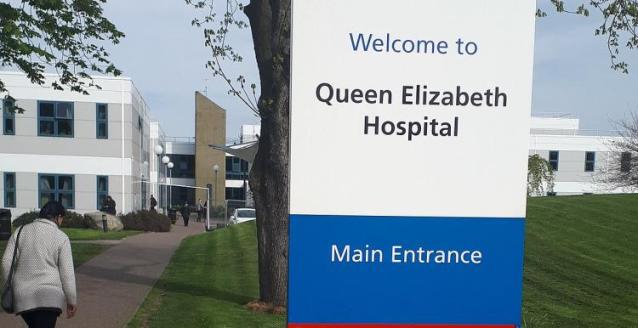
A former senior nurse at Queen Elizabeth Hospital, Woolwich has come forward with a fresh tale of the toxic management at the Lewisham and Greenwich NHS Trust and their treatment of whistleblowers in the wake of the tribunal verdict involving staff nurse Francisca Holmes. Francisca lost her case against the trust management over her treatment but the judge ruled she had genuine whistleblowing concerns when she was told of a patient found dead in Ward 22.

This is the same health trust still involved in a ten year battle with Dr Chris Day,  a junior doctor, who in 2014 brought a still on going case on two ” avoidable deaths” in their intensive care unit. It is the same trust where a senior communications director deliberately destroyed 90,000 emails that could have been used in Dr Day’s defence during a tribunal hearing and escaped censure from the presiding judge.

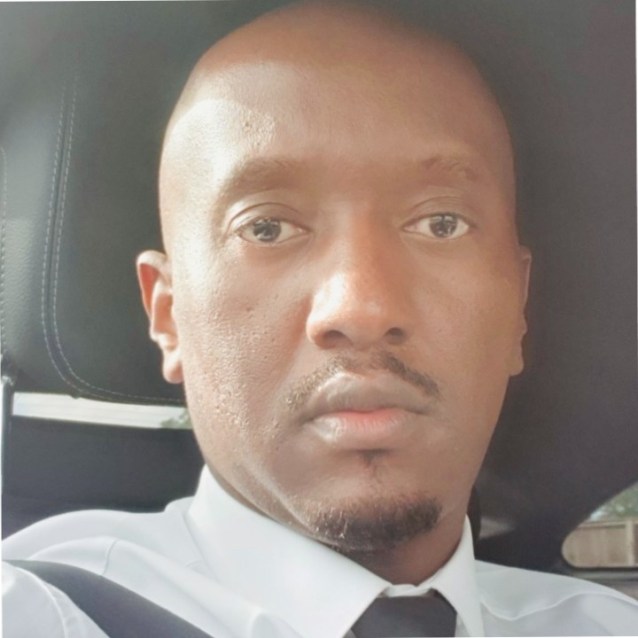
Thurdy Campbell, a black senior nurse of Jamaican nationality, had worked for 22 years at the hospital as a senior sister in their accident and emergency department and manager of combined wards 22 and 23. She was dismissed on 17 May 2022.

Her grievance letter claims: “I was subjected to the following: work place mobbing, severe episodes of
harassment and discriminative treatments, miscarriage of justice , coercive control, defamation of character, endangered working environment , abuse of power of position for personal gain and recrimination after making a series of protected acts and qualifying disclosures to NMC [Nursing and Midwifery Council]25 May 2021.

Senior party members from the Lewisham and Greenwich NHS Trust Kelly Lewis-Towler, director of operations for acute and emergency medicine; Meera Nair ,director of people and board member, Victoria Tyler ,head of employee relations; HR Team and Investigation Managers colluded in wrongdoing by protecting the perpetrators and subjected me to series of detriments.”

Some of the managers she accuses appear in the same case as Francisca Holmes such as line manager Rodney Katandika and Ann Marie Coiley, the director of nursing.

Rodney Katandika

Matters came to a head when she was manager of the new combined Ward 22 and 23 – the ward where Francisca Holmes was told that an elderly patient was found dead. She raised the issue of patient safety but had no serious response. Six months after this incident Thurdy sent a further email saying “Clinical concerns relating to issues affecting patient’s safety, staffing, staff well-being and the working environment of Ward 22” escalating this to senior line management. Straight after this the trust launched a disciplinary hearing against her leading eventually to her dismissal the following May.

Kelly LewisTowler director of operations for acute and emergency medicine

She was certainly a thorn in the side of senior management. An internal email from Kelly Lewis-Towler to other senior managers, sent on 28 July 2021 accuses her of intimidation and claims senior staff were ill with workplace stress, declining to return from holidays, and claiming she cannot adequately support them and is facing ” a mass exit of staff”. All because she raised patient safety issues. She turns this on its head by saying patient safety is at risk because of the behaviour of Thurdy.

It is no wonder that during Francisca Holmes’ tribunal the trust did not produce her as a witness, even though she was well placed to comment on the situation since she was ward manager where the patient death happened because it would have revealed her warning of patient safety and provided evidence to the judge of bullying of Francisca by other senior staff.

Capsticks role in the trust

Thurdy’s grievance letter also exposes another worrying feature. Not only does Capsticks have a role as the trust’s lawyer to refute Thurdy’s claims at the employment tribunal but they have a major investigating role inside the trust for handling claims and disputes. So the firm has advance notice of any trouble coming managment’s way from staff and can intervene to help refute it and be in poll position should the person takes the trust to a tribunal. The firm are basically judge and jury in whistleblowing cases at Greenwich and Lewisham NHS trust.

Queen Elizabeth Hospital, Woolwich

Worse than that the grievance letter reveals that Capsticks attempted to force Thurdy to sign a non disclosure agreement – not as part of a normal procedure to get a settlement – but while the firm were involved in the internal investigation. Fortunately she resisted or otherwise you would be banned from reading about this case.

Thurdy lost the first round of employment tribunal cases and is awaiting the result of an appeal.

Her dismissal also nearly led to her being evicted from her home. She now has got a new job at less pay than in the NHS but in a much better enviornment.

My final point is that given the current state of the NHS it can ill afford to lose experienced nurses and doctors by maligning them in whistleblowing cases – like Thurdy and Francisca – and Martyn Pitman, the popular and competent obstetrician in Hampshire and Dr David Drew at Morecambe Bay. That’s why the treatment of whistleblowers needs urgent reform.

One-Time
Monthly
Yearly

Make a one-time donation

Make a monthly donation

Make a yearly donation

Choose an amount

£5.00
£10.00
£20.00
£5.00
£15.00
£100.00
£5.00
£15.00
£100.00

Or enter a custom amount

£

Your contribution is appreciated.

Your contribution is appreciated.

Your contribution is appreciated.

DonateDonate monthlyDonate yearly

Please donate to westminster Confidential

£10.00


I

The double standards on whistleblowing by Epsom and St Helier University NHS Trust

Epsom Hospital

UPDATED: Since the publication of this blog the communications team of the St George’s, Epsom and St Helier Hospital Group have responded. It says:

It is not correct to say Ms Usha Prasad was dismissed for raising patient safety concerns. A disciplinary panel concluded that she should be dismissed for competency grounds, concerns around her practice/conduct and because relationships with key colleagues had broken down. This decision was upheld on appeal.

I shall be publishing a blog shortly on how this decision came about and how it was plainly unjust and directly aimed at ruining her career as a doctor.

An extraordinary missive has come to light from the leaders of the Epsom and St Helier University Trust ( now part of the St George’s, Epsom and St Helier Hospital Group) on whistleblowing.

The letter was sent to all staff to encourage them – that they will be safe if they disclose any unsafe practice or patient concern at the two hospitals. Indeed it says they shouldn’t hesitate to do so.

Ostensibly this followed the scandalous murders of babies at the Countess of Chester hospital which led to nurse Lucy Letby being sent to prison. The management of that hospital behaved appallingly threatening any doctor who raised the issue to cover it up and there will now be an independent inquiry.

What the letter doesn’t tell you about is the real behaviour of the top managers of that trust - its authors, chair Gillian Norton and chief executive , Jacqueline Totterdell – if anyone dares to report if something is wrong.

Dr Usha Prasad and the previous chief executive, Daniel Elkenes in better times

For this letter came out just six days after the trust were planning to land their biggest whistleblower, former consultant cardiologist, Usha Prasad, with a £180,000 costs bill for daring to raise the case of an ” avoidable death” of a heart patient at the trust and claims of racial and sexist discrimination. See hearing here.

Usha Prasad, who was dismissed by the trust, has had years of fighting the top management through employment tribunal hearings. The trust has spent a small fortune of taxpayer’s money employing battalions of lawyers to prove her wrong. The two top officials have been deaf and blind to any appeal on her behalf for reinstatement, including a letter from the chair of the British Medical Association.

Jaqueline Totterdell – chief executive

Worse than that the lawyers led by Jessica Blackburn from Capsticks and Nadia Motraghi KC, from Old Street Chambers, have continually derided her attempts to defend herself. Jessica Blackburn described her whistleblowing claim as ” unmeritorious” in correspondence and Nadia Motraghi, described her case having ” no prospect of success” during the latest cost hearing which led the judge to order her to pay £20,000 in her absence. She also painted a picture of her making a fortune as locum -based on no recent evidence- and appeared to be an expert on London house prices to justify her paying the bill.

Jessica Blackburn rushed to send her the bill only for another judge to stay the payment as Usha Prasad, a brave fighter, is to appeal the original judgement against her later this year. The trust are still charging interest at a daily rate while she appeals.

So if I were an employees of the trust I would be beware of the silken and siren tones of the letter below and think very carefully before reporting anything to the top management. Think instead of the fate of Usha Prasad.

This is a serious shame because the sentiments in the letter are fine but the reality is rather different. I am afraid I think this is more a public relations exercise than really the top management being committed to real change. I fear reputational damage always outweighs concerns about patient safety.

Read the text of the letter below:

Dear colleagues

The news of Lucy Letby’s crimes has shocked us all. These acts were a profound betrayal of patient trust, and we hold in our thoughts all those who have been affected.

We welcome the independent inquiry that will take place to identify every lesson that can be learned and to do all possible to prevent anything like it happening again.

While dreadful events like this are thankfully extremely rare, this is a stark reminder of the vital importance of us all feeling safe and confident to speak up, raise concerns, or whistleblow if we are worried about something.

We are all crucial in making sure our services run safely for our patients. It’s so important that every one of you – whatever your role – feels safe and confident to raise concerns if you have any worries. We want you to know that we will always take these seriously and you will not get into trouble for speaking up. If you feel you’re being treated differently for doing so, let us know and we will act as necessary. If you have something to say, please don’t hesitate.

Our responsibility doesn’t end with speaking up; it extends to listening to concerns and addressing them. Really listening and responding in the right way to the concerns of patients, families and colleagues should be an integral part of how we work and support each other. We know that sometimes when you raise concerns things don’t happen quickly enough, and we are introducing new measures to improve this.

In the meantime, how we respond to incidents will be strengthened across the NHS with the launch of the new Patient Safety Incident Response Framework (PSIRF) from September. It will increase opportunities to learn and improve, and for closer working with those involved.

We have a Raising concerns at work policy with more detail on the process. In summary, if you ever have concerns there are several ways you can report these, including through your manager or lead director, our Freedom to Speak Up Guardians, or, if you feel it cannot be resolved internally, organisations external to the Trust.

And of course, you can speak directly to us, or any member of our executive team or Board – we are here to listen and act as necessary on what you say.

We are sure that many of you will have found these recent events upsetting, and if you would like to talk to someone please do reach out to your line manager or to our staff support service – email esth.staffcounselling@nhs.net  or call (number deleted)

Thank you for everything you do every day to keep our patients and families cared for and safe.

With best wishes,

Gillian Norton, Chairman

Jacqueline Totterdell, Group Chief Executive

One-Time
Monthly
Yearly

Make a one-time donation

Make a monthly donation

Make a yearly donation

Choose an amount

£5.00
£10.00
£20.00
£5.00
£15.00
£100.00
£5.00
£15.00
£100.00

Or enter a custom amount

£

Your contribution is appreciated.

Your contribution is appreciated.

Your contribution is appreciated.

DonateDonate monthlyDonate yearly

Please donate to Westminster Confidential

£10.00

Whistleblower Usha Prasad ordered to pay £20,000 costs in hearing held in her absence

Nadia Motraghi KC – from Old Square Chambers, barrister for the Epsom and St Helier NHS Trust

Judge rules her case had ” no prospect of success” and she was ” unreasonable ” to pursue the claim

UPDATE: The figure was amended when Usha received the judgement from exclusive of VAT to including VAT – that reducing the total figure to be paid to £20,000 instead of £24,000.

Employment Judge Ms EJ Mclaren today ordered Dr Usha Prasad to pay Epsom and St Helier University NHS Trust £20,000 in a hearing she did not attend due to ill health which had not been accepted by the tribunal.

The decision is a pyrrhic victory for the trust, Capsticks solicitors, and a barrister, Nadia Motraghi, from Old Square Chambers, who had originally sought to claim £150,000 but had their claim reduced to £20,000 – the maximum that can be charged in a summary hearing. Much of the money will be swallowed up in fees charged to the trust by lawyers, Nadia Motraghi, and Capsticks solicitor Jessica Blackburn, who have already made nearly £100,000 between them from pursuing Dr Prasad on behalf of the trust. See my blog on the paper submitted by Capsticks to the tribunal here.

Dr Usha Prasad

The handling of this case in my view is yet another example of why employment tribunals are totally unsuited to investigating whistleblowing cases.

For a start two judges have taken totally different views of whether Dr Prasad was fit to plead. Judge E J Baker basically decided that a doctor’s note was not good enough to prove she was ill. But only last month acting regional judge Katharine Andrews decided on a fresh doctor’s note to cancel another hearing involving the trust on the grounds that Dr Prasad needed a long rest and should not face any hearing until next April. It makes judicial decisions by non medically qualified judges seem like a lottery. This of course was not mentioned by Nadia Motraghi in the hearing as it would have undermined her client’s case.

Second the inequality of arms in these hearings. Dr Prasad has already spent a small fortune on lawyers in some of the hearings. So I know she decided she would not be represented by a brief at this hearing because if she lost it would cost her nearly double the cash -nearer £40,000. For the trust unlimited taxpayer’s funds can be spent on lawyers and it is not their money. Not bad for a trust that is already in financial difficulties – just cancel a few operations instead. I also note other lawyers offer a capped fixed fee if a private company is bringing a complex case against an employee – otherwise they would not get the business.

So it is rather hollow for the trust to claim as the judge solemnly pronounced – this is a big cost to a public authority caused by a case ” which had no prospect of success”. It is a big cost because the trust deliberately chose to use some of the most expensive lawyers in town – Old Square Chambers – and fell for paying for 21 lawyers from Capsticks.

Now Nadia Motraghi, whose submission was accepted in full by the judge, painted Dr Prasad as being a ” Jeckyll and Hyde ” character – not mature enough to realise her case was going nowhere and making repeated claims of unequal pay, racism and sexism she could not substantiate but turned into a totally different person when it came to paying the costs. She told the tribunal that she was very intelligent and capable of earning at least £116,000 a year as a good cardiologist and with a house that had gone up £300,000 in value which could be sold. She also used the fact that she was very popular in the Yorkshire hospital she had worked while being clinically restricted at Epsom. Any objective person might ask how come her talents weren’t equally recognised in Epsom.

Now the final issue is the whistleblowing claim. I had wondered why Jessica Blackburn, in a letter to her, had insisted it lacked any merit. Nadia Motraghi gave the game away. She had she had not produced any evidence to justify a risk to patient safety – no emails had been produced to prove this.

Then I remembered the judgement of Tony Hyams -Parish, which was used to justify the costs by judge E J Baker after he dismissed all her claims. There WAS pretty convincing evidence of a serious breach of procedure in an ” avoidable death ” of a heart patient and it was admitted by Dr Richard Bogle, head of the cardiology department. The death in the hospital was never reported to the coroner. You can read about this on my blog here. You can then read about the Hyams-Parish judgement. You can see it here.

What you will notice is that the evidence in the hearing is never covered in the judgement. Now judge Hyams-Parish, to borrow Nadia Motraghi’s words, is an intelligent man. He would know there are no record of the hearing and the judge’s notes are secret. So by not mentioning this in his judgement it is erased from the public record as if it never existed. Only the fortuitous chance that a journalist was there – and that is now very rare – is there a record. So that blog is the only record that it happened.

So it is not surprising that the trust can confidently claim there is no whistleblowing. The judge has been very helpful to the trust by expunging it from the record. As I wrote at the time this decision was a stain on British justice.

You may wonder why Dr Prasad, a whistleblower, did not turn up and the tribunal was unable to contact her. You can read the statement from Dr Ward here:

Dr David Ward, a retired cardiologist and supporter of Dr Prasad. put up a statement during the hearing in the tribunal chat box on he knew Dr Prasad was not attending :” I believe it is my duty as a consultant physician and longstanding colleague and witness to her state of mind throughout these prolonged proceedings to draw attention to the Tribunal that she is not fit to plead. She is in a state of extreme distress such that she is not able to attend. This hearing will cause further detriments to her health. I believe her GP has written a letter to this effect. “

Today he issued a further statement: “

Dr David Ward

“I wish to point out that the stress that has been experienced by Dr Usha Prasad throughout these proceedings was evident at the hearing in November 2021 before Mr Hyams-Parish. I know that Dr Prasad and the journalist, Mr David Hencke, have asked for the audio-visual recordings which I am sure would confirm this.  

2Her inability to recall events, emails, or to refer to documentation within the extensive bundle, whilst giving oral evidence is because of extreme distress. She was not merely tired, but suffered from mental fatigue, which leads to loss of concentration when “put on the spot” under cross-examination in public at a hearing.  

“I consider it is my professional obligation to point this out and would suggest that the audio-visual record of the proceedings of November 2021 are made available to provide objective evidence of the points I have made. It goes without saying that any costs awarded against Dr Prasad would be very damaging to her current state of mind and health. “

One-Time
Monthly
Yearly

Make a one-time donation

Make a monthly donation

Make a yearly donation

Choose an amount

£5.00
£10.00
£20.00
£5.00
£15.00
£100.00
£5.00
£15.00
£100.00

Or enter a custom amount

£

Your contribution is appreciated.

Your contribution is appreciated.

Your contribution is appreciated.

DonateDonate monthlyDonate yearly

please donate to Westminster Confidential

£10.00

Hampshire NHS Trust appointed an ex Capsticks lawyer who specialised in ” difficult doctors” as an independent investigator on Dr Pitman’s grievances

Gary Hay former Capsticks lawyer and current member of the Portsmouth Hospitals NHS Trust board

An independent investigator appointed by the Hampshire Hospitals NHS Foundation Trust to review the treatment of whistleblower Dr Martyn Pitman, turned out be a former lawyer from Capsticks who specialised in exposing ” difficult doctors ” for NHS trusts, it was revealed at the employment tribunal hearing today.

The disclosure came during the questioning by Jack Mitchell, the junior barrister from Old Square Chambers, of the chairman of the trust, Steve Erskine, about how he and chief executive Alex Whitfield handled a request by Dr Pitman for an independent inquiry into the way the trust handled his grievances.

Dr Pitman, a well regarded consultant obstetrician and gynaecologist, was dismissed by the trust on the grounds that he couldn’t work with colleagues which could put patient safety at risk. This was the last day of evidence.

Capsticks are well known as the “go to ” lawyers for NHS trusts and have a big contract with the NHS which has just been renewed. They have a track record of denigrating and undermining whistleblowers in the NHS. The firm played a prominent role in the recent case against Dr Usha Prasad, the dismissed whistleblower cardiologist who revealed an ” avoidable death” of an elderly heart patient which the Epsom and St Helier University NHS trust never reported to the coroner.

Steve Erskine

Mr Erskine confirmed evidence by Alex Whitfield yesterday that his original decision to have an independent inquiry requested by Dr Pitman into his grievances was later change to include a much broader inquiry in which his grievances were subsumed. He insisted he did this on his own reflection.

Questioning by Mr Mitchell revealed that the trust knew it was not compliant with new guidance issued by Baroness Harding, on how NHS staff should be treated by trusts in the aftermath of the suicide of nurse Amin Abdullah who burnt himself to death outside Kensington Palace after being unfairly treated and dismissed by his trust. Baroness Harding was then chair of NHS Improvement before her more infamous role in charge of test and trace during the Covid pandemic.

The guidance that later became mandatory was not implemented by the trust until much later when it convened a sub committee, which meets in private, to draw up the changes. Mr Erskine argued that confidentiality was needed because of some of the information in the report. Initially he said the new rules had not been published by the board, but later when this was queried by the trust’s lawyer Mark Sutton and the judge because it breached a NHS directive, it was suggested there was some public reference which had not been given to the tribunal.

After the terms of the inquiry were changed, Dr Pitman wanted it dropped but was overruled by the chairman and chief executive. He then suggested that Verita, an independent investigation consultancy which found failings by Imperial College Healthcare NHS Trust in the way Amin Abdullah was treated, should be appointed to do the inquiry. Steve Erskine rejected this saying it would be ” a conflict of interest” if Dr Pitman suggested who should conduct the inquiry.

Instead the trust approached the law firm Bevan Brittan, who are representing the trust at the tribunal, to advise them.

The trust then settled on Gary Haye a lawyer and partner who had sat on the board of Capsticks and who Mr Mitchell said he had publicly said his specialism was ” dealing with difficult doctors” to be the independent investigator. He was also a member of Portsmouth Hospitals NHS Trust, the same board where Steve Erskine was a member. When challenged why he had not declared this, Mr Erskine said he did not need to, as they were members at different times.

Mr Mitchell disclosed that findings of Mr Hay’s report were part of Dr Pittman’s claim for detriment, as he found the report was “full of inaccuracies” and was “partial “. Mr Hay has no medical qualifications only degrees in law, English and business.

Please donate to Westminster Confidential to allow me to follow whistleblower cases.

One-Time
Monthly
Yearly

Make a one-time donation

Make a monthly donation

Make a yearly donation

Choose an amount

£5.00
£10.00
£20.00
£5.00
£15.00
£100.00
£5.00
£15.00
£100.00

Or enter a custom amount

£

Your contribution is appreciated.

Your contribution is appreciated.

Your contribution is appreciated.

DonateDonate monthlyDonate yearly

pPease donate to Westminster Confidential

£10.00

Revealed: The battalions of Capsticks lawyers employed to pursue whistleblower consultant cardiologist Dr Usha Prasad

Dr Usha Prasad

The adjournment on Wednesday of the costs hearing against whistleblower Dr Usha Prasad provided welcome relief for embattled and mentally stressed consultant cardiologist dismissed by the Epsom and St Helier University NHS trust.

But before the case was adjourned by judge Mrs E J McLaren ( and the trust’s claim cut from £180,000 to £24,000) Capsticks had submitted a breakdown of their costs to the judge. They had to do this to get the trust’s costs back and it provides a rare public insight into the length lawyers go to pursue whistleblowers at the trust’s behest.

Remember all the money spent by the trust comes from you the taxpayer and is used by the management of the trust to pursue whistleblowers rather than provide more patient care. And also remember again that in 99.95 per cent of all employment tribunal cases the employee is not asked to pay the employer’s costs.

So the £172,000 bill presented by Capsticks to the tribunal makes very interesting reading. It reveals that at various times no fewer than 20 lawyers and paralegals were involved in countering Dr Usha Prasad various claims. They were paid anything from £82 to £160 an hour. They included two partners on £160 an hour, three in house barristers two on £160 an hour and one on £120 an hour;, two legal directors again on £160 an hour, four senior solicitors on between £130 and £160 an hour; three solicitors on £143 and £120 an hour, two trainee solicitors on £96 an hour and five paralegals on £82 an hour.

Counsel Fees for the barrister Miss Nadia Motraghi totalled £50.775 .These were for a Preliminary Hearing on 30.09.21 and a brief and refresher on a Final Hearing on 01.11.21 for 16 day hearing.

Jessica Blackburn, senior solicitor at Capsticks Ltd

The biggest payout among the 20 lawyers working for Capsticks was to Jessica Blackburn, a senior solicitor who was promoted half way through the case, earned over £47,000 in fees for pursuing Dr Usha Prasad. There is a profile of her on this site here. She was the most combative in her approach , ignoring her doctor’s plea for a postponement and telling her everything she had claimed, including the whistleblower case over an ” avoidable death ” of a heart patient was ” without merit”.

In contrast Dr Usha Prasad could only afford one barrister for part of the time and relied on a friend and fellow consultant Dr Philip Howard to support her pro bono. Otherwise she was a litigant in person facing a team of 20 lawyers.

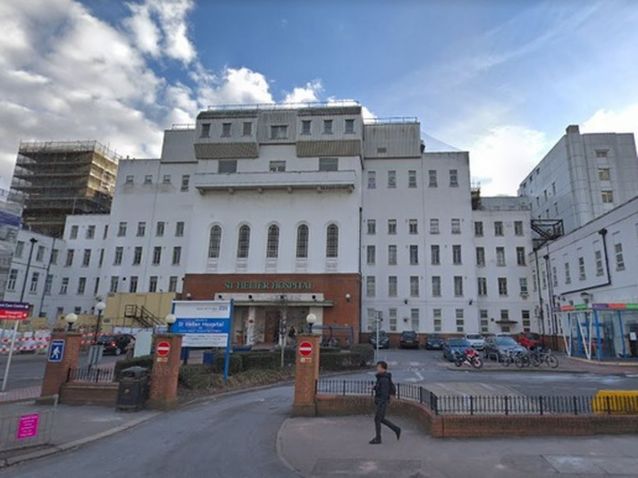
St Helier Hospital

What is the most disturbing is that the Epsom and St Helier University NHS Trust can ill afford to spend hundreds of thousands of pounds of taxpayer’s money pursuing a consultant cardiologist. She had to spend 28 months in the office on ” restricted clinical duty” while the trust investigated 43 cases against her. They sent them to the General Medical Council which not only exonerated her but extended her licence to practice without the need for further revalidation. Any sane person would have decided then and there to drop all this and reinstated her after the GMC findings.

Instead they continued what can be only described as a vendetta against her putting her under more and more stress until she was barely able to cope attending another tribunal hearing.

Meanwhile the trust is building up debts – the latest board meeting in July revealed it is £35 million in the red ( up from £27 million in April). Patients waiting for cardiac procedures, mainly imaging, and reviews are having to wait longer and the waiting list is growing – up from 2551 in July 2022 to 2901 in April 2023 -according to the NHS waiting list tracker.

Until this started Dr Usha Prasad who had been there since 2010 had seen 15,000 patients and had no complaints. If she had been reinstated the waiting list might not be so high and more patients would have been treated. And all this taxpayers money would not have been wasted if the trust had decided to use their own hr management to sort this out without going to a tribunal.

Councillor Ross Garrod, Labour leader of Merton Council

Meanwhile the growing deficit has led the trust to plan closing St Helier’s emergency department, maternity services and children’s in patient services provoking fury from residents. Councillor Ross Garrod, leader of Merton council, has called for re-assessment of the impact of this and a campaign group has been set up to fight the proposals. The website is here.

It’s time the trust got its priorities right. Stop spending hundreds of thousands of pounds fighting whistleblowers and spend more time and energy in running your services better.

Please donate to my blog so I can continue my forensic reporting on cases like Usha’s.

One-Time
Monthly
Yearly

Make a one-time donation

Make a monthly donation

Make a yearly donation

Choose an amount

£5.00
£10.00
£20.00
£5.00
£15.00
£100.00
£5.00
£15.00
£100.00

Or enter a custom amount

£

Your contribution is appreciated.

Your contribution is appreciated.

Your contribution is appreciated.

DonateDonate monthlyDonate yearly

Please donate to Westminster Confidential

£10.00
Judge adjourns £180,000 costs hearing case against whistleblower consultant Dr Usha Prasad

Trust scales down cost claim from £180,000 to £24,000 in private case management meeting

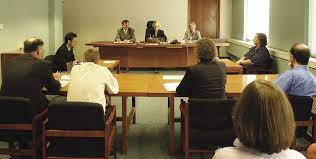
Typical tribunal room Pic credit: gov.uk

In a surprise move this morning judge Mrs E J McLaren adjourned the £180,000 costs hearing brought by Epsom and St Helier University NHS Trust against whistleblower consultant cardiologist Dr Usha Prasad.

She took the decision before the hearing started and explained that one of the panellists who heard the original employment tribunal hearing under judge Tony Hyams-Parish was now unable to attend. This appears to have happened in the last 24 hours as the acting regional judge Omar Khalil had ordered the hearing to go ahead. No explanation was given why the panellist couldn’t suddenly attend.

The decision also comes as Dr Usha Prasad has repeatedly requested a postponement of the hearing because she is ill and couldn’t think straight because of mental stress and sent the tribunal a doctor’s note confirming this. This had been repeatedly ignored by lawyers Capsticks, who represent the trust, and the tribunal but the judge said yesterday that Dr Prasad’s health will be discussed in a private case management meeting convened immediately after the adjournment. At that meeting with the judge the trust caved in and reduced the costs claim from £180,000 to £24,000 and accepted it would have to wait some time for a fresh hearing.

The adjournment also comes at a time of national public outrage following the baby murder conviction of nurse Lucy Letby at the Countess of Chester Hospital when it was revealed that managers threatened to report consultants who raised the alarm to the General Medical Council and forced them to write a letter of apology to the murderer nurse.

The situation was worse for Dr Prasad at the Epsom trust as she was reported to the General Medical Council by the trust . A document listing 43 cases was sent to the GMC who investigated her and then exonerated her taking the unusual decision to revalidate her to practice without any further application from her. That having failed the trust held an internal inquiry branding her as ” unfit for purpose ” as a human being because they could no longer say she wasn’t an excellent doctor.

Dr James Marsh

The man behind the continual pursuit of Dr Prasad is thought to be Dr James Marsh, the joint deputy chief executive and joint medical director of the St George’s, Epsom and St Helier hospital group, who gave evidence against her at the tribunal.

Jessica Blackburn

In a final act to put pressure on Dr Prasad before today’s tribunal Mrs Jessica Blackburn, the senior solicitor for lawyers, Capsticks representing the trust, sent her two new bundles of documents the previous night and Usha didn’t see it until only a few minutes before the tribunal was due to start. Given she knew she was mentally stressed and was a litigant in person with no lawyer to help her understand them, it looks to me like either a singularly callous act or she was rather late in finalising the trust’s case.

There is a wider issue here. As I have said before in 99.95 per cent of cases at employment tribunals, the employee does not pay the employer’s costs.

The picture that is now emerging is that the exception to this rule is the whistleblower. Usha’s case is not unique in this respect.

Dr Usha Prasad

Cost threats have been made against Dr Chris Day, who has been involved in a ten year battle with the Health Education Executive and Greenwich and Lewisham NHS trust over patient deaths and safety at Woolwich Hospital intensive care unit; Dr Peter Duffy, a urologist at the University Hospitals of Morecambe Bay NHS Foundation Trust, later vindicated over patient deaths; and outside the NHS, Alison McDermott, a management consultant, over bullying and harassment at Sellafield and the Nuclear Decommissioning Authority. Two more whistleblowers have now come forward at Sellafield and are under threat.

This list is the tip of the iceberg – I know of a number of other doctors, belonging to the informal Justice for Doctors group, who haven’t made their cases public yet, who have also been threatened with huge costs.

It is almost as though NHS and public sector managers have devised a standard playbook to use against any whistleblower who dares bring up the issue of patient safety to frighten them from doing anything about it. This is an area which both the inquiry and MPs on the Commons health and social care committee must look into – for the sake of all hospital patients and the nuclear safety of our country. Management bullies who threaten caring doctors and nurses must be removed from their jobs. No whistleblower should suffer like Usha Prasad ever again.

Please donate to Westminster Confidential to allow me to investigate forensically any injustice.

One-Time
Monthly
Yearly

Make a one-time donation

Make a monthly donation

Make a yearly donation

Choose an amount

£5.00
£10.00
£20.00
£5.00
£15.00
£100.00
£5.00
£15.00
£100.00

Or enter a custom amount

£

Your contribution is appreciated.

Your contribution is appreciated.

Your contribution is appreciated.

DonateDonate monthlyDonate yearly

Please donate to Westminster Confidential

£10.00
Judge insists whistleblower Dr Prasad £180,000 cost hearing must go ahead despite her GP’s warning of mental stress

Acting regional employment judge Omar Khalil

A senior employment judge has intervened to try and force whistleblower consultant cardiologist Dr Usha Prasad, who is now ill, to attend the Croydon costs hearing on Wednesday where she will face a £180,000 bill after losing an employment tribunal case.

Judge Omar Khalil has ignored a letter from her GP warning that she is under severe mental stress after years of appearances before employment tribunals, being referred to the General Medical Council which exonerated her but then lead to an internal inquiry run by the Epsom and St Helier University NHS Trust which tried to brand her as ” unfit for purpose” as a human being because it had to say she was an excellent doctor.

Her disclosure that the trust covered up an ” avoidable death” of a heart patient at the trust by not reporting it to the coroner was confirmed by Dr Richard Bogle, the head of cardiology , during an employment tribunal hearing.

But judge Tony Hyams-Parish, mindful that there are no records kept of tribunal hearings, expunged this disclosure in his judgement which rejected all her claims.

Dr Usha Prasad has asked for a postponement because she doesn’t feel well enough or capable of defending herself against expensive lawyers hired at the taxpayers’ expense by Epsom and St Helier University NHS Trust. She hasn’t the money now to employ a barrister to defend her at the hearing.

Dr P Bailey, her GP in Wakefield has written to the costs tribunal saying “”She is experiencing physical and emotional signs of distress…. she does not feel in an appropriate state of mind at present to represent herself in the process currently.”

“… I would be grateful if her current mental state was taken into account regarding scheduling and potential postponement.”

The regional judge and tribunal are refusing to take any notice of the GP’s plea.

In reply Lynn Head, for the tribunal says today:

“Acting Regional Judge Khalil has asked me to write to the parties.
The claimant’s application to postpone the Costs hearing listed for 23 and 24 August 2023 is refused.
The Hearing has been listed since 8 March 2023 and the dates should thus have been reserved from receipt of that notice.
“The Tribunal has previously addressed that an outstanding EAT appeal relating to liability is not a reason in itself not to proceed with a Costs Hearing. The question of enforcement of any Costs Order (if made) is a separate consideration pending an outstanding appeal.
“The claimant’s request for notes has also received judicial consideration previously, more than once. No details have been proved of the claimant’s important meeting.

“The claimant could have provided dates of unavailability of his counsel (shortly after the Tribunal indicated it would be listing a Costs Hearing (17 February 2023), as the respondent did, but the claimant did not do so.
The Tribunal has considered the claimant’s medical evidence dated 18 August 2023 but in the light of the listing of this Hearing since 8 March 2023, the claimant could and should have made arrangements for alternative representation if her previous Counsel was unavailable. A postponement would cause a considerable delay before the panel could reconvene. That is not an overriding objective. The Liability Hearing took place in November 2021.”
At this stage it is not clear whether Dr Prasad can or will attend the hearing. The presiding judge will then have to decide what to do.

Please donate to Westminster Confidential to allow me to continue my forensic reporting.

One-Time
Monthly
Yearly

Make a one-time donation

Make a monthly donation

Make a yearly donation

Choose an amount

£5.00
£10.00
£20.00
£5.00
£15.00
£100.00
£5.00
£15.00
£100.00

Or enter a custom amount

£

Your contribution is appreciated.

Your contribution is appreciated.

Your contribution is appreciated.

DonateDonate monthlyDonate yearly

Please donate to Westminster Confidential

£10.00
Jessica Blackburn: The ambitious Capsticks lawyer with a mission to unsettle whistleblowers

Jessica Blackburn senior associate Capsticks Pic Credit:London Portrait photographer David Woolfall

Jessica Blackburn is the senior solicitor and driving force behind the bid by Epsom and St Helier University NHS Trust(ESHUT) to get record £180,000 costs against Dr Usha Prasad, the whistleblower cardiologist who was dismissed by the trust for her disclosures.

As reported earlier a hearing like this is extremely rare, as in 99.95 per cent of all employment tribunal cases no complainant pays any of the employer’s costs – much to chagrin of big employment law firms like Capsticks.

She was educated at the highly selective Wallington High School for Girls and graduated from the University of Southampton Law School in 2014. She took two postgraduate legal practice courses at the private University of Law in London and got a distinction. She was a trainee solicitor at RadcliffesLeBrasseur , a law firm now part of Weightmans. She took a job as a qualified solicitor with Capsticks in 2018 and was promoted to a senior associate three years later. A native English speaker, among the languages she has is elementary knowledge is Yoruba, a West African tribal language. She also played a senior role in Capsticks celebrations of Black History Month last year.

Claire McLaughlan ,chairs MHPS inquiries

At Capsticks she specialises in defending health trusts and the police and cites dealing with whistleblowers as one of her specialities. She is also involved in advising trusts running  complex doctor cases under the national framework, Maintaining High Professional Standards in the Modern NHS – internal hearings like the one already held by ESHUT over Dr Usha Prasad chaired by Claire Mclaughlan that came to the bizarre decision that she was “unfit for purpose”.( see my blog here and here.)

Her top tribunal case cited on her page is one heard by Judge Auerbach in 2021 between Mr Abgeze and Barnet, Enfield and Haringey Mental Health Trust ( judgement here) over the controversial issue of people’s rights in zero hours contracts. Mr Abgeze, who was on a zero hours contract, was suspended and then reinstated by the trust. But because he was on a zero hours contract he was unable to apply for shifts and claimed compensation. Judge Auerbach threw out his claim.

She writes: “This will be a welcome decision to NHS Trusts, and other organisations that have similar casual worker arrangements.”

Certainly as this week’s cost hearing approaches there is a big stand off between her and Dr Usha Prasad who under increasing stress and suffering health issues and asked for a postponement. But it looks like that either Jessica Blackburn doesn’t believe her (despite a doctor’s note) or does not want to believe her and doesn’t want her schedule for the historic case delayed.

Forensic details of Usha Prasad’s finances demanded by Capsticks for the health trust

This is the letter she sent demanding details of Dr Prasad’s finances to make sure she will be ready to pay the £180,000.

“We write in respect of the hearing to determine the Respondent’s costs application against you listed by the Tribunal for 23 and 24 August 2023. The Trust has incurred in excess of £150,000 plus VAT in legal costs in defending your claims (2 and 3), which were all dismissed.  

On 19 June 2023, we wrote to you in the following terms:

“As part of the Tribunal’s consideration of the Respondent’s costs application, the Tribunal may take into account your financial means. Therefore, please can you disclose by 23 July 2023, any evidence of your means if you intend to rely on this at the costs hearing, so that this information can be contained within the costs hearing bundle.”

To date we have received nothing. We are not clear whether this is because, if you are ordered to pay costs, that your position is that you would be financially able to meet any order made by the Tribunal, or, on the other hand that you have elected not to disclose any information. 

We remind you that under Schedule 1,  rule 84 of the Employment Tribunals (Constitution and Rules of Procedure) Regulations 2013, the Tribunal may (but is not required in all circumstances) take into account a paying party’s ability to pay. 

Ability to pay

84.  In deciding whether to make a costs, preparation time, or wasted costs order, and if so in what amount, the Tribunal may have regard to the paying party’s (or, where a wasted costs order is made, the representative’s) ability to pay.

If you intend to argue (or might do so, depending on the level of costs awarded) that you would not be financially able to meet the terms of any costs award, if so ordered, the Respondent requests you urgently provide supporting information and evidence of the same.  

This should include:

·         information about your present level of income and remuneration as well as of what you have earned since the liability judgment; any property you currently own (whether in whole or in part, whether land, buildings or otherwise), any investments, and the content of any bank / building society or similar accounts and any other information relevant to your ability to pay an award of costs. This information should cover assets worldwide not only in the UK. 

·         You should also provide information and evidence regarding your financial commitments such as rent/ mortgage. 

·         Evidence to support the information provided should be provided. 

·         As regards your employment related earnings, pay slips, P60s, tax returns or record of invoices paid through agencies or similar and any current or recent contract of employment, or for your services. 

·         As regards bank accounts, savings and investments, including ISAs, this should include copies of your recent bank (etc) statements. Downloaded statements or screenshots from a bank (etc)’s website are acceptable. 

·         The Tribunal will need to understand your current financial commitments, therefore if you have any loans, mortgages, or other regular payments made such as rent or utilities, documents in support of the same (e.g. mortgage statement, loan agreement/payment schedule, rent payments) should be provided. 

·         Where you own one or more properties you should identify the approximate current value of the property concerned and the balance of any mortgage. 

·         Please can you also confirm your current employment/engagement status, including whether the number of hours worked and whether that if permanent or temporary (and if so on what basis) and your residential address.

Threat judge will be told if she does not provide the information

The Respondent will draw this letter to the Tribunal if the information and evidence requested is not supplied prior to the hearing but where you contend (whether in writing, or at the hearing) that your means should be taken into account by the Tribunal. It is important that the Respondent understands your position in good time prior to the hearing. In addition, we urgently request confirmation of your position regarding your financial means in order to address this issue in written submissions, the absence of which is delaying completion.

We look forward to receiving confirmation of your position, together with the requested documentation where applicable, as a matter of urgency.”

When she sent the doctor’s note Jessica Blackburn ignored it. You can see what detail Capsticks want – and other whistleblowers facing cost hearings say they have not received such detailed demands.

I informed Jessica Blackburn I was proposing to write a profile of her. Capstick’s press office replied that she could not comment at this time.

Please donate to Westminster Confidential so I can continue my forensic reporting.

One-Time
Monthly
Yearly

Make a one-time donation

Make a monthly donation

Make a yearly donation

Choose an amount

£5.00
£10.00
£20.00
£5.00
£15.00
£100.00
£5.00
£15.00
£100.00

Or enter a custom amount

£

Your contribution is appreciated.

Your contribution is appreciated.

Your contribution is appreciated.

DonateDonate monthlyDonate yearly

please donate to Westminster Confidential

£10.00