Chris Day whistleblowing tribunal: His wife says family faced £500,000 costs if judge took a dim view of him using covert audio

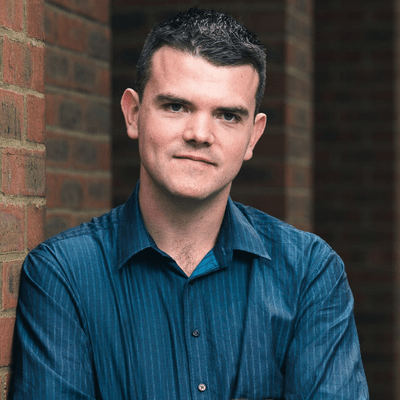
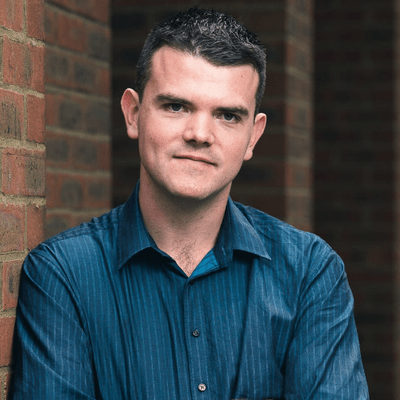
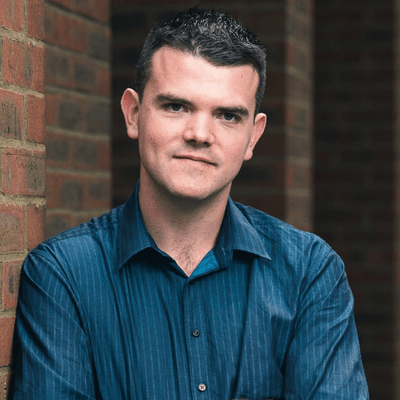
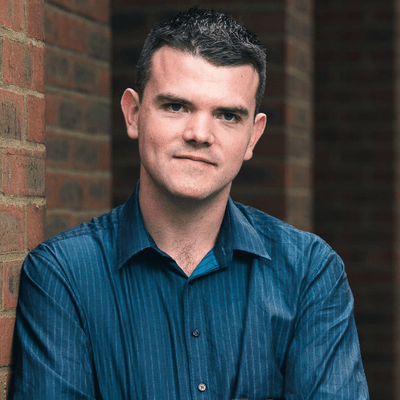
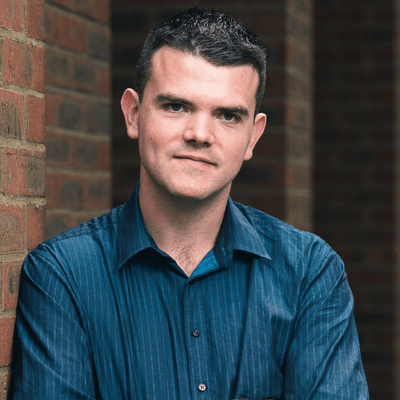
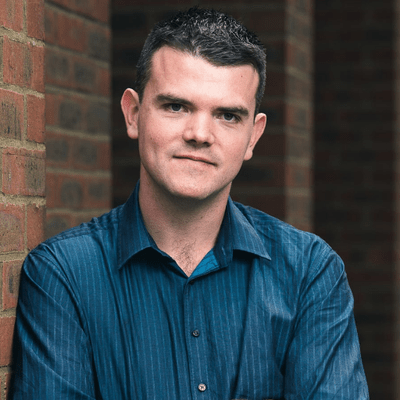
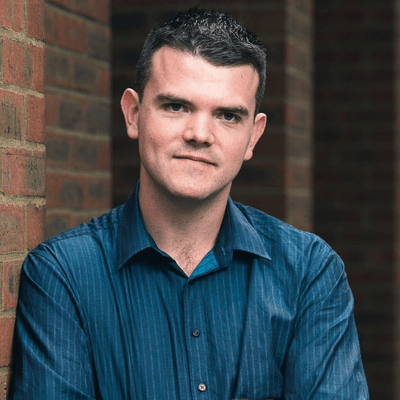
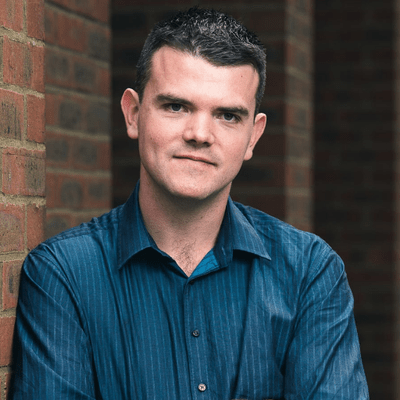
Dr Chris Day

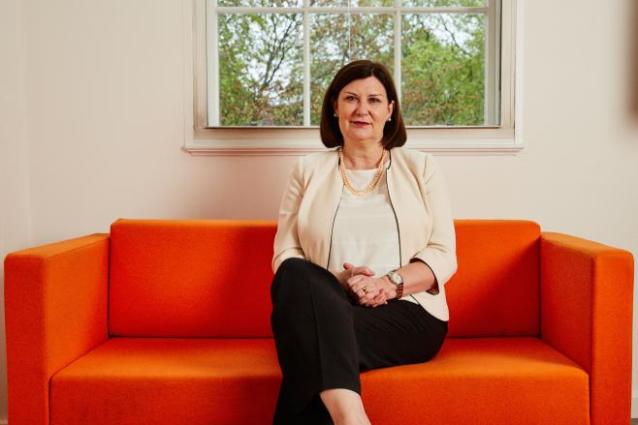
Melissa Day , a registered nurse, gave evidence on behalf of her husband yesterday describing the dramatic moment when they were told by his lawyers that he could face £500,000 costs unless he settled the case with Lewisham and Greenwich NHS Trust and Health Education England in 2018.

” I understood if Chris were to lose the case, the respondents would as the conference note states claim for “the costs between now and the end of the hearing (£120,000 or more)” This was a significant amount of money which would have caused severe financial stress for our family.

She went on: “A further cost threat was linked to potential credibility findings relating to Chris’s use of covert audio. ln these circumstances, the potential total cost liability could be closer to £500,000 which was more than the value of our house and clearly would have put it at risk.

“At no point were any of the cost threats linked to the truthfulness of Chris’ evidence and I certainly had no concerns about this. I did have concerns about a potential reaction from the judge on the use of covert audio. This is despite what the audio showed about the way the patient safety issues were investigated and the validation it gave Chris’ claims that the Respondents’ made false accounts of his dialogue.”

“In the conference, when Mr Milsom [Chris Day’s lawyer at the time]was asked by Chris what the potential liability would be associated with the cost threats Mr Milsom listed wasted costs in relation to covert recordings with Chris’ potential cost threat liabilities as the conference note confirm”.

” At the time I did not properly understand how wasted costs differed from what I now know are ordinary costs. I had no previous experience of employment tribunals or the different types of cost threats. As they were listed together and reference was made to covert audio, I assumed that Chris would be liable for the costs Mr Milsom had listed.”

No choice but to settle

The couple went home and decided they had no choice but to settle the case even if Chris Day thought he had a chance of winning.

“Chris consulted me and wanted to discuss our options over dinner, I replied that there was no discussion to be had and I was not prepared to risk our family’s security. Chris decided very quickly in the conference that based on the costs threats and my opinion that he was not prepared to accept the risk to our family home and security that proceeding with the case would involve. Chris withdrew the case as a direct result of the costs threats.

“My stated reluctance for him to continue came also as a direct result of the cost threats. There was no doubt in my mind that proceeding with the case was not an option after hearing about the cost consequences despite the serious safety issues at the centre of the case, the unacceptable NHS response to them and the toll that getting this case heard had taken on Chris and our family over the preceding four years.”

She also described the day long negotiations that followed about an agreed statement to be made by the trust and Health Education England that was to follow settlement of the case.

Both HEE and the trust insisted that it had to say that they and their external investigators, Roddis Associates had acted in good faith – despite Roddis ignoring the two deaths at the Intensive Care Unit and that it was adequately staffed – contradicting Dr Day’s case. Both the trust and HEE diverted the issue on to the employment status of their advisers.

Trust insisted it must say it acted in good faith

She said: “Mr Milsom spent a large proportion of the morning walking up and down Croydon precinct outside Costa on the phone to counsel about the agreed statement. It is clear all these discussions about the agreed statement would not have happened without the cost threats as Chris would not have agreed to the wording that everyone acted in good faith or any similar wording.”

“This statement was particularly damaging to Chris because it gave the impression Chris’ protected disclosures were not about the intensive care unit, focusing only on one situation where there was a problem with medical ward cover on one night and claimed they had decided not to pursue Chris for costs.”

Melissa Day was cross-examined by Dan Tatton Brown, for the trust, over the statement and whether Dr Day’s real reason for settling was because he was going to lose. She completely denied this.

Please donate to Westminster Confidential to allow me to continue my reporting.

One-Time
Monthly
Yearly

Make a one-time donation

Make a monthly donation

Make a yearly donation

Choose an amount

£5.00
£10.00
£20.00
£3.00
£9.00
£60.00
£3.00
£9.00
£60.00

Or enter a custom amount

£

Your contribution is appreciated.

Your contribution is appreciated.

Your contribution is appreciated.

DonateDonate monthlyDonate yearly

Please donate to Westminster Confidential

£10.00
Chris Day: Lewisham and Greenwich NHS Trust and Health Education England “destroyed my medical career”, tribunal told

Dr Chris Day

Dr Chris Day, the whistleblower junior doctor, has told the tribunal that the eight year battle with the trust and Health Education England, had “destroyed my medical career” and had been at a ” huge cost to me and my family.”

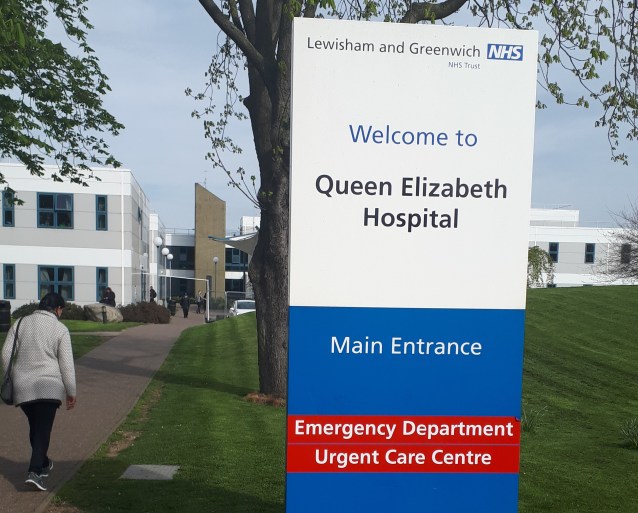
In a long and detailed witness statement to the tribunal he laid out the effect of the trust’s actions ever since he had made his protected disclosures in 2013 and 2014 about staff shortages and serious threats to patient safety at the intensive care unit at Queen Elizabeth Hospital, Woolwich.

He said: “The respondents’ actions over the last 8 years have destroyed my medical career.
“Throughout this litigation, I have worked ad hoc shifts as a locum junior doctor in Emergency Medicine. This often, if not always, involves a 10 hour shift starting early afternoon and ending at midnight. It is these times in which locum cover is needed.
“Had I progressed on my career path with the Second Respondent, I would have been a hospital consultant by 2019. My current arrangement offers me no career path, job security or employment rights. For example, when working during the pandemic in A&E, I caught Covid-19 and, as I fully accept, I had no right to sick pay from either my locum agency or the NHS for the time that I could not work.”

This case is about preventing disclosures being understood by the public

“This present case is therefore not about justice for me and my family for the loss of my career. It is about attempts to undermine my reputation by preventing the disclosures I had raised being understood by the public, press and MPs.
“The actions of the Respondents in their reactions to the issues that I had raised had meant the destruction of my career; and then for them to further undermine my professional and personal reputation to such an extent, could make it likely that many will not listen to a word I say about anything ever again.”

He concluded: “This Tribunal will be fully aware of what happens time after time to claimants that bring
whistleblowing cases against senior and established interests. To some extent this Tribunal may also be aware of the speak up culture in the NHS. The toxic speak up culture in the NHS has been documented in scandal after scandal with the latest being the maternity scandal at Shrewsbury and Telford. This Tribunal will therefore be more than able to understand the pressure that me and my family have been under over the last 8 years. I hope it is clear from what I have set out, that I have raised serious issues that deserve proper consideration.”

Queen Elizabeth Hospital, Woolwich By Paul W – Own work, CC BY-SA 4.0, https://commons.wikimedia.org/w/index.php?curid=79830700

His evidence covered the history of his case from 2013 covering serial misrepresentation of his disclosures at the intensive care unit at Woolwich Hospital, a bitter dispute over cost threats against him and his solicitors by the trust and Health Education England, which led him to settle the case to protect his home and family and the aftermath including a hostile press release issued by the trust and letters sent to 18 MPs and local stakeholders putting their case. He has had two days of robust cross examination by Dan Tatton Brown, the barrister acting for the trust, which has gone into every detail of his case and demanded straight ” yes or no ” answers to complicated points. These included the legal procedures surrounding the move to impose and then withdraw cost threats against him and his solicitors which was later denied had ever happened by the trust.

His witness statement points out that it took six years from 2013 for the trust and Health Education England, who are no longer a party to the case, to recognise that his disclosures as a whistleblowing issue.

Trust misrepresented findings on patient safety

He also found misrepresentations by the trust over a visit by the people from HEE and by commissioning an external investigation by Roddis Associates, which ignored two deaths at the ICU, claimed staffing was adequate and wrongly said a consultant became immediately available when he wanted one. These issues have been dealt with in earlier evidence from two anaesthetists.

He says: “The Respondent has chosen to represent the serious content of my protected disclosures as a one-off situation outside of the ICU about junior doctor cover of medical wards. Such an occurrence, although not trivial, is all too common in the NHS.
“It is clearly not the main thrust of my protected disclosures. The fact the Respondent has wholly misrepresented to the press and MPs my disclosures as not being about the Intensive Care Unit/critical care, but being limited to junior doctor cover on the medical wards paints a picture that my protected disclosures were making a fuss about nothing.”

“It seems to me that this is a clear attempt to smear me; to make me out to have been a vexatious Claimant with a hopeless case that I chose to freely withdraw; and to diminish my standing in the eyes of those who supported me, including the MPs and journalists that were engaged with the issues that I had raised.”

Please donate to Westminster Confidential to allow me to continue my reporting.

One-Time
Monthly
Yearly

Make a one-time donation

Make a monthly donation

Make a yearly donation

Choose an amount

£5.00
£10.00
£20.00
£3.00
£9.00
£60.00
£3.00
£9.00
£60.00

Or enter a custom amount

£

Your contribution is appreciated.

Your contribution is appreciated.

Your contribution is appreciated.

DonateDonate monthlyDonate yearly

Please donate to Westminster Confidential

£10.00
Consultant anaesthetist links two patient deaths to unsafe staffing at Woolwich Hospital Intensive Care Unit – Chris Day tribunal hearing

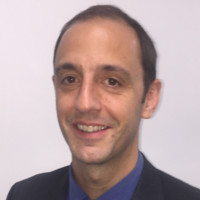
Dr Sebastian Hormaeche Pic credit: Linked In

” Troubling” trust commissioned report ignoring patient deaths

A second consultant anaesthetist was highly critical of safety standards at Woolwich Hospital Intensive Care Unit (ICU) in 2013 and 2014 linking the lack of night time trained doctors working there to the deaths of two patients.

Dr Sebastian Hormaeche, an elected member of the British Medical Association Council, provided evidence to the tribunal on expected staffing levels and qualifications of doctors working at the ICU.

His evidence followed a devastating critique last week by Dr Megan Smith on the staffing levels at the ICU run by the Lewisham and Greenwich NHS Trust.

She had told the hearing : “You would not find an anaesthetist or ICU doctor in the country who would accept those ratios. There was a clear and present danger to patient safety – no question about that.”

Dr Hormaeche said that the trust did not follow national standards for doc to patient ratios there but went on to criticise the lack of supervised training for doctors handling emergencies and the way the trust’ called external investigators who presented a false picture of what was happening there. He said:

“The Core Standards state that exceeding this staffing ratio is deleterious to patient care. The ICU cares for the sickest patients in the hospital requiring the most intense level of care and attention and when staffing levels are stretched patients may be exposed to higher degree of risk of harm. This is also impacted by the number and experience of trainees- doctors below the consultant grade, as well as the turnover of patients and the case-mix.”

“Airway skills- the skills required to secure and maintain the airway (intubation) in critically ill patients- are the core element of the anaesthetist’s training and are their fundamental skillset. The sickest ICU patients (Level 3 patients) are those requiring ventilatory support in the form of a breathing tube being inserted into the airway (trachea, or windpipe) in order to help maintain their life support. Situations requiring airway intervention in the ICU typically require the presence of a practitioner with advanced airway skills.

Dr Chris Day

“This is important because an emergency involving an airway issue can be immediately life-threatening, therefore it is a requirement that there be immediate access to a practitioner with advanced airway skills, and in practice this is usually provided by the resident anaesthetists. It should be noted that novice anaesthetists who have not yet completed their lnitial Assessment of Competency do not yet possess advanced airway skills”.

.”I have seen evidence that on 15 October 2014, Health Education England carried out a quality visit at the Trust which recorded concerns from other junior doctors about staff patient ratios and the lack of ready availability of airway support. ln my view, the findings of this quality visit by the HEE and the ICU Core Standards are clearly relevant to Dr Day’s protected disclosures.”

He contrasted this with an external report by M J Roddis Associates, a clinical management consultancy, commissioned by the trust, which said: “The core standards say that the ICU resident / patient ration should not exceed 1:8. These ratios are therefore not absolute.”

Dr Hormaeche said: “…this doesn’t meet safety standards in terms of staffing levels either for doctor to patient numbers or for Dr Day’s level of training at that time. ln my experience this level of cover requires a senior trainee (a Registrar) with advanced airway skills and a higher level of ICU training to be resident in addition to an SHO, who is still undergoing their Core Training, as a minimum.”

M J Roddis Associates said: “Dr Day has immediate access of the resident anaesthetic registrar for airway management “while Dr Day. said the opposite and also warned of serious threat to very sick patients and added of ” I have observed a number of hypoxic cardiac arrests from tubes getting displaced. The unit’s self-extubation rate was high when I was there.”

This is an alarming paragraph – Dr Hormaeche

Dr Hormaeche said: ” This is an alarming paragraph for me to come across lt suggests an unsafe ICU
environment in terms of patient safety, by way of staffing levels and access to advanced airway skills. The term intubation refers to the insertion of a breathing tube, which is a crucial element of life support for the sickest ICU patients. The term extubation refers to the removal of a breathing tube from a patient’s airway.”

” …Self-extubation, however, refers to an unplanned and serious event where a breathing tube has unexpectedly become dislodged or displaced from the airway. This can become a life threatening event.”

He added: “The term hypoxic refers to a low level of oxygen circulating in the blood. This will be expected to occur if a breathing tube becomes accidentally displaced. Severe hypoxia can lead to cardiac arrest and death. To prevent this outcome, immediate access to advanced ainruay skills is essential.”

He then quotes from Dr Day’s evidence about two deaths that followed and linked to staff shortages

“On 7 November and 5 December 2013, two patient deaths occurred at night under the care of lntensive Care. These deaths involved two different non-anaesthetic trained doctors and were declared as Serious Untoward lncidents (‘SUl) and subject to Coroner inquests .The SUI’s involved just the kind of circumstances that I had been concerned to avoid when I raised concerns about patients safety in
August and September 2013.”

Neither deaths were investigated or mentioned by M J Roddis Associates in their report.

Deaths findings fully support Dr Day’s warning

Dr Hormaeche said: “”lt seems to me that the findings of both these Sls fully support Dr Day’s warning in his August 2013 protected disclosures about the training and experience of the grade of doctors used by the Trust to cover the night shift in the lntensive Care Unit under distant supervision.”

The December 5 case involved insertion of a chest drain which was incorrectly sited and pierced the liver. The patient died from haemorrhage according to the coroner.

Dr Hormaeche said: “I cannot understand why Roddis Associates were to exclude these two highly relevant SIs from their investigation.”

Please donate to Westminster Confidential to allow me to continue my reporting.

One-Time
Monthly
Yearly

Make a one-time donation

Make a monthly donation

Make a yearly donation

Choose an amount

£5.00
£10.00
£20.00
£3.00
£9.00
£60.00
£3.00
£9.00
£60.00

Or enter a custom amount

£

Your contribution is appreciated.

Your contribution is appreciated.

Your contribution is appreciated.

DonateDonate monthlyDonate yearly

please donate to Westminster Confidential

£10.00
Consultant’s devastating critique of Woolwich Hospital’s intensive care staffing in Chris Day whistleblower tribunal hearing

Trust lose battle to ban consultant anaesthetists giving factual evidence

Dr Megan Smith, consultant anaesthetist and barrister. Pic credit: https://msmedicolegal.com/

A devastating exposure of the health and patient safety dangers at Woolwich Hospital’s intensive care unit in 2013 and 2014 was made by a highly experienced anaesthetist and lawyer on the second day of the tribunal case brought by Dr Chris Day against the Lewisham and Greenwich NHS Trust.

At the opening of the hearing the NHS trust had tried to ban Dr Smith and another consultant from giving evidence to the judge on the grounds that the information was irrelevant, needlessly extending the hearing and a waste of taxpayer’s money. The trust itself has already spent nearly £1m on lawyers in fighting Dr Day’s whistleblowing claims of understaffing and risk to seriously ill patients at the hospital.

She told the hearing : “You would not find an anaesthetist or ICU doctor in the country who would accept those ratios. There was a clear and present danger to patient safety – no question about that.”

In her evidence she listed Dr Day’s concerns:

They were:

2.1.1. Doctor patient ratios were inappropriately high and a risk to patients at Woolwich ICU;
2.1.2. ICU trainees who were rostered to cover the ICU (as well as critically ill patients on the wards and in the Emergency Department (“ED’)) had insufficient clinical experience, training, and competence to fulfil a role of such responsibility which put patients at risk and compromised patient safety;
2.1.3. Senior medical supervision of these ICU trainees was inadequate and a risk to patients at Woolwich ICU which put patients at risk and compromised patient safety.

2.1.4. The Respondents’ managers failed to investigate these safety related matters adequately;
2.1.5. The Respondents’ managers provided false information about the claimants protected disclosures;
2.1.6. The Respondent’s managers provided false information to those investigating these safety related matters.

She went on to list the attempts Dr Day to alert people to the problems. They were:

Dr Roberts in a phone call and email on 29 August 2013

Dr Brooke in a meeting on 29 August 2013 and by email dated 2 September 2013;
Dr Harding, Assistant Medical Director for Professional Standards in an email forwarded on 3 September 2013;
Joanne Jarcett, the off-site duty manager, in a phone call and email on 10 January 2014 and a further email on 14 January 2014;
In addition, the Claimant informed Joanne Janett via email on 14 January 2014 that hospital managers were providing false information and were failing to investigate and deal with patient safety issues in the Respondent’s ICU;
Statements made by the Claimant on 3 June to the ARCP panel (which included a senior doctor from the Trust, Dr Harrison) about patient safety at Woolwich lCU, the hospital arrangements for 10 January 2014,
the events of that night and subsequently and attempts by Trust management to discredit him and present the issue as his competence rather than patient safety.”

Dr Chris Day

She then outlined national standards for intensive care units which were in force in 2013 and compared them to the provision at Woolwich Hospital. She said this meant “In general, [the Consultant/Patient ratio should not exceed a range between 1:8 – l:15 and the ICU resident Patient ratio should not exceed 1:8”

She said: “What he [Dr Day] was saying was that at all times when he was working as the resident night time ICU doctor he was expected to cover 18 ICU beds, assess new critically unwell patients on the wards in the hospital and in the ED, and review a list of ICU outlier patients on the wards who had been flagged as potentially requiring admission to ICU and therefore warranted close monitoring and regular review.”

Woolwich Hospital ICU was “prima facie unsafe”

She concluded: “The Respondent’s ICU was, prima facie, unsafe and (if more than a one-off incident) was something that was required to be rectified by the recruitment of more (and in some cases more experienced) junior doctors.”

She then examined the training and knowledge of junior doctors new to working in ICU’s and again found Woolwich Hospital wanting.

“When ICU trainees first begin their training, they are unlikely to possess many (or any) of the core lifesaving skills and competencies that a qualified higher level ICU trainee or consultant possesses. This means that it is completely inappropriate for these trainees to be left alone to manage the ICU out of hours until the department is satisfied that they possess the required levels of skill and competence.

On Dr Day she said: “Doctors with the level of experience that the Claimant had at the time in question
would not have (and would not be expected to have) anything other than basic airway and lifesaving skills. These can save a life as a temporising measure, but definitive airway access (tracheal intubation) and cardiovascular resuscitation have to be secured quickly or the patient will come to harm. These skills (which are routinely provided by the ICU team) are far more advanced and can only be gained by those new to ICU by being taught and fully supervised in performing them until they have achieved a prescribed level of competence (in 2013/2014 the criteria {or such competencies were set out by the Royal College of Anaesthetists” and other colleges.

She severely criticised the lack of supervision at the hospital and the turned to the hospital’s failure to investigate Dr Day’s concerns about patient safety.

Allegations would have been of grave concern

She said: ” The allegations raised by the Claimant would be of grave concern to any medical professional and any serious incident/governance/ risk manager. The primary concern would be for the safety of the patients in the ICU, particularly given subsequent (apparently avoidable) patient deaths. However, the institution ought also to have been extremely concerned about reputational damage and its standing
with those commissioning its services with whom it would have had legally enforceable contractual agreements. I would expect an immediate and thorough investigation to have been initiated.”

She concluded that the press statements by Lewisham and Greenwich NHS Trust at the time did not show Dr Day’s allegations had been properly investigated.

“it seems to me that the Respondent’s press statements and statements on its own website at best underplay the seriousness of what was occurring in the ICU and at worst were misleading in relation to the same.”

She said :The report that was commissioned in 2014 by the Respondent appears to accept and condone the running of the ICU in breach of expressly stated national standards that were put in place in order to ensure that ICU patients received excellent and, arguably more importantly, safe care. The conclusions of the 2014 report are, in my view, completely at odds with these evidence-based principles and are entirely inconsistent with the principles of the delivery of safe and excellent patient care.”

A second anaesthetist consultant will give evidence on Monday.

Please donate to Westminster Confidential to allow me to continue my reporting.

One-Time
Monthly
Yearly

Make a one-time donation

Make a monthly donation

Make a yearly donation

Choose an amount

£5.00
£10.00
£20.00
£3.00
£9.00
£60.00
£3.00
£9.00
£60.00

Or enter a custom amount

£

Your contribution is appreciated.

Your contribution is appreciated.

Your contribution is appreciated.

DonateDonate monthlyDonate yearly

please donate to Westminster Confidential

£10.00
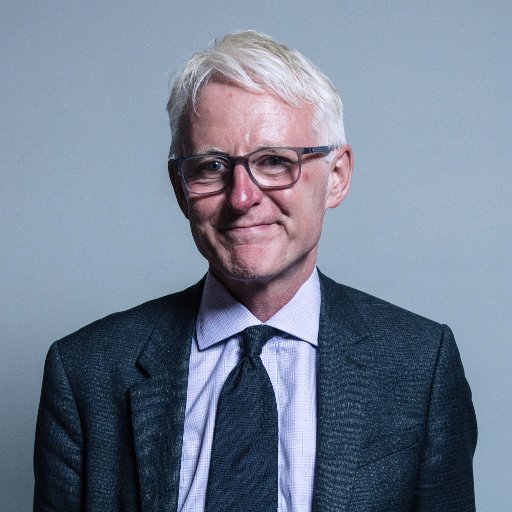
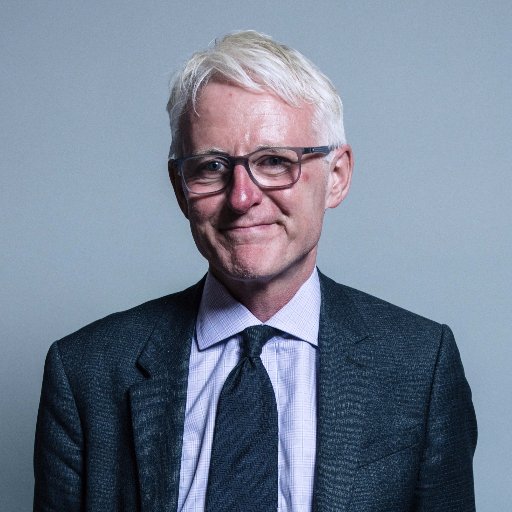
Sir Norman Lamb blows the whistle on “deceitful” NHS attempts to discredit Dr Chris Day in tribunal hearing evidence

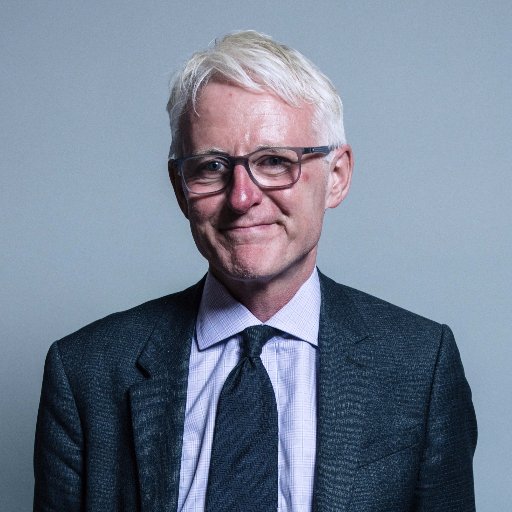
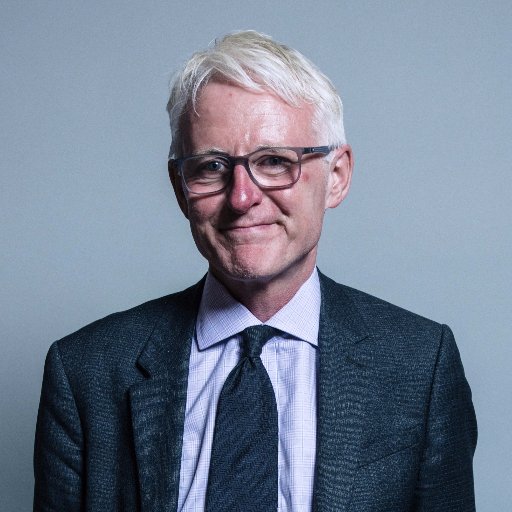
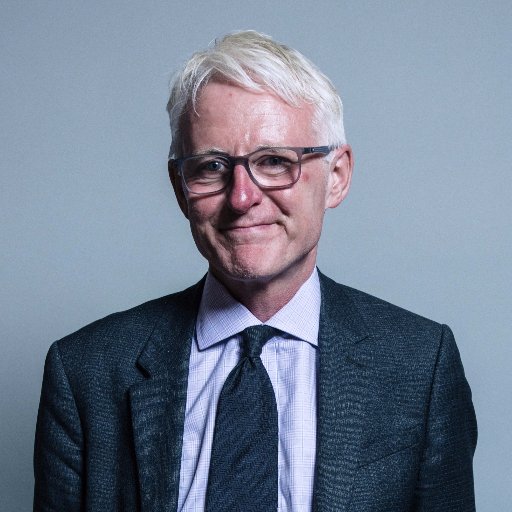
Sir Norman Lamb

Sir Norman Lamb, the former health minister, gave evidence on the first full day of the tribunal hearing between whistleblower junior doctor Chris Day and Lewisham and Greenwich NHS Trust. The tribunal is the latest hearing in a nine year battle between Dr Day and the trust over safety standards and staff shortages at the intensive care unit and accident and emergency unit at Woolwich Hospital in 2013-14.

Sir Norman, now chair of the neighbouring South London and Maudsley NHS Foundation Trust, had been summoned by Dr Day’s legal team to appear. His evidence which largely was not challenged by the trust revealed the various correspondence he had with both the trust and Dr Andrew Frankel, a former postgraduate dean at the now merged Health Education England.

Health Education England succeeded at an earlier tribunal hearing this year in removing themselves from the case after Dr Frankel admitted he had acted deceitfully without HEE’s knowledge in trying to change Sir Norman’s mind over Dr Day’s case. I wrote two blogs about this earlier this year. They are here and here.

Dr Chris Day

Sir Norman told the hearing he had probably had around 9 or 10 meetings with Dr Day since 2017. This included one with Jeremy Hunt, the health secretary, others with Dr Frankel and Ben Travis, then chief executive of the trust.

At the meeting with Jeremy Hunt on 23 May 2018 “Dr Day set out details of his case and in particular the reality of the night time staffing at the relevant hospital’s lntensive Care Unit, the fact that it departed
significantly from national standards of safe levels of staffing, and that there were two deaths associated with the working conditions. The investigations at the time described clearly unacceptable staffing as acceptable.”

At the next one on 1 November 2018 came after Dr Day had settled the case after being threatened by the trust for costs and his legal team was also threatened for wasted costs. 

Sir Norman said: “I remember being very surprised that Chris had settled the claim before the end of the tribunal hearing given the fact that he had spent years working to get the chance to put his case to the tribunal. Chris told me that he had been faced by an impossible dilemma. He told me that he feared losing his family home if costs were ordered against him. He said he had consulted his wife on the decision, and they had agreed that as parents, he could not carry on. Chris told me that Mel, his wife, had urged him to settle “

“ln preparation for this hearing, I have seen an email dated 30 November 2018 from
Dr Day’s then Barrister, Mr Chris Milsom, to Dr Day. Mr Milsom confirms what he was told by the NHS’s barristers about the consequences of Dr Day continuing the case. Mr Milsom further states that ‘this was a “sophisticated discussion” that was in “no way invited by [Mr Milsom].” 1 can also see reference to wasted cost consequences directed against Dr Day’s former legal team by the NHS Counsel.”

This bit of evidence led to lengthy cross questioning by the trust’s barrister, Dan Tatton Brown, who tried to get Sir Norman to agree that Dr Day had settled because he felt he might lose the case and face costs which were not meant as a threat. Sir Norman disagreed.

Dr Andrew Frankel

Sir Norman’s later evidence shed even more light on the behaviour of Dr Frankel who arranged a meeting with him in 2019.. Evidently he claimed that an inquiry he set up into Dr Day’s allegations had said there was no suggestion any point (sic) that the panel had been briefed negatively about Dr Day.”

The report claimed wrongly “Dr Day had variously been described as ‘tenaciously going on and
on’ about it,’ gripped by angst’ and ‘shaking as he recalled events’ and ‘locked in.

One of the report panel members, Dr Madhurie Chakravarti-Chattopadhyay states in her statement to the Employment Tribunal for the 2018 hearing that:’ l did not feel that the report portrayed the situation as accurately from my perspective as I would have wanted.’
She states that she was: – ‘very surprised to find that various phrases in inverted comma ‘seemingly quoting me, when I could not recall saying fhose phrases”

.ln another statement to the Employment Tribunal, Dr Hans Sauer, who was Dr Day’s clinical supervisor at the time of the ARCP Panel meeting on 3d June 2014, stated of Dr Day; ‘He is a competent and confident trainee with a skill set which exceeds the expectations of someone of his level of training. He is aware of his limitation and not afraid to ask for help and advice.’

He states that ‘l find these allegations extremely surprising as during the whole period of my engagement with the Claimant I never noticed any basis for such allegations”.

Dr Frankel then accepted that Dr Day had raised serious and legitimate concerns about the respondent in his protected disclosures. Yet I have subsequently been informed that Dr Frankel had not stated any of this in his witness statement for the Employment Tribunal hearing in 2018″ and said his workload was acceptable.

Finally he met Mr Travis after the trust had put out a statement criticising Dr Day.

defamatory statements

Sir Norman wrote to Mr Travis saying;

” It is my belief that aspects of the Trust’s public statements (as referred to in Chris Day’s letter) are severely defamatory and should be withdrawn forthwith and that there should be a full apology. I should stress again that the inaccuracies in the public statements by the Trust are not only defamatory but are deeply distressing. They are damaging to Chris Day’s reputation.”

Mr Travis said he couldn’t comment after Dr Day won a case to bring a further hearing. The tribunal continues.

Please donate to Westminster Confidential to continue my work.

One-Time
Monthly
Yearly

Make a one-time donation

Make a monthly donation

Make a yearly donation

Choose an amount

£5.00
£10.00
£20.00
£3.00
£9.00
£60.00
£3.00
£9.00
£60.00

Or enter a custom amount

£

Your contribution is appreciated.

Your contribution is appreciated.

Your contribution is appreciated.

DonateDonate monthlyDonate yearly

please donate to Westminster Confidential

£10.00
Jeremy Hunt and Sir Norman Lamb back whistleblower doctor’s epic patient safety struggle at a tribunal from Monday

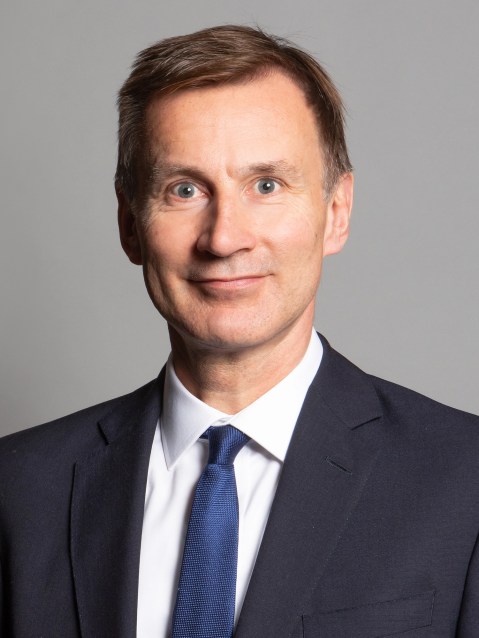
Official portrait of Jeremy Hunt. Pic credit: Parliament.uk

Trust wants to ban two expert anaesthetists from giving evidence for Dr Mark Day

An epic nine year struggle between junior doctor Chris Day and Lewisham and Greenwich NHS trust over patient safety at an intensive care unit and accident and emergency department comes to a head at 15 day employment tribunal on Monday.

The story began in August 2013 when Chris Day, a junior doctor initially complained about inadequate staffing. It got worse in January 2014 when he was working overnight in the intensive care unit at Queen Elizabeth hospital in Woolwich when two locum doctors failed to show up. He had to cover other wards and A&E and reported his concerns to managers. He saw this as putting patients in such a sensitive area at serious risk.

extraordinary convoluted story

What followed is an extraordinary convoluted story of denial of the problem by the trust, misleading statements, poor investigations, threats of a huge legal bill which led him at one stage to settle the case only for it to be re-opened at a hearing before another High Court judge. There is a detailed blog by Dr Moosa Qureshi on CygnusReports.org which goes into forensic detail of the twists and turns of his case so I won’t repeat all the detail. I recommend you read his account. The costs of the protracted legal action to the NHS trust now amount to little short of £1million

A recent blog on my site looked at one aspect of the case, illustrating what appear to be underhand methods by a former dean at Health Education England to persuade Sir Norman Lamb, then a Liberal Democrat MP, not to pursue Dr Day’s case. Health Education England disowned his action at an employment tribunal and succeeded at being taken off as a party to Monday’s proceedings.

The issue will not go away next week as unusually Jeremy Hunt, the former health secretary, will give a statement to the tribunal, as a witness for Chris Day.

Sir Norman Lamb

Sir Norman Lamb, also a former health minister, will appear as a witness for Dr Day at the hearing so people are likely to hear a lot more about what actually happened.

Two highly distinguished consultant anaesthetists were also scheduled to give evidence on behalf of Dr Day. They are Dr Sebastian Hormaeche and Dr Megan Smith .

Dr Chris Day

The trust will try during the proceedings to ban them giving evidence.

The case is likely to look at the role of lawyers and also the role of M J Roddis, a clinical management consultancy in this case. They were employed by the trust to investigate this case and Dr Day claims they misrepresented his evidence, played down the problems, and omitted some damaging information about patient care.

The tribunal hearing will not be available on line as the court has decided in advance it will be an ” in person” hearing – even though three of the first five days will be held during a national rail strike.

Nor is it likely to be officially recorded. But Chris Day, who is represented by lawyers paid by the British Medical Association, has engaged a Ministry of Justice approved note taking service so there will be a full transcript of the proceedings.

I put some points to the trust and asked them for any comments they might wish to make but officials did not respond.

UPDATE: Since this post was published the employment tribunal has done a U-turn and decided to hold the hearing online which means it will be more accessible to the press and public It will not be held at Croydon, south London as there was not a judge available to preside over the 15 day hearing.

Please donate to my blog for more detailed and forensic coverage.

One-Time
Monthly
Yearly

Make a one-time donation

Make a monthly donation

Make a yearly donation

Choose an amount

£5.00
£10.00
£20.00
£3.00
£9.00
£60.00
£3.00
£9.00
£60.00

Or enter a custom amount

£

Your contribution is appreciated.

Your contribution is appreciated.

Your contribution is appreciated.

DonateDonate monthlyDonate yearly

please donate to westminster Confidential

£10.00

Health Education England wins case against Dr Chris Day with the help of a “deceitful” former postgraduate student dean

Dr Andrew Frankel

The long legal saga of junior doctor Dr Chris Day’s whistleblowing battle over patient safety at the intensive care unit at Woolwich Hospital took another twist and turn this week.

Health Education England successfully overturned a decision ordering it to appear at a tribunal in June alongside Lewisham and Greenwich NHS Trust. The body convinced a judge that an exercise to influence a former Liberal Democrat health minister to change his mind supporting Chris Day by Dr Andrew Frankel, a former postgraduate dean, had nothing to do with them.

Sir Norman Lamb

My last blog on this is here. It tells the bizarre story of Dr Andrew Frankel, who is also a distinguished consultant nephrologist at Imperial College Healthcare NHS Trust and expert on the management of diabetes and kidney disease. He basically debased himself by going round the back of his old employer, Health Education England, to try to influence Sir Norman Lamb, then an MP, to see another side to Chris Day’s account. The attempt would have been extremely helpful to Health Education England which has repeatedly tried to distance itself from the scandal of inadequate staffing at this intensive care unit.

Dr Frankel tried to get hold of Dr Day’s training record

Dr Frankel’s methods included trying to get details of Dr Day’s training record after leaving Health Education England which he was not entitled to see at the time. He then arranged a private meeting with Sir Norman to present a paper outlining HEE’s case and emphasising it was only there to help junior doctors and not criticise them. Sir Norman has been a strong supporter of Dr Day and publicly highly critical of the way the HEE and the trust have treated him.

The judge was presented with two alternative interpretations of the facts. One presented by the health body was that it knew nothing about Dr Frankel’s activities. Professor Wendy Reid, medical director of HEE, told the tribunal she had been ” flabbergasted and staggered” when she learnt he had visited Sir Norman without her knowledge. He had previously presented the paper to her as a private document and an aide memoire if she or anyone else wanted to talk to Sir Norman But later on when the body found out about his personal visit they remained silent -not wanting to disown the actions of a former employee.

Dr Chris Day – whistleblower

Dr Day’s lawyers argued that in effect Dr Frankel was acting as a de facto agent of HEE trying to present an alternative scenario to Dr Day’s case. They drew their evidence from some of the sloppy wording in e-mails -particularly Dr Frankel’s juxtaposition of the use of the word ” I” and then ” we” implying it was HEE’s view. He had insisted when he met Sir Norman that he emphasised he was doing it on his initiative. There are no notes of the meeting. The body also discussed ” behind the scenes” action to refute Dr Day’s case.

The Judge Katherine Andrews chose to believe HEE’s version rather than Dr Day’s.

Frankel ” fully acknowledged the foolhardiness if some actions “

She said: “My view is that the claimant genuinely believes that implication and accordingly his evidence is truthful in that it reflects his beliefs. I also find however that the evidence of Dr Frankel and Prof Reid was similarly truthful. They are both distinguished in their respective careers and appeared to give their evidence carefully and candidly. Indeed Dr Frankel readily acknowledged the foolhardiness of some of his actions, undoubtedly well-meaning though they were.”

…”I do recognise that Dr Frankel’s use of words in his emails and the briefing document is mixed. On some occasions he used the first person singular which was entirely in accordance with him acting privately.
On others he used the first person plural – sometimes clearly by reference to times when he had been seconded to the respondent but other times inappropriately using ‘we/our’ etc. I find that this was a combination of, on occasion, poor drafting by Dr Frankel and also a strong personal identification with the issues.”

…”The way he went about it however was wholly inappropriate and in doing so he slipped into using language that confused his previous and current roles.”

I am curious about this. Dr Frankel is the author of some pretty important research papers in his other role as a consultant. I would have thought he would be very careful about the use of his language – at least I would hope so for the sake of his research.

She also absolved the health body from any involvement in backing Dr Frankel.

“Ratification can only apply where the person whose act is in question (Dr Frankel) professed or purported at the time of acting to do so as agent and to have authority to bind the principal (the respondent), it is plain that the claimant cannot successfully argue ratification as in fact the opposite was professed by Dr Frankel. He expressly and repeatedly said that he was acting entirely privately and not on behalf of the respondent.”
The decision is significant and absolves HEE from having to explain their actions in this murky case.

As Chris Day says on his supporters site:

“In late 2019 we won an important victory that guaranteed that HEE would have to account for everything at a final hearing on both their denial of cost threats and the false document sent to Sir Norman Lamb.

An order dated 3 October 2019 by Judge Sage rejected all arguments from HEE on why they should not attend a final hearing on the facts and ordered them to respond at a final hearing on their denial of cost threats and the allegedly false and detrimental document sent to Sir Norman Lamb

“Following my barrister’s illness with Covid-19 in March 2021, the London South Regional Judge Freer (who was the trial judge that signed off my obviously unfair settlement) allowed Judge Sage’s decision to be changed outside of any appeal process by a Judge Kelly in a new order that essentially replaced Judge Sage’s order. This gave HEE a second bite at the cherry at exiting the case on technical arguments. HEE have now succeeded at this and have been rescued from accounting for their actions on the cost threats and the misleading document sent to Sir Norman Lamb.

“The Regional Judge has also failed to progress my wasted cost application or dismiss it despite it being lodged in 2019. This application focuses on how the nation’s junior doctors were argued out of whistleblowing protection for 4 years. This video summarises the issues that the Regional Judge appears to be hoping will just go away.

“I have made a request for the Judge’s (Regional Judge Freer)  record of my 2018 hearing that settled.  This has not been responded to by the Tribunal. This is my only hope of an honest record of that hearing so this is difficult to understand. “

Dr Day is to talk to the BMA who paid for his legal representation to see if he can appeal this judgement.

Please donate to Westminster Confidential to allow me to continue this forensic coverage.

One-Time
Monthly
Yearly

Make a one-time donation

Make a monthly donation

Make a yearly donation

Choose an amount

£5.00
£10.00
£20.00
£3.00
£9.00
£60.00
£3.00
£9.00
£60.00

Or enter a custom amount

£

Your contribution is appreciated.

Your contribution is appreciated.

Your contribution is appreciated.

DonateDonate monthlyDonate yearly

Please donate to Westminster Confidential

£10.00
The curious tale of the NHS dean, the MP and the whistleblower doctor

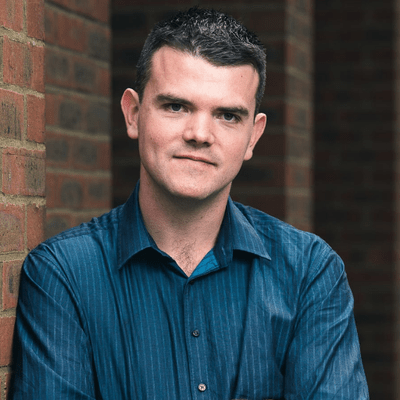
Dr Chris Day

This week a mundane employment tribunal hearing revealed an extraordinary tale of subterfuge, cover up and denial in the hidden bureaucracy of the National Health Service.

The hearing was yet another in the long run saga of the case of Dr Chris Day, a plucky young doctor who has taken on the NHS establishment over a very important issue of patient safety and is still in the middle of an eight year battle with the authorities. The legal bill to taxpayers from the NHS to pay for this long battle is now is likely to rise to close to a £1 million.

The story began in August 2013 when Chris Day, a junior doctor initially complained about inadequate staffing. It got worse in January 2014 when he was working overnight in the intensive care unit at Queen Elizabeth hospital in Woolwich when two locum doctors failed to show up. He had to cover other wards and A&E and reported his concerns to managers. He saw this as putting patients in such a sensitive area at serious risk.

What followed was not moves to put this right by the Lewisham and Greenwich NHS Trust and Health Education England, which has a responsibility for employing junior doctors, but a state of denial which ended up at the High Court and the Court of Appeal and a long delayed employment tribunal hearing. At one stage Mr Day,a married doctor with a young family, says he had to settle because the NHS threatened him with huge legal bills which could have bankrupted him. Both the HEE and the Trust have publicly denied doing this.

However at a new hearing it turned out that the NHS Trust had withheld crucial documents – which should have been declared in a previous hearing – and he won his case for a fresh hearing which is scheduled to take place next June.

Health Education England ” misled the public, press, MPs and officials”

The grounds for the new hearing is essentially as Dr Day says” that Lewisham and Greenwich NHS Trust and Health Education England have objectively misled the public, press, several MPs and public officials on my case and how it settled in 2018. I say this is in order to smear and discredit me and the patient safety issues that I raised.  The Trust have then failed to disclose 18 letters in their Tribunal standard disclosure that their CEO sent to local MPs and public officials with this misleading content in.”

This week’s hearing was centred round the role of Health Education England. This body is reviving a claim – which it conceded last time at the last minute – that it has nothing to do with his case. Its first attempt was to claim it didn’t employ junior doctors. The new attempt at avoiding involvement is to claim that one of the principal figures involved in the case Dr Andrew Frankel is no longer employed by them so HEE now has nothing to do with it.

Dr Day said: “HEE are arguing because this person is now no longer in post as Post Graduate Dean they are no longer responsible for him. They are doing this even though he was clearly in communication with the top of HEE and assisting them with various functions, since leaving his Post Graduate Dean post in 2018. We say he was an agent of HEE and they are still responsible.”

Sir Norman Lamb ” postgraduate knowledge of Whitehall and NHS subterfuge”

What emerged at the hearing centred round an approach to one of Dr Day’s supporters, Sir Norman Lamb. Sir Norman is a former health minister in the coalition and was an MP at the time. He has not held back on his criticism of both the trust and HEE on the way they have treated Dr Day.

Sir Norman has postgrad level of knowledge about the way NHS and Whitehall officials use subterfuge to get their own way. He has hero status in my mind for making sure that an independent panel inquiry into suspicious deaths at Gosport War Memorial Hospital happened after civil servants used the time he was on a French camping holiday with his family to try and annul his decision by getting another minister to put up a written statement in Parliament saying there would be no inquiry.

He found out and blocked it. As a result a thorough investigation by the panel found that no fewer than 456 elderly people had their lives shortened by overprescribing drugs like diamorphine. and it had been covered up by the health trust. As a former member of that panel I am restricted in what I can say about this but this is now the subject of a big police investigation,

In Dr Day’s case Sir Norman had given an interview to the Sunday Telegraph where he accused the trust and HEE of trying to crush Dr Day for his disclosures.

What this week’s tribunal revealed is that the HEE were profoundly disturbed by his comments because it would damage their reputation with junior doctors.

A cache of emails revealed that HEE was discussing ” behind the scenes ” methods -including contacting the General Medical Council – to redress the balance rather than openly criticising Dr Day.

Professor Wendy Reid, medical director at Health Education England

Professor Wendy Reid, medical director of HEE, admitted this was the case but said no action was subsequently taken. But she did correspond with Dr Andrew Frankel suggesting if she was going to meet Sir Norman he ” could give her a tutorial”.

What happened instead was that Dr Andrew Frankel, now a former postgraduate dean at HEE, told the tribunal that he decided off his own bat to approach Sir Norman by asking to meet him and sent him an 11 page document to refute the criticism. Dr Frankel insisted that he had not told anybody that he was doing this, even though he obtained material for his document from the HEE. He admitted that he had acted stupidly in getting personal details about Dr Day from HEE for his report as he knew they would refuse him as an ex employee.

Instead he tried to make out that he was being helpful to Dr Day by discussing this with Sir Norman. When this was put to Dr Day in cross examination by Mr Dijen Basu, QC for HEE, Dr Day flatly denied it.

In extraordinary evidence Dr Frankel insisted he had no role to play that would bring him in contact with HEE though later it was disclosed that in his new job at Imperial College Hospital Health Trust some of his work would bring him into contact with them.

Professor Reid told the tribunal she had been ” flabbergasted and staggered” about what Dr Frankel had done, insisting she knew nothing about the meeting.

But when HEE did find out it remained silent about what happened knowing that the document was favourable to their case. As Andrew Allen, QC for Dr Day said in his summing up:. The document “is repeatedly expressed in a way that presents the report as an HEE position rather than an individual view from Dr Frankel.” Nor did HEE take any action to disavow Dr Frankel when Sir Norman informed them he had received a document from Dr Frankel three months later.

He also said Dr Frankel contradicted himself. He claimed “encyclopaedic knowledge on the case’ but on the other hand he repeatedly said in oral evidence that his knowledge was only about him and his team and the actions they took between June and December 2014.

Even the lawyer for HEE Mr Basu described Dr Frankel’s position as ” devious”.

The tribunal will decide next month. If HEE wins the organisation will no longer be part of Dr Day’s case. If it loses its role will be part of the June hearing.

Please donate to my blog Westminster Confidential to allow me to continue forensic investigations.

One-Time
Monthly
Yearly

Make a one-time donation

Make a monthly donation

Make a yearly donation

Choose an amount

£5.00
£10.00
£20.00
£3.00
£9.00
£60.00
£3.00
£9.00
£60.00

Or enter a custom amount

£

Your contribution is appreciated.

Your contribution is appreciated.

Your contribution is appreciated.

DonateDonate monthlyDonate yearly

Please donate to Westminster Confidential

£10.00
Top retired Cardiologist calls for whistle blowing to be a “routine and acceptable practice” throughout the NHS

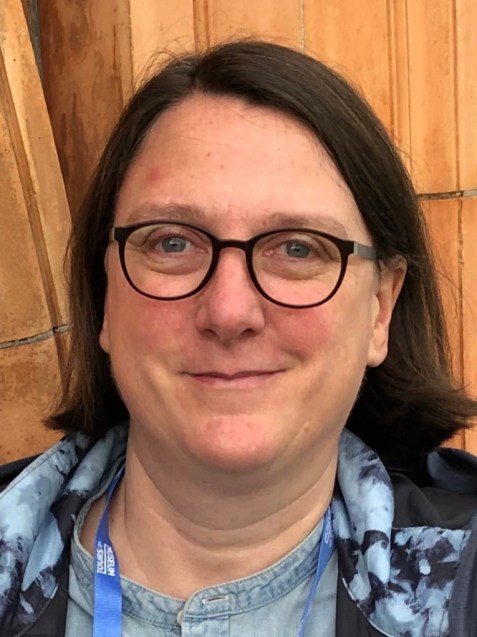
Dr David E Ward, retired cardiologist

This is a guest blog by David E Ward, a distinguished retired cardiologist, formerly at St George’s Hospital, South London, in response to my last blog on the case of Dr Chris Day and a series of blogs on the case of Dr Usha Prasad

The treatment of bona fide whistleblowers working in the British NHS is egregious and primitive. This is amply exemplified by many publicised WB cases over the last 2 decades: Dr Raj Mattu, Dr David Drew, Dr Kevin Beatt, Mr Peter Duffy, Dr Chris Day, Dr Usha Prasad and many others (see Google). Just think for a second or two – is it appropriate to threaten the career, the livelihood, the families of these honest doctors who were only doing the “right thing” by drawing attention to what they honestly perceived were remediable shortcomings? In fact, it is required of doctors to report any perceived shortcomings (Hippocratic Oath and all that and more recently with the “Duty of Candour”).

How is it possible – in the democratic UK – to threaten a doctor with such punitive costs that they are forced to withdraw their legitimate claims or risk potential bankruptcy? Isn’t this behaviour something we might associate with some autocracies toward the east? In the case of Dr Chris Day, the sum spent on pursuing (persecuting) him must now be more than £1,000,000! All to extinguish the career of an honest doctor who sought only to improve the care of patients in his unit. Wouldn’t it have been more sensible (litotes here) to spend that huge sum of money on improvements to the unit in question? (see CrowdJustice, http://54000doctors.org/blogs/timeline).

Successive health secretaries did ” little or nothing” to help whistleblowers

Jeremy Hunt, former health secretary now chair of the Commons health and social care committee

Successive Health Secretaries have done little or nothing to support whistleblowers. Jeremy Hunt (yes, he who did so much damage to the NHS; see Caroline Molloy, http://www.openDemocracy essay) asked Sir Robert Francis QC to report on the issue (see Google) but then ignored most of his recommendations or feebly implemented some (for example, the Freedom to Speak Up Guardian which doesn’t really work, to say the least). The last SoS for Health and SC did nothing at all to support WBs to my knowledge (OK, there is a pandemic). The present one has probably never heard of any of the names listed above or even what whistleblowing within the NHS means! What is more disturbing is that other powers-that-be, for example the NHS Medical Director, the Head of the NHS (whoever that will soon be), other Ministers etc, seem to take no interest in this problem, none whatever. The Health and Social Care Select Committee could take an interest but it is chaired by Jeremy Hunt – who is too occupied with his own self-importance and whose record as SoS speaks for itself – so I don’t expect any action there. Perhaps these grandees are too far removed from day-to-day whistleblowing in the NHS. It wouldn’t take much time to find out what is happening at grass roots.

Time to create a public register of whistleblowing cases

Some tentative suggestions:

1. Create a register of WB cases. Whistleblowing investigations are almost invariably secretive. Why? Apart from clinical details what else need to be anonymised? All reported and ongoing whistleblowing cases should be logged in an open and accessible register kept by an independent (is that possible?) body, preferably independent of the Trust and possibly the NHS and its Byzantine structures. Progress of a case should be openly documented and questions may be submitted. Resolved cases would be available, uncensored, for retrospective scrutiny. Openness might deter shady deals behind closed doors (yes, they do happen). Above all the external investigators should be accountable to the Trust and their own professional organisations.

2. Make cost threats unlawful. No Hospital Trust should be permitted to use the threat of costs against a “little person” (i.e., doctor) who cannot possibly equal the financial power of the taxpayer-funded persecution to defend themselves (yes, for it is us, the taxpayer, who pays the bill for the outrageous sums mentioned above to “thwart” the WB but we have no say whatever in the process). If money is to be spent in this process it should be wisely and fairly spent and shared equally between the participants, that is the victim (the doctor) and the aggressor (the Trust).

3. Make Internal hearings demonstrably independent of both parties. All WB cases which are subject to “internal” hearings (for example Maintaining High Professional Standards panels) are vulnerable to potentially corrupt processes (as some of the above cases probably have been). They should be heard by independently appointed persons (this will require some checking because as we have seen not all so-called “independent” chair-persons are quite as independent as they may appear – see Dr Usha Prasad blogs here) and open to external scrutiny by independent authorities or suitably qualified persons. Minutes of internal hearings should be made accessible. (Employment Tribunal proceedings are already largely in the public domain).

Make falsified evidence a criminal offence

4. Make falsification of evidence by either party an offence (I think there is a name for this beginning with “P”). If defence of a whistleblowing claim by a Trust is found to be untrue or contain false or falsified “evidence”, or in some other way is dishonest (there may be some of that in some of the ongoing current cases mentioned above…) there should be appropriate retribution for the Trust and managers involved. Incidentally, it is usually managers who instigate the persecution and recruit the heavy (taxpayer-funded) lawyer-supported defence without accepting any personal responsibilities themselves. Also, the use of public money in this way could be regarded as fraudulent and a misuse of taxpayer funds.

5. Ensure the original WB claim is clearly stated. The original concern which prompted the WB to speak out should be clearly and concisely stated in language that the “man on the Clapham omnibus” (Lord Justice Greer, 1932) can understand. It should never lose its primal status. It defines the whistleblower in the first place. WB have, by definition, concerns about the environment in which they are working. They make what is termed a “protected disclosure” (Protected Disclosures Act 2014, Health Act 2004). It is remarkable that these concerns are not infrequently submerged (or completely forgotten) by the ensuing investigative process – which is often more about the Trust and its managers avenging a perceived insult by the WB than seeking solutions.

Health Trust managers use lawyers to “crush honest doctors”

Lastly, what is it that Trusts’ and their managers are so keen to defend seemingly at any cost? Very expensive lawyers are used to “crush” an honest doctor, the “little person”. A defence possibly costing much more than it would to correct the shortcomings exposed by the WB in the first place. Is it the Trusts’ or its managers’ reputations that are at stake? Would the CQC ratings be adversely affected if the Trust was found to be at fault? Are there hidden misdemeanours which might be revealed? Why do these proceedings always come across as a potential “cover-up” by the Trust? Shouldn’t the grossly disproportionate defensive stance itself raise serious questions worthy of further investigation?

It is high time the treatment of NHS whistleblowers is once again raised at the highest level (for example, in the House of Commons following the example of Sir Norman Lamb, see report above). Too many professional lives (not only doctors but nurses, physios etc) are being destroyed for no good reason. This is bad news at any time but in the middle of a pandemic it is nothing short of scandalous. Whistleblowing in the NHS is not taken seriously enough and may be a factor persuading some doctors to voluntarily leave the profession before time. In an open liberal society with everyone working for the good, “whistleblowing” should be a routine and acceptable practice. Sadly, it is cause of great distress and stigma.

BMA and ex health minister Norman Lamb back whistleblower doctor Chris Day in patient safety battle

Dr Chris Day now being backed and funded by the BMA Pic credit: Twitter

The tables are beginning to turn in a seven year battle which has cost £700,000 so far to the taxpayer between Chris Day, an anaesthetist in an intensive care unit ,employed by Lewisham and Greenwich Health Trust.

The case against the trust and Health Education England has been drawn out over seven years at employment tribunals and appeal tribunals. He was forced into a settlement in which he had to withdraw his allegations of patient safety being at risk at the ICU unit at Woolwich Hospital in return for the trust accepting he had genuine concerns as a whistleblower at Woolwich Hospital between 2013 and 2014. The trust , using expensive lawyers, threatened to land him with huge legal bills if he continued and started cross examining their witnesses. The allegations included poor staff ,patient ratios at the ICU and inadequate medical supervision. He also made the same allegations to Health England Education.

Trust forced him to settle by threatening him with huge legal bills

As he said: “After two and a half days of my six day cross examination I was contacted by my legal team and told that the NHS respondents had decided to inform me of their intention to seek costs for the entire four week hearing if I proceeded to cross examine any of the NHS’s14 witnesses and ended up losing the case,”

He had no option but to withdraw to protect his wife and family from bankruptcy should this threat be carried out.

“real prospect of success” says judge

But he has won the right to get the enforced settlement out aside and take his case to the Court of Appeal. In giving judgement the Rt Hon Lady Justice Ingrid Simler DBE stated in the Order of the Court of Appeal that “I consider this appeal has a real prospect of success. Permission is granted”. Simler LJ is a highly experienced Judge and she was previously the President of the Employment Appeal Tribunal.

Until now he was left with trying to raise money so he could afford to pay the lawyers to fight the trust. In the last week in what amounts to a major change of heart, the British Medical Association has decided to fund his battle. Internal sources say this may be the first time the BMA has decided to fund a doctor in a whistleblowing case.

A BMA spokesperson said:

“Chris’ case has brought into sharp public focus the challenges and adverse experiences which doctors can face when they make public interest disclosures to blow the whistle on safety concerns they identify, in the course of carrying out their job.

“Doctors have a responsibility to raise concerns they have about the safety of their patients and yet too often they are put in the position of having to blow the whistle on organisational failures when the organisation in question fails to act. The BMA’s own research shows a majority of doctors work in a culture of fear and are worried about recrimination if they speak out about patient safety concerns. The BMA has been calling for an open culture, where speaking out is encouraged and supported and where our NHS learns from concerns and errors, to improve safety for patients.

“The BMA carried out a comprehensive external review of its member support services and we are now making significant improvements in how we support whistleblowing cases and indeed all members who raise concerns within the NHS. This includes offering more specialised legal support given the complexity of such cases. We are grateful to Chris and other BMA members for their input to this review. Different processes would have been followed if Chris’s case was to arise today and we are pleased to be able to offer Chris the support he needs in the next stage of litigation in his case as well as in the wider interests of the profession and patient care”.

Chris Day said:

“I am pleased to announce that I will be accepting support from the BMA in the next stage of litigation in my case.

“I have always remained a member of the BMA and it is clear to me that the new leadership at the BMA is committed to supporting me and my family where it is able to do so. The Association has spent considerable time and effort understanding my situation and provided me with expert legal advice as I considered the best way forward.

“I know the BMA has undertaken a great deal of work to consider how it supports whistle-blower cases and it has sought to learn from the past. They have established new arrangements to ensure better support for potential whistle-blowers, including guaranteeing a meeting with a specialist solicitor and case manager that now takes place before any case is considered too weak to proceed or on cases that are initially considered strong enough to proceed where this view subsequently changes.

Sir Norman Lamb. Pic credit: Twitter

“I look forward to working with the BMA. The BMA has a critical role in ensuring that no doctor should ever be forced to choose between their career and the safety of their patients and I would encourage every doctor and medical student to join the BMA and take an active role in shaping their trade union. Doctors need a trade union now more than ever.”

Chris Day has also got the support of Sir Norman Lamb, the former Liberal Democrat health minister, who backed him while he was in government. Sir Norman is now the chairman of the South London and Maudsley NHS Foundation Trust., the neighbouring trust to Lewisham and Greenwich. Despite some concern in the NHS establishment he is to continue to support Chris Day and will be a witness.

Given the dire findings in the Usha Prasad case with Epsom and St Helier University Health Trust, reported in this blog, this development is the best news a whistleblower doctor can get.