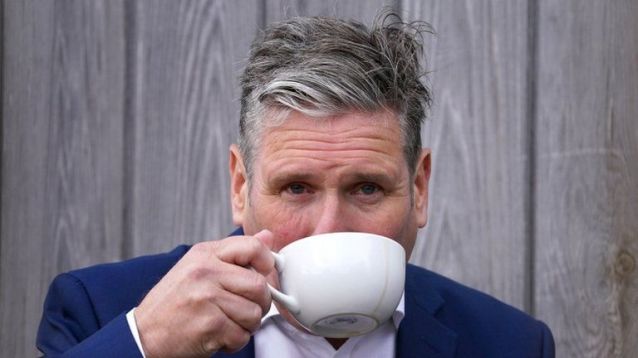
This week I paid a lightening visit to the Labour Party Conference in Liverpool and found a remarkably changed and brutally focused party.
Out had gone any commitment to state ownership, hugely expensive pledges to spend, spend, spend and in had come a sharp focus on bread and butter issues like cutting hospital waiting lists and building lots of homes for generation homeless..
There was also a brutal message from Sir Keir Starmer that the party would be raising very little on new taxes- beyond taxing non doms and VAT on private school fees. Everything was going to depend on growing the economy from its present feeble state to pay for new public spending. If that fails the whole Labour project will collapse once they are in government – a big hostage to fortune.
What was also noticeable was the huge presence of corporate firms and large charities and ngos – never have I seen such numbers in the exhibition hall and its overflow corridor.
The main reason why Labour is being cautious is the state of the British economy post Brexit. Although Brexit was never mentioned by the Labour leadership, the chaos and incompetence of the present Tory government ( now also emerging in the Covid inquiry) has virtually torched the British economy, now bedevilled with a cost of living crisis and high inflation. And they can’t blame the EU. But it is worse than that – the chopping and changing in government policy -illustrated by scrapping HS2 at Manchester during their conference last week and delays in the net zero programme – has even bewildered their business allies who don’t know where they are and how they should plan.
That is why they see a Labour government as a better bet than the Tories. It is ironic that after all the attacks on Jeremy Corbyn turning Labour into a cult – it is now the Tories that are turning into one – with their obsession with opposing trans rights, boat people, cancel culture and recreating the UK in the image of the 1950s. No wonder much of business ran off to Liverpool.
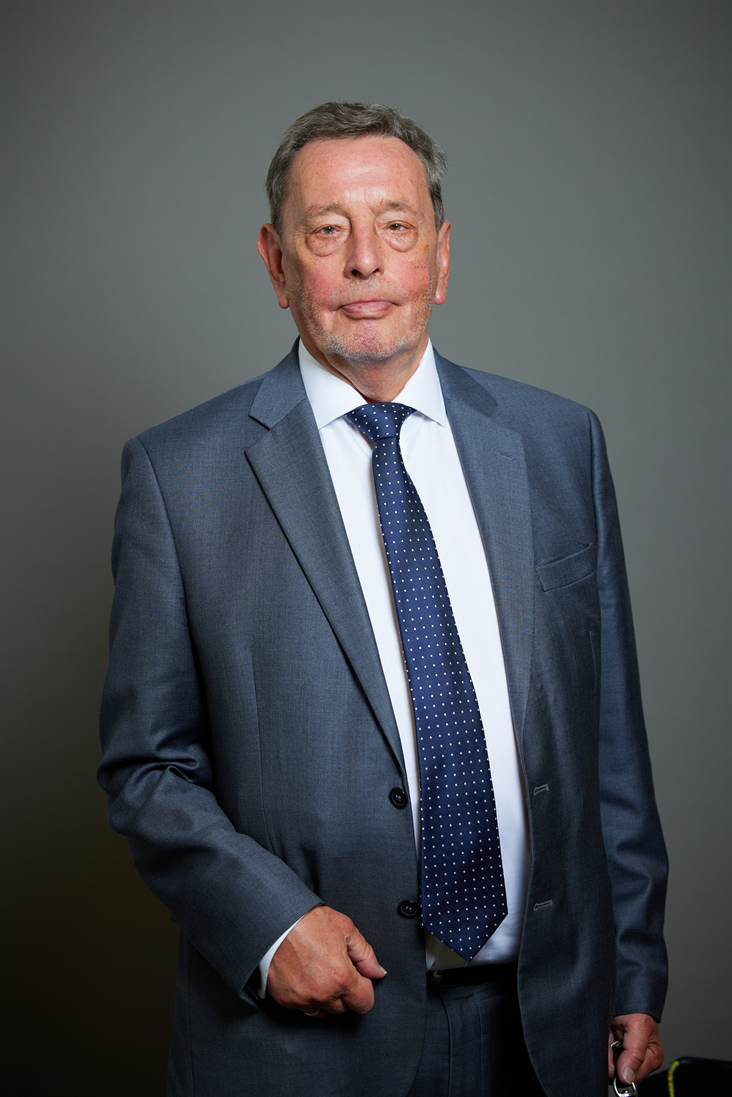
I did attend two very interesting fringe meetings during my short stay. Both illustrated the new order at Labour. One organised by the TUC was on the subject of tackling Britain’s skill shortages among the workforce. It was addressed by Steve Rotherham, the Labour Metro Mayor of Liverpool; Bridget Phillipson, Labour’s shadow education secretary; Labour peer David Blunkett; and chaired by Kevin Rowan from the TUC. What was impressive was that the TUC and David Blunkett had drawn up a very detailed plan to tackle the crippling skills shortage – often overlooked by politicians – and Bridget Phillipson, was keen to implement it. It included scrapping the very low wage of £5.28 a n hour for apprentices and replacing it with the minimum wage and radically changing the funding programme to tackle skills shortages and prevent employers exploiting it for cheap labour. If Labour are serious in doing this, it will be fundamental to economic recovery.
An even bigger eyeopener was a fringe meeting organised by Labour’s environment campaign, Chaired by a Westminster Labour councillor , the campaign had both the head of forests, from Global Witness and a Aviva, the private insurance company on the panel. It turned out that both Global Witness and Aviva had been working together to ensure UK legislation that would stop British firms contributing to global deforestation by de investing in companies that did this. Even this it appeared had been opposed by the Tories.
One extraordinary meeting I did not get into was on the controversial future of rail to be addressed by Labour’s shadow transport secretary, Louise Haigh. Organised by Lodestone Communications, whose clients include US whiskies, the Countess of Chester Hospital ( not best to advertise this at the moment) and IT firms, it was private but important enough for the general secretaries of ASLEF and the RMT to attend. I was told it shouldn’t have been advertised in Labour’s conference programme and been placed there by mistake. Very intriguing.
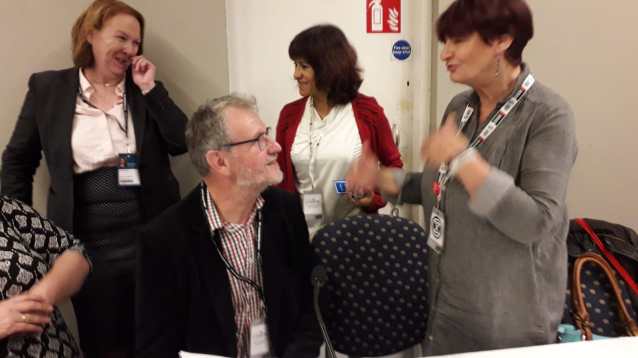
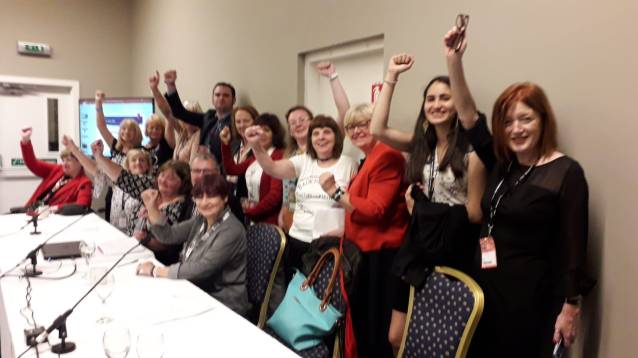
Women born in the 1950s who have faced a six year delay in their pension would have been pleased by a motion which was passed by Labour’s women’s conference. It commits the next Labour government to fully implement in law the UN Convention on the Elimination of All Discrimination Against Women (CEDAW) and ensure equal pay for women is fully implemented. We shall see if Sir Keir Starmer makes this a manifesto commitment.
Please donate to Westminster Confidential.
Make a one-time donation
Make a monthly donation
Make a yearly donation
Choose an amount
Or enter a custom amount
Your contribution is appreciated.
Your contribution is appreciated.
Your contribution is appreciated.
DonateDonate monthlyDonate yearlyPlease donate to Westminster Confidential
£10.00
 Westminster Confidential