How Sellafield and its lawyers attempted to subvert the Freedom of Information Act to harass whistleblowers

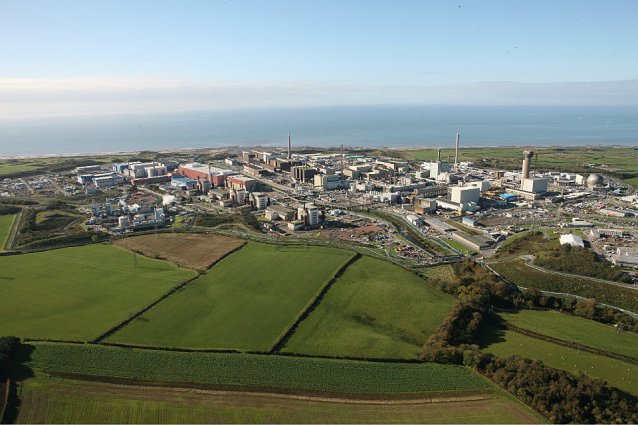
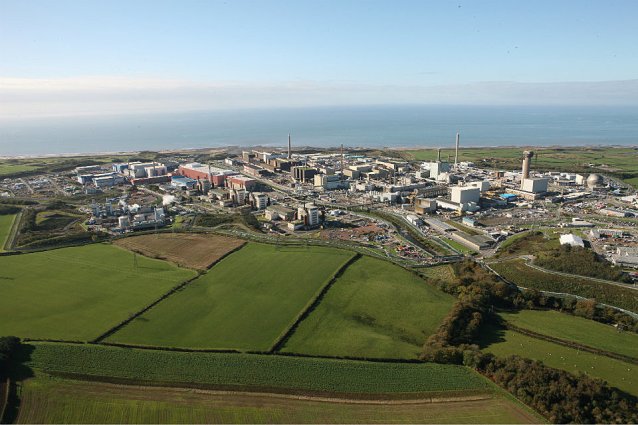
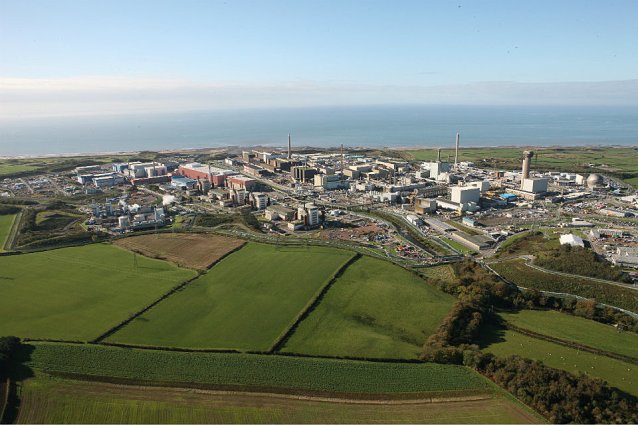
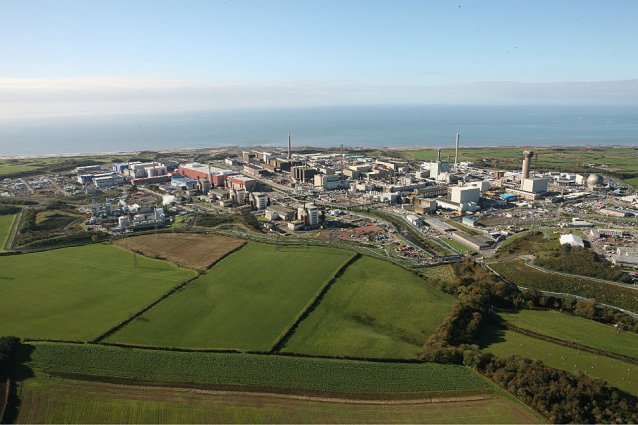
Sellafield

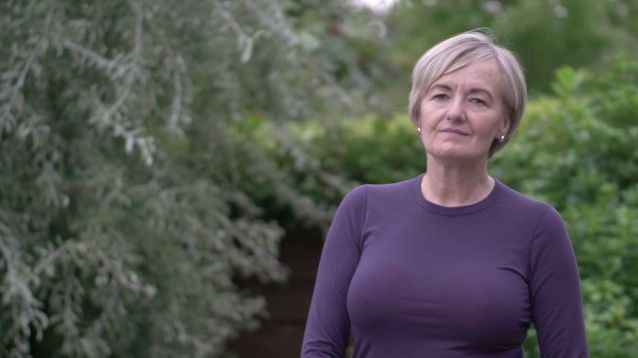
A very disturbing story is emerging from Sellafield about attempts by the management and its lawyers to make whistleblowers sign away their rights to make freedom of information and subject access requests to their organisation or face large costs bills through the employment tribunal system.

This attempt – when I checked with the Information Commissioner’s Office – is outside the law as Parliament gave all UK citizens the inalienable right to make FOI requests to public authorities and subject access requests. No public sector organisation can ask a person to withdraw a subject access request or an FOI request let alone use it as bargaining chip in litigation at an employment tribunal.

Yet lawyers either through total ignorance about the FOI Act or a deliberate attempt to con whistleblowers threatened with costs into giving up their rights under British law appear to be using this as a tool to harass whistleblowers.

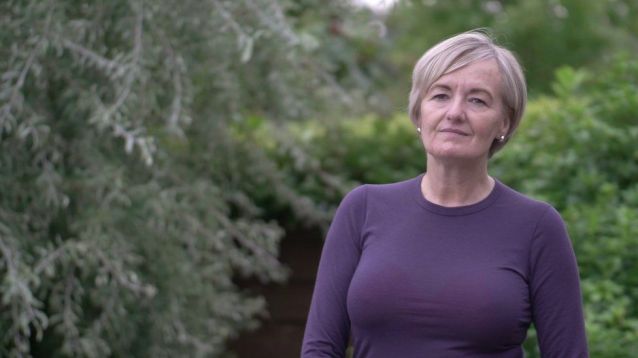
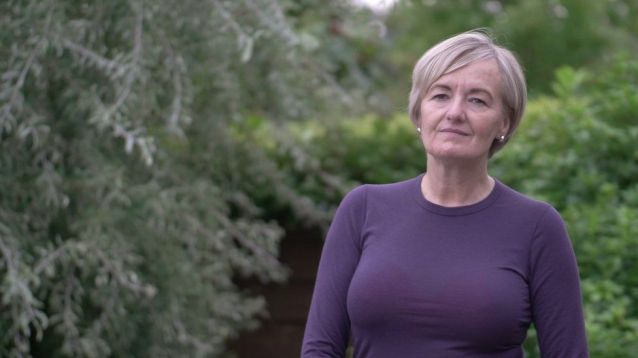
The misuse of FOI legislation has emerged in two whistleblower cases involving Sellafield and the Nuclear Decommissioning Authority. One is well known – the case of Alison McDermott, a human resources and diversity consultant, who has been involved in a long battle with the nuclear authorities after they attempted cover up a toxic and bullying culture.

The second which I covered recently involved the tragic case of a whistleblower who self harmed when threatened by Sellafield with costs after he withdrew a claim at an employment tribunal.

Documents from Sellafield that I have seen reveal that a legal document drawn up by their lawyers and Emma Mills, a partner with DLA Piper, an international law firm, included this demand:

“The Claimant hereby further agrees …to withdraw any and all outstanding data subject access requests and/or Freedom of Information requests.”

For good measure it added that he was “to withdraw any complaint made to the Chartered Institute of Personnel and Development (CIPD).”

The withdrawal of FOI requests is directly linked to Sellafield’s claim for £14,000 costs against him after he withdrew his claim at the tribunal. If he does the legal document reads: “The Respondent hereby confirms that it shall immediately write to the Employment Tribunal in the terms of the letter at Appendix withdrawing its outstanding application for costs against the Claimant in relation to the conduct of the Tribunal Claim.”

Luckily the whistleblower was savvy enough not to agree to sign this. As he wrote to the management:

“A COT3 [ name of the document] that limits my ability to exercise my statutory rights under the Freedom of Information Act 2000 (FOIA) and the General Data Protection Regulation (GDPR) could be considered an undue restriction.”

When I put what had happened at Sellafield to the Information Commissioner’s Office this was the response from a senior press officer: “Everyone has the right to ask an organisation for copies of the personal information held about them. As well as the right to request recorded information held by public authorities.

There is no option in data protection or freedom of information law for organisations to remove these rights for an individual, and the ICO would intervene where requests were not being handled in line with the law.

Sellafield are now saying: ” Sellafield Ltd have not breached any legal requirements, and involved ACAS as an intermediary.

“The individual is not subject to any restrictions preventing them from making an information request under either FOI or data protection legislation.”

That is correct but would not have been had the whistleblower signed the agreement.

Emma Mills; Partner at DLA Piper

I contacted Emma Mills , the partner with DLA Piper, who was paid by Sellafield, to draft the agreement directly, pointing out that she did not seem to know what the Freedom of Information Act says by drafting such a demand which appears to be outside the law. She has not responded.

Now there is another issue where the Nuclear Decommissioning Authority (NDA) lawyers have linked applications for FOI’s and subject access requests to a cost hearing against a whistleblower.

During a cost hearing against Alison McDermott two more lawyers, Jonathan Coley of Pinsent Masons and Rachael Levene, a barrister with Nine StJohn Street chambers, which accused her of being disruptive, abusive and vexatious in bringing a case against the NDA, cited FOI and DSAR requests as costing the authority a lot of expense. The accusation read to recover costs: “Submitted four Data Subject Access Requests and six Freedom of Information Requests over the last three years, the majority of which were complex and involved significant work and additional legal time and cost by the Second Respondent to answer. “

Rachel Leve KC at Nine St John Street Chambers

The £20,000 cost claim was thrown out by a judge at a recent hearing but again this claim shows total ignorance of FOI legislation.

The correct procedure if the NDA wanted to challenge the cost of the FOI requests ( it can’t charge people for subject access requests) would have been to raise the cost issue when she submitted them not tag the costs to the authority at a later hearing to intimidate the whistleblower. The NDA had granted the requests – it can’t then demand reimbursement later. Of course if it had at the time Alison would have the right of appeal right up to the Information Commissioner’s Office and knowing her determination would have had no problem in doing so.

I suspect that the behaviour of these lawyers to restrict people’s rights to use freedom of information and subject access requests could be more widespread than we know – because of the secrecy surrounding non disclosure agreements. It appears they are backed up by the Solicitor’s Regulation Authority if they do so but that is for another story.

I would make two points. If you are presented with an NDA containing such restrictions send it to the Information Commissioner’s Office before you sign it. Secondly if you have had attempts as a whistleblower to silence you by restricting your rights under this legislation let me know.

One-Time
Monthly
Yearly

Make a one-time donation

Make a monthly donation

Make a yearly donation

Choose an amount

£5.00
£10.00
£20.00
£5.00
£15.00
£100.00
£5.00
£15.00
£100.00

Or enter a custom amount

£

Your contribution is appreciated.

Your contribution is appreciated.

Your contribution is appreciated.

DonateDonate monthlyDonate yearly

Please donate to Westminster Confidential

£10.00


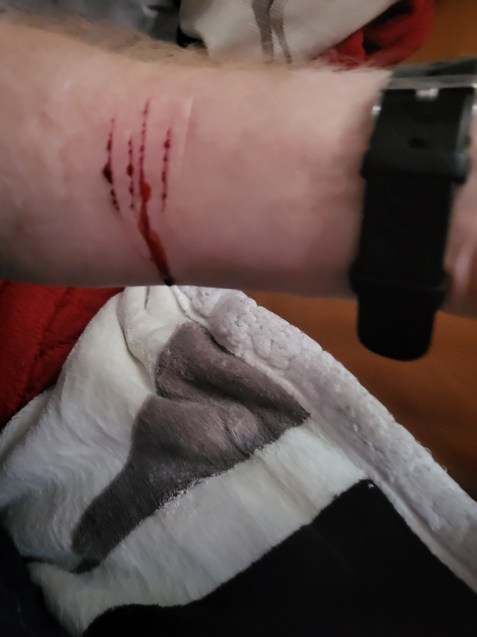
Warning disturbing content: Exclusive – This picture of his slashed wrist was sent by a stressed whistleblower to Sellafield bosses who then ignored his plight for 10 weeks

This picture is emblematic of the desperate straits some whistleblowers end up after they raise safety issues. They find themselves facing persecution by their bosses, horrendous costs they cannot afford for taking a case to an employment tribunal and put under extreme pressure by lawyers to sign an agreement taking away they rights to ever talk about the safety problem again and in this case lose their legal right to put in a Freedom of Information request or Subject Access Request to Sellafield for the rest of their life.

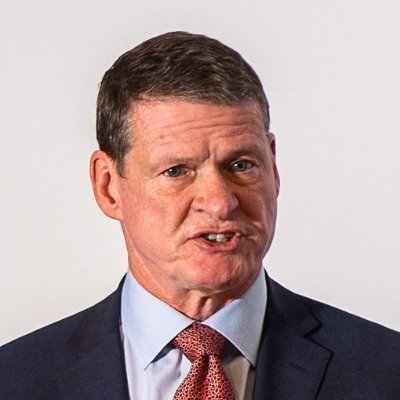
David Peattie, chief executive officer of the NDA Pic credit: gov.uk

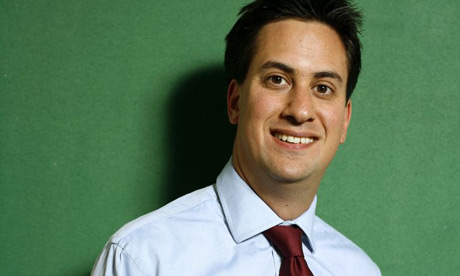
This picture was sent as a last gasp plea to David Peattie, chief executive of the Nuclear Decommissioning Authority; Euan Hutton, chief executive of Sellafield; David Vineall, Sellafield’s group chief people officer, the Office for Nuclear Regulation and Claire Coutino, former Tory secretary of state for energy security. Only Claire Coutino expressed concern enough to want to meet the whistleblower but she was persuaded by her civil servants not to do so. We now have a new energy secretary, Ed Miliband following Labour’s landslide election victory, and I am planning to contact him to draw his attention to how whistleblowers are treated at Sellafield.

Ed Miliband, Labour’s new energy security secretary

To protect his privacy I am not naming the whistleblower after publishing such a personal and disturbing picture. But another source thought it was in the public interest to share a large file of emails and documents which reveal his correspondence and the reaction of the most senior figures inside Sellafield and the NDA.

The man involved was a loyal Sellafield employee for decades- in a potentially highly dangerous nuclear waste site where over 140 tons of plutonium is stored including from nuclear military waste warheads – and he was one of a large number of people employed to secure safety at the plant.

Some eight years ago he began to raise safety issues leading to what is said to be a highly critical issue. An email sent to the Office for Nuclear Regulation, the watchdog body, outlines his story.

After raising this at a whistleblower pre meeting in 2022 followed by a meeting with the former chief executive, Martin Chown, he suddenly found he was subject to an internal disciplinary inquiry by Sellafield based on the bogus claim that he had brought alcohol on the premises which is strictly forbidden at Sellafield. Terrified that they would try to pin this false claim on him, the employee voluntarily went to a local police station and submitted to a blood test, which revealed that he had zero alcohol in his system.

Euan Hutton, chief executive of Sellafield Pic credit: Gov uk

When he challenged this pointing out that this could be verified by the plant’s security cameras it was found that the film when he entered the plant had been “inadvertently wiped “. If this is correct, then this is terrifying lapse in security for Europe’s most dangerous nuclear site and fuels existing concerns about Sellafield being prosecuted for criminal offences for IT breaches. An inquiry under his senior manager, concluded against him and he was served with a ” final written warning.”

The then HR manager, Emily McDonnell, who claimed she saw the employee drinking alcohol on site, is notably the same individual involved in Alison McDermott’s whistleblowing case. McDonnell accused McDermott of poor performance, but her word document supporting this claim was missing. At McDermott’s ET hearing, it was revealed that McDonnell had written her complaint letter on a personal computer and “forgot to save it,” leading the ICO to rule the letter unlawful. This pattern is striking: in both cases, McDonnell made accusations with evidence that was either missing or questionable. Ms McDonnell now holds down a senior HR role at BAE systems in Barrow in Furness – I wonder if her new employers are aware of her involvement in these two key cases?

David Vineall, human resources director, Sellafield. Pic credit: gov.uk

The employee decided to go to an employment tribunal claiming detriment under the whistleblowing legislation. But after a one day preliminary hearing as a litigant in person he found it too much.– at the forefront of his mind was the also way Sellafield relentlessly pursued Ms McDermott for costs for three years, without remorse – see link here.

He told the Office for Nuclear Regulation: ” I gradually realised that I was woefully ill-equipped, both psychologically, and in terms of the necessary skills, and expertise to present and argue my case. The remorseless pressure from Sellafield Ltd was understandably taking its toll, and after a prolonged period of relentless pressure, including sustained pressure to sign a highly questionable, and restrictive COT3, ( equivalent to an upgraded non disclosure agreement) I capitulated and withdrew my Employment Tribunal claim, I could not face the prospect of facing a judge, and Sellafield Ltd.’s QC in court.”

Emma Mills, DLA Piper Pic credit: DLA Piper

So he withdrew his claim and was immediately served with a costs order for £14,000 so Sellafield could recover the costs of the hearing. The woman solicitor behind both the costs order and the non disclosure agreement was DLA Piper lawyer, Emma Mills. She is the same lawyer who assisted barrister Deshpal Panesar in the costs case against another Sellafield whistleblower, Alison McDermott. In that case, Judge Robertson dismissed all the grounds used by Sellafield and the Nuclear Decommissioning Authority against McDermott to recover costs and refused to grant any of the £20,000 claimed, stating there was no basis for Panesar’s claim that McDermott had acted dishonestly. (see link here)

The papers show how much Emma Mills was claiming. She was paid £243.14 an hour for attending the 2.6 hour hearing, £232.22 an hour for preparing the case and another £243.14 an hour for dealing with other matters connected to the case. Altogether she earned over £8600 and the whistleblower was expected to pay the bill.

Banned from making FOI and subject access requests to Sellafield

She was also behind the drafting of the highly restrictive non disclosure agreement. As well as silencing the whistleblower it demanded he withdrew a complaint he had lodged with another standards regulator, the Chartered Institute of Personnel Development about HR staff. This came after Ms. McDermott being fired after she submitted a report in 2018 highlighting serious dysfunction in the HR department, raising questions about what they are trying to hide about HR operations. Under it his right to use freedom of information and subject access reports about Sellafield was banned. I quote he was required “to withdraw any and all outstanding data subject access requests and/or Freedom of Information requests” and not pursue any further grievances.

As he said: “A COT3 that limits my ability to exercise my statutory rights under the Freedom of Information Act 2000 (FOIA) and the General Data Protection Regulation (GDPR) could be considered an undue restriction.” He also wrote to David Vineall, Chief People Officer at the NDA (Sellafield’s governing body) – how could he possibly condone the employee being told that he could not speak to his own regulator, the CIPD?

Driven to despair after reaching out to the most senior people at the NDA, including Group People Officer David Vineall, the CEO of the NDA, Peattie and the CEO of Sellafield, Euan Hutton, he was left without support. Hutton refused to intervene, claiming he could not halt the legal process for costs. On November 16 last year, following numerous emails to Hutton that highlighted his acute distress and pleaded for the withdrawal of the costs threat, he self-harmed. Hutton maintained it was a matter for the lawyers. Even after top officials and Ms. Mills saw photographic evidence of his distress, no immediate action was taken.

He said: “Following my self-harming incident, it took Sellafield Ltd nearly two and a half months to withdraw the ET court costs application order. This delay can only be seen as a deliberate attempt to exploit my vulnerability, and extract a concession. Sellafield Ltd.’s delay in withdrawing the threat of court costs unnecessarily prolonged my mental anguish, but they were not finished with me”.

He was informed this year by Manchester Employment Tribunal that Sellafield had withdrawn it costs threat.

But then he was left at home, cut off from access to Sellafield and had his enhanced sick pay withdrawn by his line manager. His manager is insisting he should have a voluntary medical check with the company to see if he is ” fit for work”. Sellafield are now saying he cannot cope and from April 24 this year he has received no money from the public company.

“My manager has now placed me on involuntary sick leave, and against my will. This action is particularly concerning as he cited extracts from my emails relating to the fact, I felt unable to cope, and inappropriately linked it to my disability as justification for placing me on sick leave.”

“My doctor has diagnosed work-related chronic stress, and is in agreement that Sellafield Ltd are responsible for my chronic medical condition. My condition now impacts every aspect of my waking life. I am already on medication to manage my condition, even so, I am constantly anxious and in a state of worry, finding it ever harder to concentrate, or sleep. The stress and anxiety are socially debilitating, and over time I have become ever more cynical, and I have largely withdrawn from friends, avoiding company and socialising.

“At times I cannot see a way forward, and feel helpless, and this feeling of dread has intensified over time. I don’t know where to turn for help, and who I can trust. I regard the constant reminders of where I can get help from Sellafield Ltd, as suspicious and disingenuous.”

In the meantime the bosses in charge of Sellafield say it is a wonderful place to work. In various YouTube videos, Euan Hutton, the chief executive and former mental health champion, espouses the importance of treating people with kindness, yet his actions towards this employee are anything but.  He says that “kindness is putting in the time to think about how different people act differently, that’s what kindness is all about”.

A spokesman for Sellafield faced with an article in The Guardian about the toxic culture there, published last December, just after this employee had self harmed said: “There is no place for bullying and harassment at Sellafield. We do not tolerate it and where we find it, we take action. If anyone has information related to employee misconduct we urge them to come forward so we can investigate.

“We’re committed to ensuring all of our employees are respected, included, and able to perform at their best.

As for the protective disclosure about nuclear safety by this employee as far as I know nothing has been done about it.

One-Time
Monthly
Yearly

Make a one-time donation

Make a monthly donation

Make a yearly donation

Choose an amount

£5.00
£10.00
£20.00
£5.00
£15.00
£100.00
£5.00
£15.00
£100.00

Or enter a custom amount

£

Your contribution is appreciated.

Your contribution is appreciated.

Your contribution is appreciated.

DonateDonate monthlyDonate yearly

Please donate to Westminster Confidential

£10.00

Red Faces for Sellafield and the Nuclear Decommissioning Authority as their lawyers are slammed by a judge

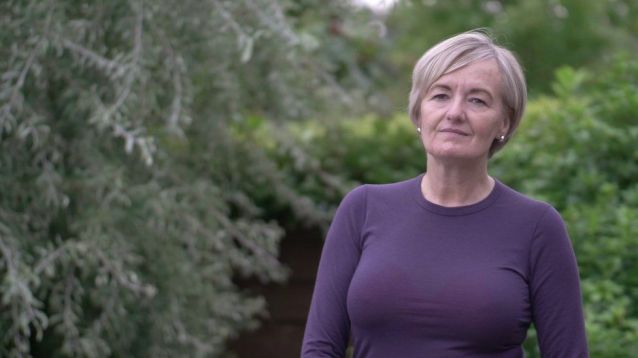
Alison McDermott

Taxpayers left with a £1 million bill as whistleblower Alison McDermott wins case not to pay nearly all “unsafe” costs

Sellafield and the Nuclear Decommissioning Authority were all but humiliated in a court judgement in their second attempt to get costs against whistleblower human resources consultant Alison McDermott for exposing bullying and alleged sexual harassment at the plant.

The Nuclear Decommissioning Authority (NDA) and Sellafield failed entirely to get any costs for its main contention that Ms McDermott had acted ” unreasonably” throughout the case. The only award for costs was £5000 shared between Sellafield and Heather Roberts, Sellafield’s human resources director, where the tribunal believed Ms McDermott had been unreasonable in alleging crucial metadata was ” tampered with” by a DLA Piper lawyer, Emma Mills, acting for both of them.

I watched the hearing and it was very clear that Alison McDermott, appearing as a litigant in person with no legal representation, was cool, collected and precise in putting forward her case why she should not pay costs while the opposing highly paid legal team were making absurd over the top claims against her and defaming her character. No wonder these expensive lawyers lost the case and the plot.

The long running case has cost the taxpayer around £1m to bring through the tribunal system and this last costs hearing alone landed Sellafield and the NDA with a £100,000 bill for the taxpayer just to recover £5000. Her findings in her report, commissioned by Sellafield itself, have made national news in the UK and Norway, because it raises nuclear safety issues.

Judge Robertson was critical of the two barristers acting for Sellafield and the NDA and the way they handled the case.

Rachel Levene KC Pic Credit: Chambers and Partners

He found Rachel Levene, who acted for the NDA, had failed to produce any substantive arguments that Ms McDermott should meet £20,000 of the costs. The £3000 a day barrister tried to argue that Ms McDermott was misconceived in bringing the case, had lied in her evidence and ” deliberately exaggerated her evidence” throughout the proceedings. This was rejected by the judge. She put forward six allegations against her which were all rejected for not being specific enough.

He said “Ms Levene couches her allegations in the most general terms. As to allegations (1) and (4), she makes no specific case about the unreasonableness of the claimant’s complaints to the solicitors’ regulatory body or her Freedom of Information or Data Subject Access Requests or why such matters, which did not arise in the course of the proceedings, should lead to a costs sanction against the
claimant in the proceedings.As to allegations (2), (3) and (6), Ms Levene makes no case that any specific
applications for disclosure against the second respondent were unreasonable. She makes no case as to why the application to strike out the second respondent’s response based on failures in disclosure was unreasonable. She does not explain in what specific ways she contends that the claimant’s amendments to her claims were unreasonable.

The judge also accepted that Ms McDermott was right to turn down an offer of £160,000 to drop the case from the NDA- which Ms Levene tried to make as an example of “unreasonableness”.

Deshpal Paneseer KC Pic Credit: Old Square Chambers

Judge Robertson was also critical of Sellafield’s barrister, Mr Deshpal Paneseer, KC, from Old Square Chambers, who also attacked Ms McDermott for being ” fundamentally dishonest” only using more extravagant and denigrating language. Despite the EAT judge previously saying Ms McDermott was not dishonest he persisted un this. He also contended that her case had “no prospect of success” from the start and that she should not have made serious allegations against very important people.

The judge ruled:” The Tribunal was not persuaded by Mr Panesar’s assertion that the claimant’s allegations were particularly serious because of the standing of the individuals about whom they were made. All allegations of whistleblowing or victimisation are serious and there was nothing unusual about the individuals in this case.( my emphasis) Mr Panesar KC made too much of this. Second, Mr Panesar KC submitted that the claimant had been untruthful in multiple fundamental regards…..But the Tribunal has not found that the claimant pursued claims had no reasonable prospect of success and the first and third respondent’s second application for costs fails.”

One key ruling from this tribunal is that Judge Lancaster, who heard the original case , said she was not a whistleblower. This hearing reaffirmed that one of her complaints about sexual harassment was a protective disclosure – confirming she was a whistleblower. Judge Philip Lancaster’s attitude towards women is also under fire as he is facing complaints from women who have appeared before him at previous employment tribunal hearings.

This was the second time Sellafield and the NDA had tried to get costs from her – even after a High Court EAT judge had already ruled that the costs imposed at a previous hearing were “unsafe” so the nuclear bodies should have known they had little chance of success. As it is the money they have recovered is not even enough to pay for a day of Mr Paneseer’s charges which run at £5500 a day.

There is an extraordinary twist over the metadata Sellafield and Heather Roberts were awarded costs of £5000 against Ms McDermott for alleging their lawyer had ” tampered with it”. The metadata produced at the last minute in the tribunal case after Emma Mills, a DLA Piper oawyer said she had overlooked because of an oversight.

The metadata included criticism of Ms McDermott had been produced on the home computers of Sellafield staff – putting at risk the security of the nuclear plant. A complaint to the Information Commissioner’s Office led to the criminal prosecution of Sellafield and it was found guilty this week.

Hubris of the directors

Frankly this whole proceeding against Ms McDermott by Sellafield and the NDA shows the hubris of the directors of both organisations. The lawyers must have been encouraged to over-egg their case against her, leading the judge to throw it out. Any sensible organisation already warned by another judge that the costs were ” unsafe” would have had cause to think again. Instead they ploughed ahead because they knew the taxpayer would foot the bill. I also think this was a deliberate ploy to cause more distress to Ms McDermott because they hated her findings about the way the nuclear waste plant was run. It may also be aimed at frightening anybody wanting to raise issues like sexual harassment, bullying and nuclear safety. This is not a good place for any business, let alone one dealing with such dangerous materials as nuclear waste.

One-Time
Monthly
Yearly

Make a one-time donation

Make a monthly donation

Make a yearly donation

Choose an amount

£5.00
£10.00
£20.00
£5.00
£15.00
£100.00
£5.00
£15.00
£100.00

Or enter a custom amount

£

Your contribution is appreciated.

Your contribution is appreciated.

Your contribution is appreciated.

DonateDonate monthlyDonate yearly

Please donate to Westminster Confidential

£10.00

The mad waste of public money by UK’s leading nuclear giants to pursue costs against a whistleblower at your expense

Sellafield

One aspect of the second recent cost hearing against whistleblower and human resources consultant Alison McDermott by Sellafield and the Nuclear Decommissioning Authority which was not covered is the cost to the public and us the taxpayer.

During the hearing Deshpal Panesar, KC Sellafield’s lawyer from Old Square Chambers, rather pompously told the hearing that the fact Sellafield was claiming £20,000 off Alison was ” to protect the public purse”. He and the Nuclear Commissioning Authority which was also claiming £20,000 made a huge point that her “unreasonable behaviour” by pursing them at a tribunal meant she should pay a penalty.

What is now emerging from Freedom of Information requests is that the cost to bring this action far outweighs the money they will receive even if they are 100 per cent successful.

Both nuclear giants have already spent a huge sum – nearly £700,000 of taxpayer’s money – fighting Alison, whose consultancy was terminated, after her report revealed bullying and fear among staff at the nuclear site in Sellafield.

Alison McDermott

Now it is known from FOI that both organisations have spent £59,000 between them on preparing the case for the second hearing on top of money they had already spent for the first costs hearing. This doesn’t include the cost of hearing itself which is about another £20,000 considering Sellafield’s lawyers Deshpal Paneser. KC charges £5500 a day for the hearing and Emma Mills, from DLA Piper, who charges £3000 a day . The NDA employed another barrister, Rachel Levene and solicitors Pinsent Mason. Plus there were paralegals at the hearing.

Now one would think that after a High Court judge had ruled that the first costs decision was ” unsafe” and said his view should be taken into account by judge Stuart Robertson, who has heard the second hearing, there would be pause for thought. Both nuclear organisations are also lucky they will not face an appeal. So any sane organisation would decide to leave it there.

Instead we have the economic madness, which no commercial company conducting a risk assessment would follow, of throwing more money at bringing a second case when there is not the slightest chance of getting their money back. Indeed even if they were 100 per cent successful they stand to lose £40,000 and that is by no means certain they will get that. It is only that it is our money from the taxpayer they can throw it around like confetti.

So why are they doing it? The decision must have been endorsed by Euan Hutton, the new chief executive.

Despite previously serving as a Mental Health Champion alongside Ms. McDermott to foster a kinder and more supportive work environment, Mr. Hutton is now relentlessly pursuing costs against her.

In various YouTube videos, Mr. Hutton espouses the importance of treating people with kindness, yet his actions towards Ms. McDermott are anything but.  He actually says that “kindness is putting in the time to think about how different people act differently, that’s what kindness is all about”  [second video from 20 seconds onwards].    By hounding her for costs related to her whistleblowing for the second time, he has subjected her to immense stress and anguish, betraying the values he once claimed to champion.

See https://www.facebook.com/watch/?v=1938802916244720

Euan Hutton’s video.

Now Sellafield receives £6.7 million daily from taxpayers. Mr. Hutton’s decision to waste these funds on a vindictive legal battle against a whistleblower is an egregious misuse of public money. It is a slap in the face to taxpayers who trust Sellafield to use their contributions responsibly.

The Guardian has reported that the National Audit Office will investigate Sellafield’s substantial expenditure.

https://www.theguardian.com/business/2024/feb/15/spending-watchdog-launches-investigation-into-sellafieldI intend to make the National Audit Office aware of this blog post, as it highlights the unethical and hypocritical behaviour of Mr. Hutton. I think the public would strongly disapprove of their money being used to persecute a brave individual who spoke out against wrongdoing.

Mr. Hutton should be held accountable for his actions, which have caused harm to Ms. McDermott and undermined Sellafield’s commitment to employee wellbeing and to a culture of openness.

But perhaps this is the real reason for using public money in this way is to silence anybody else who might be thinking of exposing the dark secrets inside Sellafield. She is not the only whistleblower.

I approached Sellafield and the NDA about this waste of money but both said

“These issues are still subject to legal proceedings. We cannot comment further at this stage.”

One-Time
Monthly
Yearly

Make a one-time donation

Make a monthly donation

Make a yearly donation

Choose an amount

£5.00
£10.00
£20.00
£5.00
£15.00
£100.00
£5.00
£15.00
£100.00

Or enter a custom amount

£

Your contribution is appreciated.

Your contribution is appreciated.

Your contribution is appreciated.

DonateDonate monthlyDonate yearly

Please donate to Westminster Confidential

£10.00

Guest blog: Sellafield deploys reverse glasnost

by Philip Whiteley

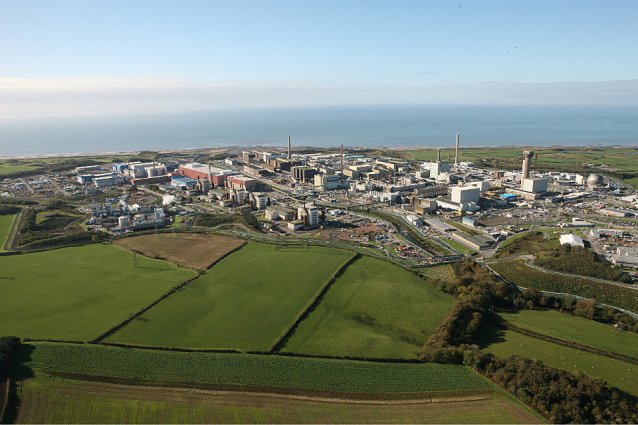
Sellafield site

As reported on this blog earlier this week, the confrontational, five-and-a-half-year whistleblowing litigation between equalities adviser Alison McDermott and Sellafield and the Nuclear Decommissioning Authority last week featured a one-day costs hearing at Leeds Employment Tribunal, even though an earlier costs award against Ms McDermott had been ruled as unsafe by the appeal court in London.
The aim of this article is to point to the public interest in matters at the heart of this case that have been treated lightly by the presiding Tribunal judges, and ignored by the two defending organizations (Respondents).

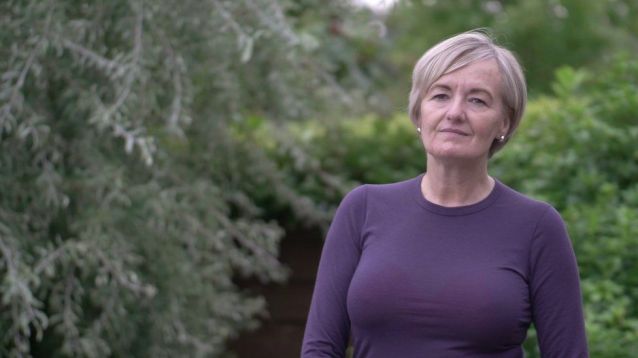
Alison McDermott


There have been strong, conflicting claims on both sides throughout the case, many of which related to the way in which litigation was conducted. These were the subject of last week’s hearing. The two Respondents were represented by KC Deshpal Panesar, for Sellafield, and Rachael Levene, for the Nuclear
Decommissioning Authority, hired by the law firms DLA Piper and Pinsent Masons respectively.

Deshpal Panesar KC

In her address to the court, Ms McDermott reminded us of the public interest in her original report from 2018: the workplace culture at Sellafield. In her address, Ms McDermott reported that just 11% of people on the site strongly agreed that they could speak out without fear of reprisal.
I have seen employee opinion surveys from the site. The scores for the prioritization of safety as an issue are significantly higher than the scores for ability to speak out, indicating a serious gap between formal policy and managerial practices. This matters especially on a nuclear site.

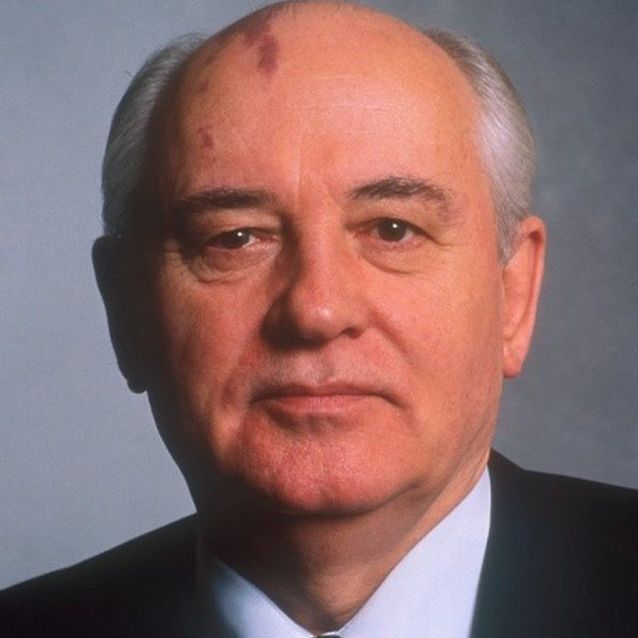
Mikhael Gorbachev. Pic credit:BBC

Nearly 40 years ago, following the accident at the Chernobyl reactor in Ukraine, the then leader of the Soviet Union Mikhail Gorbachev recognized that a climate of fear both made such accidents more likely
and delayed a proportionate response. He instigated a policy of glasnost – freedom to speak up – as a direct consequence. This intuitive conclusion by Mr Gorbachev has since been vindicated by numerous workplace studies, which show that workplaces with low engagement and higher levels of fear are statistically more prone to accidents (the Gallup survey cited in this report, for example. the link is  Engaged Workplaces Are Safer for Employees (gallup.com)).
When I was talking with a press officer from the Office for Nuclear Regulation three years ago, in relation to the Ms McDermott case, he was unaware of this link, and assumed workplace culture and safety issues to be separate categories.

Rachel Levene

Rachael Levene, barrister for the Nuclear Decommissioning Authority, appointed by Pinsent Masons, last week claimed that Ms McDermott was not a whistleblower, and not entitled to protection from detriment under Section 47(B) of the relevant legislation. This was a narrow legal argument, while members of the press and the public can observe that Ms McDermott’s central claim of a bullying and toxic culture and an HR leadership that was not on top of the issues, have been the conclusions separately made by several authoritative sources:
 A report by PricewaterhouseCoopers, commissioned by the Nuclear
Decommissioning Authority,
 The BBC, in an investigation reported in March 2021 (as a declaration of
interest, I referred this story to the BBC), Link:Sellafield nuclear site a ‘toxic mix of bullying and harassment’ – BBC News:
 The Guardian, in a report in December 2023, link  Sellafield nuclear site workers claim ‘toxic culture’ of bullying, sexual harassment and drugs could put safety at risk | Energy industry | The Guardian
 The Nuclear Decommissioning Authority’s own representatives, speaking under oath at the main hearing on 29 June 2021, agreeing with the PwC report’s conclusions that the HR function was ‘not fit for purpose’’, praising Ms McDermott’s contribution and expressing surprise at her sudden departure, as
reported on this blog at the time. Link: Nuclear industry leaders contradict each other in landmark whistleblowing case | Westminster Confidential (davidhencke.com)

This evidence was missing from the 2021 Tribunal ruling that found against Ms McDermott. There is no transcript available at an Employment Tribunal, which hampered her appeal. I attended that day and have short-hand notes.
There is a significant public safety risk attended to last week’s hearing. Sellafield’s management were making a very public declaration that if someone dares criticize them, even if they have a strong case, sufficiently well founded to reach the appeal court which reached a balanced verdict, they risk having their professional reputation trashed and suffering the threat of a life-altering financial penalty (the Respondents have bid to claim a total of £40,000 from the Claimant). It is likely that those low levels of freedom to speak out will have fallen even further following last week’s hearing.
The principal tactic of the Respondents has been to promote a pejorative narrative about the claimant, largely based on her response to their own legal tactics. For example, from Mr Panesar we heard him say that Ms McDermott had made a false complaint of fabricated evidence being used against her, in a claim that was then dropped on the eve of a hearing, and that this was unreasonable behaviour.

Sellafield letters unlawfully processed on personal computers – ICO

From Ms McDermott, we learned that the evidence in question consisted of three letters purporting to complain about her conduct while working at the Sellafield site. This evidence was not presented at the beginning of litigation. At the point of her dismissal, she was informed that the sole reason for termination of her contract was financial – an explanation also given to the governing body. After Ms McDermott discovered that some £17 million had been allocated to work of a similar nature, the
Respondents switched to one of competence, admitting it had lied about the initial reason. The three letters only appeared one year later. The letters were produced on personal PCs, contrary to company policy. They were later found by the Information Commissioner’s Office to have been unlawfully
processed, in contravention of data protection law (Judge Lancaster wrongly described the ICO ruling as mere criticism in the 2021 tribunal ruling.)

As reported on this blog before, the metadata was wiped on one of the letters while in possession of DLA Piper. Link Sellafield Broke Data Rules in Whistleblower Case – Byline Times

When restored, the metadata showed that the document had been open for three hours at the point of its creation, during which time phone records showed that the author took a long phone call from the HR director Heather Roberts, the third Respondent in the case.
The focus by Sellafield’s lawyers last week on the style of whistleblowing or protests made by Ms McDermott, ignoring or downplaying their substance, is straight from the anti-whistleblower playbook. It has been used by several NHS trusts to discredit medical professionals raising safety concerns – several of whom were watching last week’s proceedings in Leeds, either in person or by remote link.

In NHS cases such as the case of Dr Usha Prasad (link Unfit for Purpose: The NHS appeal panel that upheld the sacking of Dr Usha Prasad | Westminster Confidential (davidhencke.com)and of Martyn Pitman, the narrative concerns relations with colleagues and associated allegations; again, a highly personal attack on the style of reporting used by the whistleblower, ignoring the substance of their reports.(link

 Whistleblowing ‘cost Hampshire doctor dearly’ after he loses tribunal | Employment tribunals | The Guardian

Quite how such tactics have come to be regarded as acceptable by Tribunal judges is a matter of concern, and is likely to come under scrutiny now that the NHS Whistleblowers’ Group, numbering some 1,600 individuals, has been invited to assist the Thirlwall Inquiry into the Lucy Letby case.
Sellafield’s lawyers and press officers will point to the 2021 ruling which found in their favour – a judgement that got the ICO ruling wrong, ignored swathes of evidence and multiple failures of disclosure by the Respondents. There is a term in football: the ugly win. Sellafield et al won ugly. But this is not football, and the ugliness is a much bigger story than the win.

One-Time
Monthly
Yearly

Make a one-time donation

Make a monthly donation

Make a yearly donation

Choose an amount

£5.00
£10.00
£20.00
£5.00
£15.00
£100.00
£5.00
£15.00
£100.00

Or enter a custom amount

£

Your contribution is appreciated.

Your contribution is appreciated.

Your contribution is appreciated.

DonateDonate monthlyDonate yearly

Please donate to Westminster Confidential

£10.00

Sellafield whistleblower fights nuclear giants to avoid a £40,000 costs order for the second time around

Alison McDermott

Alison McDermott, a human resources and diversity consultant, was back at a tribunal last week fighting a second attempt by Sellafield waste facility and the Nuclear Decommissioning Authority (NDA) to demand costs after she brought a whistleblowing case against both of them.

The consultant was sacked by Sellafield after she compiled a report at their request which revealed bullying at the plant and since then has faced a tribunal and an appeal tribunal before this fresh action bought by both nuclear bodies. She lost the first tribunal heard by judge Lancaster who originally ordered she should pay the £40,000 costs. But an appeal judge Auerbach overturned the costs order as ” unsafe”,

This week both bodies decided to spend more taxpayers’ money and appeal the judge’s order to ditch the costs. If Sellafield succeeds it will recover just six per cent of the huge lawyers fees both bodies had paid to pursue her for years.

The hearing opened with a blistering attack on her by Sellafield’s lawyer, Deshpal Panesar KC, Of Old Square Chambers who is paid £5.500 a day, effectively said that everything Alison McDermott said , including her whistleblowing detriments was a ” baseless lie”.

He told the tribunal she had made  “baseless claims of the most damaging sort, representing an existential threat to the careers of multiple public servants, based on multiple untruths”. Indeed so strong was his attack that a person who overhead part of the proceedings thought I had tuned into the Old Bailey and was hearing the denunciation of a convicted criminal.

Rachel Levene

Rachael Levene, representing the NDA, said Ms McDermott had “acted unreasonably”  by involving the nuclear body in the case at all. She claimed that the body, which works closely with Sellafield, was not involved and Ms McDermott should have known that because of all the evidence it produced. Given that the body had failed to extradite itself from the tribunal in the first place, this seemed to me rather a chilling attitude to take as it suggests that claimants should be blamed if they bring a case at all.

The NDA then raised that it had offered £160,000 to settle the case – even though it was arguing at the same time it should not have been involved in the first place – but this had been rejected by her. Ms McDermott has said that she did not settle the case over the money but over a point of principle to raise the issue in a tribunal. She also said that judge Lancaster had refused herself and her husband’s request to contest the NDA’s version of what happened at the meeting when the offer was made.

Sellafield

Alison McDermott countered arguments by Deshpal Panesar by pointing out that the appeal judge had ruled that the costs had been ” unjustly awarded ” and questioned his assertion that she was not a whistleblower by pointing out that the appeal judge decided she was and that judge Lancaster’s tribunal had erred in its judgement on two disclosures.

She also pointed out that she had pressed repeatedly for mediation to solve the dispute but this had been rejected and also that both sides had decided to spend hundreds of thousands of pounds on expensive lawyers when they had big human resources and legal departments, over 100 at Sellafield, which could have handled the case.

Moral obligation to scared staff at Sellafield- Alison McDermott

She told the judge :”I was brought in to do a job and I did my job. I felt a deep moral obligation to the people I was speaking to who were telling me how scared and stressed they were by the culture at Sellafield.”

She said she was told by Lesley Bowen, a senior HR Manager, at Sellafield that she was let go for financial reasons.  Ms McDermott asked if there were any other reasons and Lesley Bowen confirmed  in writing that it was purely down to financial constraints. But after Ms McDermott found out they had spent £17 million awarding HR contracts they changed their tune and said they had lied to her and that they were really letting her go due to performance concerns. Which is odd as they had just rehired her, according to Ms Bowen, due to her excellent past performance working across Sellafield and the NDA.

At an earlier tribunal she had felt she had been treated by Mr Panesar equally badly during cross examination

She told me:” I found he transgressed professional boundaries and went further and took no account that I was vulnerable to such criticism.
“Over many days he accused me of being “motivated by spite,” “self-serving,” “self-absorbed, “wholly intent on chasing a windfall”, “seeking to ruin the reputations of HR staff at Sellafield” and even “acting out of revenge” .

She also disputed any idea by submitting a Freedom of Information request to obtain information that had been withheld by Sellafield and the NDA amounted to ” unreasonable behaviour.” These included information that both Sellafield and the NDA has spent £670,000 between them on lawyers and the NDA has just spent another £45,00 on prelimary legal work to recover £20,000 from her.

She pointed out that she and a witness on her behalf, another whistleblower at Sellafield, Karl Connor, had experienced ” unremitting stress” from the management at Sellafield.

She concluded: “The Tribunal is implored to recognise the substantial challenges the Claimant has faced in bringing this whistleblowing claim which has now been ongoing for 5.5 years.  The Claimant asks the Tribunal to affirm whistleblowers’ vital role and prevent further harm or costs to the Claimant. The significance of not penalising whistleblowers is particularly acute in the context of Sellafield Ltd, a nuclear facility where the potential consequences of unchecked wrongdoing could be catastrophic.”

Judge Stuart Robertson reserved judgement which will announced later.

One-Time
Monthly
Yearly

Make a one-time donation

Make a monthly donation

Make a yearly donation

Choose an amount

£5.00
£10.00
£20.00
£5.00
£15.00
£100.00
£5.00
£15.00
£100.00

Or enter a custom amount

£

Your contribution is appreciated.

Your contribution is appreciated.

Your contribution is appreciated.

DonateDonate monthlyDonate yearly

Please donate to Westminster Confidential

£10.00

Massive win for nuclear whistleblower Alison McDermott against Sellafield for re-arguing the tribunal decision by employment judge Lancaster

The Sellafield site

First hurdle over clearing the way for a two day hearing in January to decide on whether the 13 grounds mean the ruling is overturned

An employment appeal judge has ruled that the decision by Judge Philip Lancaster dismissing whistleblower Alison McDermott’s case against Sellafield and the Nuclear Decommissioning Authority can be challenged now on no fewer than 13 grounds.

This extraordinary ruling on Friday in London by Employment Judge Tucker took less than 10 minutes to grant after she read the submission by Andrew Allen, KC, Alison’s counsel , means practically everything Judge Lancaster decided is open to challenge at an Employment Appeal Tribunal hearing in January. She decided she did not need to hear oral submission from Andrew Allen.

Alison McDermott; Pic credit BBC

In an earlier particularly harsh decision Judge Lancaster had decided that she wasn’t even a whistleblower, for producing, at Sellafield’s request, a damning report revealing serious issues in the HR function including allegations of bullying and harassment. Prior to this Alison had raised repeated concerns about racism, homophobic and foul language and a workforce too frightened to complain to senior management there.

Despite admitting that some of the concerns Alison raised were: ‘very offensive and concerning ” the judge ruled: “The Claimant has not, on the facts, established any alleged disclosure which is properly capable of amounting to a protected qualifying disclosure or the doing of a protected act, or that there is any causal link between what she actually said or wrote.”

It is worth providing a brief recap of what Sellafield and the NDA have done to Alison.  She spoke out repeatedly about serious abuses of employees, including abject failures within the HR department, when the HR Director, Heather Roberts dismissed her overnight, allegedly for financial reasons. But when Alison started litigation, Sellafield changed its tune and Ms Roberts said she had had concerns about her performance and had only mentioned financial reasons to be kind. 

Sellafield then dragged out litigation for three years before making a last-minute offer of £160,000. When they realised the carrot hadn’t worked, they decided to go on the attack and subjected her to a brutalising cross-examination in which her character and competence were repeatedly vilified until she finally broke down on the witness stand.   But even then, they weren’t finished with her.  As soon as Judge Lancaster ruled in their favour, they lost no time pursuing her for costs   And all of this will have a hugely chilling effect on their 11,000 nuclear workforce.  

Judge Lancaster claims he concentrates on anti-discrimination cases

Judge Lancaster, who says he specialises in anti-discrimination cases, went on to support Sellafield’s allegation of “underperformance” describing the report as ” questionable and insubstantial ” and without ” meaningful analysis”. Judge Lancaster completely ignored that management consultants PwC ruled that the HR function was not fit for purpose some three months later.

By then Heather Roberts, then the HR director at Sellafield, had already sacked her on the spot and immediately buried the damning report and admitted to lying about the reasons.  Despite knowing that Alison had become so ill and had no income, the judge made a costs order against her and allowed Sellafield and the NDA to put in a claim for £40,000 costs against her.

Now Judge Lancaster’s own judgement will be in the firing line in January when an appeal tribunal examines 13 arguable grounds of appeal. In a skeleton argument, citing a previous judgement, Andrew Allen, KC, finds a plethora of errors in law which led to Judge Lancaster’s bizarre judgement that she was not a whistleblower. One paragraph that encompasses this – citing no fewer that eight grounds that the case could be challenged gives a flavour of this.

“It is an error of law for a tribunal to fail to give adequate reasons for its decisions so as to enable the losing party to understand why she has lost. The EAT has already decided that it is arguable that this tribunal have erred in law: in applying s27 EqA – in failing to recognise protected acts; in applying s109(2) EqA in identifying the correct relationship in dealing with agency; in failing to engage with the Claimant’s submissions in particular on adverse inferences, protected acts and agency; in failing to take a step back and look at the totality of the evidence; in failing to be Meek compliant; in failing to ensure compliance with the overriding objective to ensure that the parties are on an equal footing; in failing to ensure that the hearing was heard in public in failing to recognise that the Claimant has advanced argument on the facts and the law in relation to the agency point; and in failing to comply with the overriding objective in dealing with the case fairly and justly.”

Andrew Allen KC

Andrew Allen, KC also argued that the tribunal had failed to follow the principles of the law in pursuing costs again Alison which says should only be made in exceptional circumstances especially in the case of whistleblowing cases.

This case and Sellafield’s response is attracting wider attention. It is not just the UK press. On Friday, representatives of a prominent Norwegian environmental campaign group, Neptune Networks flew in from Oslo to attend the hearing.  

Norwegian national press to follow the case

Neptune Networks has been raising serious concerns about Sellafield for the last two decades and confirmed that they will be attending the main hearing on 17 and 18 January 2020 and they will be accompanied by members of the national Norwegian press.

Finally a little note about Judge Lancaster. He is also the chair of directors of a Christian charity, Spacious Spaces, based in Leeds, which offers treatment programmes for alcoholics and drug takers. Here he is known simply as ” Phil”. This is the note about him on their site.

“Phil Lancaster practised as a barrister, specialising in criminal cases. He is now an Employment Judge dealing primarily with the anti-discrimination laws. He is a member of St George’s Church, where he has been a church warden and served on the parochial church council. He is married with fairly recently grown-up children and a large collection of Bob Dylan cds.”

I find it a little perplexing given his Christian background and commitment to treating drug addicts and alcoholics that he is not concerned about what Alison McDermott exposed about the pressures on staff inside Sellafield who are working in the most hazardous nuclear site in Europe.  I also find it deeply disturbing that he made snide and pejorative comments about Alison both during the ET hearing and in the merits and cost judgment. 

An example of this is the nasty insinuations he made about Alison when he accused her in the costs judgment of bringing a claim ‘to advance her career across the nuclear sector’ even though she had turned down a £160,000 to bring her claim to court.   He also seems oblivious of the huge strain and damage whistleblowers face to their careers when they blow the whistle.   If his judgement is found to be so badly wrong by the Employment Appeal Tribunal, there must be some serious questions about justice in the employment tribunal system.

Please donate to Westminster Confidential to allow me to continue my forensic reporting.

One-Time
Monthly
Yearly

Make a one-time donation

Make a monthly donation

Make a yearly donation

Choose an amount

£5.00
£10.00
£20.00
£3.00
£9.00
£60.00
£3.00
£9.00
£60.00

Or enter a custom amount

£

Your contribution is appreciated.

Your contribution is appreciated.

Your contribution is appreciated.

DonateDonate monthlyDonate yearly

Please donate to Westminster Confidential

£10.00

How Sellafield and the Nuclear Decommissioning Authority misuse taxpayer’s money to hound a whistleblower

Alison Mc Dermott, whistleblower

One of the biggest tactics to frighten whistleblowers by big companies and health trusts is to threaten whistleblowers exposing malpractice, corruption and discrimination and say they have to pay hundreds of thousands of pounds in costs unless they settle or drop their claims for detriment at employment tribunals.

The tactic regularly used by firms and health trusts in employment tribunal cases is based on a lie. The maximum an employment tribunal can order costs is £20,000 per respondent. Only if it goes to the High Court can a firm or health trust demand such eye-watering sums.

However Sellafield, the NDA and the Business, Energy and Industrial Strategy ministry have decided that it is worth pursuing whistleblower Alison McDermott, a consultant formerly employed by Sellafield for the maximum £40,000 shared between the NDA and Sellafield. They know she has no income and they have even tried to close down her crowdfunding site to raise money to defend herself against their costs claim.

Her whistleblower site is here and you can donate to bring the sum up to £10,000 within the next 14 days otherwise she loses the lot.

Damning report revealed relentless bullying at Sellafield

Alison was called in by Sellafield’s human resources department to investigate their working practices and produced a damning report revealing employees were subjected to appalling racist, sexist and homophobic abuse and relentless bullying. Only 11 per cent felt they could raise issues with the company without reprisals and four percent thought they got honest answers. Faced with such a damning account Sellafield sacked her rather than change its ways.

This led to an employment tribunal case which not only found in favour of Sellafield and the NDA but saw her publicly denigrated by Sellafield’s barrister, Deshpal Panesar KC, who accused her of ‘acting out of revenge’  of being ‘intent on ruining careers’ of being ‘self-absorbed’ and ‘a woman clearly in pursuit of a windfall.’ 

The NDA tried to buy her off with a £160,000 pay out in return for her silence on what she had found at Sellafield. She refused to accept – arguing among other points that such a culture permeating a nuclear facility was dangerous given serious issues of health and safety. She tried to raise this with BEIS but they refused to meet with her having signed off the £160,000 settlement.

Now a judge has ruled that she is entitled to appeal on six different grounds – and she has secured Andrew Allen, KC, a lawyer who represented Dr Chris Day, in his recent whistleblowing tribunal case against Lewisham and Greenwich NHS Trust, to represent her.

But she has also to face a costs hearing. So how is this being pursued by the NDA and Sellafield.

Sellafield

I put in two freedom of information requests to Sellafield and the NDA on how much they had spent and the revelations were very interesting. Sellafield has already spent £5640.16 on external advice plus using its own staff to pursue Alison. The NDA spent £7524.58 on external legal advice and an unknown sum on staff time to pursue her. So before we even get to court over £13,000 has been spent using taxpayers money. Furthermore the NDA according to an internal memo spent money on lawyers trying to close down her whistleblowing appeal with no success. The total cost spent by both organisations fighting Alison has exceeded £500,000 of taxpayers money.

The replies also revealed that the boards of both organisations including the Chief executive officer of the NDA , David Peattie ,were ” apprised” of the decision meaning that it reached board level. BEIS was also informed and approved the costs case but declined to comment about it because of current legal proceedings. What on earth are the boards of these organisations spending their time on this when they have much serious work to do on issues like nuclear safety and disposing of old nuclear power stations.

Now when this gets to a tribunal there will be a two day hearing and according to internal NDA documents it was paying over £5500 a day for top notch barristers. It is reasonable to assume so was Sellafield. This means the hearing will cost another £22,000 as they will be represented separately.

So altogether we are taking about £35,000 as a minimum ( excluding staff time) to recover a maximum of £40,000. That is – if they win. And even if they win most judges rarely award the full sum if it is a litigant in person. It is more likely to be £5000. If they lose this is taxpayers’ money being thrown down the drain.

If this was a commercial company I very much doubt it would past muster as a ” business case”. It is only because the boards of these organisations have unlimited access to taxpayers money that they can pursue this.

And to my mind this is only being pursued to hound a whistleblower who has produced some very damning information about life in Sellafield. This has called Sellafield’s reputation into question and they don’t like it, hence this vindictive approach.

Please donate to Westminster Confidential to allow me to continue my investigations

One-Time
Monthly
Yearly

Make a one-time donation

Make a monthly donation

Make a yearly donation

Choose an amount

£3,500.00
£10.00
£20.00
£3.00
£9.00
£60.00
£3.00
£9.00
£60.00

Or enter a custom amount

£

Your contribution is appreciated.

Your contribution is appreciated.

Your contribution is appreciated.

DonateDonate monthlyDonate yearly

please donate to westminster Confidential

£10.00

Nuclear industry leaders contradict each other in landmark whistleblowing case

Whisteblower Alison McDermott

Guest Blog from journalist Philip Whiteley who is covering the whistleblowing case with me

A split emerged between two leading employers in the UK nuclear industry at Leeds Employment Tribunal, in a case where they are both respondents in a whistleblowing claim, in the session on Tuesday 29 June. Representatives of the governing body the Nuclear Decommissioning Authority overwhelmingly backed the version of events put forward by the whistleblower, undermining the defence of Sellafield, the nuclear reprocessing plant.

The case is being brought by Alison McDermott, an experienced equalities professional, who is claiming her sudden termination of contract by Sellafield in October 2018 was in response to her making protected disclosures on acts of bullying at the nuclear reprocessing site in Cumbria. Sellafield’s management initially claimed that the reason for her dismissal was financial only, although at the tribunal it has produced witnesses reporting concerns over her performance.

On Tuesday three senior executives from the governing body, the Nuclear Decommissioning Authority, offered sharply contrasting evidence. All expressed admiration for Ms McDermott’s contribution to improving policies of equality diversion and inclusion (EDI), and all confirmed that there had been concerns over the competence of the HR director who sacked her, Heather Roberts, and the HR function at the nuclear site.

Sellafield Human Resources department ” not fit for purpose”

All said the reason they were given for Ms McDermott’s dismissal was financial. David Vineall, Group HR director at the NDA, said that Ms McDermott had been integral to the EDI ‘journey’ that the industry was embarking on. Under questioning from Ms McDermott’s barrister James Arnold, Mr Vineall conceded that the HR function at Sellafield was ‘not fit for purpose’, the words used in a damning report he had commissioned by external consultancy PricewaterhouseCoopers.

The court heard how the governing body had recommended that Ms Roberts be replaced by Mike Barber, an HR manager at the NDA. Mr Barber, one of the witnesses for the NDA on Tuesday, said he had ‘a very good working relationship with Ms McDermott’ and was ‘surprised’ to hear of her sudden dismissal.

Some of the most damning evidence undermining Sellafield’s case only came to the court’s attention in recent weeks. Mr Arnold pointed to the date of 26 April 2021 when the claimant first learned of an email from 23 October 2018, just a few days before Ms McDermott learned of her dismissal, in which Mr Vineall wrote to colleagues following a meeting with the then Sellafield CEO Paul Foster the day before, where he suggested that Ms Roberts be replaced immediately.

Nuclear Decommissioning Authority ” very nervous” about Ms McDermott’s dismissal

Just last week, the tribunal heard for the first time evidence from Ms Roberts that she had a made a note stating that the NDA was ‘very nervous’ about the timing of Ms McDermott’s dismissal so soon after her critical report.

The revelation that the respondents had hidden evidence from the claimant and the tribunal that was helpful to her case until this year is particularly significant, because there were earlier hearings in the case. There was a preliminary hearing in July 2019, and Ms McDermott had been granted a strike-out hearing, on the basis that her case was strong.

The strike-out hearing took place on 7 July 2020, some nine months before the revelation of Mr Vineall’s email, and 11 months before more evidence from Ms Roberts, also central to the case, was made available during the hearing itself. Judge Lancaster did not rebuke the respondents for this, but it potentially constitutes a breach of tribunal rules by the respondents, as well as a potential breach of whistleblowing legislation, as it potentially caused detriment to the claimant.

Had Judge Batten, sitting alone last July, been made aware of all the relevant evidence, she may have awarded a strike-out in Ms McDermott’s favour, sparing her the ordeal of a further year of litigation and a three-week full hearing.

Section 47 (A) of the Public Interest Disclosure Act 1998, under which the case is being brought, specifically prohibits employers from imposing a detriment on a whistleblower as retaliation for raising issues of concern in the workplace.

Mr Arnold reminded the court that much of the evidence has only been made available to the tribunal as a result of the claimant’s own efforts through subject access requests and Freedom of Information requests. This would indicate a strong claim of failure to follow tribunal rules – potentially a criminal offence by the respondents – though Mr Arnold did not press the case.

Ms McDermott’s data protection rights breached by Sellafield

Sellafield already has a ruling against it in the case. In January, the Information Commissioner’s Office ruled that it had breached Ms McDermott’s data protection rights in the handling of three letters of evidence on which Sellafield is relying to support its case in the tribunal over her performance issues. The letters were produced on non-secure home PCs. The tribunal has permitted Sellafield to use unlawfully produced evidence.

On one of the letters, the metadata was wiped while in possession of DLA Piper, Sellafield’s law firm, temporarily hiding details on the document’s authorship and time of creation. The law firm is separately under investigation by the Solicitors Regulation Authority over the issue.

The case continues.

A toxic indictment of the bungled nuclear decommissioning mess that cost taxpayers millions

Steve Holliday: A damning report Pic Credit: Twitter

Report recommends a root and branch review of the National Decommissioning Authority

You have a right as a citizen to be kept safe from any dangerous pollution from the ageing 12 closed Magnox nuclear reactors and research stations in the UK. You would expect the organisation protecting us to hand out properly thought out contracts to do the job. The failure by the Nuclear Decommissioning Authority to organise a £6.6 billion contract to clean up properly cost taxpayers £97.5 million when rival companies who lost out successfully sued the agency forcing them to settle with them.

This month completely unnoticed by the national press Steve Holliday, the former chief executive of the National Grid, published a damning report on how the agency failed to do its job and the failure of its supervising body, the UKGI, to supervise it and the Department for Business, Energy and Industrial Strategy, to keep tabs on what was going on.

So frightened were former senior executives of the Nuclear Decommissioning Authority(NDA) of his inquiry report that they rushed to the High Court to try and get a judicial review to stop him ruining their reputations. They failed but delayed the report.

For the record they were John Clarke. the former NDA chief executive; Stephen Henwood, the former chairman; Robert Higgins, the former head of legal services; Mr Graeme Rankin, former head of competition and Mr Sean Balmer, former commercial director, He has spared their blushes by not naming them personally in his report.

Steve Holliday had in his remit the power to recommend disciplinary action against them for their failings. But he chose not to do so instead blaming the culture of isolation in the nuclear industry in general and the running of the Nuclear Decommissioning Authority in particular.

NDA failed to keep a grip

In broad terms the NDA failed to keep a grip on what has happening after they awarded the contract to the Texas company Cavendish Fluor Partnerships before it ended up in the courts where it was successfully challenged by rivals Energy Solutions and Bechtel. The original contract was changed so much and cost so much more – latest estimate is up to £8.9 billion that the companies who lost out were able to sue.

So imbued were the senior staff at the NDA with how clever they were in organising procurement contracts that they missed warning signs and worse didn’t inform the NDA board what was really going on until it was too late. The UKGI is revealed to have a conflicting role – both supervising it and sympathetically helping it sort out problems. He rightly suggests that it should be stripped of its day to day supervision.

The report says : “There appears to have been a culture that sought to self-justify, and which was inward looking. In particular: the NDA had a belief in its own skills and intellectual ability, and did not recognise or seriously contemplate that it may have any weaknesses, when contracting and managing external advisers, it had a propensity to limit their role, and did not appear to welcome strong challenge; and it failed to take sufficient steps to bring in people from other industries with different skills and experience, and to learn lessons from them.”

Damning conclusions picked up by a whistleblower

His criticism of the culture of the NDA has been picked up by Alison McDermott, a whistleblower taking the NDA and Sellafield to an employment tribunal, and may be quoted in her case expected later this year. The BBC recently did an exposure on bullying and harassment at Sellafield. The link to the story is here.

He recommends a root and branch review of the NDA by the business ministry- which has now handed the contract back in house – changing its structure and bringing in people from outside the nuclear industry and putting a top flight lawyer on the board.

I am worried that since there was so little publicity about this report whether the ministry will have the incentive to do anything about it. If it doesn’t we could see more waste of taxpayers’ money and we need changes for our safety in cleaning up some of the most toxic sites in the country.

Four years ago Sir Amyas Morse, then comptroller and auditor general , said “The NDA’s fundamental failures in the Magnox contract procurement raise serious questions about its understanding of procurement regulations; its ability to manage large, complex procurements; and why the errors detected by the High Court judgement were not identified earlier.”

We now need the National Audit Office and MPs on the House of Commons Public Accounts Committee to keep an eye on this. He also has wider recommendations for the rest of Whitehall when it hands out big contracts.

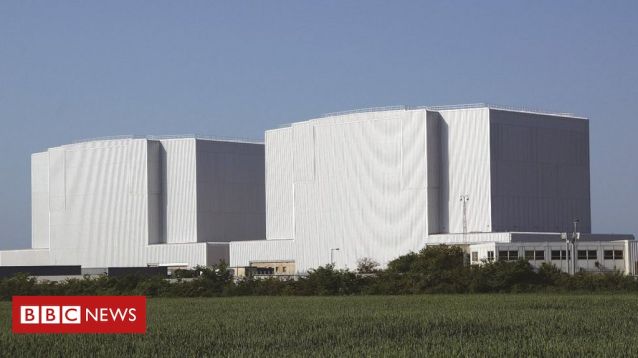
Bradwell Nuclear Power Station; Being decommissioned under this contract

Previous Stories https://davidhencke.com/2017/10/26/nuclear-decommissioning-how-whitehall-turned-toxic-waste-into-a-dirty-mess/

https://davidhencke.com/2020/12/11/the-latest-toxic-progress-on-the-great-nuclear-decommissioning-mess/