Two weeks ago I published a critical examination of how NHS Resolution’s Practitioner Performance Advice service contributed to the demise of whistleblower doctors revealing patient safety issues who stand to lose in 97 per cent of cases when they come before an employment tribunal.
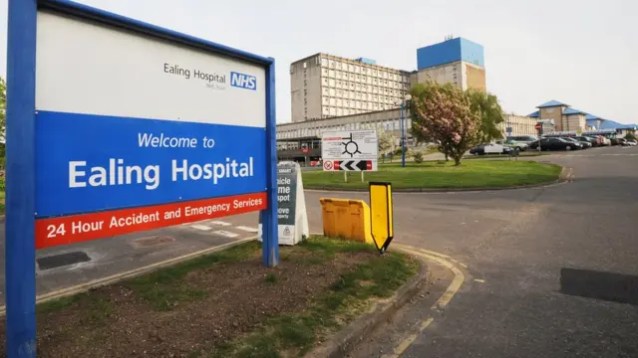
Since publication a number of doctors and patients have contacted me about their experiences with NHS Resolution and it makes disturbing reading. This is one of the cases.
One of the key points in the previous blog is that NHS Resolution does not require the health trust to inform a doctor when it has received advice from NHSR on what action to take against a doctor accused by the trust. So the doctor is completely ignorant that this has happened.
The paragraph in their letter, which is similar in other cases involving doctors, reads: “We encourage transparency in the management of cases and recommend that practitioners should be informed when their case has been discussed with us. I am happy for you to share this letter with the practitioner unless you consider it inappropriate to do so. Moreover, the practitioner is also welcome to contact us for a confidential discussion regarding their case.”
The London and North West University NHS Trust
I am not naming the doctor – an obstetrics and gynaecology consultant – as there will be an employment tribunal in 2027 – six years after the incident – but I am naming the trust, the London North West University NHS Trust- and the manager involved Dr Martin Kuper, then its chief medical officer – as events following this case were in the public domain.
A very tragic story
The incident that caused the referral to NHS Resolution is a very tragic story. An Afghan woman came to the hospital for a myomectomy – a surgical procedure to take out fibroids ( small lumps) from the uterus.
The operation can be performed by either an incision into the abdomen or key hole surgery. The woman chose to have keyhole surgery as it is less invasive. The doctor performed the operation with an anaesthetist putting her to sleep. Unfortunately during the operation she arrested, bled heavily and died.
The doctor was blamed by the trust for acting ” seriously below the accepted standard” despite PM Examination clearly reported absence of any injuries to major arteries and veins. According to the doctor what NHSR was not told that the delay in helping the patient was caused by the delay in transfusing blood products especially platelets as Ealing theatres did not stock any Emergency Platelets like Northwick Park theatres when the incident took place. The surgeon used to operate at Northwick Park and he was asked to move his complex surgeries to Ealing Hospital because he had a number of cases waiting more than two years. The day prior to index surgery the surgeon wrote to Trust management explaining that his cases were complex and should be operated upon at Northwick Park and not at Ealing theatres.
Worse the record of the conversation involving Dr Kuper in a letter from NHSR says the doctor was accused of tampering with the electronic record of the incident and omitted to tell NHSR that the doctor was a whistleblower who had raised serious questions about maternity and gynaecology services by that hospital which had not pleased the management.
The doctor says this account is distorted. He had made an electronic draft entry into the record at 07:30, then made few linguistic corrections to finalise the draft and few hours later at 11:45 he submitted his statement. All these entries and the changes made to the draft are available should you press the Audit Tap of the software used at any time.
As for his concerns about maternity services, it was confirmed on the following month when the Care Quality Commission inspected the hospital and ruled the service as ” inadequate.”
The letter showed NHSR had been told by MD (Chief Medical Officer) that there were ” no other concerns in relation to this surgeon of a clinical nature brought to his attention in the last two years”, i.e, since he joined the Trust.
The letter from NHSR – based on Dr Kuper’s submission- advised as the doctor went off sick following the incident that the doctor should be referred to the Occupational Health service for possible mental and physical health problems. The surgeon also suffered series of sanctions upon his practice including his maternity work despite no concerns were raised at any stages in relation to his maternity work. On the contrary, he was one of the two consultants appointed to the Trust in 2006 to turn the maternity services around following CQC imposing measures on the maternity unit being ranked in 2005.
Trust was selective and biased during collecting and while considering various witnesses statements aiming at victimising the surgeon. The surgeon and all gynaecologist involved were excluded from the initial stages to set him up for the next step. He was also subjected to an internal special investigation taken through Maintaining High Professional Standards procedure which amounts to an internal disciplinary procedure. Trust was selective
None of this advice was conveyed to the doctor and the trust ignored the suggestion from NHSR that they should be open and transparent about the letter.
The letter was not sent to the doctor in a timely manner prior to start of MHPS investigation and he had to submit a subject access at some point, which cannot be refused, to obtain all the correspondences between Trust and NHSR.
There had been a coroner’s hearing under senior coroner Lydia Brown in which he was blamed for the death and the coroner blocked his barrister from pursuing questions about the action taken or not taken by the anaesthetist especially the delay in transfusing coagulation factors and the trust emphasised he had been reported to the General Medical Council for Fitness to practice investigation to protect patients and public.
However, this was not enough for the trust which made it impossible for him to get a job elsewhere by requesting NHSR to issue HPAN against his practice advising other potential employers not to appoint him advising responsible officers in other organisations to contact Dr Kuper’s successor Dr Johnathon Baker, the current CMO). By issuing the Notice the NHSR was given Trust another opportunity to wreck the surgeon career. This HPAN notice will be kept at NHSR records for thirty years before it can be destroyed.
Dr Baker raised numerous concerns regarding the Surgeon practice following carrying out an unjustifiable look back investigation into his unblemished practice, ending up referring a total of 23 cases to GMC but did not mention at any stage that the doctor raised patients’ safety concerns.

But when the report came back from the GMC he was completely exonerated of any clinical allegations in relation to the index case or any of the other 22 cases.
The surgeon complained to the NHSR in November 2023. The reply from Helen Vernon, the chief executive a month later is very revealing.
First the adviser was on prolonged sick leave and was unable to be involved. But her reply raises points on the role of the NHSR which show how weak it is.
She says: “As the Advice Service is not a decision-making body, any decisions regarding the management of a practitioner must rest solely with their employer/contracting body. Whilst the employer/contracting body may have regard to any advice provided by the Advice Service, having considered and weighed up all the relevant information available, they may take a view which differs from the opinion expressed by the Advice team.”
It was also clear that NHSR did not know he was a whistleblower, and were not certain whether it was aware of the bad CQC report on maternity care at the hospital. An unsatisfactory reply. altogether.
There is a postscript about the senior manager involved in this case – Dr Martin Kuper. He went on to become chief executive of the prestigious Moorfield Eye Hospital NHS Trust.

This year GB News reported that no fewer than 80 consultants had sent a letter to the board of the hospital complaining it had a culture of bullying, financial mismanagement and lack of transparency.
The report is here. As a result both the chair and the chief executive resigned. The trust in a statement said “Martin Kuper has taken the decision to resign from his position as chief executive of Moorfields and will formally leave the organisation.” There was very little about his achievements while he was there and at the moment does not appear to have got another job in the NHS.
Make a one-time donation
Make a monthly donation
Make a yearly donation
Choose an amount
Or enter a custom amount
Your contribution is appreciated.
Your contribution is appreciated.
Your contribution is appreciated.
DonateDonate monthlyDonate yearlyYou can donate to Westminster Confidential via Paypal at the link below.
 Westminster Confidential