How the toxic management of a health trust and law firm Capsticks got rid of a senior nurse whistleblower

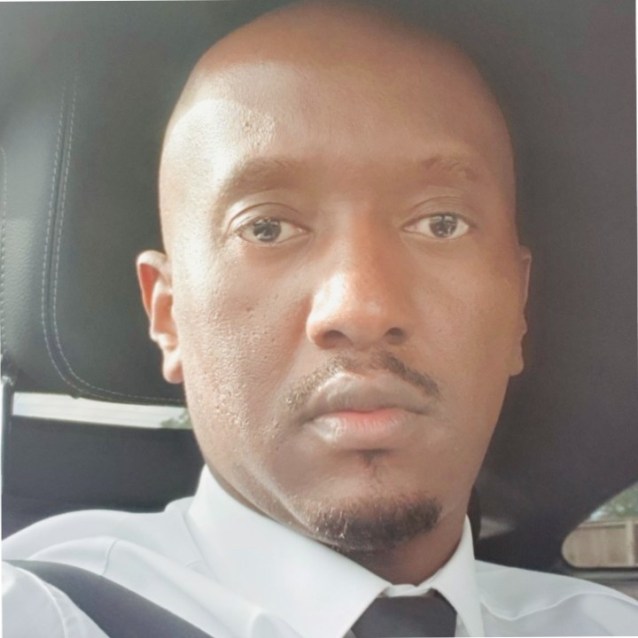
Thurdy Campbell

A former senior nurse at Queen Elizabeth Hospital, Woolwich has come forward with a fresh tale of the toxic management at the Lewisham and Greenwich NHS Trust and their treatment of whistleblowers in the wake of the tribunal verdict involving staff nurse Francisca Holmes. Francisca lost her case against the trust management over her treatment but the judge ruled she had genuine whistleblowing concerns when she was told of a patient found dead in Ward 22.

This is the same health trust still involved in a ten year battle with Dr Chris Day,  a junior doctor, who in 2014 brought a still on going case on two ” avoidable deaths” in their intensive care unit. It is the same trust where a senior communications director deliberately destroyed 90,000 emails that could have been used in Dr Day’s defence during a tribunal hearing and escaped censure from the presiding judge.

Thurdy Campbell, a black senior nurse of Jamaican nationality, had worked for 22 years at the hospital as a senior sister in their accident and emergency department and manager of combined wards 22 and 23. She was dismissed on 17 May 2022.

Her grievance letter claims: “I was subjected to the following: work place mobbing, severe episodes of
harassment and discriminative treatments, miscarriage of justice , coercive control, defamation of character, endangered working environment , abuse of power of position for personal gain and recrimination after making a series of protected acts and qualifying disclosures to NMC [Nursing and Midwifery Council]25 May 2021.

Senior party members from the Lewisham and Greenwich NHS Trust Kelly Lewis-Towler, director of operations for acute and emergency medicine; Meera Nair ,director of people and board member, Victoria Tyler ,head of employee relations; HR Team and Investigation Managers colluded in wrongdoing by protecting the perpetrators and subjected me to series of detriments.”

Some of the managers she accuses appear in the same case as Francisca Holmes such as line manager Rodney Katandika and Ann Marie Coiley, the director of nursing.
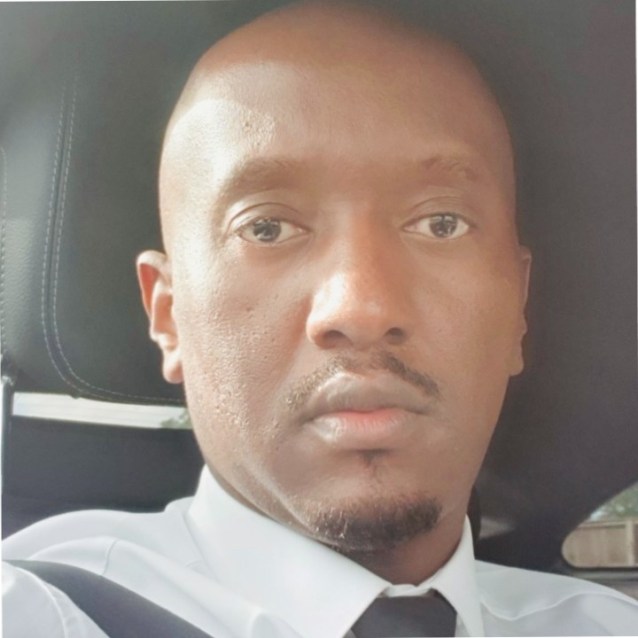
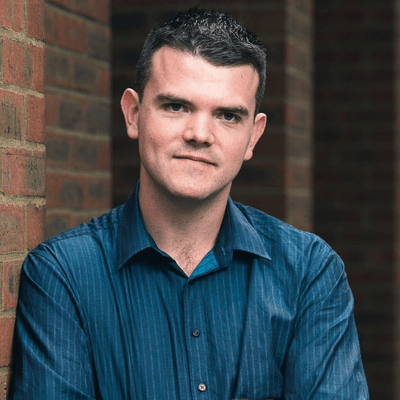
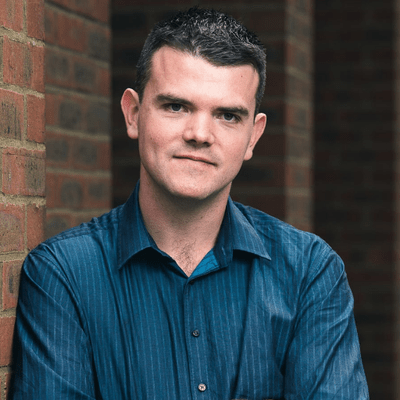
Rodney Katandika

Matters came to a head when she was manager of the new combined Ward 22 and 23 – the ward where Francisca Holmes was told that an elderly patient was found dead. She raised the issue of patient safety but had no serious response. Six months after this incident Thurdy sent a further email saying “Clinical concerns relating to issues affecting patient’s safety, staffing, staff well-being and the working environment of Ward 22” escalating this to senior line management. Straight after this the trust launched a disciplinary hearing against her leading eventually to her dismissal the following May.
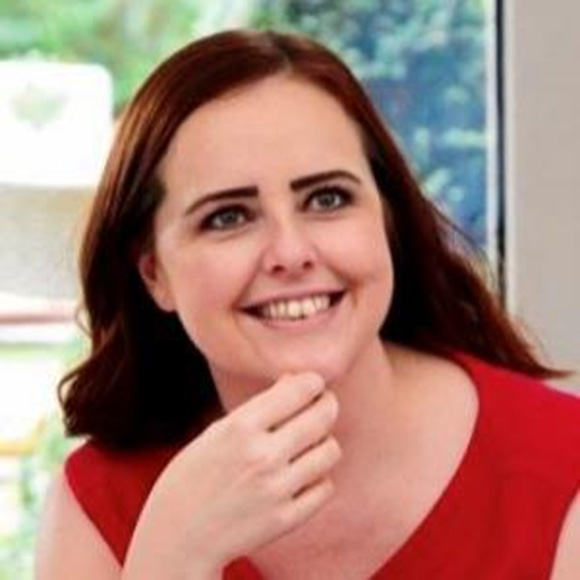
Kelly LewisTowler director of operations for acute and emergency medicine

She was certainly a thorn in the side of senior management. An internal email from Kelly Lewis-Towler to other senior managers, sent on 28 July 2021 accuses her of intimidation and claims senior staff were ill with workplace stress, declining to return from holidays, and claiming she cannot adequately support them and is facing ” a mass exit of staff”. All because she raised patient safety issues. She turns this on its head by saying patient safety is at risk because of the behaviour of Thurdy.

It is no wonder that during Francisca Holmes’ tribunal the trust did not produce her as a witness, even though she was well placed to comment on the situation since she was ward manager where the patient death happened because it would have revealed her warning of patient safety and provided evidence to the judge of bullying of Francisca by other senior staff.

Capsticks role in the trust

Thurdy’s grievance letter also exposes another worrying feature. Not only does Capsticks have a role as the trust’s lawyer to refute Thurdy’s claims at the employment tribunal but they have a major investigating role inside the trust for handling claims and disputes. So the firm has advance notice of any trouble coming managment’s way from staff and can intervene to help refute it and be in poll position should the person takes the trust to a tribunal. The firm are basically judge and jury in whistleblowing cases at Greenwich and Lewisham NHS trust.
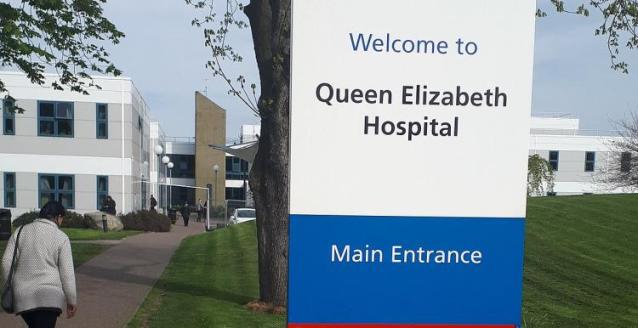
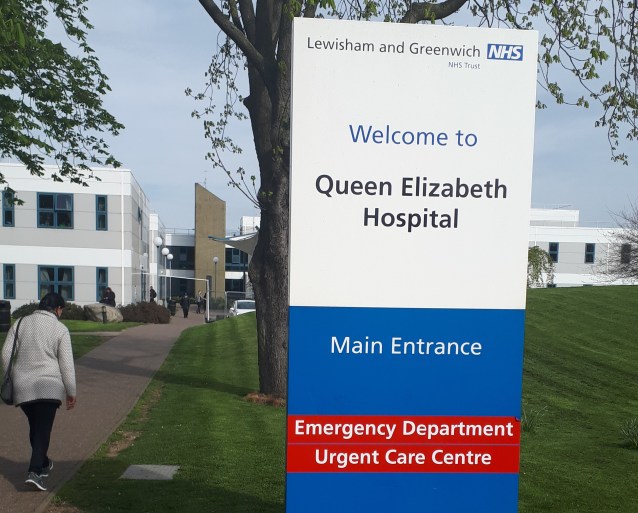
Queen Elizabeth Hospital, Woolwich

Worse than that the grievance letter reveals that Capsticks attempted to force Thurdy to sign a non disclosure agreement – not as part of a normal procedure to get a settlement – but while the firm were involved in the internal investigation. Fortunately she resisted or otherwise you would be banned from reading about this case.

Thurdy lost the first round of employment tribunal cases and is awaiting the result of an appeal.

Her dismissal also nearly led to her being evicted from her home. She now has got a new job at less pay than in the NHS but in a much better enviornment.

My final point is that given the current state of the NHS it can ill afford to lose experienced nurses and doctors by maligning them in whistleblowing cases – like Thurdy and Francisca – and Martyn Pitman, the popular and competent obstetrician in Hampshire and Dr David Drew at Morecambe Bay. That’s why the treatment of whistleblowers needs urgent reform.

One-Time
Monthly
Yearly

Make a one-time donation

Make a monthly donation

Make a yearly donation

Choose an amount

£5.00
£10.00
£20.00
£5.00
£15.00
£100.00
£5.00
£15.00
£100.00

Or enter a custom amount

£

Your contribution is appreciated.

Your contribution is appreciated.

Your contribution is appreciated.

DonateDonate monthlyDonate yearly

Please donate to westminster Confidential

£10.00


I
How a nurse whistleblower fell foul of NHS managers after the shock of finding a dead patient in a hospital ward

Francisca Holmes

Former Ward 22 manager not called as a witness says trust is lying over events that led to patient’s death

Francisca Holmes, a 61 year old staff nurse, had worked happily at the Queen Elizabeth Hospital, Woolwich since 2019. She is a black person of African ethnicity.

But during the Covid pandemic she was shocked to go into Ward 23 on 17 May 2020 after a frail elderly patient, who had not been admitted with Covid, but with a lower respiratory condition, was found to have died and nobody had noticed.

As I reported earlier, after the document was released by the judge hearing her tribunal case, the investigation into her death has been sparse. Just one page recording a ” patient incident” for a woman who died alone in a ward full of Covid patients after vomiting, with her mask resting on a pillow and a nebuliser with no oxygen.

Ms Holmes had a five day tribunal hearing this week under judge Eoin Fowell claiming detriment over whistleblowing, constructive dismissal, and age and race discrimination. All this was challenged by the Lewisham and Greenwich NHS Trust who employed a junior barrister, Camille Ibbotson, from the law firm, Old Square Chambers at great expense to press their case.

Her discovery of the body of the patient was reported to staff nurse Mr. Rey Malabuyoc. According to her witness statement she blames a Filipino nurse ,Ms Chenee Coronado, who was looking after her, for negligence that lead to her death. She has never been asked for a statement about what happened by the trust.

The death of the patient is described more fully in her witness statement:”

“According to Biftu Ali {the day nurse on duty) , the patient had been sitting out in the chair eating yoghurt when she aspirated and peri-arrested.  A crash call was put out and patient was seen by the team.  She added that patient was in bed, settled and being nebulised.

“After handover, my colleague  went into the bay but came straight back out to call me.  The known COPD patient was found lifeless with a nasopharyngeal tube in her right nostril.  She had a face mask on and nebulised on air via an air driven machine.  There was no sight of a nasal cannula, meaning she was not getting the required oxygen.  It is note worthy that a 40% (red) venture mask laid on top of her pillow while the flow metre was on at 60%. The patient had a nasopharyngeal tube in her right nostril.”

Rodney Katandika Pic credit: Linked In

The trust’s argument is the hospital was in the middle of the Covid pandemic and nurses could not devote the time needed to look after every patient because of staff shortages. Mr Rodney Katandika, the matron, on the ward, who first investigated the situation, said in evidence to the tribunal initially there was “nothing untoward in her death”. He also resolutely denied any age and race discrimination on his part.

After the event her witness statement says the trust ” appointed Lucie Kabatesi, Matron on and sent her a list of my complaints in a letter purporting to set out my grievances. The letter specifically omitted any reference to the patient death incident and my whistleblowing complaint which I had raised. I was not advised of any other procedure to raise my concerns and it appeared that the respondent was covering up the circumstances of the patient death and my allegations.”

She says she repeated her allegations when she met Ms Kabatesi on 27 April 2021. Ms Kabatsi told the tribunal this was the first time she had raised this with her and it was added to her investigation.

Francisca Holmes claims that since reporting the death she has been subject to detriments and ” set up to fail ” including being put on inconvenient shifts, left in charge of the ward without a matron, passed over for courses, had a pay cut just after a pay rise, and being accused by Mr Katandika of leaving without handing over her patients to the next staff shift putting patient safety at risk contrary to the nurses’ code of conduct.

She seems to have had a bad relationship with Jean Firaza, a Filipino manager, describing in her statement an incident where during a handover. In her statement she says: “She was very angry, arms akimbo and leaning back and forwards. There was a discussion about the treatment we were giving to a patient.”

Jean Firaza was not called as a witness by the trust, though she attended the hearing every day.

The investigation by Ms Kabatesi was scheduled to be completed in four weeks but took six months. She was described as an expert investigator but like Mr Katandika, and Ms Ann Marie Coiley, director of nursing, had no experience of investigating whistleblowing cases. I find this strange they were chosen since the same hospital must have postgrad experience of investigating whistleblowing since it is still fighting Dr Chris Day for over ten years over his whistleblowing claims over the avoidable deaths in the intensive care unit.

Ms Holmes was never informed of the progress of the investigation and eventually frustrated resigned.

Ms Ann Marie Coiley blamed Covid problems for the failure to sort out Ms Holmes’s request for flexible working and said she had bought a ” shopping list of complaints” against the trust.

Camille Ibbotson

In her closing submission Camille Ibbotson for the trust said all her claims of unfair treatment and age and race discrimination were ” wholly unfounded.” She said all the trust witnesses who were called had provided credible evidence while she had been ” evasive” when questioned by her. She downplayed the death of the patient describing it as ” a patient incident” which seemed to me to be a rather callous dismissal when you heard the facts about the death.

Winston Brown, Ms Holmes’ solicitor, in summing up her case placed great emphasis on the fact that she been the victim of constructive dismissal by being kept in the dark about the investigation into her grievances and the trust hiding behind Covid to avoid detailed questioning about how she was treated.

He pointed out despite Covid the trust did not suspend its policy of treating staff with dignity and compassion because of the Covid crisis. As a result he thought it was in breach of the code and therefore she should be compensated. He also raised why the tribunal had not heard from Thurdy Campbell, one of the managers involved

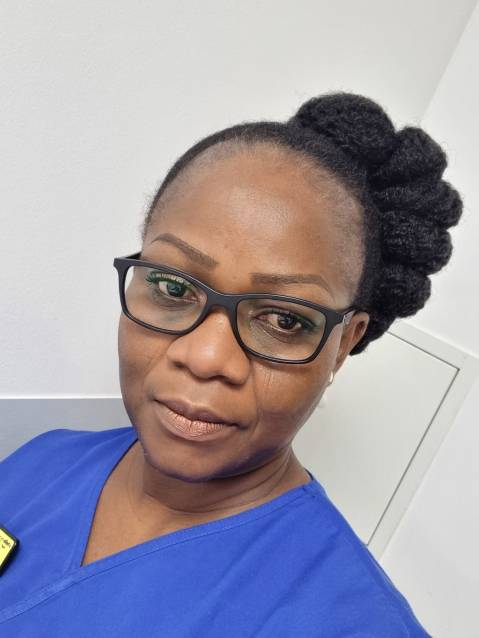
Thurdy Campbell: former manager of Ward 22

After the publication of my blog over the trust’s failed attempt to ban me from seeing Ms Holmes’ witness statement and the ” investigation” into the patient’s death I was contacted on Linked In by Thurdy Campbell myself. She blames the death of the patient on an unplanned reconfiguration of wards 22 and wards 23 just two days before the patient died

She told me: ” I was the manager of Ward 22 at the Lewisham  and Greenwich NHS Trust who reported patient safety concerns  (via clinical incident) and sent email to senior managers  regarding  the unplanned reconfiguration process of 15 May 2020 that led to that incident (I was blindsided of the  patient’s death until Francisca Holmes raised the incident with me sometime in 2021).

” I supported FH as the ward manager during her complaint  but was dismissed from office during the investigation procedures conducted at the Trust . I was subjected to unlawful disciplinary sanctioning after reporting. “

She goes on: “I have sent Fran the info on this incident this morning . They are lying. I was slapped with a conduct letter by the DDNG (Divisional Director of Nursing Governance) for raising concerns about this incident. It has nothing to do with staff shortage. There should be a shift log book detailing activities of that day. Mr Brown should request a copy of that booklet..”

This seems to throw new light on events that were never told to the tribunal. The judgement will be given Monday afternoon.

One-Time
Monthly
Yearly

Make a one-time donation

Make a monthly donation

Make a yearly donation

Choose an amount

£5.00
£10.00
£20.00
£5.00
£15.00
£100.00
£5.00
£15.00
£100.00

Or enter a custom amount

£

Your contribution is appreciated.

Your contribution is appreciated.

Your contribution is appreciated.

DonateDonate monthlyDonate yearly

please donate to Westminster Confidential

£10.00

Chris Day: Lewisham and Greenwich NHS Trust and Health Education England “destroyed my medical career”, tribunal told

Dr Chris Day

Dr Chris Day, the whistleblower junior doctor, has told the tribunal that the eight year battle with the trust and Health Education England, had “destroyed my medical career” and had been at a ” huge cost to me and my family.”

In a long and detailed witness statement to the tribunal he laid out the effect of the trust’s actions ever since he had made his protected disclosures in 2013 and 2014 about staff shortages and serious threats to patient safety at the intensive care unit at Queen Elizabeth Hospital, Woolwich.

He said: “The respondents’ actions over the last 8 years have destroyed my medical career.
“Throughout this litigation, I have worked ad hoc shifts as a locum junior doctor in Emergency Medicine. This often, if not always, involves a 10 hour shift starting early afternoon and ending at midnight. It is these times in which locum cover is needed.
“Had I progressed on my career path with the Second Respondent, I would have been a hospital consultant by 2019. My current arrangement offers me no career path, job security or employment rights. For example, when working during the pandemic in A&E, I caught Covid-19 and, as I fully accept, I had no right to sick pay from either my locum agency or the NHS for the time that I could not work.”

This case is about preventing disclosures being understood by the public

“This present case is therefore not about justice for me and my family for the loss of my career. It is about attempts to undermine my reputation by preventing the disclosures I had raised being understood by the public, press and MPs.
“The actions of the Respondents in their reactions to the issues that I had raised had meant the destruction of my career; and then for them to further undermine my professional and personal reputation to such an extent, could make it likely that many will not listen to a word I say about anything ever again.”

He concluded: “This Tribunal will be fully aware of what happens time after time to claimants that bring
whistleblowing cases against senior and established interests. To some extent this Tribunal may also be aware of the speak up culture in the NHS. The toxic speak up culture in the NHS has been documented in scandal after scandal with the latest being the maternity scandal at Shrewsbury and Telford. This Tribunal will therefore be more than able to understand the pressure that me and my family have been under over the last 8 years. I hope it is clear from what I have set out, that I have raised serious issues that deserve proper consideration.”

Queen Elizabeth Hospital, Woolwich By Paul W – Own work, CC BY-SA 4.0, https://commons.wikimedia.org/w/index.php?curid=79830700

His evidence covered the history of his case from 2013 covering serial misrepresentation of his disclosures at the intensive care unit at Woolwich Hospital, a bitter dispute over cost threats against him and his solicitors by the trust and Health Education England, which led him to settle the case to protect his home and family and the aftermath including a hostile press release issued by the trust and letters sent to 18 MPs and local stakeholders putting their case. He has had two days of robust cross examination by Dan Tatton Brown, the barrister acting for the trust, which has gone into every detail of his case and demanded straight ” yes or no ” answers to complicated points. These included the legal procedures surrounding the move to impose and then withdraw cost threats against him and his solicitors which was later denied had ever happened by the trust.

His witness statement points out that it took six years from 2013 for the trust and Health Education England, who are no longer a party to the case, to recognise that his disclosures as a whistleblowing issue.

Trust misrepresented findings on patient safety

He also found misrepresentations by the trust over a visit by the people from HEE and by commissioning an external investigation by Roddis Associates, which ignored two deaths at the ICU, claimed staffing was adequate and wrongly said a consultant became immediately available when he wanted one. These issues have been dealt with in earlier evidence from two anaesthetists.

He says: “The Respondent has chosen to represent the serious content of my protected disclosures as a one-off situation outside of the ICU about junior doctor cover of medical wards. Such an occurrence, although not trivial, is all too common in the NHS.
“It is clearly not the main thrust of my protected disclosures. The fact the Respondent has wholly misrepresented to the press and MPs my disclosures as not being about the Intensive Care Unit/critical care, but being limited to junior doctor cover on the medical wards paints a picture that my protected disclosures were making a fuss about nothing.”

“It seems to me that this is a clear attempt to smear me; to make me out to have been a vexatious Claimant with a hopeless case that I chose to freely withdraw; and to diminish my standing in the eyes of those who supported me, including the MPs and journalists that were engaged with the issues that I had raised.”

Please donate to Westminster Confidential to allow me to continue my reporting.

One-Time
Monthly
Yearly

Make a one-time donation

Make a monthly donation

Make a yearly donation

Choose an amount

£5.00
£10.00
£20.00
£3.00
£9.00
£60.00
£3.00
£9.00
£60.00

Or enter a custom amount

£

Your contribution is appreciated.

Your contribution is appreciated.

Your contribution is appreciated.

DonateDonate monthlyDonate yearly

Please donate to Westminster Confidential

£10.00

Consultant anaesthetist links two patient deaths to unsafe staffing at Woolwich Hospital Intensive Care Unit – Chris Day tribunal hearing

Dr Sebastian Hormaeche Pic credit: Linked In

” Troubling” trust commissioned report ignoring patient deaths

A second consultant anaesthetist was highly critical of safety standards at Woolwich Hospital Intensive Care Unit (ICU) in 2013 and 2014 linking the lack of night time trained doctors working there to the deaths of two patients.

Dr Sebastian Hormaeche, an elected member of the British Medical Association Council, provided evidence to the tribunal on expected staffing levels and qualifications of doctors working at the ICU.

His evidence followed a devastating critique last week by Dr Megan Smith on the staffing levels at the ICU run by the Lewisham and Greenwich NHS Trust.

She had told the hearing : “You would not find an anaesthetist or ICU doctor in the country who would accept those ratios. There was a clear and present danger to patient safety – no question about that.”

Dr Hormaeche said that the trust did not follow national standards for doc to patient ratios there but went on to criticise the lack of supervised training for doctors handling emergencies and the way the trust’ called external investigators who presented a false picture of what was happening there. He said:

“The Core Standards state that exceeding this staffing ratio is deleterious to patient care. The ICU cares for the sickest patients in the hospital requiring the most intense level of care and attention and when staffing levels are stretched patients may be exposed to higher degree of risk of harm. This is also impacted by the number and experience of trainees- doctors below the consultant grade, as well as the turnover of patients and the case-mix.”

“Airway skills- the skills required to secure and maintain the airway (intubation) in critically ill patients- are the core element of the anaesthetist’s training and are their fundamental skillset. The sickest ICU patients (Level 3 patients) are those requiring ventilatory support in the form of a breathing tube being inserted into the airway (trachea, or windpipe) in order to help maintain their life support. Situations requiring airway intervention in the ICU typically require the presence of a practitioner with advanced airway skills.

Dr Chris Day

“This is important because an emergency involving an airway issue can be immediately life-threatening, therefore it is a requirement that there be immediate access to a practitioner with advanced airway skills, and in practice this is usually provided by the resident anaesthetists. It should be noted that novice anaesthetists who have not yet completed their lnitial Assessment of Competency do not yet possess advanced airway skills”.

.”I have seen evidence that on 15 October 2014, Health Education England carried out a quality visit at the Trust which recorded concerns from other junior doctors about staff patient ratios and the lack of ready availability of airway support. ln my view, the findings of this quality visit by the HEE and the ICU Core Standards are clearly relevant to Dr Day’s protected disclosures.”

He contrasted this with an external report by M J Roddis Associates, a clinical management consultancy, commissioned by the trust, which said: “The core standards say that the ICU resident / patient ration should not exceed 1:8. These ratios are therefore not absolute.”

Dr Hormaeche said: “…this doesn’t meet safety standards in terms of staffing levels either for doctor to patient numbers or for Dr Day’s level of training at that time. ln my experience this level of cover requires a senior trainee (a Registrar) with advanced airway skills and a higher level of ICU training to be resident in addition to an SHO, who is still undergoing their Core Training, as a minimum.”

M J Roddis Associates said: “Dr Day has immediate access of the resident anaesthetic registrar for airway management “while Dr Day. said the opposite and also warned of serious threat to very sick patients and added of ” I have observed a number of hypoxic cardiac arrests from tubes getting displaced. The unit’s self-extubation rate was high when I was there.”

This is an alarming paragraph – Dr Hormaeche

Dr Hormaeche said: ” This is an alarming paragraph for me to come across lt suggests an unsafe ICU
environment in terms of patient safety, by way of staffing levels and access to advanced airway skills. The term intubation refers to the insertion of a breathing tube, which is a crucial element of life support for the sickest ICU patients. The term extubation refers to the removal of a breathing tube from a patient’s airway.”

” …Self-extubation, however, refers to an unplanned and serious event where a breathing tube has unexpectedly become dislodged or displaced from the airway. This can become a life threatening event.”

He added: “The term hypoxic refers to a low level of oxygen circulating in the blood. This will be expected to occur if a breathing tube becomes accidentally displaced. Severe hypoxia can lead to cardiac arrest and death. To prevent this outcome, immediate access to advanced ainruay skills is essential.”

He then quotes from Dr Day’s evidence about two deaths that followed and linked to staff shortages

“On 7 November and 5 December 2013, two patient deaths occurred at night under the care of lntensive Care. These deaths involved two different non-anaesthetic trained doctors and were declared as Serious Untoward lncidents (‘SUl) and subject to Coroner inquests .The SUI’s involved just the kind of circumstances that I had been concerned to avoid when I raised concerns about patients safety in
August and September 2013.”

Neither deaths were investigated or mentioned by M J Roddis Associates in their report.

Deaths findings fully support Dr Day’s warning

Dr Hormaeche said: “”lt seems to me that the findings of both these Sls fully support Dr Day’s warning in his August 2013 protected disclosures about the training and experience of the grade of doctors used by the Trust to cover the night shift in the lntensive Care Unit under distant supervision.”

The December 5 case involved insertion of a chest drain which was incorrectly sited and pierced the liver. The patient died from haemorrhage according to the coroner.

Dr Hormaeche said: “I cannot understand why Roddis Associates were to exclude these two highly relevant SIs from their investigation.”

Please donate to Westminster Confidential to allow me to continue my reporting.

One-Time
Monthly
Yearly

Make a one-time donation

Make a monthly donation

Make a yearly donation

Choose an amount

£5.00
£10.00
£20.00
£3.00
£9.00
£60.00
£3.00
£9.00
£60.00

Or enter a custom amount

£

Your contribution is appreciated.

Your contribution is appreciated.

Your contribution is appreciated.

DonateDonate monthlyDonate yearly

please donate to Westminster Confidential

£10.00