Britain is becoming disconnected – 1 million people quit broadband because of the cost of living crisis

pic credit: Andrew Neel

A report published today from House of Lords savages the government’s failure to tackle digital exclusion when ministers have promised the country will become a world leader in digital technology.

Figures in the Communications Committee report are absolutely astounding.

It says: “1.7 million households have no mobile or broadband internet at home. Up to a million people have cut back or cancelled internet packages in the past year as cost of living challenges bite. Around 2.4 million people are unable to complete a single basic task to get online, such as opening an internet browser. Over 5 million employed adults cannot complete essential digital work tasks. Basic digital skills are set to become the UK’s largest skills gap by 2030″.”

The most disturbing figures came from Citizens Advice which has picked up that people are cancelling or reducing internet packages. This means we are going backwards. The report cites Which? for showing that on top of higher fuel, food, council tax, rail fares. broadband and mobile phone providers are upping their prices year on year by between 14 and 17 per cent.

Paltry 5 per cent of eligible people get a social tariff

There are social tariffs for the poorest on Universal Credit but they don’t seem to be marketed well by the broadband providers. They are taken up by a paltry 5.1 per cent of the people who are entitled to claim them – representing 220,000 of around 4.3 million eligible households. Monthly costs are lower -around £10-£15 rather than £30 or more but not low enough for the poorest who could only pay between £4 and £7 a month. The peers suggest VAT could be abolished on them to help and BT Openreach which has a near monopoly on connecting people could reduce its charges as well.

The breakdown of where the digital excluded are follow a familiar pattern. The largest number are in ” Red Wall” areas – the North East of England and also in Wales and Scotland. Internet connectivity doesn’t help either – there is a double whammy effect in the North East – Darlington and Middlesbrough are cited as having poor internet. The lowest number are in London and the South East. Age and disability is a factor as well. There is a significant drop in those not connected to the internet or having a smartphone for people aged 55 and above. But there are also a small minority of young people and those in their 30s and 40s who are also not fully connected.

Why does all of this matter? According to the report the failure of the government to update its digital inclusion policy since 2014 and its lethargic response to the problem will hit plans both by the Tories and Labour to grow the economy.

Government’s priority ” not credible”

The peers’ findings are savage.

“The Government’s contention that digital exclusion is a priority is not credible. Its flagship digital inclusion strategy is almost a decade old. Formal cross government evaluations seem to have stopped. Working groups have been disbanded. Interventions to help with internet access are too timid. The
Government cannot be expected to solve everything but it can achieve much by showing interest in driving change against clearly defined objectives. We have no confidence that this is happening. Senior political leadership to drive joined up concerted action is sorely needed.”

Liam Halligan, a Daily Telegraph columnist and journalist for GB News, giving evidence put it more vividly:

He said solutions were ““Just not sexy. Ministers like talking about unicorns and AI. They like being photographed with the tech bros in T-shirts and sand shoes, rather than dealing with what is a necessity of life now.

Baroness Stowell of Beeston: Official Portrait House of Lords

“ Baroness Stowell, Chair of the Communications and Digital Committee said:

“We have found a distinct lack of leadership in Government to tackle this issue. It is shocking that a digital inclusion strategy has not been produced since 2014 and the Government sees no need for a new one. It is vital we get a grip of this now.

“The cost of living crisis has made access to the internet unaffordable for many. We need urgent action to ensure people aren’t priced offline.”

A spokesman for the Department for Science, Innovation and Technology said:

“We are committed to ensuring that no one is left behind in the digital age. Steps we are taking include putting essential digital skills on an equal footing in the adult education system alongside English and maths.

“To boost access, we have worked closely with Ofcom and the industry to bring a range of social broadband and mobile tariffs, available across 99% of the UK and starting from as low as £10 per month, and our £5 billion Project Gigabit has already resulted in 76% of the UK being covered by gigabit broadband, up from just 6% at the start of 2019.”

Unless something is done quickly the future is bleak. A sizeable minority of people will soon be excluded from society altogether. Already 90 per cent of jobs are only advertised on line, bank branches are closing down and pressing people to open on line accounts. Ticket offices for trains are closing. Some 75 public services are planning to go digital and already some councils will only deal with people on line for applying for blue badges – even though many disabled people have no internet.

And future government policies are going to be based on machine learning information – which will effectively exclude those not on the internet. Cynically that is one good way to deal with the poor and the old – make them disappear so you don’t have to provide anything for them.

But in the end digital exclusion will hit the British economy very badly and we will all suffer. And those boastful and complacent ministers will see their world leading plans turn to ashes.
Please donate to Westminster Confidential to allow me to continue my forensic reporting.

One-Time
Monthly
Yearly

Make a one-time donation

Make a monthly donation

Make a yearly donation

Choose an amount

£5.00
£10.00
£20.00
£3.00
£9.00
£60.00
£3.00
£9.00
£60.00

Or enter a custom amount

£

Your contribution is appreciated.

Your contribution is appreciated.

Your contribution is appreciated.

DonateDonate monthlyDonate yearly

Please donate to Westminster Confidential

£10.00

Yet another pension scandal .. Tory government cheats 4000 scientists out of their pensions by giving misleading advice when their company was privatised

Their misleading advice has cost retired workers dear

The Commons Public Accounts Committee this week published a damning report on a long running pension scandal which has seen retired pensioners lose hundreds of thousands of pounds from their pension pots because of misleading official advice given to them 27 years ago.

The pensioners were all employees of the AEA Technology – the state owned commercial arm of the UK Atomic Energy Authority – which was privatised in 1996 by Sir John Major’s Tory government.

This sorry tale took place almost at the same time as the government had implemented the 1995 Pensions Act which raised the retirement pension for 1950s women from 60 to 65 and the DWP has been found guilty of partial maladministration by Rob Behrens, the Parliamentary Ombudsman.

The Tory government gave AEAT employees just one month to exit their contributory Whitehall pension scheme for a new one with the company taking over AEA. 90 per cent of the staff did.

Crucial to this rushed decision was an independent report by the Government Actuary’s Department which told all staff that the scheme was as good as remaining in the state scheme and might even be better.

What it failed to tell people was that if the company went bust or the pension scheme failed all the staff would lose their guaranteed protection of their pension savings that is provided by the government. It would be transferred to the Pension Protection Fund, lose all their inflation protection up to 1997, and they would live for the rest of their lives with only a 2.5 pc annual increase in their pension.

Government Actuary’s report was secretly changed by UKAEA lobbying

According to the written evidence from an ex employee David Roberts, a freedom of information request has revealed that this ” independent” report was tampered with by AEAT and the UKAEA behind the scenes. They got it rewritten because it was not persuasive enough to get people to quit the government scheme .

He wrote:” The sections which have caused the complaints were significantly changed as the result of a telephone conversation between UKAEA and GAD on 5/11/1996. “

GAD also failed to undertake a risk assessment about the switch.

In 2012 AEAT which had already cut funding to the pension scheme went into administration. The company was bought by Ricardo, an American firm, who immediately divested all its nuclear work .Its headquarters of a new firm are now in California.

One would have thought they sacked employees could get redress but for the last 11 years they have got nowhere.

They are barred from complaining to either the Parliamentary Ombudsman or the Pensions Ombudsman.

Current legislation bars the Parliamentary Ombudsman from looking into case involving private pensions – and the government has just told the Commons Public Administration Committee there is no priority to change the law.

The case could come under the Pensions Ombudsman but there is a 15 year cut off point from when the event happened which blocks him from awarding any compensation.

Nobody in government takes responsibility

As the PAC report says:

“Nobody in government has taken overall responsibility for the case. There has been no independent review because the relevant ombudsman services have said they cannot investigate the information given to members in 1996, clearly highlighting that there are gaps in the routes of appeal people have for complaints about their pensions.”

The response from government since 2012 has been appalling. The DWP not only did not help but confused the issue. The report says: “In July 2013, DWP produced a factsheet summarising the complaints government had received and a response to each on behalf of the government. In February 2014, it then sent scheme members a further letter explaining that it was not responsible for the case.”

But it didn’t tell them who was and it turned out to be the Cabinet Office.

Sir Steve Webb- declined to help as pensions minister

Ministers were no better. Sir Steve Webb, then the Liberal Democrat pensions minister, would not intervene to change any rules to help the pensioners -saying if AEA Technology rules were changed it would affect other government services that had been privatised citing the BT pension scheme. He was actually wrong in this case, it is protected should BT go bust.

Two MPs tried to use private members bills to rectify the situation by changing the Ombudsman’s powers – but they were blocked by the Conservative government.

The government has escaped responsibility by never setting up an independent review of what happened and the Government Actuary’s Department has tried to avoid censure by saying their report was not the main reason why people switched their pension. This is contradicted by the employees who gave written evidence to the PAC.

people abandoned by an uncaring state

The whole saga is simply part and parcel of a government that cares little for the welfare of the ordinary citizen and tries to evade responsibility for its errors. Meanwhile people – who contributed to their pension and even put extra contributions to increase it – are just abandoned by an uncaring state. One person lost 40 per cent of their pension and all are affected by the cost of living crisis since they are not protected by the huge rise in annual inflation by the Pension Protection Fund.

Please donate to Westminster Confidential to allow me to continue my forensic investigations

One-Time
Monthly
Yearly

Make a one-time donation

Make a monthly donation

Make a yearly donation

Choose an amount

£5.00
£10.00
£20.00
£3.00
£9.00
£60.00
£3.00
£9.00
£60.00

Or enter a custom amount

£

Your contribution is appreciated.

Your contribution is appreciated.

Your contribution is appreciated.

DonateDonate monthlyDonate yearly

Please donate to Westminster Confidential

£10.00

HMRC’s digital tax disaster – overspent, behind schedule and a huge hidden bill for taxpayers

Making Tax Digital |Government logo pic Credit: gov.uk

Rishi Sunak promised the UK will be a Science and Technology Superpower with world class digital technology attracting high skilled people from all over the world to come and work here.

Last October Chris Philp, then Minister for Tech and the Digital Economy,.at the Department for Digital, Culture, Media and Sport, also promised a bright future for the digital economy outlining the UK’s digital future with a host of government initiatives.

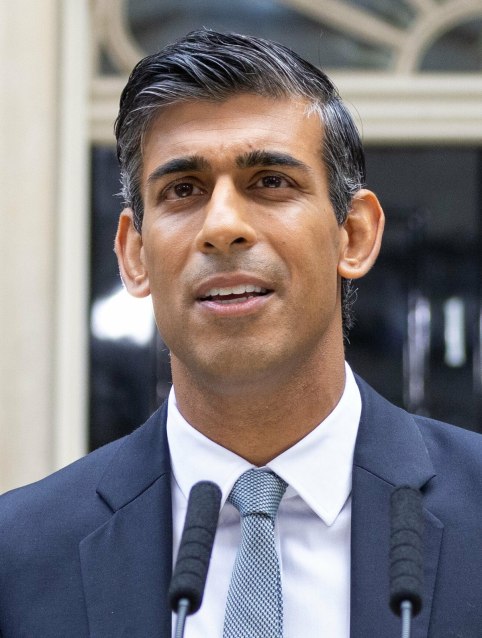
Rishi Sunak Pic Credit; Wikipedia

Back down to the real world the National Audit Office today published a report on one of the government’s initiatives – Making Tax Digital -and what a sorry story it is. For those familiar with Whitehall failures – it was the same story – the cost of the scheme had sky rocketed, its planned introduction had been delayed again and again – and worse, those businesses planning to go digital to pay their VAT, there was a huge additional cost, which somehow HMRC forgot to inform the Treasury.

The huge cost of switching the tax system to digital was supposed to cost £226 million when it was planned in 2016. This covered all VAT payments, businesses who pay via self assessment schemes and corporation tax. Instead it will now cost a staggering £1.3 billion – some five times the original estimate.

And it won’t be on time.

Scheme repeatedly delayed

The original programme was repeatedly delayed. Originally HMRC planned the entire changeover in 2020.

As the report says: “The timeframes for MTD[ Making Tax Digital] were agreed before HMRC had fully explored the range of options.” As a result large parts of the programme had to be rescheduled .And then came Brexit and the Covid pandemic which the hit the programme. Only VAT for larger firms was introduced before 2020 -in 2019 – and VAT for smaller companies waited until 2022 and the whole exercise cost £70m more than planned.

But it is the plan to switch over to digital tax for the self assessment businesses has been hit the most. The report said: In December 2022, the government pushed back the timetable for Self Assessment for the fourth time, delaying benefits and increasing costs further. On the advice of HMRC the government announced it would delay the start date for MTD for Self Assessment and take a phased approach to introducing it.
It won’t be implemented until 2026 or 2027 and even then not fully – as the original plan envisaged. It will apply to annual income above £50,000 in 2026 and above £30,000 in 2027. No date has been given for income below £30,000 which is still ” under review”.

HMRC left out cost to people of paying their VAT

On top of this HMRC in its business case forgot to tell the Treasury that it also landed business and taxpayers a bill for £1.45 billion. This is because for the digital system to work businesses and the self employed have to submit returns over three months and need to buy or lease expensive software to do it. So the government has put the cost on businesses avoiding the cost themselves. In my small way it hit me over VAT. Since my income was below the threshold I decided the simplest way was to deregister for VAT so the government now get nothing. Previously it was a simple form to fill in your quarterly VAT return supplied by HMRC.

HMRC said. “A project of this scale naturally comes with challenges, but MTD will deliver a strong return on investment for the taxpayer. We have always been wholly transparent about costs for business. We remain committed to ensuring that free software will be available for those with the simplest tax affairs.”

Gareth Davies ,Head of the NAO, said: ““The repeated delays and rephrasing of Making Tax Digital have undermined the programme’s credibility and increased its costs. They put at risk the support of taxpayers and delivery partners, including those who are essential to the programme succeeding.  

“Our audit identified the omission of significant costs from some business cases. It is obviously important that business cases for major programmes such as this contain all the relevant information to support decision-making.”

My view is a bit broader than that. I am getting very fed up with rhetoric from leading politicians telling the public that every project is world class when clearly it isn’t. This report from the NAO shows what is happening in the real world, not in the complacent fantasy world of the present Tory politicians who govern us.

Please donate to Westminster Confidential so I can continue by forensic analysis of government policies.

One-Time
Monthly
Yearly

Make a one-time donation

Make a monthly donation

Make a yearly donation

Choose an amount

£5.00
£10.00
£20.00
£3.00
£9.00
£60.00
£3.00
£9.00
£60.00

Or enter a custom amount

£

Your contribution is appreciated.

Your contribution is appreciated.

Your contribution is appreciated.

DonateDonate monthlyDonate yearly

please donate to Westminster Confidential

£10.00

Eco or ego Legacy Ltd: How a Labour peer was caught in the crossfire of an Irish company brought to its knees by ” mismanagement and intransigence “

Baroness Mary Goudie Official Portrait pic credit: parliament.uk

Last week the House of Lords Conduct Committee recommended Baroness Mary Goudie, a Labour peer, be suspended for six months from Parliament for entering a consultancy with an Irish eco company, which was declared late and providing advice to the firm who they should lobby in Parliament.

Normally this blog would condemn utterly any public figure who sells their expertise in Parliament for financial gain but there seem to be some rather peculiar circumstances in this case that make this judgement unduly harsh. Yes Baroness Goudie should be punished for breaching the Nolan code of conduct but her actions pale into insignificance compared to the behaviour of the bust company itself.

Obviously the role of the company is outside the remit of the House of Lords Conduct Committee but researching the history of this short lived firm reveals an extraordinary saga of events and Baroness Goudie seems to be left taking the rap.

For a start the case against her has been brought SIX years after the event in Parliament and FOUR years after a petition in the Dublin High Court forced it to go bankrupt. And the complainant has turned up with six year old emails, her consultancy contract worth 20,000 Euros over 10 months and internal corporate details of what she promised to do for them. It would suggest the person was either a member of the firm or knew someone there.

Parliamentary meetings never took place

She did plan to facilitate a meeting in Parliament where the directors could lobby an MP who belonged to an all party group on funerals and bereavement and write to the permanent secretaries of DEFRA and the Ministry of Justice. But the meeting never took place and the MP met the directors of ecoLegacy without Baroness Goudie being there. And there is no trace of any letter ever being written to the permanent secretaries.

Wrongly used the House of Lords library to help company

She wrongly used the House of Lords library to prepare a report for use by the company but as to be explained later it really didn’t tell them anything as the firm was using a new untried technology for cremation. Nor did she use debates in the Lords to promote the firm but was very late in registering her interest.

Now if we examine the firm its management record is appalling. It describes its business as “Provider of alternative processes to burial and cremation. The company offers burial and cremation alternatives that turn human deceased bodies into calcium and carbon powders and returns the powders in a biodegradable urn and seed which can be grown as a tree, helping families to remember their loved ones who departed.”

This sounds a lovely eco-friendly idea and the directors sought huge sums from wealthy American investors in ” start up ” schemes promising good returns. By the time it went bankrupt according to the Irish Business Post it had raised 7.2 million Euros and was running at a big loss.

Judge Deirdre Murphy at the Kennedy Summer School. Pic credit: Kennedy Summer School

The most devastating critique came from an Irish Judge Deirdre Murphy when she heard a petition from The William Jay Gencarella Family Trust, based in the US, in 2018

Her judgement read: “Two founding members of the company Tony Ennis and Brian McKimm, featured extensively in the evidence adduced on the hearing, both on affidavit and on cross-examination, but neither provided direct evidence to the court. The hearing was not so much “ Hamlet” without the prince as “ Two Gentlemen of Verona” without the two gentleman. During the course of the hearing there were allegations and counter-allegations that both had misappropriated company funds over the years. The court has the impression that in many respects the hearing of this petition was a proxy war between the two founding members, in which the petitioner has been ill-served and was liable to suffer collateral damage.”

She “appointed Declan Taite as liquidator to EcoLegacy Ltd which she said had been “brought to its knees” by the “mismanagement and intransigence” of one of its founders, Tony Ennis.

In another case before a judge in Dallas, Texas, three groups, Fox Bend Development Associates, Ltd., Fred and Michele Secker, and Jeffrey Hicks Trust 2005, sought to sue ecoLegacy. The citation reads: ” that Ennis made fraudulent misrepresentations and omitted material facts in soliciting Plaintiffs to invest a total of $3,250,000 into ecoLegacy. Plaintiffs assert claims for fraud, negligent misrepresentation, violation of Texas and federal securities laws, and costs and attorneys’ fees. “

Ennis got the case dismissed because there was an arbitration agreement built into the contract.

Was the project just a piece of Irish baloney?

The question must be asked whether the whole scheme was just a piece of Irish baloney. One engineer who worked on the project called Remo says it was not and could have succeeded but was brought down by disputes between directors. All this makes the crimes of Baroness Goudie seem small beer. if this is the Lords Conduct Committee suspension template, I can only think the alleged behaviour of Lady Mona on behalf of Metpro, the PPP supplier now being sued by the government, would see her banned for five years.

The other big question is whether Baroness Goudie knew about all these shenaghins. The main court drama came after she had finished her consultancy. If one looks at her website, it looks as though eco-funerals were never at the top of her agenda. Instead she is known internationally as a women’s rights and peace campaigner holding a number of distinguished positions. On the balance of probabilities, I think not. The problems in the company were not her fault but she should have checked it out more thoroughly rather than relying on a ” trusted friend”. It was a clash of egos that bought ecoLegacy down. It was more ego than eco.

Please donate to Westminster Confidential to allow me to continue my forensic reporting.

One-Time
Monthly
Yearly

Make a one-time donation

Make a monthly donation

Make a yearly donation

Choose an amount

£5.00
£10.00
£20.00
£3.00
£9.00
£60.00
£3.00
£9.00
£60.00

Or enter a custom amount

£

Your contribution is appreciated.

Your contribution is appreciated.

Your contribution is appreciated.

DonateDonate monthlyDonate yearly

please donate to Westminster Confidential

£10.00
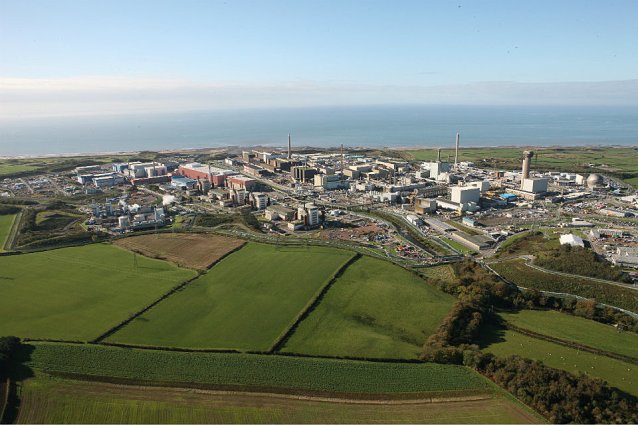
Massive win for nuclear whistleblower Alison McDermott against Sellafield for re-arguing the tribunal decision by employment judge Lancaster

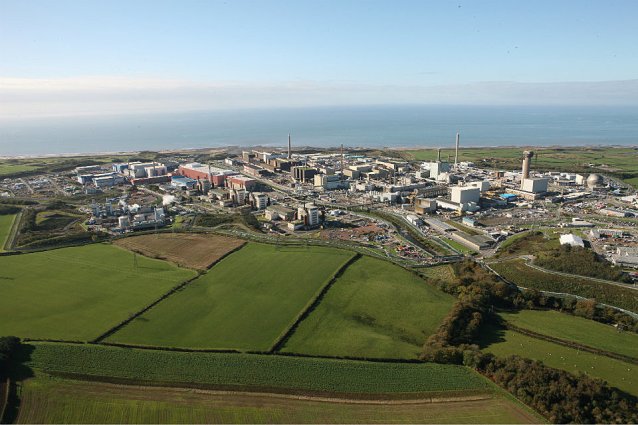
The Sellafield site

First hurdle over clearing the way for a two day hearing in January to decide on whether the 13 grounds mean the ruling is overturned

An employment appeal judge has ruled that the decision by Judge Philip Lancaster dismissing whistleblower Alison McDermott’s case against Sellafield and the Nuclear Decommissioning Authority can be challenged now on no fewer than 13 grounds.

This extraordinary ruling on Friday in London by Employment Judge Tucker took less than 10 minutes to grant after she read the submission by Andrew Allen, KC, Alison’s counsel , means practically everything Judge Lancaster decided is open to challenge at an Employment Appeal Tribunal hearing in January. She decided she did not need to hear oral submission from Andrew Allen.

Alison McDermott; Pic credit BBC

In an earlier particularly harsh decision Judge Lancaster had decided that she wasn’t even a whistleblower, for producing, at Sellafield’s request, a damning report revealing serious issues in the HR function including allegations of bullying and harassment. Prior to this Alison had raised repeated concerns about racism, homophobic and foul language and a workforce too frightened to complain to senior management there.

Despite admitting that some of the concerns Alison raised were: ‘very offensive and concerning ” the judge ruled: “The Claimant has not, on the facts, established any alleged disclosure which is properly capable of amounting to a protected qualifying disclosure or the doing of a protected act, or that there is any causal link between what she actually said or wrote.”

It is worth providing a brief recap of what Sellafield and the NDA have done to Alison.  She spoke out repeatedly about serious abuses of employees, including abject failures within the HR department, when the HR Director, Heather Roberts dismissed her overnight, allegedly for financial reasons. But when Alison started litigation, Sellafield changed its tune and Ms Roberts said she had had concerns about her performance and had only mentioned financial reasons to be kind. 

Sellafield then dragged out litigation for three years before making a last-minute offer of £160,000. When they realised the carrot hadn’t worked, they decided to go on the attack and subjected her to a brutalising cross-examination in which her character and competence were repeatedly vilified until she finally broke down on the witness stand.   But even then, they weren’t finished with her.  As soon as Judge Lancaster ruled in their favour, they lost no time pursuing her for costs   And all of this will have a hugely chilling effect on their 11,000 nuclear workforce.  

Judge Lancaster claims he concentrates on anti-discrimination cases

Judge Lancaster, who says he specialises in anti-discrimination cases, went on to support Sellafield’s allegation of “underperformance” describing the report as ” questionable and insubstantial ” and without ” meaningful analysis”. Judge Lancaster completely ignored that management consultants PwC ruled that the HR function was not fit for purpose some three months later.

By then Heather Roberts, then the HR director at Sellafield, had already sacked her on the spot and immediately buried the damning report and admitted to lying about the reasons.  Despite knowing that Alison had become so ill and had no income, the judge made a costs order against her and allowed Sellafield and the NDA to put in a claim for £40,000 costs against her.

Now Judge Lancaster’s own judgement will be in the firing line in January when an appeal tribunal examines 13 arguable grounds of appeal. In a skeleton argument, citing a previous judgement, Andrew Allen, KC, finds a plethora of errors in law which led to Judge Lancaster’s bizarre judgement that she was not a whistleblower. One paragraph that encompasses this – citing no fewer that eight grounds that the case could be challenged gives a flavour of this.

“It is an error of law for a tribunal to fail to give adequate reasons for its decisions so as to enable the losing party to understand why she has lost. The EAT has already decided that it is arguable that this tribunal have erred in law: in applying s27 EqA – in failing to recognise protected acts; in applying s109(2) EqA in identifying the correct relationship in dealing with agency; in failing to engage with the Claimant’s submissions in particular on adverse inferences, protected acts and agency; in failing to take a step back and look at the totality of the evidence; in failing to be Meek compliant; in failing to ensure compliance with the overriding objective to ensure that the parties are on an equal footing; in failing to ensure that the hearing was heard in public in failing to recognise that the Claimant has advanced argument on the facts and the law in relation to the agency point; and in failing to comply with the overriding objective in dealing with the case fairly and justly.”

Andrew Allen KC

Andrew Allen, KC also argued that the tribunal had failed to follow the principles of the law in pursuing costs again Alison which says should only be made in exceptional circumstances especially in the case of whistleblowing cases.

This case and Sellafield’s response is attracting wider attention. It is not just the UK press. On Friday, representatives of a prominent Norwegian environmental campaign group, Neptune Networks flew in from Oslo to attend the hearing.  

Norwegian national press to follow the case

Neptune Networks has been raising serious concerns about Sellafield for the last two decades and confirmed that they will be attending the main hearing on 17 and 18 January 2020 and they will be accompanied by members of the national Norwegian press.

Finally a little note about Judge Lancaster. He is also the chair of directors of a Christian charity, Spacious Spaces, based in Leeds, which offers treatment programmes for alcoholics and drug takers. Here he is known simply as ” Phil”. This is the note about him on their site.

“Phil Lancaster practised as a barrister, specialising in criminal cases. He is now an Employment Judge dealing primarily with the anti-discrimination laws. He is a member of St George’s Church, where he has been a church warden and served on the parochial church council. He is married with fairly recently grown-up children and a large collection of Bob Dylan cds.”

I find it a little perplexing given his Christian background and commitment to treating drug addicts and alcoholics that he is not concerned about what Alison McDermott exposed about the pressures on staff inside Sellafield who are working in the most hazardous nuclear site in Europe.  I also find it deeply disturbing that he made snide and pejorative comments about Alison both during the ET hearing and in the merits and cost judgment. 

An example of this is the nasty insinuations he made about Alison when he accused her in the costs judgment of bringing a claim ‘to advance her career across the nuclear sector’ even though she had turned down a £160,000 to bring her claim to court.   He also seems oblivious of the huge strain and damage whistleblowers face to their careers when they blow the whistle.   If his judgement is found to be so badly wrong by the Employment Appeal Tribunal, there must be some serious questions about justice in the employment tribunal system.

Please donate to Westminster Confidential to allow me to continue my forensic reporting.

One-Time
Monthly
Yearly

Make a one-time donation

Make a monthly donation

Make a yearly donation

Choose an amount

£5.00
£10.00
£20.00
£3.00
£9.00
£60.00
£3.00
£9.00
£60.00

Or enter a custom amount

£

Your contribution is appreciated.

Your contribution is appreciated.

Your contribution is appreciated.

DonateDonate monthlyDonate yearly

Please donate to Westminster Confidential

£10.00

How Sellafield and the Nuclear Decommissioning Authority misuse taxpayer’s money to hound a whistleblower

Alison Mc Dermott, whistleblower

One of the biggest tactics to frighten whistleblowers by big companies and health trusts is to threaten whistleblowers exposing malpractice, corruption and discrimination and say they have to pay hundreds of thousands of pounds in costs unless they settle or drop their claims for detriment at employment tribunals.

The tactic regularly used by firms and health trusts in employment tribunal cases is based on a lie. The maximum an employment tribunal can order costs is £20,000 per respondent. Only if it goes to the High Court can a firm or health trust demand such eye-watering sums.

However Sellafield, the NDA and the Business, Energy and Industrial Strategy ministry have decided that it is worth pursuing whistleblower Alison McDermott, a consultant formerly employed by Sellafield for the maximum £40,000 shared between the NDA and Sellafield. They know she has no income and they have even tried to close down her crowdfunding site to raise money to defend herself against their costs claim.

Her whistleblower site is here and you can donate to bring the sum up to £10,000 within the next 14 days otherwise she loses the lot.

Damning report revealed relentless bullying at Sellafield

Alison was called in by Sellafield’s human resources department to investigate their working practices and produced a damning report revealing employees were subjected to appalling racist, sexist and homophobic abuse and relentless bullying. Only 11 per cent felt they could raise issues with the company without reprisals and four percent thought they got honest answers. Faced with such a damning account Sellafield sacked her rather than change its ways.

This led to an employment tribunal case which not only found in favour of Sellafield and the NDA but saw her publicly denigrated by Sellafield’s barrister, Deshpal Panesar KC, who accused her of ‘acting out of revenge’  of being ‘intent on ruining careers’ of being ‘self-absorbed’ and ‘a woman clearly in pursuit of a windfall.’ 

The NDA tried to buy her off with a £160,000 pay out in return for her silence on what she had found at Sellafield. She refused to accept – arguing among other points that such a culture permeating a nuclear facility was dangerous given serious issues of health and safety. She tried to raise this with BEIS but they refused to meet with her having signed off the £160,000 settlement.

Now a judge has ruled that she is entitled to appeal on six different grounds – and she has secured Andrew Allen, KC, a lawyer who represented Dr Chris Day, in his recent whistleblowing tribunal case against Lewisham and Greenwich NHS Trust, to represent her.

But she has also to face a costs hearing. So how is this being pursued by the NDA and Sellafield.

Sellafield

I put in two freedom of information requests to Sellafield and the NDA on how much they had spent and the revelations were very interesting. Sellafield has already spent £5640.16 on external advice plus using its own staff to pursue Alison. The NDA spent £7524.58 on external legal advice and an unknown sum on staff time to pursue her. So before we even get to court over £13,000 has been spent using taxpayers money. Furthermore the NDA according to an internal memo spent money on lawyers trying to close down her whistleblowing appeal with no success. The total cost spent by both organisations fighting Alison has exceeded £500,000 of taxpayers money.

The replies also revealed that the boards of both organisations including the Chief executive officer of the NDA , David Peattie ,were ” apprised” of the decision meaning that it reached board level. BEIS was also informed and approved the costs case but declined to comment about it because of current legal proceedings. What on earth are the boards of these organisations spending their time on this when they have much serious work to do on issues like nuclear safety and disposing of old nuclear power stations.

Now when this gets to a tribunal there will be a two day hearing and according to internal NDA documents it was paying over £5500 a day for top notch barristers. It is reasonable to assume so was Sellafield. This means the hearing will cost another £22,000 as they will be represented separately.

So altogether we are taking about £35,000 as a minimum ( excluding staff time) to recover a maximum of £40,000. That is – if they win. And even if they win most judges rarely award the full sum if it is a litigant in person. It is more likely to be £5000. If they lose this is taxpayers’ money being thrown down the drain.

If this was a commercial company I very much doubt it would past muster as a ” business case”. It is only because the boards of these organisations have unlimited access to taxpayers money that they can pursue this.

And to my mind this is only being pursued to hound a whistleblower who has produced some very damning information about life in Sellafield. This has called Sellafield’s reputation into question and they don’t like it, hence this vindictive approach.

Please donate to Westminster Confidential to allow me to continue my investigations

One-Time
Monthly
Yearly

Make a one-time donation

Make a monthly donation

Make a yearly donation

Choose an amount

£3,500.00
£10.00
£20.00
£3.00
£9.00
£60.00
£3.00
£9.00
£60.00

Or enter a custom amount

£

Your contribution is appreciated.

Your contribution is appreciated.

Your contribution is appreciated.

DonateDonate monthlyDonate yearly

please donate to westminster Confidential

£10.00

Judge’s extraordinary injunction against HS2 protestors banning nearly one million people from trespassing anywhere on 170 mile route

HS2 Protest : pic credit: Construction News

The day after the official mourning period of the Queen ended Mr Justice Julian Knowles issued a judgement that made British legal history for its scope and scale of curbing future protests in England.

His ruling was an astounding victory for the HS2 Ltd – builders of the £98 billion high speed rail line – and Grant Shapps, the former transport secretary recently sacked by Liz Truss, the new PM.

They had sought an injunction to stop campaigners against the route from disrupting activity – such as building tunnels near London Euston and Staffordshire or trying to stop destruction of the countryside – such as in Wendover, Buckinghamshire- by injuncting all the people involved.

But Mr Justice Julian Knowles gave them more than they could have dreamed of – by injuncting any protest activity along the whole route from London to Crewe- and extending it to categories of unknown people as well as the 59 people named in the injunction bringing in hundreds of thousands of other people who support the protestors.

He ruled that “there has been significant violence, criminality and sometimes risk to the life of the activists, HS2 staff and contractors”, adding that “much of the direct action seems to have been less about expressing the activists’ views about the HS2 Scheme, and more about trying to cause as much nuisance as possible, with the overall aim of delaying, stopping or cancelling it via, in effect, a war of attrition”.

Massive legal precedent set by judge

The legal precedent the judge has allowed could open the doors to other national bodies – such as EDF who run state owned nuclear power plants – or Sellafield to seek such wide ranging injunctions against nuclear protestors – or new fracking companies extending their local injunctions to cover the whole of the country. Or the Just Stop Oil protestors – who have dug tunnels at oil terminals – could find them subject to a national ban.

Parliamentary sovereignty invoked

The judge’s reasoning was simple. He was not taking sides on whether he approved or rejected the construction of HS2. Instead he said the scheme had been approved and debated by Parliament and to protest against it by causing criminal damage was effectively in breach of Parliamentary sovereignty. He denied that his decision would have a chilling effect on protests because people could protest peacefully without having to trespass on the site or block construction entrances.

He bought the arguments of HS2 that these had already cost them £120m and could cost £200m and provided work for 27,000 people. He also accepted that HS2 could not afford to employ security staff or ask the police to patrol the entire route. He saw no point on HS2 issuing damages claims against the named individuals because they had no money.

He defended the huge scale of his injunction by saying: “I have anxiously considered the geographical extent of the injunction along the whole of the HS2 route, and whether it should be more limited.

“I have concluded, however, given the plain evidence of the protesters’ intentions to continue to protest and disrupt without limit – ‘let’s keep fucking up HS2’s day and causing as much disruption and cost as possible. Coming to land near you’ – such an extensive injunction is appropriate.”

Warning to over zealous security staff

He did however issue a warning to overzealous security staff injuring protestors citing the case of one person who knelt on a protestor’s neck – similar to the case of George Floyd who died in the US when a policeman knelt on his neck and sparked the Black Lives Matters protests. Presumably he didn’t want a Protestors Lives Matters campaign in the UK.

What is more interesting is the service of the injunction – which could land people in prison if they disobey it.

For the 59 people named he ruled: “Service of this Order on Named Defendants may be effected by personal service where practicable and/or posting a copy of this Order through the letterbox of each Named Defendant (or leaving in a separate mailbox), with a notice drawing the recipient’s attention to the fact the package contains a court order. If the premises do not have a letterbox, or mailbox, a package containing this Order may be affixed to or left at the front door or other prominent feature marked with a notice drawing the recipient’s attention to the fact that the package contains a court order and should be read urgently.”

But for the unnamed people the judge ruled that Facebook and Twitter had made large number of people know about the injunction. The protestors’ fundraising account had 265,268 followers.

Grant Shapps at the HS2 Old Oak Common construction site Pic credit: HS2 Ltd

“A non-exhaustive review of Facebook shows that information about the injunction and/or the link to a fundraiser has been posted and shared extensively across pages with thousands of followers and public groups with thousands of followers. Membership of the groups on Facebook to which the information has been shared amounts to 564,028.”

So there was no need for HS2 to individually inform these people.

A spokesperson for HS2 Ltd said: “HS2 Ltd welcomes this judgment and its approval of the route-wide injunction. As Justice Knowles makes clear, this injunction will not, and is not intended to, stop legitimate protest. Instead, we hope the injunction will prevent the violence, intimidation and criminal damage these protests have frequently caused, harming the HS2 project and those working on it, and costing the UK taxpayer millions of pounds.”

But it looks as though protestors may challenge this judgement

The Guardian reported :” Lawyers representing one of the environmental activists. Nicola Hall of Robert Lizar solicitors, representing the activist James Knaggs, said: “This is a disappointing outcome. This injunction represents a concerning extension of the powers of a state-owned limited company to control and police large swathes of land across England. There is a concern that it constitutes a wide-ranging restriction on protests opposed to HS2 and is of extremely large geographical scope. It applies to very large areas of land, much of which is unfenced and unmarked.”

I can see this issue developing now Liz Truss is committed to creating growth and allowing free market policies at the expense of the environment, human rights and equal justice for all.

Please donate to Westminster Confidential to allow me to continue my forensic reporting.

One-Time
Monthly
Yearly

Make a one-time donation

Make a monthly donation

Make a yearly donation

Choose an amount

£5.00
£10.00
£20.00
£3.00
£9.00
£60.00
£3.00
£9.00
£60.00

Or enter a custom amount

£

Your contribution is appreciated.

Your contribution is appreciated.

Your contribution is appreciated.

DonateDonate monthlyDonate yearly

Please donate to Westminster Confidential

£10.00

Industrial espionage, destroyed documents, search warrants and contempt of court – all around the home delivery of your groceries

Ocado grocery delivery van. Pic credit: Which?magazine

Extraordinary story of how two high flying former Ocado executives planned to use the company’s trade secrets to get business from rivals Waitrose

You will know that home delivery of your groceries is competitive with supermarkets vying with each other for your business. All rely on some form of new technology to get this done.

This week a final court judgement saw a City solicitor being convicted of destroying documents required by a court order in a culmination of an extraordinary saga that has raged for the last three years over home grocery deliveries.

The case had been brought by Ocado Plc, the parent company of the on line grocery retailer, which used to deliver groceries for Waitrose and now delivers groceries for Marks and Spencer as well as its own goods.

One of the co founders of Ocado, Jonathan Faiman and later another executive, Jonathan Hillary, left Ocado to set up a rival grocery technology business called  Project Today Holdings Ltd.

Marks and Spencer logo; Pic Credit: Wikipedia Commons

But as the courts were told their business plan was far from ethical. Mr Faiman tried to get a deal with M&S but was beaten by his former employer, Ocado. At a meeting with M&S to discuss the plans with the company’s chief executive, Steve Rowe, Mr Faiman insisted his colleague -Mr Hillary, still working for Ocado, should have a secret identity only known as” Jon”. Unfortunately for him when the trial began Steve Rowe recognised that Jon was Mr Hillary. A memo also revealed Mr Faiman had contacted senior Ocado staff using ” burner phones”.

Mr Faiman then opened talks with Waitrose and wanted to win their business using Ocado’s trade secrets. To get their business he got Mr Hillary to copy them. Over dinner at Mr Hillary’s home Mr Hillary provided Mr Faiman and Mr McKeeve with documents. These included a copy of a set of contract terms recently agreed between Ocado and M&S entitled, “Agreement for the Provision of the Apricot Smart Platform” (the “OSP Contract”), and operational schedules for Ocado’s contract for the provision of the Ocado Smart Platform to Groupe Casino (a French Supermarket group) (the “Operational Schedules”).

Discussions with Waitrose proceeded constructively, and on 15 May 2019, Mr Hillary resigned from his position at Ocado for a new role with Today. On 16 May 2019, Waitrose announced a new commercial relationship with Today. On 23 May, Mr Hillary was placed on gardening leave by Ocado. He remained an Ocado employee.

Ocado came to be concerned about Mr Hillary’s activities in communicating with Mr Faiman. They suspected he had handed over confidential information and/or had been working for Today while still employed by Ocado, in breach of his contract of employment.

According to Mischon de Reya, Ocado’s solicitors Faiman and Hillary later admitted in a settlement statement “While still employed by Ocado, Mr Hillary, at Mr Faiman’s request, provided Mr Faiman with a significant number of confidential documents belonging to Ocado, including documents relating to the running of Ocado’s automated warehouses and the key agreement under which Ocado would provide its online grocery technology to the joint venture with M&S.”

Mr Faiman then admitted he was taking the hard copy confidential documents with Ocado’s trade secrets to Waitrose with the aim of cementing a business deal just as Ocado, went for a search warrant to find out whether its documents had been stolen. Waitrose when it realised what was happening pulled out of any deal.

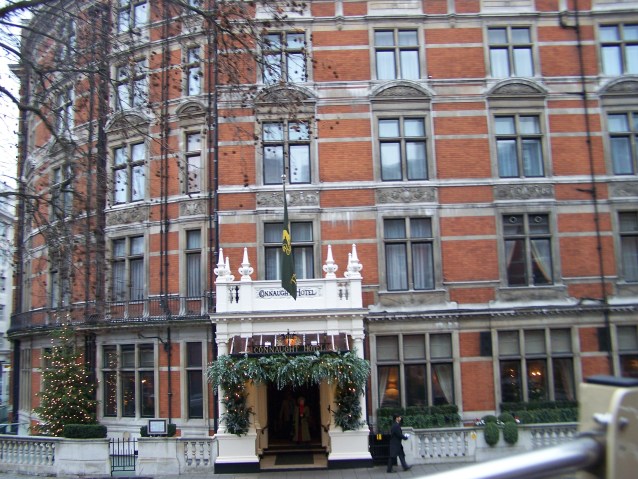
But the situation was going to get much worse. The courts granted a search warrant covering the Connaught Hotel, a luxury five star hotel in Mayfair, London where Mr Faiman was staying and Mr Hillary’s home in Ascot and the firm’s offices in The Foundry in Fulham. The search warrant covered documents, electronic devices and mobile phones and Ocado’s secret documents were recovered from Mr Faiman’s hotel rooms.

Connaught Hotel, Mayfair where lawyers found the Ocado documents

Mr Faiman decided to involve his friend Raymond McKeeve, a City solicitor , who counted his company as a client. Mr McKeeve had been involved in the Waitrose negotiations. When told of the search warrants he panicked rang an IT employee and told him to ” burn all” – ie start destroying them. This happened just after the search warrants had been served.

The reason, as the courts were to discover, was that the company had a sophisticated private message and call system -known as the 3CX app- as a way of disguising its dealings between Mr Faiman and Mr Hillary so Ocado would not know. The system could be destroyed permanently at short notice. Mr McKeeve was particularly worried as his wife’s name Belinda de Lucy who then was elected as a Brexit Party European MP for South East England, without her knowledge and he thought she would be drawn into a dispute with Ocado. Her name was first used as pseudonym for Mr Hillary to communicate with Mr Faiman.

Ocado bring claim for criminal contempt against City solicitor

Ocado plc brought a claim for criminal contempt accusing Mr McKeeve of intentionally interfering with the administration of justice by causing the deletion of documents which were essential to Ocado’s case and thwarting the purpose of the search warrant. They also tried to extend this to other documents and email systems.

Mr Faiman and Mr Hillary had to agree to permanently destroy all the stolen documents and a pay a very large undisclosed sum to Ocado in a settlement. His company is now in administration – the last known accounts at Companies House showing it owed over £8m to creditors- including nearly £2m to HM Revenue and Customs. Mr Faiman declares his official residence is in the tax haven of Monaco.

But for Mr McKeeve it was not all over as he faced criminal contempt charges.

Mr Justice Adam Johnson Pic Credit: Judicial Appointments Commission

At the hearing Mr McKeeve, a City solicitor with a number of private equity clients, clearly did not realise how serious this had been. The judge, Mr Justice Adam Johnson, described him in his judgement as “an intelligent and driven individual. At the relevant time, he had a successful practice as a solicitor in the private equity field, which he was proud of.”

The judge said “at times [he] exhibited a degree of arrogance (for example, in the evidence he gave about his ability to “annihilate” complex legal documents at high speed). He was also at times combative in the evidence he gave.”

The judge said he had shown ” shame and embarrassment” for what he had done saying at one point: “The idea that I would have committed a contempt of anything just horrifies me. The word is so perfectly chosen because it is a most horrendous word. I would only show contempt where enemies of the state or people are trying to harm my family. The idea of showing contempt for the rule of law and the court is just beyond the pale.”

McKeeve’s act of colossal stupidity – judge

But the judge said despite everything he “could not quite bring himself to accept that what he had done wrong might amount to a contempt of Court.” What he did the judge concluded his conduct had been a ‘spontaneous act of colossal stupidity’.

Judge Johnson found him guilty of contempt of court over the destruction of the phone system but not on other additional cases brought by Ocado,

A spokesperson for Ocado said: ‘We felt compelled to bring this solicitor’s conduct to the attention of the court as it was the right thing to do. Ocado has been vindicated in its decision to do so. We welcome the judgment but take no joy in it. It is regrettable that a solicitor failed in his duty to uphold the administration of justice and was found to be in criminal contempt of court.’

The case was adjourned until October 4 to decide what sanctions Mr McKeeve will face for his contempt.

Please donate to Westminster Confidential to allow me to continue my forensic reporting.

One-Time
Monthly
Yearly

Make a one-time donation

Make a monthly donation

Make a yearly donation

Choose an amount

£5.00
£10.00
£20.00
£3.00
£9.00
£60.00
£3.00
£9.00
£60.00

Or enter a custom amount

£

Your contribution is appreciated.

Your contribution is appreciated.

Your contribution is appreciated.

DonateDonate monthlyDonate yearly

Please donate to westminster Confidential

£10.00

Another pension scandal: Incompetent financial advisers rip off steelworkers in the wake of the collapse of Tata Steel

Scunthorpe Steelworks Pic credit: Alan Murray-Rust

It is not just the DWP that can make a fine mess of pensions. A report just out from the National Audit Office reveals how thousands of steel workers have been swindled out of their their company pensions by incompetent and in some cases dodgy financial advisers.

Rocked by the sudden collapse of Tata in 2016 – brought out for a £1 by private equity group Greybull only to collapse again and be taken over by a Chinese firm, this uncertainty led to the government separating out British Steel’s pension scheme from the company to protect people who still had a final salary scheme.

But unfortunately some were offered to swap their pension for a far more risky package that no longer guaranteed a final salary pension.. The scheme now closed allowed steelworkers to retire on a final salary at 60 or 55 if they were made redundant. Who today would not welcome such a good deal.

But some 8000 steelworkers chose to use their right to transfer out of the pension scheme. Some 95 per cent of them were advised by independent financial advisers. Nearly half the steelworkers were given dud advice.

The workers were given only a short window to transfer by companies that had little experience in dealing with such a large number of people. The companies also made a shed load of commission for themselves in handling the deals.

The report concludes that the workers in places like Teesside and Scunthorpe were vulnerable to pension mis selling by financial advisers. Already spooked by whether they would keep a job, they thought it was a good idea to opt for a private pension. They have now lost an average of £82,600 – with some losing up to £489,000. The maximum claim they can make is £85,000 or £50,000 of the firm collapsed earlier. The total amount lost comes to £18m.

Industrial scale of the rip offs

The industrial scale of the rip offs can be shown by how many firms have been fined . The Financial Conduct Authority (FCA) has issued  £1.3 million of fines and has 30 more enforcement investigations ongoing. It has also changed its approach to regulating the pensions advice market in response. Many of the advisers at the time were one horse businesses -too small then to be regulated.

The investigation has also revealed how badly bodies supposed to protect ordinary people can cope with the problem – The FCA and the Pension Ombudsman- do not come out well – just as the DWP and Parliamentary Ombudsman don’t do a good job in rectifying complaints. The FCA has now sharpened up its act as a result of this – and not before time.

Just like the Parliamentary Ombudsman the process to get redress is complex and difficult to understand, Perhaps it is no wonder that only only 25% (1,878) of members who transferred out of the BSPS [ British Steel Pension Scheme] have sought redress through complaints. The FCA is yet to decide whether to implement a consumer redress scheme for BSPS members, in which all firms involved would have to review their advice and potentially offer compensation.

The report reveals that many don’t even realise they can get redress – so bad have the authorities been in not telling them. Many of them won’t be able to recover all the money because the firms have gone bust and will have to rely on a national compensation scheme.

Meg Hillier chair of the Public Accounts Committee

Meg Hillier, chair of the Commons public accounts committee, sums it up well:

British Steel pension members were badly let down by placing their trust in the very system designed to protect them.

“The handling of the BSPS case was a failure from top to bottom. Many of the pension advisory firms gave bad advice to customers and the FCA, whose job it is to regulate these firms, was asleep at the wheel.

“Efforts to improve the pension advice market and provide compensation will be too little too late for many BSPS members. “The bottom line is that many pension members have been left out of pocket and seen the rewards for their years of hard work melt away”

The Financial Conduct Authority issued this statement:

“In a letter sent today, the FCA has set out its expectation that firms in the scope of a potential redress scheme should retain assets and should not try to avoid their responsibilities.

The FCA has warned it will take such action as it deems necessary if a firm attempts to avoid redress liabilities. 

Former BSPS members should continue to check whether they received unsuitable advice and find out how to complain at fca.org.uk/bsps.

Firms should continue to progress any existing FCA required Past Business Reviews and engage in any ongoing enforcement investigations or supervisory work connected to the British Steel Pension Scheme.”

There seems to be another moral of this story, Be wary of silken tongue financial advisers and research very carefully what you want to do with your pension. Remember not all of them are competent and some are just plain dodgy.

Please donate to Westminster Confidential to continue my forensic investigations.

One-Time
Monthly
Yearly

Make a one-time donation

Make a monthly donation

Make a yearly donation

Choose an amount

£5.00
£10.00
£20.00
£3.00
£9.00
£60.00
£3.00
£9.00
£60.00

Or enter a custom amount

£

Your contribution is appreciated.

Your contribution is appreciated.

Your contribution is appreciated.

DonateDonate monthlyDonate yearly

Please donate to Westminster Confidential

£10.00
Finally shopworkers to get more protection: Tougher law for those who attack them

In the dying days of last week’s Parliament the government finally quietly agreed that shopworkers alongside other workers who serve the public should get greater protection from abusive customers.

USDAW campaign poster

Ministers are using the Police, Crime and Sentencing Bill to make it an aggravated offence to assault or abuse people who are serving the public. At present it is up to the judges’ discretion whether it is under the present sentencing guidelines.

It follows years of campaigning by USDAW, the retail workers union, to get more protection for shopworkers and growing evidence, sadly, of more violence, abuse and threats, from customers to staff.

The government chose the House of Lords to amend the bill last Wednesday night.

Baroness Williams., minister of state at the Home Office: Official portrait

Baroness Williams of Trafford, a junior home office minister, said: “The amendment places in statute the aggravating factor applied by the courts in cases of assault where an offence is committed against those providing a public service, performing a public duty or providing a service to the public.

…..”This includes assault occasioning actual bodily harm, wounding with intent to cause grievous bodily harm, malicious wounding and threats to kill, as well as an inchoate offence in relation to any of these offences. These are the assault offences most likely to be experienced by front-line workers. Importantly, the provision also allows the court to apply the aggravating factor to any other offence, where the court considers this factor relevant.”

“This amendment will reinforce in statute the seriousness with which the courts should treat these offences. It will send a very strong signal to the public that assaults of this kind are totally unacceptable. The Government want to ensure that all those who serve the public can feel protected from abuse when working.”

Baroness Trafford added: “

“During the pandemic we have all seen some appalling stories of how shop workers have been treated. USDAW has been really good in standing up to that.

I pay tribute to John Hannett, the former general secretary of USDAW, to Paddy Lillis, the present general secretary, to the staff and to the many hundreds of thousands of USDAW members who have not let this issue rest. I also pay tribute to some really good employers, the supermarkets that understand the problems their staff have. The Co-op, Tesco and many others have stood up and backed the union and its members. This amendment has also been led by the work of Daniel Johnson MSP in Scotland. He got his Private Member’s Bill through last year. “

Lord Vernon Coaker, official portrait

The move was welcomed by all peers include Lord Coaker, who as Vernon Coaker was Labour MP for Gedling in Nottinghamshire, and an USDAW member, who proposed a specific offence to protect shopworkers resulting in one year’s imprisonment.

The union itself described it as ” a step in the right direction” after years of campaigning for it.

Former Tory minister Baroness Neville-Rolfe said: ” That is against a background of 455 security incidents a day, according to the BRC,[British Retail Consortium] and very few prosecutions.

Inadequate police response

“The police response to these incidents has historically been inadequate. We need to ensure that the police have the right resources and can put a higher priority on prosecuting these retail crimes. This is particularly important given the role of retail workers in enforcing Covid restrictions such as masks, but also in addressing knife crime and shoplifting23>

She succeeded, in getting a promise from the minister to review how the new measures were working in a year’s time.

This was backed up by Lord Dholakia, a Liberal democrat peer, who said: “forces such as Thames Valley Police inform local shops that they will not send out officers to deal with shoplifters who steal less than £100-worth of goods. How can this foster trust and build confidence? It cannot; it means that many businesses feel as if they are alone in this fight—a fight that is a risk to their very business.”

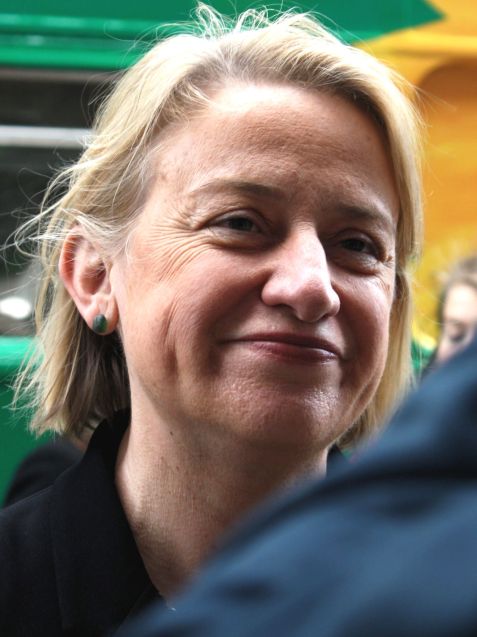
Natalie Bennett Green P:arty peer

Green Party peer Baroness Natalie Bennett also pressed the minister whether the change in the law would cover threats over the phone or on line. The minister thought it would.

One extraordinary omission in this debate was any reference to the fact that Therese Coffey, the work and pensions secretary, is about to submit an application from the United Kingdom to ratify the International Labour Organisation’s new convention outlawing violence and harassment at work.

This change in the law speaks directly to both the spirit and letter of the new convention and will certainly be used as an example that the UK is complying with it. Yet it seemed to have passed ministers and peers by. Perhaps this government is so disjointed that Therese Coffey has not talked about it with Priti Patel, the home secretary. Given all the furore on everything else perhaps she forgot to tell her.

Please donate to Westminster Confidential to allow me to continue my forensic investigations.

One-Time
Monthly
Yearly

Make a one-time donation

Make a monthly donation

Make a yearly donation

Choose an amount

£5.00
£10.00
£20.00
£3.00
£9.00
£60.00
£3.00
£9.00
£60.00

Or enter a custom amount

£

Your contribution is appreciated.

Your contribution is appreciated.

Your contribution is appreciated.

DonateDonate monthlyDonate yearly

Please donate to Westminster Confidential

£10.00