Guest blog: Dr David Ward’s prescription for Wes Streeting’s promised reform to protect whistleblowers

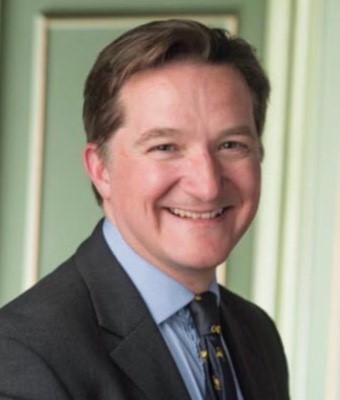
David Ward, retired consultant

Wes Streeting, the health secretary has promised new protections for whistleblowers but do they go far enough? Dr David Ward gives a detailed list of proposals that the NHS should implement and calls for lawyers and courts to play no part in the process.

NHS whistleblowers are obliged by law to raise patient safety concerns and are punished having done so. (Arising out of conversations with other doctors particularly members of Justice For Doctors. https://www.justice4doctors.co.uk ).

1. All “whistleblowing” issues should be formally logged by the Trust (hospital) in which they have arisen and in a statutory, independent central register which is open to scrutiny and auditable. Isn’t an audit trail essential for regulatory and financial reasons?

2.Hospitals should be banned from dismissing a doctor who has raised safety concerns as they are obliged to do by MHPS, Duty of Candour laws and the Hippocratic Oath. This is a simple idea which could be implemented without complex regulatory amendments. Devices such as dismissal by “Some other substantial reason or “SOSR” are convenient for the dismissing Trust to bury all sorts of evidence. NDAs are another trick which could impede investigation of evidence. It reeks of “dodginess”

3.Hospitals and their managements should be compelled by statute to urgently investigate concerns raised by a whistleblower. Failure to do so could be regarded as some sort of Tort because harm to patients could (and probably will) recur. (The concerns cannot be investigated if they are not known, doh!). Investigations should be conducted independently not by internal personnel because these are known to be biased (no, really?). External investigators (whether MHPS or otherwise) can be paid large sums by the Trust. The results are not infrequently “favourable” to the Trust. A new, more open and accountable system should be introduced.

4.The problems reported by a whistleblower should be remedied as soon as possible to reduce the risk of further harm. This hardly needs stating, does it? But a remedial approach (even if it is instigated) nearly always takes second place to hyper-investigation (persecution) of the doctor who has reported the problem. Imagine if such vigour could be directed toward correcting any shortcomings, improving processes, enhancing safety and so on. It could even save money as well as improving patient safety. “A stitch in time….”
5.NHS Trust Managers should be formally regulated by a statutory independent body. They should be subject to regulatory bodies just as the medical professions are – and disciplined if they “manipulate” the truth. There are examples of “wild west behaviour” by managers which would be stopped immediately if regulation were in place.
6.“Maintaining High Professional Standards” (MHPS) investigations are internal and unregulated. (See St Helier Hospital saga on this blog). “Marking one’s own homework” comes to mind. Investigators can be “hired guns” who will produce a report favourable to the Trust for a “fee” (taxpayer funded of course). Corrupted or what? (Let me be clear, I am not suggesting any cause-and-effect relationship between the fees paid and an outcome “favourable to the Trust”). Data about any of these matters which are prevalent all over the NHS is, unsurprisingly, not available (see 1).

7.Stop the wastage of £millions of taxpayers’ money on lawyers defending Trusts at Employment Tribunals against the unfunded “claimant” (the solution is at 2). This egregious inequality of arms should be disallowed but if (2) was implemented it would not arise. Another way of putting this is “stop persecuting whistleblowers who are doing their duty”. It is the Tribunal system which endorses a Trust’s decision to dismiss a doctor (if the dismissed doctor seeks the support of a Tribunal he is unlikely to succeed: see 15) . (How much taxpayer funded money is expended on law firms supporting Trusts against the claims of a dismissed doctor? This is my FOI request February 2023:

Expenditure by NHS Trusts defending allegations by “whistleblowers”

The answer was “DHSC does not hold information relevant to your request”. Perhaps not but I am willing to bet it is kept somewhere.

8.Lawyers and Courts have no place in the investigation of patient safety issues (see 2 and 6). Lawyers have little or no appreciation of health issues and the operation of a hospital. They are not best placed to investigate patient safety issues which are, unsurprisingly, central in whistleblowing cases.

9.Patient safety is prime. There should be no stigmata or detriments attached to raising patient safety concerns. Failure to raise or conceal a concern could be an offence.
10.Non-disclosure agreements (NDAs) about safety issues should be banned. They may be abused to conceal safety evidence. Information which is not disclosed cannot be tested can it. Could this be an intended (or unintended?) consequence of NDAs?
11.PIDA 1996 (section2, 47b (1): “A worker has the right not to be subjected to any detriment by any act, or any deliberate failure to act, by his employer done on the ground that the worker has made a protected disclosure”. So, no whistleblower can be dismissed because they have “made a protected disclosure” as that is forbidden by PIDA. But they can be dismissed (conveniently) “having made such a disclosure” just not for that reason. Usually one of the 5 “fair” reasons for dismissal is invoked including, “committing some form of misconduct” and “SOSR” (see 13). (See the case of Martyn Pitman on this blog). The section of PIDA referred to above is a loophole which is open to (possibly deliberate) misinterpretation. Perhaps it was written like this for a reason, who knows. Shouldn’t the loophole be closed and PIDA updated?

12.Is the Dunning-Kruger effect (qv) relevant?  Yes. It could apply to elements and procedures of the British Establishment – such as the Judiciary and the Employment Tribunal system. “The Dunning–Kruger effect is defined as the tendency of people with low ability in a specific area to give overly positive assessments of this ability”. (Wikipedia). Take a moment to think about D-K in the context of the treatment of whistleblowers. It rings true, doesn’t it.

13.Dismissal of an employee can be for any one of the 5 reasons specified in the Employment Rights Act 1996, Section 98. The last of these is “SOSR” or “some other substantial reason” which need not be specified (obviously) which is very convenient (see 11). Some reasons are specified but these are not exclusive and there is no need to specify a reason – which is why this clause exists, right? I need not enlarge on why this is another fudge but it is open to abuse. The notable observer and blogger, Dr Minh Alexander has ascertained (via an FOI request) that over 10,604 staff were dismissed by the “SOSR” method between 2010 and 2018 (Yes, she does provide a detailed breakdown of the figures, see link). This is a staggering statistic which surely points to a profound failure of process.

The Dismissal of over Ten Thousand NHS Staff via ‘Some Other Substantial Reason’

14.Resurrect the “problems of whistleblower persecution” for debate in Parliament with an emphasis on “protection”. I believe several proposals are under consideration including some by the Rt Hon Wes Streeting MP, Secretary of State for Health and Social Care, who will become a hero to many if he achieves what is required.

15.Doctors who have been whistleblowers and subsequently dismissed are well advised to avoid the legal profession. One thing that does emerge from my exploration of this fraught topic is that doctors (as a retired medic I can speak for this profession) who have been “dismissed” should not go anywhere near a law firm or engage the Employment Tribunal process for all the reasons I need not enumerate here. Fewer than 3% who do so will emerge victorious. Some have been bankrupted by the process. Open and fair justice? I don’t think so

Who are the ultimate losers in all this ? You may ask why make such a fuss? I will answer directly. It’s not primarily about the Judiciary, or the Employment tribunal system, or hospital managements, or even doctors and healthcare staff. On the contrary it is fundamentally about sick people, or “patients” when they seek medical advice. It is these “end-users” of the NHS who suffer when doctors (or any HealthCare professionals) who speak up about patient safety (aka whistleblowers) are subjected to kangaroo courts and persecution culminating in their dismissal and whose lives are consequently ruined: loss of a career, loss of self-esteem, disruption of family life, possible financial ruin (lawyers bills really are “astronomical”), and even more extreme consequences. If you think I am exaggerating read the story of Mr Martyn Pitman FRCOG, Consultant Obstetrician a man of high integrity and whistleblower who lost his career at the whim of a Tribunal sitting before a judge who probably has no idea what a Fallopian tube is. The Tribunal stated:

“Our issue was never about the concerns raised by Mr Pitman, but about concerns

raised by others of disruptive behaviour and then a breakdown in working

relationships. These factors are damaging in any workplace, but in a healthcare setting, which is by its nature an intense and pressurised environment, their destabilising effect

is even more serious.” https://www.theguardian.com/money/2023/oct/29/whistleblowing-cost-hampshire-doctor-dearly-after-he-loses-tribunal

The judgment refers to “bullying and undermining behaviour” or similar 6 times but the word “concerns” appears 123 times. Have I made the point?

Anyone who knows anything about the modus operandi of Employment Tribunals will see through this obfuscatory gobbledegook immediately. I doubt even the Tribunal persons who wrote it knew what they were talking about. What is happening to justice in this country?

David Hencke at Westminster Confidential dissects the absurdity of Judge Gray’s “reserved judgment” in this case. https://davidhencke.com/tag/judge-jonathan-gray/

One-Time
Monthly
Yearly

Make a one-time donation

Make a monthly donation

Make a yearly donation

Choose an amount

£5.00
£10.00
£20.00
£5.00
£15.00
£100.00
£5.00
£15.00
£100.00

Or enter a custom amount

£

Your contribution is appreciated.

Your contribution is appreciated.

Your contribution is appreciated.

DonateDonate monthlyDonate yearly

Please donate to Westminster Confidential

£10.00

A horrendous tale: How a strapping lad was injured for life at work and then fell victim to corporate power and unfair justice

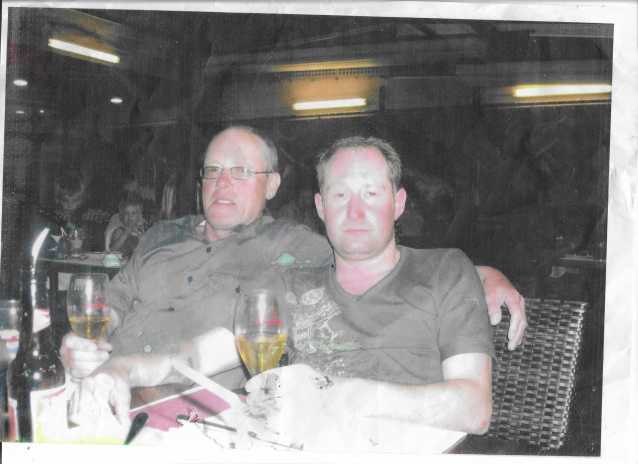
Happier times. Matthew Reynolds (right) enjoying a drink with his late dad, Howard, before his horrendous accident

Matthew Reynolds was a strong strapping lad who earned good money – £80,000 a year – as a welder at the Tata Steel works in Port Talbot, South Wales. He had already bought his own flat and his future was bright.

Then one day as he was welding steel a large heavy refractory brick in the roof of the works came loose and fell 150 feet hitting him on the side of his back. His injuries confined him at the time to a wheelchair, cost him his well paid job, and damaged his spine so he can’t easily move his neck and caused other painful injuries. He had to sell his flat in Port Talbot at a loss ( it was up a flight of stairs) and move back home with his mother in rural Lincolnshire. Today he can barely hobble around, needs help to dress himself and has very little likelihood of getting another job.

This story is not about his injuries -horrendous as they are – but what happened when he tried to claim compensation from Tata Steel so he could live a reasonable life as a disabled person who would always need expensive help and care.

Any reasonable person would expect a multinational company run by a billionaire to pay substantial compensation, especially as the incident had to be reported to the Health and Safety Executive and the company admitted liability.

But in today’s world corporate responsibility is not that straightforward or even ethical. Tata Steel appear to employ health insurers to assess their responsibility and the offer made to Matthew was less than his annual salary – over £50,000 – for a lifelong injury. The figure based on 6 per cent of his claim was recommended by Tata’s health insurers – either coincidently or in line with initial payments offered to sub postmasters.

Just £9500 initial compensation for being left in a wheelchair

As a result he has had to use the county court system for the last SEVEN years to put in a claim and it remains unpaid at the moment. The only money he has received is an initial interim payment of £9500.

Tata, Dousan Babcock, who were managing the site, and Primetals Technologies Ltd- combined to oppose his claim seem to be relying solely on the initial assessment made at accident and emergency department in October 2018 which found no bones were broken but there was serious damage to soft tissue. However three independent specialist doctors have linked other serious damage to himself to the accident. Three and half years later, Mr Caspar Aytott, of Cheltenham Spine Centre found the severe pain had spread from his lower back into his flank, up to his chest into the shoulder and neck with difficulty raising his left arm. This is despite having physiotherapy and two spine injections which had no effect.

Then a rheumatologist found 20 months later that he still had chronic pain and was suffering from fibromyalgia and post traumatic stress disorder due to the accident. A third independent doctor, Karen Simpson, who examined him found he had damaged nerves and wanted him to have rehabilitation which he never got.

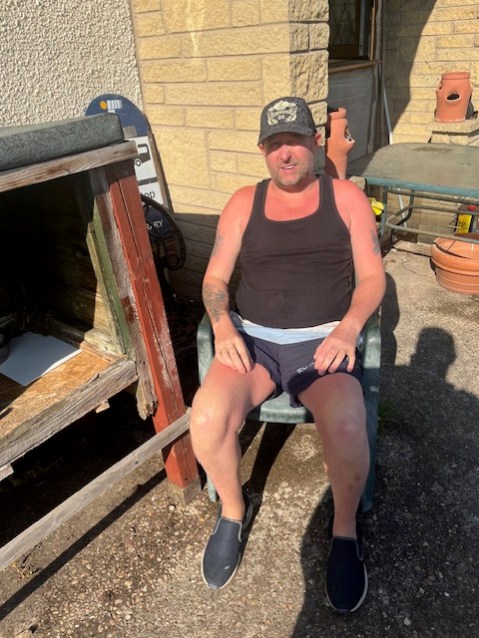
Matthew Reynolds today -now aged 45

What was clear was that he was not returning to full health and getting worse not better. In the meantime his case was dragging on through the slow county court system, which has been heavily exposed by the Commons Justice Committee in a recent report. See my story on this blog here.

During the proceedings that followed his solicitor, supposed to be a family friend who offered to take his case on a ” no win, no fee” basis gave him spectacularly bad advice. This included him cancelling his GMB union subscription, not getting a crucial Health and Safety Executive report on the accident and losing all his original wage slips so a judge could not give him a substantial interim payment at another hearing.

So bad was his role that a judge took a rare decision to remove him from representing Matthew on the grounds of bad communication and mismanagement. There is even an allegation that while representing Matthew he was trying to arrange a dinner with Tata’s leading solicitor in London, Leanne Conisbee.

Matthew and his mother Denniel were meanwhile getting poorer by the minute, racking up the maximum on Matthew’s credit cards, their house faced repossession and a huge bill from their solicitor for handling their case. His mother ended up taking a equity loan on the house. They now rely on food banks to eat and have to pay court fees for every hearing in his case. They have an old Fiat 500 to get around with an adapted front seat as Matthew is in pain if he bends his back.

In desperation Matthew from a wheelchair supervised some men at work to get money for the fees. He did not declare this to court and the lawyers for Tata were tipped off and pounced accusing him of being ” fundamentally dishonest” for not doing so.

After the solicitor had been taken off the case the bundles were returned to Matthew. Included was an email sent to Rodney Fern, a barrister who had tried to prevent the solicitor being removed from the case, which revealed the dirty tricks being prepared by Tata against Matthew.

It read: ” the insurers, as you rightly say, are going to try and starve Matthew Reynolds out. They are not going to withdraw the application on fundamentally dishonesty as this is to be used as a bargaining tool. although it is without any substance.”

Tata’s lawyers said he was ” fundamentally dishonest” in court

I saw it used at Doncaster County Court this year when Matthew tried to get an interim payment. It had to be refused by a sympathetic judge because the law says anybody judged to be ” fundamentally dishonest” cannot be paid. The barrister for Tata was determined he would not get any money.

The situation has now escalated. Last month Matthew asked for a longer period as a litigant in person to prepare for this week’s hearing. He wanted a longer hearing of 10 days, wanted to call 16 extra witnesses including people who witnessed the accident and professional medical people.

All this was refused by both the circuit judge William Hanbury, a former property and local government barrister and senior circuit judge, Mark Gargan. Seven years ago Mark Gargan was found to have given a wrong judgment by the court against a terminally ill claimant in a personal injury claim against a firm when he threw out his case claiming he and his lawyers had ” flagrant disregard” for the rules. The case was reported in the Law Society Gazette here.

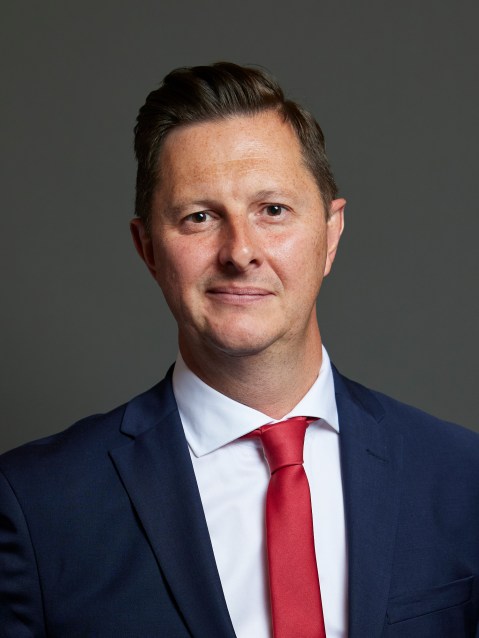
Official Portrait: Lee Pitcher MP Pic Credit: Laurie Noble Photography

The judge took the decision despite receiving a letter from Matthew’s new Labour MP, Lee Pitcher, who represents Doncaster East and the Isle of Axholme.

In it he points out that Matthew, through no fault of his own, has lost his lawyers and is now fighting three large corporations having to navigate ” complex legal proceedings at significant financial and emotional cost”.

He adds: ” it is difficult to see how this can be viewed as a fair and balanced process. That an individual in such a vulnerable position should be left to fight such a case unaided, while the companies involved have already accepted liability, raises serious questions about access to justice.”

“Mr Reynolds has shown remarkable courage in pursuing this case and deserves to be treated with dignity and fairness without.”

His GP also sent a letter to the court saying Matthew was in no fit state to conduct the case and the hearing should be delayed but this was rejected by the judge. Using rather twisted logic the judge rejected this saying even with a delay Matthew would still be in the same state of health in the future – something the big corporations are trying to deny in their case.

He was sent 1500 pages of evidence from the three corporations and given 10 days to digest it and respond before the hearing. He told the judge: ” OK I’ll give these barristers/ solicitors a welding manual. I’ll set them up, give them the equipment ..you’ve got 5-10 days to go for a perfect weld.”

The hearing never went ahead this week. Both Matthew, who had a week of sleepless nights, and his pensioner mother were too ill to attend and drive to the court in Sheffield. I contacted the clerk to the case to find out what would happen next but was told there was no hearing for the rest of the week.

The only new development is that lead solicitor, Leanne Conisbe from Clyde and Co in the City of London has submitted a 74 page victim impact statement – claiming that she and not Matthew had suffered as a result of organising the case. The judge has ruled out his mother putting in a four page victim impact statement.

One-Time
Monthly
Yearly

Make a one-time donation

Make a monthly donation

Make a yearly donation

Choose an amount

£5.00
£10.00
£20.00
£5.00
£15.00
£100.00
£5.00
£15.00
£100.00

Or enter a custom amount

£

Your contribution is appreciated.

Your contribution is appreciated.

Your contribution is appreciated.

DonateDonate monthlyDonate yearly

Please donate to Westminster Confidential

£10.00

Dysfunctional County Courts are a failure for civil justice, damning MPs report

Norwich County Court

Yet another arm of the court system has failed millions of people who want justice because it is totally dysfunctional, a scathing report by MPs warned this week.

The Commons Justice Committee describes the county court system as the ” Cinderella ” of civil justice, a finding that might be similarly applied to readers of this blog to those experiencing the employment tribunal system.

The report calls for an ‘urgent and comprehensive, root-and-branch’ review is required to address systemic delays and entrenched inefficiencies across its operations. It reveals a decade-long digital Reform programme has fallen well short of its ambition, leaving a myriad of incompatible systems and outdated paper-based processes. It still only covers 23 per cent of cases while the rest of the court cases rely on paper or a mixture of digital and paper.

Andrew Slaughter, the Labour chair of the justice committee, described the situation as one of the most serious problems and said the county court system was ” living in another world” compared to the rest of the country.

The scale of the mess is breath taking and it does not surprise me.

The report says: “We found that the situation in the County Court is dire and requires urgent attention. The court estate is in a state of significant disrepair following years of “chronic underfunding,” with regional variation remaining a perennial issue, and the operations of the court having been failed by a
dysfunctional attempt at digital reform. The Committee found that the problems would be all the greater without the commendable efforts of court staff to operate a system that fails to provide access to justice”

The report describes buildings subject to rat infestations and still containing asbestos and wondered if any of the £220 million allocated to rebuilding the court system had been spent on county courts.

Other problems include access to the courts which amounts to a postcode lottery and the retention of staff when facing a big turnover of people. Examples of the first problem included some courts like Barnet and Romford not responding to inquiries and Mansfield County Court; Brentford County Court;
Darlington County Court ;Edmonton County Court; Hertford County Court; Lewes Combined Court Centre; and Taunton Crown,County and Family Court not permitting people in wheelchairs to access the courts.

The report points out that many people bringing cases to court are litigants in person and says the problems people face needed to be addressed.

The report says: “Despite persistent calls, litigants-in-person are not adequately supported through the court process. The language used in court applications is inaccessible, court procedure is not explained, and there is limited support available. The insufficient data collection on the prevalence of litigants-in-person means the Ministry of Justice cannot understand how to direct and provide the support needed.”

The report reveals that five decades ago in the 1970s this issue was raised and still nothing has been done about it.

I am at present monitoring one case at Sheffield County Court involving a young welder, Matthew Reynolds, who got life changing injuries after a heavy refractory brick fell 150 feet from the roof of the steel works at Port Talbot. The case has been going on for five years and he still has not adequate compensation as the case is dragged through the county courts in Doncaster and Sheffield. He is facing as a litigant in person expensively paid KC’s by Tata Steel, Babcock and an insurance company who while admitting liability don’t want to pay anywhere near the money he needs for the rest of his life. I intend to write up the full story as it proceeds through the county court system.

Andrew Slaughter, described his case as ” an extreme one”.

His committee is planning to look at the whole issue of legal aid across the legal and inquiry system after the previous Conservative government slashed billions from the legal aid budget.

Andrew Slaughter MP Pic Credit: Official Portrait Parliament

Andy Slaughter MP said: The conclusions of our report make for stark reading: the County Court is a dysfunctional system, that has failed adequately to deliver civil justice across England and Wales. It is the ‘Cinderella service’ of the justice system, evidenced by the reviews currently underway into both sentencing and the criminal courts, while there is a fundamental absence of any equivalent process across civil justice.

With over a million claims each year and a vast jurisdiction, the County Court is where most citizens and businesses encounter the justice system, yet it is beset by unacceptable delays, recruitment and retention issues across frontline staff and the Judiciary, and a complex “patchwork” of paper-based and digital systems.

The causes of the inefficiencies and delays in the County Court are chronic, following years of underfunding, yet what is unclear is how HM Courts and Tribunals Service (HMCTS), together with the Judiciary and the Ministry of Justice, intends to address such a serious situation.

“Justice delayed is justice denied. The Justice Committee recommends an urgent and comprehensive, root-and-branch review of the County Court launched by Spring 2026 to establish a sustainable plan for reducing the systemic delays and inefficiencies entrenched across its operations. It is not tenable to continue without fundamental reform.”

One-Time
Monthly
Yearly

Make a one-time donation

Make a monthly donation

Make a yearly donation

Choose an amount

£5.00
£10.00
£20.00
£5.00
£15.00
£100.00
£5.00
£15.00
£100.00

Or enter a custom amount

£

Your contribution is appreciated.

Your contribution is appreciated.

Your contribution is appreciated.

DonateDonate monthlyDonate yearly

Please donate to Westminster Confidential

£10.00

Top London coroner faces accusation of tampering with an inquest audio and a judicial review on the handling of her hearing into the death of an ITV journalist

Senior coroner Mary Hassell Pic credit: Archant

Judge blocked her attempt to keep her name secret during the hearing

A highly controversial senior coroner is facing serious allegations that she or her staff removed parts of a transcript and recording of her hearing into the death of a talented and hardworking ITV news editor Teresa McMahon who was found hanged at her home four years ago.

Mary Hassell found that she committed suicide and ruled out that she was subject to ” coercive control” by her ex boyfriend, Robert Chalmers, an NHS estates employee, who had previous convictions for violence. Mary Hassell believed the words of the pathologist ,Dr Mohammed Bashir, who examined the body but kept no photographic evidence and discounted domestic violence and Greater Manchester Police who decided from the start that no crime had been committed and never took any photographs either at the scene of her death.

Throughout the hearing this version was challenged by Teresa’s aunt, Lorna McMahon, who was frequently interrupted by Mary Hassell when she raised questions about the competence of Greater Manchester Police in handling the investigation into her niece’s death.

I was present at the hearing at the hearing with many other journalists. My report on it is here.

Yesterday’s hearing at the Royal Courts of Justice was meant to decide whether the court could give her permission to bring a judicial review into Mary Hassell’s hearing claiming her conduct was irrational and procedurally unfair in coming to her verdict.

Teresa McMahon

But the hearing took a completely different turn under Mr Justice Stephen Morris when Lorna McMahon, having obtained both the transcript and audio recording of the hearing said parts of both, covering descriptions of previous violence against her niece by her ex boyfriend had been omitted.

It also emerged from correspondence I have seen from Mary Hassell’s lawyers and a public ruling by a previous judge Mr Justice Kerr, that the coroner had tried to get her name kept out of the public domain during the hearing.

Her lawyers claimed ” it was customary” to be not named. She wanted it done under ” the slip rule” which meant there would be no hearing about the application. The judge ruled this procedure could not used in this way and rejected her application because it raised issues of ” open justice”.

When Mr Justice Morris heard Lorna McMahon’s evidence he weighed up whether to continue the hearing or adjourn it to allow her complaint to be properly looked at and for her to provide evidence from other people at the original hearing – including members of the public and journalists – to back up her claim.

All sides in the case agreed it was an extremely serious allegation which could be viewed as a criminal case of perverting the cause of justice.

Her own lawyer, Jonathan Glasson KC, agreed as such and but added by adjourning the case until the late autumn it meant that the accusations against the coroner were left hanging over her for some weeks.

The judge also made it clear by adjourning the hearing it did not mean that he was convinced about Lorna’s case and said she would need more evidence.

The directions he gave are worth reporting in full:

IT IS ORDERED THAT

  1. The application for permission to apply for judicial review is adjourned

2. By 4pm on 12 August 2025, the Claimant is to file and serve a witness statement, verified by statement of truth, identifying any and all parts of what was said at the hearing of the inquest by the Defendant on 5 December 2024 (“the Hearing”) which she contends have been omitted from the audio recording of the Hearing provided to the Court and the Claimant by email dated 14 July 2025 at 513pm and sent by Payne Hicks Beach LLP (“the Audio Recording”).

3. At the same time as filing and serving her witness statement pursuant to paragraph 2 above, the Claimant is to file and serve any and all witness statement evidence from others (including witnesses called at the Hearing and/or members of the press and/or members of the public) in support of her contention that parts of what was said at the Hearing have been omitted from the Audio Recording.

4 By 4pm on 9 September 2025, the Defendant is to file and serve a witness statement, verified by statement of truth, in response to the evidence filed and served pursuant to paragraphs 2 and 3 above, to include an explanation as to how the Audio Recording was produced.

5.By 4pm on 23 September 2025, the Claimant, if she so wishes, is to file and serve a written statement stating whether, and if so, why, she seeks a further oral hearing for directions in respect of the matters covered by paragraphs 2 to 4 above.

6.As soon as possible thereafter, the matter is to be placed before a judge (if possible, Mr Justice Morris) on the papers to consider directions for the progress of the case, and in particular whether there should be a further oral hearing dealing with the matters covered by paragraphs 2 to 4 above, taking account of all necessary reasonable adjustments.

7 The case to be reserved to Mr Justice Morris, if possible.

8. Costs of the adjournment and of the matters raised above reserved

This is the second recent case where there has been controversy about Mary Hassell’s handling of inquests.

Earlier that year she held an inquest into the tragic death of Gaia Young,25, who  was rushed to accident and emergency at University College Hospital with severe headaches only to die of an unexplained brain condition and doctors have yet to correctly diagnose what was wrong with her.

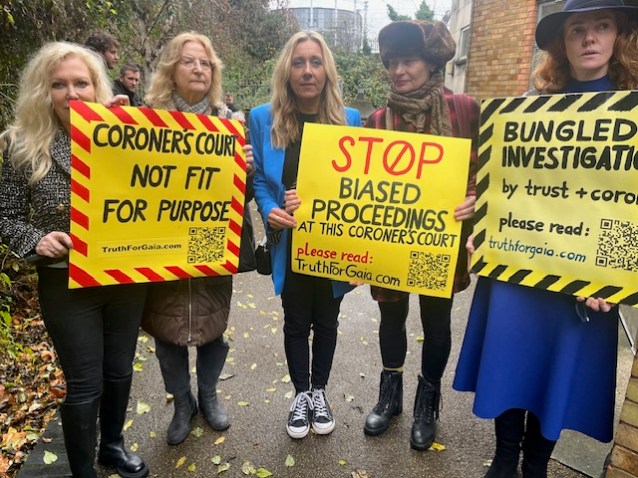
Again Mary Hassell  patronised and showed no empathy for her bereaved mother, Lady Dorit Young, who had lost her only child ,Gaia, and failed to properly investigate her death. The full story is on the Truth for Gaia website. She even blocked her from making a statement at the inquest. I reported that hearing and you can read about it here.

The treatment of both relatives led to a protest outside the coroner’s court during Teresa’s inquest. Pictures are below.

One-Time
Monthly
Yearly

Make a one-time donation

Make a monthly donation

Make a yearly donation

Choose an amount

£5.00
£10.00
£20.00
£5.00
£15.00
£100.00
£5.00
£15.00
£100.00

Or enter a custom amount

£

Your contribution is appreciated.

Your contribution is appreciated.

Your contribution is appreciated.

DonateDonate monthlyDonate yearly

Please donate to Westminster Confidential

£10.00

Revealed: The ultra Establishment Judge who granted a cost capping order for WASPI without a hearing

Judge Jonathan Swift

There was an unusual procedure in the courts in the long battle between the Department of Work and Pensions and WASPI last week.

The issue was whether WASPI’s legal costs would be capped in their application for a judicial review over the government’s decision not to award compensation for partial maladministration for 50s women who faced a six year delay in getting their pensions. It led to some pretty strong exchanges between Bindman’s solicitors and DWP lawyers, the latter were vehemently opposed to the cost cap, arguing it was not a public interest issue.

Instead of a hearing last Monday to decide the issue – it was suddenly ” vacated” by the parties concerned and a very senior judge in charge of the administrative court decided to grant the cost capping for WASPI in advance when they bring a case to the courts for permission to have a judicial review. CEDAWinLAW applied to be a friend of the court and submitted documents on the substantive issue on discrimination and maladministration.

CEDAWinLAW said: “As friends to the court, CEDAWinLAW’s Amicus Curaie Intervention and Cost Capping Order applications matter to 3.5million 1950s Women whom we uniquely represent: Thus followed, the submission of our legal documents out of relevant expertise and strong interest in the outcome of Case No AC-2025-LON-000811.

Our purpose is to assist the court by offering impartial information, legal arguments and broader public interest perspectives that are not fully represented by the parties in the case.”

They have had no reply from the court. They have put in a complaint and also written to the judge.

What is extraordinary is the CV of this senior judge. Mr Justice Swift who took the decision shows he is no friend of campaigners and has taken a consistently pro government stance over the years.

A large part of his career was spent as the First Treasury Counsel – known as the Treasury Devil – from 2007 to 2014. The current one is James Eadie who played a prominent and a successful role in defending the government in the judicial review against Backto60 , who fought the Department for Work and Pensions. to claim compensation for 3.5 million 50swomen lost pensions on the grounds of discrimination and maladministration. Their case was never looked at by the Supreme Court who claimed it was ” out of time”.

The whole point of the post is to defend the government from NOT paying out people who sought compensation or redress from government departments, hence him taking the prime role for the DWP. The Treasury is never keen to spend too much money.

More recently he took two the Government’s side on two high profile cases – the deportation of refugees to Rwanda – and the fate of Julian Assange, who is now a freeman. As Wikipedia said:

On 10 June 2022, Mr Justice Swift ruled in favour of the UK Government that the deportation flights of unsuccessful asylum seekers in the UK to Rwanda should be allowed to proceed, as there was material public interest in doing so.[5] He added in his ruling that the risk posed to refugees was “in the realms of speculation”.[6]

On 8 June 2023, Swift ruled in favour of the UK Government, and rejected the appeal of political prisoner Julian Assange‘s legal team, which had filed two appeals before the court against the then Home Secretary Priti Patel‘s decision to extradite Wikileaks founder being indicted by the United States under the Espionage Act. He was later released.

So while WASPI did have a friend at the head of the administrative court it is by no means certain that they will get an easy ride when it comes to getting permission for a judicial review which will require a public hearing. If he had refused the organisation would have been set back as the department could try to get all its costs against them if it won.

In the end the ruling means that the case is being regraded in the “public interest” much as the case for a judicial review the Backto60 case was regarded as a public interest case.

What is staring everyone in the face is why not go for mediation rather than have a long drawn out judicial review which could take years if there are appeals and still needs judicial permission to go ahead.

WASPI set its face against this and not only refused but actively opposed CEDAWinLAW’s attempt to do this through the courts, siding with the DWP’s opposition to this.

Looking at the present situation Angela Madden, who runs the WASPI campaign, appears to be accepting, unlike her bold claims of getting £10,000 for everybody at the Labour Party Conference a few years ago, a token payment so the government acknowledge the maladministration found in the Parliamentary Ombudsman’s report. She in her last message suggested she was not looking for compensation for lost pensions but for the government to accept it needed to pay the women after the Parliamentary Ombudsman’s report.

Yet her members have already raised over £227,000 for a legal case and the organisation wants another £43,000 for what they admit will be a complex hearing. At this rate the legal costs may exceed the award.

In the meantime CEDAWinLAW is applying for observer status in the proceedings.

One-Time
Monthly
Yearly

Make a one-time donation

Make a monthly donation

Make a yearly donation

Choose an amount

£5.00
£10.00
£20.00
£5.00
£15.00
£100.00
£5.00
£15.00
£100.00

Or enter a custom amount

£

Your contribution is appreciated.

Your contribution is appreciated.

Your contribution is appreciated.

DonateDonate monthlyDonate yearly

Please donate to Westminster Confidential

£10.00

Exclusive: NHS Trust chief executives who persecute whistleblowers on patient safety win prestigious awards

From L to R: Alex Whitfield, Hampshire Ben Travis, Lewisham Daniel Elkeles London Ambulance

Three of the top 50 NHS chief executives chosen by a panel set up by the Health Services Journal in 2024 as the best people to run the NHS have been involved in attempting to cover up patient deaths and persecuting doctors and nurses who raised the issues.

One of the top three NHS awards went to Daniel Elkeles, as chief executive of London Ambulance Service Trust and is now chief executive of NHS Providers. He was chief executive of the Epsom and St Helier Trust when Usha Prasad, a cardiologist, reported the ” avoidable death ” of a heart patient. He told her to drop her case at an employment tribunal or face an internal disciplinary hearing which led to her being sacked.

I have since been told that Mr Elkeles was involved in an alleged cover up at the London Ambulance Service when a paramedic was suspended during the stressful period of the pandemic. He had alleged bullying, Elkeles said he would investigate but got the person to sign a non disclosure agreement. When it was signed it is said any investigation was dropped.

The second chief executive is Alex Whitfield who heads Hampshire Hospitals Foundation Trust, was involved in the sacking of Dr Martyn Pitman, a well respected obstetrician and gynaecologist, who raised patient safety issues in the already nationally stressed maternity services. The former oil executive is rated the 15th best chief executive.

The lack of care at the hospital in Winchester led to one mother and a baby dying, but Alex Whitfield used the tribunal to claim that Dr Pitman was ” putting patients at risk” rather than supporting the doctor and midwives who were helping patients. Lawyers for the trust monstered Dr Pitman claiming he was a bully for raising these issues.

Julie Dawes, the chief nursing officer at the trust, who also pursued Dr Pitman ,has just been awarded an MBE for services to nursing in the King’s Birthday Honours List.

The third award winner is Ben Travis, chief executive of Lewisham and Greenwich NHS Trust, which the Care Quality Commission, say ” requires improvement.”

Ben Travis was heavily involved in the 2022 tribunal hearings brought by Dr Chris Day, who has fought the trust for 10 years after he raised important patient safety concerns that became associated with two avoidable deaths  in the intensive care unit of Woolwich Hospital, run by the trust. The 2022 tribunal ruled against him despite evidence given by Ben Travis which shown to be untrue, the destruction of 90,000 emails during the hearing and the discovery of fresh documents .which should have been released by the trust to him to help his case.

The results of the last hearing is up for appeal on six grounds next week. He won the right to appeal that some of the findings of the judgment were perverse, that the judgment failed to draw any inferences from the destruction of 90,000 emails and the failure to provide documents that would have helped Dr Day’s case. This in particular followed the disclosure in documents that under oath the chief executive, Ben Travis gave an untrue account about a board meeting and had hidden he had contacted other trust chief executives about Dr Day.

Yet Mr Travis won the award on his personal performance over the last year; the performance of the organisation he led, given the circumstances it is in; and the contribution made to the wider health and social care system.

Award for Diversity

At the same time the trust has won a second award for its equality, diversity and inclusiveness despite its NHS staff report showing that it has a below average rating for the fair promotion of ethnic minority staff and for racial discrimination inside the trust and from members of the public.

The panel who decided the awards for the best chief executives included Dr Rosie Benneyworth, chief executive, Health Service Safety Investigations Body:Steve Brine, former Tory MP for Winchester and former chair, Commons Health and Social Care Committee,; Matthew Taylor, head of the NHS Confederation;Sir Julian Hartley, former chief executive of NHS Providers; Patricia Marquis, executive director for England, Royal College of Nursing and Dr Vish Sharma, chair, BMA’s consultant committee.

It is inconceivable that many of them did not know about the whistleblower cases. Dr Chris Day’s case is high profile; Dr Martyn Pitman’s case was in the national press and Steve Brine was his local MP. Usha Prasad’s case was a long running one.

There is another issue which is worth pursuing in a later blog – how ethnic minorities are treated in the NHS and the level of racial discrimination and whether black and Asian people have fair promotion prospects. Lewisham and Greenwich NHS Trust is not alone

One-Time
Monthly
Yearly

Make a one-time donation

Make a monthly donation

Make a yearly donation

Choose an amount

£5.00
£10.00
£20.00
£5.00
£15.00
£100.00
£5.00
£15.00
£100.00

Or enter a custom amount

£

Your contribution is appreciated.

Your contribution is appreciated.

Your contribution is appreciated.

DonateDonate monthlyDonate yearly

Please donate to Westminster Confidential

£10.00

Lawyers threaten the Judicial Conduct Investigations Office with a judicial review over failure to investigate Judge Lancaster

The logo of the JCIO Pic Credit: Ministry of Justice

The 13 claimants who allege bullying and misogyny by judge Philip Lancaster, most of them women, took their complaints against the JCIO to a new level last week when their all women team of lawyers issued what is known as a ” letter before action” to the investigatory body.

Their lawyers, DFG, standing for Deighton, Pierce and Glynn, have given the JCIO until Monday to reply or face action for a judicial review.

The statement in their letter reads in bold type: “By this Group Complaint, we are therefore requesting the JCIO to open a proper investigation into the cases of all these complainants on the grounds that it is now clear that Judge Lancaster has repeatedly engaged in misconduct in his judicial role over many years.

The misconduct consists of regular bullying of litigants-in-person and legal representatives, including shouting, harsh and inappropriate personal criticisms, intimidation and interruption of evidence.
We make clear that if this longstanding pattern of Judge Lancaster’s misconduct is not properly investigated by the JCIO we intend to challenge that decision by way of judicial review.

As I reported in Byline Times earlier this year ( see the article here) the Good Law Project first announced it was backing the then ten women who had faced bullying and misogynist comments from the elderly judge. Since then they have been joined by men who say they faced the same bullying tone from the judge who sits on the Leeds employment tribunal.

Judge Lancaster

The campaign began after the treatment of Alison McDermott, the now famous whistleblower, who exposed bullying and harassment at Sellafield nuclear waste facility, only to be bullied and rudely treated herself by judge Lancaster and lawyers representing Sellafield and the Nuclear Decommissioning Authority.

Judge Barry Clarke

Barry Clarke, President of the Employment Tribunal system, claimed she was fit to lodge a complaint — despite having no medical qualifications and ignoring a GP’s note saying she was suffering from severe clinical depression. He used this self-made “diagnosis” to deny her an extension, effectively blocking any investigation into Judge Lancaster, even as serious complaints from others were piling up.

The ramifications of what has happened since are causing serious problems for the nuclear waste plant and the judiciary. MPs on the Public Accounts Committee are now sceptical of claims by the top executives at the plant that there is no bullying or harassment and one MP, Anna Dixon, the new Labour MP for Shipley, and a member of the PAC, demanded in public that the chief executive of Sellafield apologise to her for the way Sellafield has behaved to her.

Harriet Harman Pic Credit:BBC

Meanwhile, Baroness Harriet Harman is conducting a separate investigation, with the support of the Bar Standards Board, into sexual harassment at the bar and in the judiciary — and has reportedly taken a direct interest in the Lancaster complaints.

Lawyers have demanded the JCIO does a complete and thorough investigation into Judge Lancaster.

1 A comprehensive review of all complaints submitted against Judge Lancaster, including those previously dismissed without investigation.
2 Statements from each complainant to ensure their full accounts are properly recorded and considered.
3.Interviews with relevant witnesses — including legal professionals, medical experts, accredited journalists, and public observers who attended the hearings and submitted complaints or documentation.
4 Consideration of the Employment Appeal Tribunal’s formal criticisms of Judge Lancaster’s conduct as part of the evidentiary record.
5 An analysis of Judge Lancaster’s written judgments to identify recurring patterns of reasoning, tone, and language indicating systemic bias. We have found consistent indicators of gender bias in descriptions of female claimants versus male respondents, including demeaning language, unsupported
character judgments, and disparate procedural treatment.

Alison McDermott

The JCIO originally said it did not comment on individual cases but now says it considers complaints carefully.

This is not the view of the complainants, their lawyers, and soon I expect if this gets more coverage, the general public.

One-Time
Monthly
Yearly

Make a one-time donation

Make a monthly donation

Make a yearly donation

Choose an amount

£5.00
£10.00
£20.00
£5.00
£15.00
£100.00
£5.00
£15.00
£100.00

Or enter a custom amount

£

Your contribution is appreciated.

Your contribution is appreciated.

Your contribution is appreciated.

DonateDonate monthlyDonate yearly

Please donate to Westminster Confidential

£10.00

Putin’s seizure of 147 leased civil aircraft leads to a multi billion legal victory for firms against insurance companies

President Putin Pic credit: President’s office Russia

Case came as a result of action taken after Russia launched Ukrainian war

An extraordinary ground breaking judgment last week which has received little publicity outside the insurance and legal world has cost the insurance industry, including Lloyds of London, billions of pounds in claims as a direct result of the current Ukraine war.

At the time Russia invaded Ukraine in 2022 Russian civil aviation firms, mainly Aeroflot and S7, a private Siberian airline, were leasing 147 aircraft and 16 spare engines from companies across the world. As soon as this happened the companies wanted their planes back as they came under sanctions against Russia issued by the EU, US, and the UK.

But the move was thwarted by PresIdent Putin who passed a law banning the export of all the planes and the spare engines from leaving Russia and they are still there today.

The decision led to an extraordinary legal case coming before the Commercial Court in London when six of the companies came together to claim against their insurers to get their money back in a joint action that could cost the insurers over £3.4 billion.

Mr Justice Butcher; Pic Credit: Judiciary website

The case which has been quietly rumbling on for five months was a lawyers’ bonanza with more than 50 barristers employed on both sides-. It was heard by Mr Justice Butcher who has issued a 230 page ground breaking judgment covering 100 years of case law.

The six leasing companies were Aercap Ireland: Dubai Aerospace Enterprise, Falcon 2019-1;KDAC Aircraft Trading; Merx Aviation Servicing and Gasl Ireland Leasing A-I. Aercap Ireland, based in Dublin, is the world’s largest aircraft leasing company.

The insurance companies involved included Lloyds,AIG Europe; Chubb European Group and the underwriting group Kiln Syndicate 510. KDAC settled with Chubb before the end of the case. To add to complications under Russian law they had also to have insurance from Russian companies.

S7 – the Siberian Airline which leased many of the jets

The dispute centred round whether the aircraft were covered by ” all risks” policies or ” war risks” polices. The judge ruled that they were covered by “war risks” policies because of the action of Putin in banning them leaving Russia. This will mean the companies will not get all the money they claimed but it will still run to billions of pounds The judge also rejected an argument from the insurers that sanctions against Russia prevented them paying out any money.

The ruling is also significant as it would spark off other claims against insurers and there were 400 leased aircraft in Russia at the time. The insurers have until the end of this week to appeal.

One-Time
Monthly
Yearly

Make a one-time donation

Make a monthly donation

Make a yearly donation

Choose an amount

£5.00
£10.00
£20.00
£5.00
£15.00
£100.00
£5.00
£15.00
£100.00

Or enter a custom amount

£

Your contribution is appreciated.

Your contribution is appreciated.

Your contribution is appreciated.

DonateDonate monthlyDonate yearly

Please donate to Westminster Confidential

£10.00

Are employment judges complicit in putting patients at risk and doctors and nurses from daring to report health concerns?

Guest blog from Dr David Ward on the appalling treatment of whistleblowers in the NHS

Patient safety and the judiciary

What business has the judiciary with patient safety matters you may ask? I am referring primarily to the processes which may unwind when a doctor, having raised patient safety concerns is sacked by the Hospital Trust where they worked and seeks recourse via the corrupt Employment Tribunal system. (NB not sacked “for having raised the alarm” as that is expressly forbidden by the Public Interest Disclosure Act (PIDA 1998[1]). For example, if a piece of equipment is malfunctioning in such a way as to cause harm to a patient; if a process such as preparing a patient for a procedure is flawed in such a way as to put the patient at risk; an inadequate consent process; understaffing in, say, a post-operative ward; inadequately qualified personnel. Each of these deficiencies may put a patient at risk of harm and all have at some time been reported by doctors or nurses. There are many others. A responsible doctor witnessing any of these will be concerned and has a duty to raise an alarm. This is set out in Good Medical Practice, a guide produced by the GMC[2]. It is also part of the Duty of Candour regulations [3] [4] and for traditionalists, in “The Hippocratic Oath”[5] the central tenet of which is “primum non nocere” or “do no harm”.

A problem may arise when a doctor (or healthcare worker) reports a “patient safety event” and the Trust reacts adversely (the psychology of such reactions is discussed elsewhere) which is a very common. It may trigger a series of defensive responses by the Trust which almost always ends badly for the doctor. This is seen time and again with “whistleblowers” who have had the “temerity” to raise a concern. The “playbook” is almost set in stone. In several recent cases where a dismissed doctor (Claimant) has sought recourse at an Employment Tribunal, the Respondent (the Trust or Hospital) has reacted vengefully rather than responsibly and promptly to look into the concerns.

The following is a brief account of the saga of a colleague who was referred to the GMC (after she reported safety concerns) in what can only be described as an act of vengeance by the Trust and the CEO who, having taken offence at the temerity of the doctor to report some shortcomings to the Trust, decided to “punish” her culminating with dismissal. Furthermore, the Trust prioritised this vengeful reaction over and above an urgent investigation into the problems she raised. It’s the same “playbook” with many other NHS whistleblowers (see Westminster Confidential 6 7).

Patient safety concerns.

If a doctor “raises a concern”, the most common of which is about something which may jeopardise “patient safety”, the obvious and reasonable response is to investigate it and correct any problems as soon as possible. Astonishingly, this is rarely what happens. The Trust not uncommonly reacts vengefully to the report, for example, by restricting the activities of the doctor who reported it. They may be “hauled over the coals”, have their duties limited, suspended for a period, referred to the GMC or even the CQC. The GMC may commission an external assessment of the doctor in question by an independent party usually another doctor in the same specialty. The Trust is not obliged to take any notice of this report. For example (I could cite many), a colleague who was referred to the GMC by her employing Trust was completely exonerated but she was dismissed all the same.[6] The CEO of the hospital, St Helier Hospital, Daniel Elkeles, made a veiled threat in a letter if she did not cooperate with his dismissal proposals:

4) ESTH agree to cease the MHPS process which means we can find a way to

ensure you are re-validated (not my area of expertise but i am sure there will be a

way)

5) You need to drop all the actions you are taking against ESTH.

If we can agree this then I would hope that everyone can move forward positively.

(This letter is in the Tribunal bundle in the public domain)

Another whistleblowing case where there are ongoing grave concerns about the propriety of the Employment Tribunal decisions (and others) in support of the dismissing Hospital Trust is that of Dr Chris Day whose case features extensively in columns of Westminster Confidential.[7]

Unregulated “Maintaining High Professional Standards”[8]

This code of practice was introduced in 2003 to update and clarify how concerns about a doctor and the associated “disciplinary” procedures are managed.

This entire process is unregulated and no independent body is statutorily involved. In fact, there is not even a statutory register of these processes or the events they purport to investigate. There is no register of NHS whistleblowers or the safety concerns they have raised. Trusts do not keep records, the regulators (BMA, CQC) don’t keep records. The NHS does not keep records (I confirmed this by asking the now defunct NHSE). HM Government does not keep records despite HM Treasury giving £millions (directly or via various organisations) to Trusts to pay inscrutable legal firms to defend the Trust against claims made by doctors who have raised safety concerns. This means a Trust can hire anyone they choose to conduct the investigation. There may even be an “informal agreement” or they may just be a ”pal” of the CEO. The investigator is not required to have any special qualifications and there is no register of such people. The St Helier Hospital case referred to above is a particularly egregious example of how this chumminess may operate. The “investigator”, a retired nurse[9], in her report invoked a fictitious “regulation” not previously seen in this context. The doctor in question was eventually dismissed on the grounds that she was not “fit-for-purpose”[10]. This is entirely confabulated by the investigator (who describes herself as a “non-practising barrister” but is not on any English register of barristers[11]) as no such “reason” for dismissal (or anything relating to humans) exists in English Employment law and the term is not applicable to a “human being” but rather to goods or services. How this has not, so far, been challenged in the Courts eludes me. Could this case even be cited as a “precedent” (pro or anti) in future similar cases?

It doesn’t take a leap of the imagination to conclude that if a Trust wishes to be rid of a doctor it will choose a compliant “investigator” with a reputation for such behaviour. This service costs money (provided, of course, by the taxpayer) and investigators can be very expensive. But hand-picked unregulated quasi-independent “investigators” are very compliant, aren’t they? Money talks… but conveniently no formal or open register is kept of money used to silence whistleblowers (pay the lawyers, investigators, payoffs, seal a Non-Disclosure Agreement etc). I wonder why?

A doctor threatened with dismissal (or who has been dismissed) may just move on, get another job (if possible having been “slandered” by the previous employer), leave the profession altogether, move abroad or any of these choices. Unfortunately, many will seek recourse via the arcane and grossly biased Employment Tribunal system. This may come about because the embattled doctor has received, shall we say, less than impartial advice, possibly from a law firm, recommending this route. Less than 3% of claimants at an Employment Tribunal emerge victorious (whatever that means)[12]. In other words over 95% of Claimants who brave this course will lose their case. Fair and open justice? I think not.

Who bears responsibility for all this?

Is it the doctor who “blew the whistle”? No, it is their duty to raise safety concerns.

Is it the Trust which dismissed the doctor? The Trust will deny dismissing the doctor (for raising concerns) and invoke PIDA 1998 47B in their support (1):

A worker has the right not to be subjected to any detriment by any act, or any deliberate failure to act, by his employer done on the ground that the worker has made a protected disclosure.

The Trust will say “oh no, it wasn’t because he raised a concern…it was because his manner was inappropriate/rude and …” (see story of Martyn Pitman, below). However, it is quite a different matter when it comes to dismissing a doctor “who has raised concerns”. This is not “unlawful” because it is consistent with PIDA.  This is why the law needs to be changed; to ban the dismissal of “doctors who have raised safety concerns”. It’s a “no brainer” isn’t it?

Is it the lawyers who advised (and assisted) the dismissed whistleblower to seek recourse via the biased ET system? Yes, they are complicit once dismissed the employees submit themselves to the process. Millions of taxpayers’ money is spent on lawyers defending Trusts against claims made by whistleblowers yet almost nothing (no data are collected so we can’t be sure about this but we can infer it) on investigating and correcting the problems that gave rise to the claims. Sheer madness or what?

Is it the Trust managers who confabulate the case against the whistleblower? They have one aim in mind; to get rid of the “nuisance” doctor and by so doing avoid the “inconvenience” of looking into the safety “issues” raised in detail which could be very embarrassing if gross incompetence or negligence by the Trust or its employees is exposed.

And patient safety? Oh, that’s where the proverbial “carpet and brush” come in, as wielded by Trust managers (with legal advice) who themselves are unregulated[13]. If you want evidence for these claims read the newspapers (or search a major news website).

Inadequate regulations and deficient laws.

The regulations drawn up by regulators (and equally the inadequate laws passed by legislators) have contributed to this unsatisfactory situation where doctors are terrified of speaking up about patient safety because they fear for their careers and the livelihoods. If the regulations were tighter, we wouldn’t be here, would we?

A simple and almost cost-free solution to all these inappropriate behaviours is available without too much hassle and only minor changes to regulations and it based on the supremacy of maintaining patient safety: ban Trusts from dismissing doctors who have raised patient safety concerns and compel the Trust (by statute) to investigate those concerns. Just think of the benefits: no lawyers, no Tribunals, no money filling the coffers of law firms but instead expended on, inter alia, investigating and rectifying the concerns raised, improving care and communication. More openness and less retribution will encourage doctors to ‘’raise a hand” without fear of reprisals. Furthermore, is it not preferable to retain the services of an expensively trained, competent and dedicated doctor who had the courage to speak-up and has committed no offence, rather than destroying their careers and depriving patients of their skills? (This is the “playbook” in the cases of so many NHS whistleblowers I could list here). At present the judiciary (and the regulations they invoke), whether they agree or not, are complicit in covering-up patient safety issues and the adverse consequences of so doing.

Isn’t it time for a change of attitude and changes in the law related to raising concerns about patient safety – also known as “whistleblowing”? Why are the ”powers that be” not listening to the many supporters of whistleblowers who are raising the same issues time and time again?

Just one more thing: there are seven reasons which can be invoked in British Employment law to dismiss an employee[14]. None of them is especially relevant in this context except one.

“Some other Substantial Reason”, a most convenient clause for all the reasons one might imagine: if it isn’t covered by the other 6 this one should satisfy the Trust’s requirement to get rid of the doctor. Furthermore, it may obviate detailed scrutiny of evidence (isn’t that the reason it’s called SOSR?). Other reasons which are commonly exploited include: ”it’s impossible to carry on employing you” and “not being able to do your job properly”. The vagueness, highly subjective and unquantifiable nature of these clauses suggests they have a less-than-straightforward purpose.

If a Trust wants to dismiss a doctor it will find a way to do so. In the case of Martyn Pitman, Consultant Obstetrician and Gynaecologist, the Royal Hampshire Hospital strenuously denied that he had been dismissed for raising concerns. No, of course he wasn’t. The astonishing inanity of it was reported in the Guardian thus[15]:

“The judgment found the “overarching reason” for what has happened to Pitman was down to his communication style and not the message he was trying to convey”. (I couldn’t find this sentence in the 75 pages of the “unsearchable” official judgment).[16] So here is a senior and respected gynaecologist – who has done no wrong – being dismissed for his unacceptable “communication style”. You could not make it up!

It is a truism to state that the health of the nation is the single most important asset it has. (This is why “privatisation” of the NHS which would put “shareholders” ahead of patients would be a disaster). If the workforce is not healthy everything else will decline (I don’t need to explain this assertion but judging by what is happening in Westminster, politicians don’t seem to have grasped this concept. (Neither has the judiciary for that matter but I wouldn’t expect this self-serving body to opine on such “trivial” issues).

To quote David Hencke in his recent piece[17]:

“If they [the judiciary and the JCIO] continue to do this, they are acting as a party to suppressing patient safety in the National Health Service and in the case of Sellafield, because it is such a contaminated and dangerous place, putting the general public at risk.

Is anyone listening to critics of the judiciary and its arcane processes in judging NHS doctors, nurses and other healthcare workers who raise patient safety concerns? Is anyone taking notice of the sufferings of the doctors who are doing their best (especially during the recent pandemic) for their patients? Is anyone calling out the absurdly illogical Employment Tribunal judgments which heap suffering on the Claimant (Doctor) and indirectly on patients? I know of one journalist who is – David Hencke. 17


[1] PIDA 1998 https://www.legislation.gov.uk/ukpga/1998/23/section/2

[2] Good Medical Practice: GMC document. https://www.gmc-uk.org/professional-standards/the-professional-standards/raising-and-acting-on-concerns

[3] Duty of Candour: https://www.gmc-uk.org/-/media/documents/openness-and-honesty-when-things-go-wrong–the-professional-duty-of-candour-61540594.pdf

[4] Regulation 20: https://www.cqc.org.uk/guidance-regulation/providers/regulations-service-providers-and-managers/health-social-care-act/regulation-20/regulation-20-in-full

[5] Hippocratic oath: https://en.wikipedia.org/wiki/Hippocratic_Oath

[6] St Helier Hospital: https://davidhencke.com/2024/01/22/how-the-st-georges-st-helier-and-epsom-hospital-group-fixed-the-dismissal-of-whistleblower-cardiologist-dr-usha-prasad/

[7] Dr Chris Day: https://davidhencke.com/2024/04/07/whistleblower-dr-chris-days-appeal-has-judge-andrew-burns-kc-ruling-made-it-impossible-for-him-to-get-open-justice/

[8] MHPS: https://www.elft.nhs.uk/sites/default/files/2022-01/mhps_policy.pdf

[9] Former nurse investigates: https://davidhencke.com/2021/04/21/hidden-justice-in-the-nhs-profile-of-claire-mclaughlan-a-doctors-career-terminator-and-rehabilitator/

[10] Fit-for-purpose: https://davidhencke.com/2024/01/22/how-the-st-georges-st-helier-and-epsom-hospital-group-fixed-the-dismissal-of-whistleblower-cardiologist-dr-usha-prasad/

[11] Claire McLaughlan: https://davidhencke.com/tag/claire-mclaughlan/

[12] Claimant success rate: https://www.3pb.co.uk/content/uploads/The-truth-about-whistleblowing-cases-success-rates-at-hearing-is-it-really-only-3-by-Joseph-England.pdf

[13] Regulation of NHS managers: https://doi.org/10.1136/bmj.r1019 

[14] Seven reasons for dismissal: https://www.gov.uk/dismissal/reasons-you-can-be-dismissed

[15] Unacceptable Communication style: https://www.theguardian.com/money/2023/oct/29/whistleblowing-cost-hampshire-doctor-dearly-after-he-loses-tribunal

[16] Pitman v Hampshire Hospitals: https://www.gov.uk/employment-tribunal-decisions/mr-m-pitman-v-hampshire-hospitals-nhs-foundation-trust-and-l-alloway-1404274-slash-2021

[17] Judge Lancaster: https://davidhencke.com/2025/06/05/judge-lancasters-dismissal-of-top-cardiologists-safety-concerns-helped-health-trust-cover-up-heart-patient-deaths/

One-Time
Monthly
Yearly

Make a one-time donation

Make a monthly donation

Make a yearly donation

Choose an amount

£5.00
£10.00
£20.00
£5.00
£15.00
£100.00
£5.00
£15.00
£100.00

Or enter a custom amount

£

Your contribution is appreciated.

Your contribution is appreciated.

Your contribution is appreciated.

DonateDonate monthlyDonate yearly

Please donate to Westminster Confidential

£10.00

Winter Fuel Allowance: Rachel Reeves relents on a policy Labour should never have done in the first place

05/07/2024. London, United Kingdom. Rachel Reeves, Chancellor of the Exchequer poses for a photograph following her appointment to Cabinet by Prime Minister Sir Keir Starmer in 10 Downing Street. Picture by Lauren Hurley / No 10 Downing Street

Last year the biggest hit on this blog was when I condemned the decision by Sir Keir Starmer and Rachel Reeves to abolish the winter fuel allowance for all pensioners except the poorest on pension credit. The blog went viral and currently stands at 188,400 with 129 comments.

The decision – one of the first by an incoming Labour government – was inept, stupid, ill thought out, and rushed – and showed that the Labour government was completely out of touch with its base and its reputation for helping the poorest.

There was a decent case for restricting the payment to the wealthiest members of society who did not need help with their fuel bills. But by setting the figure so low as £11,300 to get it and trying to get people to claim pension credit – which has been a policy failure for years – this was a serious own goal.

The decision to use regulations to do this was attacked by the House of Lords statutory instruments committee – when they examined the detail – and ministers by passed their own benefits advisory committee, the Social Security Advisory Committee, on the flimsiest excuse that they didn’t have time to do this to make sure it could be implemented as an emergency. The committee itself when it finally got to discuss the regulations pointed out it was perfectly capable to look at it at an emergency session. It did this when the last government introduced massive social security changes to cope with lockdown during the pandemic.

The optics also looked bad for any politician. Claiming they had found a huge black hole in government finances it looked as though the first people who would plug the gap were pensioners, many of them surviving on incomes less than £20,000 a year. Pensioners and the disabled also need warm homes in winter probably more than any other people and the government’s claim it was implementing the triple lock to raise pensions was no use in the winter. It would not be paid until the spring when temperatures begin to rise and some would be scrimping and saving to try and keep warm before receiving an extra penny.

The result came back to bite Labour in the spring council elections and Parliamentary by-election in Runcorn, when voters dumped Labour in droves turning to Reform, the Greens and the Liberal Democrats instead.

Labour MPs and activists found this was one of the most cited reasons why people turned against them during the election. As a result Reform could capitalise by gaining control of a swarth of county councils and some mayoralties. The Conservatives were still not trusted by people after their 14 years in government, but to be fair to them they never proposed to cut the winter fuel allowance in the first place.

Luckily for Labour it is four years to the next general election so there is a chance it might be forgotten how stupid they were after four winters. And the mechanism they have proposed to pay the allowance back to nine million pensioners is fair with those earning £35,000 or more having to pay back the money in their annual tax return. The big question is why they didn’t do this in the first place.

The overall policy will still save £450m versus the universal system. But £1.25bn of the £1.7bn projected saving when this policy was announced is gone. Rachel Reeves, the chancellor, was claiming she couldn’t have done this when the government came into power because of the state of the finances, but can now because the situation has improved. She will have to explain this big change in her statement to MPs this week.

In my view the government overall has lost a lot of support by targeting pensioners not only in this way but also in the way it has treated 50swomen who had to wait six years for their pension by completely rejecting any compensation for them and ruling out mediation. I am sceptical that the WASPI campaign will get anywhere by going to court to try and revive the now rejected Parliamentary Ombudsman’s report on partial maladministration.

The issue was always discrimination as well as maladministration and the Ombudsman’s report was a very tepid solution for those who lost tens of thousands of pounds.

And ministers are being dilatory in paying out money to HIV contaminated blood victims and those swindled by the Post Office computer scam. All these affect many in the same age group.

The government has got a lot to do to regain popularity to get a second term in office, but this U turn on the winter fuel allowance is only a start.

One-Time
Monthly
Yearly

Make a one-time donation

Make a monthly donation

Make a yearly donation

Choose an amount

£5.00
£10.00
£20.00
£5.00
£15.00
£100.00
£5.00
£15.00
£100.00

Or enter a custom amount

£

Your contribution is appreciated.

Your contribution is appreciated.

Your contribution is appreciated.

DonateDonate monthlyDonate yearly

Please donate to Westminster Confidential

£10.00