Featuring latest developments in the long running battle to put right the injustice to 3.5m 50sborn women who faced delayed pensions
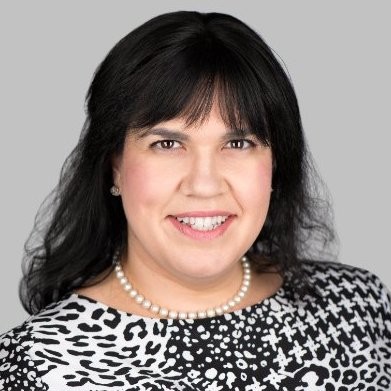
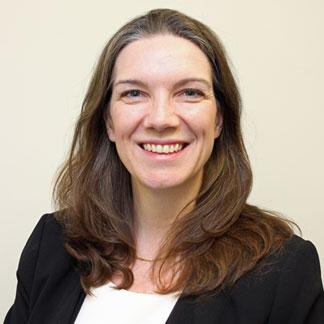
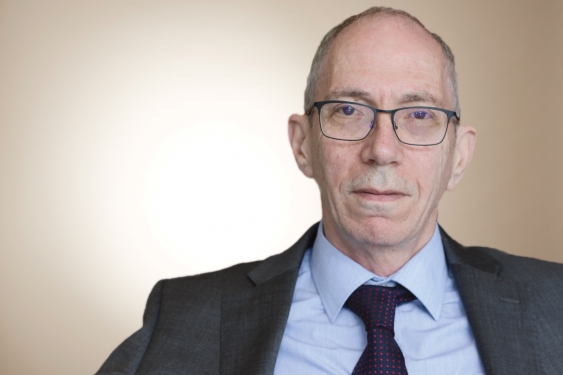
Australian former anti discrimination commissioner and judge Dr Jocelynne Scutt
The CEDAWinLaw organisation, which backs full implementation of the UN Convention for ending all discrimination against women and girls, has put up links to the interviews this week on Salford City Radio’s Ian Rothwell show. These reveal the latest move towards getting mediation for the 50s women who faced a six year extra wait to get their pensions.
Mel Stride, the work and pensions secretary has refused any mediation so tougher action is being considered and legal advice has been sought. The link to the website is here.
Worth watching developments over the next coming weeks. Doesn’t look like anyone is going away. Meanwhile the number of 50swomen who have died without getting any compensation has reached over 300,000.
Please donate to Westminster Confidential to allow me to continue my detailed investigations.
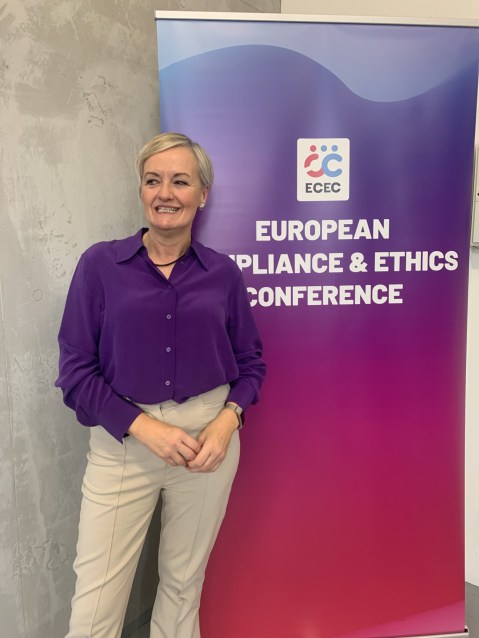
This is the first blog with me by my newassistant Joseph Eden, a City University journalism graduate, on a speech givenby Alison McDermott, on her horrendous experience as a whistleblower trying to expose bullying and malpractice at Britain’s largest nuclear siteand the appalling treatment she received at the hands of British Justice
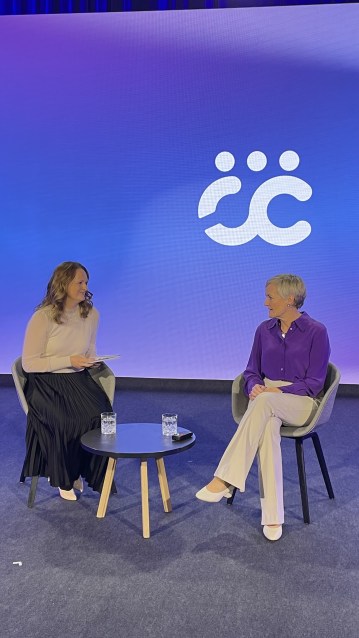
Alison McDermott being interviewed by Katy Diggory
by Joseph Eden
Employment disputes are supposed to be settled in a free and fair way; the reality is much different. In an interview at the 2023 Annual European Compliance and Ethics Conference in Munich, the largest conference dedicated to this subject globally, whistle blower Alison McDermott spoke of her case, and of a system that is awash with discrimination, inequality and abuse – at the expense of those who need it most.
A recap for readers of this blog, Alison told the conference the ordeal Sellafield and its governing body, the NDA, have put her through. After speaking out about serious employee abuses and abject failures within the nuclear facility’s HR department in 2018, HR director Heather Roberts and Lesley Bowen, who was responsible for the company’s EDI strategy, dismissed Alison overnight, citing financial reasons. Later, when Alison pursued litigation, Sellafield changed its tune, instead saying they acted on concerns over her performance, only mentioning financial reasons “to be kind”.
“It just doesn’t stack up”, she told interviewer and communications consultant Katy Diggory. “There is nothing kind about telling someone that we’re sacking you for one reason, and then three months later introducing a new reason when you no longer have a right to reply because you’ve already left”.
In addition, Alison produced a document highlighting Sellafield’s offer of an 18-month contract renewal just one month before her dismissal, which detailed the nuclear site’s perception of her previous work there as excellent and trusted by the executive.
What followed Alison’s dismissal is another damning indictment of the employment tribunal system. From her initial claim to the verdict, Alison recounts the bullying and harassment she was subjected to, labelled a “self-absorbed, self-serving woman” by Sellafield’s barrister, who insinuated she was pursuing her employer purely for financial gain – despite full knowledge of Alison having refused a £160,000 settlement offer.
Her interview at the conference further highlights the egregious power imbalance within the tribunal system. From the contrasting legal budgets of self-funded claimants versus their employers (in this case, an employer whose £670,000 of legal fees were picked up by the taxpayer), to the absence of any court transcript, and the lack of safeguards to protect employees from having reputation-damaging judgements publicly made against them simply for speaking out.
“Imagine being in a boxing ring with your hands tied behind your back and having to absorb punch after punch” was the metaphor Alison used, her experience made even more shocking with Judge Philip Lancaster allowing her former employers to pursue her for the maximum allowed costs.
Sellafield
Research by Greenwich University supports the imbalance Alison described, finding that more than half of all whistleblowing claimants represent themselves at their hearings, usually as a result of financial constraints. At the same time, employers are securing more expert legal representation than ever before.
The conclusions point to a modern landscape at odds with the informal grounds upon which the employment tribunal system was founded. The requirement of an advanced understanding of legal dogma has accompanied the encroachment of major legal firms into the realm of employment law – with employers spending hundreds of thousands of pounds to defend themselves from the claims levied against them.
This calls into question how an individual claimant could ever be able to compete against their bosses. The outcomes of employment tribunal cases indicate that, in practice, they rarely can. Referencing the government’s own tribunal statistics, Alison told the conference that between 2007 and 2021 only 3% of whistle blowers were successful at tribunal, noting that for women, the challenges faced are even more difficult.
“I think it’s incredibly hard for anyone to blow the whistle because of the huge barriers and inequality”, she said. “But research shows that women’s motives are more likely to be mistrusted”.
Need for substantial reform of the Employment Tribunal system
This phenomenon, Alison says, was manifest in her own judgement, with Judge Lancaster determining she was “pursuing some ulterior motive related to her desire to position herself as the champion of inequality within the nuclear industry”. This despite Judge Lancaster having reviewed evidence of Sellafield describing her as already a nationally respected expert in her field of work.
The experience of employment the tribunal system Alison shared with the ECEC stands as a clear example of why it needs substantial reform. Even now, following a successful appeal of her judgement, she is still being pursued by Sellafield for costs.
Alison at the conference
“Their duty is to create an environment where people are free to speak out, but hounding people for costs will obviously have the opposite effect” she said, adding that her tribunal experience has left others at Sellafield, the largest nuclear site in Europe, even more scared to raise concerns than they already were.
Closing her interview, Alison recommended several changes employers could implement, many of which are echoed by those who have gone through the same system. Assuming basic training and policies are in place, she prescribed a confidential way for employees to report concerns, a whistleblowing champion within organisations that values people who speak up, and finally that litigation should only be used as a last resort:
First, “investigate, investigate, investigate” she implored, ideally using external investigators. “I think that would send a very clear message to employees that the company really wants us to speak out.”
For those who want to hear directly from Alison the gruesome experiences of being a whistleblower there is a full video on YouTube of her speech. It is well worth watching.
Consultant cardiologist convinces judge she is too ill to attend and case cannot be listed until next spring
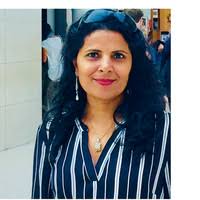
Dr Usha Prasad
Dr Usha Prasad, the whistleblower consultant cardiologist, yesterday won her argument that she was too ill, because of mental stress, to defend herself at another employment tribunal brought by Epsom and St Helier University NHS Trust without even having to attend the hearing.
The trust which originally wanted her to pay £180,000 costs- reduced in August to £24,000 – sought this week to strike out all her claims, including her whistleblowing case that an elderly man who died at the hospital was ” an avoidable death” which was never reported to the coroner.
The hearing was also set to go ahead tomorrow with remote links already sent out to people observing the case this afternoon when acting regional employment judge Katharine Andrews suddenly cancelled the hearing. This is the second time in two months hearings brought by the trust have been cancelled by a judge.
The costs hearing in August was cancelled when the tribunal met because according to judge Mrs E J R McLaren one of the panel members to hear the case could not attend. Dr Prasad had sent a letter from her GP saying she was under severe stress but another regional judge had rejected this.
This time Dr Prasad sent a fresh letter from her GP saying she was still under severe stress as a result of this long running case involving the trust.
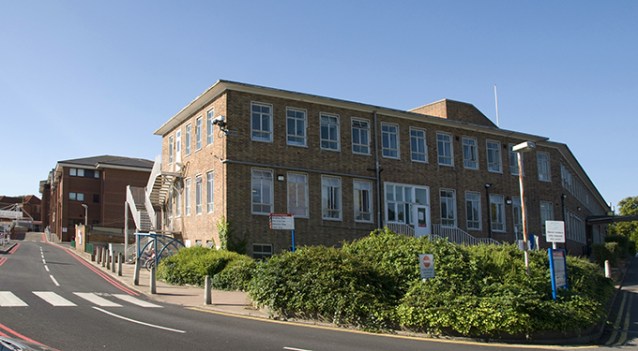
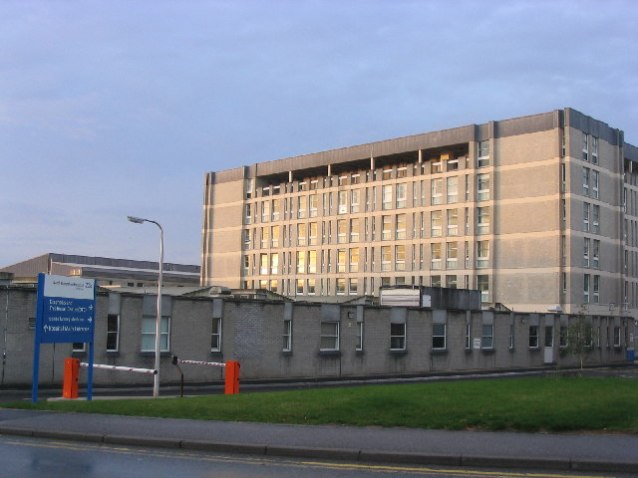
Epsom Hospital
In her letter the judge says: “This hearing was first listed for 6 April 2023. The claimant’s application to postpone that hearing was refused although it did not in any event proceed as there was insufficient judicial resource available. Accordingly it was relisted to be heard on 6 June 2023. That hearing was then postponed at the claimant’s request as she was unavailable due to a professional commitment and also at the request of the respondent who considered that a one day hearing was required. The matter was then listed for one day to be heard tomorrow, 18 October 2023.
On 29 September 2023 the claimant applied to postpone tomorrow’s hearing due to her ill-health. That application was refused as the medical evidence enclosed within her application was insufficient. The claimant has today repeated her application and enclosed a medical note (apparently from her GP) that does confirm that she is unfit to attend and that a delay of 3 to 4 months would enable her health to improve sufficiently. The respondent has objected to the request referring to previous postponement requests by the claimants and costs they have incurred that will be wasted. In all the circumstances the claimant’s application to postpone is granted and the hearing will be re-listed not before 1 March 2024. Any further applications by the claimant for a postponement are extremely unlikely to be granted. It is open to the respondent to make an application for wasted costs in due course if they believe that to be appropriate’ .”
Epsom and St Helier University Health trust have been fighting Dr Prasad for years and strongly objected to the hearing being postponed.
The regional judge who took the decision last heard one of her original tribunal cases in December 2020 when a tribunal was asked to rule again about the action of a fellow Indian doctor Dr Aran Kumar Perikala who wrote anonymous letters to the trust’s chief executive, the CQC, the GMC and Jeremy Hunt then health secretary, saying she was a danger to patient safety. He was unmasked but the trust did not take any action against him. Dr Prasad claimed he was sexist. The judge rejected this but ruled that he had behaved “unprofessionally ” by his actions. You can read my account of this bizarre hearing here. The whistleblowing allegations emerged at another hearing later.
Please donate to Westminster Confidential to allow me to continue my reporting.
A highly critical report from NHS watchdog, the Care Quality Commission has confirmed fears from whistleblowers, including obstetrician Dr Martyn Pitman, that mothers were at risk using Hampshire Hospital NHS Foundation Trust’s maternity services in Winchester and Basingstoke.
The report was not raised during the two week employment tribunal hearing as I gather it came out too late to be included in the evidence. But it followed a visit by the CQC to the trust last year resulting in a report which highlighted a slew of concerns about the service.
The report has been taken up by Helen Hammond, a lawyer based in Basingstoke and Reading, who specialises in clinical negligence in maternity care, working for the international law firm, Pennington, Manches, Cooper. In a blog on its site she catalogues the damning findings of the report from staff shortages to injuries facing women giving birth. You can read her full blog here.
North Hampshire Hospital, Basingstoke Pic credit: Wikipedia
The health trust has spent hundreds of thousands of pounds of taxpayer’s money on expensive lawyers from Old Square Chambers to deny that Dr Pitman was a whistleblower concerned about patient care denigrating him at one stage -until subsequently withdrawn- as “a freelance agitator”. They produced evidence claiming he made a midwifery manager, who never gave any oral evidence to the tribunal herself, that he made her cry. Top officials of the trust including the former chief medical officer, Lara Alloway, chief executive, Alex Whitfield, and trust chairman, Steve Erskine, gave evidence against him.
Now the CQC report says that in 2022 there was a lack of midwifery staff to provide safe delivery of births; two day delays of inducing births, staff missing training because they had to fill in for staff shortages and senior midwifery staff not creating a culture that supported individuals. In Basingstoke there were cases of staff not spotting mothers deteriorating in the wards, and of a much higher level of serious maternity tears – caused by forceps delivery -than the national average. Staff at Basingstoke said they were asked to perform tasks they did not feel competent to do.
The service also delivered a much higher proportion of babies in poor health than the national average.
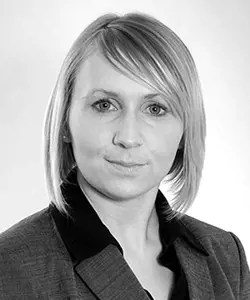
Helen Hammond, senior associate, Penningtons Manches Cooper
Helen Hammond says in her blog: “One frustrating aspect of the CQC report, which reflects our experience of representing local families whose babies have either died or developed brain injuries due to the management of their birth, is the failure to learn from previous incidents to prevent them reoccurring. Many families we have worked with have expressed a desire for the harm they or their child have suffered to lead to safer care for those who follow them. Acting on the findings of the report to make this the case would create a lasting legacy.”
The health trust said yesterday :
Our first priority is always our patients and it is vital we provide expectant parents with confidence in our care.
Following the 2022 CQC report, our maternity division is now fully staffed, and a number of policies and procedures are in place to remedy areas highlighted so that we address – among others – equipment concerns, communication issues, and training.
With that in mind, you have asked for a series of figures which we are concerned will be presented without appropriate clinical context, something that may cause undue alarm.
We ask that any expectant parents who may have concerns about the areas you have highlighted raise them directly with their midwives or obstetricians so that they can be given proper, medical advice and guidance. “
It is interesting that the trust would not provide me with current facts and figures on issues of maternity tears, babies born in poor health, or induction waiting times. I am sure that the CQC who normally revisit a trust to see if its services have improved, will look into this again and it will become public. It does rather fit in with the defensive attitude and lack of transparency from top officials at the trust during the tribunal.
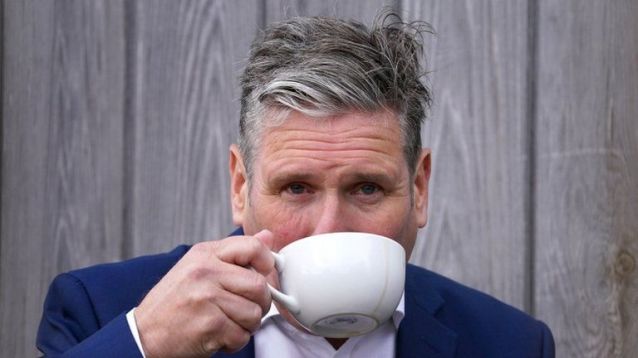
This week I paid a lightening visit to the Labour Party Conference in Liverpool and found a remarkably changed and brutally focused party.
Out had gone any commitment to state ownership, hugely expensive pledges to spend, spend, spend and in had come a sharp focus on bread and butter issues like cutting hospital waiting lists and building lots of homes for generation homeless..
There was also a brutal message from Sir Keir Starmer that the party would be raising very little on new taxes- beyond taxing non doms and VAT on private school fees. Everything was going to depend on growing the economy from its present feeble state to pay for new public spending. If that fails the whole Labour project will collapse once they are in government – a big hostage to fortune.
What was also noticeable was the huge presence of corporate firms and large charities and ngos – never have I seen such numbers in the exhibition hall and its overflow corridor.
The main reason why Labour is being cautious is the state of the British economy post Brexit. Although Brexit was never mentioned by the Labour leadership, the chaos and incompetence of the present Tory government ( now also emerging in the Covid inquiry) has virtually torched the British economy, now bedevilled with a cost of living crisis and high inflation. And they can’t blame the EU. But it is worse than that – the chopping and changing in government policy -illustrated by scrapping HS2 at Manchester during their conference last week and delays in the net zero programme – has even bewildered their business allies who don’t know where they are and how they should plan.
That is why they see a Labour government as a better bet than the Tories. It is ironic that after all the attacks on Jeremy Corbyn turning Labour into a cult – it is now the Tories that are turning into one – with their obsession with opposing trans rights, boat people, cancel culture and recreating the UK in the image of the 1950s. No wonder much of business ran off to Liverpool.
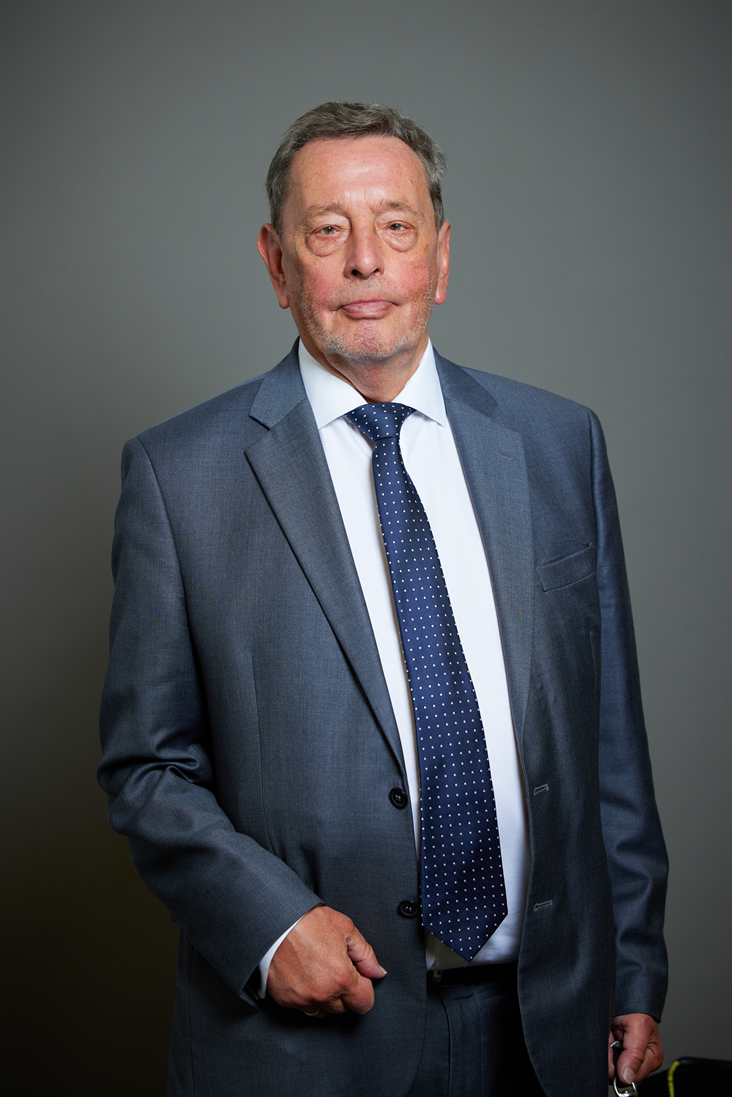
David Blunkett; Official House of Lords portrait
I did attend two very interesting fringe meetings during my short stay. Both illustrated the new order at Labour. One organised by the TUC was on the subject of tackling Britain’s skill shortages among the workforce. It was addressed by Steve Rotherham, the Labour Metro Mayor of Liverpool; Bridget Phillipson, Labour’s shadow education secretary; Labour peer David Blunkett; and chaired by Kevin Rowan from the TUC. What was impressive was that the TUC and David Blunkett had drawn up a very detailed plan to tackle the crippling skills shortage – often overlooked by politicians – and Bridget Phillipson, was keen to implement it. It included scrapping the very low wage of £5.28 a n hour for apprentices and replacing it with the minimum wage and radically changing the funding programme to tackle skills shortages and prevent employers exploiting it for cheap labour. If Labour are serious in doing this, it will be fundamental to economic recovery.
An even bigger eyeopener was a fringe meeting organised by Labour’s environment campaign, Chaired by a Westminster Labour councillor , the campaign had both the head of forests, from Global Witness and a Aviva, the private insurance company on the panel. It turned out that both Global Witness and Aviva had been working together to ensure UK legislation that would stop British firms contributing to global deforestation by de investing in companies that did this. Even this it appeared had been opposed by the Tories.
One extraordinary meeting I did not get into was on the controversial future of rail to be addressed by Labour’s shadow transport secretary, Louise Haigh. Organised by Lodestone Communications, whose clients include US whiskies, the Countess of Chester Hospital ( not best to advertise this at the moment) and IT firms, it was private but important enough for the general secretaries of ASLEF and the RMT to attend. I was told it shouldn’t have been advertised in Labour’s conference programme and been placed there by mistake. Very intriguing.
Women born in the 1950s who have faced a six year delay in their pension would have been pleased by a motion which was passed by Labour’s women’s conference. It commits the next Labour government to fully implement in law the UN Convention on the Elimination of All Discrimination Against Women (CEDAW) and ensure equal pay for women is fully implemented. We shall see if Sir Keir Starmer makes this a manifesto commitment.
Gary Hay former Capsticks lawyer and current member of the Portsmouth Hospitals NHS Trust board
An independent investigator appointed by the Hampshire Hospitals NHS Foundation Trust to review the treatment of whistleblower Dr Martyn Pitman, turned out be a former lawyer from Capsticks who specialised in exposing ” difficult doctors ” for NHS trusts, it was revealed at the employment tribunal hearing today.
The disclosure came during the questioning by Jack Mitchell, the junior barrister from Old Square Chambers, of the chairman of the trust, Steve Erskine, about how he and chief executive Alex Whitfield handled a request by Dr Pitman for an independent inquiry into the way the trust handled his grievances.
Dr Pitman, a well regarded consultant obstetrician and gynaecologist, was dismissed by the trust on the grounds that he couldn’t work with colleagues which could put patient safety at risk. This was the last day of evidence.
Capsticks are well known as the “go to ” lawyers for NHS trusts and have a big contract with the NHS which has just been renewed. They have a track record of denigrating and undermining whistleblowers in the NHS. The firm played a prominent role in the recent case against Dr Usha Prasad, the dismissed whistleblower cardiologist who revealed an ” avoidable death” of an elderly heart patient which the Epsom and St Helier University NHS trust never reported to the coroner.
Steve Erskine
Mr Erskine confirmed evidence by Alex Whitfield yesterday that his original decision to have an independent inquiry requested by Dr Pitman into his grievances was later change to include a much broader inquiry in which his grievances were subsumed. He insisted he did this on his own reflection.
Questioning by Mr Mitchell revealed that the trust knew it was not compliant with new guidance issued by Baroness Harding, on how NHS staff should be treated by trusts in the aftermath of the suicide of nurse Amin Abdullah who burnt himself to death outside Kensington Palace after being unfairly treated and dismissed by his trust. Baroness Harding was then chair of NHS Improvement before her more infamous role in charge of test and trace during the Covid pandemic.
The guidance that later became mandatory was not implemented by the trust until much later when it convened a sub committee, which meets in private, to draw up the changes. Mr Erskine argued that confidentiality was needed because of some of the information in the report. Initially he said the new rules had not been published by the board, but later when this was queried by the trust’s lawyer Mark Sutton and the judge because it breached a NHS directive, it was suggested there was some public reference which had not been given to the tribunal.
After the terms of the inquiry were changed, Dr Pitman wanted it dropped but was overruled by the chairman and chief executive. He then suggested that Verita, an independent investigation consultancy which found failings by Imperial College Healthcare NHS Trust in the way Amin Abdullah was treated, should be appointed to do the inquiry. Steve Erskine rejected this saying it would be ” a conflict of interest” if Dr Pitman suggested who should conduct the inquiry.
Instead the trust approached the law firm Bevan Brittan, who are representing the trust at the tribunal, to advise them.
The trust then settled on Gary Haye a lawyer and partner who had sat on the board of Capsticks and who Mr Mitchell said he had publicly said his specialism was ” dealing with difficult doctors” to be the independent investigator. He was also a member of Portsmouth Hospitals NHS Trust, the same board where Steve Erskine was a member. When challenged why he had not declared this, Mr Erskine said he did not need to, as they were members at different times.
Mr Mitchell disclosed that findings of Mr Hay’s report were part of Dr Pittman’s claim for detriment, as he found the report was “full of inaccuracies” and was “partial “. Mr Hay has no medical qualifications only degrees in law, English and business.
Please donate to Westminster Confidential to allow me to follow whistleblower cases.
Alex Whitfield, chief executive of Hampshire Hospitals NHS Foundation Trust
Alex Whitfield denies ever saying ” Martyn Pitman was a ” direct threat to patient safety”
Whistle blower consultant obstetrician Martyn Pitman made numerous attempts to get Hampshire Hospitals NHS Foundation Trust to independently investigate the allegations against him but was met with silence until he complained to the board , the tribunal was told yesterday.
The disclosures came out during the cross -examination of Alex Whitfield, the chief executive of the trust, by Jack Mitchell, the junior barrister from Old Square Chambers. Dr Pitman was dismissed by the trust for allegedly not being able to work with colleagues after he raised concerns about patient safety in the maternity wards at Royal Hampshire Hospital. The trust is arguing he is not a whistleblower in this case.
Alex Whitfield, a former oil refinery operating manager has been employed in managerial roles in the NHS since 2007. She was cross questioned in detail about how the terms of an independent inquiry were changed from one solely concentrating on his treatment by the trust after he had raised patient safety issues to much broader issues covering staff treatment.
Dr Pitman won the inquiry after complaining directly to a board member because no one else in management would take it up. It was passed to the chair of the board, Steve Erskine, a highly experienced Whitehall player and business development director who was keen for it to go ahead.
Steve Erskine, chair of Hampshire Hospitals NHS Trust on X as @ErskineSteve
At the same time the trust was grappling with new guidance later turned into a directive from Baroness Harding, on how NHS staff should be treated by trusts in the aftermath of the suicide of nurse Amin Abdullah who burnt himself to death outside Kensington Palace after being unfairly treated and dismissed by his trust. Baroness Harding was then chair of NHS Improvement before her more infamous role in charge of test and trace during the Covid pandemic.
At the time the trust was not fully compliant with the directive but the chief executive insisted at the tribunal that the trust was compliant with part of directive that covered Dr Pitman’s case. She also vehemently denied Mr Mitchell’s claim that she hid the non compliance ” to save her own skin” from questions by the chair.
The tribunal was told however that she was behind the change in terms of the inquiry to make it much broader than Mr Pitman’s case. If it had remained solely with him, it would have put her close colleague, Dr Lara Alloway, at the centre of the investigation, who, as reported yesterday as Dr Pitman’s case worker, faced questions of conflict of interest and not minuting meetings.
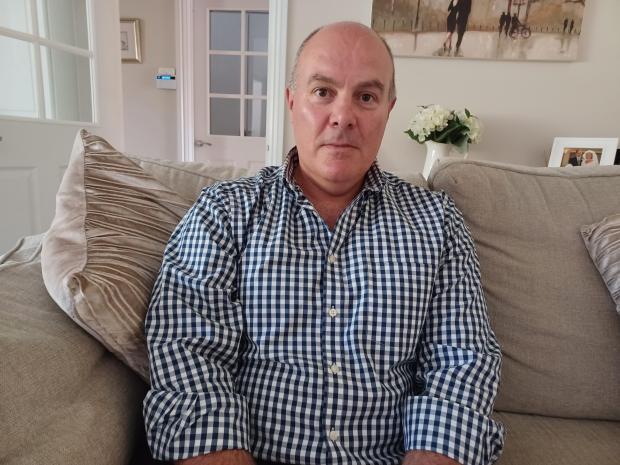
Dr Martyn Pitman Pic credit: Adele Bouchard, Hampshire Chronicle
The chief executive told the chairman that Dr Pitman would be able to appeal against any findings against him so would not lose out with a wider inquiry. But questioning from Jack Mitchell revealed this was not true. He would have been able to appeal if he had been found guilty of misconduct or lack of capability but because he went down the mediation route instead he had no right of appeal.
Mr Mitchell repeatedly argued that the trust had ” mapped out” a strategy to get rid of him at meetings – and also cited how the people director of the trust thought the best solution was to pay him off with a settlement. But Alex Whitfield insisted that they all wanted him to stay because he was such a good clinician and only wanted him to moderate his behaviour.
At the end of her cross examination she very strongly denied she had ever said that he had been sacked because he was a present danger to patients and the public. She insisted that she had never said that in discussions with Dr Lara Alloway.
Her denial sits oddly with Dr Lara Alloway’s evidence yesterday about the need for an extraordinary advisory meeting to discuss his future and complaints against him because they were worried about the risk to patient safety because of the toxic atmosphere with his relationship with some other staff.
And also the reason why Dr Pitman took ” special leave ” after he had a letter raising clinical issues does not fit with that. The hearing continues tomorrow.
Dr Lara Alloway: former chief medical officer. Pic credit: Hampshire NHS Trust
For the last day and a half Dr Lara Alloway, the case manager promoted to chief medical officer midway through his investigation, has been giving evidence for the Hampshire NHS Foundation Trust against whistleblower obstetrician Dr Martyn Pitman at his tribunal hearing.
She is a respondent in her own right alongside the trust and faced a forensic cross examination from Jack Mitchell, junior barrister from Old Square Chambers, paid by the British Medical Association which is backing Dr Martyn Pitman, who was dismissed from the trust for being” a danger to patient safety and the public” because of a breakdown in relations in his ward.
He traced the whole history of the case and challenged Dr Alloway over issues of conflicts of interest, failure to minute meetings, not following national NHS guidelines in investigating his case and sending a letter to Alex Whitfield, the trust’s chief executive, containing an untrue claim that he was involved in a clinical negligence case.
Dr Alloway presented herself to the tribunal as a person concerned with Dr Pitman’s welfare who wanted him to return to the trust and praising his clinical ability and reputation with some communication problems only to turn against him at the eleventh hour and secure his dismissal and the end of his career. The documents which sealed his fate were withheld from him, as earlier evidence has already been given, until he obtained them through Freedom of information and subject access requests.
Mr Mitchell cited a parallel with the Amin Abdullah case, the male nurse who burnt himself to death in 2016 outside Kensington Palace after being sacked and treated unfairly by Charing Cross Hospital An independent inquiry found the trust’s disciplinary procedures ” weak and unfair ” and the NHS sent new guidance for trusts in handling disciplinary procedures which have been sent to the Hampshire trust. The trust do not see a parallel.
Mr Mitchell also questioned whether she had followed the proper procedures for an investigation into him under the Maintaining High Professional Standards process since it was never referred to the national case review body.
Dr Martyn PitmanIack Mitchell
He also asked her about the screening group of managers contained a conflict of interest since one of the participants Janice MacKenzie, a midwifery manager, took part the decision to go ahead with an investigation was one of the principal complainants against him. Dr Alloway replied it had been referred to her predecessor chief medical officer, Andrew Bishop. It turned out there were no minutes of the meeting and Dr Galloway admitted it was just “a conversation” not a meeting.
It was put to her that there had been a long standing concern by consultants at the Winchester hospital about lack of staffing and the failure of midwifery managers to help out when it was short staffed and the trust had a meeting with them to discuss their concerns. Mr Mitchell contrasted that with the attitude of the trust that when Dr Pitman raised the very same issue as a whistleblowing concern the trust said ” it was not in the public interest.”
It also emerged that about half a dozen consultants had sent evidence about having good relations with Dr Pitman in contrast to the four midwifery managers who had complained about their ” well being harmed” by his treatment of them. She admitted that she had received them but dismissed them because she thought Dr Pitman had encouraged them to write to her. Mr Mitchell described her attitude as ” perjorative” against him.
Today Mr Mitchell concentrated on the run up to his dismissal. Dr Pitman wanted to challenge the findings of the MHPS findings – and she suggested he should file a grievance procedure while taking part in mediation and psychological coaching so he could return to the wards.
Then there was a tragic incident which caused ructions in the maternity ward- a 32 year old mother, Lucy Howell, died giving childbirth to Pippa who survived . She previously had a Caesarian which has caused her damage but the hospital had lost the notes of the case which recommended another Caesarian. Instead she had an induced birth with hormones that were inappropriate and died from a rupture. All this added to Dr Pitman’s concerns about patient safety and it coincided with his grievance procedure. And it made relations worse.
Dr Alloway decided to call an extraordinary meeting of a trust advisory committee following this incident. But it turned out to be a meeting concentrating on bad relations in the ward putting safety at risk with Dr Pitman as the principal problem.
Mr Mitchell pointed out that his grievances about patient safety appeared to arrive on the same day – but Dr Alloway denied it had any impact on the meeting. Mr Mitchell raised the point as she had a ” conflict of interest” since she was both chairing the meeting and acting as his case manager.
The trust rushed in extra evidence to show revised NHS guidelines mean any top official can act as case manager and there is no conflict of interest and does not have to recuse him or herself.. It also emerged that two other managers did not declare they had dealings with Dr Pitman while coming to a decision on what to advise Dr Alloway. It was also confirmed by her that no documents or reports were given to the meeting, it was solely her verbal report.
She then wrote to the chief executive, Alex Whitfield, saying she needed to take action against him. It turned out she had consulted the human relations department and the trust’s legal counsel, but kept no minutes of the meetings. She admitted to the tribunal that was a mistake and she had learned from it. She also admitted she had wrongly included a reference to clinical negligence involving him.
Mark Sutton, the Old Square KC for the trust yesterday withdrew a statement calling Dr Pitman a ” freelance agitator” saying it was not the trust’s view of him. The case continues.
The fourth day of the Dr Martyn Pitman tribunal provided extraordinary revelations of how top managers at the Hampshire Hospitals NHS Foundation Trust secretly got rid of the popular whistleblower obstetrician and gynaecologist who raised patient safety issues in the midwifery and maternity services.
Two very different witnesses, Daniel Pebody, a senior employment adviser to the British Medical Association, and Ben Cresswell, Divisional Medical Director for the Surgical Department at the trust, gave evidence on what happened to Dr Pitman from different sides of the managerial fence.
Mr Pebody was strongly questioned by the trust’s lawyer Mark Sutton, KC, the former head of chambers at Old Square Chambers. He had been called in by the BMA as a health employment expert, to examine the investigation report into Dr Pitman by the trust and the procedures used to dismiss him form his job.
He quietly clashed with Mr Sutton when the lawyer put to him that the “well being of midwifery managers” had been adversely affected by Dr Pitman ” bullying “attitude which Mr Sutton said led to one resignation. Mr Pebody said this was an issue of the “perception by the managers of their well being” and not an intentional attitude by the consultant “. Mr Sutton then brought up a guideline by ACAS ( the Advisory, Conciliation and Arbitration Service) that would allow a person to be sacked for ” unconsciously bullying people” to justify the trust’s decision.
Mr Pebody was also critical of the short time the investigator spent preparing her report – only one month – and pointed out it was one sided if not just short of biased, as nowhere in there were any views expressed from people supporting him. He hinted that perhaps the young person may have wanted to impress the trust as it was one of her first reports.
Biggest clash
The biggest clash came over when Dr Pitman learnt from the chief executive of the trust, Alex Whitfield, when he was about to be taken back by the trust that he couldn’t be because he could put patients ” at risk” and his clinical work would have to be monitored ( without any specification of what was wrong). The tribunal was told then he had no choice but to take “special leave”
Mr Pebody said this was ” appalling ” and ” this should never be allowed to happen again anywhere.”
The tribunal was then told by Mr Pebody of the battle Dr Pitman had to find out the reasons and get hold of the minutes of an advisory meeting of top managers who had met in private to advise Dr Lara Alloway, then chief medical officer of the trust, what action she could take against him.
He had to put in both a freedom of information request to his own employer and a subject access request before managers would part with the information. Mr Pebody was highly critical of the lack of transparency in the trust.
Later the trust’s Ben Cresswell gave evidence and was cross questioned by Martyn Pitman’s lawyer, Jack Mitchell, a junior barrister from Old Square Chambers. He had attended this key advisory meeting though he did not have any dealings with Dr Pitman.
Questioned by Mr Mitchell he had to admit that the extraordinary meeting- which was chaired by Dr Lara Alloway, who was handling Dr Pitman’s official grievance – received no written evidence, did not see the investigation report and were only told that there were multiple people who had complained about Dr Pitman.
Mr Mitchell described the sacking procedure as ” appalling”
Two issues were strongly contested by Mr Mitchell. First he pressed Mr Creswell on why Dr Alloway was chairing a meeting which would advise her on what to do when she was handling directly Dr Pitman’s grievances. He described this as ” a conflict of interest”. Mr Cresswell insisted that there was NHS guidance dating from the 1990s that limited what was a” conflict of interest” and senior staff were entitled to chair meetings when directly challenged by a doctor.
The second issue was over the wording of the final paragraph of the minutes which Mr Mitchell insisted showed that in fact a decision had been made by this advisory committee, which compromised all the senior managers, to sack Dr Pitman ” to protect patients and the public ” because patient safety was at risk if Dr Pitman could not get on with his colleagues. Mr Cresswell said this was advice and Dr Alloway would decide ” as the responsible officer” what view she was going to take. Dr Alloway, now the former chief medical officer of the trust, will be giving evidence on Monday as the tribunal continues.
Please donate to Westminster Confidential to allow me to continue my forensic reporting.
Trust lawyers try to turn his patient safety claims against them against him
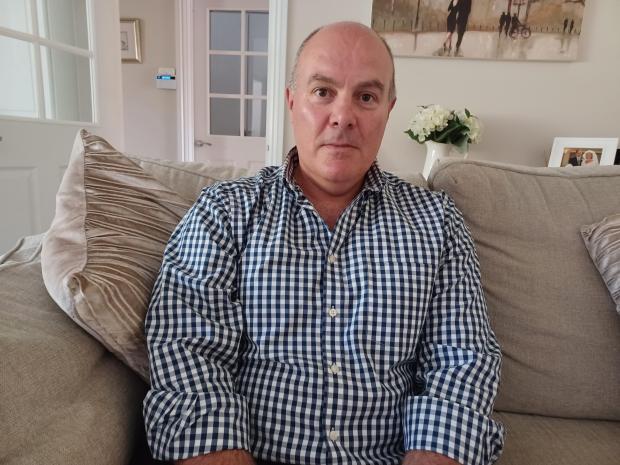
Dr Martyn Pitman
Mark Sutton, the leading lawyer for Hampshire Hospitals NHS Foundation Trust, tried to turn Dr Pitman’s patient safety complaints against his employer in both the maternity wards and the midwifery service against him in the third day of the hearing.
The former Old Square head of chambers highlighted a letter from the trust’s chief executive when Dr Pitman was trying to rejoin the trust after being suspended for two years. This followed a meeting of senior managers that decided that he could not come back because he posed a ” risk to patient safety “. Dr Pitman again had not seen the full minutes of the meeting.
Previously the KC had highlighted a disputed serious treatment case in the maternity ward- where Dr Pitman challenged a colleague and blamed the person for not being competent to do the job which led to the death of a patient.
Mr Sutton claimed that this led to a row in a hospital corridor which Dr Pitman said did not happen and was sorted out at a meeting in his office.
The lawyer also said that patient safety was at risk in the ward he managed because his relationship with the consultant team was dysfunctional. This was categorically denied by Dr Pitman who said he had ” eight years of positive relationships with his colleagues”.
His lawyer, Jack Mitchell, a junior barrister from Old Square Chambers, then pointed out that Mark Sutton had missed out a passage in one of the documents that showed Dr Pitman, far from not being concerned about patient safety, had warned the then associate director of midwifery Ms Janice MacKenzie of changes needed in the maternity ward to avoid deaths. A week later one baby had died and another had serious problems and no action had been taken by her.
Dr Putman ended the cross examination feeling weepy . The Judge Jonathan Gray, asked him why he seemed to be blaming everyone in the health trust for his predicament. He said this because every time he took issues up with the hospital hoping it would be resolved at a higher level including at board level there had been no attempt to do so.
Later Dr Michael Heard a retired consultant who worked alongside Dr Pitman defended his stance at the hospital. He said Dr Pitman was ” direct not rude” and ” passionate about his job “. He said he had good relations with Janice Mackenzie – who has accused Dr Pitman of forcing her to leave a meeting to cry in the toilet – and could not comment on some of the accusations brought by her because he was not there.
He described him as ” direct to the point and put his main points in writing in bold ” but did not use expletives. He said his style was “challenging and well researched.”
He also confirmed Dr Pitman’s main point that the maternity and gynaecology wards had been short staffed and all the consultants had been frustrated about it for years because nothing was done about it by the trust.
The trust’s lawyer, Mark Sutton, also raised whether a letter he wrote to the trust about Dr Pitman had been prompted by him. Dr Heard said he had done without his knowledge in the hope that matters could be sorted out informally.
” By then matters had gone too far”, he said. The tribunal continues tomorrow.