How a nurse whistleblower fell foul of NHS managers after the shock of finding a dead patient in a hospital ward

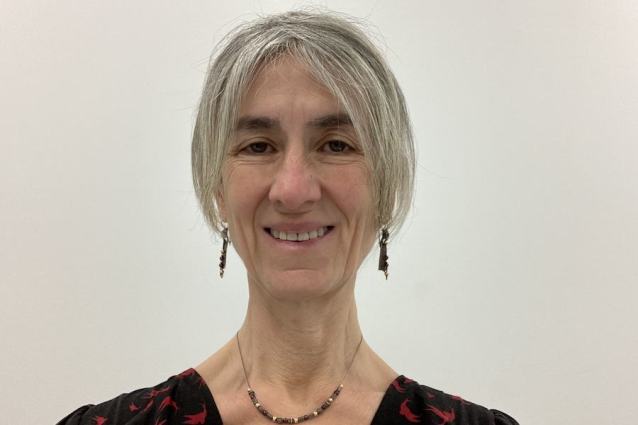
Francisca Holmes

Former Ward 22 manager not called as a witness says trust is lying over events that led to patient’s death

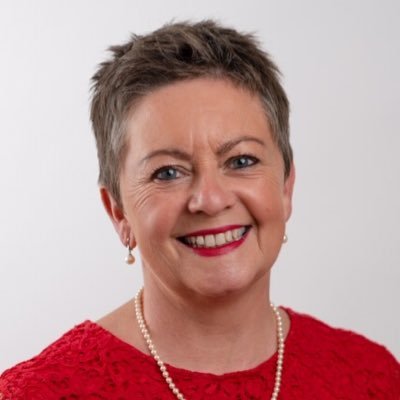
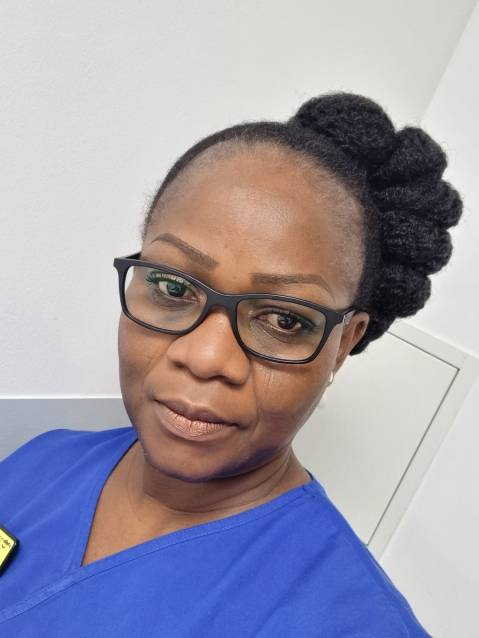
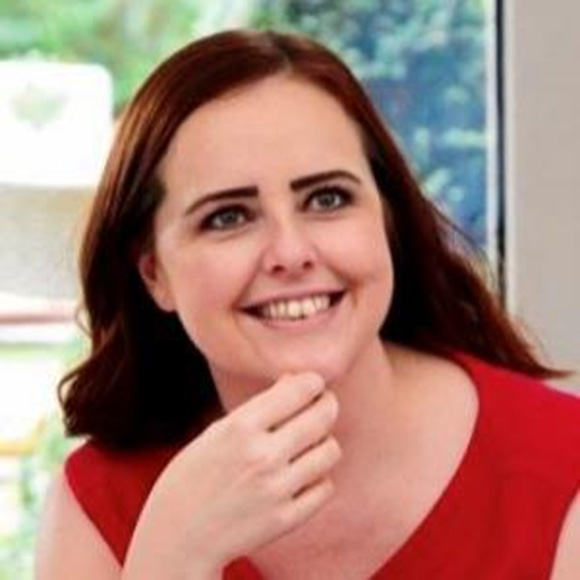
Francisca Holmes, a 61 year old staff nurse, had worked happily at the Queen Elizabeth Hospital, Woolwich since 2019. She is a black person of African ethnicity.

But during the Covid pandemic she was shocked to go into Ward 23 on 17 May 2020 after a frail elderly patient, who had not been admitted with Covid, but with a lower respiratory condition, was found to have died and nobody had noticed.

As I reported earlier, after the document was released by the judge hearing her tribunal case, the investigation into her death has been sparse. Just one page recording a ” patient incident” for a woman who died alone in a ward full of Covid patients after vomiting, with her mask resting on a pillow and a nebuliser with no oxygen.

Ms Holmes had a five day tribunal hearing this week under judge Eoin Fowell claiming detriment over whistleblowing, constructive dismissal, and age and race discrimination. All this was challenged by the Lewisham and Greenwich NHS Trust who employed a junior barrister, Camille Ibbotson, from the law firm, Old Square Chambers at great expense to press their case.

Her discovery of the body of the patient was reported to staff nurse Mr. Rey Malabuyoc. According to her witness statement she blames a Filipino nurse ,Ms Chenee Coronado, who was looking after her, for negligence that lead to her death. She has never been asked for a statement about what happened by the trust.

The death of the patient is described more fully in her witness statement:”

“According to Biftu Ali {the day nurse on duty) , the patient had been sitting out in the chair eating yoghurt when she aspirated and peri-arrested.  A crash call was put out and patient was seen by the team.  She added that patient was in bed, settled and being nebulised.

“After handover, my colleague  went into the bay but came straight back out to call me.  The known COPD patient was found lifeless with a nasopharyngeal tube in her right nostril.  She had a face mask on and nebulised on air via an air driven machine.  There was no sight of a nasal cannula, meaning she was not getting the required oxygen.  It is note worthy that a 40% (red) venture mask laid on top of her pillow while the flow metre was on at 60%. The patient had a nasopharyngeal tube in her right nostril.”

Rodney Katandika Pic credit: Linked In

The trust’s argument is the hospital was in the middle of the Covid pandemic and nurses could not devote the time needed to look after every patient because of staff shortages. Mr Rodney Katandika, the matron, on the ward, who first investigated the situation, said in evidence to the tribunal initially there was “nothing untoward in her death”. He also resolutely denied any age and race discrimination on his part.

After the event her witness statement says the trust ” appointed Lucie Kabatesi, Matron on and sent her a list of my complaints in a letter purporting to set out my grievances. The letter specifically omitted any reference to the patient death incident and my whistleblowing complaint which I had raised. I was not advised of any other procedure to raise my concerns and it appeared that the respondent was covering up the circumstances of the patient death and my allegations.”

She says she repeated her allegations when she met Ms Kabatesi on 27 April 2021. Ms Kabatsi told the tribunal this was the first time she had raised this with her and it was added to her investigation.

Francisca Holmes claims that since reporting the death she has been subject to detriments and ” set up to fail ” including being put on inconvenient shifts, left in charge of the ward without a matron, passed over for courses, had a pay cut just after a pay rise, and being accused by Mr Katandika of leaving without handing over her patients to the next staff shift putting patient safety at risk contrary to the nurses’ code of conduct.

She seems to have had a bad relationship with Jean Firaza, a Filipino manager, describing in her statement an incident where during a handover. In her statement she says: “She was very angry, arms akimbo and leaning back and forwards. There was a discussion about the treatment we were giving to a patient.”

Jean Firaza was not called as a witness by the trust, though she attended the hearing every day.

The investigation by Ms Kabatesi was scheduled to be completed in four weeks but took six months. She was described as an expert investigator but like Mr Katandika, and Ms Ann Marie Coiley, director of nursing, had no experience of investigating whistleblowing cases. I find this strange they were chosen since the same hospital must have postgrad experience of investigating whistleblowing since it is still fighting Dr Chris Day for over ten years over his whistleblowing claims over the avoidable deaths in the intensive care unit.

Ms Holmes was never informed of the progress of the investigation and eventually frustrated resigned.

Ms Ann Marie Coiley blamed Covid problems for the failure to sort out Ms Holmes’s request for flexible working and said she had bought a ” shopping list of complaints” against the trust.

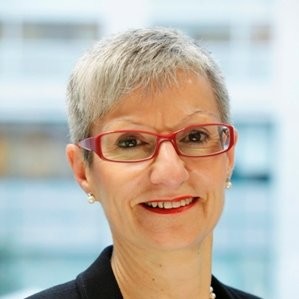
Camille Ibbotson

In her closing submission Camille Ibbotson for the trust said all her claims of unfair treatment and age and race discrimination were ” wholly unfounded.” She said all the trust witnesses who were called had provided credible evidence while she had been ” evasive” when questioned by her. She downplayed the death of the patient describing it as ” a patient incident” which seemed to me to be a rather callous dismissal when you heard the facts about the death.

Winston Brown, Ms Holmes’ solicitor, in summing up her case placed great emphasis on the fact that she been the victim of constructive dismissal by being kept in the dark about the investigation into her grievances and the trust hiding behind Covid to avoid detailed questioning about how she was treated.

He pointed out despite Covid the trust did not suspend its policy of treating staff with dignity and compassion because of the Covid crisis. As a result he thought it was in breach of the code and therefore she should be compensated. He also raised why the tribunal had not heard from Thurdy Campbell, one of the managers involved

Thurdy Campbell: former manager of Ward 22

After the publication of my blog over the trust’s failed attempt to ban me from seeing Ms Holmes’ witness statement and the ” investigation” into the patient’s death I was contacted on Linked In by Thurdy Campbell myself. She blames the death of the patient on an unplanned reconfiguration of wards 22 and wards 23 just two days before the patient died

She told me: ” I was the manager of Ward 22 at the Lewisham  and Greenwich NHS Trust who reported patient safety concerns  (via clinical incident) and sent email to senior managers  regarding  the unplanned reconfiguration process of 15 May 2020 that led to that incident (I was blindsided of the  patient’s death until Francisca Holmes raised the incident with me sometime in 2021).

” I supported FH as the ward manager during her complaint  but was dismissed from office during the investigation procedures conducted at the Trust . I was subjected to unlawful disciplinary sanctioning after reporting. “

She goes on: “I have sent Fran the info on this incident this morning . They are lying. I was slapped with a conduct letter by the DDNG (Divisional Director of Nursing Governance) for raising concerns about this incident. It has nothing to do with staff shortage. There should be a shift log book detailing activities of that day. Mr Brown should request a copy of that booklet..”

This seems to throw new light on events that were never told to the tribunal. The judgement will be given Monday afternoon.

One-Time
Monthly
Yearly

Make a one-time donation

Make a monthly donation

Make a yearly donation

Choose an amount

£5.00
£10.00
£20.00
£5.00
£15.00
£100.00
£5.00
£15.00
£100.00

Or enter a custom amount

£

Your contribution is appreciated.

Your contribution is appreciated.

Your contribution is appreciated.

DonateDonate monthlyDonate yearly

please donate to Westminster Confidential

£10.00

Death in Ward 23: Whistleblower nurse raises patient safety issues in the same hospital where Dr Chris Day is fighting avoidable deaths

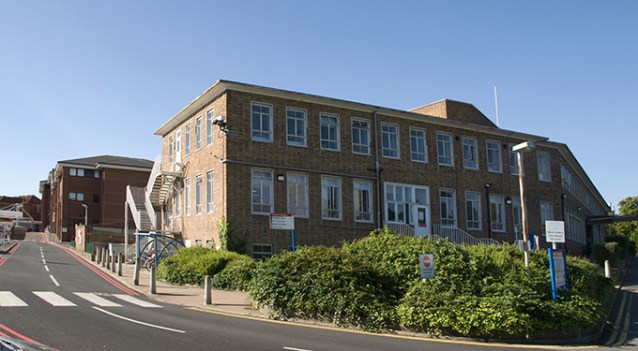
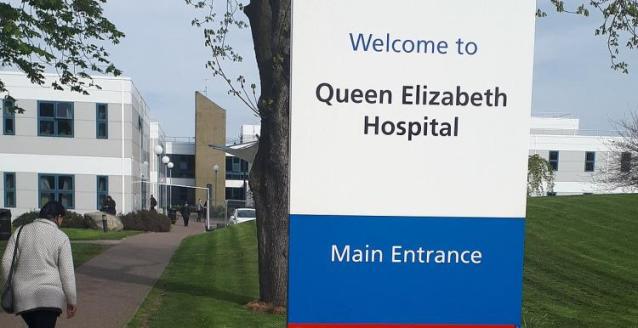
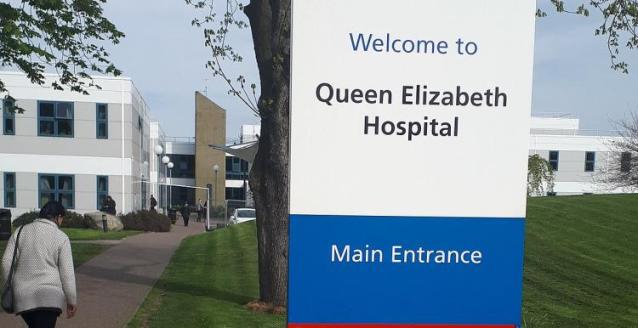
Queen Elizabeth Hospital, Woolwich pic credit: Lewisham and Greenwich NHS trust

Lewisham and Greenwich NHS Health Trust is facing a second whistle blowing case at an employment tribunal over patient safety six years after Dr Chris Day, a junior doctor, in 2014 brought a still on going case on two ” avoidable deaths” in their intensive care unit.

Francisca Holmes, a 61 year old nurse who has since resigned from Queen Elizabeth Hospital, Woolwich has claimed detriment after reporting an elderly frail patient was found to have died in her ward without the staff realising this had happened. She is also claiming age and racial discrimination.

She is being represented by her local solicitor Winston Brown, from Brown and Company. The trust is being represented by solicitors Capsticks and Camille Ibbotson, a junior counsel from Old Square Chambers.

Before the hearing even started Francisca contacted me saying she have been told that a journalist could not report the case because “all NHS cases” are confidential. When I pointed out this was nonsense her solicitor told her I could be given a link to attend the remote hearing.

Camille Ibbotson, junior barrister at Old Square Chambers

Then during the hearing I requested via the chat box to see a copy of her witness statement and the report into the investigation of the death. This was vigorously opposed by Camille Ibbotson, on behalf of the trust. She claimed that under the remote practice rules I had to make a formal application for the documents explaining why I wanted them and insisting that the report contained sensitive information and the witness statement contained allegations about people I should not see.

But the salaried employment judge Eion Fowell decided that my chatbox application was equivalent to a formal request, pointing out that in a physical tribunal hearing a journalist could raise the matter directly with a judge. I had also explained that I wanted the document so I could understand the case.

After an over night discussion the judge ruled in my favour on the grounds of ” open justice” rejecting the trust’s arguments. He said the trust was ” a large professional organisation” that could have applied before the hearing to keep some of the documents in the tribunal legal bundle private but had failed to do so.

Then it was revealed that the ” investigation” into the patient death is just a one page ” incident report”. The judge allowed the report to be flashed on the screen so I could take notes. It shows that an elderly frail lady was admitted with ” lower respiratory problems” and needed, at times, a nebuliser and oxygen to stay alive.

Evidently she was found to have died because this happened during the Covid pandemic on 17 May 2020 and the trust say ward was short staffed and unable to give her the continual care they would normally do. She was found dead after vomiting with her mask on her pillow and there was no oxygen in the nebuliser.

There seemed to be no suggestion that she had Covid herself but she was in a ward with Covid patients.

I will be reporting in full when the evidence given in the tribunal hearing is finished. But I thought this tussle over getting the documents should be reported as the judge’s ruling against the trust is important. Particularly as these arguments by the trust could be repeated elsewhere by Old Square Chambers.

One-Time
Monthly
Yearly

Make a one-time donation

Make a monthly donation

Make a yearly donation

Choose an amount

£5.00
£10.00
£20.00
£5.00
£15.00
£100.00
£5.00
£15.00
£100.00

Or enter a custom amount

£

Your contribution is appreciated.

Your contribution is appreciated.

Your contribution is appreciated.

DonateDonate monthlyDonate yearly

Please donate to Westminster Confidential

£10.00

Powerless Parliamentary Ombudsman lashes out at “command and control” NHS

Rob Behrens Parliamentary and Health Ombudsman

Last week was Whistleblower Awareness Week and Whistleblowers UK and the All Party Parliamentary Group on Whistleblowing organised a two day event in Parliament on issues affecting whistleblowing.

I attended the two hour session aptly entitled Whistleblowing in Health care – a Lesson in Futility? It drew a wide selection of people from the UK and the Isle of Man including doctors, lawyers, judges, nurses and speak up guardians

These included Dr Chris Day , who has been fighting Lewisham and Greenwich Health Trust for ten years after reporting two avoidable deaths in the intensive care unit at Woolwich Hospital and Martyn Pitman, a consultant obstetrician and gynaecologist, who recently lost a case against Hampshire Hospitals Trust, reporting patient safety issues after a mother died giving birth in one of their hospitals. Both cases can be found in a series of articles on my blog.

But one of the most striking contributions came from Rob Behrens, the Parliamentary Ombudsman – an Establishment figure – and the Health Service Commissioner more familiar to my readers over the debacle in getting compensation for 3.5 million 50swomen who faced a six year delay in getting their pension.

In a short powerful speech he rightly lambasted the culture inside the NHS which is leading to the failure, ,persecution and character assassination of whistleblowing doctors and nurses who report patient safety issues.

Describing the system in the NHS as “command and control”, he described the contrast between the management of trusts boasting to him how open their institutions were only to find the opposite when he talked to people lower down the food chain dealing with the complaints.

He pleaded for a more ” collegiate NHS” where managers and staff worked together rather than against each other. he wanted ” fundamental change” in the leadership of the NHS.

But his speech also revealed how impotent his role is in handling healthcare issues. He pointed out that the Ombudsman was handicapped by outdated legislation, couldn’t deal with staff issues unlike other Ombudsmen, was unable to take any initiatives himself, and couldn’t force the NHS to make changes even he wanted them to do so. None of this does his reputation with the public any good. I have only covered one of his cases. You can read about it here. Health warning it is a very grim story and the Ombudsman could only partially investigate it.

Northern Ireland Ombudsman has greater powers

How he must envy Margaret Kelly, the Northern Ireland Ombudsman, set up under more modern legislation, who has and uses her powers to initiate investigations. A report here on my blog shows how she took on private company Capita and its failure to treat disabled people properly applying for Personal Independence Payments.

At the moment plans to get a new law to protect whistleblowers ( they are also covered by outdated legislation which trusts can use lawyers to get round its provisions) is stalled. So is any legislation to give the Parliamentary Ombudsman fresh powers or rationalise the plethora of other ombudsmen in this country. I suggested one step that could be taken in election year would be for whistleblowers to press the major parties to include a pledge to legislate in their manifestos. There is an “oven ready” bill already by Whistleblowers UK to reform the system which could be the basis for fresh change. It is time we ended talking and took some action.

Please donate to Westminster Confidential so I can continue my reporting.

One-Time
Monthly
Yearly

Make a one-time donation

Make a monthly donation

Make a yearly donation

Choose an amount

£5.00
£10.00
£20.00
£5.00
£15.00
£100.00
£5.00
£15.00
£100.00

Or enter a custom amount

£

Your contribution is appreciated.

Your contribution is appreciated.

Your contribution is appreciated.

DonateDonate monthlyDonate yearly

Please donate to Westminster Confidential

£10.00
Ukraine: An extraordinary project to revive the history of a once forgotten nation

Video of the full proceedings of the launch at the British Museum

What do you really know about Ukraine? Until Russia started its bloody war to invade the country probably little more than the exploits of the Cossacks and Britain’s role in the siege of Sebastopol during the Crimean War in 1854.

This week I was invited to the British Museum for a press conference to launch a remarkable international project to thoroughly research the history of this little known large country .

History is important to us all. That’s why students in the UK learn about the Romans, the Norman Conquest, Henry VIII, Cromwell, the British Empire, the first and second world wars, and the creation of the National Health Service to name but a few. These pivotal events shape our past and give us a sense of belonging and the interpretation of our past can be a catalyst for changes in the future.

This project – the Ukrainian History Global Initiative – was launched here because it will be based here. It is being financed by a wealthy Ukrainian oligarch, Victor Pinchuk, who owns Interpipe, which makes pipes and railway wheels, six TV stations and Grand Buildings, a London landmark in Trafalgar Square. He is one of the trustees – the others include Carl Bildt who is chair of the trustees and former prime minister of Swedenm and the historian Anne Applebaum, lawyer Philippe Sands, and Ukraine’s most celebrated poet, Serhiy Zhadan. Two generations of Ukrainian historians are contributing tto the project.

The project is enormous and will take three years to complete with no fewer than 90 academic researchers working on the history of Ukraine from across the world going back to its ancient past as well as more recent events leading up to the current war.

Ukraine is not on the periphery of Europe and Asia

What emerges is that Ukraine far from being on the periphery of Europe and Asia played a central role. It had strong links with ancient Greece Its wealthy assets as a bread basket for the world has meant it was invaded by the Nazis in the second world as Hitler wanted the land to feed his country. Russia seems to have its eyes on its land for similar reasons plus its mineral wealth. The Mongols dominated Ukraine for a period and there are strong connections between Poland, Lithuania and Ukraine. Jews, Muslims and Christians also play prominent roles in its development.

This rich background will provide historians with a feast to investigate.

Timothy Snyder, Professor of History at Yale University, who developed the academic concept of the project over the past three years, and is Chair of the International Academic Advisory Council and Member of the Board of Trustees of the Ukrainian History Global Initiative, said: “This Initiative will involve scholars from around the world in several disciplines, using traditional methods as well as new technology that helps us to handle the deep past. ‘Ukraine’ here is to be understood very broadly, as the lands and peoples, from the very beginning. There is much interesting to be said about the origins of our language, about the bronze age, about the Middle Ages, about modernity — from Amazons to Vikings, Ukraine is a territory where our standard view of history can be revised and made more vibrant.”

Please donate to Westminster Confidential to cover my work

One-Time
Monthly
Yearly

Make a one-time donation

Make a monthly donation

Make a yearly donation

Choose an amount

£5.00
£10.00
£20.00
£5.00
£15.00
£100.00
£5.00
£15.00
£100.00

Or enter a custom amount

£

Your contribution is appreciated.

Your contribution is appreciated.

Your contribution is appreciated.

DonateDonate monthlyDonate yearly

Please donate to Westminster Confidential

£10.00
Exclusive: DWP paper says paying any maladministration compensation to 3.5 million 50s women is ” a major fraud risk”

Entire DWP submission to Ombudsman on women’s right to pension compensation leaked to this blog

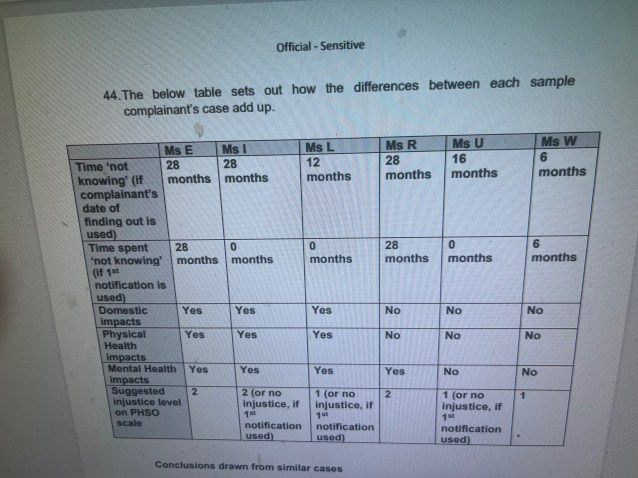
All 3.5 million 50s born women including the six “test case” complainants should get no compensation because there has been no maladministration and no evidence of financial loss, the DWP has told Rob Behrens, the Parliamentary Ombudsman. Even if there were maladministration the submission says his report does not show “there was injustice as a consequence of that maladministration.”

Their 118 paragraph submission rejects his entire draft report and his modest proposal of £1000 compensation for the six test cases, which the department says is, anyway, too high.

The coruscating response to the Ombudsman in a document marked ” official sensitive” is highly critical of his findings, the campaign to get compensation by WASPI, and makes the extraordinary suggestion that many of the claims by women could turn out to be fraudulent.

The attitude of the officials to the claim explains the real reason why Mel Stride, the Work and Pensions Secretary, is against mediation as he is obviously being advised that the ministry has no case to answer and why the Ombudsman, who must be embarrassed by the language in the submission, has turned to Parliament as a last resort.

The findings must be a major blow to Angela Madden, the organiser for WASPI, who only last year claimed at the Labour Party Conference that the women would get £10,000 to £20,000 compensation from the ministry.

Much of the submission is devoted to the Ombudsman’s proposal that all the women who have similar circumstances must get similar compensation and fund set up to deal with the wider question of compensation for financial loss. This means that the department would have to examine each case in detail which , according to the paper , would mean employing 5,500 extra staff, and take away people from other work like paying people’s pensions on their retirement and awarding pension credit.

The submission says: “DWP would not have information on all 1950s-born women and we would have to source their information – for example, through HMRC. We would also need bank details in order to make an automated payment and these would be obtained through outreach and/or some way for citizens to provide their details. Such a scenario would take significant setting-up and would have wide ranging impacts on DWP’s other critical business, with likely costs of the digital aspects.” It says this would take 18 months to set up.

It is the fraud claim over financial losses that is most extraordinary.

The submission says: “We are concerned that the Ombudsman’s proposed recommendations would generate a major fraud risk and be hugely and disproportionately burdensome to implement.”

“… we expect that the existence of a scheme would result in many claimants endeavouring to provide such evidence. The Department would then have to try out many extensive and expensive investigations to decide whether the evidence was sufficient to prove financial loss. We expect that claimants will be
encouraged to make claims for financial loss and that template letters will be circulated to support such claims. The cost of living crisis may also drive increased volumes of claims.

“This seems to be an entirely unnecessary expense for the taxpayer given that the Ombudsman has found no sufficient evidence on the 6 sample cases, we found no sufficient evidence on the 10,000 cases, and we cannot see how sufficient evidence could be available.”

The submission does not even accept that that there was anything wrong with the ministry’s communication to 50swomen. The Ombudsman makes another modest proposal that officials report to him and the chairs of the work and pensions and public administration select committtees, Stephen Timms and William Wragg on what they have done six months after his report is published.

“”You have recommended that within 6 months of your final report we explain to you and the chairs of the WPSC and PACAC what we have done since these events happened or what we plan to do.

….”we do not agree to report to you and the chairs of the 2 committees within 6 months of your final report being published. Also, your findings relate to historic events. We are not clear on the benefit of
considering these events with the advantage of hindsight.”

I am not surprised this confidential submission was labelled ” sensitive”. It shows up the arrogant way officials behave towards 3.5 million elderly women, their disdain for remarkably modest proposals from the Ombudsman, dislike of organisations like Waspi for organising ” template letters” and a level of complacency they have in their administration of this vexed and prolonged process of raising the pension age. Their official attitude is little better than Boris Johnson’s quip during the Covid pandemic “let the elderly die”.

I have not bothered to either inform or contact the Ombudsman’s Office or the DWP on this leaked report as the Ombudsman is bound by law from commenting during an investigation and the DWP never comment on leaked documents.

Please donate to Westminster Confidential so I can continue exposing what is really going on in government.

One-Time
Monthly
Yearly

Make a one-time donation

Make a monthly donation

Make a yearly donation

Choose an amount

£5.00
£10.00
£20.00
£5.00
£15.00
£100.00
£5.00
£15.00
£100.00

Or enter a custom amount

£

Your contribution is appreciated.

Your contribution is appreciated.

Your contribution is appreciated.

DonateDonate monthlyDonate yearly

Please donate to Westminster Confidential

£10.00
Exclusive: Parliamentary Ombudsman dodges recommending any maladministration compensation for 3.5 million 50s women

Rob Behrens, Parliamentary Ombudsman Pic Credit: PHSO website

Ombudsman capitulates to DWP intransigence NOT to pay a penny and leaves it to MPs to decide

In what must be the most extraordinary provisional decision by any Parliamentary Ombudsman Rob Behrens has decided NOT to make any recommendations for compensation for maladministration he found affecting 3.5 million 50s born women who had to wait an extra six years for their pensions.

Some details of his confidential letter sent out to Waspi, MPs, the test case complainants and 500 other pensioners have leaked out and show basically the Ombudsman has , in my words.” kopped out ” of his job to compensate people wronged by public bodies. This is after spending six years – with various breaks – investigating the issue.

The letter reveals that the Department for Work and Pensions has put enormous pressure on the Ombudsman not to award anything by telling him before he has completed his final report they have no intention of paying it.

These are the key paragraphs:

The official Ombudsman website says the aim is to publish this as a final report in March.

So what are the repercussions if this goes ahead? It obviously means it would go to Parliament which would have to have a debate and a vote on various levels of compensation. But the Parliamentary agenda is largely in the hands of the government and government whips. The government still has a large majority and Rishi Sunak, the PM, has shown little, if any, interest in this issue. All the government has to do is put down a motion saying the DWP doesn’t want to pay any of the women and whip Tory MPs to vote for it.

There might be a small rebellion by Tories but not enough to defeat it. It is by no means certain that Labour would support it, despite the former shadow chancellor, John McDonnell promising £58 billion to settle this issue. Labour seeing itself in power later next year would not necessarily be keen on paying a multi billion package to the women when faced with a tight spending constraints.

The other extraordinary result of such a provisional decision is that this is a bitter blow to Waspi, who went down the Parliamentary Ombudsman route. The have raised huge sums of money from these women – all it turns out for nothing. They are still running a crowd funder – supposedly for a judicial review into the Ombudsman’s decision. They capitulated at the court door- going for the Ombudsman to rewrite his findings. Well he has now, and recommends they get nothing. Should they continue to raise money now it could be seen as fleecing their supporters as they now have nowhere to go.

The only bright light in this terrible situation is that CEDAWinLAW has now raised all the £15,000 it needs for lawyers to go ahead to work out a strategy to bring a Group Class action against the DWP. Since it looks like the only thing that could make the DWP listen is a court decision, this is the only avenue left.

But there is something worse in the Ombudsman’s provisional decision. Should it go to a vote in Parliament and Parliament votes to give them nothing, that is the end of the matter. Parliament is supreme and even the courts have to bow to Parliament. In other words, the Ombudsman’s decision, however he likes to dress it up, condemns 3.5 million mainly poor pensioners to go to their graves without a penny in compensation. Some friend of the oppressed indeed.

One-Time
Monthly
Yearly

Make a one-time donation

Make a monthly donation

Make a yearly donation

Choose an amount

£5.00
£10.00
£20.00
£5.00
£15.00
£100.00
£5.00
£15.00
£100.00

Or enter a custom amount

£

Your contribution is appreciated.

Your contribution is appreciated.

Your contribution is appreciated.

DonateDonate monthlyDonate yearly

Please donate to Westminster Confidential

£10.00

Whistleblower Usha Prasad ordered to pay £20,000 costs in hearing held in her absence

Nadia Motraghi KC – from Old Square Chambers, barrister for the Epsom and St Helier NHS Trust

Judge rules her case had ” no prospect of success” and she was ” unreasonable ” to pursue the claim

UPDATE: The figure was amended when Usha received the judgement from exclusive of VAT to including VAT – that reducing the total figure to be paid to £20,000 instead of £24,000.

Employment Judge Ms EJ Mclaren today ordered Dr Usha Prasad to pay Epsom and St Helier University NHS Trust £20,000 in a hearing she did not attend due to ill health which had not been accepted by the tribunal.

The decision is a pyrrhic victory for the trust, Capsticks solicitors, and a barrister, Nadia Motraghi, from Old Square Chambers, who had originally sought to claim £150,000 but had their claim reduced to £20,000 – the maximum that can be charged in a summary hearing. Much of the money will be swallowed up in fees charged to the trust by lawyers, Nadia Motraghi, and Capsticks solicitor Jessica Blackburn, who have already made nearly £100,000 between them from pursuing Dr Prasad on behalf of the trust. See my blog on the paper submitted by Capsticks to the tribunal here.

Dr Usha Prasad

The handling of this case in my view is yet another example of why employment tribunals are totally unsuited to investigating whistleblowing cases.

For a start two judges have taken totally different views of whether Dr Prasad was fit to plead. Judge E J Baker basically decided that a doctor’s note was not good enough to prove she was ill. But only last month acting regional judge Katharine Andrews decided on a fresh doctor’s note to cancel another hearing involving the trust on the grounds that Dr Prasad needed a long rest and should not face any hearing until next April. It makes judicial decisions by non medically qualified judges seem like a lottery. This of course was not mentioned by Nadia Motraghi in the hearing as it would have undermined her client’s case.

Second the inequality of arms in these hearings. Dr Prasad has already spent a small fortune on lawyers in some of the hearings. So I know she decided she would not be represented by a brief at this hearing because if she lost it would cost her nearly double the cash -nearer £40,000. For the trust unlimited taxpayer’s funds can be spent on lawyers and it is not their money. Not bad for a trust that is already in financial difficulties – just cancel a few operations instead. I also note other lawyers offer a capped fixed fee if a private company is bringing a complex case against an employee – otherwise they would not get the business.

So it is rather hollow for the trust to claim as the judge solemnly pronounced – this is a big cost to a public authority caused by a case ” which had no prospect of success”. It is a big cost because the trust deliberately chose to use some of the most expensive lawyers in town – Old Square Chambers – and fell for paying for 21 lawyers from Capsticks.

Now Nadia Motraghi, whose submission was accepted in full by the judge, painted Dr Prasad as being a ” Jeckyll and Hyde ” character – not mature enough to realise her case was going nowhere and making repeated claims of unequal pay, racism and sexism she could not substantiate but turned into a totally different person when it came to paying the costs. She told the tribunal that she was very intelligent and capable of earning at least £116,000 a year as a good cardiologist and with a house that had gone up £300,000 in value which could be sold. She also used the fact that she was very popular in the Yorkshire hospital she had worked while being clinically restricted at Epsom. Any objective person might ask how come her talents weren’t equally recognised in Epsom.

Now the final issue is the whistleblowing claim. I had wondered why Jessica Blackburn, in a letter to her, had insisted it lacked any merit. Nadia Motraghi gave the game away. She had she had not produced any evidence to justify a risk to patient safety – no emails had been produced to prove this.

Then I remembered the judgement of Tony Hyams -Parish, which was used to justify the costs by judge E J Baker after he dismissed all her claims. There WAS pretty convincing evidence of a serious breach of procedure in an ” avoidable death ” of a heart patient and it was admitted by Dr Richard Bogle, head of the cardiology department. The death in the hospital was never reported to the coroner. You can read about this on my blog here. You can then read about the Hyams-Parish judgement. You can see it here.

What you will notice is that the evidence in the hearing is never covered in the judgement. Now judge Hyams-Parish, to borrow Nadia Motraghi’s words, is an intelligent man. He would know there are no record of the hearing and the judge’s notes are secret. So by not mentioning this in his judgement it is erased from the public record as if it never existed. Only the fortuitous chance that a journalist was there – and that is now very rare – is there a record. So that blog is the only record that it happened.

So it is not surprising that the trust can confidently claim there is no whistleblowing. The judge has been very helpful to the trust by expunging it from the record. As I wrote at the time this decision was a stain on British justice.

You may wonder why Dr Prasad, a whistleblower, did not turn up and the tribunal was unable to contact her. You can read the statement from Dr Ward here:

Dr David Ward, a retired cardiologist and supporter of Dr Prasad. put up a statement during the hearing in the tribunal chat box on he knew Dr Prasad was not attending :” I believe it is my duty as a consultant physician and longstanding colleague and witness to her state of mind throughout these prolonged proceedings to draw attention to the Tribunal that she is not fit to plead. She is in a state of extreme distress such that she is not able to attend. This hearing will cause further detriments to her health. I believe her GP has written a letter to this effect. “

Today he issued a further statement: “

Dr David Ward

“I wish to point out that the stress that has been experienced by Dr Usha Prasad throughout these proceedings was evident at the hearing in November 2021 before Mr Hyams-Parish. I know that Dr Prasad and the journalist, Mr David Hencke, have asked for the audio-visual recordings which I am sure would confirm this.  

2Her inability to recall events, emails, or to refer to documentation within the extensive bundle, whilst giving oral evidence is because of extreme distress. She was not merely tired, but suffered from mental fatigue, which leads to loss of concentration when “put on the spot” under cross-examination in public at a hearing.  

“I consider it is my professional obligation to point this out and would suggest that the audio-visual record of the proceedings of November 2021 are made available to provide objective evidence of the points I have made. It goes without saying that any costs awarded against Dr Prasad would be very damaging to her current state of mind and health. “

One-Time
Monthly
Yearly

Make a one-time donation

Make a monthly donation

Make a yearly donation

Choose an amount

£5.00
£10.00
£20.00
£5.00
£15.00
£100.00
£5.00
£15.00
£100.00

Or enter a custom amount

£

Your contribution is appreciated.

Your contribution is appreciated.

Your contribution is appreciated.

DonateDonate monthlyDonate yearly

please donate to Westminster Confidential

£10.00
Parliamentary Ombudsman to send out confidential draft findings on 50s women pensions next week

A younger picture of Rebecca Hilsenrath

A confidential copy of the provisional findings of the Parliamentary Ombudsman’s report revealing what compensation the 3.5 million remaining 50swomen will get for their delayed pensions will be sent out to selected parties at the end of next week.

This long, long awaited move was announced by Rebecca Hilsenrath, chief executive of the Ombudsman’s Office, to Mps on the Public Administration and Constitutional Affairs Committee yesterday.

Ms Hilsenrath told MPs that this long drawn out investigation had been ” challenging” and the Ombudsman had needed expert legal advice on how to proceed with the report. She said the investigation which began in 2018 had twice been paused because of litigation. These included the judicial reviews brought by ” Backto60″ – now CEDAWinLAW and Waspi . Backto60 had fought the DWP over indirect discrimination in the process and Waspi had wanted the finding of maladministration widened to cover other circumstances which had affected women’s claims.

It was also revealed that the Department for Work and Pensions had contributed to the delay by asking for more time to consider the issues.

Altogether it will have taken seven years before the public release of the report expected in the New Year of the Ombudsman’s findings during which over 250,000 women have died.

John McDonnell, the former shadow chancellor, said these delays and extensions had mean it would mean ” justice delayed becoming justice denied” and pressed the Ombudsman not to grant any more extensions to the DWP or other parties.

The schedule announced by Ms Hilsenrath will give the six ” test case” complainants until Christmas to respond. The provisional findings are also being sent to the DWP and Waspi but not to CEDAWinLaw.

” We will then take into account their views before issuing a final report in the New Year.”, she said.

The announcement yesterday came as the £15,000 crowd funder launched by CEDAWinLAW has already raised over 70 per cent of the cash so lawyers could draw up a strategy to bring a group class action against Mel Stride, the works and pensions secretary, for direct discrimination in the way they handled the raising of the women’s state pension from 60 to 65.

The lawyers handling the case are human rights lawyer John Cooper, KC and David Greene.

John Cooper KC

John Cooper said: “This is an important challenge for so many women in this country. The weight of the evidence indicates a grave injustice to them and we will robustly represent their interests as we move forward with the assistance of a first class legal team”

David Greene is regarded as an expert in bringing Class Actions for groups and cited as one of the best litigators in the City. He is a past President of the Law Society which represents solicitors.

Initially the Parliamentary Ombudsman’s Office said the “as far as we are aware no legal proceedings have been issued so no implications for our investigation.”

Rob Behrens, Parliamentary Ombudsman

Yesterday Rob Behrens, the Parliamentary Ombudsman, changed his position warning that further litigation would delay proceedings for the publication of the report.

Jovelynne Scutt, the former Australian anti discrimination commissioner, who has compiled a report saying the DWP is in breach of international law, says the legal case should have no bearing on the Ombudsman’s report which is mainly about maladministration.

Yesterday Ms Hilsenrath also admitted that the office’s handling of the complaint would be reviewed by the Parliamentary Ombudsman to see what “lessons can be learned” over the long process it has taken. By then Rob Behrens, the current Ombudsman, will have retired and a new one would be in place.

One-Time
Monthly
Yearly

Make a one-time donation

Make a monthly donation

Make a yearly donation

Choose an amount

£5.00
£10.00
£20.00
£5.00
£15.00
£100.00
£5.00
£15.00
£100.00

Or enter a custom amount

£

Your contribution is appreciated.

Your contribution is appreciated.

Your contribution is appreciated.

DonateDonate monthlyDonate yearly

Please donatge to wsestminster Confidential

£10.00

Exclusive: 50swomen prepare to take the DWP to court again over failure to compensate them for lost pensions

Top human rights lawyer and a past president of the Law Society to draw up legal case strategy for 3.5 million women

John Cooper KC Pic credit: 25 Bedford Row Chambers

CEDAWinLaw, the successor body to BackTo60, announced today that it has started preparations to take the Department for Work and Pensions to court again.

The move will re-ignite the row over the long drawn out dispute over the failure by government to compensate or recognise the plight of 3.5 million women who had to wait an extra six years for their pension. At present progress on the dispute is stymied by the long time the Parliamentary Ombudsman is taking to decide how much compensation the women are entitled to and the scope of their complaints.

David Greene. Pic credit: Law Society Gazette

Mel Stride, the work and pensions secretary, and Laura Trott, the pensions minister have also blocked any discussion of mediation between CEDAWinLAW and the government hiding behind Robert Behrens, the Parliamentary Ombudsman’s protracted delay in reaching any decision on the issue. This particular claim by ministers is vigorously contested by Jocelynne Scutt, the Australian judge, who says both processes are separate and mediation is possible while the Ombudsman considers his report

In a statement today CEDAWinLAW said: “CEDAWinLAW has instructed John Cooper KC ‘Top Silk’ out of 25bedfordrow.com via David Greene, Senior Partner, edwincoe.com to represent all 1950’s Women in a Group Class Action against the Secretary of State for Work & Pensions out of The Judge’s Report which sets out in depth the way in which those affected have enforceable rights which have been breached.

We plan to initially raise £15,000 to determine a case strategy with Counsel to be published, in due course.”

John Cooper is one of the leading human rights lawyers, having been the lead prosecutor in the People’s Iran Tribunal in The Hague; a leading KC in the Manchester Arena bombings inquiry, numerous high profile murder trials and fraud cases and is described as the preferred KC for cases which challenge the Establishment.

He said today: “This is an important challenge for so many women in this country. The weight of the evidence indicates a grave injustice to them and we will robustly represent their interests as we move forward with the assistance of a first class legal team”

David Greene is regarded as an expert in bringing Class Actions for groups and cited as one of the best litigators in the City. He is a past President of the Law Society which represents solicitors.

Mel Stride, work and pensions secretary

The announcement today was made inevitable by Mel Stride, the works and pensions secretary, refusing any mediation talks. These had been offered by Garden Court Chambers and ministers initially decided to ignore the request only to find themselves under pressure by Garden Court Chambers to have to respond. as it is a recognised legal process. Once he had refused he opened himself up to potential legal action. The offer for mediation still stands.

The decision today is also a victory for CEDAWinLAW, whose predecessor BackTo60, were refused a hearing of their judicial review by the Supreme Court after initially winning a case to bring it in the lower courts.

Jocelynne Scutt

By doggedly pursuing the issue despite this setback they got Jocelynne Scutt, former anti discrimination commissioner in Tasmania and an Australian judge, to hold a people’s tribunal, assisted by Garden Court Chambers. Her findings produced in a report found that 50swomen had been the subject of direct discrimination contrary to international law under the UN Convention of the Elimination of all forms of Discrimination Against Women and Girls, ratified by Margaret Thatcher in 1986.

Despite attempts to pretend this was of no significance notably by Andrew Gwynne, MP who supports WASPI and is now a Labour shadow minister for social care, as just ” a personal view”, lawyers from three firms, Garden Court Chambers ( for mediation) ,25 Bedford Row, and Edwin Coe (for the class action) have decided that it presents an arguable case.

CEDAWinLAW is seeking to raise £15,000 to cover the development of a legal case strategy . Their website if you want to donate is here.

A decision to go back to the courts will present fresh problems for the DWP which thought it had seen the end of legal action after the judicial review was blocked by the Supreme Court. It could also present problems for the Ombudsman’s Office as Robert Behrens used the previous legal action to pause his investigation.

I have asked both to comment. The Parliamentary Ombudsman’s Office said “as far as we are aware no legal proceedings have been issued so no implications for our investigation.”

Please donate to Westminster Confidential to allow me to continue my exclusive reporting.

One-Time
Monthly
Yearly

Make a one-time donation

Make a monthly donation

Make a yearly donation

Choose an amount

£5.00
£10.00
£20.00
£5.00
£15.00
£100.00
£5.00
£15.00
£100.00

Or enter a custom amount

£

Your contribution is appreciated.

Your contribution is appreciated.

Your contribution is appreciated.

DonateDonate monthlyDonate yearly

Please donate to Westminster Confidential

£10.00

Martyn Pitman judgement: a bad ruling that could endanger mothers in childbirth

Dr Martyn Pitman Pic credit: Hampshire Chronicle Adele Bouchard

Jonathan Gray, the employment judge hearing the case brought by whistleblower obstetrician Martyn Pitman against Hampshire Hospitals NHS Foundation Trust used last Friday to issue his judgement dismissing all the doctor’s detriment claims against the trust. The judgement, despite widespread and national interest, has still at the time of writing, not been published by the HM Tribunals and Court Service.

Judge Jonathan Gray Pic credit: BDB Pitman

The judge, who previously worked for the law firm BDB Pitman in Southampton, managed both to accept virtually all his whistleblowing claims but throw out any claims that he had been persecuted by the trust for exposing them.

In short he believed every word given by Alex Whitfield, the former oil refinery executive turned trust chief executive; Lara Alloway, the former chief medical officer and Steve Erskine, the former businessman now chair of the trust and other leading figures who gave evidence for them. He didn’t believe a word of the case brought by Martyn Pitman of his bad treatment despite being ably defended by Jack Mitchell, funded by the BMA from Old Square Chambers.

What the judge did was turn Martyn Pitman against himself. His ruling at the end was :“Having considered each of the alleged detriments, there is in our view an overarching reason for what has happened to the Claimant that is not on the grounds of any of the alleged or proven protected qualifying disclosures. In short, it is the Claimant’s communication style and not the message he was trying to convey.”

To seal the deal the judge turned one of Martyn Pitman’s witnesses against him. He used the evidence of Dr Michael Heard, a fellow consultant, who backed up Dr Pitman’s whistleblowing claims to turn against Dr Pitman.

Dr Heard had made similar claims to Dr Pitman to the management at the trust and no action was taken against him. The judge used this to say it proved the trust management was keen to take whistleblowing seriously but not keen if it was presented in a forthright manner which affected the ” health and well being ” of the managers.

Alex Whitfield, chief executive, Hampshire Hospitals Trust

What was also strange in this hearing was that the person who made the most dramatic claims against Dr Pitman, Janice McKenzie, the divisional chief nurse and midwife, saying she had to leave the unminuted meeting dealing with patient safety with him, in tears to cry in the toilet, never gave evidence. But like ” Banqou’s Ghost” in Macbeth her claims hung over the hearing. I would have liked to see her testify given there is no written evidence of what happened there.

There was also a dispute – again unminuted – over the claim that towards the end of this long saga Dr Pitman was verbally told by Alex Whitfield, that he couldn’t continue working at the hospital because he was a risk to patient safety. She denied this and the judge believed her and not Dr Pitman.

Basingstoke Hospital Midwife team receiving an award in 2015 in better times. Pic credit: Basingstoke Gazette

Now there is a much wider issue in this judgement which goes well beyond this being a local hospital dispute. It arose because of a merger of two trusts which brought a clash of cultures between midwives who worked at the North Hampshire Hospital and those who worked at the Royal Hampshire Hospital in Winchester. Midwife managers from Basingstoke tried to impose their system on midwives in Winchester. This led to unrest and unhappiness in Winchester and Dr Pitman intervened because he was worried about patient safety and took it up with the midwifery managers who seemed unable to cope with criticism.

The management of this became a national issue when the Care Quality Commission inspected the maternity services at the trust and downgraded the trust (see here). Again I am surprised this was not mentioned in the tribunal.

But why I really think this ruling is bad is another event which coincidently emerged while this case was on. The Care Quality Commission published its annual report on maternity services and it makes grim reading. The number of inadequate trusts has doubled from 9 to 18, the number of trusts that require improvement has increased from 46 to 67 and only six are in the outstanding quality category. The CQC is obviously worried about this since they have only inspected 73 per cent of trusts and are planning to inspect the rest as a matter of urgency. The issues raised include poor management, lack of staffing, bad communication with patients, patient safety being inadequate and also racial inequalities.

Now judge Gray won’t know about this and probably say it was irrelevant to his hearing but his ruling will be a solace to managers worried about whistleblowers raising inconvenient claims of patient safety in maternity wards. By putting down such an eminent obstetrician ( even the judge and the health trust couldn’t find fault with his clinical judgement) he is potentially putting at risk the safety of millions of mothers giving birth in England. Who is going to raise their voice in the NHS about patient safety in the maternity ward if they see a doctor put down and not believed in a tribunal like that? Yes he may be forthright and strong minded but we need people to have high standards to improve the health service for everyone. Judge Gray has a lot to answer.

Please donate to Westminster Confidential to allow me to do detailed investigations.

One-Time
Monthly
Yearly

Make a one-time donation

Make a monthly donation

Make a yearly donation

Choose an amount

£5.00
£10.00
£20.00
£5.00
£15.00
£100.00
£5.00
£15.00
£100.00

Or enter a custom amount

£

Your contribution is appreciated.

Your contribution is appreciated.

Your contribution is appreciated.

DonateDonate monthlyDonate yearly

Please donate to Westminster Confidential

£10.00