Can Whitehall promote innovation, efficiency and AI technology to help overcome the crisis in providing public services?

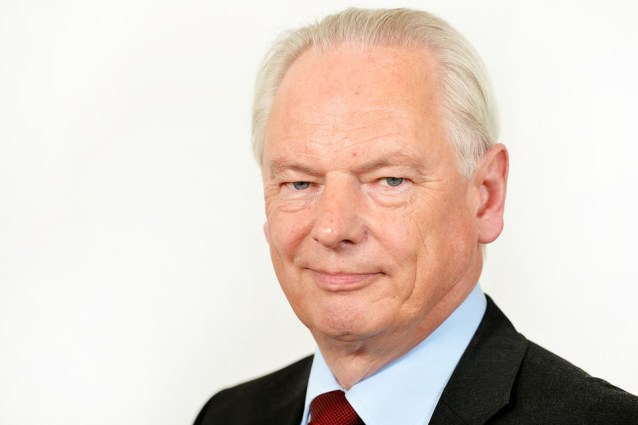
Gareth Davies, head of the National Audit Office

Head of the National Audit Office raises pertinent questions about the future direction of Whitehall in annual speech

Anybody reading the latest tranche of reports from the National Audit Office and the Commons Public Accounts Committee could be forgiven for thinking the UK is living in a dystopian world. Indeed fiction writers could use their reports as a basis for a dystopian novel or a new TV series.

The problem is that it is not fiction, it is factual based evidence.

Never in my 40 years of reporting the NAO have I seen so many things run by Whitehall going wrong. Yes we have had scandals, waste of public money and even corrupt deals exposed by them. But the last tranche of reports almost beggars belief.

Simultaneously we have had the biggest backlog of building maintenance, totally £49 billion, the largest ever NHS waiting lists for operations, the Home Office admitting it has made 1000 mistakes and wasted tens of millions on acquiring sites for housing asylum seekers, half the local authorities in England on the verge of bankruptcy, outdated computer systems without proper security protection, record homelessness, and a huge backlog of people waiting for special education places or treatment in psychiatric hospitals.

Innovate or die

It is against this background that Gareth Davies, the head of the National Audit Office, addressed a well attended meeting yesterday in Parliament of MPs, peers, former permanent secretaries, academics and journalists.

While he did not use my journalistic hyperbole, his message was a simple one to Whitehall, innovate or die. And although the NAO is strictly non party political, there was an underlying message to the present government, sharpen your act or lose the next election.

As he put it: “we have a new Parliament and a new Government, but many of the same problems of rising demand and not enough money to quickly fix the gaps in key public services. We also face other challenges that risk causing widespread disruption, from global instability and climate change to public health emergencies and cyber threats.”

NHS needed fundamental reform

He was particularly critical of the department for Health and Social Care and the NHS, the biggest employer in the UK.

” Figures from NHS England in May last year showed it was still 8 per cent lower in productivity in 2023/24 than before the pandemic and much work is underway to address this.”

He went on later: ” In the last few months, our reports on supporting children with special education needs and NHS financial sustainability both identified the need for fundamental reform in the face of rising demand and costs, alongside unsatisfactory outcomes. This means tackling the causes of avoidable demand and allocating resources in a redesigned system where they can have maximum impact on outcomes.”

He is pleased that Whitehall is piloting AI but also warned that new technology is not the whole answer to greater productivity. He also emphasised that ministries need to employ the best skilled people – notably recently in the need for people with good computer skills and capable of negotiating good procurement deals.

He is also wanted Whitehall to concentrate on tackling resilience to protect the country. This included fighting cyber attacks and the risk of future pandemics. He revealed the NAO would soon publish a report looking at the international and domestic implications of protecting the UK from another pandemic like Covid 19 which came from abroad.

Civil servants must be less risk averse

Finally he wanted civil servants to be less risk averse and try out well managed schemes, dropping those that don’t work quickly.

His solution was summed up in four succinct points.

  • First, a clearly articulated risk appetite and a spread of investments, to maximise the chances of success in innovation
  • Second, harnessing new technology as I’ve already mentioned
  • Third, a culture of fast learning and evaluation, stopping failed experiments quickly and scaling up successes
  • Finally – and close to home for us – an accountability and scrutiny framework that encourages well-managed risk taking

” It’s no coincidence that innovation thrives in times of crisis, such as when lives are at stake. Organisations rapidly adjusted their risk appetites during the pandemic to meet urgent needs,” he said.

He pointed that Whitehall fears that they would hung up to dry by MPs and the press if they failed was now no longer true -instead MPs on the public accounts committee were now more critical of civil servants who failed to look at new ways of tackling problems rather than following safe bureaucratic procedures.

So what are the NAO doing themselves?  “our refreshed strategy from 2025 to 2030 takes fully into account the risk appetite set for the range of innovative projects. We will continue to look for and highlight positive examples of innovation, including where unsuccessful initiatives have been stopped in favour of more promising ones. As well as featuring these in our reports on departments and organisations, we will publish what we learn across government as part of our programme of lessons learned reports.”

AI is also coming to the NAO so auditors can spend more time making professional judgements on department’s performance and less time on manual exercises.

Talking to people who attended afterwards it was clear that MPs and academics are well aware that innovation is necessary or we will not be able to deliver public services to meet growing demand. MPs seemed especially aware that the NHS was not functioning properly – whether it was their local health trust – or the bureaucracy at the top. MPs have already publicly criticised the top management of the NHS for being complacent.

Over the next five years how Whitehall balances the money needed for innovation and risk taking against the perennial problem of working in a public sector which has been neglected for too long and needs ” first aid” to keep going will be crucial. Whitehall should treat the present state of public services as a national crisis which can only be tackled by radical innovation.

One-Time
Monthly
Yearly

Make a one-time donation

Make a monthly donation

Make a yearly donation

Choose an amount

£5.00
£10.00
£20.00
£5.00
£15.00
£100.00
£5.00
£15.00
£100.00

Or enter a custom amount

£

Your contribution is appreciated.

Your contribution is appreciated.

Your contribution is appreciated.

DonateDonate monthlyDonate yearly

Please donate to Westminster Confidential

£10.00
Half baked and half finished: How courts and tribunals burned through £1 billion on computers to improve access to justice and failed

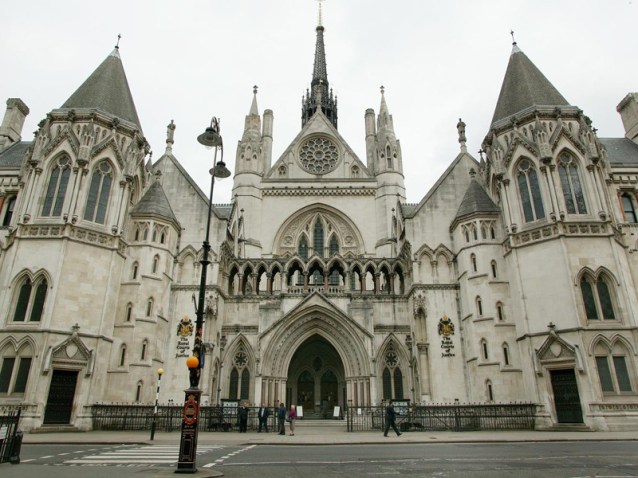
Royal Courts of Justice

It is portrayed by HM Courts and Tribunals Service as “our vision for reform to make the justice system more straightforward, accessible and efficient.”

But this £1.3 billion digital court reform programme has been exposed by the National Audit Office and last week by the House of Commons Public Accounts Committee for having failed to meet its objectives. This ambitious programme started in 2016 has been much delayed and only half completed. As MPs commented last week it has ” burned through” over £1 billion of public money and is the on the verge of running out of cash before half the benefits can be realised.

No one would argue that the courts and tribunal system is antiquated and needs reform. One only has to watch judges in the employment tribunal system writing down what claimants and respondents are saying by hand in courts that don’t keep proper records of hearings to realise how antiquated it is.

But once again it looks like that Whitehall has fallen for an expensive simplistic digital solution for a service which is incredibly wide ranging and complex. The aim was to create a common computer platform to serve 44 different aspects of justice from the criminal courts to magistrates courts and from the family and divorce courts to the probate service and the tribunal service.

Timetable five years behind schedule

It also had a timetable to be completed by 2020. Now we will be lucky whether the truncated programme will be up and running by 2025. Also £1.3 billion won’t be enough – there is only £120 million left to spend and that is nowhere enough to meet what is needed. And £22 million was wasted trying to integrate the Crown Prosecution Service into the system which didn’t work.

Also there are promises of big savings by going digital. This is always promised and we will see whether that really happens.

Also plans to have fully digital probate and divorce services had not fully worked. The MPs said:

“HMCTS found that significant proportions of its online divorce and probate cases required manual interventions from staff and in March 2022 HMCTS identified that 55% of divorce cases could not be completed online.”

In addition it appeared that both services discriminated against ethnic minorities.

Both the Bar Council and the Law Society were not impressed. The report says:

The Law Society “explained that there were functionality issues with online portals for family services, such as family public law. These issues led to problems, including instances of solicitors not getting necessary notifications which made the system difficult to use and, in some cases, significantly delayed cases. It told us that it had frequently expressed concerns to HMCTS about the functionality and design of some reformed services.”

System developed in a vacuum – Bar Council

The Bar Council told MPs:” the designers and producers of the common platform appeared to
have a limited understanding of working needs and practices, and “displayed a marked reluctance for the system to be designed in conjunction with, and for the benefit of, professional court users”.

It said it looked like the system had been designed in a vacuum.

As for the general public, it looked like that it was going to be a problem at magistrates courts ,purely because most of the defendants didn’t have any legal representation and therefore might not have proper access to the system to defend themselves.

Meanwhile the project continues so far with the pausing of integrating possession orders, special tribunals except for the Criminal Injuries Compensation Tribunal.

Dame Meg Hillier MP

Dame Meg Hillier MP, Chair of the Committee, said:

“Our courts were already stretched thin before the pandemic, and the backlogs now faced pose a real threat to timely access to justice. These are services crying out for critical reform, but frustratingly HM Courts & Tribunal’s attempts appear in some cases to be actively hindering its own staff’s ability to carry out their jobs. In particular, the roll-out of the Common Platform digital system was a blow upon a bruise for pressured court users.”

Given there are already many issues whether the courts do deliver justice, this rather botched computer programme does not give you much faith in the system.

Please donate to Westminster Confidential to allow me to continue my forensic reporting.

One-Time
Monthly
Yearly

Make a one-time donation

Make a monthly donation

Make a yearly donation

Choose an amount

£5.00
£10.00
£20.00
£3.00
£9.00
£60.00
£3.00
£9.00
£60.00

Or enter a custom amount

£

Your contribution is appreciated.

Your contribution is appreciated.

Your contribution is appreciated.

DonateDonate monthlyDonate yearly

Please donate to Westminster Conbfidential

£10.00

HMRC’s digital tax disaster – overspent, behind schedule and a huge hidden bill for taxpayers

Making Tax Digital |Government logo pic Credit: gov.uk

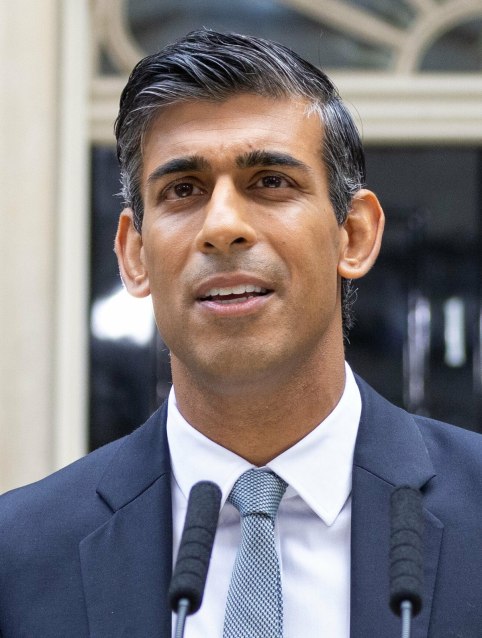
Rishi Sunak promised the UK will be a Science and Technology Superpower with world class digital technology attracting high skilled people from all over the world to come and work here.

Last October Chris Philp, then Minister for Tech and the Digital Economy,.at the Department for Digital, Culture, Media and Sport, also promised a bright future for the digital economy outlining the UK’s digital future with a host of government initiatives.

Rishi Sunak Pic Credit; Wikipedia

Back down to the real world the National Audit Office today published a report on one of the government’s initiatives – Making Tax Digital -and what a sorry story it is. For those familiar with Whitehall failures – it was the same story – the cost of the scheme had sky rocketed, its planned introduction had been delayed again and again – and worse, those businesses planning to go digital to pay their VAT, there was a huge additional cost, which somehow HMRC forgot to inform the Treasury.

The huge cost of switching the tax system to digital was supposed to cost £226 million when it was planned in 2016. This covered all VAT payments, businesses who pay via self assessment schemes and corporation tax. Instead it will now cost a staggering £1.3 billion – some five times the original estimate.

And it won’t be on time.

Scheme repeatedly delayed

The original programme was repeatedly delayed. Originally HMRC planned the entire changeover in 2020.

As the report says: “The timeframes for MTD[ Making Tax Digital] were agreed before HMRC had fully explored the range of options.” As a result large parts of the programme had to be rescheduled .And then came Brexit and the Covid pandemic which the hit the programme. Only VAT for larger firms was introduced before 2020 -in 2019 – and VAT for smaller companies waited until 2022 and the whole exercise cost £70m more than planned.

But it is the plan to switch over to digital tax for the self assessment businesses has been hit the most. The report said: In December 2022, the government pushed back the timetable for Self Assessment for the fourth time, delaying benefits and increasing costs further. On the advice of HMRC the government announced it would delay the start date for MTD for Self Assessment and take a phased approach to introducing it.
It won’t be implemented until 2026 or 2027 and even then not fully – as the original plan envisaged. It will apply to annual income above £50,000 in 2026 and above £30,000 in 2027. No date has been given for income below £30,000 which is still ” under review”.

HMRC left out cost to people of paying their VAT

On top of this HMRC in its business case forgot to tell the Treasury that it also landed business and taxpayers a bill for £1.45 billion. This is because for the digital system to work businesses and the self employed have to submit returns over three months and need to buy or lease expensive software to do it. So the government has put the cost on businesses avoiding the cost themselves. In my small way it hit me over VAT. Since my income was below the threshold I decided the simplest way was to deregister for VAT so the government now get nothing. Previously it was a simple form to fill in your quarterly VAT return supplied by HMRC.

HMRC said. “A project of this scale naturally comes with challenges, but MTD will deliver a strong return on investment for the taxpayer. We have always been wholly transparent about costs for business. We remain committed to ensuring that free software will be available for those with the simplest tax affairs.”

Gareth Davies ,Head of the NAO, said: ““The repeated delays and rephrasing of Making Tax Digital have undermined the programme’s credibility and increased its costs. They put at risk the support of taxpayers and delivery partners, including those who are essential to the programme succeeding.  

“Our audit identified the omission of significant costs from some business cases. It is obviously important that business cases for major programmes such as this contain all the relevant information to support decision-making.”

My view is a bit broader than that. I am getting very fed up with rhetoric from leading politicians telling the public that every project is world class when clearly it isn’t. This report from the NAO shows what is happening in the real world, not in the complacent fantasy world of the present Tory politicians who govern us.

Please donate to Westminster Confidential so I can continue by forensic analysis of government policies.

One-Time
Monthly
Yearly

Make a one-time donation

Make a monthly donation

Make a yearly donation

Choose an amount

£5.00
£10.00
£20.00
£3.00
£9.00
£60.00
£3.00
£9.00
£60.00

Or enter a custom amount

£

Your contribution is appreciated.

Your contribution is appreciated.

Your contribution is appreciated.

DonateDonate monthlyDonate yearly

please donate to Westminster Confidential

£10.00
National Audit Office investigation: The hidden scandal of rip off landlords cheating the vulnerable and the state

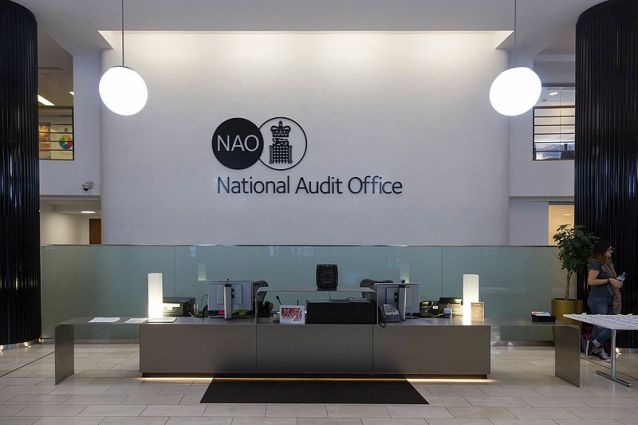
National Audit Office foyer Pic Credit: David Pearson

An investigation by Parliament’s financial watchdog, the National Audit Office, this week has cast light on a hidden scandal of how private and social landlords are making huge profits from providing costly sub standard housing to the elderly, disabled, homeless, recovering drug addicts and domestic abuse survivors.

Officially called Supported Housing this covers providers of homes from short term hostels to specialised homes for the disabled who need a high level of care and sheltered housing for the elderly.

Extraordinarily the provision is not regulated and often not directly supervised by local authorities and the government does not know how many supported homes there are in Britain- the latest figure of 651,000 is eight years out of date. Spending on provision was £3.5 billion in 2016.

The NAO decided to investigate provision in 10 councils and uncovered some startling facts. The councils are

  • Birmingham City Council
  • Lambeth Council
  • Bristol City Council
  • Blackpool Council
  • Hull City Council
  • West Devon Borough Council
  • Bradford Council
  • Nottingham City Council
  • Sunderland City Council
  • Charnwood Borough Council (in Leicestershire)

In Hull for example some conditions were so bad that 323 out of 345 homes inspected needed immediate attention to protect their residents on health and safety grounds. And 62 per cent of homes in the city failed to meet the decent homes standard.

They also discovered the landlords were using the housing benefit system by putting in large claims for rent – which mostly went unchallenged by councils because the landlords would take them to court if they queried the sum.

Levelling Up department does know how many supported homes exist in the UK

The Department for Work and Pensions which often pursues individuals over benefit fraud actually has no record of how many claims there are for supported housing. But when Birmingham Council launched a team to investigate they recovered £3.5 million from fraudulent claims in just one city.

The report says : “Authorities like Birmingham, have seen increasing numbers of landlords who circumvent the regulations enabling them to profit by providing costly sub-standard housing with little or no support, supervision or care.”

“West Devon reported to MPs on the Commons Committee for Levelling up, Housing & Communities ( who also investigated this) that a number of new schemes have entered the market over recent years, claiming to provide exempt accommodation. These schemes involve an investment fund owning the property and a small housing association, registered with the Regulator of Social Housing, acting as the landlord. The local authority considers that these types of schemes are mainly designed to maximise the amount of Housing Benefit that can be claimed.”

Recovering drug addicted were housed with drug dealers

The report added: ” the Committee reported hearing “of people with a history of substance misuse being housed with drug dealers, and of survivors of domestic abuse being housed with perpetrators of such abuse.”

.So what is being done about this? The NAO report that the government has finally commissioned research to find out what exactly is going on..

The report says: “The research intends to focus on the size and composition of the sector, costs, current and
future supply and demand, the interaction between commissioners and housing providers, and how to improve monitoring.”

It is also aware that the supervision of the sector is split between three ministries – levelling up, work and pensions and health and social care so it has set up a supervisory board. And it has pump primed some £5.4 million to five local authorities, Birmingham, Blackburn with Darwen, Bristol, Hull and Blackpool to test monitoring of supported housing.

Blackburn and Darwen told the NAO that without this money they would never have inspected the homes in their area because they hadn’t the resources. And it has asked 26 authorities to bid for extra cash over the next three years.

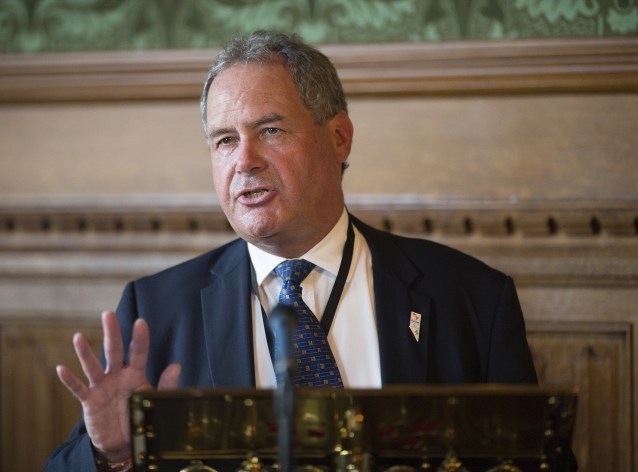
Bob Blackman MP

The biggest change may come from a private members bill by Bob Blackman, the Tory MP for Harrow East, now being scrutinised in the Lords, which lays out a proper framework for the sector. This still has shortcomings as it does not deal with housing benefit fraud which must be quite high in this sector.

All this is better late than never . But it says something that the government until now has not bothered about protecting vulnerable and elderly people from the landlord sharks who prey on them. It paints a pretty poor picture of modern administration in the UK which must lag behind other Western countries in looking after its vulnerable people.

As Meg Hillier MP, Chair of the Committee of Public Accounts says
“Vulnerable people deserve to live in housing that meets their needs.
But gaps in regulation mean a concerning number live in sub-standard accommodation, at great expense to the taxpayer.
Government must now capitalise on the work of its Supported Housing Programme Board and provide local authorities with the support they need, starting with meaningful data on the scale of the problem.

Please donate to Westminster Confidential to allow me to continue my investigations and reporting on serious social problems and backing whistleblowers

Please donate to Westminster Confidential

£10.00

One-Time
Monthly
Yearly

Make a one-time donation

Make a monthly donation

Make a yearly donation

Choose an amount

£3.00
£10.00
£20.00
£3.00
£9.00
£60.00
£3.00
£9.00
£60.00

Or enter a custom amount

£

Your contribution is appreciated.

Your contribution is appreciated.

Your contribution is appreciated.

DonateDonate monthlyDonate yearly

Treasury to save hundreds of millions as DWP scheme to help the young get jobs misses target

This blog often criticises the Department of Work and Pensions for its treatment of pensioners and the disabled. The ministry often responds by saying it is balancing this by helping young people. So how well is it doing on that front?

Not very well according to a National Audit Office report published today. It looks into the running of the Kickstart programme – a jobs programme aimed to take young people aged 16 to 24 off Universal Credit and into work. It has the laudable aim of getting the most unemployable youngsters into a job and off benefit.

Launched in September last year with the aim of helping 250,000 young people and employers get £1500 a person to help them run the scheme and pay the young the minimum wage. Some £1.9 billion was allocated by the Treasury to do the job.

The target was to reach this number by the end of this year. Instead the NAO reveals it has been extended to next March and will only help 168,000 of them. The target was hindered by the double whammy of the pandemic. As the report said; ” Repeated lockdowns meant many of the young people who started to claim Universal Credit at the start of the pandemic were on Universal Credit for over a year before the scheme could get going at scale. As the programme did begin to scale up, the economy was reopening, which increased the risk of government subsidising jobs that would have been created anyway. “

The government’s logo for the scheme

Indeed this was not the only target missed. It was aimed at whose who would find it difficult to get jobs, yet anybody aged 16 to 24 could get a place. The ministry didn’t evaluate what sort of jobs the young people got and whether it was good value for money . It didn’t entirely help the ” levelling up ” process either. The largest number of jobs created were in central London though including poor boroughs like Tower Hamlets and Lambeth. One area in the North East did get a good share but job offers were sparse in rural areas notably Lincolnshire, Cumbria, Norfolk, Powys and the Scottish borders.

The largest number of jobs offered were in admin, the desperate hospitality sector and the retail trade. The lowest number of placements were with law firms, transport operators, animal welfare and beauty treatments.

Firms caught cheating the young

Where company checks were made by local DWP managers there was a disturbing number of firms caught cheating the young by not paying them or putting their health and safety at risk. The report found “As at 20 October 2021, the Department had made 30 decisions to cap an employer or Gateway’s grant, [ limit the numbers a firm could employ]and 165 further decisions to end a grant agreement, including 105 decisions to remove an employer from a grant agreement with a Gateway.”

The DWP did not investigate whether the jobs would be filled anyway without the scheme either.

The result is that by no means all the £1.9 billion allocated by the Treasury will be spent and it is not known whether the rest has been spent wisely.

To be fair to DWP staff the report says the work coaches employed to help young people were enthusiastic about getting young people into work. It notes one or two individual successes including a young person with a criminal record and a drugs problem, getting a job and another unconfident young person getting an enjoyable job..

The report said: “When a Kickstart vacancy in dog daycare came up they wanted to apply, but lacked confidence in their application. Following discussion with their work coach they volunteered for an online course on animal care, after which they were successful in their job interview. Their work coach reports they are really enjoying their job, and would not have succeeded in getting it without Kickstart.”
The NAO praises the DWP for getting the Kickstart programmer off the ground but is not happy aboujt the evaluation of the project by the ministry.

Gareth Davies, head of the NAO

Gareth Davies, the head of the NAO, said:

“At the start of the pandemic, DWP acted quickly to set up Kickstart to help young people into work when youth unemployment was predicted to rise significantly.

“However, DWP has limited assurance that Kickstart is having the positive impact intended. It does not know whether the jobs created are of high quality or whether they would have existed without the scheme. It could also do more to ensure the scheme is targeted at those who need it the most.”

A similar view is expressed by Meg Hillier, the Labour chair of the Commons Public Accounts Committee.

So once again a good idea is spoiled by a ministry that does not evaluate whether its programme – one of the most expensive run by the department costing around £7,000 per participant,- is doing its job.

Please donate to my blog to keep my forensic work going.

One-Time
Monthly
Yearly

Make a one-time donation

Make a monthly donation

Make a yearly donation

Choose an amount

£5.00
£10.00
£20.00
£3.00
£9.00
£60.00
£3.00
£9.00
£60.00

Or enter a custom amount

£

Your contribution is appreciated.

Your contribution is appreciated.

Your contribution is appreciated.

DonateDonate monthlyDonate yearly

please donate to Westminster Confidential

£10.00

National Audit Office reveals DWP’s “almost inevitable” errors in calculating your pension as £1 billion is owed to 134,000 pensioners

Woman pensioner. pic credit: Which?

A highly critical National Audit Office report today exposes major shortcomings in the running of the country’s state pension system.

With some 12 million people relying on the Department for Work and Pensions to calculate their pension accurately the auditors reveal a sorry picture of outdated IT systems, civil servants reduced to making manual calculations and mistakes galore with no proper system to identify the errors in the first place.

The NAO investigation was triggered when former pensions minister Liberal Democrat Sir Steve Webb and Tanya Jefferies of ThisIsMoney.co.uk, last year started to refer a number of cases to the Department of women who had been underpaid. On 26 May 2020 Sir Steve published an estimate of the level of underpayments using the
information obtained from the Department combined with public information from the Family Resource Survey that at least 220,000 women had been underpaid including 131,000 married women, 56,000 widows and 35,000 divorcees.

90 per cent of the losers are women

Now the department has admitted that 134,000 people have indeed been given underpaid pensions and it will cost £1.053 billion to compensate them. This figures excludes those who have already died because the department wipes them from its records after four years

Once again 90 per cent of them are women, and only 10 per cent men.

What is particularly alarming is the summary in the report about the whole pensions system.

It says: ” The errors occurred because State Pension rules are complex, IT systems are outdated and unautomated, and the administration of claims requires a high degree of manual review and understanding by case workers. This makes some level of error in the processing of State Pension claims almost inevitable.

The Department’s caseworkers often failed to set (and later action) manual IT system prompts on pensioners’ files to review the payments at a later date, such as their spouse reaching State Pension Age or their 80th birthday. Caseworkers also often made errors when they did process prompts because frontline staff found instructions difficult to use and lacked training on complex cases.

Worse the department seem to have a top down approach to find out about errors – rather than a bottom up from the pensioners themselves who might challenge their pension awards. Therefore it never picks up a large volume of similar complaints.

Wrong assumption that there are no errors

As a result there always been the assumption – and it was taken until now by the National Audit Office- that there was virtually no fraud or error in the payment of the £100 billion plus to pensioners every year. This has now been proved wrong.

The ministry is recruiting 544 people – at a cost of £24.3 million – to chase up and pay out the money to people who have lost out. But it is going to take some two years to do this with priority being given to the over 80s and widows. It has no plan on how to compensate relatives of dead pensioners owed money- and the NAO think it should create one.

Meg Hillier MP

Meg Hillier MP, Chair of the Committee of Public Accounts, said

“Many pensioners – most of whom are likely to be women – have been short-changed by thousands of pounds which they are still yet to receive many years later.

DWP must provide urgent redress to those affected and take real action to prevent similar errors in future.”

A DWP spokesperson said:

“We are fully committed to ensuring the historical errors that have been made by successive Governments are corrected, and as this report acknowledges, we’re dedicating significant resource to doing so. Anyone impacted will be contacted by us to ensure they receive all that they are owed.

“Since we became aware of this issue, we have introduced new quality control processes and improved training to help ensure this does not happen again.”

Fourth pensions scandal to hit DWP

However one must comment that this is the fourth scandal to hit the DWP over the payment of pensions and women are by far the worst treated. First we had the 3.8 million 50swomen not being properly informed about the raising the pension age which the Ombudsman has found there was maladministration. Then we had the complicated story of people losing their guaranteed minimum pension uprating which could affect 11 million people, mainly women. Again the Ombudsman found maladministration but only two people have been compensated. And now we are also having delays for people claiming their pension for the first time in getting paid.

Cynics might conclude the ministry is almost misogynist in its approach – and also all these delays is ensuring more people -particularly in the age of Covid- will be dead before they get the money that is owed to them.

You can now donate to my blog to support my work. Details below:

One-Time
Monthly
Yearly

Make a one-time donation

Make a monthly donation

Make a yearly donation

Choose an amount

£3.00
£5.00
£20.00
£3.00
£9.00
£60.00
£3.00
£9.00
£60.00

Or enter a custom amount

£

Your contribution is appreciated.

Your contribution is appreciated.

Your contribution is appreciated.

DonateDonate monthlyDonate yearly

donate to westminster confidential

£10.00

Exclusive: “Frightening” DWP letter to pensioners: Report for telephone interview or we can stop your pension

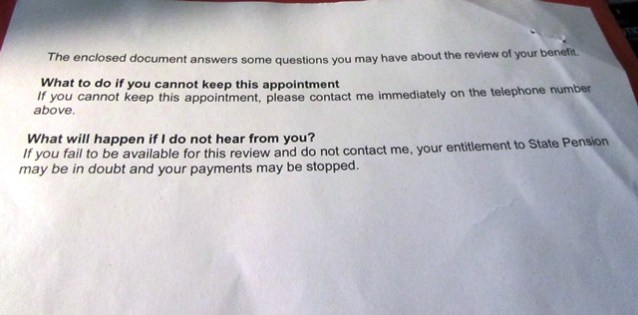
The ” frightening” DWP letter ( the telephone numbers of the pensioner and the official and his name have been blacked out

This a picture of the offending page 2 of the DWP letter

The headline in this story is a paraphrase of an extraordinary letter to be sent out to 15,000 people randomly chosen by the Department for Work and Pensions. Some 180 pensioners are being contacted this month.

The ministry has mounted an exercise to check fraud and error in payments for the state pension alongside universal credit, attendance allowance, PIPs, carer’s allowance, pension credit, housing benefit, and the employment and support allowance. It is run by the Performance Measurement Team. The ministry are asking people on other benefits to send them original documents showing their savings, pay slips, rent books and tenancy agreements.

It comes as the ministry faces a potentially damning report from a National Audit Office inquiry into the underpayment of state pensions to tens of thousands of women under the old state pension system replaced in 2016.

The NAO want to know how these mistakes occurred , what is being done to put them right and what lessons have been learnt. The NAO made it clear yesterday it had nothing to do with this exercise mounted by the DWP.

This also comes on top of a finding of “maladministration” by the Parliamentary Ombudsman over the ministry’s failure to inform 3.8 million 50swomen adequately about the rise in the pension age from 60 to 66.

The letter reproduced above is pretty insensitive to say the least – since it will be going to elderly people aged anywhere from 66 to their 80s and 90s.

Onus put on pensioners not the DWP

As you can see it puts the onus on pensioners to answer questions correctly-with the threat of prosecution or fines if they don’t.

” You have a personal responsibility to make sure all the information you give during the call is correct and complete.

If it isn’t and we pay you too much money you may have to pay the money back. You also risk being prosecuted or having to pay a financial penalty.”

But it gets worse. Under the heading What will happen if I do not hear from you it says:
If you fail to be available for this review and do not contact me, your entitlement to State Pension may be in doubt and your payments may be stopped. ( Bold type my emphasis).

This is “coercive and threatening language”- Rosie Brocklehurst

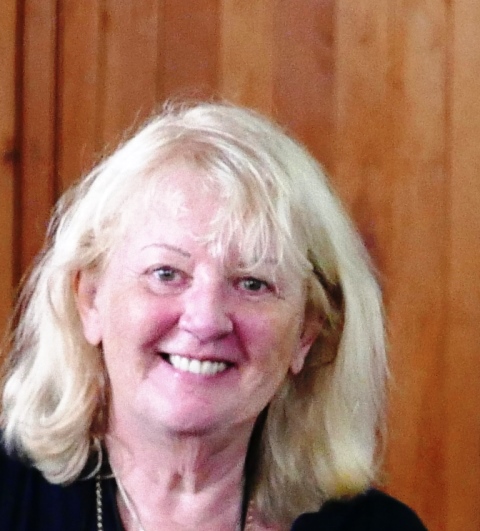
Pensioner Rosie Brocklehurst

Rosie Brocklehurst from St Leonards, is one who got the letter and contacted me.

She saId: “There could be 15000 terrified pensioners receiving this letter all of whom are being threatened with having their state pension. stopped if they do not “make themselves available.” This is abusive coercive and threatening language in my lexicon.”

She is 71.  She said: “The letter they send out is couched in language that is designed to frighten and certainly frightened me. I am not well and have had a chronic condition for 18 months. I have no other income but state pension and pension is not means tested. I am married and claim nothing else but my pension..”

Two points First you have to claim your pension but the calculations are done by the DWP. So if the figure is wrong it is not your responsibility, it is theirs and there is a history of the ministry getting things wrong.

The second is you are entitled to your pension. There is no way the DWP or anybody else can take it away from you. Whoever drafted that letter should have changed it for pensioners. I suspect that it may be illegal for the government to stop pension payments which they have already calculated. Certainly if the grounds are not agreeing to be interviewed.

I have contacted the DWP press office but they took over two days to reply. This is their reply;

“We urge people not to worry. We would only suspend payments in very specific circumstances such as where a pensioner has died and we are continuing payments.

“These reviews, introduced in 1997, take a sample of claims from across several benefits to help us identify cases where the department has paid the wrong amount.”

“The wording of our letters is kept under constant review.”

However what does it not say is that the state pension was exempt from all reviews since 1997. A decision to include it was taken in February this year. No explanation was given why the ministry suddenly decided to include it.

Covid-19: How the year of the bus became the year of bust

Pic Credit: Wes Hicks – Unsplash

2020 was supposed to be the Year of the Bus. A newly elected Tory government promised £220m to improve services which had been in decline since 2010 when another newly elected Tory led government created the cuts.

The initiative ticked every election promise box. It was going to reverse service cuts – mainly in the shires as part of levelling up. It was going to produce a brilliant new demonstration package of co-ordinated bus and train services in Cornwall – one of the poorest areas of England. It was going to be green -promising the first total electric powered bus service in an English city. It was going to be faster with more dedicated bus lanes and expressways and it was going to be easily accessible by introducing a national data system for services and fares available on the internet.

Then came Covid 19. And as a new National Audit Office report revealed on Friday the bus plan crashed off the road.

unglamourous buses

Buses have never been a glamourous subject. As the NAO report shows they are mainly used by the poor, over 70s, the 17-21 age group before they get their own wheels and single women seeking a safe way home.

It also suffered huge service cuts and big fare rises for many of its passengers outside London. A useful map in the NAO report shows how passenger traffic has declined by an average of 10 per cent between 2010 and 2019 – falling highest in places like Tyne and Wear, Lancashire, Teesside, East Sussex and Lincolnshire but rising in Bristol and Brighton and Hove.

Pic credit: Suzy Hazelwood Pexels

Some 3000 routes have disappeared with bus mileage down from 243 million to 112 million and the average local authority support for services dropping 38 per cent with 42 authorities slashing expenditure by over 50 per cent. Some of the worst examples are West Yorkshire, Surrey and Northamptonshire. Average fares went up 18 per cent between 2010 and 2019.

free bus pass

The biggest cost to local authorities has been the free bus pass – now estimated at £650m a year – a national service – but funded by the local authority where you live. Funding from central government to bus operators has dropped from 31 per cent to 24 per cent between 2010 and 2019.

One of the problems is that since the de-regulation of services the government has had little control – so it can make a lot of noise about improving services – but it can’t force private operators to do it. The plan for a national data system for bus timetables and fares – depends on whether individual operators want to spend the money.

When Covid 19 hit the government was faced with a dilemma – only key workers were encouraged to use public transport – slashing revenue. The government did provide extra cash in tranches to bus companies to keep them going. But it also raided its shiny new support budget to improve services.

The plan for a co-ordinated Cornwall transport service from Plymouth to Penzance was dumped.

So was the money put aside to restore cut services. And it looks like – despite interest from 50 different towns and cities – to be the first to run an all electric bus service – is being delayed by Whitehall inertia.

And other promises to improve express bus services = especially in the West Midlands – have been undermined by the operators themselves.

First Worcester cut service

One check I did on Google First Worcester company had created a furore by halving the number of express buses between Worcester and Birmingham north of Bromsgrove – forcing people to use more expensive services elsewhere. Yet this is an area given priority in the government’s new bus plan and it happened before the Covid 19 crisis hit.

There are some bright spots. Bristol has improved passenger use by 36 per cent. Nottingham has increased bus use and invested in clean bio gas buses and new trams by imposing a work car parking levy. And London, which was not examined in this report, has seen bus use up 89 per cent.

The lesson is clear to all. Grandiose plans to ” level up ” the poorest parts of the country are going to be very expensive if they are to work. And if they don’t deliver there will be a political price to pay for falsely raising people’s hopes. You have been warned.

Revealed: 32 years of benefit payment failure by the Department of Work and Pensions

DWP celebrating 32 years of inaccurate accounting

Yesterday while all eyes were on Boris Johnson’s ” Build,Build, Build ” speech the Department for Work and Pensions slipped out their annual accounts for the last financial year.

In what looks like a classic “cover up ” job to bury bad news, the ministry probably did not want the world to know that their accounts had been censured for material inaccuracy for the 32nd year in a row.

The reason is the failure of the ministry to be able to account for unacceptable levels of fraud and error in the huge number of benefit payments. Billions of pounds have been overpaid to claimants through fraud and mistakes by claimants and errors by officials. And billions of pounds have been underpaid by officials to claimants because they have made mistakes in calculating people’s benefits.

The latest figures are a record for every year since John Moore, was social security secretary under Lady Thatcher in 1988.

It shows that ” Excluding State Pension, the estimated rate of overpayments has increased again to 4.8% (£4.5 billion) of estimated benefit expenditure, from a restated rate of 4.4% (£3.8 billion).

“The estimated rate of underpayments, excluding State Pension, has decreased to 2.0% (£1.9 billion), from its estimated rate of 2.2% (£1.9 billion) in 2018-19. The rate of overpayments in 2019-20 is the
highest estimate to date.”

The worst benefit is the new hated Universal Credit which has suffered from both overpayments and underpayments and claimants have to wait five weeks before they can get it. Since the payment depends on claimants’ monthly varying income the scope for inaccurate reporting of the money is large.

The report says: “For Universal Credit, the estimated rate of overpayments increased from 8.7% to 9.4%. This is the highest recorded overpayment rate for any benefit other than Tax Credits (administered by HMRC), which peaked at 9.7% in 2003-04.”

“Underpayments rates have fallen for Universal Credit, Employment and Support Allowance and Pension Credit, and the estimated rate for Housing Benefit has increased. Personal Independence Payment has the highest rate of underpayments at 3.8% of expenditure in 2019-20. This rate has not changed from 2018-19.”

But the small print of the report also reveals how the Department calculates this. It takes samples of benefit payments to arrive at these figures but the National Audit Office reveals that 61 per cent of the benefits paid out to claimants are based on recalculated estimates for the previous year.

Some other omissions are staggering. The Department has never checked whether payments are accurate for claimants on Disability Living Allowance for 16 years – last done in 2004-05.

More extraordinary the Department has never checked whether money paid out to 12 million pensioners is accurate or not since 2005 – that is 15 years ago.

Instead the department maintains there is no serious fraud or underpayments in pensions – calculating it as just £300 million out of an annual payment of £98.6 billion.

Given this year we had a case this year of a 94 year old pensioner being owed a staggering £117,000 because of 34 years of underpayments, I find this complacency mind blowing.

I also think the National Audit Office, as their auditors, is remiss in not asking for an update.

Next year’s estimate of benefit fraud and error is likely to even more out of kilter thanks to Covid 19 as the ministry have got rid of staff monitoring fraud to be able to pay out the 2.6 million claims for universal credit.

And although the department is said to be investigating 143,000 suspicious claims under Covid 19, it can’t follow them up because it can’t visit them at home.

Gareth Davies, the head of the NAO, said :

“I am concerned that fraud and error in benefit payments have risen again. Fraud and error have a real cost, both for those who face deductions from their income due to overpayments and because it reduces the public funds available for other purposes.

“As the Department takes on a set of unprecedented challenges arising from COVID-19 it is more important than ever that my qualification is not seen as business as usual and the Department responds in a cost-effective way to minimise risks of fraud and error.”

Next year I am certain will be the 33rd year the ministry accounts are questioned and found wanting.