
Red Faces for Sellafield and the Nuclear Decommissioning Authority as their lawyers are slammed by a judge

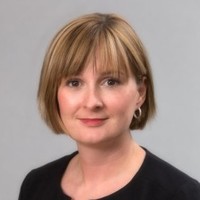
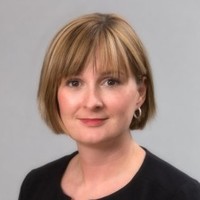
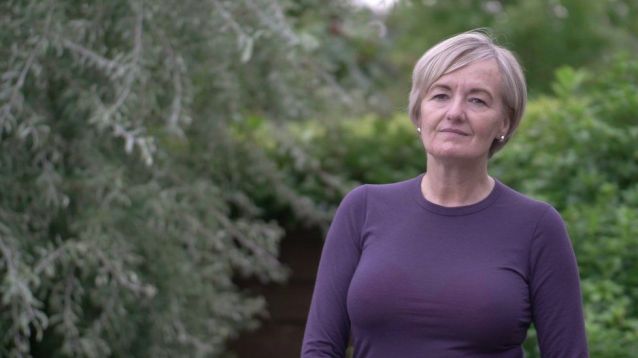
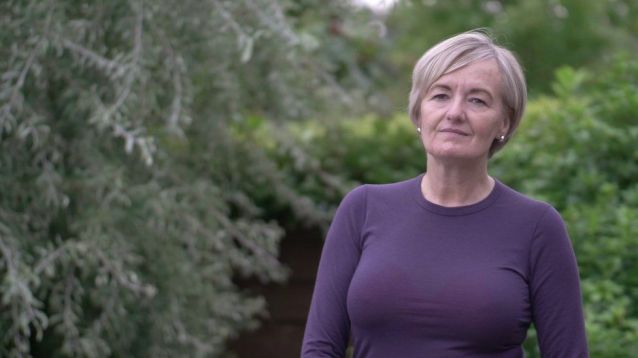
Alison McDermott

Taxpayers left with a £1 million bill as whistleblower Alison McDermott wins case not to pay nearly all “unsafe” costs

Sellafield and the Nuclear Decommissioning Authority were all but humiliated in a court judgement in their second attempt to get costs against whistleblower human resources consultant Alison McDermott for exposing bullying and alleged sexual harassment at the plant.

The Nuclear Decommissioning Authority (NDA) and Sellafield failed entirely to get any costs for its main contention that Ms McDermott had acted ” unreasonably” throughout the case. The only award for costs was £5000 shared between Sellafield and Heather Roberts, Sellafield’s human resources director, where the tribunal believed Ms McDermott had been unreasonable in alleging crucial metadata was ” tampered with” by a DLA Piper lawyer, Emma Mills, acting for both of them.

I watched the hearing and it was very clear that Alison McDermott, appearing as a litigant in person with no legal representation, was cool, collected and precise in putting forward her case why she should not pay costs while the opposing highly paid legal team were making absurd over the top claims against her and defaming her character. No wonder these expensive lawyers lost the case and the plot.

The long running case has cost the taxpayer around £1m to bring through the tribunal system and this last costs hearing alone landed Sellafield and the NDA with a £100,000 bill for the taxpayer just to recover £5000. Her findings in her report, commissioned by Sellafield itself, have made national news in the UK and Norway, because it raises nuclear safety issues.

Judge Robertson was critical of the two barristers acting for Sellafield and the NDA and the way they handled the case.

Rachel Levene KC Pic Credit: Chambers and Partners

He found Rachel Levene, who acted for the NDA, had failed to produce any substantive arguments that Ms McDermott should meet £20,000 of the costs. The £3000 a day barrister tried to argue that Ms McDermott was misconceived in bringing the case, had lied in her evidence and ” deliberately exaggerated her evidence” throughout the proceedings. This was rejected by the judge. She put forward six allegations against her which were all rejected for not being specific enough.

He said “Ms Levene couches her allegations in the most general terms. As to allegations (1) and (4), she makes no specific case about the unreasonableness of the claimant’s complaints to the solicitors’ regulatory body or her Freedom of Information or Data Subject Access Requests or why such matters, which did not arise in the course of the proceedings, should lead to a costs sanction against the
claimant in the proceedings.As to allegations (2), (3) and (6), Ms Levene makes no case that any specific
applications for disclosure against the second respondent were unreasonable. She makes no case as to why the application to strike out the second respondent’s response based on failures in disclosure was unreasonable. She does not explain in what specific ways she contends that the claimant’s amendments to her claims were unreasonable.

The judge also accepted that Ms McDermott was right to turn down an offer of £160,000 to drop the case from the NDA- which Ms Levene tried to make as an example of “unreasonableness”.

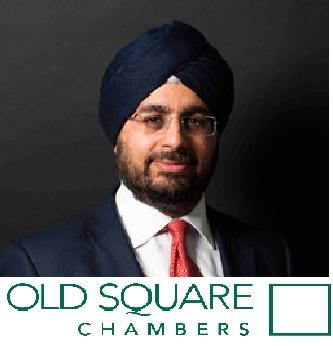
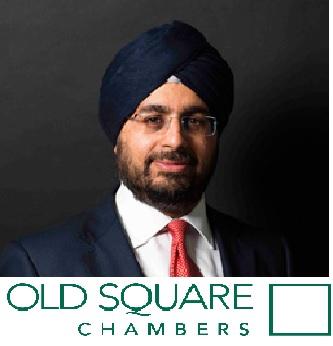
Deshpal Paneseer KC Pic Credit: Old Square Chambers

Judge Robertson was also critical of Sellafield’s barrister, Mr Deshpal Paneseer, KC, from Old Square Chambers, who also attacked Ms McDermott for being ” fundamentally dishonest” only using more extravagant and denigrating language. Despite the EAT judge previously saying Ms McDermott was not dishonest he persisted un this. He also contended that her case had “no prospect of success” from the start and that she should not have made serious allegations against very important people.

The judge ruled:” The Tribunal was not persuaded by Mr Panesar’s assertion that the claimant’s allegations were particularly serious because of the standing of the individuals about whom they were made. All allegations of whistleblowing or victimisation are serious and there was nothing unusual about the individuals in this case.( my emphasis) Mr Panesar KC made too much of this. Second, Mr Panesar KC submitted that the claimant had been untruthful in multiple fundamental regards…..But the Tribunal has not found that the claimant pursued claims had no reasonable prospect of success and the first and third respondent’s second application for costs fails.”

One key ruling from this tribunal is that Judge Lancaster, who heard the original case , said she was not a whistleblower. This hearing reaffirmed that one of her complaints about sexual harassment was a protective disclosure – confirming she was a whistleblower. Judge Philip Lancaster’s attitude towards women is also under fire as he is facing complaints from women who have appeared before him at previous employment tribunal hearings.

This was the second time Sellafield and the NDA had tried to get costs from her – even after a High Court EAT judge had already ruled that the costs imposed at a previous hearing were “unsafe” so the nuclear bodies should have known they had little chance of success. As it is the money they have recovered is not even enough to pay for a day of Mr Paneseer’s charges which run at £5500 a day.

There is an extraordinary twist over the metadata Sellafield and Heather Roberts were awarded costs of £5000 against Ms McDermott for alleging their lawyer had ” tampered with it”. The metadata produced at the last minute in the tribunal case after Emma Mills, a DLA Piper oawyer said she had overlooked because of an oversight.

The metadata included criticism of Ms McDermott had been produced on the home computers of Sellafield staff – putting at risk the security of the nuclear plant. A complaint to the Information Commissioner’s Office led to the criminal prosecution of Sellafield and it was found guilty this week.

Hubris of the directors

Frankly this whole proceeding against Ms McDermott by Sellafield and the NDA shows the hubris of the directors of both organisations. The lawyers must have been encouraged to over-egg their case against her, leading the judge to throw it out. Any sensible organisation already warned by another judge that the costs were ” unsafe” would have had cause to think again. Instead they ploughed ahead because they knew the taxpayer would foot the bill. I also think this was a deliberate ploy to cause more distress to Ms McDermott because they hated her findings about the way the nuclear waste plant was run. It may also be aimed at frightening anybody wanting to raise issues like sexual harassment, bullying and nuclear safety. This is not a good place for any business, let alone one dealing with such dangerous materials as nuclear waste.

One-Time
Monthly
Yearly

Make a one-time donation

Make a monthly donation

Make a yearly donation

Choose an amount

£5.00
£10.00
£20.00
£5.00
£15.00
£100.00
£5.00
£15.00
£100.00

Or enter a custom amount

£

Your contribution is appreciated.

Your contribution is appreciated.

Your contribution is appreciated.

DonateDonate monthlyDonate yearly

Please donate to Westminster Confidential

£10.00

Dishonorable gongs: Do the former Parliamentary Ombudsman and Permanent Secretary at the DWP deserve their knighthoods?

Now Sir Rob Behrens

Sir Peter Schofield

The King’s Birthday Honours List contains many eminent people from artist Tracey Emin to the not so well known Lord Etherton KC, a retired judge, who compiled a meticulous ground breaking report in 2023 into the disgraceful and inhumane treatment of gay people in the military prior to the lifting of the ban in 2000.

But there are two people who simultaneously received knighthoods which are open to question. They are Robert Behrens, the retiring Parliamentary Ombudsman and Peter Schofield, the current permanent secretary at the Department for Work and Pensions.

Both were at opposite ends over the huge controversy over whether 3.6 million people born in the 1950s should get restitution for maladministration and discrimination over the six year delay in getting their pensions.

Robert Behrens was responsible for compiling a report on whether there was maladministration ( his remit did not have to consider discrimination) over the ministry’s handling of the delay. It was the Ombudsman’s biggest report and he took years to do it, awarded only partial maladministration, and funked giving an award because of ministry opposition, leaving MPs to have to decide whether they get any money.

Peter Schofield was in charge of the department, which was not only totally opposed to giving them a penny, but under his leadership put in a submission to the Ombudsman exonerating his ministry, saying it not made even one mistake, should not be questioned by MPs about it, and further the 3.6 million seeking any money were likely to be fraudsters putting in false claims.

Let down 3.6 million women

Both of them let down 3.6 million law abiding women safe in the knowledge that sooner or later most of them would be dead. But for the government of the day, this was manna from heaven, saving them billions of pounds owed to the women, on top of inevitable pay outs to contaminated blood victims and sub postmasters. I suspect the fact that they were elderly women, who wouldn’t blockade the roads or disrupt public life like Extinction Rebellion and unlikely to be sprightly enough to climb on the roof of Rishi Sunak’s house in protest, was also a factor in their calculations.

No wonder a grateful Establishment would reward those who saved them a lot of money. Of course there is no mention of this in the citations given for the awards, which would add insult to injury. Instead it is tactfully avoided and the awards are for other matters.

For Rob Behrens, and this was emphasised in a tweet on X from his office, the award is more for his role as Health Service Commissioner. He has been outspoken about the toxic culture inside the NHS when patients complain, and in a report called Broken Trust was critical of clinical failings and the way some trusts acted in handling complaints. He followed this up with a letter to the Department for Health jointly with Henrietta Hughes, the Patient Safety Commissioner demanding a fundamental change in NHS culture from a combative to a restorative approach in handling complaints and ensuring there was a patient’s voice on the trust’s executive.

The Ombudsman’s press office reaction to his handling of the 50s women’s case was: “We have set out our findings following a robust, thorough and detailed investigation regarding how changes to the State Pension Age were communicated. It is now for Parliament to take forward and intervene to hold the Department for Work and Pensions to account and provide woman affected with the quickest route to remedy.” I’ll leave you to judge whether that is an adequate explanation.

34 years spent by the DWP producing inaccurate accounts

Now the award to Peter Schofield has to be taken against the background of the ministry’s 34 years of failure to produce accurate accounts because it cannot produce accurate figures on benefits. It is the worst performance across Whitehall and is regularly criticised by the National Audit Office who audit their accounts. According to the citation his award is for the speedy delivery of benefits, especially during the pandemic and for a culture encouraging innovation. I have asked the department to spell out what this means but have had no reply to date.

I notice the delivery of pensions is not cited as a reason to give him a knighthood. This is hardly surprising since the ministry is in the middle of having to pay out millions of pounds to existing pensioners, mainly women again, who have been shortchanged because of the ministry’s mistakes in calculating them. It also has a history of not wanting to implement decisions from the Ombudsman in anything but the most rudimentary way such as over the guaranteed minimum pension .

So do both of them deserve a knighthood? I think the handling of the 50swomen pensions fiasco should have been a factor in NOT awarding one because of the huge number of people who have so far ,been left with nothing. To be fair, Rob Behrens, has been outspoken as Health Services Commissioner, but I have noticed when handling complaints himself, he has been more cautious in his findings.

One-Time
Monthly
Yearly

Make a one-time donation

Make a monthly donation

Make a yearly donation

Choose an amount

£5.00
£10.00
£20.00
£5.00
£15.00
£100.00
£5.00
£15.00
£100.00

Or enter a custom amount

£

Your contribution is appreciated.

Your contribution is appreciated.

Your contribution is appreciated.

DonateDonate monthlyDonate yearly

Please donate to Westminster Confidential

£10.00

Labour to grant Orgreave inquiry and new Hillsborough law in manifesto pledges

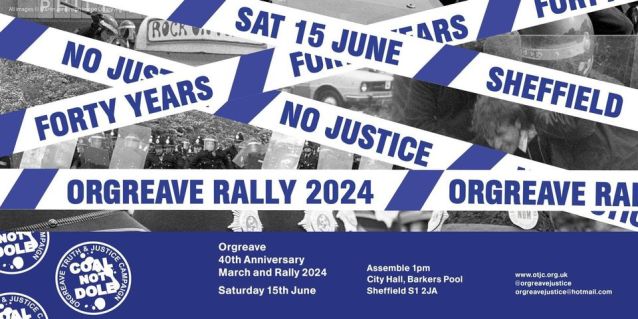
Orgreave rally being held in Sheffield tomorrow by the Orgreave Truth and Justice Campaign

Campaigners who have fought for years for justice following the infamous ” Battle of Orgreave” during the miners strike and the Hillsborough tragedy have convinced Labour to introduce a new law and hold a long demanded inquiry.

The decision, in the small print of the manifesto, to hold an inquiry into the 1984 “Battle of Orgreave ” where 6000 police fought striking miners picketing a coke plant, has been demanded for years by the Orgreave Truth and Justice Campaign and is now in Labour’s manifesto for the next Parliament.

The decision comes at a key moment when a new documentary on Orgreave will be screened at the Sheffield DocFest on Sunday. The director, Daniel Gordon of Strike: An Uncivil War, has wanted to make the film for a decade after seeing links between South Yorkshire Police handling of the strike and the treatment of families of the 97 Liverpool football fans who died when an overcrowded stand collapsed at Hillsborough in 1989. He gives an interview here to the BBC.

Any such inquiry is likely to be forensic into the police methods used against the miners. My own book on the miner’s strike, Marching to the Fault Line, written jointly with author and playwright Francis Beckett, points a finger at Peter Wright, then chief constable of South Yorkshire Police, who died in 2011, who after Orgreave, wrote a memo released to us under freedom of information, called for Arthur Scargill, to be prosecuted for conspiracy. The memo reached ministers but was blocked by the Director of Public Prosecutions for lack of evidence. Other very limited circulated memos, show that Thatcher, and Cabinet ministers Leon Brittan, Norman Tebbit and Peter Walker had drawn up a strategy in advance for this big confrontation with the pickets with Ian MacGregor , head of the Coal Board and Bob Haslam, chair of British Steel.

Labour’s decision to call for an inquiry has one extraordinary and unlikely precedent. Some nine years ago Theresa May, met with the Orgreave Truth and Justice Campaign, to set up such an inquiry.

As my blog reported then: “Theresa May agreed to meet an extraordinary delegation of Labour MPs, lawyers, ex miners through the Orgreave Truth and Justice Campaign ( see their website here) at the end of July and has agreed to accept  a detailed legal submission from Mike Mansfield and three other distinguished barristers arguing for the case to set up an independent inquiry.”

This never happened because Theresa May’s successor as home secretary, Amber Rudd, blocked the inquiry.

Bishop James Jones – who chaired the Hillsborough Independent Panel Pic Credit: BBC

The other significant promise by Labour which could have wide ranging ramifications, is a long demanded implementation of the Hillsborough Law, sought after the independent panel inquiry by Right Revd James Jones, the former Bishop of Liverpool, which forensically examined the tragedy.

This would introduce a duty of candour for all public officials – similar to the professional duty for doctors in the NHS – and say they had to co-operate and assist any public inquiry investigation. It would also provide that taxpayers money will be available for the victims or the bereaved needing legal representation at any inquiry. Effectively this would provide a level playing field between the authorities – who are already funded by the taxpayer – and those who were affected by any future scandal. This has a widespread application – and would affect future inquiries into NHS failings and would have been extremely helpful to those at the Grenfell, Contaminated Blood, and Sub Postmasters inquiries.. Also it would make it very difficult for officials to try and conceal the truth as it would be against the law.

Given that Labour are under fire for producing a cautious and lacklustre manifesto in other areas I am surprised the party has not highlighted these changes. There are also plans to reform the House of Lords, strengthen the independence of the Prime Minister’s adviser on ministerial interests, curb MPs having second jobs and set up an independent Ethics and Integrity Commission. Why have we not heard more of this from Sir Keir Starmer?

One-Time
Monthly
Yearly

Make a one-time donation

Make a monthly donation

Make a yearly donation

Choose an amount

£5.00
£10.00
£20.00
£5.00
£15.00
£100.00
£5.00
£15.00
£100.00

Or enter a custom amount

£

Your contribution is appreciated.

Your contribution is appreciated.

Your contribution is appreciated.

DonateDonate monthlyDonate yearly

Please donate to Westminster Confidential

£10.00

Capsticks behind move to remove judge from tribunal hearing after he slammed NHS commissioning body for hiding documents from claimant

John Webster : NHS executive criticised by employment judge

UPDATE: Since publishing this article I have learned that no fewer than four Capsticks lawyers were involved in trying to remove the judge and that the firm was representing BOTH the Integrated Health Board and the NHS human resources firm. Both would have known that there were draft grievance documents that had not been disclosed to the tribunal.

The law firm Capsticks – which has a national contract with the NHS to handle employment tribunal cases – was behind an attempt to remove a judge from hearing a constructive dismissal case involving a senior official at a NHS clinical commissioning group in Norfolk.

The case – highlighted by BBC Norfolk yesterday- led the judge calling for disciplinary action to be taken against senior staff at the board for the way they treated and lied to the claimant.

Mr Clive Rennie, an assistant director, won his case for constructive dismissal against NHS Norfolk and Waveney Integrated Care Board – the successor body to the Norfolk and Waveney Clinical Commissioning Group who had previously employed him.

But not before the tribunal had spent days wrangling to get draft grievance documents which the group said did not exist while the author of the documents, NHS human resources manager Steve Stavrinou, sat at the back of the hearing, not saying a word.

He had been called in by the commissioning group to prepare the grievance papers from NHS Arden and Gem Support Unit which provided HR Services to the group. At first the existence of the draft papers were denied and then excuses such as the managing director being on holiday were used to deny the judge’s order to deliver them.

Judge Postle’s judgement, which was published yesterday, reveals that suddenly there was an application to make him recuse himself from the tribunal. The request came from Capsticks, who were the solicitors for both NHS Arden and Gem Support Unit. and for the Integrated Care Board

Until then, as the judge noted, the person from Capsticks had not been present at the tribunal to hear the proceedings but called for the judge to go.

Alistair Kernohan – Capsticks

Alistair Kernohan of Capsticks,, was in fact the partner, based in Leeds made his case by email.. Un fact Capsricks came to hearing mob handed. Both Miss Whiteley and Miss Aslam were present all the time. They were then joined by Nicola Butterworth, who sat the back of the tribunal. According to Capsticks website. ” Nicola undertakes a broad range of employment litigation work, including unfair dismissal, discrimination and whistleblowing claims. She advises pre-claim and at all stages during the litigation process. Nicola is undertaking a regular secondment at one of the firm’s clients, working closely with the HR team.” Looking at the judgement it looks like the judge did not know she was also there.

Mr Kernohan said: “Employment Judge Postle has demonstrated the premature formation of a concluded view in the Claimant’s favour without properly considering representations from the Respondent and before the Respondent has been able to put forward its evidence.

“Employment Judge Postle’s inappropriate conduct, tone and disparaging comments towards the Respondent and its representatives, has crossed the line between what is tolerable and what is impermissible, to the extent that his comments would give an appearance to the fair minded and informed observer that there is a real possibility that the Employment Judge will carry into his judgment the scorn and contempt his words and behaviour convey.

“Employment Judge Postle has made unnecessary and inappropriate criticisms of the conduct of the Respondent and its representatives which he has expressed in absolute terms, which failed to leave open the possibility of him considering an explanation, despite not having heard or in some cases even invited evidence or submissions from the Respondent’s representative.

“Employment Judge Postle has allowed and facilitated inappropriate conduct of the proceedings by the Claimant’s representative, allowing such conduct to go unchallenged despite representations made by the Respondent or even, on occasion, failing to allow the Respondent the proper opportunity to
make representations.”

Marsha Robinson and Neil Ashley of Paladin pic credit: East Anglia in Business

The judge asked Mr Neil Ashley, Mr Rennie’s counsel to comment and records it in his judgement

He told the court: “It is important that we are astute enough to identify that any evidence that such an Application made can be used as a device for a party which finds itself in difficulties because of the
quality of its case.
Mr Ashley went on to say that he has been practising for 24 years and he had never seen such deplorable conduct on the part of the Respondent’s Solicitors. He stated that rarely has he seen such a
‘car crash’ of a case presented before a Tribunal.
Mr Ashley went on to say that at the outset, the Tribunal was told by a Solicitor Advocate that there was no drafts of the Investigatory Report and none had ever existed. This was echoed audibly by
Miss Aslam, Solicitor.”

“Two Officers of the Court sat here and told the Tribunal that a 20 page perfectly polished Report had never been the subject of any drafting. This is absurd to the extreme and obvious to us all that it cannot be and no doubt Miss Whitely ( the board’s solicitor) made the statement recklessly and off the cuff without any thought to what she was saying. It was, to my mind, utterly untruthful.”

Miss Whitely did not want to make any comment to the tribunal, relying on Capsticks, to deliver the blow.

The judge and his two members of the tribunal then discuss the matter and unanimously rejected Capstick’s claims.

“There was no disparaging comments towards the Respondent or its Representative, it was simply a case of asking, what is happening about the third party Order for disclosure, concerns about prevarication, delay and the frustration of the Tribunal that the Respondent / its Representative, were doing nothing to advance the process in getting disclosure from the third party.”

The judge went on to be highly critical of John Webster, then director of strategic commissioning at the CCG, who reneged on a promise to allow Mr Rennie to leave and lied to him about the outcome. “Clearly, there had been a conspiracy all along going on behind the scenes,” The judgement stated the tribunal had “found him disingenuous, unconvincing”.

He was also critical of Mr Stavrinou.” Truth is alien to him.”

The successor body has now apologised to Mr Rennie. Mr Webster is now stepping down as deputy chief executive of the Cambridgeshire and Peterborough NHS trust.

Doctors who follow this blog will be interested in the role of Capsticks here – given they have also played a prominent role in recent whistleblowing cases – in Dr Chris Day’s case against Lewisham and Greenwich NHS Health Trust where 90,000 emails that could have helped him were destroyed by a NHS trust witness at the time of the hearing and in Dr Usha Prasad’s case where they initially tried to pursue her for £180,000 costs.

Unfortunately the judges in these cases sided with the trust and took no action over completely unacceptable behaviour or ignored evidence. We need more judges to take a stronger stand against Capsticks bullying tone as Judge Postle did in this case.

One-Time
Monthly
Yearly

Make a one-time donation

Make a monthly donation

Make a yearly donation

Choose an amount

£5.00
£10.00
£20.00
£5.00
£15.00
£100.00
£5.00
£15.00
£100.00

Or enter a custom amount

£

Your contribution is appreciated.

Your contribution is appreciated.

Your contribution is appreciated.

DonateDonate monthlyDonate yearly

Please donate to Westminster Confidential

£10.00

Historic conference at the Royal Society of Medicine on Patient Safety paves way for campaign to protect whistleblowers from trusts in the NHS

Yesterday a conference of doctors, patients and journalists held at the prestigious Royal Society of Medicine in London highlighted the appalling treatment of doctors by NHS management who raise patient safety issues to protect patients. Examples were given from doctors who had been dismissed after they raised patient safety issues and how trust managers spend unlimited funds on lawyers to make sure they lose employment tribunal cases, sometimes even aided by the judges hearing them.

The conference arranged by Justice for Doctors, a new organisation representing many of the affected doctors, coincided with a series of articles in The Daily Telegraph, which showed that these are not isolated cases but involve doctors right across the country and is a national problem which trusts are trying to hide.

One of the main organisers is David. E. Ward,, a retired cardiologist from St George’s Hospital, South London, who has already written two guest blogs on this site. I have included his planned closing statement to the conference as a fresh blog from him as it succinctly sums up all the issues that were raised.

By David Ward

First, I would like to thank all the contributors to this historic meeting. In a way it is a celebration of all those oppressed whistleblowers who have spoken up for patient safety.

I would personally like to thank my friend Professor Somerville who has been a driving force behind this and many other ideas to stand up for whistleblowers. Jane and I have been trying to set up a second meeting about Patient Safety for 5 years following the first one in March 2019 when we re-enforced our personal campaign to expose – and do something about – the appalling treatment of doctors who speak up for patient safety also known as ”whistleblowers”. During our campaign we met the Justice for Doctors group who helped to organise this meeting

In the past 3 decades a Hospital Trust with its senior management has accrued the powers to destroy a doctor’s career by imposing restrictions, suspensions, referrals to regulators (GMC, CQC) and, astonishingly, an unfettered power to dismiss. These major life-changing decisions are arbitrary and undertaken, incredibly, without any independent or regulatory oversight. For dismissal, “get out” is apparently sufficient.

Allegations against the victimised doctor may be based on made-up and unsubstantiated claims. If major criteria for dismissal cannot be met there is always the “loophole” of “some other substantial reason” which conveniently does not exclude but also does not mandate any additional explanation.

Doctors who see poor practices, faulty equipment, processes (and the like) are obliged to speak-up by Duty of Candour (HSCA 2008 reg 20). But by speaking up but they may put their careers at risk as we have seen so many times recently.

The “The National Guardian” program introduced by Sir Robert Francis and intended to accommodate doctors who speak-up, evidently does not function as intended. It’s called “marking your own homework”.

Investigations into a whistleblower together with their concerns should be independent of the Trust in which they work and be seen to be so. But evidently, they are not. Furthermore, the Trust managements who make these decisions are themselves unregulated. That doesn’t seem right? Does the phrase “judge, jury and executioner” come to mind? Managers should also be regulated, shouldn’t they?

Arcane procedures such as MHPS appeal hearings can be overseen or conducted by “dodgy” external “agencies” some of which claim spurious credentials. These agencies are, in effect, “hired guns” available and willing – for a fee – to “confirm” the Trust’s unfounded allegations and to assist their aims – to dismiss the “troublemaking” doctor; not because of “incompetence” but because the doctor has “annoyed” Trust management by raising concerns about Patient Safety or something else. The reactions of management are often vengeful, as we have seen.

I know of at least one of these agencies which has appropriated and misunderstood (in a written formal report) the phrase not “fit-for-purpose” to describe a doctor in support a Trust’s decision to dismiss. The agency seemed totally unaware that this is not only fictitious nonsense but possibly libellous. No such phrase exists in English Employment Law. Unfortunately, NHS England has also been duped. I know because I’ve asked – in person.

The Judiciary, in the form of Employment Tribunals may be called into action if the dismissed doctor seeks to restore their career via this route. This is a bad choice by the victim as the evidence confirms. Only 3% of Claimants, “win” – not the most apt word – in this system. Put another way, 97% lose! Is that “open and fair justice”? I think not. Some of the judgments are beyond comprehension.

There are many practices which seem grossly unfair, perhaps deliberately. Some obvious ones stand out:

1. Inequality of arms; the law firms acting for the dismissing Trust are funded by each of us – the taxpayer. The Claimant, the doctor, healthcare worker will have no external source of funds except  perhaps by “crowdfunding”. Furthermore, if they lose their case, they may required to pay not only their own legal fees but the law firm’s fees too! That’s not fair. I can show you some law firm invoices which would shock you. The phrase “inequality of arms” doesn’t touch it.

2. “Cost threats” are a notorious device employed to, shall we say, “persuade” a claimant to withdraw their claims before, during or after a Tribunal. It’s another weapon deployed by the Respondent, the dismissing Trust, to force the claimant to surrender and withdraw their claims.

3. Non-disclosure agreements or NDAs, are devices designed to conceal the devious practices used to threaten the claimant (and, as it happens, to suppress evidence). They have no place in inquisitorial proceedings in this context. They should be banned.

4. The Public Interest Disclosure Act (PIDA) 1998; I quote: a worker has the right not to be subjected to any detriment by any act, or any deliberate failure to act, by his employer done on the ground that the worker has made a protected disclosure.

In other words, a doctor cannot be dismissed, for example, for raising patient safety concerns. So, any dismissal has to be attributed to another perceived misdemeanour.  Read any recent case and it is evident that the “whistleblowing” or “patient safety” concerns were discounted and irrelevant to the dismissal. It was about an “attitude”, a “manner of speaking” and similar unquantifiable and, in most cases, unverifiable attributions. Ask one of the presenters today.

5. At a time of great need for medical expertise, doctors are still being persecuted and dismissed having committed NO offence. The law firms which spend so much public money to pursue the claimants should have no place in any procedures which are primarily about patient safety. Furthermore, the concerns and the person who raised them should be formally registered and documented, including all steps taken towards a solution. This is not happening. Doctors who raise concerns about patient safety are treated like criminals! This must stop!

6. Last but not least the patient safety concerns, the very things that trigger most of these shenanigans. What happened to those? Well, they get buried and forgotten don’t they. What a wonderful system. All that waste of public funds to destroy a doctor’s career instead of correcting potentially dangerous practices. That is why a register is needed.

The problem is a nationwide one of the same gravity as the “Great Post Office Scandal”. Perhaps NHS whistleblowers need a TV drama-documentary because we have seen how that shifts public opinion and awakens the media with unprecedented force. I’ve already draw up a potential cast list!

Last, there should be a searching, durable, logical and legally sound review of the treatment of ALL whistleblowing related laws and processes. Whistleblowers are the canaries in the coalmine. They do society a favour. They should be praised – not persecuted.

This is the 21st century! What country do we live in?

Thank you all for attending. Thank you to all those who presented. And particular thanks to Dr Salam Al-Sam, Dr Azhar Ansari and the Justice for Doctors group.

UPDATE: Who came and Who didn’t send anyone

Newspapers who sent a reporter: Times, Guardian, Daily Mail, Standard,

Major media who sent a reporter: Sky News 

Major media one would have expect to send reporter:

BBC, ITV, GBNews, LBC

Major regulatory professional bodies who were notably unrepresented: (very bad show I think especially as some of their members Fellows were major subject dig the WB scandal). If they didn’t know or just couldn’t be bothered –  it’s shameful, either way!

BMA, CQC, GMC, Royal Colleges (all of them, Physicians, Surgeons, Obs and Gynae), National Guardians Office (FTSUG), HMCTS (at least they could have send a junior barrister), Law firms; all those with an obvious interest in oppressing Claimants

One-Time
Monthly
Yearly

Make a one-time donation

Make a monthly donation

Make a yearly donation

Choose an amount

£5.00
£10.00
£20.00
£5.00
£15.00
£100.00
£5.00
£15.00
£100.00

Or enter a custom amount

£

Your contribution is appreciated.

Your contribution is appreciated.

Your contribution is appreciated.

DonateDonate monthlyDonate yearly

Please donate to Westminster Confidential

£10.00

The mad waste of public money by UK’s leading nuclear giants to pursue costs against a whistleblower at your expense

Sellafield

One aspect of the second recent cost hearing against whistleblower and human resources consultant Alison McDermott by Sellafield and the Nuclear Decommissioning Authority which was not covered is the cost to the public and us the taxpayer.

During the hearing Deshpal Panesar, KC Sellafield’s lawyer from Old Square Chambers, rather pompously told the hearing that the fact Sellafield was claiming £20,000 off Alison was ” to protect the public purse”. He and the Nuclear Commissioning Authority which was also claiming £20,000 made a huge point that her “unreasonable behaviour” by pursing them at a tribunal meant she should pay a penalty.

What is now emerging from Freedom of Information requests is that the cost to bring this action far outweighs the money they will receive even if they are 100 per cent successful.

Both nuclear giants have already spent a huge sum – nearly £700,000 of taxpayer’s money – fighting Alison, whose consultancy was terminated, after her report revealed bullying and fear among staff at the nuclear site in Sellafield.

Alison McDermott

Now it is known from FOI that both organisations have spent £59,000 between them on preparing the case for the second hearing on top of money they had already spent for the first costs hearing. This doesn’t include the cost of hearing itself which is about another £20,000 considering Sellafield’s lawyers Deshpal Paneser. KC charges £5500 a day for the hearing and Emma Mills, from DLA Piper, who charges £3000 a day . The NDA employed another barrister, Rachel Levene and solicitors Pinsent Mason. Plus there were paralegals at the hearing.

Now one would think that after a High Court judge had ruled that the first costs decision was ” unsafe” and said his view should be taken into account by judge Stuart Robertson, who has heard the second hearing, there would be pause for thought. Both nuclear organisations are also lucky they will not face an appeal. So any sane organisation would decide to leave it there.

Instead we have the economic madness, which no commercial company conducting a risk assessment would follow, of throwing more money at bringing a second case when there is not the slightest chance of getting their money back. Indeed even if they were 100 per cent successful they stand to lose £40,000 and that is by no means certain they will get that. It is only that it is our money from the taxpayer they can throw it around like confetti.

So why are they doing it? The decision must have been endorsed by Euan Hutton, the new chief executive.

Despite previously serving as a Mental Health Champion alongside Ms. McDermott to foster a kinder and more supportive work environment, Mr. Hutton is now relentlessly pursuing costs against her.

In various YouTube videos, Mr. Hutton espouses the importance of treating people with kindness, yet his actions towards Ms. McDermott are anything but.  He actually says that “kindness is putting in the time to think about how different people act differently, that’s what kindness is all about”  [second video from 20 seconds onwards].    By hounding her for costs related to her whistleblowing for the second time, he has subjected her to immense stress and anguish, betraying the values he once claimed to champion.

See https://www.facebook.com/watch/?v=1938802916244720

Euan Hutton’s video.

Now Sellafield receives £6.7 million daily from taxpayers. Mr. Hutton’s decision to waste these funds on a vindictive legal battle against a whistleblower is an egregious misuse of public money. It is a slap in the face to taxpayers who trust Sellafield to use their contributions responsibly.

The Guardian has reported that the National Audit Office will investigate Sellafield’s substantial expenditure.

https://www.theguardian.com/business/2024/feb/15/spending-watchdog-launches-investigation-into-sellafieldI intend to make the National Audit Office aware of this blog post, as it highlights the unethical and hypocritical behaviour of Mr. Hutton. I think the public would strongly disapprove of their money being used to persecute a brave individual who spoke out against wrongdoing.

Mr. Hutton should be held accountable for his actions, which have caused harm to Ms. McDermott and undermined Sellafield’s commitment to employee wellbeing and to a culture of openness.

But perhaps this is the real reason for using public money in this way is to silence anybody else who might be thinking of exposing the dark secrets inside Sellafield. She is not the only whistleblower.

I approached Sellafield and the NDA about this waste of money but both said

“These issues are still subject to legal proceedings. We cannot comment further at this stage.”

One-Time
Monthly
Yearly

Make a one-time donation

Make a monthly donation

Make a yearly donation

Choose an amount

£5.00
£10.00
£20.00
£5.00
£15.00
£100.00
£5.00
£15.00
£100.00

Or enter a custom amount

£

Your contribution is appreciated.

Your contribution is appreciated.

Your contribution is appreciated.

DonateDonate monthlyDonate yearly

Please donate to Westminster Confidential

£10.00

Guest blog: Sellafield deploys reverse glasnost

by Philip Whiteley

Sellafield site

As reported on this blog earlier this week, the confrontational, five-and-a-half-year whistleblowing litigation between equalities adviser Alison McDermott and Sellafield and the Nuclear Decommissioning Authority last week featured a one-day costs hearing at Leeds Employment Tribunal, even though an earlier costs award against Ms McDermott had been ruled as unsafe by the appeal court in London.
The aim of this article is to point to the public interest in matters at the heart of this case that have been treated lightly by the presiding Tribunal judges, and ignored by the two defending organizations (Respondents).

Alison McDermott


There have been strong, conflicting claims on both sides throughout the case, many of which related to the way in which litigation was conducted. These were the subject of last week’s hearing. The two Respondents were represented by KC Deshpal Panesar, for Sellafield, and Rachael Levene, for the Nuclear
Decommissioning Authority, hired by the law firms DLA Piper and Pinsent Masons respectively.

Deshpal Panesar KC

In her address to the court, Ms McDermott reminded us of the public interest in her original report from 2018: the workplace culture at Sellafield. In her address, Ms McDermott reported that just 11% of people on the site strongly agreed that they could speak out without fear of reprisal.
I have seen employee opinion surveys from the site. The scores for the prioritization of safety as an issue are significantly higher than the scores for ability to speak out, indicating a serious gap between formal policy and managerial practices. This matters especially on a nuclear site.

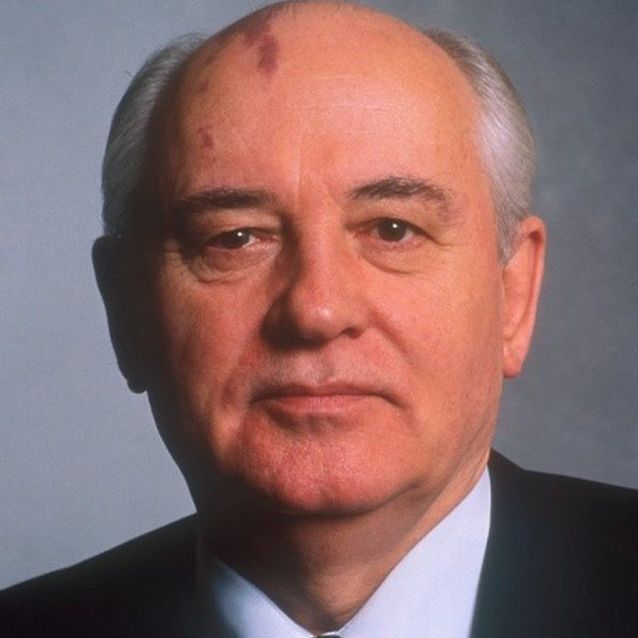
Mikhael Gorbachev. Pic credit:BBC

Nearly 40 years ago, following the accident at the Chernobyl reactor in Ukraine, the then leader of the Soviet Union Mikhail Gorbachev recognized that a climate of fear both made such accidents more likely
and delayed a proportionate response. He instigated a policy of glasnost – freedom to speak up – as a direct consequence. This intuitive conclusion by Mr Gorbachev has since been vindicated by numerous workplace studies, which show that workplaces with low engagement and higher levels of fear are statistically more prone to accidents (the Gallup survey cited in this report, for example. the link is  Engaged Workplaces Are Safer for Employees (gallup.com)).
When I was talking with a press officer from the Office for Nuclear Regulation three years ago, in relation to the Ms McDermott case, he was unaware of this link, and assumed workplace culture and safety issues to be separate categories.

Rachel Levene

Rachael Levene, barrister for the Nuclear Decommissioning Authority, appointed by Pinsent Masons, last week claimed that Ms McDermott was not a whistleblower, and not entitled to protection from detriment under Section 47(B) of the relevant legislation. This was a narrow legal argument, while members of the press and the public can observe that Ms McDermott’s central claim of a bullying and toxic culture and an HR leadership that was not on top of the issues, have been the conclusions separately made by several authoritative sources:
 A report by PricewaterhouseCoopers, commissioned by the Nuclear
Decommissioning Authority,
 The BBC, in an investigation reported in March 2021 (as a declaration of
interest, I referred this story to the BBC), Link:Sellafield nuclear site a ‘toxic mix of bullying and harassment’ – BBC News:
 The Guardian, in a report in December 2023, link  Sellafield nuclear site workers claim ‘toxic culture’ of bullying, sexual harassment and drugs could put safety at risk | Energy industry | The Guardian
 The Nuclear Decommissioning Authority’s own representatives, speaking under oath at the main hearing on 29 June 2021, agreeing with the PwC report’s conclusions that the HR function was ‘not fit for purpose’’, praising Ms McDermott’s contribution and expressing surprise at her sudden departure, as
reported on this blog at the time. Link: Nuclear industry leaders contradict each other in landmark whistleblowing case | Westminster Confidential (davidhencke.com)

This evidence was missing from the 2021 Tribunal ruling that found against Ms McDermott. There is no transcript available at an Employment Tribunal, which hampered her appeal. I attended that day and have short-hand notes.
There is a significant public safety risk attended to last week’s hearing. Sellafield’s management were making a very public declaration that if someone dares criticize them, even if they have a strong case, sufficiently well founded to reach the appeal court which reached a balanced verdict, they risk having their professional reputation trashed and suffering the threat of a life-altering financial penalty (the Respondents have bid to claim a total of £40,000 from the Claimant). It is likely that those low levels of freedom to speak out will have fallen even further following last week’s hearing.
The principal tactic of the Respondents has been to promote a pejorative narrative about the claimant, largely based on her response to their own legal tactics. For example, from Mr Panesar we heard him say that Ms McDermott had made a false complaint of fabricated evidence being used against her, in a claim that was then dropped on the eve of a hearing, and that this was unreasonable behaviour.

Sellafield letters unlawfully processed on personal computers – ICO

From Ms McDermott, we learned that the evidence in question consisted of three letters purporting to complain about her conduct while working at the Sellafield site. This evidence was not presented at the beginning of litigation. At the point of her dismissal, she was informed that the sole reason for termination of her contract was financial – an explanation also given to the governing body. After Ms McDermott discovered that some £17 million had been allocated to work of a similar nature, the
Respondents switched to one of competence, admitting it had lied about the initial reason. The three letters only appeared one year later. The letters were produced on personal PCs, contrary to company policy. They were later found by the Information Commissioner’s Office to have been unlawfully
processed, in contravention of data protection law (Judge Lancaster wrongly described the ICO ruling as mere criticism in the 2021 tribunal ruling.)

As reported on this blog before, the metadata was wiped on one of the letters while in possession of DLA Piper. Link Sellafield Broke Data Rules in Whistleblower Case – Byline Times

When restored, the metadata showed that the document had been open for three hours at the point of its creation, during which time phone records showed that the author took a long phone call from the HR director Heather Roberts, the third Respondent in the case.
The focus by Sellafield’s lawyers last week on the style of whistleblowing or protests made by Ms McDermott, ignoring or downplaying their substance, is straight from the anti-whistleblower playbook. It has been used by several NHS trusts to discredit medical professionals raising safety concerns – several of whom were watching last week’s proceedings in Leeds, either in person or by remote link.

In NHS cases such as the case of Dr Usha Prasad (link Unfit for Purpose: The NHS appeal panel that upheld the sacking of Dr Usha Prasad | Westminster Confidential (davidhencke.com)and of Martyn Pitman, the narrative concerns relations with colleagues and associated allegations; again, a highly personal attack on the style of reporting used by the whistleblower, ignoring the substance of their reports.(link

 Whistleblowing ‘cost Hampshire doctor dearly’ after he loses tribunal | Employment tribunals | The Guardian

Quite how such tactics have come to be regarded as acceptable by Tribunal judges is a matter of concern, and is likely to come under scrutiny now that the NHS Whistleblowers’ Group, numbering some 1,600 individuals, has been invited to assist the Thirlwall Inquiry into the Lucy Letby case.
Sellafield’s lawyers and press officers will point to the 2021 ruling which found in their favour – a judgement that got the ICO ruling wrong, ignored swathes of evidence and multiple failures of disclosure by the Respondents. There is a term in football: the ugly win. Sellafield et al won ugly. But this is not football, and the ugliness is a much bigger story than the win.

One-Time
Monthly
Yearly

Make a one-time donation

Make a monthly donation

Make a yearly donation

Choose an amount

£5.00
£10.00
£20.00
£5.00
£15.00
£100.00
£5.00
£15.00
£100.00

Or enter a custom amount

£

Your contribution is appreciated.

Your contribution is appreciated.

Your contribution is appreciated.

DonateDonate monthlyDonate yearly

Please donate to Westminster Confidential

£10.00

Sellafield whistleblower fights nuclear giants to avoid a £40,000 costs order for the second time around

Alison McDermott

Alison McDermott, a human resources and diversity consultant, was back at a tribunal last week fighting a second attempt by Sellafield waste facility and the Nuclear Decommissioning Authority (NDA) to demand costs after she brought a whistleblowing case against both of them.

The consultant was sacked by Sellafield after she compiled a report at their request which revealed bullying at the plant and since then has faced a tribunal and an appeal tribunal before this fresh action bought by both nuclear bodies. She lost the first tribunal heard by judge Lancaster who originally ordered she should pay the £40,000 costs. But an appeal judge Auerbach overturned the costs order as ” unsafe”,

This week both bodies decided to spend more taxpayers’ money and appeal the judge’s order to ditch the costs. If Sellafield succeeds it will recover just six per cent of the huge lawyers fees both bodies had paid to pursue her for years.

The hearing opened with a blistering attack on her by Sellafield’s lawyer, Deshpal Panesar KC, Of Old Square Chambers who is paid £5.500 a day, effectively said that everything Alison McDermott said , including her whistleblowing detriments was a ” baseless lie”.

He told the tribunal she had made  “baseless claims of the most damaging sort, representing an existential threat to the careers of multiple public servants, based on multiple untruths”. Indeed so strong was his attack that a person who overhead part of the proceedings thought I had tuned into the Old Bailey and was hearing the denunciation of a convicted criminal.

Rachel Levene

Rachael Levene, representing the NDA, said Ms McDermott had “acted unreasonably”  by involving the nuclear body in the case at all. She claimed that the body, which works closely with Sellafield, was not involved and Ms McDermott should have known that because of all the evidence it produced. Given that the body had failed to extradite itself from the tribunal in the first place, this seemed to me rather a chilling attitude to take as it suggests that claimants should be blamed if they bring a case at all.

The NDA then raised that it had offered £160,000 to settle the case – even though it was arguing at the same time it should not have been involved in the first place – but this had been rejected by her. Ms McDermott has said that she did not settle the case over the money but over a point of principle to raise the issue in a tribunal. She also said that judge Lancaster had refused herself and her husband’s request to contest the NDA’s version of what happened at the meeting when the offer was made.

Sellafield

Alison McDermott countered arguments by Deshpal Panesar by pointing out that the appeal judge had ruled that the costs had been ” unjustly awarded ” and questioned his assertion that she was not a whistleblower by pointing out that the appeal judge decided she was and that judge Lancaster’s tribunal had erred in its judgement on two disclosures.

She also pointed out that she had pressed repeatedly for mediation to solve the dispute but this had been rejected and also that both sides had decided to spend hundreds of thousands of pounds on expensive lawyers when they had big human resources and legal departments, over 100 at Sellafield, which could have handled the case.

Moral obligation to scared staff at Sellafield- Alison McDermott

She told the judge :”I was brought in to do a job and I did my job. I felt a deep moral obligation to the people I was speaking to who were telling me how scared and stressed they were by the culture at Sellafield.”

She said she was told by Lesley Bowen, a senior HR Manager, at Sellafield that she was let go for financial reasons.  Ms McDermott asked if there were any other reasons and Lesley Bowen confirmed  in writing that it was purely down to financial constraints. But after Ms McDermott found out they had spent £17 million awarding HR contracts they changed their tune and said they had lied to her and that they were really letting her go due to performance concerns. Which is odd as they had just rehired her, according to Ms Bowen, due to her excellent past performance working across Sellafield and the NDA.

At an earlier tribunal she had felt she had been treated by Mr Panesar equally badly during cross examination

She told me:” I found he transgressed professional boundaries and went further and took no account that I was vulnerable to such criticism.
“Over many days he accused me of being “motivated by spite,” “self-serving,” “self-absorbed, “wholly intent on chasing a windfall”, “seeking to ruin the reputations of HR staff at Sellafield” and even “acting out of revenge” .

She also disputed any idea by submitting a Freedom of Information request to obtain information that had been withheld by Sellafield and the NDA amounted to ” unreasonable behaviour.” These included information that both Sellafield and the NDA has spent £670,000 between them on lawyers and the NDA has just spent another £45,00 on prelimary legal work to recover £20,000 from her.

She pointed out that she and a witness on her behalf, another whistleblower at Sellafield, Karl Connor, had experienced ” unremitting stress” from the management at Sellafield.

She concluded: “The Tribunal is implored to recognise the substantial challenges the Claimant has faced in bringing this whistleblowing claim which has now been ongoing for 5.5 years.  The Claimant asks the Tribunal to affirm whistleblowers’ vital role and prevent further harm or costs to the Claimant. The significance of not penalising whistleblowers is particularly acute in the context of Sellafield Ltd, a nuclear facility where the potential consequences of unchecked wrongdoing could be catastrophic.”

Judge Stuart Robertson reserved judgement which will announced later.

One-Time
Monthly
Yearly

Make a one-time donation

Make a monthly donation

Make a yearly donation

Choose an amount

£5.00
£10.00
£20.00
£5.00
£15.00
£100.00
£5.00
£15.00
£100.00

Or enter a custom amount

£

Your contribution is appreciated.

Your contribution is appreciated.

Your contribution is appreciated.

DonateDonate monthlyDonate yearly

Please donate to Westminster Confidential

£10.00

Judge holds hearing to decide whether Dr Usha Prasad unfair dismissal case can go ahead

Dr Usha Prasad

Dr Usha Prasad, the whistleblower cardiologist sacked by the Epsom and St Helier University Hospital Trust, was back at an employment tribunal yesterday to fight for a hearing that she had been unfairly dismissed.

The public hearing was delayed for nearly two hours because 400 pages of legal papers from the trust could not be immediately accessed to be read by the judge. So both sides spent three hours presenting oral evidence instead.

The successor trust, St George’s, Epsom and St Helier Hospital Group, is seeking to strike out her case saying a decision at a previous tribunal by Judge Hyams-Parish, which came down in favour of the trust over her claims of discrimination, victimisation, harassment and whistleblowing meant it should be the end of the matter.

Miss Rehana Azib, QC, for the trust argued that her dismissal was the consequence of the failure of her claims and there was no need for a further hearing.

To add to the confusion in the day Dr Prasad said a decision that the case should go ahead had already been taken in September 2022 – more than 18 months ago. . She said Judge Balogun had already rejected an attempt by the trust to strike out this further hearing and ordered that the case will be listed for a case management hearing for 2 hours and a separate full hearing listed for 3 days. “

She was told by the present judge that this ruling had been reconsidered by the judge. However it is extraordinary that Miss Azib excluded the letter saying the trust’s first strike out was unsuccessful from the trust’s bundle for the hearing. Dr Prasad had received no notice that this had been changed but yesterday’s hearing still went ahead.

Rehana Azib KC: Pic credit: Keble College, Oxford

Miss Azib, KC from 2, Temple Gardens Chambers, based nearly all her entire case against Dr Prasad on Judge Tony Hyams-Parish’s judgement. She also tried to extricate Jacqueline Totterdell, group chief executive of the trust, from the case brought by Dr Prasad by arguing she was not chief executive at the time at the time of her dismissal. She has however continued to authorise lawyers to pursue Dr Prasad. There followed an argument that her post represented the main body of the trust. Ms Azib told the judge that to bring a case against her personally rather than the trust would cause her stress and be time consuming from her other duties.

I covered the Hyams- Parish judgement at the time. My blog on his judgement is here.

Judge Christina Morton

The most dramatic part of the hearing came when Dr Prasad, challenged by Miss Azib’s statement that none of actions by the trust were judged by Hyams-Parish to have been connected to her whistleblowing claims, produced a stream of examples.

This included an attempt by Dr. James Marsh, now group deputy group chief executive, to water down her whistleblowing report on the ” avoidable death ” of heart patient, Mr P, which the trust confirmed at the Hyams-Parish hearing had never been reported by Richard Bogle, head of cardiology to the coroner or the Care Quality Commission. Her refusal to do seemed to lead to her internal disciplinary hearing..

She pointed out that there was no independent expert at the hearing to examine the case against her, all the people were colleagues of Dr Marsh and his wife in both NHS and private practice. A list of what turned out to be vexatious cases of her failures sent to the General Medical Council by the trust was compiled by Dr Marsh’s close colleague. They were thrown out by the GMC who exonerated and revalidated her to work anywhere in the UK. Judge Hyams-Parish did not want to see their report.

The most telling example was an email from the then chief executive of the trust Daniel Elkeles, offering to abandon the internal disciplinary proceedings against her if she dropped the tribunal case against the trust which contained the whistleblowing claim. He would help to revalidate her so long as she left the trust.

She also pointed out that she was banned from any clinical duty and told to stay in the office for 28 months before the disciplinary hearing and her dismissal. Since she saw 2,000 cardiology patients a year, this meant that the NHS – which was also hit by the pandemic- was depriving thousands of patients seeing a consultant whom the GMC had judged was perfectly competent to do her job.

As you will see in my contemporary blog on the Hyams-Parish judgement I noticed the judged ignored the plight of Patient P and the evidence of the letter from the chief executive to her at the time

She also accused lawyers for the trust of witholding information and misleading previous court hearings – particularly not revealing that when she could not attend a hearing the text of a doctor’s letter explaining why. The respondent’s lawyer also told the judge that Dr Prasad hadn’t submitted ” any particulars of her claIm” over this case yet she had submitted them to the respondent last April. She also didn’t tell the judge Usha’s detriment case had been listed for an appeal.

The accusations led Miss Azib to remind the judge that serious allegations had been raised in ” an open hearing.”

I got the impression that the lawyer and the judge would have much preferred this hearing to have been held without the public and the press being present. It is a good example of why there ought to be more coverage of what happens at employment tribunals.. The judge is reserving judgement.

Facts surrounding the case

The trust has engaged and paid 33 lawyers to pursue Dr Prasad over the last six years at a cost of hundreds of thousands of pounds to the taxpayer.

Nearly 10,000 NHS cardiology patients in South London and Surrey have been deprived of being treated by Dr Prasad while she was restricted from doing any clinical work.

One-Time
Monthly
Yearly

Make a one-time donation

Make a monthly donation

Make a yearly donation

Choose an amount

£5.00
£10.00
£20.00
£5.00
£15.00
£100.00
£5.00
£15.00
£100.00

Or enter a custom amount

£

Your contribution is appreciated.

Your contribution is appreciated.

Your contribution is appreciated.

DonateDonate monthlyDonate yearly

Please donate to Westminster Confidential

£10.00

Whistleblower Dr Chris Day’s appeal: Has Judge Andrew Burns KC ruling made it impossible for him to get open justice?

Andrew Burns KC

UPDATE: In a further twist in this long saga, High Court judge Dame Jennifer Eady, President of the Employment Appeal Tribunal initially took a decision not to read Dr Day’s letter complaining about the injustices in the procedure of his tribunal case against Lewisham and Greenwich NHS Health Trust . Now it has been decided that another judge will rule whether she should read the letter. Such a move has been opposed by the trust, who are represented by Old Square Chambers.

Superficially the ruling by Deputy High Court judge Andrew Burns looked like a victory for the long campaigning whistleblower Dr Chris Day to get a fair hearing at his forthcoming Employment Appeal Tribunal. He was granted an appeal on six of the ten grounds presented to the hearing and he was publicly commended by the judge for restoring the employment rights of 54,000 doctors which had been taken away in a sleight of hand by the now merged Health Education England.

But a closer look at the judgement gives a rather different picture. Instead of allowing a full appeal of employment judge Ann Martin’s flawed hearing he introduced caveats and blocked the re-examining of crucial issues. These include examining whether MPs and the press have been misled by the NHS and their lawyers, whether deliberate concealment has occurred and such startling behaviour as a Lewisham and Greenwich health trust communications director destroying mid hearing 90,000 emails that could have helped Dr Day’s defence and subsequently declining to appear as a witness.. It also allowed the health trust’s lawyers to to traduce Dr Day’s public reputation and misrepresent his motives without fear of being dragged before the libel courts or even being properly cross examined about this at the tribunal.

Three Wise Monkeys – a rather good print by Swedish musician and artist Andreas Magnusson see https://printler.com/en/poster/167372/

In short Andrew Burns judgement is a ruling equivalent to the infamous “three wise monkeys” carving at a Japanese shrine. He ” sees no evil, he hears no evil and speaks no evil” at that flawed tribunal. And he has been given by Dr Day a chance to review his findings to take account of these omissions.

Dr Day’s points requesting a review are here.

To put it simply he is blind to Ann Martin’s mishandling of that tribunal, he is deaf to Dr Day’s arguments to put this right, and he is silent about the outrageous behaviour of the trust’s employees and their lawyers, particularly Ben Cooper, KC on traducing Dr Day’s reputation and it being broadcast to MPs, the public and other trusts.

As Dr Day puts in an email accompanying his crowd justice website ” which goes into all the legal details “The Judge has allowed me to have an appeal but taken all my weapons and has blocked key issues being explored.”

Ben Cooper KC

The language used against Dr Day by Old Square chambers lawyer Ben Cooper would be defamatory outside a court room. He is described as ” having an obsessive belief in his victimhood”, accused of an “elaborate rewriting of history by him to fit in with his narrative” and condemned his evidence as ” dishonest and underhand.”

When pressed on this by Dr Day’s barrister Andrew Allen KC at the June 2022 Mr Cooper conceded he had no example of what he meant from Dr Day’s witness statement and Mr Allen was then prevented from cross examining Mr Cooper on Dr Day’s supplementary statement rebutting Mr Cooper’s insults and allegations.

My Statement on Ben Cooper KC – DrChrisDay

To make matters worse Ben Cooper’s attack on Dr Day’s character has been picked up by a lawyer defending lawyers Hill Dickinson against Dr Day in another case. Dijen Basu, KC from Sergeants Inn Chambers, in a skeleton argument in a case still to be heard said of Dr Day ” The diagnosis of whistleblowitis is a pithy way of describing a man who had developed an obsessive belief in his own victimhood to the point of being prepared to dishonest and underhand in pursuit of what he saw as the virtue of his cause as Mr Cooper described him.”

The irony of this attack is the case revolves around Hill Dickinson depriving 54,000 junior doctors of their whistleblowing rights whilst not revealing key commissioning contracts  in disclosure the firm were paid to draft. Now who was really being dishonest and underhand!

As Dr Day purchased the transcript of Ann Martin’s tribunal he has been able to point out that cross examination of Ben Cooper’s claims was halted by the judge but she went on to allude to Ben Cooper’s argument against Dr Day in her public judgement. Dr Day argued that this a breach of court procedure but the judge did not agree.

Judge Andrew Burns did agree he had made a mistake in describing Dr Day’s withdrawal in a previous hearing in this long dispute as being caused by duress rather than misrepresentation.. This was when his lawyer Chris Milson, without his instructions, tried to negotiate a settlement which included a confidentiality clause. Dr Day was able to get Judge Burns to accept that his case was not one of duress but one of serious allegations of misrepresentation from a number of lawyers whose accounts of the infamous settlement of the Day Case in 2018 do not add up.

Dr Day has now written to Judge Dame Jennifer Eady, President of the Employment Appeal Tribunals, asking her to intervene.

Dr Chris Day

Letter to Dame Eady President of the Employment Appeal Tribunal – DrChrisDay

He writes: “It may come as no surprise that I and large numbers of doctors feel deeply let down by the way the EAT has handled my case over the last 10 years. I believe its decisions have not been logical and have ignored evidence, pleadings and important appeal points. I believe the most likely explanation for
this is the EAT’s failure to manage properly the conflicts of interests and human factors that have come into play when Judges have dealt with certain issues in my case affecting their legal colleagues.”

He goes on: “The destruction, concealment and ignoring of large amounts of evidence at the June 2022 ET hearing of my case and the obstruction of 2 of our proposed cross examinations was widely reported and shocked people. Many were expecting these obvious issues to be dealt with decisively by the appeal tribunal. Instead, I have had to get into an argument with the EAT about whether such extraordinary conduct is enough for me to advance procedural unfairness as a ground of appeal”

He adds: “I am seriously considering whether I can proceed with an appeal in this court whilst the EAT refuses to answer” these points.

A check on social media of Judge Burns X account by 54,000 doctors, a group who campaign for the whistleblowing rights of junior doctors reveals how closely 3 of the lawyers involved on both sides of the Day settlement are connected socially.

Judge Andrew Burns, a former lawyer at Devereux follows and is followed by Chris Milsom – Dr Day’s lawyer in a previous 2018 case that settled ; he follows Old Square Chambers, which has a leading role in pursuing whistleblowers; Martin Hamilton, managing partner, Capsticks who Dr Day alleges misled MPs and the Board of Lewisham and Greenwich about his case and settlement. Other followers include Nadia Motraghi, KC, another Old Square Chambers that was against Dr Day, who also pursued Dr Usha Prasad, a whistleblower cardiologist at Georges and Epsom St Helier NHS trust.

Dame Jennifer Eady

Finally it turns out that judge Dame Jennifer Eady – whom Dr Day is relying on to adjudicate about this – is a former lawyer at Old Square Chambers from 1990 to 2013. During her time at Old Square Chambers, for 13 years from 2000, Ben Cooper KC, and from 2004 Nadia Motraghi were colleagues. It would be amazing if they don’t know each other very well as they practised in the same field.

So how will Dr Day get a fair hearing when three of the lawyers he is accusing of misleading on the settlement are so closely linked to the judge and the final arbiter is their former colleague now in an all powerful position to control the entire employment appeal tribunal system.

My final point from covering a number of whistleblower tribunals is that I am disgusted at the way very senior professional lawyers seem to enjoy denigrating, insulting, and belittling the careers of eminent doctors whose main concerns are to protect the public from bad medical practices which endanger lives.

One-Time
Monthly
Yearly

Make a one-time donation

Make a monthly donation

Make a yearly donation

Choose an amount

£5.00
£10.00
£20.00
£5.00
£15.00
£100.00
£5.00
£15.00
£100.00

Or enter a custom amount

£

Your contribution is appreciated.

Your contribution is appreciated.

Your contribution is appreciated.

DonateDonate monthlyDonate yearly


Please donate to Westminster Confidential

£10.00