Social Security watchdog warns ministers of flaws in the scheme to scrap pensioner winter fuel allowances

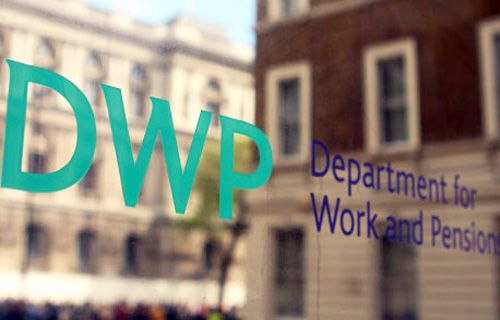
Department for Work and Pensions

In a polite but tough message to Liz Kendall, the work and pensions secretary, the Government’s official advisory body on social security, has exposed flaws in the government’s implementation of its rushed policy to abolish winter fuel allowances for 9.3 million pensioners and encourage the poorest to claim pension credit.

It also undermines the government’s case that it couldn’t consult them in advance because of the short timetable Sir Keir Starmer and chancellor Rachel Reeves imposed on introducing the change.

Dr Stephen Brien, chair of the Social Security Advisory Committee, says in a letter to Liz Kendall, ” I trust you will agree, there are considerable benefits in draft legislation being presented to us for statutory scrutiny before being laid, and that ‘urgency’ should be used only in exceptional circumstances. This Committee has a strong track record of supporting successive Secretaries of State respond at pace to emerging crises and risks. We have often arranged additional meetings to enable scrutiny to take place at short notice, in an attempt to avoid the need for invoking the urgency procedure. ”

In other words; ” we could have accommodated you, if only you had asked.”

The letter goes on to point out problems implementing the plans to increase the uptake in Pension Credit and outline flaws in the changes.

It reveals that although the ministry is committed to recruiting an extra 450 staff to cope with the demand for new pension credit claims not one of them can start handling a single claim for two months because they need training.

As the committee points out:” we remain concerned about the capacity of the Department to process Pension Credit claims in a timely way, ensuring that not only are people able to establish entitlement to Winter Fuel Payments, but also that they can be paid this Winter – at the point at which they are needed most.”

In other words ” given your timetable some of the poorest could wait to winter 2025 to get a penny”.

And it questions the headline figure of £1.3 million savings pointing out it could vary because of the extra costs of paying out more pension credit. The government only provides one example – assuming a 5 per cent extra take up from the 880,000 who could get it.

The letter says: This figure is ” representing a little over 100,000 additional households. We have not been presented with any rationale for such a central case estimate (corresponding to a closing by just 14% of eligible non-recipients).”

The committee would expect the government to provide a range of estimates – and points out that if they don’t provide one, the Office for Budgetary Responsibility will do it for them in the Budget.

It adds; ” this is no substitute for the Department’s timely analysis in support of its own proposals disconnected from the Budget process.”

5000 pensioners could be worse off by switching to pension credit

When it comes to flaws the most glaring one affects a small minority of 5,000 of the 10.8 million pensioners who are affected who claim child tax credits. If they claim pension credit to get the fuel allowance , it reveals, THEY COULD BE WORSE OFF because they lose the child tax credit. And the Department has not even told them.

The letter says: ” In the absence of any tailored communications for this group during the current take-up campaign, the Committee is concerned about the potential for confusion about what this group should do. In particular, there is a potential risk that some people may take steps to move onto Pension Credit in the belief that this would be beneficial, but ultimately be financially disadvantaged.”

It calls for an urgent change to the regulations to allow any pensioner who inadvertently does this to revert back to the existing system.

Then there those on housing benefit – a means tested benefit which does not qualify by itself for pension credit.

The committee says: “The Committee understands that take-up of pensioner Housing Benefit is higher than for Pension Credit and that around 120,000 pensioners on HB only might qualify for Pension Credit if they claimed it.”

It urgently recommends that these people are passported straight onto pension credit for this year only while their claims for pension credit are checked.

Finally there are the disabled. “The Department estimates that around 71% (1.6 million) of people with a disability will lose entitlement to the allowance.” Again the committee calls for the government to target those people who claim means tested benefits because they are disabled to make them aware of pension credit.

It goes on to criticise the government for not having an impact assessment of its own proposals – Sir Keir Starmer thought it wasn’t necessary – and warn the government that the Public Sector Equality Duty could be breached.

“Having identified any disparities in impact across protected groups, we would like to have a greater understanding of how this evidence has influenced, and been reflected in, the regulations. For example, what anticipatory actions have been taken; and what types of disparity are considered a necessary consequence of the policy intent?”

In fact according to the Office for National statistics the cuts are aimed almost exclusively at white British people – only five per cent of those affected are from ethnic minorities.

This again shows how rushed regulations can be full of holes and unintended consequences and that neither Sir Keir Starmer nor Rachel Reeves took enough care over drafting them. Perhaps they genuinely don’t care, as pensioners can’t play a role in their growth plans and the sooner they die off the better. I wonder whether either of them have any grandparents.

One-Time
Monthly
Yearly

Make a one-time donation

Make a monthly donation

Make a yearly donation

Choose an amount

£5.00
£10.00
£20.00
£5.00
£15.00
£100.00
£5.00
£15.00
£100.00

Or enter a custom amount

£

Your contribution is appreciated.

Your contribution is appreciated.

Your contribution is appreciated.

DonateDonate monthlyDonate yearly

Please donate to Westminster Confidential

£10.00

Millions of pensioners on or just above the poverty line will lose winter fuel allowance – Age UK research

The government’s refusal to publish a proper impact study of exactly who will be the worst off from the abolition of the winter fuel allowance for 10.8 million pensioners was one of the worst acts of this new Labour government.

Not only was it bad government not to provide the facts on such a big change for so many people but it looks like a deliberate act to conceal the damage ministers knew it would have on vulnerable people. But people are not fools and already where they have a chance to vote in local elections they are showing disdain for what Sir Keir Starmer and Rachel Reeves have done. In a very short time voters have gone from voting for anyone who is not Conservative in the general election to anyone who is not Labour in local elections.

So it is good news today that a major charity, Age UK, has attempted to fill the gap and provide what the government refuses to do.

And it is not surprising that once again women, especially those living alone, the disabled, and the very elderly are most at risk. Elderly women are becoming the favourite target of both Tory and Labour administrations- first they raised the pension age without properly informing women – so 3.6 million 50s born women expecting a pension at 60 had to wait another six years to get one. Then they fiddled figures so people on the old pension would not properly inherit their husband’s pensions. And to add insult to injury the Department for Work and Pensions made huge errors in pension payments to women and is taking ages to pay out what they have lost.

The figures from Age UK research show pensioners living below or just above the poverty line, some 82%, or four in every five, will lose the Winter Fuel Allowance as a result of the Government’s decision, including 80% in this group who are aged over 80 and 78% who are disabled.

It is not surprising that there is such a divide in the UK. A report by IPPR North earlier this year found that life expectancy is falling in poorer areas compared to the wealthier part of the country. A man in the poorest part of Blackpool can expect on average to be dead a year after gaining their pension at 66 while a woman living in Belgravia in Kensington can expect to live to 94.

  The Age UK Report say10.7m UK pensioners will lose their WFP of whom almost one in four (23%) live in poverty or just above the poverty line. Age UK take poverty to mean living 50 per cent below the median income and just above poverty to be 60 per cent of the same figure. Full details of their research methodology can be seen here.

Women as usual to take the highest proportion of the cut

Some 1.4 million are women; 1.1 million are disabled ,800,000 are over 80 and one million live alone.- all factors that could affect their health and well being if they cannot keep warm this winter.

Caroline Abrahams CBE, Charity Director at Age UK said: 

“I think most members of the public will be horrified that this is the outcome of the Government’s decision, because it means that millions of pensioners are being exposed to the risk of failing to be able to stay adequately warm this winter, even though they are living on a low income. There will be widespread agreement, I’m sure, that Ministers must act in the Budget to protect them – and the best way for them to do so by far is to retain WFP as a universal entitlement this winter, before giving their policy options careful consideration as part of the Spending Review next Spring.

“However, if the Government is dead set on pressing ahead, the very least they should do is to greatly expand the numbers of pensioners who will receive a WFP beyond the small group they have so far said will retain it. They could achieve this in part by automatically giving the Payment to pensioners on other benefits, such as Housing Benefit, Council Tax Support, Personal Independence Allowance, Attendance Allowance and Carers Allowance. Even this would not be enough though because many pensioners on low incomes or in vulnerable circumstances would still miss out on a WFP when they can ill afford to do so. This means the Government would need to go further; for example, looking to give extra help to the older people who for various reasons receive only a small proportion of the full State Pension, for whom the WFP is an absolute lifeline.”

Age UK continues to urge the public to show solidarity and sign its petition to Save the Winter Fuel Payment for struggling pensioners.  The petition has now received more than 553,000 signatures showing the strength of public feeling behind the rushed decision to means test the Winter Fuel Payment.

Certainly there is enormous interest in this issue. My own blog has had over 190,000 hits for raising it and some of the comments from distressed people hit by this have been heart breaking. Time for the government to reverse part of this ban. We are not all as rich as Sir Keir Starmer and Rachel Reeves not to need it.

One-Time
Monthly
Yearly

Make a one-time donation

Make a monthly donation

Make a yearly donation

Choose an amount

£5.00
£10.00
£20.00
£5.00
£15.00
£100.00
£5.00
£15.00
£100.00

Or enter a custom amount

£

Your contribution is appreciated.

Your contribution is appreciated.

Your contribution is appreciated.

DonateDonate monthlyDonate yearly

Please donate to Westminster Confidential

£10.00

My interview on the 50swomen pensions scandal and the scrapping of the pensioner’s winter fuel allowance

If pensioners die from winter cold should their gravestones be engraved with the words ” Frozen to Death by Rachel Reeves and Sir Keir Starmer ” for eternity?

This is the recording of my interview last night with Ian Rothwell of Salford City Radio on the failure of the government to agree yet to any compensation for the women born in the 1950s who had to wait six more years to get their pension and the government’s sudden cruel decision to abolish the winter fuel allowance with little notice for 10.8 million people.

A reminder the original story on my blog has now got over 190.000 hits reflecting the strong feeling people have about Labour’s decision to do this leaving many of the poorest pensioners, many over 80, between £200 and £300 worse off this winter by setting such a low income level to qualify for the money.

One-Time
Monthly
Yearly

Make a one-time donation

Make a monthly donation

Make a yearly donation

Choose an amount

£5.00
£10.00
£20.00
£5.00
£15.00
£100.00
£5.00
£15.00
£100.00

Or enter a custom amount

£

Your contribution is appreciated.

Your contribution is appreciated.

Your contribution is appreciated.

DonateDonate monthlyDonate yearly

Please donate to Westminster Confidential

£10.00

House of Lords slams scrapping of winter fuel allowance for 10.8 million pensioners in advance of Commons debate this week

Lord Hunt of Wirral, chair of the Lords secondary legislation committee and a former energy minister under Lady Thatcher’s government Pic credit: Official Portrait House of Lords

UPDATE: Government got policy through the House of Commons by 348-228 on September 10. Tories, Lib Dems, Greens, Scot Nats, DUP, Alliance and Reform voted against. Some 53 Labour MPs abstained, one Labour MP voted against.

SECOND UPDATE: A Conservative motion regretting the means testing of the winter fuel allowance and the lack of transparency by Labour was passed by 164 votes to 132 in the House of Lords on Wednesday evening. An attempt by a former Tory pensions minister,Baroness Altmann to annul the cut was heavily defeated.

Infected blood victims may also face further delay for compensation say peers

Peers have slammed the government’s planned means testing of this year’s £200 and a £300 winter fuel allowance for the over 80s which will leave 10.8 million out of 12.3 million pensioners with no money before Christmas.

The Lords secondary legislation committee – which scrutinises laws introduced by government by issuing new regulations which have to be approved by Parliament -is severely critical of the changes, the lack of information, the by passing of proper scrutiny by a government appointed advisory committee and lack of evidence of any research by the Department for Work and Pensions of the effect of the changes.

The committee represents a wide range of peers in the House from Tories, Labour, Liberal Democrat and crossbench peers Including former Labour minister, Tom Watson.

Peers see no need for the urgency to get the change into law by September 16. “We are unconvinced by the reasons given for the urgency attached to laying these Regulations and are particularly concerned that this both precludes appropriate scrutiny and creates issues with the practicalities of bringing in the change at short notice,” the report says.

baroness Altmann

The criticism comes as Baroness Ros Altmann, a former Tory pensions minister, has said she will move a fatal motion in the Lords next week , a drastic power rarely used, to block the government implementing it.

The report points out that winter fuel allowances will continue to be paid this year for people who quit the UK to live in an EU country before 2021. It is likely to be abolished after this year for people who moved to Switzerland, Norway, Liechtenstein and Iceland.

The government are trying to mitigate its effect on the poorest pensioners by encouraging the 880,000 who are entitled to pension credit, to claim. To do this they have to fill in a 243 question form and if they have over £10,000 savings -including money hidden in their homes – get a reduced form of pension credit. So far there has been a five per cent increase in uptake according to the DWP.

The Lords are scathing about this situation.”We are concerned that the Regulations may cause potential inequalities between low income pensioners claiming benefits and low income pensioners not claiming benefits, and it is not clear whether DWP has assessed this risk,” says the report.

The campaign to attract more pension credit claimants is causing admin problems for the DWP with the result that other people due to get pension credit are facing a nine week delay in getting the money, the report reveals. So the government are penalising the poorest as a result of the campaign.

The report also reveals that those on Universal Credit or who live abroad may need to make a claim
for the Winter Fuel Payment. The deadline for making a claim for 2024–25 is 31 March 2025, and claims can be made by post from 16 September 2024 or by phone from 10 October 2024.”

The report also highlights that all pensioners will be hit by the rise in energy prices and many more will start paying tax because of the freezing of personal tax allowances which will go on until 2028.

Keir Starmer and Rachel Reeves are both breaking traditional consultation and witholding information of the effect of the policy change from MPs and peers.

The report says: “All benefits regulations are required by law to be considered by the independent Social Security Advisory Committee (SSAC). This is generally done in advance of the legislation being laid. In this case, the Minister has opted for the urgency provision that allows SSAC consideration to be
retrospective. Since this might be perceived as bypassing SSAC scrutiny, we asked the DWP what, if any, effect an adverse report from that Committee would have after the Regulations have already come into effect. DWP responded that, in line with their legal duty, ministers would lay the report before Parliament, and should the report contain recommendations, lay a statement before Parliament alongside the report. It remains unclear what the practical impact of any statement might be on Regulations which
will have already come into effect.

Compensation for Infected Blood victims

Peers in the same report have slammed the government regulations permitting compensation payment to infected blood victims, promised with great fanfare by ministers.

The committee’s report said: ” We found the Explanatory Memorandum (EM) to the Regulations overly
complex and technical, while lacking basic information about the policy such as how those infected can apply and from when, how long claims will take to be processed, when successful applicants can expect payments to be made, and the basis on which each claim will be assessed.”

The peers castigate the civil servants for not producing a report in simple, plain English and cast doubt on whether promises by the new government to start payment by Christmas will be fulfilled.

They also accuse the Cabinet Office of witholding information about the process.

“We are concerned that the Cabinet Office is withholding information on the impact and cost of
the Regulations until after the time for Parliamentary scrutiny has passed, which is unacceptable and circumvents proper scrutiny of the Regulations. We have not been given a reason why the costs could
not be published ahead of the budget. The House may wish to pursue the issue of costs further.”

The lesson from both the issues raised in this report is that this new government is not in control of Whitehall and allowing civil servants to evade proper scrutiny on the measures they are introducing. Either ministers are being inept in not following proper procedures or this is a deliberate decision not to provide MPs and peers with information allowing them to scrutinise the new government’s decisions.

Sir Keir Starmer says he is expecting to be the most unpopular Prime Minister of modern times. He is certainly knows how to go about it.

One-Time
Monthly
Yearly

Make a one-time donation

Make a monthly donation

Make a yearly donation

Choose an amount

£5.00
£10.00
£20.00
£5.00
£15.00
£100.00
£5.00
£15.00
£100.00

Or enter a custom amount

£

Your contribution is appreciated.

Your contribution is appreciated.

Your contribution is appreciated.

DonateDonate monthlyDonate yearly

Please donate to Westminster Confidential

£10.00

How Starmer and Reeves pension savings are deliberately driving the elderly to an early grave

1950s born women to face a quadruple whammy to their hopes over compensation, heating allowances, fuel bills and new taxes

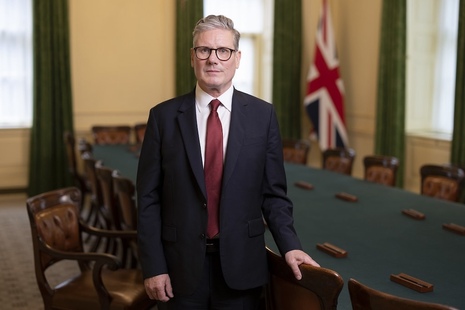
Sir Keir Starmer in the Cabinet Room Pic credit: Gov Uk

In just 50 days of a new Labour government pensioners rather than the better off have been singled out to pay the price to balance the books of running the country.

They are the people who are often not in the best of health, have worked most of their life and most don’t go around rioting and throwing fireworks or bricks at the police.

So for Sir Keir Starmer and Rachel Reeves they are a soft target to save money, particularly if your object is to grow the economy.

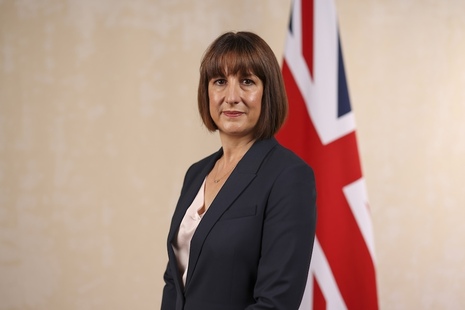
Rachel Reeves, Chancellor of the Exchequer poses for a photograph following her appointment to Cabinet by Prime Minister Sir Keir Starmer in 10 Downing Street. Picture by Lauren Hurley / No 10 Downing Street

To them the elderly are a burden. That is because they would find it difficult to have enough energy to start new businesses, expensive to look after since they are more likely to use the NHS, and the cost of pensions is the real big ticket item for the Department for Work and Pensions costing £125 billion a year – far outstripping any payments to other people. The total DWP annual pay out to people is £258.4 billion – so pensions are almost half the bill. Rachel Reeves will know all about this as her partner, Neil Joicey was finance director at the DWP.

If ministers are prepared to ignore that pensioners feel they have contributed to their pension and it is theirs by right, it would be rather convenient for the Treasury if they died sooner than later. Life expectancy is already stagnant and the new Starmer and Reeves measures could see it fall. Also pensioners were the last group who chose to vote Conservative rather than Labour at the general election, so it would be politically convenient with a five year government guaranteed by its large majority if many had died by 2029. The dead can’t vote.

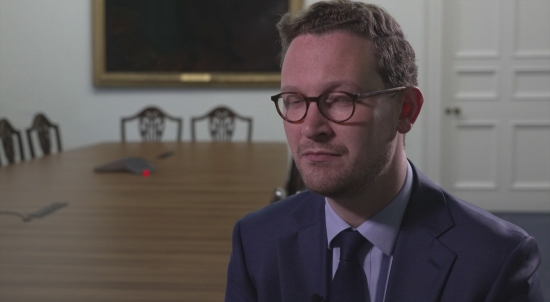
Darren Jones Pic credit: ITN News

The justification for means testing the fuel allowance – worth up to £300 per pensioner household – put by Darren Jones, the new Chief secretary to Treasury, was that it was a blanket benefit costing £1.4 billion claimed by the rich and poor. True a 90 year wealthy woman living in Kensington might not miss it, but an average 66 year old man living in Blackpool and about to die a year after getting his pension, will.

But his argument could also be used to abolish the universal state pension- and for all I know is being discussed in the Treasury – since it goes to billionaires -as well as the poorest.

The cut off point to lose the fuel allowance is £218.25 a week for single pensioners and under £332.95 for couples. Some 880,000 earning less than this could apply for pension credit but the forms are daunting for this. I checked to qualify you have to answer up to 243 questions. Read it here.

Some of the questions are bizarre. Why would you have to tell the DWP for example, if you share your home, with another person, whether he or she has ever been in prison or held in custody at a police station? Why do you have to tell them whether they have ever had four weeks holiday outside the UK? If you have over £10,000 in savings you have to fill in an additional 31 questions on another form. You have to disclose all the money send original bank and building society savings books and reveal how much cash you hide at home. You are expected to fill in the form yourself, if you can’t expect a visit from a DWP civil servant demanding why you can’t. No wonder a lot of people are put off and Ed Miliband’s cheery suggestion you apply, appears to mean he hasn’t a clue how detailed the forms are.

The other outrageous thing is that any government proposing a change should do an impact assessment on what this will mean. This was ignored by Rachel Reeves- so keen was she to announce the cuts.

On top of this we now know, after the announcement from the regulator, Ofgem, that energy prices are going up 10 per cent from October adding an average £149 to people’s bills just as the £300 fuel allowance is being abolished. At the same time Labour pointedly did not agree to raising pensioners tax allowances so with the triple lock in place, to avoid the poorest pensioners with little or no extra pension in place starting to pay tax again.

Michael Shanks MP and junior energy minister

As for the 1950s born women the chance of any compensation – even the paltry sums of between £1000 and £2900 recommended by the Parliamentary Ombudsman — is getting dimmer by the day. A rather frank answer to a constituent from Michael Shanks, the new Labour MP for Rutherglen and junior energy minister, has revealed the Treasury has taken over deciding whether they get a penny.

He wrote:” My understanding is it is being looked at seriously by Treasury and DWP Ministers now they are in post and fresh discussions are taking place about what happens next.

He went on: “You may be disappointed we didn’t simply commit to compensation for all, but as we have discussed before, I think it is more complex than that and I’m not convinced a one size fits all approach is right, or a good use of public money. The PHSO has recommended £1-3,000 per person, costing up to £10bn. However, this would give compensation to women who did know about the change – around 43% of WASPI women according to the PHSO. We need to ensure that any compensation is fair, so that at such a difficult time for the country financially we are not paying out thousands of pounds of compensation to women who were well aware of the changes, and that we are not insulting those badly affected with a mere £1-3,000.”

I have looked at the PHSO report and couldn’t find a reference to this 43 per cent who knew. If this is true it means that over 1.5 million will get nothing even if the government decides some compensation is due.

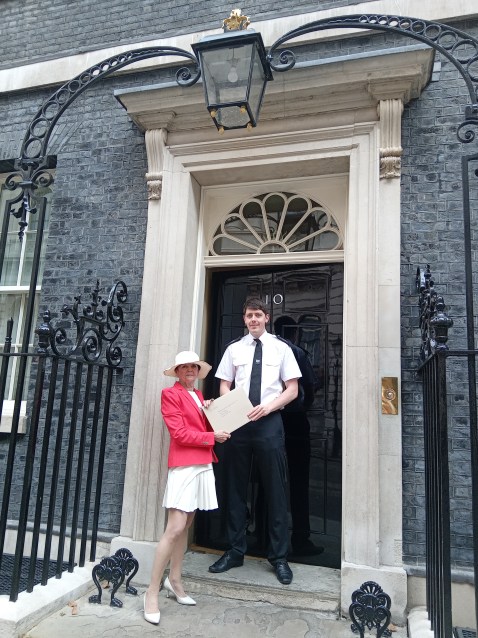
Meanwhile the campaign by CEDAWinLAW goes on. Jocelynne Scutt, the former Australian judge, who headed an independent tribunal into the fate of 50s women who lost their pensions for six years, was handing in a letter following a petition signed by 37,000 at Number Ten Downing Street today to drive home to Sir Keir the strength of feeling over the discriminatory issue and the need for mediation with ministers. WASPI, which represent 186,000 of the 3.5 million affected say they will have a meeting with minsters next month.

Here’s a newly edited video of the visit by Jocelynne Scutt explaining the latest moves by CEDAWinLAW.

One-Time
Monthly
Yearly

Make a one-time donation

Make a monthly donation

Make a yearly donation

Choose an amount

£5.00
£10.00
£20.00
£5.00
£15.00
£100.00
£5.00
£15.00
£100.00

Or enter a custom amount

£

Your contribution is appreciated.

Your contribution is appreciated.

Your contribution is appreciated.

DonateDonate monthlyDonate yearly

Please donate to Westminster Confidential

£10.00
Pressure for action on 50swomen pensions pay out delivered to Number Ten

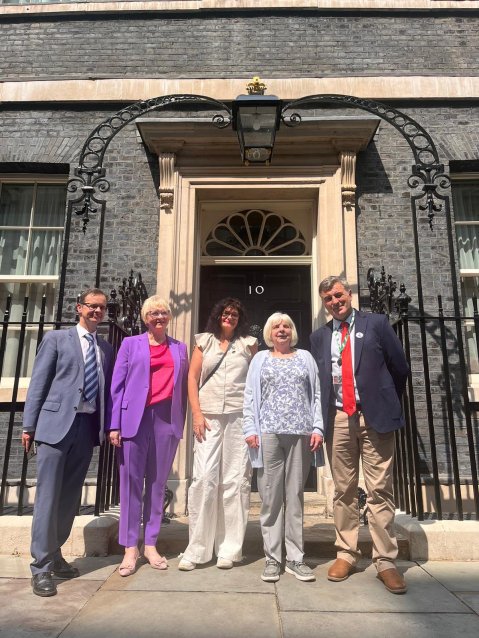
Delegation at No 10. (L to R) Ioan Bellin (Senior Communications and Research Officer for Delyth Jewell MS Senedd Wales);Vivienne Porritt OBE – WomenEd;Janice Chapman (CEDAWinLAW Volunteer):Michaela Hawkins (CEDAWinLAW Volunteer) and Ian Byrne, MP.


A delegation including Liverpool Mp Ian Byrne and former Australian judge Jocelynne Scutt yesterday increased pressure on Sir Keir Starmer, to start mediation talks on behalf of all 50swomen to end the stalemate in paying out compensation and restitution to those who waited six years to get their pensions.

As well as a letter, a petition signed by 36,000 50s women called on the government to get Liz Kendall, the new works and pension secretary, to open talks to sort out this long standing issue which was neglected by both the Tories and Labour during the general election campaign.

The petition is handed in

Both Tory ministers and Labour shadow ministers kept insisting they needed more time to study the former Parliamentary Ombudsman’s report by the now knighted Sir Rob Behrens ,which found partial maladministration over communications to the 3.8 million women who faced a six year delay until they reached 66 to get a pension. He recommended up to £2,900 each to cover maladministration.

CEDAWinLAW decided this was not enough since it did not cover the past discrimination against women – who had many hurdles to prevent them qualifying for a full pension and have insisted that since the UK signed the UN Convention on Eliminating all forms of Discrimination against Women in 1986 such paltry compensation breaks international law.

Later Jocelynne Scutt, the former Australian judge whose report found discrimination against the women. made a strong speech saying it was time for a new government to open talks and settle this dispute. She did praise Rachel Reeves, the new Chancellor, for planning to implement one key CEDAW recommendation, promising to implement part of the Equality Act that would gain equal pay for women with men. She pointed out that future generations would at least earn higher pensions as a result – ending the gap in the private sector between men and women.

I also gave a short speech backing the women’s case and calling for action from the government.

Will the government listen? Probably not before the summer recess. But what this shows is that these women are not giving up and there are more MPs who want this settled. It is not going away nor should it until the women have proper compensation.

One-Time
Monthly
Yearly

Make a one-time donation

Make a monthly donation

Make a yearly donation

Choose an amount

£5.00
£10.00
£20.00
£5.00
£15.00
£100.00
£5.00
£15.00
£100.00

Or enter a custom amount

£

Your contribution is appreciated.

Your contribution is appreciated.

Your contribution is appreciated.

DonateDonate monthlyDonate yearly

Please donate to Westminster Confidential

£10.00
The great stonewall: How Mel Stride and Rishi Sunak have stymied 50swomen compensation

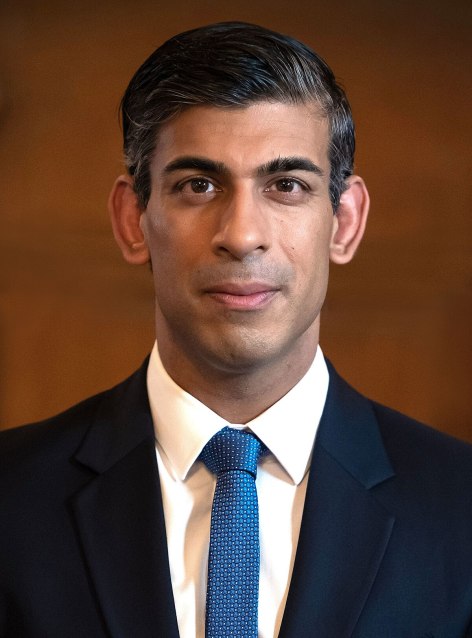
Rishi Sunak

After years of waiting for compensation for maladministration and discrimination some 3.5 million 50s born women have been left in limbo yet again even for the paltry sums of up to £2900 compensation recommended as a guideline by Rob Behrens, the former Parliamentary Ombudsman.

The explanation given by both Mel Stride and Rishi Sunak any time they are asked by MPs is that the Ombudsman’s report is so complicated that they will be spending an age to study it. They keep citing that it took Rob Behrens five years to write, deliberately ignoring that the Ombudsman unnecessarily paused his work for nearly two years while the Department for Work and Pensions was facing a judicial review over discrimination from Backto60 – now CEDAWinLAW.

DWP

In fact their excuse – which was never strong to start with – is rapidly wearing thin. The truth is that civil servants have had months to study the likely outcome of the Ombudsman’s report since it is not much different from the draft report he circulated – and was leaked on this blog – over 18 months ago..

And the Ombudsman knew that civil servants at the DWP then did not believe they had put a foot wrong and rejected any suggestion that there was any maladministration at all. Indeed their draft reply also leaked on this blog – had the temerity to suggest that these women were a load of fraudsters who would put in fake claims so they certaInly should NOT get any compensation.

What is becoming clear to exasperated MPs whether on the Commons Work and Pensions Committee or the Public Administration and Constitution Affairs Committee is that the government have no intention of naming a date when they will reply. And the government know they do not have to implement the Ombudsman’s paltry findings because the law allows them to ignore or reject any recommendation from the Ombudsman.

As Jackie Doyle Price tweeted as the new Tory chair of PACAC : “We are extremely disappointed that the Government is unable to tell us when it is planning to respond to @PHSOmbudsman‘s report into the communication of state pension age changes to #50swomen.”

Indeed are the government going give them any money at all – just issue an apology. That is what Ben Wilkinson, the Telegraph’s head of money said in an article recently and it is echoed by the private pensions industry which was always opposed to the women getting any compensation. And there are signs that some Tories such as Samuel Kasumu, Boris Johnson’s former special adviser, think the same – though their MPs are wary of alienating 50swomen in case they lose even more votes at the next General Election.

Sir Keir Starmer Pic Credit: Chris McAndrew / UK Parliament

Labour are not much better – the party leadership abstained on a Scottish National Party motion- calling for compensation suggesting Sir Keir Starmer is not keen either. Many Labour backbenchers take a different view and have raised the issue of how unfairly the women have been treated.

What is also missing is a more rounded debate. It is centred – no doubt by Higginson Strategy, lobbyists for WASPI, solely on the demands of WASPI which seems content to accept the Ombudsman’s recommended findings.

The debate pushed by CEDAWinLAW for an alternative solution – mediation with Mel Stride, the work and pensions secretary , has been ignored by too many MPs. This too involves a compromise but Mel Stride is not playing. CEDAWinLAW’s lawyers judged it was unlawful of him not to agree to this. And it is pity through not having enough funds to go through the case and the threats of adverse costs by both the DWP and, at one stage, Waspi, that this could not go to court. Waspi. didn’t support any mediation either. Mel Stride has still to reply again to a letter from CEDAWinLAW’s lawyers.

CEDAWinLAW has asked the UN CEDAW committee in Geneva to open an inquiry into the government’s handling of this. If they do the Government will face international criticism and the UK’s reputation for fairness and treatment of women in society will be further damaged.

In the end the government know that by remaining silent they can delay this as long as they like. But ministers should be careful. Although a number of the women are now dead, there is still a sizeable number who could take their revenge on the government through the ballot box. And time is also running out for the government when they have to call a general election.

One-Time
Monthly
Yearly

Make a one-time donation

Make a monthly donation

Make a yearly donation

Choose an amount

£5.00
£10.00
£20.00
£5.00
£15.00
£100.00
£5.00
£15.00
£100.00

Or enter a custom amount

£

Your contribution is appreciated.

Your contribution is appreciated.

Your contribution is appreciated.

DonateDonate monthlyDonate yearly

Please donate to Westminster Confidential

£10.00
Love’s Labour’s Lost: The party conference that now puts realism before socialism

This week I paid a lightening visit to the Labour Party Conference in Liverpool and found a remarkably changed and brutally focused party.

Out had gone any commitment to state ownership, hugely expensive pledges to spend, spend, spend and in had come a sharp focus on bread and butter issues like cutting hospital waiting lists and building lots of homes for generation homeless..

There was also a brutal message from Sir Keir Starmer that the party would be raising very little on new taxes- beyond taxing non doms and VAT on private school fees. Everything was going to depend on growing the economy from its present feeble state to pay for new public spending. If that fails the whole Labour project will collapse once they are in government – a big hostage to fortune.

What was also noticeable was the huge presence of corporate firms and large charities and ngos – never have I seen such numbers in the exhibition hall and its overflow corridor.

The main reason why Labour is being cautious is the state of the British economy post Brexit. Although Brexit was never mentioned by the Labour leadership, the chaos and incompetence of the present Tory government ( now also emerging in the Covid inquiry) has virtually torched the British economy, now bedevilled with a cost of living crisis and high inflation. And they can’t blame the EU. But it is worse than that – the chopping and changing in government policy -illustrated by scrapping HS2 at Manchester during their conference last week and delays in the net zero programme – has even bewildered their business allies who don’t know where they are and how they should plan.

That is why they see a Labour government as a better bet than the Tories. It is ironic that after all the attacks on Jeremy Corbyn turning Labour into a cult – it is now the Tories that are turning into one – with their obsession with opposing trans rights, boat people, cancel culture and recreating the UK in the image of the 1950s. No wonder much of business ran off to Liverpool.

David Blunkett; Official House of Lords portrait

I did attend two very interesting fringe meetings during my short stay. Both illustrated the new order at Labour. One organised by the TUC was on the subject of tackling Britain’s skill shortages among the workforce. It was addressed by Steve Rotherham, the Labour Metro Mayor of Liverpool; Bridget Phillipson, Labour’s shadow education secretary; Labour peer David Blunkett; and chaired by Kevin Rowan from the TUC. What was impressive was that the TUC and David Blunkett had drawn up a very detailed plan to tackle the crippling skills shortage – often overlooked by politicians – and Bridget Phillipson, was keen to implement it. It included scrapping the very low wage of £5.28 a n hour for apprentices and replacing it with the minimum wage and radically changing the funding programme to tackle skills shortages and prevent employers exploiting it for cheap labour. If Labour are serious in doing this, it will be fundamental to economic recovery.

An even bigger eyeopener was a fringe meeting organised by Labour’s environment campaign, Chaired by a Westminster Labour councillor , the campaign had both the head of forests, from Global Witness and a Aviva, the private insurance company on the panel. It turned out that both Global Witness and Aviva had been working together to ensure UK legislation that would stop British firms contributing to global deforestation by de investing in companies that did this. Even this it appeared had been opposed by the Tories.

One extraordinary meeting I did not get into was on the controversial future of rail to be addressed by Labour’s shadow transport secretary, Louise Haigh. Organised by Lodestone Communications, whose clients include US whiskies, the Countess of Chester Hospital ( not best to advertise this at the moment) and IT firms, it was private but important enough for the general secretaries of ASLEF and the RMT to attend. I was told it shouldn’t have been advertised in Labour’s conference programme and been placed there by mistake. Very intriguing.

Women born in the 1950s who have faced a six year delay in their pension would have been pleased by a motion which was passed by Labour’s women’s conference. It commits the next Labour government to fully implement in law the UN Convention on the Elimination of All Discrimination Against Women (CEDAW) and ensure equal pay for women is fully implemented. We shall see if Sir Keir Starmer makes this a manifesto commitment.

Please donate to Westminster Confidential.

One-Time
Monthly
Yearly

Make a one-time donation

Make a monthly donation

Make a yearly donation

Choose an amount

£5.00
£10.00
£20.00
£5.00
£15.00
£100.00
£5.00
£15.00
£100.00

Or enter a custom amount

£

Your contribution is appreciated.

Your contribution is appreciated.

Your contribution is appreciated.

DonateDonate monthlyDonate yearly

Please donate to Westminster Confidential

£10.00

Labour’s devastating summer of appalling council by-election results

Sir Keir Starmer: Labour’s bad record in council by-elections

Council by election results are not always a guide to a party’s performance in a general election because local issues can determine how people vote. But they are a guide to how the most politically active think since the people who vote are likely to be those most interested their local community. They are also a guide to how each political party can get their vote out and are real results – not an opinion poll.

Whatever way you put it this summer- with a couple of exceptions- has been a disaster for Sir Keir’s Starmer’s new model Labour Party. As well as the high profile Parliamentary loss of Hartlepool to the Tories, only just holding on to Batley and Spen and the collapse of the Labour vote to the Lib Dems in Chesham and Amersham it is the local council by-election results that have been particularly bad.

Since this is against the background of a pretty incompetent Tory government facing allegations of corruption and mucking up people’s summer holiday arrangements by constantly changing the rules and causing confusion about what, if any, rules to follow to keep safe from Covid 19, it is no mean achievement for Labour to lose more electoral support.

The by-election results also show that underneath the serenity of a successful and well organised NHS vaccination programme the political scene is pretty volatile. Council seats that should have naturally stayed under the same party’s control are falling to other parties with enormous changes in vote share. The trouble is that in England and Scotland Labour is not the beneficiary. The exception is Wales. In the one Welsh by-election in the Rhondda, Labour did do well with the Tory share falling significantly.

The pattern that is emerging for Labour- from both the Midlands and the North- is that the Tories are consolidating the gains they made in 2019 and wooing the working class vote in once safe Labour areas. If this continues Labour under Starmer might lose more Parliamentary seats in a snap election in 2023 than Corbyn lost in 2019 and the Conservative Home dream list of scores of fresh Tory gains in Yorkshire , the North East, and the East and West Midlands become reality. In Yorkshire alone this means 11 seats could go.

Tories consolidating 2019 election gains

Examples of consolidation include Tory by-election wins from Labour in Grimsby, Bassetlaw and Sandwell and North East Lincolnshire. In Sandwell the Tory share of the vote was up 20 pc, the Labour share down 13.7 per cent. In Bassetlaw, the East Retford South seat saw the Labour share down 47 per cent and the Tory share up 25 per cent with the intervention of an Independent.

Even more concerning for Labour should be by-election results in Leicester, Harlow and Basildon. In Leicester Tories gained their first seat on the council with an 18 per cent rise in vote share while Labour slumped nearly 16 per cent. With the full council up for election next year, the Tories are hoping for large scale gains and possibly one of the city’s Parliamentary seats soon.

In Harlow and Basildon Tories took council seats in Labour areas like Pitsea in Basildon and Mark Hall in Harlow. The Labour vote share was down 16 pc in Basildon and Tories up nearly 15pc. In Basildon the Tory share was up 24 per cent enough to take the seat from Labour who kept a 41 per cent vote share. These new towns used to have Labour councils and Labour MPs like Hemel Hempstead in Hertfordshire. In Hemel there are now no Labour councillors.

Greens having remarkable results

The Tories are on the defensive in rural England and the South and West of England. But the main beneficiaries are the Liberal Democrats and the Greens. The Greens had a remarkable result in Somerset going from nowhere to 64.9 per cent vote share when the Liberal Democrats did not contest the seat. They held on to a seat in Staines just outside London, and gained seats in Aldeburgh in Suffolk and Mid Sussex from the Tories. In Aldeburgh they just pipped the Tories with a 26 per cent rise in vote share and in Balcombe, Mid Sussex they won a little more convincingly with a 13 per cent rise.

Lib Dems winning “safe” Tory council seats

The Liberal Democrats also did well winning seats from the Tories in Knaresborough, King’s Lynn, all with big swings in their vote share ( 28pc in King’s Lynn and 20 per cent in Knaresborough). In some seats the Labour vote switched to the Lib Dems, in other cases it remained steady but the Lib Dems leapfrogged Labour. The Lib Dems also took a seat from the Tories in Cobham in Dominic Raab’s Esher constituency with a 18.4 per cent rise in vote share. Labour did benefit on East Devon council when the voters switched to Labour when the Lib Dems did not stand winning a seat at Honiton.

In Scotland Labour lost a council seat to the SNP on West Lothian council, Vote share was down by nine per cent.

What does this all mean? Difficult to gauge from a clutch of by-election results, but it does suggest the electorate is particularly volatile and not necessarily enamoured with the Tories in rural areas. But it shows Labour has a long way to go.

The worst scenario would be if the Labour Party continued to haemorrhage votes to the Tories in the provincial cities and to the Greens and Liberal Democrats elsewhere. In the end the internal disputes could lead to the Socialist members permanently switching to the Greens and the moderate members switching to the Liberal Democrats. It would mean the end of Labour as a mainstream party. It hasn’t come to that yet, but could be unless Labour comes forward with a much more aggressive and thought provoking agenda.

Labour: Revival or Nemesis?

Sir Keir Starmer: Labour leader Pic credit: BBC

Labour needs popular policies that attract people from Carlisle to Camden

It would rather cruel to say Sir Keir Starmer named after Labour founder Keir Hardie should be the leader that led to its nemesis. But the weekend’s election results in the North East and the Midlands show it is Boris Johnson’s Conservatives that are the new champions of working class voters there not Labour.

That is not to belittle Labour’s achievements in Wales, Cambridgeshire, the West of England and the South Coast. In Worthing for example, Labour has gone from having no councillors there for 51 years, to a place where the Tories are reduced to a majority of just one.

But it is to say that Labour have lost the plot. They are fighting quite a different Tory Party than under Theresa May or David Cameron and they don’t seem to have got the message. This Tory Party is a high spending, interventionist party wrapped up in the trappings of Rule Britannia and law and order. It is prepared to spend loads of cash in targeted working class areas where it can garner votes and is happy for an image of Gunboats at Dawn with the French in Jersey over fishing rights knowing that a NATO ally is unlikely to open fire.

For Labour there is a choice it can either ape the flag waving ,law and order, overseas aid cutting agenda of the Tories or it could look for new ground to take on the changed Tory Party.

I have four ideas for the latter and they all affect millions of people whether they live in the North, Midlands or South of the country. If successfully implemented they could change hearts and minds.

Having a decent affordable home for Generation Rent

The first is finding a home to live. For younger people under the age of 40 this is rapidly becoming an unobtainable dream as house prices continue to surge way above wages. They are either stuck in expensive flat sharing or forced to continue living in their parent’s home. No chance to aspire to start a family there. And with little council house building social housing is not easily available for the poor.

For a real analysis of this problem read a book called Home Truths by Liam Halligan. It is a comprehensive analysis of what has gone wrong. Labour could do little better than plagiarise the ideas in this book as part of their manifesto.

The Tories – though promising to build more homes- are on the back foot on this one. Their second largest group of donors are property developers – whose rationale has to be to get the most profits for their shareholders and investors. This, as the book explains, means ensuring that house prices continue to rise and they will only rise if they drip feed rather than grossly expand house building. So here’s one policy that will appeal whether you are in Brighton or Barnsley- and it can be sloganised in simple terms as it is both aspirational and a basic need.

Time for Labour to embrace the new world of freelance working

The second is the new world of work. The old huge battalions of workers in the mines, shipyards and even steel no longer exist – the new world of work is often hi tech , freelance contracts or new businesses or low paid work in Amazon or Deliveroo. Yet neither the outdated national insurance system nor employment law helps them. Ed Miliband promised a small step in reforming national insurance under his leadership – to ensure at least the self employed millions got basic help. And this group were the worst off under the furlough scheme. Again the government is weak in this area and whether you have a start up in Maidenhead or Middlesbrough you will benefit.

Women’s rights

Then there is the equality issue -particularly for women. Johnson is not particularly popular among women. And women are half the electorate. There are still issues of inequality, low pay and a law and order issue over women’s safety – so a women’s bill of rights to end injustice and make them safer in the streets would be very popular.

Equal access to the green revolution

Finally there is the issue of green policies. Yes the government is committed to these – but will help be distributed fairly or will electric cars be the prerogative for the better off. There is an area where carefully pointing out the problems and promising to do something about it will be attractive.

These are just some ides.. But whatever happens Labour has to up its game and get out of this continual internal battle talking to themselves and talk to the voters instead. Otherwise it will lead to its traditional male working class voters permanently voting Conservative and its more left wing voters backing the Green Party. It could disappear down a hole in the middle if it doesn’t get its act together and decide what it stands for.