Plans for a People’s Tribunal in London later this year to hear the case for implementing the UN Convention to eliminate all discrimination against women (CEDAW) have received a huge boost after one of London’s leading international law firms have offered to work for them free of charge.
Garden Court Chambers, which has 197 barristers and 27 QC’s, and specialises in human rights cases has offered the services of six of its leading women barristers and QC’s to head up the People’s Tribunal which aims to draw up an ” oven ready ” Bill of Rights for Women which could be put into British law. All are working pro bono.
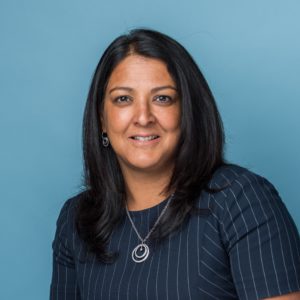
Smita Bajaria, a solicitor, is also working pro bono and will be instructing the barristers for the CEDAW tribunal.
The decision by Garden Court Chambers, to offer such a huge amount of pro bono work to the inquisitional tribunal is thought to be unprecedented in legal circles. All will be working on the preparation and presentation of the legal arguments and examine over 20 witnesses across the three day tribunal hearing.
The six QCs and barristers are:
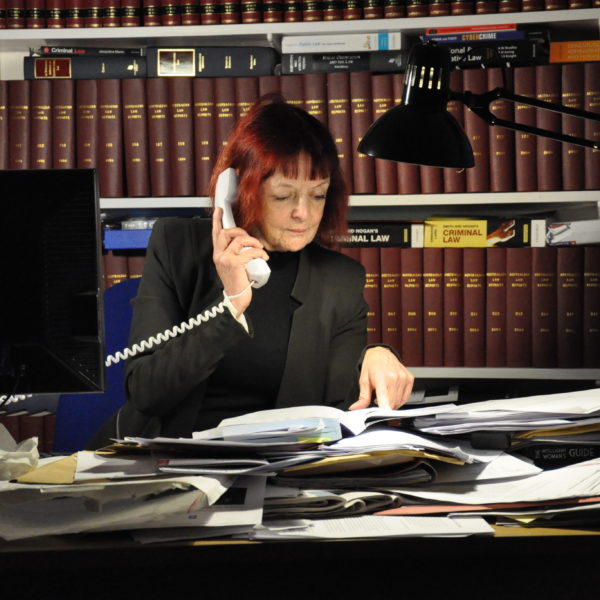
Sonali Naik: Pic Credit: Garden Court Chambers
Sonali Naik QC
Sonali has an extensive judicial review practice in challenges to Home Office policy, trafficking and unlawful detention and has won a number of high profile cases including a landmark case which found that Priti Patel, the home secretary, had acted illegally in demanding the “instant removal” of migrants without having access to lawyers.
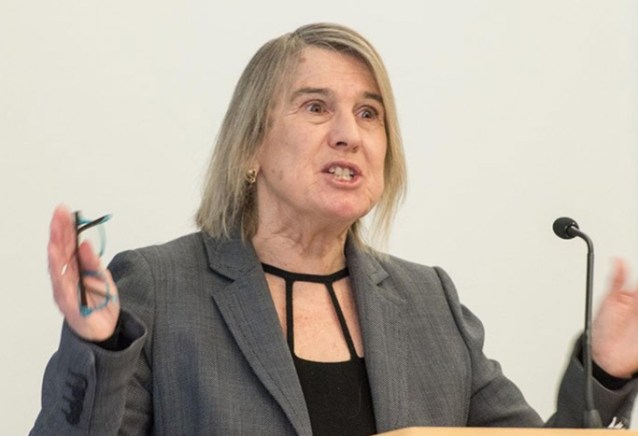
Amanda Weston QC:.
Amanda Weston QC
A leading expert on public and administrative law and judicial reviews and on the preferred counsel list for taking up cases for the Equality and Human Rights Commission.
An expert on gender and race discrimination. Won a landmark case against the Home Office in the Supreme Court for the Public and Commercial Services Union and Prospect union over the discrimination against black and older applicants in promotion tests , winning a settlement of over £1m.
Louise Hooper Pic credit: Linked In
Louise Hooper
She is an equality and human rights lawyer with a particular expertise in cases involving child, refugee and migrant rights, sex, gender, LGBTI+, trafficking and detention. Advises the Council of Europe.
Maria Moodie Pic Credit Twitter
Maria Moodie
A specialist public law practice in the areas of community care (Adult and Children Act cases), human trafficking, migrant welfare, housing, and immigration and asylum law.
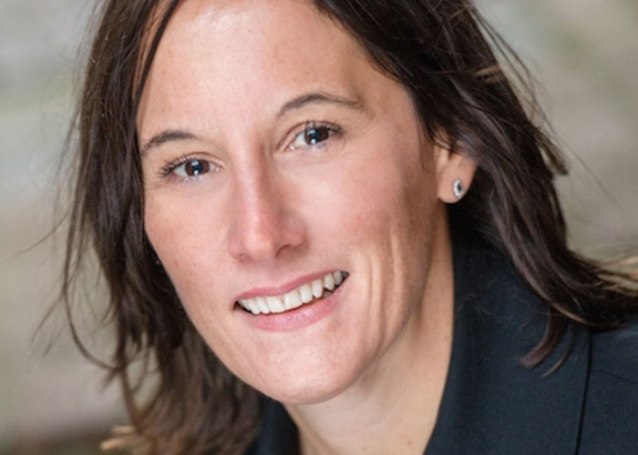
GraceBrown Pic credit: Legal 500
Grace Brown
She commenced practice in 1995 inspired by the desire to promote the rights of the under privileged and disadvantaged and quickly established herself as a well-respected and busy human rights and immigration barrister. She is on the preferred list of Lawyers for the Equality and Human Rights Commission.
A statement from the CEDAW People’s tribunal said : “Every woman and girl born in the UK should be able to realise, as of right, her true potential.
“There is no reason why CEDAW cannot be transposed into domestic law and the delay in doing so is nothing short of unconscionable.
OUR GOALS
• A published Report out of the tribunal hearing signed-off by the Independent Panel of Judges
• Instructions for a Women’s Bill of Rights
• A film of the journey
• Roadshow e-Drop-Ins
The CEDAW Peoples Tribunal will leave a lasting legacy by providing a body of evidence for individuals, women’s campaign groups and politicians to hold governments to account.
This will lead to changes in laws and the creation of new laws to bring about a Women’s Bill of Rights and substantive, transformative equality for all women and girls.”
Labour needs popular policies that attract people from Carlisle to Camden
It would rather cruel to say Sir Keir Starmer named after Labour founder Keir Hardie should be the leader that led to its nemesis. But the weekend’s election results in the North East and the Midlands show it is Boris Johnson’s Conservatives that are the new champions of working class voters there not Labour.
That is not to belittle Labour’s achievements in Wales, Cambridgeshire, the West of England and the South Coast. In Worthing for example, Labour has gone from having no councillors there for 51 years, to a place where the Tories are reduced to a majority of just one.
But it is to say that Labour have lost the plot. They are fighting quite a different Tory Party than under Theresa May or David Cameron and they don’t seem to have got the message. This Tory Party is a high spending, interventionist party wrapped up in the trappings of Rule Britannia and law and order. It is prepared to spend loads of cash in targeted working class areas where it can garner votes and is happy for an image of Gunboats at Dawn with the French in Jersey over fishing rights knowing that a NATO ally is unlikely to open fire.
For Labour there is a choice it can either ape the flag waving ,law and order, overseas aid cutting agenda of the Tories or it could look for new ground to take on the changed Tory Party.
I have four ideas for the latter and they all affect millions of people whether they live in the North, Midlands or South of the country. If successfully implemented they could change hearts and minds.
Having a decent affordable home for Generation Rent
The first is finding a home to live. For younger people under the age of 40 this is rapidly becoming an unobtainable dream as house prices continue to surge way above wages. They are either stuck in expensive flat sharing or forced to continue living in their parent’s home. No chance to aspire to start a family there. And with little council house building social housing is not easily available for the poor.
For a real analysis of this problem read a book called Home Truths by Liam Halligan. It is a comprehensive analysis of what has gone wrong. Labour could do little better than plagiarise the ideas in this book as part of their manifesto.
The Tories – though promising to build more homes- are on the back foot on this one. Their second largest group of donors are property developers – whose rationale has to be to get the most profits for their shareholders and investors. This, as the book explains, means ensuring that house prices continue to rise and they will only rise if they drip feed rather than grossly expand house building. So here’s one policy that will appeal whether you are in Brighton or Barnsley- and it can be sloganised in simple terms as it is both aspirational and a basic need.
Time for Labour to embrace the new world of freelance working
The second is the new world of work. The old huge battalions of workers in the mines, shipyards and even steel no longer exist – the new world of work is often hi tech , freelance contracts or new businesses or low paid work in Amazon or Deliveroo. Yet neither the outdated national insurance system nor employment law helps them. Ed Miliband promised a small step in reforming national insurance under his leadership – to ensure at least the self employed millions got basic help. And this group were the worst off under the furlough scheme. Again the government is weak in this area and whether you have a start up in Maidenhead or Middlesbrough you will benefit.
Women’s rights
Then there is the equality issue -particularly for women. Johnson is not particularly popular among women. And women are half the electorate. There are still issues of inequality, low pay and a law and order issue over women’s safety – so a women’s bill of rights to end injustice and make them safer in the streets would be very popular.
Equal access to the green revolution
Finally there is the issue of green policies. Yes the government is committed to these – but will help be distributed fairly or will electric cars be the prerogative for the better off. There is an area where carefully pointing out the problems and promising to do something about it will be attractive.
These are just some ides.. But whatever happens Labour has to up its game and get out of this continual internal battle talking to themselves and talk to the voters instead. Otherwise it will lead to its traditional male working class voters permanently voting Conservative and its more left wing voters backing the Green Party. It could disappear down a hole in the middle if it doesn’t get its act together and decide what it stands for.
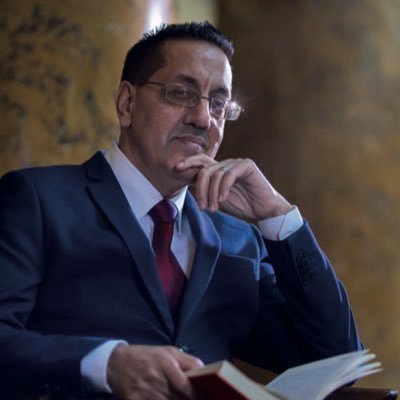
Dr Jocelynne Scutt, President of panel of judges of the CEDAW People’s tribunal , Nazir Afzal Legal Consultant to the tribunal
Two of the leading people talk in advance of the planned People’s Tribunal in London
Later this year there will be a People’s Tribunal in London to evaluate the need for the UN Convention on the elimination of all discrimination against women to be put into domestic law. The convention, signed and ratified by Margaret Thatcher in 1986 has never been put into domestic law though parts of it are in the Equalities Act, 2010.
The tribunal will examine the failure to integrate CEDAW into domestic legislation; decide whether those delays are legitimate or not; and make necessary recommendations as to how the Convention can be given full effect in the UK, advancing women in all aspects of society and recognising historic inequalities.
Dr Jocelynne Scutt, the Australian feminist who is president of the panel of judges CEDAW People’s Tribunal and Nazir Afzal, newly appointed Legal Consultant to the tribunal. have talked about their hopes for a massive legal change.
Jocelynne Scutt is a senior law fellow at the University of Buckingham. She was Tasmania’s first anti discrimination commissioner and is a member of the Labour Party in Cambridge and the Australian Labor Party. She is a former judge in Fiji.
Nazil Afzal, is the former Chief Crown Prosecutor for NW England and formerly Director in London. Most recently, he was Chief Executive of the country’s Police & Crime Commissioners. During 24 year career, has prosecuted many high profile cases and advised on many others and led nationally on Violence against Women & Girls, child sexual abuse, and honour based violence. His prosecutions of the so called Rochdale grooming gang and hundreds of others were groundbreaking and drove the work that has changed the landscape of child protection. He is the new legal consultant to the tribunal.
Jocelynne Scutt believes there are many cases -particularly those involving violence against women and rape cases- where women are still not seen as credible because of prejudice or the way they dress. She points to protests from women groups over rape cases with placards saying ” Wearing a dress does not mean yes” as a good example of the way women are treated by men. She says this is similar to the ” stop and search” policy by the police where just because a black man is driving a posh car it is assumed it is either stolen or he is a drug dealer.
She said one of the big changes CEDAW could bring is to change the law to make people treated as a whole human being instead of being categorised in different legal columns. She cited a discrimination case brought on both sex and gender and racial discrimination.
” The law as it is either treats the case as a sex and gender case with a bit of ethnicity added on or a an ethnicity discrimination case with a bit of gender discrimination. People are not like that.”
The standard in courts is still based on ” Benchmark Man”
She says courts are still dominated by white male values despite the fact we have more women barristers and judges. ” As one of my colleagues says the standard is Benchmark Man- that is still the standard for everything.”
She thinks that middle class women have an advantage over working class women to progress in their careers.
” Middle class women in professional jobs can get through the glass ceiling or at least see it . For working class women – such as cleaners and care workers – they are stopped by a concrete canopy- they can’t even see the glass ceiling let alone break through it” This is something that CEDAW would change.
Both she and Nazil Afzal believe CEDAW will bring about big changes. She is optimistic that support for CEDAW will build and build to become a major issue.
Nazil believes there is no legal impediment to introducing CEDAW only a political one. He also believes that if Scotland and Wales decide to implement CEDAW while England declines to do so – it ” will lead to an even greater postcode lottery in judicial decisions than it is now.
” Probably only one per cent of lawyers understand CEDAW”
He believes that at present the vast majority of lawyers don’t understand CEDAW even though its is recognised by the courts as international law.
” Probably only one per cent of lawyers -unless it is their speciality – don’t understand it and probably among that one per cent only one per cent understand it fully “
He thinks the passing of the Domestic Abuse Bill has made the case for putting CEDAW into domestic law and also for the United Kingdom to sign up to the Council of Europe Istanbul Convention on preventing and combating violence against women and domestic abuse.
Some 45 countries have signed up and 34 have ratified the convention. The UK is not one – one of the stumbling blocks for the UK is that it would have to give migrants equal rights.
Ground breaking moves to end all discrimination against women could become law in Scotland and Wales by next year if as predicted, the Scottish National Party and the Welsh Labour Party win Thursday’s devolved Parliamentary elections.
Manifestos for both parties commit them to introducing the CEDAR convention into Scottish and Welsh law and the Scottish Tory leader, Douglas Ross, has also given his support to write the convention into Scottish law.
The decision will have far reaching effects on the equality and rights of women and put huge pressure on Boris Johnson, the Tory leader, and Liz Truss, who is also equalities minister, to have to follow them or face a postcode lottery on women’s rights across the UK. It will also be an enormous boost to the planned People’s Tribunal on CEDAW to be held later in London.
The issue has not made the headlines because it has been overshadowed by the row over Scottish independence and the funding of Boris Johnson’s flat which have dominated the news. But it has implications for equal pay, violence against women, job discrimination and could resurrect unfair treatment over the raising of the pension age again.
Far reaching proposals
The Scottish proposals are the most far reaching. Not only do they want to end all discrimination against women but they also want to implement three other UN Conventions which have not been put into law by the British government.
These cover: The International Covenant on Economic, Social and Cultural Rights; The Convention on the Elimination of All Forms of Racial Discrimination and the Convention on the Rights of Persons with Disabilities.
Scotland has already passed laws to implement the UN Convention on the Rights of the Child into domestic law
. This has infuriated Boris Johnson and he is going to the Supreme Court to stop Scotland implementing it -saying it is beyond Holyrood’s powers.
But he can’t do anything about the CEDAR convention because Margaret Thatcher signed and ratified the convention in 1986. Unless he decides the UK will leave the convention which would create a storm.
Fraser Meechan from the Scottish Government’s Equality and Human Rights division, said in a letter to Ann Fenner, communications leader to CEDAW tribunal ; “The intention, dependent on the election outcome, is to introduce the proposed Bill in the next Parliamentary session. A multi-treaty human rights Bill of this nature is innovative and ambitious. Therefore, careful thought and extensive engagement will be required, both during its development and throughout implementation, to ensure it is done right.”
A task force is already working on the details of the legislation.
Wales for CEDAW
The Welsh manifesto commitment means the Wales will follow on CEDAR.
The move has caused the Government Equalities Office in London to start meetings with women’s groups on what changes they would like to see in England – as they are now aware of the proposals in both Scotland and Wales. This is the first time the Government Equalities Office has had regular meetings on CEDAW beyond the UK commitment to review progress on CEDAW every four years.
So what started as a move to open a debate on women’s rights through the CEDAW People’s Tribunal has now turned into a serious and urgent issue for Whitehall and ministers. The decision by Nicola Sturgeon to do this is a gamechanger that will have repercussions across the whole of the UK.
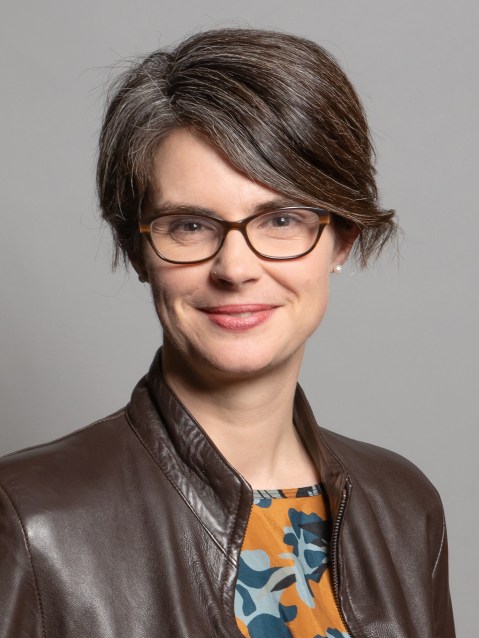
Official portrait of Chloe Smith MP and Cabinet Office minister for the constitution and devolution
Government dumps on Parliamentary Ombudsman as waiting list of cases forecast to rise to 4000
The government has thrown out any proposals to reform the overburdened Parliamentary Ombudsman service until after the next General Election in 2024.
Areply from Chloe Smith, junior Cabinet Office minister, to MPs on the Commons Public Administration Committee on their report into the Parliamentary Ombudsman reveals that reforms far from being delayed a year will not take place until 2025.
She writes:” The Government appreciates the desire of PACAC to modernise Ombudsman standards and agrees that this is an important matter. As outlined by the Chancellor of the Duchy of Lancaster[ Michael Gove] in September 2020, the current pressures on the Government and the parliamentary timetable mean the 2016 Bill has not progressed and there are no plans to reform the Ombudsman system up to and including 2023–24. We will nonetheless carefully consider the committee’s findings and any future opportunities.”
The decision to delay any improvements to the service come at a time when there are 2663 cases waiting to be allocated and long delays for people awaiting to hear the result of their cases.
At the same time minutes of a board meeting at the Ombudsman’s office on February 18 and only just published reveals that the waiting list for cases to be allocated is forecast to rise to 4000. This is entirely due to complaInts arising from relatives of Covid 19 victims.
The report said: “It was proposed that, to allow the organisation to focus on complaints raising more serious issues, it would not routinely progress health complaints where the impact of the claimed injustice is relatively limited. This would apply to complaints determined to be at level 1 and level 2 of our Severity of Injustice scale. This is in line with other Ombudsman organisations.”
Relatives of Covid 19 victims not likely to get their complaint investigated
This is bad news for relatives of Covid 19 victims who are already been denied justice by Boris Johnson choosing to delay a Covid-19 public inquiry. It also raises the question how the Ombudsman would know a complaint was a serious problem until he had investigated it.
Rob Behrens Parliamentary Ombudsman
Robert Behrens, Parliamentary Ombudsman, in his reply to the committee suggests he might try and persuade Matt Hancock, the health secretary, to allow some changes to the Ombudsman’s powers in forthcoming legislation to reform the NHS.
He writes: “The forthcoming NHS legislation could also grant PHSO ‘own initiative’ powers to look at an NHS-related issue where someone would struggle to bring a complaint or where there is a fear that complaining to the Ombudsman might bring about personal repercussions in terms of the NHS care received. For example, if someone is a long-term inpatient with learning disabilities, they or their family may be reluctant to complain formally for fear that it would adversely affect that person’s care. “PHSO would welcome the Committee’s support for including these measures in the legislation that will follow the NHS Integration and Innovation White Paper. We would also welcome similar support for removing the out-dated MP filter and making other improvements in our Parliamentary jurisdiction when appropriate legislative opportunities arise.”
So the Ombudsman is left clutching at straws to get any reform at all. The public are left with a lousy service and the prospect of complaints being dumped because the Ombudsman will not have the resources to cope.
My thanks to a couple of readers for alerting me to the board meeting and thegovernment’s reply. It is nice to know people are keeping an eye on this
The Migration Museum – an innovative project to create the first permanent home for a museum in the United Kingdom devoted to a story that probably affects every person in the country – is looking for new trustees.
They will come at a time when the museum – at present in a temporary home in a shopping centre in Lewisham, south London is planning to boost its profile and move centre stage to highlight the issue and all its extraordinary facets.
As the prospectus for new trustees says
” Never before has there been stronger justification for there to be a welcoming and stimulating cultural institution – away from the polarising noise of politics and the media – to explore some of the most pressing issues of the day – migration, race, Brexit and our colonial past among them – in a richly aesthetic atmosphere of calm reflection.”
Aim, Vision and Values
The projects aim, vision and values are summed up in three paragraphs:
“Our Mission is to deliver a popular, high-profile and accessible cultural institution, to which every person in the country can feel a sense of belonging and that puts Britain’s migration story at centre stage.
“Our Vision is of a society in which we all (for we all have migration stories in our family past, if we dig a little) feel connected and represented in an essentially British shared migration story.
” Our Values are to promote tolerance, understanding, respect and participation, and to engender a real sense of representation, both beyond our organisation and within it. This means that we are strongly committed to promoting diversity and representation within our Board, not only to reflect the lived experience of our audiences, but also to deliver role models for those who join, or aspire to join us, as trustees, employees, volunteers or collaborators. “
exciting events
For the last few years the museum has already put on a number of exciting events – from recreating the Jungle camp ( and all the art) made by migrants in Calais to putting on a concert by Aeham Ahmad, the incredibly brave and talented pianist who played his piano on the streets of bombed out Yarmouk in Damascus until he was forced to flee by the Syrian dictator Assad to Germany.
More recently during the pandemic there has been a digital exhibition of migrants contribution to the NHS and a series of digital exhibitions telling the story of emigration from the UK and those who were left behind.
For those who might be interested the deadline for applications is May 3 and the prospectus and all the details are here.
I am one of 120 Distinguished Friends of the Migration Museum and am a strong supporter of the project. I have also written a number of stories on this blog on some of their past exhibitions. Here are a few of them.
Earlier this year I reported on a letter sent by Sir Robert Behrens, the Parliamentary Ombudsman, to MPs on the Commons Public Administration and Constitutional Affairs Committee on why he could not implement a three year programme to improve the service for another year.
The letter revealed that Michael Gove, the Cabinet Office minister, had decided not to go ahead with a three year funding plan to make it happen until 2022. As a result the Ombudsman would be expected to concentrate on complaints about Covid19 and would not have the budget to do much about improving the service beyond laying the bare bones of the idea.
I suspected that the service might be overwhelmed and asked for the figures on the number of people on the ” waiting list” to get their complaint heard and the number of cases where people were awaiting a decision. The media office declined to give me the information immediately and converted my press inquiry into a Freedom of Information request to delay it for 20 working days.
Physical queue could stretch from Millbank Tower to Westminster Bridge
We now know why. Figures released under that FOI request reveal that the Ombudsman show that a staggering 2663 people are in a virtual queue to await to be assigned to a caseworker. If everybody physically turned up ( not allowed at the moment due to the pandemic) it would stretch from the Ombudsman’s office at Millbank Tower right along the Embankment to the Houses of Parliament and possibly across Westminster Bridge.
They also released the figures awaiting a result from their complaint. That is 2699. So almost as many people are waiting to get to get a case worker to look into their complaint as the number of people waiting for a result.. That might explain the latest figures from the Ombudsman Office’s own performance standards review which shows that only 51 per cent gave a positive reply to the point “We will give you a final decision on your complaint as soon as we can”. It means 49 per cent weren’t impressed with that claim.
The Ombudsman’s Office have also told me that nowhere in their building is there ” any recorded information confirming that “the public will get worse service this year”. This seems to me more of an act of self denial than a possible statement of fact.
The Ombudsman seem to be relying on two mitigating developments to help them overcome this frankly appalling scenario.
Planned new NHS Complaints Handling Service
They are plans for a new model NHS Complaints Handling Service that will aim to take the pressure off the Ombudsman’s Office by trying to sort out patients’ complaints before they have to go to him. But as the section on this new procedure on the Ombudsman’s website discloses that these are only draft guidance. Participation by health bodies is voluntary and as yet plans for pilot projects have not been finalised. My guess is that probably the best health trusts will pilot it, the worst won’t want to know.
The Parliamentary Ombudsman’s latest controversial senior appointment: Rebecca Hilsenrath
The second move is the appointment of a £80,000 Director of External Affairs, Strategy and Communications to drive through the new strategy and report to Gill Fitzpatrick, chief operating officer. There is a full description on the headhunters website, Hays, of the job. Today ( April 12) the Ombudsman confirmed that the post had been filled by Rebecca Hilsenrath, the former chief executive of the Equality and Human Rights Commission, who officially resigned last week. Three months ago Ms Hilsenrath was in the centre of a row that she had twice breached lockdown rules by going with her family to her Welsh country cottage. You can read about the allegations and her resignation in two articles I wrote for Byline Times articles here and here. By all accounts this is a very curious and controversial appointment.
Altogether the situation at the Ombudsman’s Office does not present a pretty picture. A cynic might say it is not a priority to put money into watchdog bodies because all it does is highlight problems when things go wrong. And a government that would love to stay in power forever wants to present the idea that the UK has world beating public services and hide anything that might detract from that propaganda.
The Parliamentary Ombudsman File
Here are previous stories on this blog on the issue
Since CEDAW will become a major issue in the forthcoming People’s Tribunal to be held later this year. I thought it might be worth publishing what exactly the Convention says . A number of people have asked what exactly it means for them. Some wonder whether it can help the 3.8 million people who lost their case in the courts and were refused permission to appeal to the Supreme Court.
If you read this it sounds idealistic rather like some of the great statements of the past whether it was the founding fathers of the American Constitution or the founding charter of the United Nations. The reason why it is important is once this statement is written into law it follows that the law of the country has to change and people can cite the new law to end discrimination and protect their rights. This is statement is followed by an action plan on how the government of the day has to implement it. No wonder it has not yet been incorporated into English law.
Many many issues of discrimination against women will be affected
The answer is that all women would be affected by the change. CEDAW was cited by BackTo60’s lawyers in their case – but because even though the convention, ratified by Margaret Thatcher, is applicable in the courts and in Parliament because it had not been put into domestic law the judiciary they appear not to understand its implications.. If it was not only the 50swomen case but many, many other issues of discrimination against women will be on much stronger grounds.
Should as current opinion polls show the Scottish National Party win next month’s Parliamentary elections one of the first moves will include legislating to incorporate CEDAW into Scottish law. This will provide an early example of how effective the change will be for women and girls.
CONVENTION ON THE ELIMINATION OF ALL FORMS OF DISCRIMINATION AGAINST WOMEN
The States Parties to the present Convention,
Noting that the Charter of the United Nations reaffirms faith in fundamental human rights, in the dignity and worth of the human person and in the equal rights of men and women,
Noting that the Universal Declaration of Human Rights affirms the principle of the inadmissibility of discrimination and proclaims that all human beings are born free and equal in dignity and rights and that everyone is entitled to all the rights and freedoms set forth therein, without distinction of any kind, including distinction based on sex,
Noting that the States Parties to the International Covenants on Human Rights have the obligation to ensure the equal rights of men and women to enjoy all economic, social, cultural, civil and political rights,
Considering the international conventions concluded under the auspices of the United Nations and the specialized agencies promoting equality of rights of men and women,
Noting also the resolutions, declarations and recommendations adopted by the United Nations and the specialized agencies promoting equality of rights of men and women,
Concerned, however, that despite these various instruments extensive discrimination against women continues to exist,
Recalling that discrimination against women violates the principles of equality of rights and respect for human dignity, is an obstacle to the participation of women, on equal terms with men, in the political, social, economic and cultural life of their countries, hampers the growth of the prosperity of society and the family and makes more difficult the full development of the potentialities of women in the service of their countries and of humanity,
Concerned that in situations of poverty women have the least access to food, health, education, training and opportunities for employment and other needs,
Convinced that the establishment of the new international economic order based on equity and justice will contribute significantly towards the promotion of equality between men and women,
Emphasizing that the eradication of apartheid, all forms of racism, racial discrimination, colonialism, neo-colonialism, aggression, foreign occupation and domination and interference in the internal affairs of States is essential to the full enjoyment of the rights of men and women,
Affirming that the strengthening of international peace and security, the relaxation of international tension, mutual co-operation among all States irrespective of their social and economic systems, general and complete disarmament, in particular nuclear disarmament under strict and effective international control, the affirmation of the principles of justice, equality and mutual benefit in relations among countries and the realization of the right of peoples under alien and colonial domination and foreign occupation to self-determination and independence, as well as respect for national sovereignty and territorial integrity, will promote social progress and development and as a consequence will contribute to the attainment of full equality between men and women,
Convinced that the full and complete development of a country, the welfare of the world and the cause of peace require the maximum participation of women on equal terms with men in all fields,
Bearing in mind the great contribution of women to the welfare of the family and to the development of society, so far not fully recognized, the social significance of maternity and the role of both parents in the family and in the upbringing of children, and aware that the role of women in procreation should not be a basis for discrimination but that the upbringing of children requires a sharing of responsibility between men and women and society as a whole,
Aware that a change in the traditional role of men as well as the role of women in society and in the family is needed to achieve full equality between men and women,
Determined to implement the principles set forth in the Declaration on the Elimination of Discrimination against Women and, for that purpose, to adopt the measures required for the elimination of such discrimination in all its forms and manifestations,
Dr Jocelynne Scutt. Pic credit: Cambridge Labour Party
The campaign to introduce a comprehensive bill of rights for women by implementing in full the UN Convention for the Elimination of all Discrimination Against Women (CEDAW) takes a major step forward this weekend.
Five high profile women -one a former judge – have agreed to serve on the panel which will sift evidence to be presented at the CEDAW People’s Tribunal later this year presided over by John Cooper, QC, a human rights lawyer,.
CEDAW is “like motherhood and apple pie” – John Cooper QC
John Cooper said the issue should not be controversial – ” it is like motherhood and apple pie”.
He said the tribunal should have three main goals – independence, transparency and authenticity.
” There are three main areas to investigate: Why CEDAW has never put into UK law; whether there was any good reason for not doing so, and most importantly, to make recommendations on what should happen next.”
The movement to implement comprehensive changes in the law for all women and girls has come from the historic unequal treatment of women and the exposure of poverty and hardship by women born in the 1950s who had to wait an extra six years for their pension. Campaigners pointed out that Margaret Thatcher had signed up to the convention as long ago as 1986 but it had never been properly implemented into UK law -despite Gordon Brown’s government passing the Equality Act in 2010.
Worse the position of the 50s women was just the tip of the iceberg of unequal treatment which covers everything from unequal pay to discrimination in the workplace and women being subject to harassment and sexual abuse and even given poor treatment in jails.
The tribunal will take place as the devolved governments in Scotland and Wales are considering implementing laws to apply the convention – leading to an extraordinary situation where women will have more rights and redress against discrimination and inequality in Scotland and Wales than in England. All this will bring home the issue to the present Tory government whether it wants to do anything about it or not.
The president of the new panel is the Hon. Jocelynne Annette Scutt, an Australian feminist and human rights lawyer and senior law fellow at the University of Buckingham. She has written about money, marriage and property rights and more recently about plastic surgery, women’s bodies and the law. She was Tasmania’s first anti discrimination commissioner and is a member of the Labour Party and the Australian Labor Party. She is a former judge in Fiji.
The other panel members are:
Christine Chinkin
Christine Chinkin, FBA is Emerita Professor of International Law, Professorial Research Fellow and Founding Director of the Centre of Women Peace & Security at LSE.
She is a barrister, a member of Matrix Chambers. Together with H. Charlesworth, she won the American Society of International Law, 2005 Goler T. Butcher Medal ‘for outstanding contributions to the development or effective realization of international human rights law’. She is a William C Cook Global Law Professor at the University of Michigan Law School.
She has held visiting appointments in Australia, the United States, Singapore and the People’s Republic of China. She is currently a member of the Kosovo Human Rights Advisory Panel and was Scientific Advisor to the Council of Europe’s Committee for the drafting of the Convention on Preventing and Combatting Violence against Women and Domestic Violence.
Jane Gordon
Jane Gordon MA (Oxon) LLM (Distinction) is a human rights lawyer with over 20 years’ experience working in human rights legal practice and policy at domestic, regional and international levels. Jane co-founded Sisters For Change with her sister, SFC Executive Director, in 2014. Jane was Human Rights Advisor to the Northern Ireland Policing Board (2003-2008) where she co-devised the first ever framework for monitoring the human rights compliance of the police.
In 2009-2010, she was appointed Human Rights Advisor to Her Majesty’s Inspectorate of Constabulary’s national policing protest review. Jane has litigated cases of serious human rights violations against Russia, Turkey, Georgia, Armenia and Ukraine before the European Court of Human Rights, and advised national human rights institutions, public authorities and oversight mechanisms in Jamaica, India, Malawi, Iraq, Ireland and across the UK. Between 2008-2017,
Jane was a Senior Fellow at LSE’s Centre for the Study of Human Rights and LSE’s Centre for Women, Peace and Security where she delivered LSE’s practitioner short course on Women’s Human Rights. In 2013-2014, Jane served as gender advisor/SGBV investigator with the UN Commission of Inquiry on Syria. Jane is additionally a member of the Foreign Secretary’s Human Rights Advisory Group.
Aisha Gill : Pic Credit: Putney local website
Professor Aisha K. Gill, Ph.D. (University of Essex) CBE is Professor of Criminology at University of Roehampton. Her main areas of interest focus on health and criminal justice responses to violence against Black, minority ethnic and refugee (BMER) women in the UK, Georgia, Iraqi Kurdistan, Libya, India, Pakistan and Yemen. Professor Gill is often in the news as a commentator on early/child/forced marriage, violence predicated on ‘honour’, and sexual violence in South Asian communities.
Professor Gill has been involved in addressing the problem of violence against women and girls (VAWG) at the grassroots level for the past 21 years. She is invited adviser to the Independent Police Complaints Commission (IPCC) strategic support group on investigations and complaints involving gendered forms of violence against women in the UK (including domestic violence); member of Liberty’s Project Advisory Group; member of Kurdish Women’s Rights Watch; Imkaan and Chair of Newham Asian Women’s Project (2004-2009). In October 2019, she was invited to join the Victims’ Commissioner’s Advisory Panel, chaired by Dame Vera Baird, QC.
Professor Fareda Banda Pic Credit:Black Female professors Forum.
Professor Fareda Banda, at the School of Oriental and African Studies, London University.
She joined SOAS in 1996. She has convened and taught English Family law, Human rights of women and Law and Society since then. She has also contributed to various courses including Alternative Dispute Resolution, Law and Development, Law and Development in Africa and Legal Systems of Asia and Africa. She has supervised PhD theses on topics including children’s rights, sexual violence against women, post-conflict reconstruction and gender. She writes on women’s rights, family law, and, more recently, religion. Fareda has been an active member of the School’s Equality Committee, first in her capacity as the union equality officer and more recently as the representative of the Faculty of Law and Social Sciences.
The new panel members are delighted and honoured to be appointed. Dr Davina Lloyd, Chair of the CPT Steering Committee, said:” The well being of future generations is in excellent hands”.
Expect more of this on my blog as the campaign gains momentum throughout the rest of this year.
Parliamentary Ombudsman slips out progress report on 50s and 60s born women pensions complaint
It is commonly known in Whitehall that if want to bury bad news, choose an obscure part of your website, make a big announcement and don’t put out a press release .Yesterday I found out Sir Robert Behrens, the Parliamentary Ombudsman, has done just that.
Hisannouncement on the progress of his four year long investigation on maladministration by the Department for Work and Pensions over notifying the women amounts to pretty much a non announcement. Partly this is because he is restricted by an Ombudsman law which urgently needs updating, Partly it is his own fault that he has made so little progress.
I suspect that he may have thought it was a good idea to make this announcement because it was clear from the recent reporton the Ombudsman by the House of Commons Public Administration and Constitutional Affairs Select Committee that people are dissatisfied with his progress. There are conflicting reports that another announcement may be imminent to follow this up.
WASPI Cheltenham statement yesterday
Cheltenham WASPI 19th March
We understand that the Parliamentary & Health Service Ombudsman may make an announcement “imminently”.We expect that this will be the official result of the first stage of their investigation. This will decide whether there was maladministration when we were given inadequate notice of the changes to our State Pension Age.
There are three stages that must be completed before decisions about any compensation can be made:Stage 1: Was there maladministration?Stage 2: If so, did the maladministration lead to injustice?Stage 3: If so, what recommendations should be made to put things right? This could include compensation.It is important to remember that a positive decision on maladministration does not automatically mean that we will get compensation. It is only the first step in the process. Please note that any decision made by the Ombudsman will apply to ALL 1950s women affected by a delay to their State Pension, not just those who have made an official complaint.You can read full details of this process, and how compensation is calculated, here https://www.ombudsman.org.uk/complaints-womens-state…We will let you know as soon as we hear anything further. In the meantime please share this information with anyone you know who’s affected.”
ReplyForward
It will have to be good if it is meant to mollify people he hasn’t done a good job. The announcement is good in explaining to people how an Ombudsman handles an inquiry and why people need to be patient but bad in hiding his own mistakes which have contributed to this delay.
The worst example of this was his decision to pause the investigation in 2017 the moment it became clear that the BackTo60 group, campaigning for the women, were going to the courts for a judicial review on behalf of the 3.8 million women who thought they had been cheated by the decision.
Belatedly yesterday he has now admitted this was false.
“We have reviewed the Court of Appeal’s judgment and it does not affect our investigation. Our investigation is looking at the issues from a different perspective to the courts,” says the announcement.
DWP lawyers argued in court that the ministry had no obligation to tell the women
The announcement suggests that – despite the DWP’s lawyers arguing in the courts that under the 1995 Act the DWP had no obligation in law to tell anyone about the change – that the failure to inform everyone affected properly could have been maladministration. The announcement admits that the first stage of the investigation on this matter is complete and they have a preliminary finding but are not allowed by law – under the 1967 Ombudsman Act – to tell any member of the public about it.
The second clue is that he talks about the second stage – which is discussing any financial remedy for maladministration. This can only happen if the first stage is proved. The advice says there were “complaints that women were given inaccurate information about the number of years of National Insurance contributions they needed to receive a full State Pension. We will be looking at this issue as part of stage two of our investigation. “
“Our investigation is looking at the issues from a different perspective to the courts,” Parliamentary Ombudsman
What is depressing for the women is what the Ombudsman has ruled out . He won’t investigate full restitution or the payments of ” auto credits” – up to five years of insurance contributions only for men over the age of 60. The auto credits are controversial because originally the government intended to give them to women between 2010 and 2018 when they raised the pension age.
Low compensation
The level of compensation is also likely to be low – the one example he gives is a figure of between £500 and £950. In fact the Ombudsman can order anything from an apology and no compensation to over £10,000 in the most extreme cases.
This will be a drop in the ocean for those who have lost £40,000 or more from this decision.
It looks like any compensation will be for all including women born in the 1960s as well as the 1950s.
The real scandal is how long this will take. Covid 19 has already killed a substantial number of women in this group and bad health, stress and poverty is putting many others at risk. You only have to read the comments from people on my blog to see this.
No idea when he will report
He can’t even give a ball park date when he will report. The more he delays the fewer people will get any compensation because they will be dead. Unlike other inquiries the grim reaper will keep reducing the size of the overall compensation package.
While Covid 19 has left the government with huge bills, the effect of the pandemic since it is more severe on the elderly is reducing the Treasury’s pension bill and killing off those who would have got a pension later.
I wouldn’t suggest that ministers would be so callous to welcome the huge number of deaths among the elderly, but it is certainly saving them a lot of money on pension costs.











 Westminster Confidential