Child Sex Abuse Inquiry: Correcting a misleading report in the Guardian

On September 23  my old employer The Guardian published a report on developments in the Westminster paedophile inquiry.

The article examined the big pressures facing ” Operation Midland” the Met Police criminal investigation into claims against prominent people accused of child sex abuse. and also raised issues by survivors about the role of Exaro, – I am a freelance contributor – in the setting up of the child sex abuse inquiry.

The passage affecting me said :

“Others have raised concerns about Exaro to senior Home Office officials over its role in the setting up of what eventually became the Goddard inquiry.

One complaint came last November over the presence of its journalist, David Hencke, a former Guardian reporter, at a private meeting for survivors and their representatives. A second complaint was made to another senior inquiry official three months later, alleging that the role Exaro was playing – “seemingly with the assistance of panel members” –was “causing havoc” among some survivors.”

The facts are these.

My attendance at the meeting in question was approved by the then secretariat of the  independent panel following a request by a panel member. The meeting was not about establishing the inquiry but a consultation exercise involving survivors and other people interested  and concerned about the issue of child sexual abuse. At the meeting I was completely open, stated who I was, and agreed, because some of the accounts given by people there were very harrowing, never  to report anything that was said. I never have. No  one raised  any objections at the time. and I was thanked by the secretariat for making my position clear afterwards.

If there have been any complaints afterwards no one from the Home Office has raised them with me. I am sure they would if it was regarded as a serious matter.

I  want to put the record straight because in an entirely different capacity I am  a member of an independent panel dealing with very sensitive issues and I would not like people to think that I had gatecrashed meetings on child sex abuse without being invited in the first place.

I asked The Guardian to correct this misleading point but its Readers Editor declined. That is their prerogative. But it is also my right to put the record straight on my own blog.

So afraid of the Saudis: How the Brits daren’t cancel a contract to bolster barbaric justice

CROSS POSTED  ON BYLINE COM

Jeremy Corbyn has challenged David Cameron to explain why the British government can’t cancel a contract with the Saudis to provide training for their prison system just as it is about to execute a teenage dissident and crucify his body.

The Prime Minister who rightly does not spare a word in condemning Islamic State for its barbarism from throwing gay people off high buildings, and the public beheading of dissidents and hostages, is coy about financing the Saudis to behead its own dissidents or lash its social media bloggers like Raif Badawi.

Michael Gove, the new justice secretary, last week announced he was closing down Just Solutions International, the commercial wing of the Ministry of Justice that was flogging expertise to unsavoury regimes including Oman and the Saudis.

Except  that in its afterlife it will continue with a contract to Saudi Arabia,His decision reverses the policy of his predecessor, Chris Grayling, who was planning to expand its business as a way of raising revenue for the ministry without being particular about which regime’s justice system they were supporting.

The existence of Just Solutions International was revealed earlier on my own blog. So it i is good news that Michael Gove, the new justice secretary,is closing it.

This is a secretive organisation that the ministry refused to reveal any details about – despite admitting there are 2000 emails about its operations. A splendid thorough investigation of the background of the company’s bid for Saudi Arabia has been written up by David Allen Green on his Jack of Kent blog.

I have also written a story for Tribune highlighting how ministers are admitting that the real reason they have not cancelled it is because in Andrew Selous’s words -( he is the junior minister at the Ministry of Justice) – “The critical factor was the strong view from across Government that withdrawing at such an advance stage would harm HMG’s broader engagement with Saudi Arabia.”

This replaced the phoney reason originally given to Parliament which ministers had to withdraw that it couldn’t be cancelled because the government faced penalty clauses. Despite that it is still reported in some media that this is the reason.

This is an appalling situation and the fact that Jeremy Corbyn linked this to the case of teenager Ali Mohammed Baqir al-Nimr who will be beheaded for a ” crime ” he committed when he was 14  deserves highlighting.

He wrote: “Will you step in to terminate the Ministry of Justice’s bid to provide services to the Saudi prisons system – the very body, I should stress, which will be responsible for carrying out Ali’s execution?”

The Labour leader concluded: “Ali’s case is especially urgent – the secrecy of the Saudi system means that he could face execution at any time, and even his family may only find out after the event. There is therefore no time to spare in taking this up with the Saudi authorities, if we are to prevent a grave injustice.”

Not only should he take this up  and the Foreign Office has said it will – but this contract should not go ahead. Britain should not dirty its hands with aiding a regime that imposes such cruel punishments anymore than it should support the Islamic State.

In Britain the National Audit Office ought to look at the setting up of Just Solutions International and decide whether this experiment in commercialising a department was ” value for money”..This should then be taken up by the Commons public accounts committee.

The secrecy around this is totally unjustified and it appears only Parliament can properly investigate it.

Right On: A warning to the national press over Operation Midland – the murder and child sex abuse investigation

JusticiaCROSS POSTED FROM BYLINE.COM

I am not surprised at all to see this warning from the Attorney General’s Office to the national press and social media sites not to try to identify ” Nick” the survivor in the Operation Midland  murder and sexual abuse inquiry.

It seems that some papers wanted to close down this inquiry and one of the people interviewed twice by the police, Harvey Proctor, was completely irresponsible in revealing and naming people who may or may not be the subject of investigation,

So just in case the national press don’t have room tonight to cover this statement here it is in full:

The Metropolitan Police Service (MPS) is currently investigating allegations made by a complainant that he was sexually abused by a number of men including various high profile figures.

The Solicitor General, Robert Buckland QC MP, would like to remind editors, publishers and social media users that where an allegation of a sexual offence has been made, no matter relating to the complainant shall be included in a publication if it is likely to lead to members of the public identifying him. Publishing such material is a criminal offence and could be subject to prosecution.

In addition, while the Solicitor General recognises the legitimate public interest in the press commenting on cases of this nature, he wishes to draw attention to the risk of publishing material that gives the impression of pre-judging the outcome of the investigation and any criminal proceedings that may follow, or which might prejudice any such proceedings.

The Attorney General’s Office will be monitoring the ongoing coverage of Operation Midland and editors and publishers should take legal advice to ensure they are in a position to comply with their legal obligations.

Child Sex Abuse: The Met Police’s honest attempt to safeguard survivors and alleged abusers

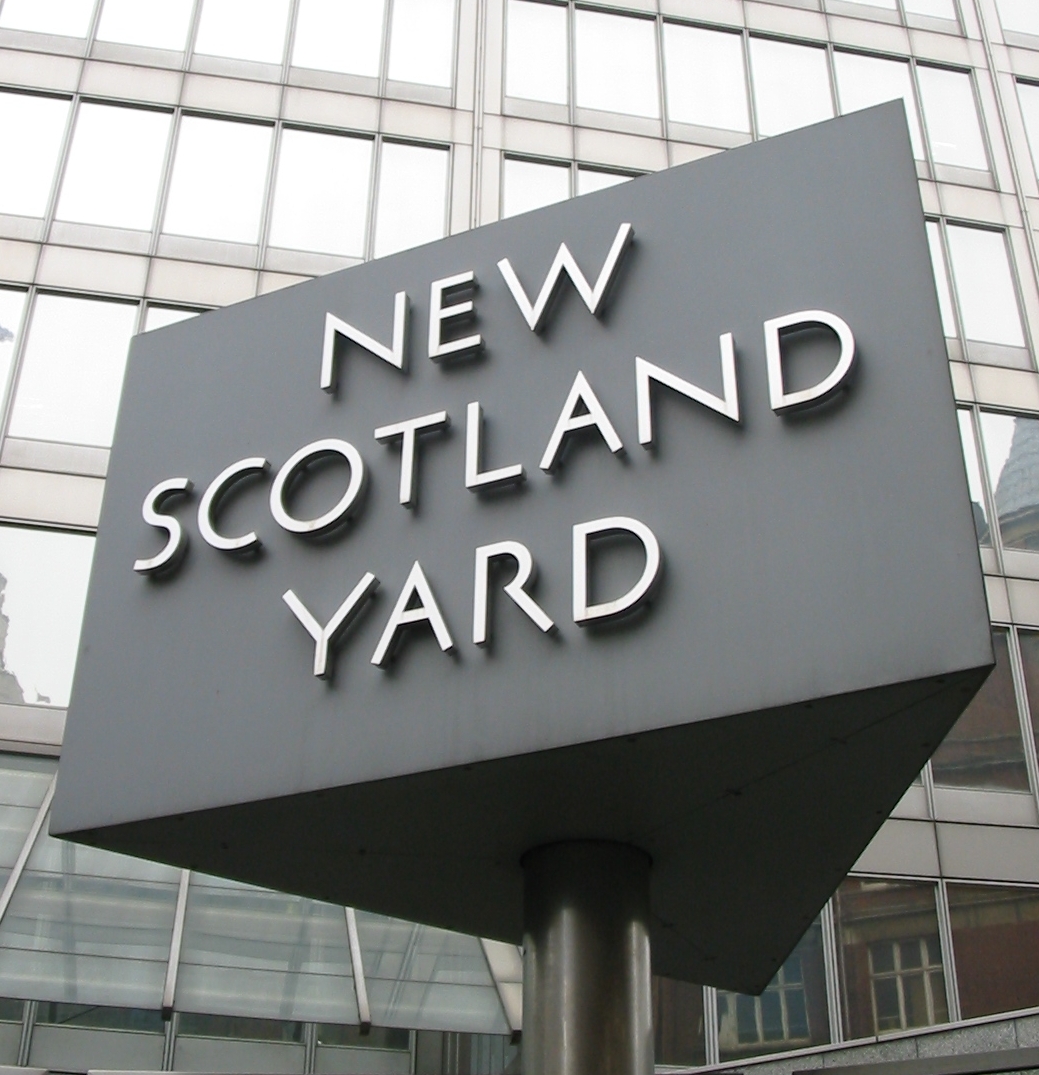
Scotland Yard: a honest statement Pic Credit: Wikipedia

Scotland Yard: a honest statement
Pic Credit: Wikipedia

CROSS POSTED ON BYLINE.COM

Yesterday unusually the Met Police issued a long statement on Operation Midland – the most controversial criminal investigation into allegations that young boys were murdered and sexually abused by people involved in a Westminster paedophile ring.

The press  coverage has concentrated on the mea culpa by the Met Police itself when a senior investigating officer described some very sensational allegations by an abuse survivor called ” Nick” as ” credible and true”.

The force stuck by its description as ” credible” but dropped the reference to ” true”.As their statement says:”only a jury can decide on the truth of allegations after hearing all the evidence.

“We should always reflect that in our language and we acknowledge that describing the allegations as ‘credible and true’ suggested we were pre-empting the outcome of the investigation.”

But the long statement – it is about 1200 words- also calls for the media and some of the accused,to modify their behaviour both in the interest of protecting vulnerable survivors and not defaming alleged abusers so they can get a fair trial.

The words in the statement covering survivors were particularly pertinent.- coming straight after the Daily Mail has gone as far as it could to identify ” Nick” in a piece in Saturday’s paper and on-line – including a pixellated picture and details about his mother and the job he held.

The Met Police make the eminently sensible suggestion that the press should be extremely careful about identifying vulnerable people – and suggest that print and on-line journalists should follow broadcasters and incorporate part of the regulator Ofcom’s code  when interviewing vulnerable people.

Their definition is much wider than minors. Vulnerable people “may include those with learning difficulties, those with mental health problems, the bereaved, people with brain damage or forms of dementia, people who have been traumatised or who are sick or terminally ill.”

One could  say someone who has been sexually abused as a kid has certainly been traumatised. Unsurprisingly, this does not seem to have been mentioned in the print media.

The police statement adds: ” Our other main concern is the risk that media investigations will affect the process of gathering and testing evidence in our criminal investigation. In recent weeks, one journalist reporting on Operation Midland has shown the purported real identity of someone making an allegation of sexual assault to a person who has disclosed that they have been questioned by police concerning those allegations.”

It rightly warns:”it is extremely distressing to discover that their identity might have been given to anyone else, particularly if that is to someone who may be involved in the case. Secondly, possible victims or witnesses reading the article may believe their identities could be revealed as well, which could deter them from coming forward.”

The police also make it clear  that until someone is charged they will not name anybody. There is a case for protecting individuals who stand accused of such a heinous crime – both murder and sexual abuse – who are still alive from being exposed because it will prejudice a trial. The problem with historic child sex abuse many of those involved are now dead – and it is their reputation that is at risk not a future trial.

However the accused also have to behave responsibly as well. Harvey Proctor, the former Tory MP, who has been questioned by the police as part of the investigation, has the right to call a press conference to defend himself. But it is very irresponsible to name other people who may or may not be under investigation by the Met Police or demand that his accuser be named.

It is not surprising that this has become such a controversial issue. The stakes are very high. People’s reputations face ruin and proving historic child sex abuse is a very difficult thing to do as it takes place in private and people are hardly going to admit to it.

What is required now is some space for the police to continue this complex and difficult investigation.

Everyone, not just the police, needs to tread very carefully and try to report this honestly and objectively, without fear or favour, and without blunting the detailed investigative skills needed to do the job.

How the golden oldies and the disenchanted young combined to give Stormin’ Corbyn victory

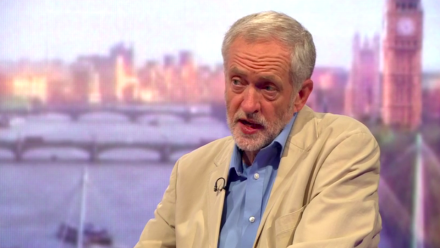
Jeremy Corbyn: Now leader. Pic credit: Labour List

Jeremy Corbyn: Now leader. Pic credit: Labour List

CROSS POSTED FROM BYLINE.COM

Jeremy Corbyn’s landslide victory to become Labour leader has come as a shock to the Westminster bubble and the political Establishment.

Those who followed opinion polls and betting odds thought he might win but did not think it would be such an overwhelming victory.

I suspect – from a growing number of anecdotal chats – that his victory is partly due to an unique revolt that spanned two generations and came together in a perfect storm to overthrow the political Establishment.

My generation –  who are around the same age as Jeremy Corbyn – suddenly decided they were fed up to the back teeth of the Labour Party apologizing for its existence and assuming post Blair there is only one way to run a society.

We feel uneasy at the rapidly widening gulf between the rich and the poor, do not like to see public services denigrated, do see the value of a trade union, and don’t like the nasty politics that treat refugees as opportunists trying to get a slice of the good life.

We also yearn for proper debates about major issues – like should we renew Trident and what is the future of the NHS and the welfare state, how serious is climate change etc. At the moment this is never discussed because of a sickening consensus that only way to solve anything is to get the rich to make even more money and bow to the international gods of global capitalism.

I know a number of people who looked at the Labour candidates and thought with the exception of Corbyn they sounded remarkably the same. So like the grandfathers and grandmothers we now are – the swinging sixties generation- decided they wanted a change.They voted for a new grandfather of the nation.

Young people who have talked to came to a remarkably similar conclusion. The politically aware tell me they found conventional party politics “ boring” with politicians too scared or too worried to say little more than political platitudes. They liked Corbyn because he said what he thought and cut through the crap. They wanted someone to lead rather than just follow.

They wanted someone who was going to challenge the status quo and was not part of the “posh boys” network. And further more they expect him – rather like the people who,like to like Nigel Farage,- to make mistakes.so may not be put off by a campaign denigrating him.Indeed such a campaign could be counter productive.

So far the reaction from the Tories has been hysterical with some like Michael Gove even claiming that Britain’s national security is now at risk with Jeremy Corbyn at the helm.

Really? I look forward to the first person to market a T shirt saying “I am a national security risk” and for David Cameron to order his or her arrest for wearing it.

Top mandarins revolt over ministers wasting taxpayers money

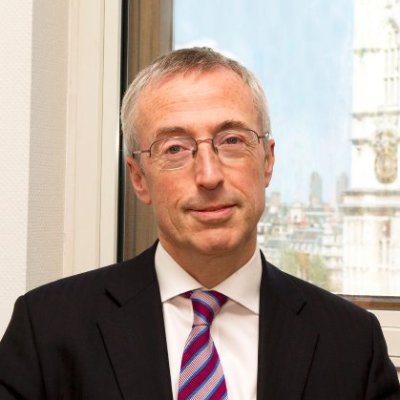
Martin Donnelly, permanent secretary at Department of Business, Innovation and Skills, challenged ministers twice

Martin Donnelly, permanent secretary at Department of Business, Innovation and Skills, challenged ministers twice

CROSS POSTED FROM BYLINE.COM WHERE MY WHITEHALL AND WESTMINSTER SCOOPS NOW APPEAR AND NEWS STORY IN TRIBUNE MAGAZINE

A revolt is stirring in Whitehall among the country’s top mandarins. While a top Treasury civil servant backed as “value for money” a £1 billion loss on the sale of RBS shares, in six other cases this year senior civil servants have revolted against ministerial requests to spend money.

The figure is remarkable since in the previous three years of coalition government not a single civil servant demanded a direction from ministers to spend money.

Now in eight months ministers have been challenged six times and all involve giving money to the private sector.

The one most recently highlighted was the charity Kids Company where two Cabinet Office ministers had to overrule a refusal by the then Cabinet Office permanent secretary, Richard Heaton, to spend £3m on the charity. He was proved right when the charity went bust.

But there have been similar tussles between senior officials and ministers in three other departments over payments to cover a private coal mine closure, new trains for the Trans Pennine Railway, consultant fees for an airport study, free shares for Rail Mail workers and subsidising private insurance policies in areas of flood risk.

This objections either happened in the dying days of the coalition or since the Tories won a majority.

The private coal mine objection came over the closure of Hatfield Colliery. Originally the government were involved in trying to save the mine but instead this was reversed and the money earmarked for saving the mine was switched to closing it. In this case Martin Donnelly, the permanent secretary of the Department for Business and Innovation seemed to want a direction to do this.

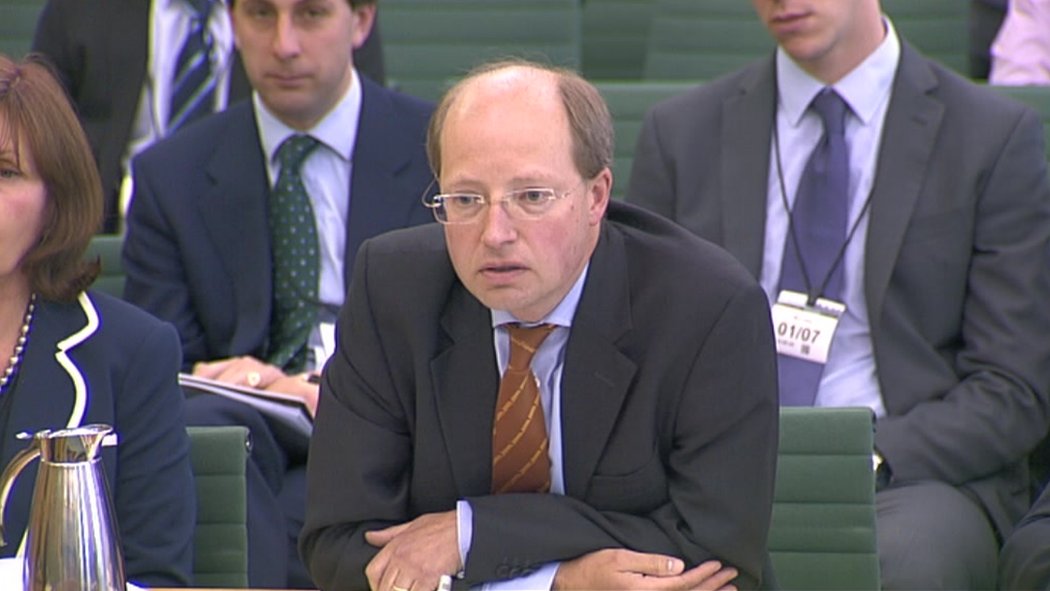
Phillip Rutnam, p;ermanent secretary at the Department of Transport before the Public accounts Committee; Still credit:BBC

Phillip Rutnam, permanent secretary at the Department of Transport before the Public Accounts Committee. Still credit:BBC

The row over the early £250m replacement of Pacer diesel units came in the Department of Transport when the permanent secretary, Philip Rutnam said their early replacement in 2020 was not economic but this was overruled by Patrick McLoughlin as part of George Osborne’s Northern Powerhouse policy.

Mr Rutnam said their replacement was poor value for money and there were better ways of achieving improvements including modernising existing units. Mr McLoughlin decided the units were unpopular with the public and needed replacing.

Mr McLoughlin also overruled his permanent secretary, when he objected to spending money on consultants to review a decision to build houses on Manston Airport in Kent because of objections from Thanet Council, then Conservative now UKIP controlled. Mr Rutnam could not see why the money was justified and Mr McLoughlin admitted it was to help the council which could not finance the work.

Sajid David, the new business secretary, also overruled objections from Martin Donnelly, to an extension of free shares to Royal Mail staff. Donnelly had described the policy as “novel, contentious and repercussive” and not value for money for the taxpayer.

Former Dewfra permanent secretary, Bronwyn Hill, challenged value for money on flood insurance subsidy

Former Defra permanent secretary, Bronwyn Hill, challenged value for money on flood insurance subsidy

Finally Elizabeth Truss, the new secretary of state at Defra, overruled objections from her former permanent secretary, Bronwyn Hill,  to spending taxpayers’ money on the government subsidising private insurance for homes in flood areas. Again value for money and lack of knowledge of how much this could cost were the main reason. Papers for the current draft legislation reveal it could cost the taxpayer anything between £122m and £431m over a ten year period to do this.

All this suggests that the new Conservative majority government which is due to take some very contentious decisions in the next five years is not only going to face tough parliamentary opposition. It seems that top Whitehall officials are going to scrutinise exactly where they are spending money in this new age of austerity and fight back if they think ministers are wasting it.

Even if the civil servants are overruled there are consequences. Each action will be scrutinised by the National Audit Office and could lead to questioning at the Commons public accounts committee.

Sunk: Bath Knight the company that aids the disabled

The happy image of Bath Knight: Now it is bust

The happy image of Bath Knight: Now it is bust

Disabled people who have purchased equipment that enables people with mobility problems to have a daily bath have been left in the lurch by the collapse of the company that makes the aids

Without virtually any coverage Care Knight, owners of Bath Knight, the Stoke on Trent manufacturing company of expensive  bath aids, has gone bust over the summer. The company made an aid which gently lowered people into the bath on a band and gently raises them out of the bath.

The problem facing people is that the company both installs and maintains the machinery to do this – and now it is in administration, Its staff have been sacked and there appears to be nobody available to service aids that cost over £2000 to buy.

We purchased one – as my wife is recovering from a stroke and needs help to have a bath- and thankfully had some repairs done just before the company went bust. I wrote about my experiences when they installed the Bath Knight here. But others have not been lucky – I have been contacted by someone whose Bath Knight no longer works and they are in great difficulties getting something done.

The saga of the collapse of Bath Knight is revealed in a series of documents filed at Companies House. From these documents it looks as though the owners of the family firm. the Greenwoods,. tried to save the company by entering a voluntary arrangement with a  national firm of business recovery and insolvency specialists, Begbies Traynor .

The main owner, Mrs Annette Elvina Greenwood, took out a £30,000 floating charge on May 5 – an unusual arrangement which allows a company to borrow money on any assets the company may have to cover debts. The loan was charged to Care Knight Group a company that has not been affected by the collapse of Care Knight. Mrs Greenwood, her husband and her daughter are directors of both companies.

But on July 3 Care Knight Ltd called in the receivers. According to the report filed by Begbies Traynor the company went bust owing £428,247.to creditors. this included £310,973 to trade creditors, £100,000 to redundant employees, and £76,047 to the Inland Revenue.

The company also owed £255,625 was owed to its parent company Care Knight Group.

The trigger was a demand for a substantial sum in back rent from the landlords of its premises in Stoke on Trent which were closed and locked up until the administrators were able to get access.

What is not clear is what will happen to the disabled people relying on Bath Knight for repairs and servicing. Those who have paid for equipment through a credit card but not received it could claim on their credit card but the rest seem to have been abandoned.

It is no good contacting the company’s old headquarters Paladin House as it is now closed. The parent company has ,moved to Unit 73, Bedford Street, Stoke on Trent ST1 4PZ but I am told is uncontactable. However if you follow this link  at the new Companies House free access website and look up officers you will find the home address of the directors who are still directors of the parent company. I suggest anybody worried should write to Mrs Greenwood there and ask what she is going to do about their plight.

Since I put up this blog i have been contacted by The British Healthcare Trades Association (BHTA) who point out that the firm concerned was not a member of the BHTA.  People buying goods and services from BHTA member companies are protected by a Code of Practice approved and overseen by the Chartered Trading Standards Institute (CTSI).  This Code is rigorously enforced and it gives consumers considerable protection and access to a complaints and dispute resolution process.  Anyone buying goods and services for disabled people (generally known as “assistive technology”) should be advised to buy from companies who are members of the BHTA and are therefore governed by the Code of Practice.

I find this latest disclosure all the more concerning since Care Knight left the organisation when a new code of practice designed to protect disabled people from bad service was introduced. That is not good news.

Why Labour’s patronising grandees have driven people to vote for Stormin’ Corbyn

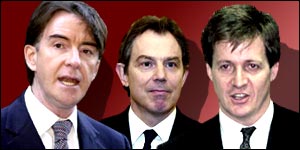
Labolur's three grandees- Mandelson, Blair and Campbell  Pic Credit: wherebuttheuk.com

Labolur’s three grandees- Mandelson, Blair and Campbell
Pic Credit: wherebuttheuk.com

CROSS POSTED FROM BYLINE.COM WHERE MY SCOOPS ON WESTMINSTER AND WHITEHALL WILL REGULARLY APPEAR 

Alastair Campbell, Peter Mandelson,Gordon Brown, David Miliband, Tony Blair and now David Blunkett have all joined in bashing Jeremy Corbyn because he is the front runner in Labour’s leadership election and they are desperate to stop him.

Anyone but Corbyn is Campbell’s cry. Peter Mandelson has been up to his old tricks using back channels to try and get the election cancelled. The only person who has been wise enough to keep quiet is Ed Miliband who is leaving it to the members.

Yet what are these grandee’s credentials today for saying that Corbyn is unfit to lead Labour while the others would be fine.

Alastair Campbell’s reputation for plain dealing took a hit over the Iraq ” dodgy dossier” and is now a freelance journalist, a lobbyist and earns some of his money from dodgy Central European dictatorships like Kazakhstan.

Peter Mandelson has enjoyed a reputation for the ” dark arts” of politics and now is a strategic lobbyist with strong connections to Russian oligarchs who sympathise with Putin. We don’t even know the rest of his client list.

Gordon Brown is nowadays concentrating on education in Africa and stood down at the last election.

David Miliband is living in the United States doing good work in trying to provide humanitarian relief  to Syria.

Tony Blair is concentrating his entire life in making money from any country that will pay him large sums of cash – it is described in detail in  Blair Inc, my new book with Francis Beckett and Nick Kochan.

David Blunkett  along with Gordon Brown appears to have been the least avaricious but spends a lot of his time as an after dinner speaker.

None of them can say they are really in touch with the present mood of  Labour Party members, and some of them, notably Blair and Mandelson, have more in common with the wealthy global elite than a traditional Labour Party supporter.

And Labour Party activists long treated as foot soldiers and not given their head over policy formation by these grandees are revolting.  Ever since Blair reduced their power at party conferences they have had a diminishing say along with the unions.

The main charges from the grandees is that Corbyn will be hated by the  press and that he could never win an election.

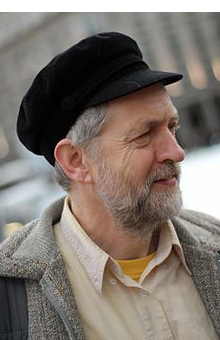
Jeremy Corbyn Mp, not a grandee

Jeremy Corbyn Mp, not a grandee

But whoever leads the Labour Party will be monstered by the right wing press. Expect a simple nasty sexist campaign against Yvette Cooper saying ” vote Cooper get Balls” implying that the Ed Balls – just because he is married to her – will be inside Downing Street directing matters.

If it is Andy Burnham it will be that he is in the hands of the unions. If it Liz Kendall it will all be about inexperience etc

So people have remained unimpressed that by NOT voting for Corbyn they will escape the media’s wrath.

The election itself is five years away and Labour has a long time to redefine policy. Also with Corbyn’s promise of elections to the Shadow Cabinet –  Labour will be more diverse than just one faction.

What is quite clear that people want someone who will stand up for the party and launch a distinctive programme. They will not want a pale shadow of the present Conservative government- they can get a proper version already.

Yvette Cooper’s campaign has been disappointing. Instead of promoting women it has attacked men. Andy Burnham’s started well but seems to have gone all over the place. And Liz Kendall has not made the impact one might have expected.

This left Corbyn who no one expected to take off – striding into the lead. There seems to be a hunger out of there for a radical shift of direction. On September 12 we will know whether it has happened.

Revealed: The Treasury mandarin who said losing £1bn for the taxpayer was value for money

john kingman, second Permanent secretary at The Treasury Pic Credit: worldellows.yale.edu

john kingman, second Permanent secretary at The Treasury Pic Credit: worldellows.yale.edu

CROSS POSTED FROM  BYLINE.COM WHERE SOME OF MY WHITEHALL AND WESTMINSTER SCOOPS WILL NOW APPEAR FIRST AS PART OF A NEW CROWDFUNDING DEAL TO WIDEN THE SCOPE OF THIS BLOG

There has been enormous outrage about the £1bn loss to the taxpayer caused by the sale of the first tranche of Royal Bank of Scotland shares. An article in The Guardian on August 4 reported not only expected criticism from Labour but concern from a banking analyst that the share price of RBS was too low to justify the sale.

What was only briefly mentioned was that the second most powerful mandarin in the Treasury had also given the go ahead. You might expect him to bow and scrape to the Chancellor but actually he has more powers than you might think and he needn’t have followed his instructions.

If an accounting officer believes that a government minister is about to make a decision that will lead to a big loss to the taxpayer he can refuse to approve the action.

These actions are not taken lightly – one of the most recent examples being the refusal by Richard Heaton (soon to become Permanent Secretary at MoJ) who requested one, on value for money grounds, on 26 June over extra funding for the Kids company charity. He was overruled by ministers who have now seen to have made a big mistake as recent coverage reveals.

John Kingman could have done the same thing. He would face being overruled by George Osborne but it would have caused a furore and triggered an eventual Whitehall investigation.

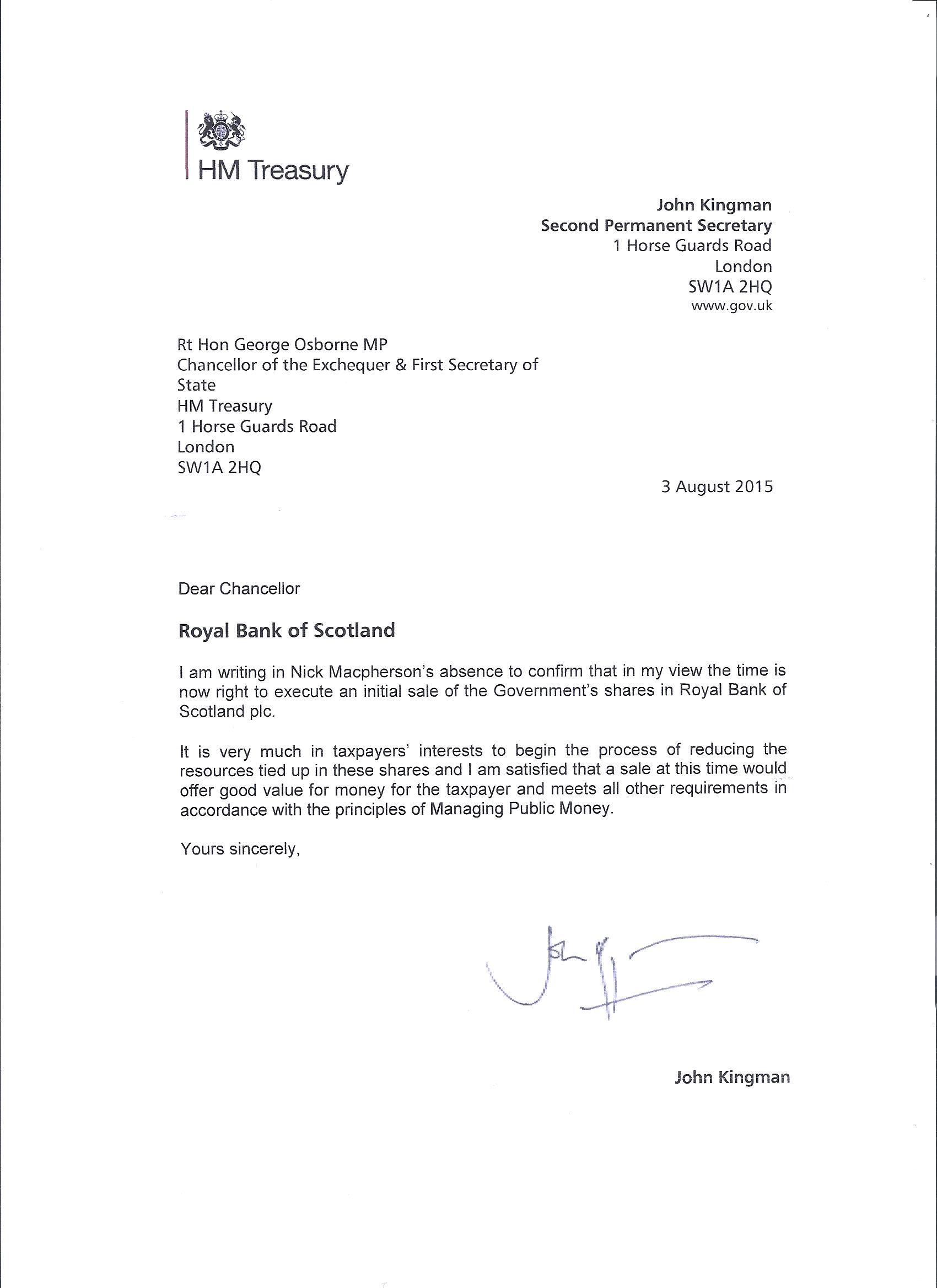
John Kingman Letter Instead as this letter above shows he has positively embraced the sale.

“ I am satisfied that a sale at this time would offer good value for money for the taxpayer and meets all other requirements in accordance with the principles of Managing Public Money,” he wrote to George Osborne.

Really?  Now John Kingman is one of the cleverest mandarins in Whitehall. He hates holidays, lives in Leicester Square and one former colleague describes him in these words: “His arrogance is only marginally ahead of his considerable intelligence, whereas with most ambitious men of his ilk the gap is rather larger.” A profile in 2009 by political editor George Parker in the Financial Times says it all.

He writes “If he can achieve the goal of unwinding the taxpayer’s stake ( in RBS) at a profit, his route to the top of the civil service is clear, even if some question whether he has the patience to manage such a huge, traditional organisation. “

Well at the moment he hasn’t – he has acquiesced in a £1 billion tax loss. And I am not the only one who has noticed this.

The National Audit Office, Parliament’s financial watchdog, which reports on state asset sales, confirmed to me “We are watching the situation”.

They will have to make a report on this. This will lead him to have to appear before the House of Commons public accounts committee to justify why he approved what was done.

No doubt the government would like Parliament to take its time – perhaps not report until the entire sale is over – but that won’t be until 2020.

I say the huge loss to the taxpayer should not go unchallenged for years. Bring it on now!