Information Commissioner orders EHRC to provide answers over Covid breach by former chief executive Rebecca Hilsenrath

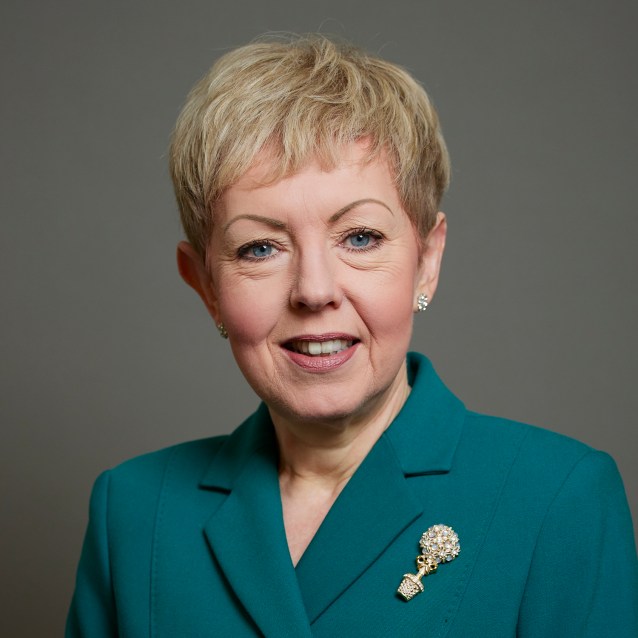
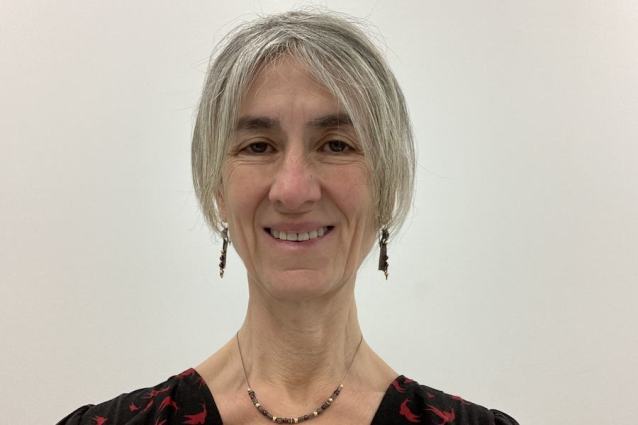
Rebecca Hilsenrath

NEW: Since this post was published I have learned that Rebecca Hilsenrath has been awarded an honorary KC and been appointed a member of the Civil Justice Council, chaired by the Master of the Rolls,Sir Geoffrey Vos. She is responsible for advising the judiciary on the use of alternative dispute resolution, where disputes are settled outside the courts. Ironically this would include the demand from CEDAWinLAW to solve the dispute over compensation for 50swomen pensioners which ministers oppose. She was and still is chief executive of the Parliamentary Ombudsman’s Office when the former ombudsman ,Robert Behrens, recommended compensation for partial maladministration by the DWP. It would be curious to know what her position will be on this if this ever came up.

John Edwards, the Information commissioner, has ruled that the Equality and Human Rights Commission must answer what action it took when it was revealed that its former chief executive, breached Covid rules at the height of the pandemic by driving from north London to her holiday cottage in Wales for a family Christmas in 2020.

The decision is a partial victory for Mark Benny, a dogged campaigner, who sought answers to what action it took when it became publicly known through an article in The Times that she had driven hundreds of miles when there was a ban on any long distance travel as part of the national lockdown.

But the information commissioner has decided not to release a report of an EHRC investigation or correspondence from her because it goes into her private life and might cause unwanted distress.

Rebecca Hilsenrath’s Welsh holiday cottage

However his ruling is significant for a number of reasons. He has had to weigh up public interest in this case versus a person’s right to privacy. And he has come down very firmly that there is a public interest case about how senior public figures conducted themselves during the pandemic. He also ruled that public bodies cannot, as the EHRC did, impose a blanket ban under the privacy section of the Freedom of Information Act, to refuse to confirm or deny anything because it involves personal data.

This could have wider implications since public bodies use this technique where there are controversial appointments or resignations to refuse to provide information because itinvolves personal data

John Edwards, Information Commissioner

Rebecca Hilsenrath’s case was particularly controversial because she resigned her chief executive’s job at EHRC only to be parachuted into a top position at the Parliamentary Ombudsman’s Office where since became Interim Ombudsman and chief executive, an equivalent or even better status than she had at the EHRC.

Extraordinarily when Mark Benny pressed the Parliamentary Ombudsman’s Office on what they knew or whether they took into account of her Covid breach during her appointment, the office said it had lost the papers on her appointment process.

So now the EHRC will have to answer his questions within 30 days or as the Commissioner says in his report “failure to comply may result in the Commissioner making written certification of this fact to the High Court pursuant to section 54 of the Act and may be dealt with as a contempt of court.”
The questions he has asked include whether there was a proper investigation into the breach, whether it was completed and what was the outcome. He also wants to know whether she was suspended by the EHRC or put on gardening leave and whether she was dismissed or decided to resign.

All the public had at the time was a terse statement by the EHRC to the press. It said:

“The Equality and Human Rights Commission said they will consider whether further action against its chief executive is needed.
“She has apologised for this error of judgement,” said EHRC chair Baroness Kishwer Falkner.
“I will establish all the facts before deciding if any further action is
required.”

Nothing has been heard of this since and it is now known whether it came up again when she was interviewed to be Interim Ombudsman last year.

What the ruling by the Information Commissioner does is say that Mark Benney’s request was legitimate and it was necessary for the information to be released. But he thought this could be done through his questions and it was not a legitimate interest to release the full report because it contained details of her private life.

Interestingly he thought it might throw some more light on what happened at the Parliamentary Ombudsman’s Office. He said “he considers that disclosure of the requested
information would allow further scrutiny of that process.”

One-Time
Monthly
Yearly

Make a one-time donation

Make a monthly donation

Make a yearly donation

Choose an amount

£5.00
£10.00
£20.00
£5.00
£15.00
£100.00
£5.00
£15.00
£100.00

Or enter a custom amount

£

Your contribution is appreciated.

Your contribution is appreciated.

Your contribution is appreciated.

DonateDonate monthlyDonate yearly

Please donate to Westminster Confidential

£10.00

Judge quashes £10,000 costs order against rail safety whistleblower

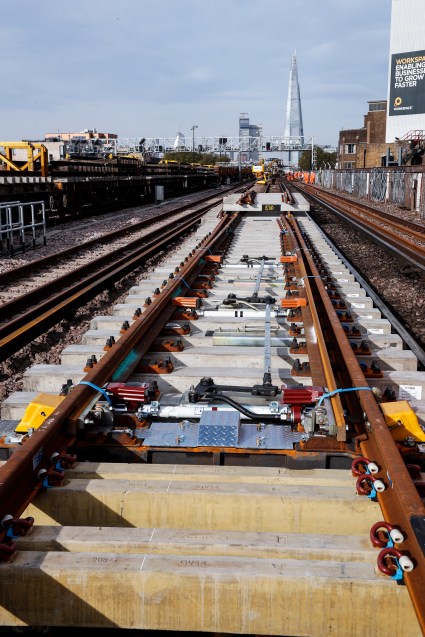
One of Vossloh Cogifer UK Ltd biggest projects: Supplying 149 sets of points outside London Bridge Station Pic credit: Network Rail.

Nigel Midgley, a former employee with Vossloh Cognifer, a private contractor to Network Rail, who was dismissed after he reported rail safety issues to the Health and Safety Executive, today got a £10,000 costs order quashed by a judge at an Employment Appeal Tribunal.

VCUKL is a wholly owned subsidiary company of Vossloh Cogifer a French managed but German owned global company. VCUKL’s Managing Director is Mrs Wendy Anne Preston and its main customer is Network Rail.

The judge ruled that the UK based company had been wrong to with hold from an employment tribunal, part of a email sent by Edward Flanaghan, head of Gosschalks Solicitors in Hull, to Mr Midgley offering to settle the case without going to a tribunal.

Instead it left the first and last two paragraphs out of the letter, sending a redacted version to the tribunal omitting the offer but painting a nasty picture of Mr Midgeley as a failed probationary employee who was sacked but used whistleblowing complaints to explain his dismissal. It told the tribunal that these had no merit and Mr Midgley had no chance of winning his case.

Judge Martyn Barklem however ruled that the omission of the offer by the employer to settle the case changed the whole picture presented to the tribunal and would have not led to the award of costs. He also saw it as an attempt to stop a litigant in person, who was not a qualified lawyer, to abandon the case. He pointed out that no judge had decided that Mr Midgley did not have a case. The company also tried to argue that Mr Midgeley should not have disclosed the unredacted letter to the employment appeal tribunal because it was covered under legal privilege. This was rejected by the judge.

David Stephenson, Pic Credit: Doughty Chambers

Mr Midgley’s case was taken up by an advocate, David Stephenson from Doughty Chambers, whom the judge praised for his succinct presentation of the issues. The company did not employ a lawyer in person to present their case but gave a written submission. The judge revealed their non appearance was for commercial reasons as it would have cost them more than £10,000 to be represented. This highlights what is wrong with public authorities like the NHS and Sellafield which have access to unlimited sums of taxpayer’s money to pursue whistleblowers like cardiologist Usha Prasad and human resources consultant, Alison McDermott, through the tribunal system, while a commercial company would cut its losses.

More disturbing stuff about NDA’s

There is more disturbing stuff about the way lawyers from Gosschalks and the private rail company behaved in Mr Midgeley’s case. He was strongly supported by his wife, Keely Midgley, over his whistleblowing claims and treatment by the company. She sent a large volume of emails to directors of the company and posts were put up on Linked in. The company then threatened Mr Midgley with harassment proceedings unless it stopped.

But the most disturbing part of the proceedings was the COT3 agreement which the company wanted him to sign written up by their lawyers.

Among the provisions were: “The Claimant will not publish, cause, assist or knowingly permit to be published (including but not limited to by his wife) in any media whatsoever, any article or comment relating to his employment with the Respondent, or its termination, or the existence or terms of this agreement.  The Claimant will not contact by any means any customer, supplier, employee, consultant, advisor or other organisation with which the Respondent has a professional relationship in respect of any matter whatsoever.”

It also banned him from approaching the Information Commissioner or making any data subject request. ” The Claimant will not make any further Data Subject Access Request under the General Data Protection Regulations ((EU) 2016/679) (GDPR) or the Data Protection Act 2018 or other legislation and agrees that any existing or ongoing such request should be treated as withdrawn. The Claimant will not make any complaint to the Information Commissioners Office in respect of Subject Access Requests and further waives any civil claim for damages in respect of breaches of data protection legislation.”

The proposed agreement led a firm of lawyers, Marjon Law, to disagree on Mr Midgley’s behalf.

“We would contend that Mr Midgley is entitled to use all documents that were read to or by the court, or referred to, at a hearing which has been held in public. To that end, we do not believe that the draft undertaking for him is reasonable or appropriate. In any event, Mr Midgley should be able to disclose documents from the Claim for the purpose of:
(a) reporting a suspected criminal offence to the police or any law enforcement agency or cooperating with the police or any law enforcement agency regarding a criminal investigation or prosecution;
(b) doing or saying anything that is required by HMRC or a regulator, ombudsman or supervisory authority;
(c) whether required to or not, making a disclosure to, or co-operating with any investigation by, HMRC or a regulator, ombudsman or supervisory authority regarding any misconduct, wrongdoing or serious breach of regulatory requirements (including giving evidence at ahearing);
(d) complying with an order from a court or tribunal to disclose or give evidence;
(e) disclosing information to HMRC for the purposes of establishing and paying (or recouping)
tax and National Insurance liabilities arising from his employment or its termination; or
(f) making any other disclosure as required by law.”

The company’s lawyer’s disagree and said this was only guidance and could be ignored.

If I take this with moves to silence whistleblowers at Sellafield through non disclosure agreements this suggests that lawyers seem to think they can force litigants in person to shut up about matters that affect public safety whether in the NHS, Sellafield or on Network Rail.

One-Time
Monthly
Yearly

Make a one-time donation

Make a monthly donation

Make a yearly donation

Choose an amount

£5.00
£10.00
£20.00
£5.00
£15.00
£100.00
£5.00
£15.00
£100.00

Or enter a custom amount

£

Your contribution is appreciated.

Your contribution is appreciated.

Your contribution is appreciated.

DonateDonate monthlyDonate yearly

Please donate to Westminster Confidential

£10.00
Official – Work till you drop: Women in their 50s expect to have to stay in work long after retirement age

The Office for National Statistics – the independent official body which produces official figures for work and inflation in the UK – has come up with some alarming predictions for women born in the 1950s 1960s and 1970s.

They show that post the Covid pandemic there has been a big drop among women expecting to have enough money to retire and enjoy a life of leisure on their pensions. As a result a significant proportion of women now aged 50 to 65 are planning to stay in work – either with reduced hours or full time when they reach the retirement age of 66.

An organisation called Rest Less, which acts a community and an advocate for the over 50s, has analysed these figures and estimates that nearly one in two women pensioners now expect to have to continue working after retirement age.  Either they will work their existing hours (13%) or work with reduced hours (31%).

Huge inequalities between men and women’s pensions

The main reasons for this is pensioner poverty among women and huge inequalities between men and women when it comes to their pension pots. Not only are women less likely to get full state pensions – often they have missed years – than men but there is a big discrepancy in private pensions. The ONS figures show while 78 per cent of men will fund their retirement with a private pension, only 68 per cent of women have one. And the inequality goes on and on. Some 47 per cent of men will fund their retirement through savings, compared to 40 per cent of women. And only seven per cent of men will rely on funds from their partner, while 18 per cent of women will rely on their partner to help fund their retirement.

These figures were compiled 10 months ago in September last year. I hear that the ONS does not plan to update them since the survey was a ” one off” following Covid. Curiously a lot of publicity was given to people dropping out of the workforce when they got to 50 – I can only think that the majority must have been men or women married to men with a very good private pension.

Stuart Lewis, Chief Executive of Rest Less, commented: “Years of gender based earnings disparity has resulted in a large pension savings gap between men and women, leaving many women in their 50s and 60s in real financial precarity.  Nearly half of women aged 50-65 said they plan to continue working in some capacity after reaching state pension age – a number that is likely to have risen even further given the subsequent cost of living crisis.

…..“‘In the last recession of 2009, women could retire at 60 and receive the state pension; today it is 66.  Many women aged 50-65 are stuck between a rock and a hard place – they struggle to find work due to age discrimination or a lack of flexible work opportunities but they are too young to claim their state pension putting them in a vulnerable financial position as they approach retirement. Whilst the state pension age for men and women may now be equal, this data shows that the retirement fortunes of men and women remain anything but equal.”

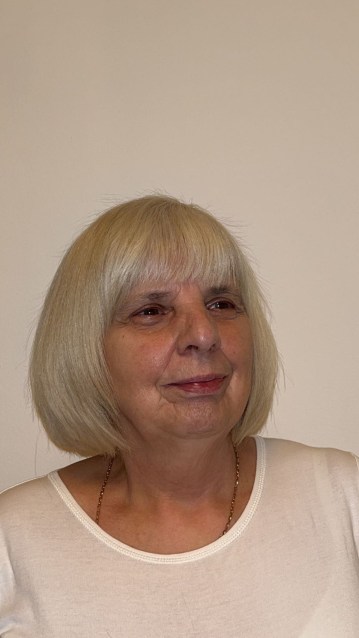
One person who is caught in this trap is Back to 60 campaigner Michaela Hawkins known as Mac to her friends

Michaela Hawkins

“.I was forced to stay in work longer than I wanted to or hoped for. 
“My husband is 10yrs older than myself so was relying on retiring at 60 so we could enjoy some quality time together. When SPA was raised this devastated our plans.  It would have meant if I retired before receiving my SP we would have had to survive below the breadline. 
“Austerity along with the pandemic put untold pressure on both myself and husband. I was transferred to work in care home from Day services during Covid. As my husband was in high vulnerable category during this time you can imagine the stress this put on both ourselves. 
“Another reason why I felt stressed also is because as a woman gets older her body is not the same. The physical aspects of working in care sector takes its toll.  When you come home from work you feel exhausted. But if you’re caring for loved one or helping out your children with childcare which I done both you have got no time for any sort of quality life.” 

now tax allowance frozen

“Now the Tax allowance that’s been frozen.  Now I’m retired I’ve been hit with a tax bill for over £1300  on top of cost of living crisis this is going to push many 50s women over the top. “

UPDATE : Since then there has been another demand for £1300.

Mac writes:

“I then received a letter saying I owe them a further £1,300. If this wasn’t payed then they would get in touch with debt collectors.

It took me 2 1/2 hrs to get through to tax office to query this.
It couldn’t be done online.
Although I disputed the amount I owe they were insistent that I did owe that amount.
I was then put through to debt management. Who I got to say was accommodating. But the problem is when older people receive letter from HMRC saying they will bring in debt collectors or as people our age call them bailiffs they become confused and frightened. 
Then to be put on hold for that length of time is again frustrating to say the least. 
When you think how HMRC is quick to chase up pensioners who in good faith think they payed their fair taxes and are chased up and then you got those who knows how to play the system get away with it. It makes me so angry.”

Certainly Backto60, which campaigns for full restitution for all the 1950s women who lost up to six years of their pension, is inundated with stories of women living on the poverty line, unable to heat their homes properly or use their ovens to cook because they can’t afford the fuel bills.

Instead the government concentrates on getting everybody back to work rather than seeking to compensate people who have already worked for decades and now should be able to put their feet up if that’s what they want to do without fear of paying the bills.

Please donate to Westminster Confidential to allow me to continue my reporting.

One-Time
Monthly
Yearly

Make a one-time donation

Make a monthly donation

Make a yearly donation

Choose an amount

£5.00
£10.00
£20.00
£3.00
£9.00
£60.00
£3.00
£9.00
£60.00

Or enter a custom amount

£

Your contribution is appreciated.

Your contribution is appreciated.

Your contribution is appreciated.

DonateDonate monthlyDonate yearly

Please donate to Westminster Confidential

£10.00

Britain is becoming disconnected – 1 million people quit broadband because of the cost of living crisis

pic credit: Andrew Neel

A report published today from House of Lords savages the government’s failure to tackle digital exclusion when ministers have promised the country will become a world leader in digital technology.

Figures in the Communications Committee report are absolutely astounding.

It says: “1.7 million households have no mobile or broadband internet at home. Up to a million people have cut back or cancelled internet packages in the past year as cost of living challenges bite. Around 2.4 million people are unable to complete a single basic task to get online, such as opening an internet browser. Over 5 million employed adults cannot complete essential digital work tasks. Basic digital skills are set to become the UK’s largest skills gap by 2030″.”

The most disturbing figures came from Citizens Advice which has picked up that people are cancelling or reducing internet packages. This means we are going backwards. The report cites Which? for showing that on top of higher fuel, food, council tax, rail fares. broadband and mobile phone providers are upping their prices year on year by between 14 and 17 per cent.

Paltry 5 per cent of eligible people get a social tariff

There are social tariffs for the poorest on Universal Credit but they don’t seem to be marketed well by the broadband providers. They are taken up by a paltry 5.1 per cent of the people who are entitled to claim them – representing 220,000 of around 4.3 million eligible households. Monthly costs are lower -around £10-£15 rather than £30 or more but not low enough for the poorest who could only pay between £4 and £7 a month. The peers suggest VAT could be abolished on them to help and BT Openreach which has a near monopoly on connecting people could reduce its charges as well.

The breakdown of where the digital excluded are follow a familiar pattern. The largest number are in ” Red Wall” areas – the North East of England and also in Wales and Scotland. Internet connectivity doesn’t help either – there is a double whammy effect in the North East – Darlington and Middlesbrough are cited as having poor internet. The lowest number are in London and the South East. Age and disability is a factor as well. There is a significant drop in those not connected to the internet or having a smartphone for people aged 55 and above. But there are also a small minority of young people and those in their 30s and 40s who are also not fully connected.

Why does all of this matter? According to the report the failure of the government to update its digital inclusion policy since 2014 and its lethargic response to the problem will hit plans both by the Tories and Labour to grow the economy.

Government’s priority ” not credible”

The peers’ findings are savage.

“The Government’s contention that digital exclusion is a priority is not credible. Its flagship digital inclusion strategy is almost a decade old. Formal cross government evaluations seem to have stopped. Working groups have been disbanded. Interventions to help with internet access are too timid. The
Government cannot be expected to solve everything but it can achieve much by showing interest in driving change against clearly defined objectives. We have no confidence that this is happening. Senior political leadership to drive joined up concerted action is sorely needed.”

Liam Halligan, a Daily Telegraph columnist and journalist for GB News, giving evidence put it more vividly:

He said solutions were ““Just not sexy. Ministers like talking about unicorns and AI. They like being photographed with the tech bros in T-shirts and sand shoes, rather than dealing with what is a necessity of life now.

Baroness Stowell of Beeston: Official Portrait House of Lords

“ Baroness Stowell, Chair of the Communications and Digital Committee said:

“We have found a distinct lack of leadership in Government to tackle this issue. It is shocking that a digital inclusion strategy has not been produced since 2014 and the Government sees no need for a new one. It is vital we get a grip of this now.

“The cost of living crisis has made access to the internet unaffordable for many. We need urgent action to ensure people aren’t priced offline.”

A spokesman for the Department for Science, Innovation and Technology said:

“We are committed to ensuring that no one is left behind in the digital age. Steps we are taking include putting essential digital skills on an equal footing in the adult education system alongside English and maths.

“To boost access, we have worked closely with Ofcom and the industry to bring a range of social broadband and mobile tariffs, available across 99% of the UK and starting from as low as £10 per month, and our £5 billion Project Gigabit has already resulted in 76% of the UK being covered by gigabit broadband, up from just 6% at the start of 2019.”

Unless something is done quickly the future is bleak. A sizeable minority of people will soon be excluded from society altogether. Already 90 per cent of jobs are only advertised on line, bank branches are closing down and pressing people to open on line accounts. Ticket offices for trains are closing. Some 75 public services are planning to go digital and already some councils will only deal with people on line for applying for blue badges – even though many disabled people have no internet.

And future government policies are going to be based on machine learning information – which will effectively exclude those not on the internet. Cynically that is one good way to deal with the poor and the old – make them disappear so you don’t have to provide anything for them.

But in the end digital exclusion will hit the British economy very badly and we will all suffer. And those boastful and complacent ministers will see their world leading plans turn to ashes.
Please donate to Westminster Confidential to allow me to continue my forensic reporting.

One-Time
Monthly
Yearly

Make a one-time donation

Make a monthly donation

Make a yearly donation

Choose an amount

£5.00
£10.00
£20.00
£3.00
£9.00
£60.00
£3.00
£9.00
£60.00

Or enter a custom amount

£

Your contribution is appreciated.

Your contribution is appreciated.

Your contribution is appreciated.

DonateDonate monthlyDonate yearly

Please donate to Westminster Confidential

£10.00

Free education,free healthcare,free land and free parking: How the Gulf States woo their people

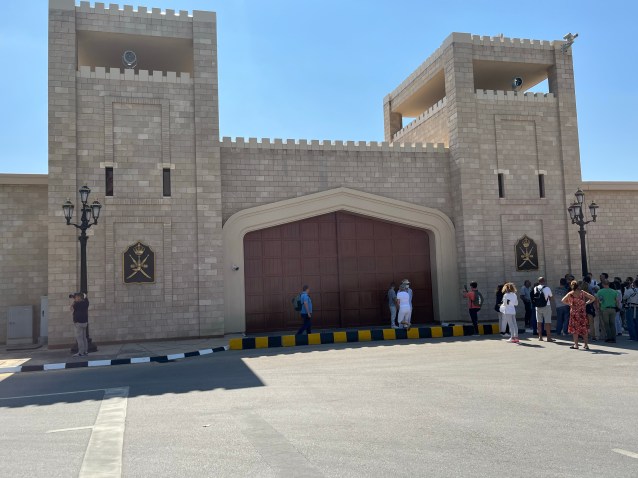
The imposing entrance of the Sultan.of Oman’s palace in Salalah
Palace gardens in Salalah
Cave in the foothill of Oman’s mountains It above a spring which is a popular tourist and picnic spot

My first visit to the Gulf states of Oman and Dubai has been an eye opener and shows how two relatively poor Arab Nations have been transformed by the rise of petrodollar. Both are effective absolute monarchies that still have authoritarian rulers. Yet both have used their new found wealth to benefit their indigenous people.

This may explain why both are stable states and largely popular with the Emirates and Omani population. In Oman the 50 year reign of the late Sultan saw his people benefit from the wealth provided by oil. In 1970 Oman had only three schools now it has nearly 1100. Education and healthcare is free for the 1.5 million Omanis and when they start a family they are given a free plot of land to build a house. The younger generation are bilingual as all pupils learn Arabic and English and all signs are in both languages.

Strict regulations lay down how each house in Oman should be built on a 650 square metre plot.It should be no more than two stories high and occupy a third of the plot with a high wall enclosing a garden and garage .

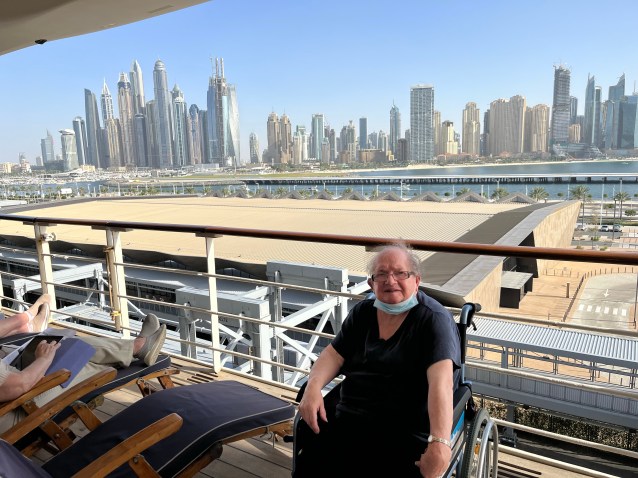
Dubai skyline from the deck of the QM2 with my wife Margaret

In Dubai the government also give a contribution to building costs. The main city is ultra modern and full of skyscrapers and modern apartments. In this heavily trafficked city of five lane roads parking is also free – there were some limited parking charges in Oman in Muscat.

What is really jaw dropping in Dubai despite its authoritarian stance on alcohol, gay rights and on insisting how modestly Muslim women should dress is how cosmopolitan it is. The Dubai Mall said to be largest shopping complex in the world with 1600 shops is a complete mixture of people with women in Western Style dress walking among Arab women covered from head to toe. While young men in shorts walk among young Arab men wearing full robes.

Main square of the Dubai Mall at night

Of course expats don’t benefit from the largesse the Emirs show to their own people But professional Westerners benefit from high tax free salaries, cheap petrol and low utilities bills that are becoming more of a rarity in the UK as the wealth gap grows.

As an example my daughter who is a Dubai state school science teacher earns a tax free salary just short of £50 000 a year plus free and efficient healthcare and fuel bills of just £20 a month. Here in the UK the government is boasting that teachers will soon get £30,000 a year before tax and will have huge fuel bills and petrol costs. There is no comparison.

I noticed that Emirates airlines are now targeting Brits in the hospitality sector to work as cabin crew. They are offering tax free salaries,free training,free accommodation and healthcare as part of the package . In the UK the same person will be lucky to get just above the minimum wage working for Wetherspoon.

Dramatic fountain display in the Dubai Mall at night

The situation is not the same for workers from India,Pakistan, and the Philippines who take more menial jobs in construction or as maids to wealthy Arab families. They miss out big time and are on low wages and/or work long hours for little money.

One last interesting point.What happens if you have a car accident with a camel in Oman? According to our guide if it happens in the day the owner will claim it is his most valuable animal and you will have to compensate him handsomely. If it is after dark the camel owner will have to pay for all the damage to your vehicle. The trouble is that owners don’t always admit that is their camel and can be difficult to trace.

Coffey sneaks through tough plan to push 114,000 Universal Credit claimants into jobs while Parliament is in recess

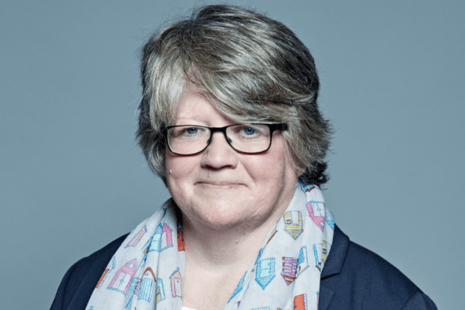
Therese Coffey :Pic credit: gov.uk

The Department of Work and Pensions is to tighten the rules significantly to force 114,000 existing Universal Credit claimants into work as job vacancies soar across Britain.

She is changing the rules so far more people will have to go on what is known as an intensive work search regime where they will be monitored continually by work coaches on how many jobs they have applied for and why they didn’t get them.

Therese Coffey has been planning to do this since January this year and consulted the Social Security Advisory Committee, chaired by the architect of Universal Credit, Stephen Brien, on January 26.

Ian Caplan, DWP’s Director of Employment, Youth and Skills

A letter to the committee from Ian Caplan, director of employment, youth and skills said:

“The Secretary of State wishes to bring in the change as soon as practically possible…for providing immediate support to low-earning households to increase incomes at a time of immense cost of living pressures…. By bringing these regulations into force as quickly as possible, including by laying the regulations in recess, the Department can start making the operational preparations”

SSAC kept decision secret for 8 months

The committee approved the idea on February 4th but agreed to keep the decision secret until last week when it published the minutes of a meeting between DWP officials and the committee.

To make the change the government is using a regulation to uprate what is known as the Administrative Earnings Threshold – a device which sets the level of benefit and earnings dividing those who only receive ” a light touch” regime – ie occasional checks whether they are seeking work – from their local job centre and those put on intensive work search programmes. Those who refuse or don’t co-operate properly with face benefit cuts as a sanction.

It will move the level from £355 to £494 a month for a single claimant and from £567 to £782 a month for a couple. At present some 250,000 people covered by the intensive work search programme are in work – this will increase the number by 50 percent. The government justify it by saying the new level brings it into line with recent rises in the national minimum wage for those in work.

What is more interesting – and perhaps why the minutes were withheld – is the question and answer session between the committee members and civil servants.

While the overall aim of the scheme is to get a higher income for the unemployed – by getting them work or more work for those in part time jobs – the DWP admit they have another agenda. Questioned about the current job vacancies level encouraging this move officials said: “the vacancies position the labour market is considered by some to be hot which could be driving inflation.”

In other words by getting more of the unemployed into work, employers would have a bigger pool of labour and would not have to offer higher wages or even compensate people for the rising cost of living.

Will the unemployed be recruited as strikebreakers?

There may now be an even more compelling reason as Therese Coffey wants this to be law from September 26, since the government plans to use agency workers to break the coming strike wave. What would suit ministers would be if the unemployed could be drafted in as agency workers leading to confrontation with striking workers on trains, buses, schools, the NHS, and the post office with shouts of ” scab” and bringing the police in to make mass arrests of strikers. A reminder of the miners’ strike.

There were other gems from the minutes – which in my view revealed the attitudes of the DWP and committee members

There was much questioning about the effect this could have on 16-24 year olds which suggested the programme could work for them. There was concern about the disabled – and an admission by the DWP that except in Yorkshire it had done hardly any research on how this could affect them.

DWP building

What was tellingly missing was the complete lack of interest from the DWP or committee members about the effects on people over the age of 50 and 60. The DWP didn’t even bother to give the committee a breakdown on them. But it is a fact that the rising of the pension age to 66 -particularly among women has seen a big increase in numbers on Universal Credit who can’t get jobs.

I really wonder whether this is prejudice. Women like Therese Coffey, who is 50, have had stellar careers and I wonder if they think women born in the 1950s and 1960s who are on the dole are failures or nonentities, don’t cause them a lot of trouble and don’t turn physically aggressive like some men. So they can be safely ignored. Certainly any thought about their plight or indeed any old person was spectacularly missing from discussion about this new drive.

Please donate to my blog to allow me to continue my forensic reporting.

One-Time
Monthly
Yearly

Make a one-time donation

Make a monthly donation

Make a yearly donation

Choose an amount

£5.00
£10.00
£20.00
£3.00
£9.00
£60.00
£3.00
£9.00
£60.00

Or enter a custom amount

£

Your contribution is appreciated.

Your contribution is appreciated.

Your contribution is appreciated.

DonateDonate monthlyDonate yearly

Please donate to Westminster Confidential

£10.00
A right wing aristocrat to fight ground breaking £180,000 tribunal ruling against him for “arrogant and misogynistic” treatment of two pregnant staff

Sir Benjamin Slade

The Court of Appeal is expected to hear an extraordinary case soon involving a wealthy aristocrat who says he is descended from Charles II and his treatment of two of his employees who were sacked from his upmarket wedding business at his stately homes after they became pregnant.

Since the case the wedding business has been closed down after Devon and Somerset Fire and Rescue Service issued two prohibition notices on one of the venues, Maunsel House, because of “inadequate means of escape from first and second floors due to lack of escape signage, lack of emergency lighting and lack of fire separation.” He has been ordered to install fire escapes.

Surcharge of 25 per cent imposed on compensation package

Sir Benjamin Slade is now appealing a ruling from an Employment Appeal Tribunal which not only ordered him to pay compensation for unfair and constructive dismissal , injury to feelings of the two women and aggravated damages, but imposed a 25 per cent surcharge on the awards for breaching the employers’ code of practice by ACAS. The total compensation for both women came to just short of £180,000. The surcharge ruling is particularly significant as it lays down rules for similar surcharges in other cases.

Maunsel House Pic credit: BBC

The two women, Melissa Biggs and Roxanne Stewart worked on his wedding business where people could hire Maunsel House and Woodlands Castle near Bridgewater and Taunton in Somerset. Roxanne Stewart, was a deputy manager and Melissa Briggs, an admin assistant. Both became pregnant at about the same time.

What followed was that both of them found themselves dismissed without full statutory maternity and holiday pay and wages after first being transferred to a new company – without their knowledge- which only employed both of them and had no money to pay them. Their pregnancies were said to be ” highly inconvenient” for Sir Benjamin .

The tribunal used unusually strong language against Sir Benjamin including accusing him of refusing to hear Melissa Biggs grievances and subjecting Roxanne Stewart to a ” spurious and vindictive disciplinary process” on ” trumped up ” charges. Sir Benjamin was said to have made ” entirely fanciful” allegations against her. They were also critical of his agent, Andrew Hamilton.

” one of the most egregious acts of discrimination possible”- tribunal

The first employment tribunal hearing described the process involving Roxanne Stewart as “one of the most egregious acts of discrimination possible”. The timing of the suspension, in the advanced states of her pregnancy, was “designed… with her then vulnerability in mind, to have maximum effect on her” The suspension and dismissal were then pursued with the “motivation… of driving her out of employment”.

She gave birth prematurely and within the weeks following that birth ,her baby was in intensive care”.

When giving evidence to the ET, Sir Benjamin “made wide-ranging and lurid allegations about the claimants and their relatives, without any substantiation whatsoever, in respect of their character, financial position and other matters”. The ET found that these allegations were “entirely fanciful and prompted by a desire on his part… to ‘throw some dirt’ at the Claimants.

The appeal tribunal held in London and president over by a High court judge, Mr Justice Martin Griffiths, threw out a case from Sir Benjamin to say he should not pay the surcharge. He said he would appeal.

He told me: ” The sum I am being asked to pay is totally disproportionate given the staff were paid about £20,000 a year. I am not against people getting pregnant, indeed I have been helpful to other staff who became pregnant. I think the judge was left wing.”

The Sun ran a flattering article on him after he ” auditioned” for a ” breeder” to get him a son and heir

Sir Benjamin has a controversial back story. He is 75, a hereditary baronet, but has no heir. He recently advertised for a young wife as a” breeder” as he wanted two sons – an heir and spare – to succeed him.

He listed his requirements for the perfect ‘breeder’. She should be taller than 5ft 6in – ‘preferably 6ft 1ins or 6ft’ – aged between 30 and 40, and possess a gun licence. ‘Scorpios, drug users, lesbians, communists and Scots need not apply,’ he told the Daily Mail.

His quest for a wife led to a big sympathetic feature in The Sun by reporter Georgette Culley who ” auditioned” to be his wife and stayed overnight in Maunsel House. The feature is here.

He let out his other property Woodlands Castle only to find it then became the centre of a massive police investigation when a huge cannabis farm was found in the roof. Questioned by the police he denied any knowledge about it.

A Vietnamese man, Trung Nam Pham, 39, of no fixed address, was arrested after the drug bust. He appeared before Taunton Magistrates’ Court last June and was remanded in custody pending a crown court hearing.

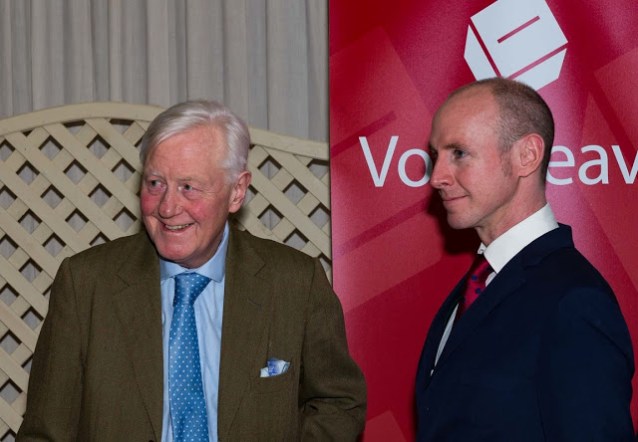
Sir Benjamin with Daniel Hannan, then an MEP. at Woodlands Castle. From his old website

Sir Benjamin is on the right of the Conservative Party. During the Brexit campaign he hosted a lunch for Daniel Hannan, then a Tory MEP for 84 people in Woodlands Castle to promote Vote Leave.

Now he is waiting his appeal – has not paid the two women any of the compensation – though he says he has made up their wages and the statutory maternity pay. His wedding business – at £3000 a time -has collapsed – first hit by Covid 19 and then by the prohibition order from Devon and Somerset fire services.

Please donate to Westminster Confidential so I can continue my wide ranging reporting

One-Time
Monthly
Yearly

Make a one-time donation

Make a monthly donation

Make a yearly donation

Choose an amount

£5.00
£10.00
£20.00
£3.00
£9.00
£60.00
£3.00
£9.00
£60.00

Or enter a custom amount

£

Your contribution is appreciated.

Your contribution is appreciated.

Your contribution is appreciated.

DonateDonate monthlyDonate yearly

please donate to Westminster Confidential

£10.00

The 200,000 men in their 50s and 60s who can’t get jobs

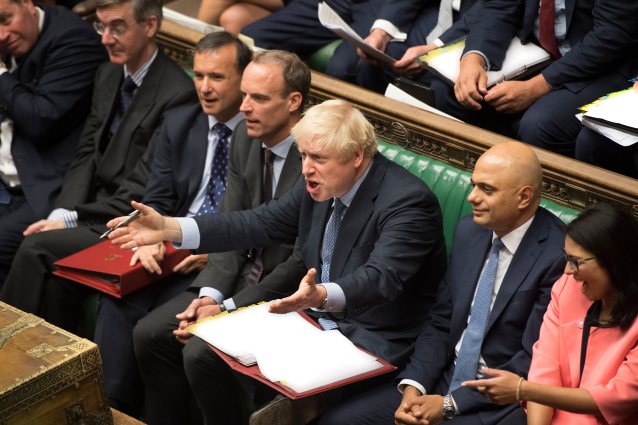
Boris Johnson in full flight in the Commons. Picture credit: Jessica Taylor House of Commons

This blog has consistently highlighted the cases of 50s born women who in waiting for their delayed pension have either had to fall back on benefit or struggle on in work with serious health issues.

Now in the last two years – almost since the Covid pandemic started – the same problem is hitting men born in the 1950s and 1960s as they wait until they can claim pensions at the age of 66.

The official figures compiled by the Office for National Statistics comes just as Boris Johnson has been found out again for lying five times about the record number of jobs created during the pandemic.

Boris Johnson’s ” incorrect job figures”

The BBC’s Reality Check Team revealed that Ed Humpherson, from the Office for Statistics Regulation, had sent one of the prime minister’s advisers at Downing Street a letter saying it was “incorrect to state that there were more people in work at the end of this period than the start”.

Mr Johnson has been mixing up the number of people on payrolls, which has gone up with the number of people in work, which has not. They are not the same thing – the payroll number excludes self-employed people, In fact the number of people in work had fallen by 600,000 to 32.5 million – a point taken up by Justin Madders, Labour MP for Ellesmere Port, and Shadow Health and social care spokesman. He criticised the PM for providing in accurate information to Parliament.

An analysis by Rest Less , a digital community which acts as an advocate for people aged over 50, reveals startling increases in people over 50 on the dole queues

Latest figures released by ONS show that half the men who have been on the dole for more than 12 months are over 50. Comparable figures for the 18-24 age group is just 27 per cent.

While the proportion of both men and women who have been on the dole for more than a year has risen from 34 per cent to 41 per cent. This compares with a rise from 14 per cent to 25 per cent for the 18-24 year old group.

DWP plans crackdown on unemployed benefit claimants

Stuart Lewis, Founder of Rest Less, commented: “Our analysis shines a light on the many individuals who have so much to contribute to the workplace, but who are being left behind by the recovery. Unemployment amongst people aged over 50 is up 23% compared with pre-Covid levels. The fact that half of all unemployed men aged over 50 have been unemployed for more than 12 months is shocking and a timely wake-up call to government and industry that we need to do more to ensure that our post-pandemic jobs plan supports people of all ages.”

And some of the cases are heart wrenching and are very similar to the plight of 50swomen trying to get jobs while being forced to live on Universal Credit.

Plight of Chris Long

One example is Chris Long from Bedfordshire.

He will turn 60 in March. According to a report from Rest Less:”  He has been out of work for the past three years.  Chris has worked in a variety of roles over the years, most recently as a forklift driver but previously in a security role and in mental health and addiction services.  He has a broad skill set as a result.

” Around the same time as Covid hit three years ago, Chris became unwell with a health condition which was later diagnosed as lung disease for which there is no cure, only symptom management.  He had to give up his job as a result.  Some days, Chris has trouble walking up and down the stairs but there are other days where he feels fit enough to work.  It has proven difficult for him to find work whilst he looks after his health and, in his own words, he says ‘I just don’t know where I fit anymore’.

Chris is currently on benefits but needs to get back to work for financial reasons.  He lives with his partner, who works, and they have an 8 year old daughter to support. “

Given the Department for Work and Pensions is now cracking down on anybody on Universal Credit who has been out of work for more than four weeks and won’t accept any job by reducing benefits the picture for him is bleak.

What employer is going to take on someone on who can’t get up the stairs unless they happen to have a policy of employing disabled people.

What appears to be happening is a double whammy for people over 50.

On the one hand the government is boasting about how successful their jobs programme has been – with the Prime Minister lying about the statistics.

On the other it looks like now both men and women who have health issues over the age of 50 ( and who doesn’t) and find it difficult to stay in work are being confined to a twilight existence until they get their pension which is being remorselessly made later and later in their lives by an uncaring government.

Please donate to my blog to allow me to continue my forensic investigations.

One-Time
Monthly
Yearly

Make a one-time donation

Make a monthly donation

Make a yearly donation

Choose an amount

£5.00
£10.00
£20.00
£3.00
£9.00
£60.00
£3.00
£9.00
£60.00

Or enter a custom amount

£

Your contribution is appreciated.

Your contribution is appreciated.

Your contribution is appreciated.

DonateDonate monthlyDonate yearly

please donate to Westminster cCnfidential

£10.00

Tech Savvy – Will Travel: The rise of the digital nomad

Digital Nomad pic credit: Wikipedia

Last year was the year when Brexit limited the right of millions of people to travel and work across 27 EU countries – ending not only the freedom of movement for people to come to the UK but also go abroad.

The situation has also been made much worse by the global Covid 19 pandemic which saw a huge shutdown across the globe where people could not go on holiday or visit countries for work.

While all this was happening there was an almost unnoticed countervailing trend which is seeing massive new opportunities for the young and tech savvy to leave the UK and the US and work elsewhere.

Countries across Europe and much of the rest of the world are falling over each other to attract bright young entrepreneurial and tech savvy people to come, live and work there with special visas and tax incentives and ignoring normal restrictions – including the new ones imposed by the EU after the UK left – to stop people staying there.

Post Covid 2022 could be the year of the rise of the digital nomad – that young, free wheeling person who with a laptop can run a business anywhere from any country.

This phenomenon was highlighted this weekend on the website Dispatches Europe which has just launched an updated guide to cope with growing number of countries now offering opportunities.

The link to the guide is here. Basically much of Europe is covered plus the range of places goes from the Arctic Circle to the Caribbean.

For the most adventurous the most extraordinary place is Svalbard – a Norwegian island nearer the North Pole than Oslo ! You do not even require a visa to live there -only an address and a job – and you can stay as long as you like. It is cold -in the summer the sun shines for 24 hours a day and it is totally dark all winter. Intriguingly for a place with only 2000 residents it is nearly as diverse as London with 70 different nationalities finding their their way there. Watch the video below and seriously watch out for polar bears.

At the other end of the spectrum is the former Portuguese Cape Verde Islands nearer to the Equator than Lisbon. This year the authorities have released visas to attract Europeans and Americans to go and set up businesses there. just created Remote Working Cabo Verde, a tax exempt digital nomad visa designed to attract 4,000 foreigners, The visa is just 54 Euros valid initially for six months but extendable for up to a year. A video is below.

In the Caribbean visas have been set up for Aruba and Curacao, both self governing parts of the Netherlands and in the EU, the new Republic of Barbados, ( expensive visa costing nearly £1500) Bahamas and further north in Bermuda ( though the latter is aimed at high rollers – they can include staff and chauffeurs- and is expensive). So far 400 have come.

I wrote up a piece on Aruba when I visited it two years ago on a cruise – it is almost in South America as it is only 22 miles from Venezuela. It is a fascinating desert island. The link is here. The only thing you have to beware of is you can occasionally find a boa constrictor in the bath – but Aruba’s pest control are used to dealing with them. ( some foolish person brought them to Aruba and they have escaped and bred)

Curacao promotion aimed at the US market

An even more ambitious digital nomad project is planned for Italy where they have over 2000 ghost villages in the country and want to attract remote workers there- the fund could top 1 million Euros. So far one Tuscan village has jumped the gun- Santa Flora is offering 200 Euros a month rent subsidies for apartments there – and wants people to decide to settle a buy a home. So you can swap our drab winters for vineyards and olive groves.

Other countries planning to attract digital nomads include Spain and Croatia has just started a scheme – allowing you to be based on the Dalmatian coast and able to rent a place for 350 or so Euros a month. The visa is for one year in this EU country and digital nomads are exempt from income tax. They have to earn over $31,514 a year (just under £23,200), to qualify.

Compare all this to London and the UK. The UK does not seem to have any special digital nomad visas relying on a normal visa application to work here. It is regarded as an expensive country, housing costs are through the roof, public transport and fuel is expensive, though its cities are well known for cultural and night life. The best city for a digital nomad is said to be Newcastle-upon-Tune which has a good night life and is cheaper to live than elsewhere.

What seems to be clear from all this is that for many young people – the attraction of all round beach life ( unless you go to Svalbard), cheaper accommodation, combined with high speed internet and for young as opposed to old people, not too expensive health insurance make it a one way bet.

Boris Johnson has made much of claims of ” Global Britain” and the wonderful future he promises all of us. But looking at all these offers abroad I think clever young tech savvy people will see the wonders of a global life and opt to leave the country as soon as possible.

Please donate to my blog to allow me to continue my investigations.

One-Time
Monthly
Yearly

Make a one-time donation

Make a monthly donation

Make a yearly donation

Choose an amount

£5.00
£10.00
£20.00
£3.00
£9.00
£60.00
£3.00
£9.00
£60.00

Or enter a custom amount

£

Your contribution is appreciated.

Your contribution is appreciated.

Your contribution is appreciated.

DonateDonate monthlyDonate yearly

please donate to westminster confidential

£10.00
Finally shopworkers to get more protection: Tougher law for those who attack them

In the dying days of last week’s Parliament the government finally quietly agreed that shopworkers alongside other workers who serve the public should get greater protection from abusive customers.

USDAW campaign poster

Ministers are using the Police, Crime and Sentencing Bill to make it an aggravated offence to assault or abuse people who are serving the public. At present it is up to the judges’ discretion whether it is under the present sentencing guidelines.

It follows years of campaigning by USDAW, the retail workers union, to get more protection for shopworkers and growing evidence, sadly, of more violence, abuse and threats, from customers to staff.

The government chose the House of Lords to amend the bill last Wednesday night.

Baroness Williams., minister of state at the Home Office: Official portrait

Baroness Williams of Trafford, a junior home office minister, said: “The amendment places in statute the aggravating factor applied by the courts in cases of assault where an offence is committed against those providing a public service, performing a public duty or providing a service to the public.

…..”This includes assault occasioning actual bodily harm, wounding with intent to cause grievous bodily harm, malicious wounding and threats to kill, as well as an inchoate offence in relation to any of these offences. These are the assault offences most likely to be experienced by front-line workers. Importantly, the provision also allows the court to apply the aggravating factor to any other offence, where the court considers this factor relevant.”

“This amendment will reinforce in statute the seriousness with which the courts should treat these offences. It will send a very strong signal to the public that assaults of this kind are totally unacceptable. The Government want to ensure that all those who serve the public can feel protected from abuse when working.”

Baroness Trafford added: “

“During the pandemic we have all seen some appalling stories of how shop workers have been treated. USDAW has been really good in standing up to that.

I pay tribute to John Hannett, the former general secretary of USDAW, to Paddy Lillis, the present general secretary, to the staff and to the many hundreds of thousands of USDAW members who have not let this issue rest. I also pay tribute to some really good employers, the supermarkets that understand the problems their staff have. The Co-op, Tesco and many others have stood up and backed the union and its members. This amendment has also been led by the work of Daniel Johnson MSP in Scotland. He got his Private Member’s Bill through last year. “

Lord Vernon Coaker, official portrait

The move was welcomed by all peers include Lord Coaker, who as Vernon Coaker was Labour MP for Gedling in Nottinghamshire, and an USDAW member, who proposed a specific offence to protect shopworkers resulting in one year’s imprisonment.

The union itself described it as ” a step in the right direction” after years of campaigning for it.

Former Tory minister Baroness Neville-Rolfe said: ” That is against a background of 455 security incidents a day, according to the BRC,[British Retail Consortium] and very few prosecutions.

Inadequate police response

“The police response to these incidents has historically been inadequate. We need to ensure that the police have the right resources and can put a higher priority on prosecuting these retail crimes. This is particularly important given the role of retail workers in enforcing Covid restrictions such as masks, but also in addressing knife crime and shoplifting23>

She succeeded, in getting a promise from the minister to review how the new measures were working in a year’s time.

This was backed up by Lord Dholakia, a Liberal democrat peer, who said: “forces such as Thames Valley Police inform local shops that they will not send out officers to deal with shoplifters who steal less than £100-worth of goods. How can this foster trust and build confidence? It cannot; it means that many businesses feel as if they are alone in this fight—a fight that is a risk to their very business.”

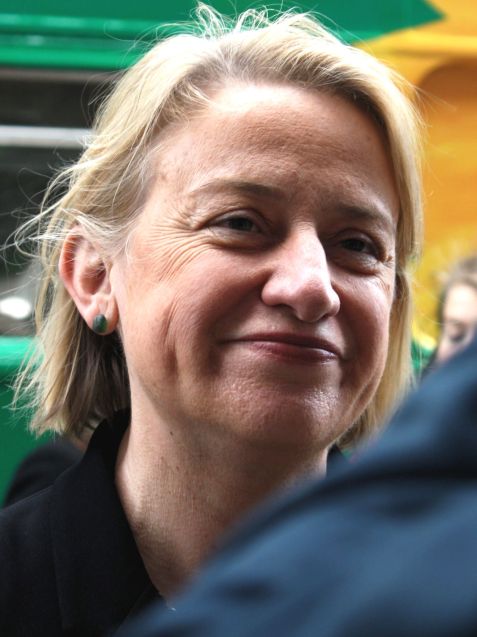
Natalie Bennett Green P:arty peer

Green Party peer Baroness Natalie Bennett also pressed the minister whether the change in the law would cover threats over the phone or on line. The minister thought it would.

One extraordinary omission in this debate was any reference to the fact that Therese Coffey, the work and pensions secretary, is about to submit an application from the United Kingdom to ratify the International Labour Organisation’s new convention outlawing violence and harassment at work.

This change in the law speaks directly to both the spirit and letter of the new convention and will certainly be used as an example that the UK is complying with it. Yet it seemed to have passed ministers and peers by. Perhaps this government is so disjointed that Therese Coffey has not talked about it with Priti Patel, the home secretary. Given all the furore on everything else perhaps she forgot to tell her.

Please donate to Westminster Confidential to allow me to continue my forensic investigations.

One-Time
Monthly
Yearly

Make a one-time donation

Make a monthly donation

Make a yearly donation

Choose an amount

£5.00
£10.00
£20.00
£3.00
£9.00
£60.00
£3.00
£9.00
£60.00

Or enter a custom amount

£

Your contribution is appreciated.

Your contribution is appreciated.

Your contribution is appreciated.

DonateDonate monthlyDonate yearly

Please donate to Westminster Confidential

£10.00