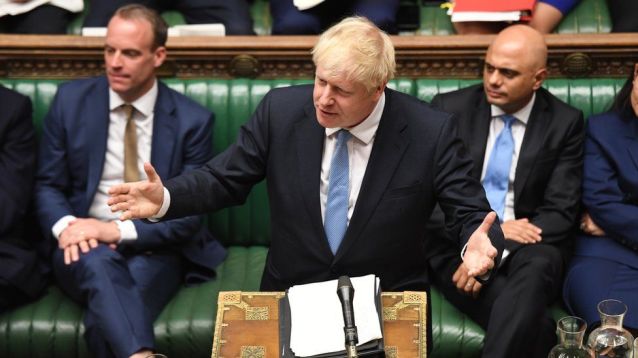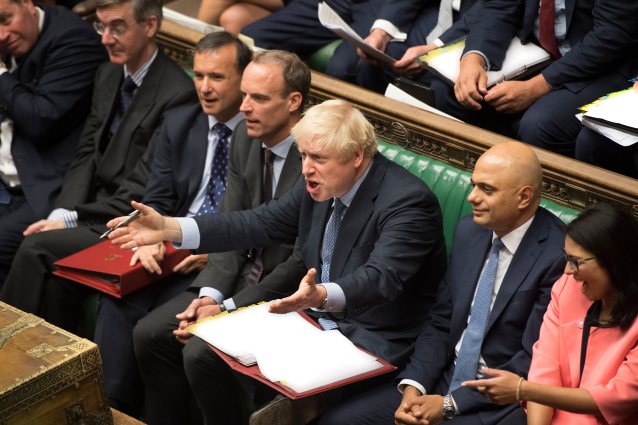
Boris Johnson at PMQ;s Pic credit: Jessica Taylor House of Commons
Boris Johnson is planning to weaponise the sad plight of 3.8 million 50s born women by blaming Tony Blair’s Labour government solely for the maladministration in not informing them about the six year delay in getting their pensions.
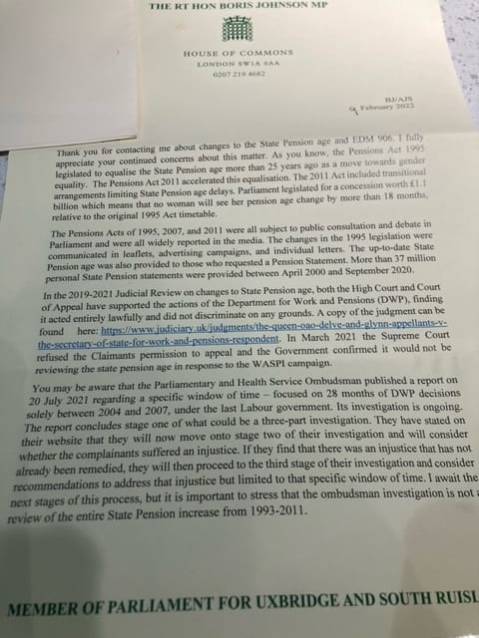
In a letter to one of his constituents, Anne Taylor, the PM provides his first detailed comment for some time on the plight of the pensioners. It comes as Parliamentary activity is being stepped up. The all party group of MPs on 50s women state pension inequality for women is pressing the Parliamentary Ombudsman to propose compensation of £10,000 for each woman. A Parliamentary motion by Ian Byrne, the Labour MP for Liverpool, West Derby, calls for full restitution for all 50s women, worth up to £50,000 for some, has been signed by 52 MPs.
Mr Johnson justifies blaming Labour by seizing on the finding of the Parliamentary Ombudsman, Rob Behrens, who found that there was maladministration over a 28 month period from 2004 and 2007 solely under a Labour government.
He points out that the Ombudsman’s investigation has to go through two further stages and still has to consider whether there has been an injustice. Only then will it move on to discussing compensation and he insists that this will be ” limited to that specific window of time.”
” I await the next stages of this process, but it is important to stress, that the ombudsman investigation is not an entire review of the State Pension increase from 1993 -2011.”
Actually he is wrong here, as the Ombudsman did consider the wider period but as I have written in an earlier blog, one of the flaws of his findings, was that it exonerated Whitehall action in the earlier period, including when Peter Lilley, then social security secretary, ignored warnings by civil servants of the need to inform the women.
He is also wrong about the court judgement when the Court of Appeal rejected a judicial review and the Supreme Court refused to hear BackTo60s case. He cites WASPI in this case and seems to think they were calling for a review of the pension age to 60. This insults both groups.
Boris Johnson has changed his mind on the issue. In a blog in 2019 I wrote about his two faced approach – first supporting women during his Tory leadership campaign and then dropping them after the court decision.
What is disturbing about this latest letter is that it offers little hope of any support for their case from the Prime Minister. It also suggests that he is building up ammunition to accuse Labour of being responsible for all the mistakes – hoping they will stay mum for fear that he will accuse Keir Starmer of being responsible for the women’s plight.
Bizarrely the Ombudsman’s findings leave him aiding and abetting the PM’s stance. It also means those hoping for a quick decision on compensation from the Ombudsman are going to be very disappointed as the PM will hope it is dragged out for years.
As for his constituent Anne, this is her view: ‘Having less than 2 years to prepare for a 6 year hike was shocking enough. Nothing could have prepared me for the way I have felt since, I have literally had my hair turn grey, lost my sense of self and felt like a second class citizen. I had no idea how aged I would become in this time. I have 6 months of my sentence to go, I will never forgive this and successive governments for not giving back our earned dues’.
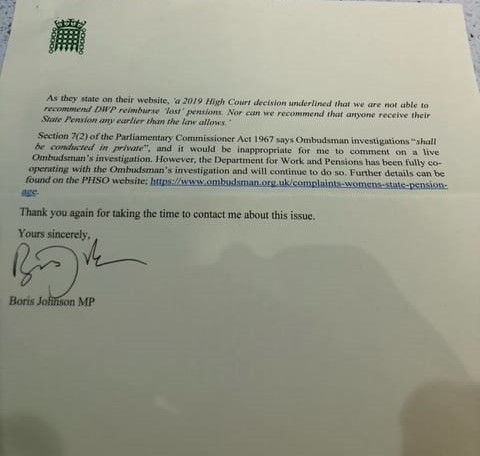
Boris Johnson’s letter
Please donate to Westminster Confidential to allow me to continue my forensic investigations
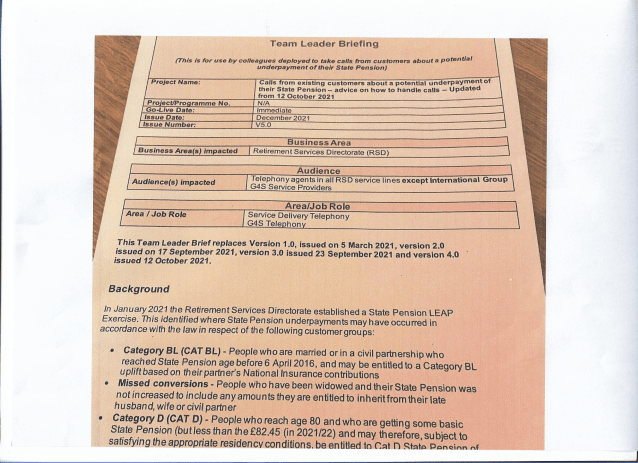
Internal documents and screenshots reveal staff instructed to halt calls from worried pensioners and avoid complex cases to boost numbers
The Department for Work and Pensions is telling the public that it has set up well trained specialist teams to pay out up to £1 billion owed to at least 135,000 pensioners after huge underpayments were uncovered.
The real picture is one of overworked staff desperately trying to calculate with outdated computers how much money people will get while creating a knock on effect for new people applying for their first pension.
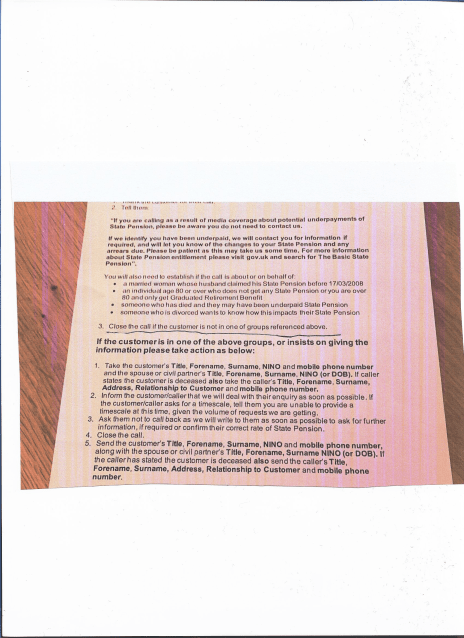
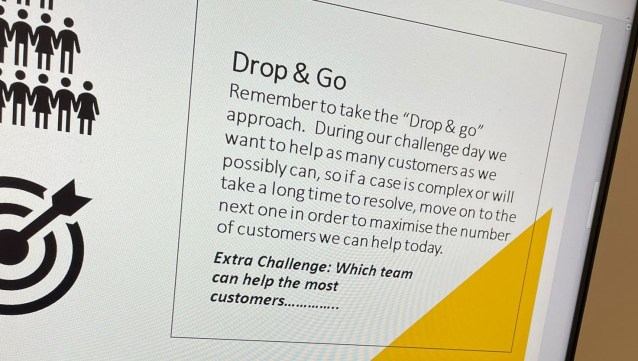
Now documents and screen shots seen by this blog reveal that staff have been instructed to ” close calls” from pensioners if they don’t fit the profile and even drop investigating complex claims for simpler ones to artificially boost the number being helped.
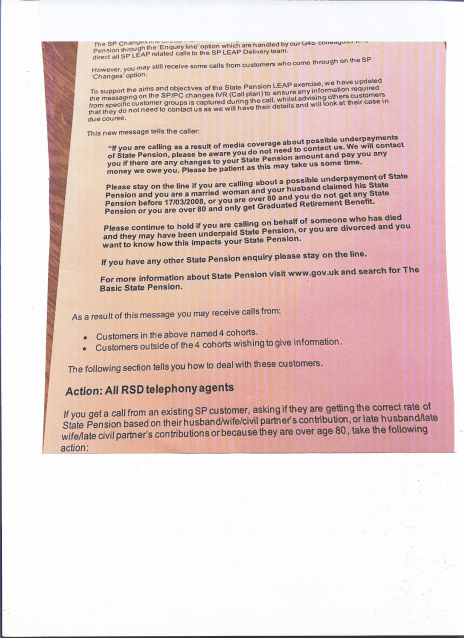
A new telephone message has been put on the pension helpline telling people NOT to call them and wait to be contacted instead. ” please be patient as this may take us some time.” Sometime in the worst case scenario could be December 2023. And for people who may not have long to live that is bad news. Note also it blames media coverage for the volume of calls.
Document showing the telephone messageDocument showing when staff are instructed to end the call. But if someone insists they want to give them the information they have to take it down. It also shows that none of the staff can tell people hen they will get an answer and they are told not to call back. At least the ministry admits it has a large volume of calls.
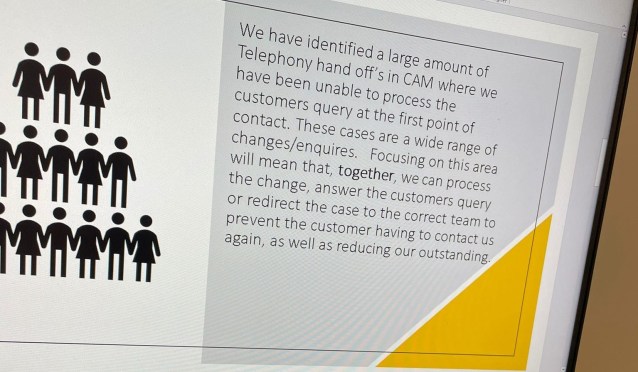
Yesterday the Department launched from Newcastle-upon-Tyne its SP [state pension] Challenge – a slick management exercise to try and instill team work among thousands of staff who are trying to cope.
Screenshot showing management in difficulty with old computers in tracing pension cases
However some of the screenshots reveal how management haven’t necessary got all the information because of outdated computers.
Probably the worst example of the problems they face is the ” drop and go ” policy – where staff to boost numbers are told to abandon the case and find another simpler one. This was used during the challenge yesterday.
How they were prioritising “easy” cases to build up numbers
The official response which I got before I saw these documents is:
“Resolving the historical State Pension underpayments that have been made by successive governments is a priority for the Department and we are committed to doing so as quickly as possible.
“We have set up a dedicated team and devoted significant resources to processing outstanding cases, and have introduced new quality control processes and improved training to help ensure this does not happen again. Those affected will be contacted by us to ensure they receive all that they are owed.”
The DWP will have to respond soon to the House of Commons Public Accounts Committee which has already called out the whole process as a shambles. It will make interesting reading to see how top officials and ministers spin their replies. Whatever they say the situation can’t be good if the ministry continues to emphasise it doesn’t want people to ring them.
Please donate to my blog to continue these forensic investigations.
Boris Johnson in full flight in the Commons. Picture credit: Jessica Taylor House of Commons
This blog has consistently highlighted the cases of 50s born women who in waiting for their delayed pension have either had to fall back on benefit or struggle on in work with serious health issues.
Now in the last two years – almost since the Covid pandemic started – the same problem is hitting men born in the 1950s and 1960s as they wait until they can claim pensions at the age of 66.
The official figures compiled by the Office for National Statistics comes just as Boris Johnson has been found out again for lying five times about the record number of jobs created during the pandemic.
Boris Johnson’s ” incorrect job figures”
The BBC’s Reality Check Team revealed that Ed Humpherson, from the Office for Statistics Regulation, had sent one of the prime minister’s advisers at Downing Street a letter saying it was “incorrect to state that there were more people in work at the end of this period than the start”.
Mr Johnson has been mixing up the number of people on payrolls, which has gone up with the number of people in work, which has not. They are not the same thing – the payroll number excludes self-employed people, In fact the number of people in work had fallen by 600,000 to 32.5 million – a point taken up by Justin Madders, Labour MP for Ellesmere Port, and Shadow Health and social care spokesman. He criticised the PM for providing in accurate information to Parliament.
An analysis by Rest Less , a digital community which acts as an advocate for people aged over 50, reveals startling increases in people over 50 on the dole queues
Latest figures released by ONS show that half the men who have been on the dole for more than 12 months are over 50. Comparable figures for the 18-24 age group is just 27 per cent.
While the proportion of both men and women who have been on the dole for more than a year has risen from 34 per cent to 41 per cent. This compares with a rise from 14 per cent to 25 per cent for the 18-24 year old group.
DWP plans crackdown on unemployed benefit claimants
Stuart Lewis, Founder of Rest Less, commented:“Our analysis shines a light on the many individuals who have so much to contribute to the workplace, but who are being left behind by the recovery. Unemployment amongst people aged over 50 is up 23% compared with pre-Covid levels. The fact that half of all unemployed men aged over 50 have been unemployed for more than 12 months is shocking and a timely wake-up call to government and industry that we need to do more to ensure that our post-pandemic jobs plan supports people of all ages.”
And some of the cases are heart wrenching and are very similar to the plight of 50swomen trying to get jobs while being forced to live on Universal Credit.
Plight of Chris Long
One example is Chris Long from Bedfordshire.
He will turn 60 in March. According to a report from Rest Less:” He has been out of work for the past three years. Chris has worked in a variety of roles over the years, most recently as a forklift driver but previously in a security role and in mental health and addiction services. He has a broad skill set as a result.
” Around the same time as Covid hit three years ago, Chris became unwell with a health condition which was later diagnosed as lung disease for which there is no cure, only symptom management. He had to give up his job as a result. Some days, Chris has trouble walking up and down the stairs but there are other days where he feels fit enough to work. It has proven difficult for him to find work whilst he looks after his health and, in his own words, he says ‘I just don’t know where I fit anymore’.
Chris is currently on benefits but needs to get back to work for financial reasons. He lives with his partner, who works, and they have an 8 year old daughter to support. “
Given the Department for Work and Pensions is now cracking down on anybody on Universal Credit who has been out of work for more than four weeks and won’t accept any job by reducing benefits the picture for him is bleak.
What employer is going to take on someone on who can’t get up the stairs unless they happen to have a policy of employing disabled people.
What appears to be happening is a double whammy for people over 50.
On the one hand the government is boasting about how successful their jobs programme has been – with the Prime Minister lying about the statistics.
On the other it looks like now both men and women who have health issues over the age of 50 ( and who doesn’t) and find it difficult to stay in work are being confined to a twilight existence until they get their pension which is being remorselessly made later and later in their lives by an uncaring government.
Please donate to my blog to allow me to continue my forensicinvestigations.
Yet another disturbing report from the Independent Inquiry into Child Sexual Abuse highlights a national failure to tackle gangs sexually exploiting vulnerable children.
The findings of this investigation led me to me to pose the question in the headline. The report’ s conclusion is damning: “Children are sexually exploited by networks in all parts of England and Wales in the most degrading and destructive ways. Each of these acts is a crime. This investigation has revealed extensive failures by local authorities and police forces to keep pace with the pernicious and changing problem of the sexual exploitation of children by networks.”
The question is why. The report took evidence from six diverse areas in England and Wales – Durham, Swansea, Warwickshire, St Helens, Tower Hamlets and Bristol.
What was particularly alarming is that in two – the London borough of Tower Hamlets and Swansea – there was a denial of the existence of any gangs at all. I would really be surprised that such organised gangs did not operate in the borough or elsewhere.
Indeed the report cites two instances where complaints were not taken forward.
“In Swansea, there was a police investigation into serious sexual assault against CS-A25 which led to the arrest of two males but no further action was taken due to evidential difficulties. • In Tower Hamlets, in the case of CS-A22, the child made disclosures of assault and rape but these allegations did not lead to prosecution. Although a number of named potential perpetrators were added to a crime report and suspects database, the report was closed. Some information was passed to the local force but there is no evidence of any arrests.”
Perpetrators finding new way to exploit children
The report says: “Parental neglect, substance misuse, domestic violence or mental health issues may increase the vulnerability of children to sexual exploitation. Around half of the case study children were in care and more than a third had complex disabilities or neurodevelopmental disorders. “It is widely recognised that alcohol, drugs and actual or threatened violence against the child, their friends and family are often used as a means to groom and coerce children. Perpetrators are finding new ways, including through mobile phones and other devices, social media and dating apps, to groom and abuse ever younger children.”
It goes on: “Research suggested that many complainants report dissatisfaction with the responses of local authority staff and police officers to the sexual exploitation they faced and these themes were reflected in some of the experiences of the case study children. Some felt unprotected by care home staff failing to intervene when they knew or suspected that the children were being sexually exploited. Others were frustrated that those who had sexually exploited them were not held accountable through the criminal justice system.”
The report also highlights a worrying lack of data on who the exploiters are which has led people to blame South Asian males behind the gangs because of some high profile cases.
Poor data collection on the ethnicity of perpetrators
The report says: “Some of the high-profile child sexual exploitation prosecutions have involved groups of South Asian males. There has been heated and often polarised debate about whether there is any link between ethnicity and group-based child sexual exploitation. Poor data collection on the ethnicity of perpetrators or victims fuels that debate and makes it difficult to identify whether there is any such link. It also hampers the ability of police and other services to provide culturally sensitive responses, interventions and support.”
The report recommends that the law should be strengthened so that when two or more people found guilty of sexual exploitation they should get an aggravated sentence.. It also wants both English and Welsh guidance strengthened and tool kit to handle sexual exploitation should be updated and strengthened.
Professor Alexis Jay, who chaired the inquiry, said: “The sexual exploitation of children by networks is not a rare phenomenon confined to a small number of areas with high-profile criminal cases.
“We found extensive failures by local authorities and police forces in the ways in which they tackled this sexual abuse.”
Please donate to Westminster Confidential to allow me to continue my forensic investigations
Peter Schofield, DWP permanent secretary Pic credit: gov.uk
Those who follow my blog may remember I have been highlighting a horrendously complicated story of the plight of people who contracted out of SERPS but were told they would receive an index linked guaranteed minimum pension. This arrangement was scrapped when the new state pension was introduced in 2016 for anyone in the private sector – but remains for public sector workers.
This decision was never debated in Parliament or included in the Pensions White Paper and has meant the government got away with not paying out anything from a £1000 to tens of thousands of pounds over the lifetime of their pension, depending on how long they were contracted out by their employer from the old SERPS scheme. The numbers could be as high as 11 million and women would be the worst affected.
Rob Behrens Parliamentary Ombudsman
The Parliamentary Ombudsman, Robert Behrens, was asked to investigate and concluded that there had been maladministration and two people shared £1250 compensation. Unlike the row over the 50s and 60s born women who lost out by not being informed by the government over the rise in their pension age, no record exists, as far as I can find out, of the ministry repealing this provision in the 2014 Pensions Act.
In September 2019 the Ombudsman gave the ministry three months to sort out this issue. He asked the ministry to “review and report back on to us on the learning from this investigation, including action being taken to ensure that affected individuals receive appropriate communication from the DWP about their state pensions. “
The DWP ignored the Ombudsman’s request and only last August -in the middle of the summer recess – put up a fact sheet to inform people. There is no reference to the Ombudsman’s report, and the fact that people could be entitled to compensation. There is no mechanism for people to apply for the compensation and the notice was not even accompanied by a press release. The figures used to say how much people underplayed what people lost. And the Ombudsman wimped out of pressing the government to do anything.
Stephen Timms MP, took up the case and sought answers from the DWP
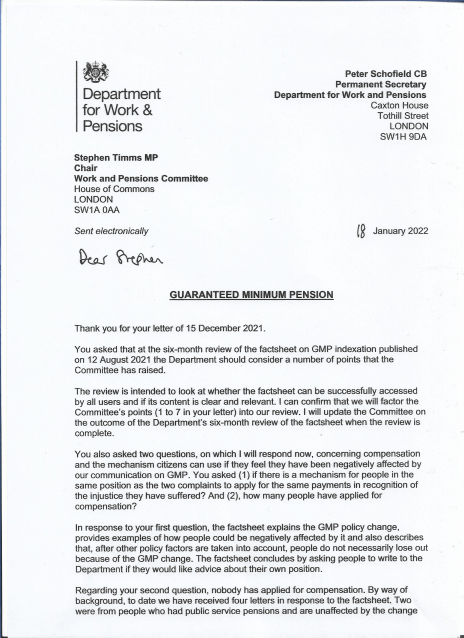
Now this month the results of these devious ploys have been revealed in a letter to the Commons Work and Pensions Committee after Stephen Timms, its chairman, took up their cause.
Not ONE person in the UK has received any compensation and only four people have written to the Department about it. None of the four were entitled to extra money. Given the deliberately obscure way the fact sheet was constructed and the lack of a mechanism to apply for compensation – it is hardly surprising. The Department is also insisting that these people are better off- because the triple now double lock – has given them more money. But that is a universal payment and pales into insignificance when you think of thousands of pounds many of the people have lost.
I expect Therese Coffey, the Secretary of State and Guy Opperman, the pensions minister, were probably holding a joint celebratory karaoke session in their offices – as they had avoided paying out an extra penny to the people they had deprived of compensation.
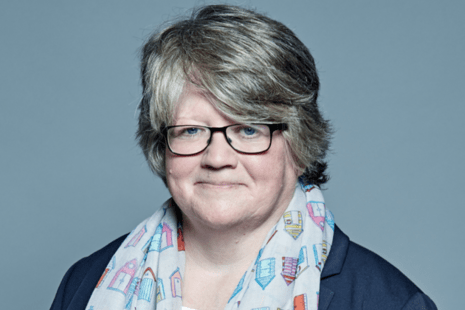
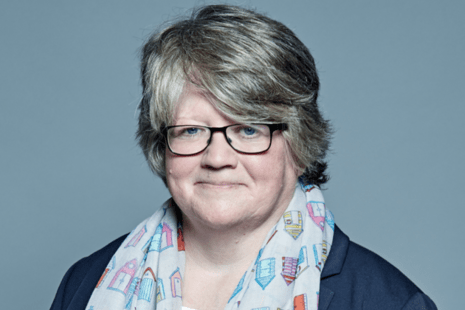
Therese Coffey, Secretary of State Pic credit: Twitter
The level of deception was heinous given that Chris Thompson, a reader who has enormous knowledge about GMP, had put in a freedom of information request to find out how many people had contacted the DWP to request compensation. He was told it was ” too expensive ” to give him the information. What mendacity by officials, how expensive is it to tell them that nobody got it and just four applied.
This sorry tale bodes ill for the 50swomen who are fighting for compensation for a similar pension maladministration – it is obvious that officials and ministers in this case have perfected a procedure to be as obscure as possible and not create any mechanism to claim compensation. Also they can’t rely on the Ombudsman to stick by them – in this case he wimped out and didn’t even hold the DWP to the fire to do what he asked them.
This is yet another example of a ministry that has no interest in justice and can rely on bamboozling the public and fake excuses for not replying to freedom of information requests.
Peter Schofield, permanent secretary at the DWP, has promised a review of the fact sheet now. I am not holding my breath.
The letter – the horrendous disclosure is at the bottom
Please donate to my blog to allow me to continue my forensic investigations.
A Labour MP has tabled a fresh Parliamentary motion backing the case for women born in the 1950s to have repaid all the money they lost by the six year delay in receiving their pension. For some people this could be as high as £50,000.
Ian Byrne, Labour MP for Liverpool, West Derby, tabled the new motion this morning reigniting the issue which the government want dead and buried after the campaign group Back to 60 lost in the Court of Appeal and the Supreme Court refused to hear the case.
The full test of the motion is:
“That this House welcomes the positive interventions from so many hon. Members from across the House on behalf of women born in the 1950s who have lost their pensions; and pays tribute to constituents and campaigners in their ongoing fight for justice; recalls that women born in the 1950s were subject to discriminatory employment and pension laws; recognises that this included being excluded from some pensions schemes; recognises that this had the negative effect for them of losing the opportunity to have the same level of pension as their partner or spouse; further recognises that this has had the consequence of women in this position never being able to have equal pensions to men; further notes that this has negatively and profoundly impacted on them including increased poverty, deteriorating health and homelessness; notes that at least 3.8 million women have been impacted by the loss of their pensions from the age of 60 in three separate age hikes; and calls on the Government to enact a temporary special measure as permitted by international law to provide full restitution to women born in the 1950s who have lost their pensions from the age of 60 because of the impact of the rise in retirement age. “
50s women unjustly treated
While Parliamentary motions are rarely debated publication of this motion acts as a noticeboard to other MPs and ministers that there is a still a very strong feeling in Westminster that the women have been unjustly treated.
It is significant that the motion tells the government that there is a mechanism in Parliament that they can use to implement the change – known as the special temporary measure- which would lead to the women being paid quickly.
It comes at the time when through ill health and Covid 19 some 204,000 women have already died before they get their pensions.
It is also significant as it shows that there are MPs in Parliament who think that the state pension inequality for women all party parliamentary group does not go far enough in redressing the issue. This group, chaired by Labour MP Andrew Gwynne and Tory MP Peter Aldous, has submitted proposals to Robert Behrens, the Parliamentary Ombudsman, asking for him to offer a minimum of £10,000 compensation to the women. This proposal backed by WASPI has two drawbacks. First the Ombudsman has to agree and given his report only found partial maladministration between 1995 and 2010 he may decide not to agree such a high sum. And he has no power to force the government to accept his recommendations beyond shaming them.
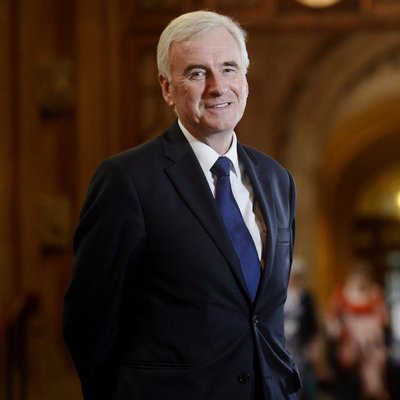
John McDonnell MP
This new motion is backed by 15 MPs including John McDonnell, the former shadow chancellor, and Jeremy Corbyn, the former Labour leader. It is perhaps rather ironic that if Labour had won the last general election compensation might have already agreed as John McDonnell promised a £58 billion pay out to correct the injustice.
Other MPs backing the move include Jim Shannon, the DUP social care and health spokesman, and Labour MPs, Kim Johnson, Beth Winter, Bell Ribeiro-Addy, Zarah Sultana, Ian Mearns, Kate Osborne. Nadia Whittome, Grahame Morris, and Jon Trickett.
Jon Trickett has linked his support to his local Waspi group, showing that they favour full restitution.
The motion also has the support of Wera Hobhouse, Lib Dem spokesperson for Justice and women and equalities, and independent MP Claudia Webb.
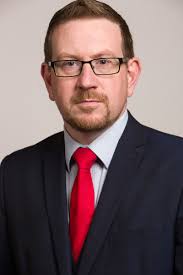
Andrew Gwynne MP, joint chair of the state pension inequality for women APPG
UPDATE: Andrew Gwynne, Labour MP and joint chair of the APPG state pension inequality for women, told BackTo 60, he had no objection to MPs from his group signing Ian Byrne’s motion.
He said” I see no conflict between it and the APPG’s submission to the PHSO.”
Nine more MPs have signed the motion including five SNP MPs, Chris Stephens, Glasgow South West; Allan Dorans, Ayr, Carrick and Cumnock and Deidre Brock, Edinburgh North and Leith, Amy Callaghan, East Dumbartonshire and Chris Law, Dundee West. The other three MPs are Labour and SDLP – Dan Carden, Liverpool Walton; Ian Lavery, Wansbeck and Aspana Begum, Poplar and Limehouse, Barry Sheerman, Huddersfield; Sir George Howarth, Knowsley, and Hannah Claire, Belfast South.
In another development the Pensions Reform Alliance and Waspi have said they do not want 50swomen to get full restitution. Members of the Alliance put out misleading information that this Parliamentary motion would somehow influence Robert Behrens, the Parliamentary Ombudsman, from recommending compensation for the 3.8 million women. This is complete nonsense as it would not impinge on anything the Parliamentary Ombudsman would recommend and MPs are entitled to express their opinions.
Please donate to my blog to allow me to continue my forensic investigations
A truly damning report by MPs on the Commons Public Accounts Committee today castigates the Department for Work and Pensions for running an “unfit for purpose” system to pay pensions to more than 12 million people.
The scandal of 134,000 pensioners being underpaid by around £1 billion dates back over 37 years and a number have already died before they could receive the money. The MPs say: “The errors happened because of the Department’s use of outdated systems and heavily manual processing, coupled with complacency in monitoring errors and a quality assurance framework that is not fit for purpose.”
The report says: “Managing Public Money requires Departments who make mistakes to put them right and restore people as far as possible to the situation they would have been in had the error not occurred. However, the Department is seeking only to pay people their legal entitlement in arrears, in some cases many years after the event, and has treated people inconsistently in paying interest on their arrears.”
The APPG report sent to Rob Behrens, the Parliamentary Ombudsman
Meanwhile another report from the All Party Parliamentary Group On State Pension Equality for Women submitted to Rob Behrens, the Parliamentary Ombudsman, on behalf of 3.8 million women who have faced delays of up to six years before receiving their pension falls short of asking for full restitution for the women.
Instead it is asking the Parliamentary Ombudsman to recommend that the women should receive a minimum of £10,000 each because of heartrending stories of poverty and hardship.
“Women have had their emotional, physical, and mental circumstances totally obliterated by a lack of reasonable notice. These impacts must be addressed, if we are to reach any kind of conclusion regarding this injustice”, it says.
The proposal is far better than the unspecified figure by the same committee prior to the 2019 election but falls substantially short for people who have lost £40,000 to £50,000 by the DWP refusing to entertain any payment at all.
The Public Accounts Committee report on the pensions underpayments is unflinching in its criticism of the DWP. It points out that 40,000 of those owed money are now dead adding:”94,000 pensioners are estimated to be alive, which represents approximately 0.9% of those currently claiming the pre-2016 basic State Pension.
These official errors affect pensioners who first claimed State Pension before April 2016 and who do not have a full National Insurance record or who should have inherited additional entitlement from their deceased partner.
90 per cent of the people hit by underpayments are women
” Around 90% of the pensioners underpaid are women because of the types of State Pension claim affected. The Department does not expect to trace over 15,000 of the affected pensioners or their next of kin where the pensioner is deceased. On average, the Department estimates that the approximately 118,000 pensioners it can trace could receive payments averaging around £8,900 by the time the payments are made. So far, the Department has found underpayments of between £0.01 and £128,448.37.”
The report goes on:” The Department has not given people who are worried they have been underpaid enough information to find out what they should do, with the risk that many may still miss out on money they should receive.
” The Department’s communications strategy is to only contact those who it finds have been underpaid under the State Pension regulations. Other groups of pensioners can receive arrears if they make a claim for additional entitlements to the Department, but the Department has provided very little information on which pensioners should do so.”
The report also points out that by repaying the money as a lump sum people means it could affect other benefits – such as entitlement to pension credit and social care payments. The DWP ignores doing anything about this.
Dame Meg Hillier, chair of the PAC, said: “In reality DWP can never make up what people have actually lost, over decades, and in many cases it’s not even trying.
Both the latest reports are damning for the Department and show up the disdain the ministry has for elderly people. The Public Accounts Committee report is the most damning as it suggests that the ministry is breaking Treasury guidelines on managing public money correctly by not taking comprehensive action to restore the rights of people – nearly all women – to get cash they are entitled to receive.
Please donate to my blog to help me continue my forensicinvestigations.
This week a mundane employment tribunal hearing revealed an extraordinary tale of subterfuge, cover up and denial in the hidden bureaucracy of the National Health Service.
The hearing was yet another in the long run saga of the case of Dr Chris Day, a plucky young doctor who has taken on the NHS establishment over a very important issue of patient safety and is still in the middle of an eight year battle with the authorities. The legal bill to taxpayers from the NHS to pay for this long battle is now is likely to rise to close to a £1 million.
The story began in August 2013 when Chris Day, a junior doctor initially complained about inadequate staffing. It got worse in January 2014 when he was working overnight in the intensive care unit at Queen Elizabeth hospital in Woolwich when two locum doctors failed to show up. He had to cover other wards and A&E and reported his concerns to managers. He saw this as putting patients in such a sensitive area at serious risk.
What followed was not moves to put this right by the Lewisham and Greenwich NHS Trust and Health Education England, which has a responsibility for employing junior doctors, but a state of denial which ended up at the High Court and the Court of Appeal and a long delayed employment tribunal hearing. At one stage Mr Day,a married doctor with a young family, says he had to settle because the NHS threatened him with huge legal bills which could have bankrupted him. Both the HEE and the Trust have publicly denied doing this.
However at a new hearing it turned out that the NHS Trust had withheld crucial documents – which should have been declared in a previous hearing – and he won his case for a fresh hearing which is scheduled to take place next June.
Health Education England ” misled the public, press, MPs and officials”
The grounds for the new hearing is essentially as Dr Day says” that Lewisham and Greenwich NHS Trust and Health Education England have objectively misled the public, press, several MPs and public officials on my case and how it settled in 2018. I say this is in order to smear and discredit me and the patient safety issues that I raised. The Trust have then failed to disclose 18 letters in their Tribunal standard disclosure that their CEO sent to local MPs and public officials with this misleading content in.”
This week’s hearing was centred round the role of Health Education England. This body is reviving a claim – which it conceded last time at the last minute – that it has nothing to do with his case. Its first attempt was to claim it didn’t employ junior doctors. The new attempt at avoiding involvement is to claim that one of the principal figures involved in the case Dr Andrew Frankel is no longer employed by them so HEE now has nothing to do with it.
Dr Day said: “HEE are arguing because this person is now no longer in post as Post Graduate Dean they are no longer responsible for him. They are doing this even though he was clearly in communication with the top of HEE and assisting them with various functions, since leaving his Post Graduate Dean post in 2018. We say he was an agent of HEE and they are still responsible.”
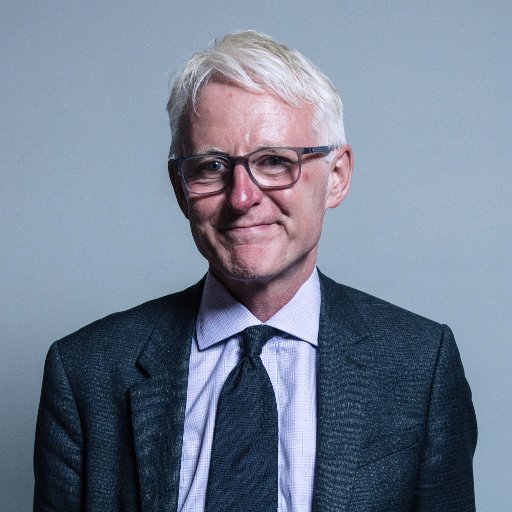
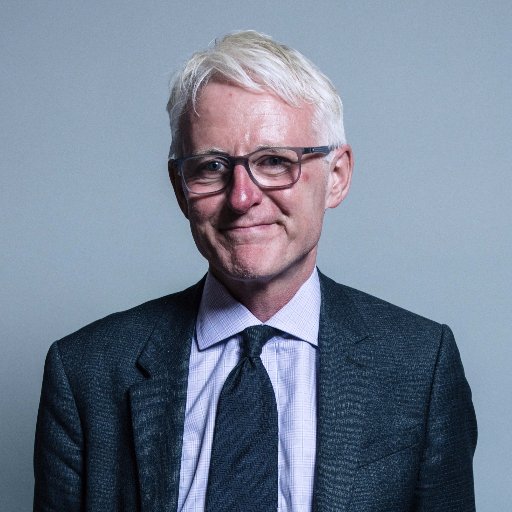
Sir Norman Lamb ” postgraduate knowledge of Whitehall and NHS subterfuge”
What emerged at the hearing centred round an approach to one of Dr Day’s supporters, Sir Norman Lamb. Sir Norman is a former health minister in the coalition and was an MP at the time. He has not held back on his criticism of both the trust and HEE on the way they have treated Dr Day.
Sir Norman has postgrad level of knowledge about the way NHS and Whitehall officials use subterfuge to get their own way. He has hero status in my mind for making sure that an independent panel inquiry into suspicious deaths at Gosport War Memorial Hospital happened after civil servants used the time he was on a French camping holiday with his family to try and annul his decision by getting another minister to put up a written statement in Parliament saying there would be no inquiry.
He found out and blocked it. As a result a thorough investigation by the panel found that no fewer than 456 elderly people had their lives shortened by overprescribing drugs like diamorphine. and it had been covered up by the health trust. As a former member of that panel I am restricted in what I can say about this but this is now the subject of a big police investigation,
In Dr Day’s case Sir Norman had given an interview to the Sunday Telegraph where he accused the trust and HEE of trying to crush Dr Day for his disclosures.
What this week’s tribunal revealed is that the HEE were profoundly disturbed by his comments because it would damage their reputation with junior doctors.
A cache of emails revealed that HEE was discussing ” behind the scenes ” methods -including contacting the General Medical Council – to redress the balance rather than openly criticising Dr Day.
Professor Wendy Reid, medical director at Health Education England
Professor Wendy Reid, medical director of HEE, admitted this was the case but said no action was subsequently taken. But she did correspond with Dr Andrew Frankel suggesting if she was going to meet Sir Norman he ” could give her a tutorial”.
What happened instead was that Dr Andrew Frankel, now a former postgraduate dean at HEE, told the tribunal that he decided off his own bat to approach Sir Norman by asking to meet him and sent him an 11 page document to refute the criticism. Dr Frankel insisted that he had not told anybody that he was doing this, even though he obtained material for his document from the HEE. He admitted that he had acted stupidly in getting personal details about Dr Day from HEE for his report as he knew they would refuse him as an ex employee.
Instead he tried to make out that he was being helpful to Dr Day by discussing this with Sir Norman. When this was put to Dr Day in cross examination by Mr Dijen Basu, QC for HEE, Dr Day flatly denied it.
In extraordinary evidence Dr Frankel insisted he had no role to play that would bring him in contact with HEE though later it was disclosed that in his new job at Imperial College Hospital Health Trust some of his work would bring him into contact with them.
Professor Reid told the tribunal she had been ” flabbergasted and staggered” about what Dr Frankel had done, insisting she knew nothing about the meeting.
But when HEE did find out it remained silent about what happened knowing that the document was favourable to their case. As Andrew Allen, QC for Dr Day said in his summing up:. The document “is repeatedly expressed in a way that presents the report as an HEE position rather than an individual view from Dr Frankel.” Nor did HEE take any action to disavow Dr Frankel when Sir Norman informed them he had received a document from Dr Frankel three months later.
He also said Dr Frankel contradicted himself. He claimed “encyclopaedic knowledge on the case’ but on the other hand he repeatedly said in oral evidence that his knowledge was only about him and his team and the actions they took between June and December 2014.
Even the lawyer for HEE Mr Basu described Dr Frankel’s position as ” devious”.
The tribunal will decide next month. If HEE wins the organisation will no longer be part of Dr Day’s case. If it loses its role will be part of the June hearing.
Please donate to my blog Westminster Confidential toallow me to continue forensicinvestigations.
Last night I did a live stream video for CEDAWinLAW explaining why I am supporting their campaign for a new Women’s Rights Bill to implement properly the UN Convention for the Elimination of all forms of Discrimination against Women which Margaret Thatcher ratified in 1986.
Despite this happening 36 years ago it has still not been properly implemented by the government causing widespread hardship, discrimination and lack of opportunity for millions of women. Recently the UN committee supervising the implementation of the convention has taken the current government to task for its failings though you would not know this from coverage in the mass media.
This to my mind illustrates how marginalised women – particularly elderly and middle aged women – are treated by society.
The good news is that it looks like the Scottish government under Nicola Sturgeon, the Scottish National Party leader, is planning to introduce a new bill of rights for women. She may run into a dispute with the Westminster government which does not want devolved administrations implementing UN conventions until the UK government introduced legislation. At the moment there is no sign of the UK government doing this which is why we need a strong and powerful campaign to get it done.
Please donate to my blog to help me continue my forensic investigationsinto issues of the day.
Last year was the year when Brexit limited the right of millions of people to travel and work across 27 EU countries – ending not only the freedom of movement for people to come to the UK but also go abroad.
The situation has also been made much worse by the global Covid 19 pandemic which saw a huge shutdown across the globe where people could not go on holiday or visit countries for work.
While all this was happening there was an almost unnoticed countervailing trend which is seeing massive new opportunities for the young and tech savvy to leave the UK and the US and work elsewhere.
Countries across Europe and much of the rest of the world are falling over each other to attract bright young entrepreneurial and tech savvy people to come, live and work there with special visas and tax incentives and ignoring normal restrictions – including the new ones imposed by the EU after the UK left – to stop people staying there.
Post Covid 2022 could be the year of the rise of the digital nomad – that young, free wheeling person who with a laptop can run a business anywhere from any country.
This phenomenon was highlighted this weekend on the website Dispatches Europe which has just launched an updated guide to cope with growing number of countries now offering opportunities.
The link to the guide is here. Basically much of Europe is covered plus the range of places goes from the Arctic Circle to the Caribbean.
For the most adventurous the most extraordinary place is Svalbard – a Norwegian island nearer the North Pole than Oslo ! You do not even require a visa to live there -only an address and a job – and you can stay as long as you like. It is cold -in the summer the sun shines for 24 hours a day and it is totally dark all winter. Intriguingly for a place with only 2000 residents it is nearly as diverse as London with 70 different nationalities finding their their way there. Watch the video below and seriously watch out for polar bears.
At the other end of the spectrum is the former Portuguese Cape Verde Islands nearer to the Equator than Lisbon. This year the authorities have released visas to attract Europeans and Americans to go and set up businesses there. just created Remote Working Cabo Verde, a tax exempt digital nomad visa designed to attract 4,000 foreigners, The visa is just 54 Euros valid initially for six months but extendable for up to a year. A video is below.
In the Caribbean visas have been set up for Aruba and Curacao, both self governing parts of the Netherlands and in the EU, the new Republic of Barbados, ( expensive visa costing nearly £1500) Bahamas and further north in Bermuda ( though the latter is aimed at high rollers – they can include staff and chauffeurs- and is expensive). So far 400 have come.
I wrote up a piece on Aruba when I visited it two years ago on a cruise – it is almost in South America as it is only 22 miles from Venezuela. It is a fascinating desert island. The link is here. The only thing you have to beware of is you can occasionally find a boa constrictor in the bath – but Aruba’s pest control are used to dealing with them. ( some foolish person brought them to Aruba and they have escaped and bred)
Curacao promotion aimed at the US market
An even more ambitious digital nomad project is planned for Italy where they have over 2000 ghost villages in the country and want to attract remote workers there- the fund could top 1 million Euros. So far one Tuscan village has jumped the gun- Santa Flora is offering 200 Euros a month rent subsidies for apartments there – and wants people to decide to settle a buy a home. So you can swap our drab winters for vineyards and olive groves.
Other countries planning to attract digital nomads include Spain and Croatia has just started a scheme – allowing you to be based on the Dalmatian coast and able to rent a place for 350 or so Euros a month. The visa is for one year in this EU country and digital nomads are exempt from income tax. They have to earn over $31,514 a year (just under £23,200), to qualify.
Compare all this to London and the UK. The UK does not seem to have any special digital nomad visas relying on a normal visa application to work here. It is regarded as an expensive country, housing costs are through the roof, public transport and fuel is expensive, though its cities are well known for cultural and night life. The best city for a digital nomad is said to be Newcastle-upon-Tune which has a good night life and is cheaper to live than elsewhere.
What seems to be clear from all this is that for many young people – the attraction of all round beach life ( unless you go to Svalbard), cheaper accommodation, combined with high speed internet and for young as opposed to old people, not too expensive health insurance make it a one way bet.
Boris Johnson has made much of claims of ” Global Britain” and the wonderful future he promises all of us. But looking at all these offers abroad I think clever young tech savvy people will see the wonders of a global life and opt to leave the country as soon as possible.
Please donate tomy blog to allow meto continue my investigations.