MP reignites Back to 60’s demand for “full restitution” for 3.8m 50s born women

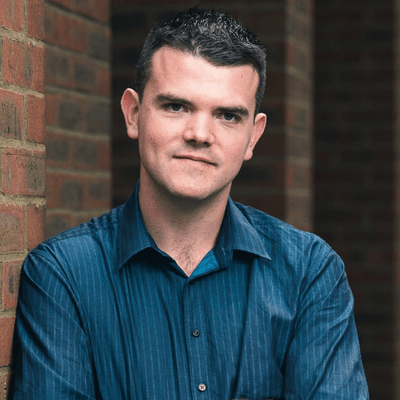
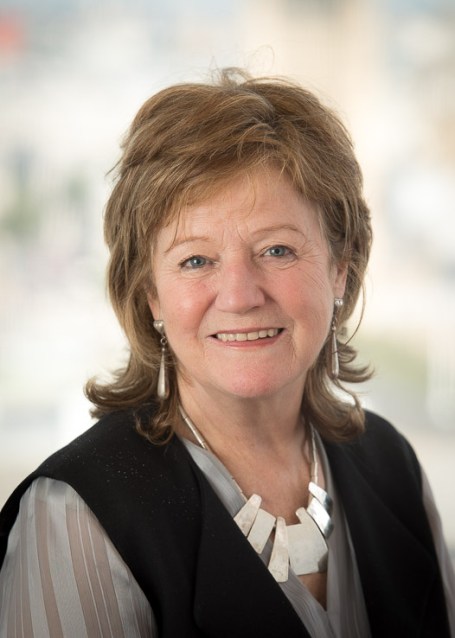
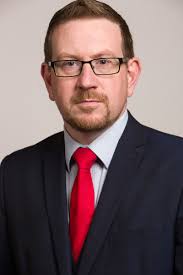
Ian Byrne MP

A Labour MP has tabled a fresh Parliamentary motion backing the case for women born in the 1950s to have repaid all the money they lost by the six year delay in receiving their pension. For some people this could be as high as £50,000.

Ian Byrne, Labour MP for Liverpool, West Derby, tabled the new motion this morning reigniting the issue which the government want dead and buried after the campaign group Back to 60 lost in the Court of Appeal and the Supreme Court refused to hear the case.

The full test of the motion is:

“That this House welcomes the positive interventions from so many hon. Members from across the House on behalf of women born in the 1950s who have lost their pensions; and pays tribute to constituents and campaigners in their ongoing fight for justice; recalls that women born in the 1950s were subject to discriminatory employment and pension laws; recognises that this included being excluded from some pensions schemes; recognises that this had the negative effect for them of losing the opportunity to have the same level of pension as their partner or spouse; further recognises that this has had the consequence of women in this position never being able to have equal pensions to men; further notes that this has negatively and profoundly impacted on them including increased poverty, deteriorating health and homelessness; notes that at least 3.8 million women have been impacted by the loss of their pensions from the age of 60 in three separate age hikes; and calls on the Government to enact a temporary special measure as permitted by international law to provide full restitution to women born in the 1950s who have lost their pensions from the age of 60 because of the impact of the rise in retirement age. “

50s women unjustly treated

While Parliamentary motions are rarely debated publication of this motion acts as a noticeboard to other MPs and ministers that there is a still a very strong feeling in Westminster that the women have been unjustly treated.

It is significant that the motion tells the government that there is a mechanism in Parliament that they can use to implement the change – known as the special temporary measure- which would lead to the women being paid quickly.

It comes at the time when through ill health and Covid 19 some 204,000 women have already died before they get their pensions.

It is also significant as it shows that there are MPs in Parliament who think that the state pension inequality for women all party parliamentary group does not go far enough in redressing the issue. This group, chaired by Labour MP Andrew Gwynne and Tory MP Peter Aldous, has submitted proposals to Robert Behrens, the Parliamentary Ombudsman, asking for him to offer a minimum of £10,000 compensation to the women. This proposal backed by WASPI has two drawbacks. First the Ombudsman has to agree and given his report only found partial maladministration between 1995 and 2010 he may decide not to agree such a high sum. And he has no power to force the government to accept his recommendations beyond shaming them.

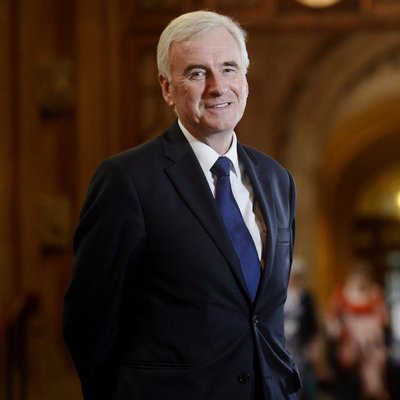
John McDonnell MP

This new motion is backed by 15 MPs including John McDonnell, the former shadow chancellor, and Jeremy Corbyn, the former Labour leader. It is perhaps rather ironic that if Labour had won the last general election compensation might have already agreed as John McDonnell promised a £58 billion pay out to correct the injustice.

Other MPs backing the move include Jim Shannon, the DUP social care and health spokesman, and Labour MPs, Kim Johnson, Beth Winter, Bell Ribeiro-Addy, Zarah Sultana, Ian Mearns, Kate Osborne. Nadia Whittome, Grahame Morris, and Jon Trickett.

Jon Trickett has linked his support to his local Waspi group, showing that they favour full restitution.

The motion also has the support of Wera Hobhouse, Lib Dem spokesperson for Justice and women and equalities, and independent MP Claudia Webb.

Andrew Gwynne MP, joint chair of the state pension inequality for women APPG

UPDATE: Andrew Gwynne, Labour MP and joint chair of the APPG state pension inequality for women, told BackTo 60, he had no objection to MPs from his group signing Ian Byrne’s motion.

He said” I see no conflict between it and the APPG’s submission to the PHSO.”

Nine more MPs have signed the motion including five SNP MPs, Chris Stephens, Glasgow South West; Allan Dorans, Ayr, Carrick and Cumnock and Deidre Brock, Edinburgh North and Leith, Amy Callaghan, East Dumbartonshire and Chris Law, Dundee West. The other three MPs are Labour and SDLP – Dan Carden, Liverpool Walton; Ian Lavery, Wansbeck and Aspana Begum, Poplar and Limehouse, Barry Sheerman, Huddersfield; Sir George Howarth, Knowsley, and Hannah Claire, Belfast South.

In another development the Pensions Reform Alliance and Waspi have said they do not want 50swomen to get full restitution. Members of the Alliance put out misleading information that this Parliamentary motion would somehow influence Robert Behrens, the Parliamentary Ombudsman, from recommending compensation for the 3.8 million women. This is complete nonsense as it would not impinge on anything the Parliamentary Ombudsman would recommend and MPs are entitled to express their opinions.

Please donate to my blog to allow me to continue my forensic investigations

One-Time
Monthly
Yearly

Make a one-time donation

Make a monthly donation

Make a yearly donation

Choose an amount

£5.00
£10.00
£20.00
£3.00
£9.00
£60.00
£3.00
£9.00
£60.00

Or enter a custom amount

£

Your contribution is appreciated.

Your contribution is appreciated.

Your contribution is appreciated.

DonateDonate monthlyDonate yearly

Please donate to westminster Confidential

£10.00

MPs demand full restitution for all pensioners hit by “shambles” of underpayments to over 134,000 people

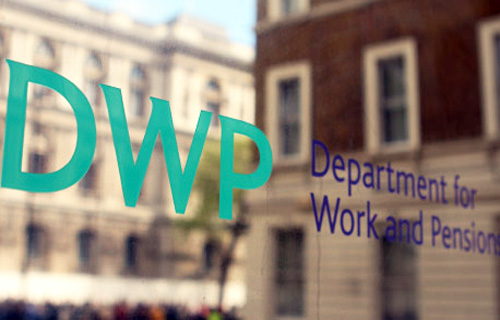
A truly damning report by MPs on the Commons Public Accounts Committee today castigates the Department for Work and Pensions for running an “unfit for purpose” system to pay pensions to more than 12 million people.

The scandal of 134,000 pensioners being underpaid by around £1 billion dates back over 37 years and a number have already died before they could receive the money. The MPs say: “The errors happened because of the Department’s use of outdated systems and heavily manual processing, coupled with complacency in monitoring errors and a quality assurance framework that is not fit for purpose.”

The report says: “Managing Public Money requires Departments who make mistakes to put them right and restore people as far as possible to the situation they would have been in had the error not occurred. However, the Department is seeking only to pay people their legal entitlement in arrears, in some cases many years after the event, and has treated people inconsistently in paying interest on their arrears.”

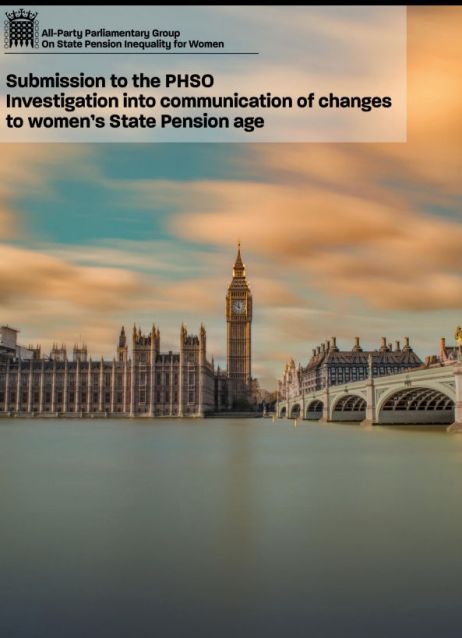
The APPG report sent to Rob Behrens, the Parliamentary Ombudsman

Meanwhile another report from the All Party Parliamentary Group On State Pension Equality for Women submitted to Rob Behrens, the Parliamentary Ombudsman, on behalf of 3.8 million women who have faced delays of up to six years before receiving their pension falls short of asking for full restitution for the women.

Instead it is asking the Parliamentary Ombudsman to recommend that the women should receive a minimum of £10,000 each because of heartrending stories of poverty and hardship.

“Women have had their emotional, physical, and mental circumstances totally obliterated by a lack of reasonable notice. These impacts must be addressed, if we are to reach any kind of conclusion regarding this injustice”, it says.

The proposal is far better than the unspecified figure by the same committee prior to the 2019 election but falls substantially short for people who have lost £40,000 to £50,000 by the DWP refusing to entertain any payment at all.

The Public Accounts Committee report on the pensions underpayments is unflinching in its criticism of the DWP. It points out that 40,000 of those owed money are now dead adding:”94,000 pensioners are estimated to be alive, which represents approximately 0.9% of those currently claiming the pre-2016 basic State Pension.

These official errors affect pensioners who first claimed State Pension before April 2016 and who do not have a full National Insurance record or who should have inherited additional entitlement from their deceased partner.

90 per cent of the people hit by underpayments are women

Around 90% of the pensioners underpaid are women because of the types of State Pension claim affected. The Department does not expect to trace over 15,000 of the affected pensioners or their next of kin where the pensioner is deceased. On average, the Department estimates that the approximately 118,000 pensioners it can trace could receive payments averaging around £8,900 by the time the payments are made. So far, the Department has found underpayments of between £0.01 and £128,448.37.”

The report goes on:” The Department has not given people who are worried they have been underpaid enough information to find out what they should do, with the risk that many may still miss out on money they should receive.

” The Department’s communications strategy is to only contact those who it finds have been underpaid under the State Pension regulations. Other groups of pensioners can receive arrears if they make
a claim for additional entitlements to the Department, but the Department has provided very little information on which pensioners should do so.”

The report also points out that by repaying the money as a lump sum people means it could affect other benefits – such as entitlement to pension credit and social care payments. The DWP ignores doing anything about this.

Dame Meg Hillier, chair of the PAC, said: “In reality DWP can never make up what people have actually lost, over decades, and in many cases it’s not even trying.

Both the latest reports are damning for the Department and show up the disdain the ministry has for elderly people. The Public Accounts Committee report is the most damning as it suggests that the ministry is breaking Treasury guidelines on managing public money correctly by not taking comprehensive action to restore the rights of people – nearly all women – to get cash they are entitled to receive.

Please donate to my blog to help me continue my forensic investigations.

One-Time
Monthly
Yearly

Make a one-time donation

Make a monthly donation

Make a yearly donation

Choose an amount

£5.00
£10.00
£20.00
£3.00
£9.00
£60.00
£3.00
£9.00
£60.00

Or enter a custom amount

£

Your contribution is appreciated.

Your contribution is appreciated.

Your contribution is appreciated.

DonateDonate monthlyDonate yearly


Please donate to Westminster Confidential

£10.00
The curious tale of the NHS dean, the MP and the whistleblower doctor

Dr Chris Day

This week a mundane employment tribunal hearing revealed an extraordinary tale of subterfuge, cover up and denial in the hidden bureaucracy of the National Health Service.

The hearing was yet another in the long run saga of the case of Dr Chris Day, a plucky young doctor who has taken on the NHS establishment over a very important issue of patient safety and is still in the middle of an eight year battle with the authorities. The legal bill to taxpayers from the NHS to pay for this long battle is now is likely to rise to close to a £1 million.

The story began in August 2013 when Chris Day, a junior doctor initially complained about inadequate staffing. It got worse in January 2014 when he was working overnight in the intensive care unit at Queen Elizabeth hospital in Woolwich when two locum doctors failed to show up. He had to cover other wards and A&E and reported his concerns to managers. He saw this as putting patients in such a sensitive area at serious risk.

What followed was not moves to put this right by the Lewisham and Greenwich NHS Trust and Health Education England, which has a responsibility for employing junior doctors, but a state of denial which ended up at the High Court and the Court of Appeal and a long delayed employment tribunal hearing. At one stage Mr Day,a married doctor with a young family, says he had to settle because the NHS threatened him with huge legal bills which could have bankrupted him. Both the HEE and the Trust have publicly denied doing this.

However at a new hearing it turned out that the NHS Trust had withheld crucial documents – which should have been declared in a previous hearing – and he won his case for a fresh hearing which is scheduled to take place next June.

Health Education England ” misled the public, press, MPs and officials”

The grounds for the new hearing is essentially as Dr Day says” that Lewisham and Greenwich NHS Trust and Health Education England have objectively misled the public, press, several MPs and public officials on my case and how it settled in 2018. I say this is in order to smear and discredit me and the patient safety issues that I raised.  The Trust have then failed to disclose 18 letters in their Tribunal standard disclosure that their CEO sent to local MPs and public officials with this misleading content in.”

This week’s hearing was centred round the role of Health Education England. This body is reviving a claim – which it conceded last time at the last minute – that it has nothing to do with his case. Its first attempt was to claim it didn’t employ junior doctors. The new attempt at avoiding involvement is to claim that one of the principal figures involved in the case Dr Andrew Frankel is no longer employed by them so HEE now has nothing to do with it.

Dr Day said: “HEE are arguing because this person is now no longer in post as Post Graduate Dean they are no longer responsible for him. They are doing this even though he was clearly in communication with the top of HEE and assisting them with various functions, since leaving his Post Graduate Dean post in 2018. We say he was an agent of HEE and they are still responsible.”

Sir Norman Lamb ” postgraduate knowledge of Whitehall and NHS subterfuge”

What emerged at the hearing centred round an approach to one of Dr Day’s supporters, Sir Norman Lamb. Sir Norman is a former health minister in the coalition and was an MP at the time. He has not held back on his criticism of both the trust and HEE on the way they have treated Dr Day.

Sir Norman has postgrad level of knowledge about the way NHS and Whitehall officials use subterfuge to get their own way. He has hero status in my mind for making sure that an independent panel inquiry into suspicious deaths at Gosport War Memorial Hospital happened after civil servants used the time he was on a French camping holiday with his family to try and annul his decision by getting another minister to put up a written statement in Parliament saying there would be no inquiry.

He found out and blocked it. As a result a thorough investigation by the panel found that no fewer than 456 elderly people had their lives shortened by overprescribing drugs like diamorphine. and it had been covered up by the health trust. As a former member of that panel I am restricted in what I can say about this but this is now the subject of a big police investigation,

In Dr Day’s case Sir Norman had given an interview to the Sunday Telegraph where he accused the trust and HEE of trying to crush Dr Day for his disclosures.

What this week’s tribunal revealed is that the HEE were profoundly disturbed by his comments because it would damage their reputation with junior doctors.

A cache of emails revealed that HEE was discussing ” behind the scenes ” methods -including contacting the General Medical Council – to redress the balance rather than openly criticising Dr Day.

Professor Wendy Reid, medical director at Health Education England

Professor Wendy Reid, medical director of HEE, admitted this was the case but said no action was subsequently taken. But she did correspond with Dr Andrew Frankel suggesting if she was going to meet Sir Norman he ” could give her a tutorial”.

What happened instead was that Dr Andrew Frankel, now a former postgraduate dean at HEE, told the tribunal that he decided off his own bat to approach Sir Norman by asking to meet him and sent him an 11 page document to refute the criticism. Dr Frankel insisted that he had not told anybody that he was doing this, even though he obtained material for his document from the HEE. He admitted that he had acted stupidly in getting personal details about Dr Day from HEE for his report as he knew they would refuse him as an ex employee.

Instead he tried to make out that he was being helpful to Dr Day by discussing this with Sir Norman. When this was put to Dr Day in cross examination by Mr Dijen Basu, QC for HEE, Dr Day flatly denied it.

In extraordinary evidence Dr Frankel insisted he had no role to play that would bring him in contact with HEE though later it was disclosed that in his new job at Imperial College Hospital Health Trust some of his work would bring him into contact with them.

Professor Reid told the tribunal she had been ” flabbergasted and staggered” about what Dr Frankel had done, insisting she knew nothing about the meeting.

But when HEE did find out it remained silent about what happened knowing that the document was favourable to their case. As Andrew Allen, QC for Dr Day said in his summing up:. The document “is repeatedly expressed in a way that presents the report as an HEE position rather than an individual view from Dr Frankel.” Nor did HEE take any action to disavow Dr Frankel when Sir Norman informed them he had received a document from Dr Frankel three months later.

He also said Dr Frankel contradicted himself. He claimed “encyclopaedic knowledge on the case’ but on the other hand he repeatedly said in oral evidence that his knowledge was only about him and his team and the actions they took between June and December 2014.

Even the lawyer for HEE Mr Basu described Dr Frankel’s position as ” devious”.

The tribunal will decide next month. If HEE wins the organisation will no longer be part of Dr Day’s case. If it loses its role will be part of the June hearing.

Please donate to my blog Westminster Confidential to allow me to continue forensic investigations.

One-Time
Monthly
Yearly

Make a one-time donation

Make a monthly donation

Make a yearly donation

Choose an amount

£5.00
£10.00
£20.00
£3.00
£9.00
£60.00
£3.00
£9.00
£60.00

Or enter a custom amount

£

Your contribution is appreciated.

Your contribution is appreciated.

Your contribution is appreciated.

DonateDonate monthlyDonate yearly

Please donate to Westminster Confidential

£10.00
Why I am backing a women’s Bill of Rights

Last night I did a live stream video for CEDAWinLAW explaining why I am supporting their campaign for a new Women’s Rights Bill to implement properly the UN Convention for the Elimination of all forms of Discrimination against Women which Margaret Thatcher ratified in 1986.

Despite this happening 36 years ago it has still not been properly implemented by the government causing widespread hardship, discrimination and lack of opportunity for millions of women. Recently the UN committee supervising the implementation of the convention has taken the current government to task for its failings though you would not know this from coverage in the mass media.

This to my mind illustrates how marginalised women – particularly elderly and middle aged women – are treated by society.

The good news is that it looks like the Scottish government under Nicola Sturgeon, the Scottish National Party leader, is planning to introduce a new bill of rights for women. She may run into a dispute with the Westminster government which does not want devolved administrations implementing UN conventions until the UK government introduced legislation. At the moment there is no sign of the UK government doing this which is why we need a strong and powerful campaign to get it done.

Please donate to my blog to help me continue my forensic investigations into issues of the day.

One-Time
Monthly
Yearly

Make a one-time donation

Make a monthly donation

Make a yearly donation

Choose an amount

£5.00
£10.00
£20.00
£3.00
£9.00
£60.00
£3.00
£9.00
£60.00

Or enter a custom amount

£

Your contribution is appreciated.

Your contribution is appreciated.

Your contribution is appreciated.

DonateDonate monthlyDonate yearly

donate to Westminster Confidential

£10.00
Tech Savvy – Will Travel: The rise of the digital nomad

Digital Nomad pic credit: Wikipedia

Last year was the year when Brexit limited the right of millions of people to travel and work across 27 EU countries – ending not only the freedom of movement for people to come to the UK but also go abroad.

The situation has also been made much worse by the global Covid 19 pandemic which saw a huge shutdown across the globe where people could not go on holiday or visit countries for work.

While all this was happening there was an almost unnoticed countervailing trend which is seeing massive new opportunities for the young and tech savvy to leave the UK and the US and work elsewhere.

Countries across Europe and much of the rest of the world are falling over each other to attract bright young entrepreneurial and tech savvy people to come, live and work there with special visas and tax incentives and ignoring normal restrictions – including the new ones imposed by the EU after the UK left – to stop people staying there.

Post Covid 2022 could be the year of the rise of the digital nomad – that young, free wheeling person who with a laptop can run a business anywhere from any country.

This phenomenon was highlighted this weekend on the website Dispatches Europe which has just launched an updated guide to cope with growing number of countries now offering opportunities.

The link to the guide is here. Basically much of Europe is covered plus the range of places goes from the Arctic Circle to the Caribbean.

For the most adventurous the most extraordinary place is Svalbard – a Norwegian island nearer the North Pole than Oslo ! You do not even require a visa to live there -only an address and a job – and you can stay as long as you like. It is cold -in the summer the sun shines for 24 hours a day and it is totally dark all winter. Intriguingly for a place with only 2000 residents it is nearly as diverse as London with 70 different nationalities finding their their way there. Watch the video below and seriously watch out for polar bears.

At the other end of the spectrum is the former Portuguese Cape Verde Islands nearer to the Equator than Lisbon. This year the authorities have released visas to attract Europeans and Americans to go and set up businesses there. just created Remote Working Cabo Verde, a tax exempt digital nomad visa designed to attract 4,000 foreigners, The visa is just 54 Euros valid initially for six months but extendable for up to a year. A video is below.

In the Caribbean visas have been set up for Aruba and Curacao, both self governing parts of the Netherlands and in the EU, the new Republic of Barbados, ( expensive visa costing nearly £1500) Bahamas and further north in Bermuda ( though the latter is aimed at high rollers – they can include staff and chauffeurs- and is expensive). So far 400 have come.

I wrote up a piece on Aruba when I visited it two years ago on a cruise – it is almost in South America as it is only 22 miles from Venezuela. It is a fascinating desert island. The link is here. The only thing you have to beware of is you can occasionally find a boa constrictor in the bath – but Aruba’s pest control are used to dealing with them. ( some foolish person brought them to Aruba and they have escaped and bred)

Curacao promotion aimed at the US market

An even more ambitious digital nomad project is planned for Italy where they have over 2000 ghost villages in the country and want to attract remote workers there- the fund could top 1 million Euros. So far one Tuscan village has jumped the gun- Santa Flora is offering 200 Euros a month rent subsidies for apartments there – and wants people to decide to settle a buy a home. So you can swap our drab winters for vineyards and olive groves.

Other countries planning to attract digital nomads include Spain and Croatia has just started a scheme – allowing you to be based on the Dalmatian coast and able to rent a place for 350 or so Euros a month. The visa is for one year in this EU country and digital nomads are exempt from income tax. They have to earn over $31,514 a year (just under £23,200), to qualify.

Compare all this to London and the UK. The UK does not seem to have any special digital nomad visas relying on a normal visa application to work here. It is regarded as an expensive country, housing costs are through the roof, public transport and fuel is expensive, though its cities are well known for cultural and night life. The best city for a digital nomad is said to be Newcastle-upon-Tune which has a good night life and is cheaper to live than elsewhere.

What seems to be clear from all this is that for many young people – the attraction of all round beach life ( unless you go to Svalbard), cheaper accommodation, combined with high speed internet and for young as opposed to old people, not too expensive health insurance make it a one way bet.

Boris Johnson has made much of claims of ” Global Britain” and the wonderful future he promises all of us. But looking at all these offers abroad I think clever young tech savvy people will see the wonders of a global life and opt to leave the country as soon as possible.

Please donate to my blog to allow me to continue my investigations.

One-Time
Monthly
Yearly

Make a one-time donation

Make a monthly donation

Make a yearly donation

Choose an amount

£5.00
£10.00
£20.00
£3.00
£9.00
£60.00
£3.00
£9.00
£60.00

Or enter a custom amount

£

Your contribution is appreciated.

Your contribution is appreciated.

Your contribution is appreciated.

DonateDonate monthlyDonate yearly

please donate to westminster confidential

£10.00

My blog in 2021: The year the number of hits reached three million

London fireworks ushering in the New Year. Pic credit: BBC

Happy New Year to all my readers and followers.

This year my blog hit another milestone since it was launched in 2009 after I left the Guardian . The number of hits on the site topped three million – 3,113, 413 to be exact.

Last year this blog received 286,840 hits and over 203,000 visitors. This is smaller than the previous year but still a substantial number for a single handed blog. It is also the year when I started to solicit donations for my investigative work and I have now received close to £2000 in four months.

Part of the reason for the drop is that Back to 60 campaign which I still support has now morphed into a broader campaign – CEDAWinLAW- which people have needed time to get their heads round. Back to 60 was a simple single issue campaign concentrating on getting full restitution for 3.8 million 50s born women who have had to wait up to six years for their pension. Now it has changed into a much bigger campaign covering ALL discrimination against women based on a UN convention which we ratified in 1986 but have never fully implemented- the UN Convention on Eliminating All forms of Discrimination Against Women.

CEDAW tribunal last year attracted a lot of interest

This is now making its mark – two of my highest blogs hits last year- relate to the new CEDAW campaign getting 6500 and over 8,800 each.

The top blog came from a tip off from a reader, Rosie Brocklehurst, who received a threatening letter from the Department for Work and Pensions as part of an anti-fraud exercise to gather information from pensioners. The top line was : ““If you fail to be available for this review and do not contact me, your entitlement to State Pension may be in doubt and your payments may be stopped. ( Bold type my emphasis). This had 25,652 hits.

The second highest at 20,643 came from a 50s woman whose Freedom of Information request revealed the Department for Work and Pensions had never conducted an impact assessment on the effects of raising the pension age for women from 60 to 66.

One older blog which exposed the huge £271 billion savings made by successive governments putting money into the national insurance fund made the top ten blogs – adding another 9828 hits – taking it to an astonishing 331,000 hits since it was published.

Rob Behrens – Parliamentary Ombudsman. His report findings leaked.

One controversial blog leaking the maladministration findings of the Parliamentary Ombudsman’s draft report on 50s women over the raising of the pension age had 9,688 hits. Senior members of the WASPI campaign who knew this wanted me to take it down for fear the Ombudsman would change his mind. This turned out to be groundless and a lot of people were given advance warning.

More next year on Whistleblowers

Next year as well as following through CEDAW, keeping an eye on pension developments, I will also be taking up more and more whistleblower cases -involving doctors in the NHS, Sellafield and other areas. One case I took up last year was the plight of Dr Usha Prasad, a cardiologist who has been dismissed by Epsom and St Helier University Health Trust after exposing an avoidable death there. The combined blogs in her case have topped over 8000 hits. Expect more of this.

Global reach of the blog

An analysis by WordPress shows that my blog has a very big UK audience – over 264,000 hits out of the 286,840 last year – with the remaining 22.700 coming from overseas. Biggest overseas hits were from the United States ( 6821), Spain (3071) and the Republic of Ireland ( 2143). But on a much smaller scale it also has a global reach covering almost every country in the world, including hits from the Marshall Islands, Greenland, Russia, China, India, Mauritius and nearly every country in South America, Asia and Africa plus Canada, Australia and New Zealand and the whole of Europe.

Next year will be challenging – I already have enough new stories to investigate -plus a some long term investigations which take a while to come to fruition. Please continue to donate to my blog to keep my investigations going.

One-Time
Monthly
Yearly

Make a one-time donation

Make a monthly donation

Make a yearly donation

Choose an amount

£5.00
£10.00
£20.00
£3.00
£9.00
£60.00
£3.00
£9.00
£60.00

Or enter a custom amount

£

Your contribution is appreciated.

Your contribution is appreciated.

Your contribution is appreciated.

DonateDonate monthlyDonate yearly

Please donate to Westminster Confidential

£10.00
New rip off scandal by the Treasury could lead to hundreds of thousands of young mothers and grandparents without a full state pension

George Osborne speaking at the 2013 Global Investment Conference where he boasted of the savings he made by raising the pension age

The government is once again going to save hundreds of millions of pounds in future pensions bills by keeping young mothers and caring grandparents ignorant of the consequences of a law change that came into force when George Osborne was Chancellor of the Exchequer.

For once the Department of Works and Pensions is not behind these savings. Instead it is HM Treasury via HM Revenue and Customs. And the way the government is getting away with this would not be obvious to anyone unless they had an encyclopedic knowledge of social security regulations.

When a young mother is giving birth to a new born probably the last thing on her mind is whether she will get a decent pension. Yet laws introduced in 2013 which reformed and effectively ended child benefit as a universal benefit have had an extraordinary hidden knock on effect on individual pensions that will be paid out in 40 to 50 years time. It also hit home much earlier for caring grandparents who took on child care responsibilities – the very group of 50s women who have already lost tens of thousands of pounds by the raising of the pension age from 60 to 66.

The law change introduced by George Osborne after his 2012 budget was to stop paying child benefit to people whose individual income exceeded £50,000-£59,000. Those who were already receiving child benefit and didn’t know about the change or didn’t tell the Inland Revenue were hit with stiff fines.

As a result mothers who were aware of this widely advertised change didn’t put in a claim. What they didn’t realise is without a claim for a benefit that would be denied – they would also lose their national insurance credits while they brought up a young family. This can make a huge difference to the amount of state pension they can claim decades later.

There was a double whammy in all this which hits home much sooner. Grandparents and other close relatives who were happy to help with childcare for a struggling young family are entitled to additional credits on their final pension called Specified Adult Childcare Credits. But if their daughters haven’t registered for child benefit they get nothing.

Both groups get nothing

If either group suddenly finds this out all they are entitled to is just three months national insurance credits- even if it is years in arrears.

Now if you think this all sounds rather fanciful all this information is taken from a bundle of documents prepared for an appeal to a tribunal to take place next year. The case is being bought by grandparent Judy Lynch from Harrow in north London, a woman born in the 1950s who has already lost £40,000 in back pension by the raising of the pension age from 60 to 66 and stands to lose another £800 a year from this law change. Her NI credits were five years short of getting a full pension. Her case was highlighted in The Times by journalist David Byers recently.

She has written to the tribunal to tell them her daughter did not claim child benefit in 2016 precisely because she knew she would not get it. But the form contains no information that she would lose national insurance credits towards her pension nor has she ever received a letter telling her the consequences of her decision. Nor is it made clear that if grandparents helped her with the childcare that they would not be able to claim additional national insurance credits.

George Osborne has managed to get away with this for at least six years before MPs in a Westminster Hall debate in the Commons caught up with it. When they did the then financial secretary of the Treasury came in for strong criticism from all parties including a Tory backbencher, Craig Mackinley. He attacked the system.

He said: “There is no withdrawal of child benefit for a couple both earning £50,000—the high income child benefit tax charge does not apply, even though the family income is a generous £100,000. In another family, in which only one parent is working and earning, say, £60,000, and the other is not working, there would be a full claw-back of the child benefit given.”

Alison Thewliss, SNP MP for Glasgow Central

The severest critic was Alison Thewliss, SNP MP for Glasgow Central : “Organisations such as the Women’s Budget Group have long argued that the UK Government’s approach to balancing the books is gendered and does not stand up to the most rudimental scrutiny from an equality perspective. This policy is a key example of that. Budgets and spending reviews come and go, but we are yet to see any real strategic direction in tackling gender inequality.”

“The notion that a woman has to know her partner’s intimate financial details is quite unusual. My husband and I have separate bank accounts. I have no idea what he earns, but I was expected to phone up and give intimate details to someone over the phone. That will be all the more difficult for a woman in a situation of financial coercive control, and it will give the male parent a huge amount of control.”

Anneliese Dodds, then Labour’s shadow Treasury spokesperson said:” New research on the high-income child benefit charge indicates that much larger numbers of people are being drawn into the system than were initially. The Institute for Fiscal Studies indicated that since the £50,000 threshold has not shifted upwards, about 36% more people— 370,000 more families— will lose child benefit in 2019-20 than in 2013-14.”
The government of course denied that it was targeting women again.

Jesse Norman said: “The hon. Member for Glasgow Central said that the charge is a gendered policy. I do not think that is true at all, and many other aspects of Government policy do not reflect anything like that position, as she will be aware. For example, there is extensive work in supporting women as entrepreneurs and women in business.”

Liz Truss the women’s and equalities minister

More recently, Liz Truss, who is also women’s and equalities minster, has backed this up claiming that women affected have plenty of time to make up lost national insurance credits to get a full pension.

There is one other twist to this story. The government has part privatised the handing out of child benefit forms to a private company, Bounty Joy Ltd. This firm gives out vouchers to women in maternity wards and child benefit claim forms. The firm has one director Alan Chan, a Canadian resident in the United States. He has a correspondence address in Stevenage, Hertfordshire and employs 19 people to cover England. The company has yet to produce a single account. I think this may have to be the subject of another investigation.

In the meantime lots of people are having to put up with yet another sleight of hand by Conservative ministers so they can hide savings. Again women are the main losers. And George Osborne has form on this. After all it was he who boasted in 2013 at a global finance conference talking about the raising of the pension age :“I’ve found it one of the less controversial things we’ve done and probably saved more money than anything else we’ve done.”

Gareth Thomas MP : condemned the government over this

Gareth Thomas Labour MP for Harrow West and her local MP, who has already written to HMRC and the DWP about this and now intends to raise the issue again in Parliament. He described the revelations about the arrangements as ” scandalous” for both young mothers and grandmothers also condemning the privatisation of benefit advice to young mothers when they are ” at their most vulnerable.”

He attacked the government’s decision not to disclose to people that could lose national insurance credits by not applying for child benefit in the forms available at hospitals and is to press ministers to change the policy on this and the system which means mothers and grandmothers can’t get back most of the credits if they later find out.

Please donate to my blog to continue my forensic investigations

One-Time
Monthly
Yearly

Make a one-time donation

Make a monthly donation

Make a yearly donation

Choose an amount

£5.00
£10.00
£20.00
£3.00
£9.00
£60.00
£3.00
£9.00
£60.00

Or enter a custom amount

£

Your contribution is appreciated.

Your contribution is appreciated.

Your contribution is appreciated.

DonateDonate monthlyDonate yearly

donate to westminster confidential

£10.00

Thank you for your support and a Merry Christmas and a Happy New Year

Merry Christmas background with golden gift. Pic credit: Marco Verch Professional Photographer via Creative Commons

This is to say thank you to my readers who have followed and supported my blog over the last year.

Since I asked for donations in September I have received well over £1900 from supporters which has been very heartening for me. It is great to know my work is appreciated and I am absolutely delighted to get such support from so many readers. Thank you again.

I will be continuing my forensic work on this blog next year and you can also follow my stories on @BylineTimes which is well worth a subscription as the website and the paper have brilliant writers and investigative journalism that you don’t see in mainstream media.

Never more has there been a need for investigative journalism to keep this government under scrutiny and also to follow up what is happening behind the scenes in Whitehall, the National Health Service and some very serious individual cases where people are being shabbily treated by the state, the NHS and private industry. And to investigate thoroughly it needs persistence as these institutions prefer you to go away. I will be writing a review of the last year after Christmas.

In the meantime despite the pandemic have a lovely Christmas and here’s hope for a much better New Year.

Please continue to support my blog and my investigative work.

One-Time
Monthly
Yearly

Make a one-time donation

Make a monthly donation

Make a yearly donation

Choose an amount

£5.00
£10.00
£20.00
£3.00
£9.00
£60.00
£3.00
£9.00
£60.00

Or enter a custom amount

£

Your contribution is appreciated.

Your contribution is appreciated.

Your contribution is appreciated.

DonateDonate monthlyDonate yearly

Please donate to Westminster Confidential

£10.00

Finally shopworkers to get more protection: Tougher law for those who attack them

In the dying days of last week’s Parliament the government finally quietly agreed that shopworkers alongside other workers who serve the public should get greater protection from abusive customers.

USDAW campaign poster

Ministers are using the Police, Crime and Sentencing Bill to make it an aggravated offence to assault or abuse people who are serving the public. At present it is up to the judges’ discretion whether it is under the present sentencing guidelines.

It follows years of campaigning by USDAW, the retail workers union, to get more protection for shopworkers and growing evidence, sadly, of more violence, abuse and threats, from customers to staff.

The government chose the House of Lords to amend the bill last Wednesday night.

Baroness Williams., minister of state at the Home Office: Official portrait

Baroness Williams of Trafford, a junior home office minister, said: “The amendment places in statute the aggravating factor applied by the courts in cases of assault where an offence is committed against those providing a public service, performing a public duty or providing a service to the public.

…..”This includes assault occasioning actual bodily harm, wounding with intent to cause grievous bodily harm, malicious wounding and threats to kill, as well as an inchoate offence in relation to any of these offences. These are the assault offences most likely to be experienced by front-line workers. Importantly, the provision also allows the court to apply the aggravating factor to any other offence, where the court considers this factor relevant.”

“This amendment will reinforce in statute the seriousness with which the courts should treat these offences. It will send a very strong signal to the public that assaults of this kind are totally unacceptable. The Government want to ensure that all those who serve the public can feel protected from abuse when working.”

Baroness Trafford added: “

“During the pandemic we have all seen some appalling stories of how shop workers have been treated. USDAW has been really good in standing up to that.

I pay tribute to John Hannett, the former general secretary of USDAW, to Paddy Lillis, the present general secretary, to the staff and to the many hundreds of thousands of USDAW members who have not let this issue rest. I also pay tribute to some really good employers, the supermarkets that understand the problems their staff have. The Co-op, Tesco and many others have stood up and backed the union and its members. This amendment has also been led by the work of Daniel Johnson MSP in Scotland. He got his Private Member’s Bill through last year. “

Lord Vernon Coaker, official portrait

The move was welcomed by all peers include Lord Coaker, who as Vernon Coaker was Labour MP for Gedling in Nottinghamshire, and an USDAW member, who proposed a specific offence to protect shopworkers resulting in one year’s imprisonment.

The union itself described it as ” a step in the right direction” after years of campaigning for it.

Former Tory minister Baroness Neville-Rolfe said: ” That is against a background of 455 security incidents a day, according to the BRC,[British Retail Consortium] and very few prosecutions.

Inadequate police response

“The police response to these incidents has historically been inadequate. We need to ensure that the police have the right resources and can put a higher priority on prosecuting these retail crimes. This is particularly important given the role of retail workers in enforcing Covid restrictions such as masks, but also in addressing knife crime and shoplifting23>

She succeeded, in getting a promise from the minister to review how the new measures were working in a year’s time.

This was backed up by Lord Dholakia, a Liberal democrat peer, who said: “forces such as Thames Valley Police inform local shops that they will not send out officers to deal with shoplifters who steal less than £100-worth of goods. How can this foster trust and build confidence? It cannot; it means that many businesses feel as if they are alone in this fight—a fight that is a risk to their very business.”

Natalie Bennett Green P:arty peer

Green Party peer Baroness Natalie Bennett also pressed the minister whether the change in the law would cover threats over the phone or on line. The minister thought it would.

One extraordinary omission in this debate was any reference to the fact that Therese Coffey, the work and pensions secretary, is about to submit an application from the United Kingdom to ratify the International Labour Organisation’s new convention outlawing violence and harassment at work.

This change in the law speaks directly to both the spirit and letter of the new convention and will certainly be used as an example that the UK is complying with it. Yet it seemed to have passed ministers and peers by. Perhaps this government is so disjointed that Therese Coffey has not talked about it with Priti Patel, the home secretary. Given all the furore on everything else perhaps she forgot to tell her.

Please donate to Westminster Confidential to allow me to continue my forensic investigations.

One-Time
Monthly
Yearly

Make a one-time donation

Make a monthly donation

Make a yearly donation

Choose an amount

£5.00
£10.00
£20.00
£3.00
£9.00
£60.00
£3.00
£9.00
£60.00

Or enter a custom amount

£

Your contribution is appreciated.

Your contribution is appreciated.

Your contribution is appreciated.

DonateDonate monthlyDonate yearly

Please donate to Westminster Confidential

£10.00
Exclusive: Three year cover up of avoidable heart patient death at Epsom and St Helier Health Trust revealed at employment tribunal

Cardiologist Dr Richard Bogle admits trust should have told the coroner and the Care Quality Commission about the death at the time

Former consultant also says old X ray machines at Epsom Hospital put staff and patients at risk from radiation when they are fitted with pacemakers

Dr Richard Bogle, the former head of the cardiology department at the Epsom and St Helier University health trust, admitted to an employment tribunal that the trust should have reported the death of a 76 year old heart patient to the Coroner and the Care Quality Commission three years ago.

The doctor under cross examination from barrister Matt Jackson described the death as “tragic ” and admitted the trust should have informed both the coroner and the CQC. He said that although he was on ward duty he did not know anything about the patient and ” couldn’t have been expected to know about all the patients at St Helier hospital.”

The details came out at a recent tribunal hearing under Judge Anthony Hyams-Parish, brought by Dr Usha Prasad, a cardiologist who has been dismissed by the trust even though the General Medical Council has exonerated and re-validated her as “fit to practice” medicine. She decided to make two protected disclosures under the Whistleblowers Act after the trust covered up her findings on the death. You can read a series of previous articles on this blog about the battle Dr Prasad has had with senior staff at the trust.

The disturbing case of patient Mr P

The patient known as Mr P was admitted in August 2018.Dr Prasad’s witness statement said :”He died of heart failure on 5 September 2018 having been previously admitted from 5 to 15 of August to Ward 6 which is a ward run by cardiology and respiratory medicine at St Helier hospital. Mr P had been admitted with breathlessness and diagnosed with pneumonia. However, an echocardiogram had been ordered by Dr Foran (Cardiologist) which showed evidence of “severely impaired left ventricular systolic function…. [with a] drop in left ventricular function since last scan, previously mildly impaired.” The echocardiogram was performed when Dr Richard Bogle was assigned to the ward and the results could not have been known by Dr Foran. The pneumonia was successfully treated by the respiratory physicians and Mr P was discharged after about 10 days. The echocardiogram had shown signs of severe left ventricular failure but the results were not recognised by the chest physicians or cardiologists on the ward. The patient was discharged after having largely recovered from the pneumonia during his first admission and then was readmitted on 4 September with severe left ventricular failure from which he died shortly afterwards on 5 September 2018. The certified cause of death was heart failure.”

Dr Usha Prasad

Dr Prasad was assigned by Dr James Marsh, the medical director to write up a report on the patient’s death. Her conclusion was that it was a Serious Untoward Incident Level 5 – that is the hospital caused severe harm to the patient leading to his death. This would lead to a report to the coroner and the CQC. The coroner could look at how the patient died and the issues surrounding it to help prevent other deaths.

What followed were attempts by other senior consultants to water down the report and delay its completion which Dr Prasad refused to do. Those involved in this exercise included Mr Karim Bunting, the quality manager at the trust and Dr Simon Winn, Clinical Director for Acute and General Medicine, She was asked to make the report in her words “inaccurate” and Dr Winn drafted an alternative version. He accepted that a serious mistake had been made by not recognising the result of the echocardiogram but put the emphasis on the lack of communication between the respiratory physicians and the cardiologists. He did not accept it as an avoidable death.

It is not known whether the patient’s relatives were properly informed about the circumstances of the death or which version of the report they have been shown if any. There is a duty of candour if someone has died.

Epsom hospital Pic credit: Epsom and St Helier University NHS Trust

The second disclosure of failings at the hospital that came out at the tribunal concerns serious radiation risks from old X Ray machines at Epsom Hospital – which are used when pacemakers are inserted into patients. This puts staff and patients at risk.

Dr Sola Odemuyiwa, consultant cardiologist at Epsom Hospital from 1994 until 2016, He disclosed how an audit by Dr Abhay Bajpai, – specialist in pacemaker devices and electrical rhythms, appointed to take over pacing at Epsom in addition to his other duties – revealed stark contrasts in radiation levels between Epsom and St George’s hospitals. Using a dosimeter, he compared radiation insertion of a similar number of devices at St George’s. With similar average screening times, the total radiation received was substantially higher (up to a hundred times greater) at Epsom than at St George’s.

He says in his witness statement: “When I saw the histograms – the Micrograys of radiation from Epsom a skyscraper beside which the values from St George’s, looked slipper thin, (I attach the relevant data) my heart drummed against my ribs out of apprehension and angry self-reproach as I recalled with dismay how for twenty years I may have been gorging my organs on X-rays. My anxieties ballooned when I learned that Abhay’s readings came from Libra, the more modern of the two machines and that I was often given the older Endura machine, which emitted even higher levels of radiation.”

“Drs Yousef Daryani and Abhay Bajpai, my colleagues on the Epsom site continued to press the Trust over the safety of the X-ray machines. In February 2016, Abhay presented his audit data again at a meeting between Cardiology and Radiology departments. He thought the machines should be replaced. The senior radiographer said she could not change the past but that the machines were working properly.”

He then sought figures for radiation doses he had received during his career at Epsom Hospital.. “The Radiation Protection department at George’s were most helpful and sent me dose records from 2005 to 2008. Where are the data from 1995 I asked. They said they could not retrieve the data from the archive of the Mirion Technologies Dosimetry Services Division.”

The trust itself is adamant that there is nothing wrong with the machines. A long e-mail trail between the consultant and trust officials ended with the Trust insisting that the machines are safe and regularly checked.

Sally Lewis ” our image intensifiers are old and due for replacement “

Sally Lewis, a radiologist and medical examiner at the trust, wrote to Daniel Elkeles, then chief executive of the trust, saying there had been confusion about the reporting of the differing level of doses at Epsom and St George’s using different methods. She said if they had exceeded safety levels it would have triggered an alert.

She admitted; ” We are well aware that our image intensifiers are old and due for replacement … newer machines will with new technology produce lower dose readings which is something we always strive for.”

Dr Odemuyiwa disputes her findings. He said: “The manager misunderstood the report from the Radiation Protection Service. The absorbed dose of radiation, the amount of energy deposit in a small volume of tissue, and the equivalent dose, the impact that dose has on that tissue are numerically the same. The former is measured in mGy and the latter in mSv or milliSievert. Colon and prostate are more sensitive than the head for example.”

A year after leaving the trust he was diagnosed with prostrate and bowel cancer.

He explained to me in an interview: ” When you are fitting a pacemaker you are lying over the patient and are very close to the imaging equipment. If you are going to receive too much radiation the most sensitive organs to cancer are the prostrate and the bowel.”

Dr Odemuyiwa: ” When you are fitting a pacemaker you… are very close to the imaging equipment”

Since he announced his support for his colleague, Dr Prasad, Epsom and St Helier University Trust have declined to revalidate him so he cannot practice medicine.

The trust were contacted about what they intend to do after these revelations but have not responded.

Epsom and St Helier University Trust say on their pinned tweet on Twitter: “We put the patient first by giving outstanding care to every patient, every day.” Draw your own conclusion.

A second blog will look at what the hearing revealed about the issues surrounding the treatment of Dr Usha Prasad. The tribunal is expected to issue its findings in the New Year.

Please donate to my blog Westminster Confidential to help me continue my forensic work.

One-Time
Monthly
Yearly

Make a one-time donation

Make a monthly donation

Make a yearly donation

Choose an amount

£5.00
£10.00
£20.00
£3.00
£9.00
£60.00
£3.00
£9.00
£60.00

Or enter a custom amount

£

Your contribution is appreciated.

Your contribution is appreciated.

Your contribution is appreciated.

DonateDonate monthlyDonate yearly

Please donate to Westminster Confidential

£10.00